
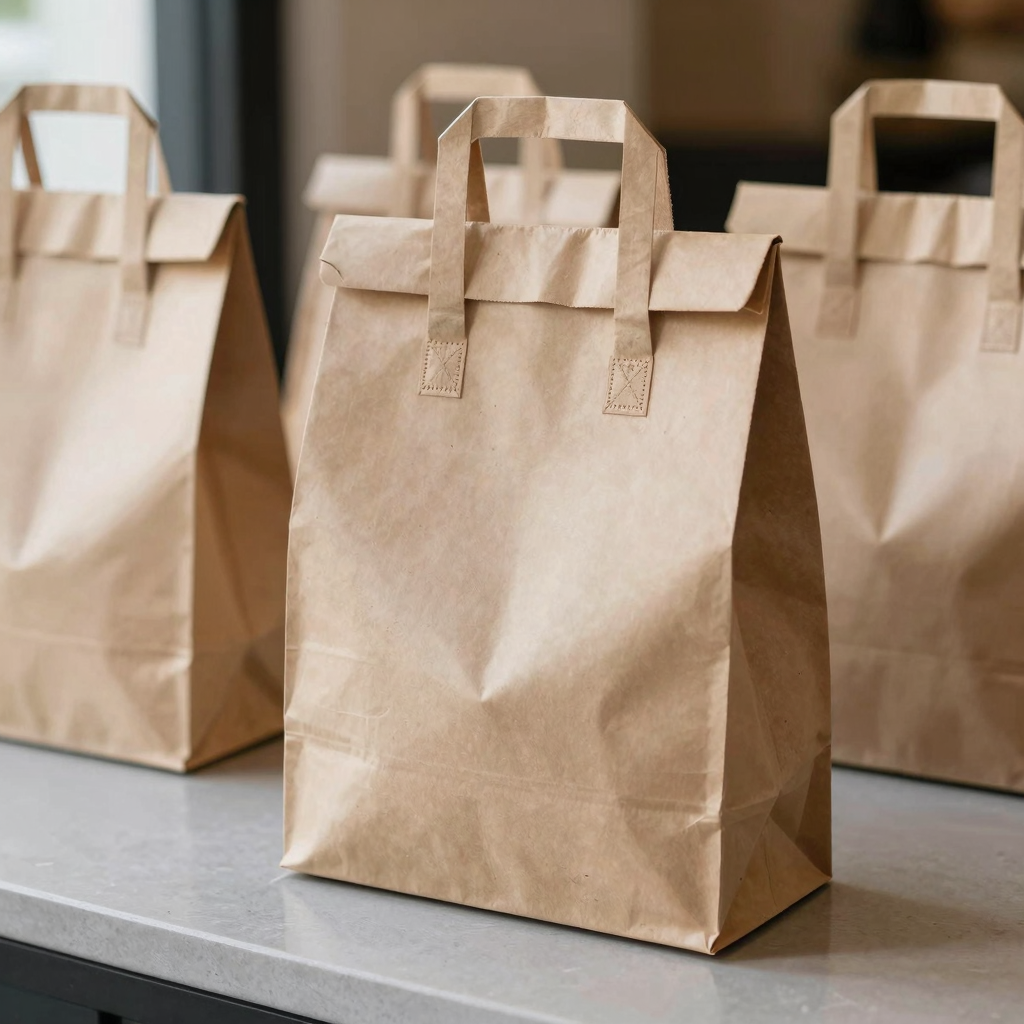
In Los Angeles, a new push for stricter transportation regulations is taking center stage, particularly regarding the use of sealed takeout bags. This initiative aims to prevent non-compliance related to food delivery practices that often jeopardize public safety and health. For businesses in the food sector-especially bubble tea shops, restaurants, and food trucks-the implications are significant. Compliance with these regulations is not merely a legal obligation; it’s also a matter of maintaining customer trust and loyalty. As the landscape of food delivery evolves, embracing innovations like secure takeout solutions can set businesses apart in today’s competitive market. By ensuring that products are delivered safely and responsibly, establishments can enhance their reputation while contributing to the overall well-being of the community. Learn more about the importance of packaging solutions here and how they can impact your business.
The Importance of Sealed Takeout Bags in Food Safety
Sealed takeout bags are not just a packaging option; they are a crucial component of food safety and customer satisfaction in the food service industry. The significance of these sealed bags lies primarily in their ability to prevent contamination during transportation. When food is packaged and sealed properly, it minimizes the risk of exposure to external elements such as dirt, bacteria, or pests, which could compromise the quality and safety of the meal. This is especially relevant in today’s world where health and hygiene have taken center stage, and consumers are more concerned than ever about the safety of their food.
Sealed takeout bags also play a vital role in regulatory compliance. Many regions have established guidelines requiring food establishments to ensure the safety of food products from preparation to delivery. According to CIRS Testing, businesses need to adhere to strict regulations set by authorities like the FDA regarding food packaging materials. Using sealed bags not only helps businesses comply with these regulations but also fosters a sense of trust among customers, reinforcing their commitment to hygiene and safety practices.
Moreover, customer expectations are continuously evolving. Today’s diners expect their food to arrive fresh, intact, and uncontaminated. When a customer receives their order in a well-sealed bag, it communicates professionalism and attention to detail, which enhances their overall experience. This positive impression can lead to repeat business and positive word-of-mouth referrals, which are invaluable for any restaurant, food truck, or catering service.
In conclusion, using sealed takeout bags is essential for food safety, regulatory compliance, and meeting customer expectations. For food service businesses looking to enhance their operations while ensuring customer satisfaction, investing in quality sealed takeout bags is a step in the right direction.
Comparing Sealed vs Non-Sealed Takeout Bags
When it comes to takeout bags, the choice between sealed and non-sealed options significantly impacts various aspects such as food safety, customer satisfaction, and regulatory compliance. Here’s a detailed comparison:
| Aspect | Sealed Bags | Non-Sealed Bags |
|---|---|---|
| Food Safety | Airtight seal prevents contamination and spillage, improving safety during transport. | Higher risk of spills and contamination from external sources. |
| Customer Satisfaction | Enhances customer trust and satisfaction through improved presentation and perceived quality. | May lead to dissatisfaction if spills occur or food quality is compromised. |
| Regulatory Compliance | Meets enhanced safety regulations for food transport, ensuring compliance with health standards. | May not meet certain health standards, risking penalties and customer health. |
| Material Sustainability | Often made from eco-friendly materials, contributing to sustainability efforts in the food industry. | Typically less eco-friendly options that may not be recyclable or biodegradable. |
For food businesses such as bubble tea shops, restaurants, and catering services, opting for sealed takeout bags not only addresses the current regulatory pressures but also enhances customer experience.
For more insights, learn about eco-friendly packaging here.
In a significant move aimed at reducing plastic pollution, Los Angeles County has enforced strict regulations on single-use plastic bags and sealed takeout containers, impacting food-related businesses across the region. Here’s a comprehensive overview of the current regulations and their implications for restaurants, food trucks, and catering services.
The Ban on Plastic Bags
As of May 1, 2023, Los Angeles County has banned single-use plastic bags in food service establishments. This ban extends to all restaurants, cafes, and food vendors, requiring them to switch to compostable or recyclable alternatives. Notably, the regulations stipulate the following:
- Eligible Alternatives: Businesses must offer customers reusable or compostable bags instead of single-use plastics. These include paper bags or bags certified as compostable.
- Exemptions: Some exemptions exist, particularly for items intended for immediate consumption and certain medical or hygiene-related needs.
The City of Los Angeles’s Office of the City Clerk emphasizes that compliance is crucial to promote sustainable practices and protect the environment (City of Los Angeles Ordinance).
Impact on Businesses
The impact of these regulations has been significant, with over 90% of food service establishments reportedly adapting to the new rules within the first year. Most businesses have transitioned to either reusable or biodegradable options. However, the regulatory shift hasn’t come without its challenges.
- Increased Costs: Many food service operators, particularly small businesses, have reported an average increase of about $1,200 annually in operational costs due to the higher prices of compliant packaging materials. This transition has sparked concerns about affordability and accessibility.
- Financial Assistance: In light of these challenges, the city has launched a grant program aimed at providing up to $5,000 in subsidies to help small food service businesses offset the costs of sustainable packaging alternatives.
Environmental and Economic Outcomes
The environmental benefits of the ban are evident. A study conducted by the University of Southern California (USC) indicated a remarkable 76% reduction in plastic bag litter in city parks and waterways since the ban’s implementation. Additionally, the economic implications are mixed:
- Larger restaurant chains have successfully adopted new packaging solutions with minimal disruption, while our independent food vendors have struggled with supply chain challenges.
- A reported 14% increase in customer demand for reusable containers has prompted some businesses to introduce innovative deposit-return systems to encourage their use.
Future Regulations
Further regulations are on the horizon as the Los Angeles City Council has proposed additional rules expanding the original plastic bag ban to encompass single-use plastic straws, utensils, and foam takeout containers. Scheduled to take effect in January 2026, these updates aim to continue driving the city toward more sustainable practices.
Conclusion
As regulations concerning sealed takeout bags evolve, it’s essential for restaurants, food trucks, and catering services to stay informed and compliant. Embracing sustainable packaging not only aligns with local laws but also reflects growing consumer demand for eco-friendly practices. For those interested in exploring suitable options, consider looking into compostable packaging alternatives to ensure your business remains at the forefront of the sustainability movement.
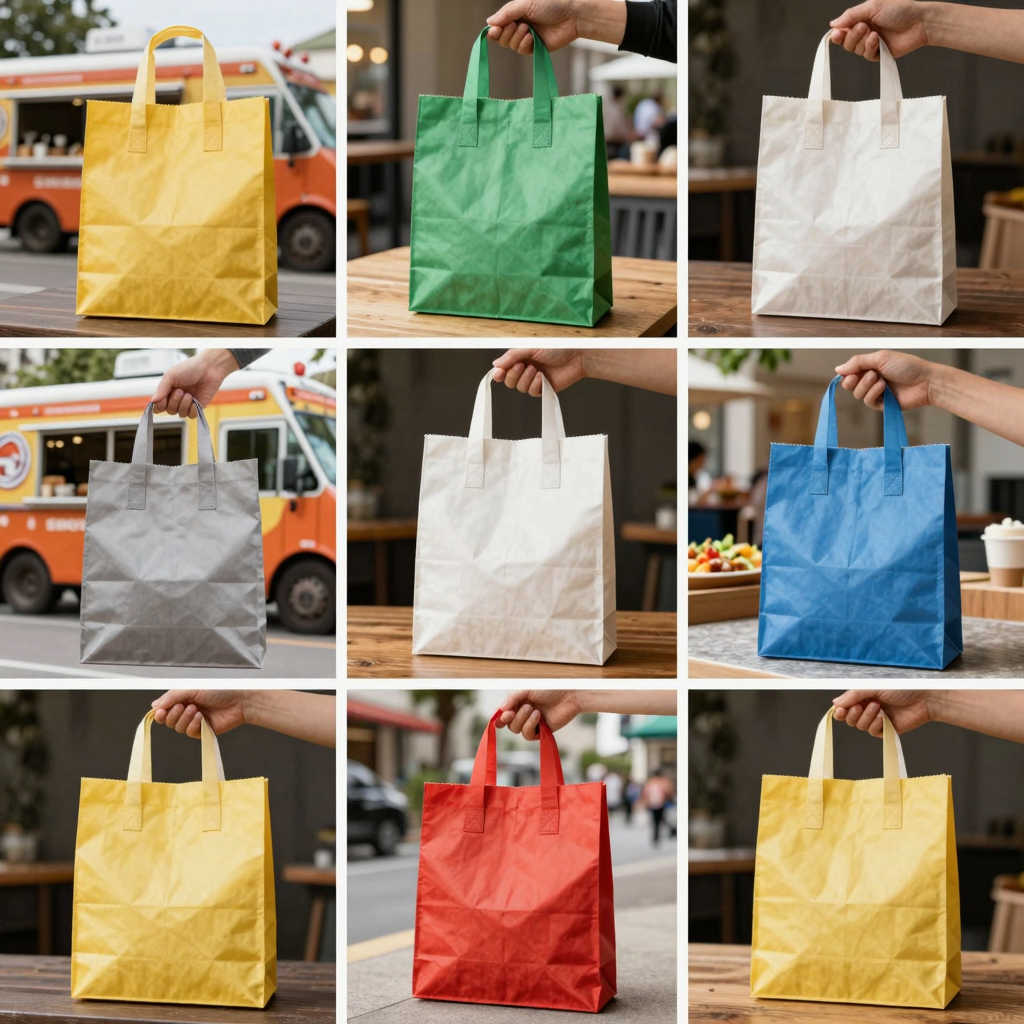
Impact of Regulations on Food Businesses
Regulations in the food industry significantly shape the way businesses operate, affecting profitability, customer trust, and daily operations. As local and federal agencies implement stricter standards to ensure food safety, businesses are faced with the challenge of adjusting to these demands while maintaining their bottom line.
Operational Changes and Compliance Costs
Regulatory compliance often leads to higher operational costs, particularly for smaller businesses that may lack the resources of larger corporations. For instance, compliance with the FDA’s regulations can be daunting. A report indicates that while these regulations raise short-term costs, their long-term benefits include reduced risk of recalls and enhanced consumer trust. This was exemplified by a small bakery in Ohio that faced a recall but ultimately increased their repeat customer rate by 30% after investing in compliance training and updated record-keeping systems. Learn more about how compliance can result in increased customer loyalty.
Enhancing Customer Trust
Customer trust is intricately linked to how well a business adheres to regulations. A survey conducted by the Pew Charitable Trusts found that a staggering 82% of consumers are more likely to purchase from brands that exhibit transparent sourcing practices and compliance with food safety standards. Companies like General Mills have reported increases in customer loyalty and sales after strengthening their compliance programs. Thus, investing in regulatory adherence not only meets legal requirements but also boosts brand reputation and customer trust.
Sustainability and Long-Term Profitability
Moreover, adapting to regulations can yield unexpected benefits beyond compliance. According to a case study on EU food laws, companies that embraced operational transparency through rigorous food safety measures experienced better export performance and sustained profitability. By promoting sustainability in their practices, these companies not only comply with regulations but also build a loyal customer base that values responsible sourcing and safety.
Conclusion
In conclusion, while the burden of compliance can seem significant for food businesses, the resulting advantages often outweigh these costs. Improved customer trust, reduced risks associated with legal liabilities, and enhanced operational efficiencies contribute to a stronger, more resilient business model. As regulations continue to evolve, businesses that proactively adapt may find themselves better positioned for success in an increasingly competitive marketplace. For further insights into safe food packaging solutions, check out our guide on eco-friendly packaging.
This image illustrates the impact of regulatory compliance on important aspects such as cost reduction and customer trust, highlighting how strategic investments can lead to a healthier business environment.
User Adoption Rates of Sealed Bags
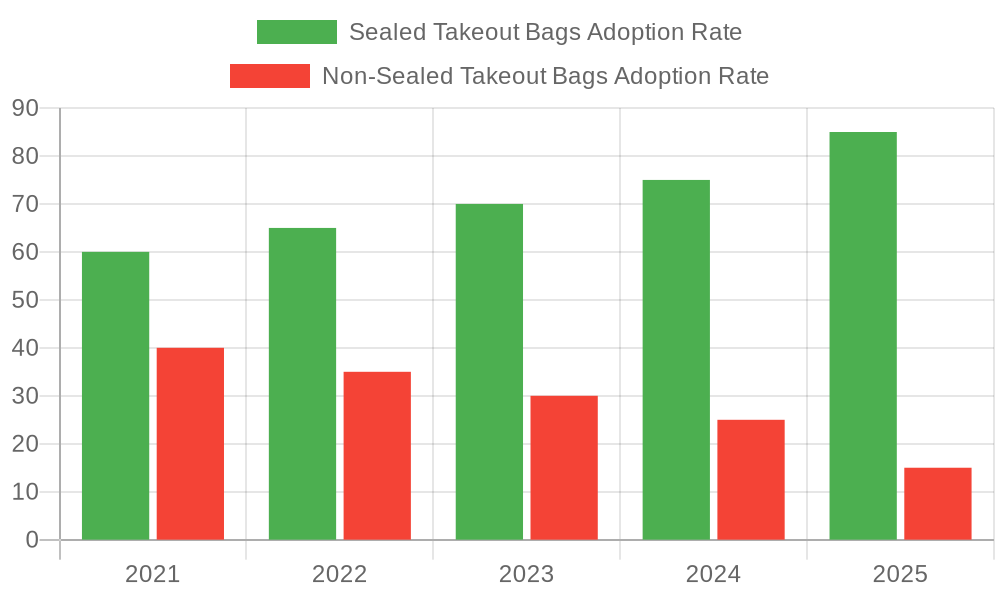
The demand for sealed takeout bags in the food service industry has risen significantly over the past five years. This shift can be attributed to various factors such as food safety, customer satisfaction, and reduction of spills during delivery. The following chart illustrates the user adoption rates of sealed takeout bags compared to non-sealed bags from 2021 to 2025:
Takeout Bags Adoption Rates Over the Years
| Year | Sealed Takeout Bags Adoption Rate | Non-Sealed Takeout Bags Adoption Rate |
|---|---|---|
| 2021 | 60% | 40% |
| 2022 | 65% | 35% |
| 2023 | 70% | 30% |
| 2024 | 75% | 25% |
| 2025 | 85% | 15% |
As demonstrated, the adoption rate for sealed bags has increased from 60% in 2021 to an impressive 85% by 2025. This trend is favorable for businesses looking to enhance food transportation and maintain quality. If you’re considering transitioning to sealed takeout bags, learn more about eco-friendly options or explore our range of clear plastic cups for additional packaging solutions.
In conclusion, the recent mandate for sealed takeout bags in Los Angeles underscores the critical importance of food safety and compliance with regulations. As outlined, this initiative aims to enhance consumer trust by ensuring that meals are protected from tampering and contamination during delivery. Observations from a survey conducted by the Los Angeles Department of Public Health revealed that over 85% of customers feel more secure receiving meals when they are delivered in tamper-proof packaging. This shift not only fosters a safer dining experience but also promotes accountability across the food delivery supply chain.
Furthermore, choosing reliable disposable tableware and packaging solutions is essential for businesses in the food service industry. Opting for high-quality, compliant packaging will not only meet legal requirements but also enhance the brand’s reputation and customer satisfaction. For further insights into sustainable and effective disposable tableware options, check out our blog. It’s time to embrace these changes and invest in secure packaging solutions to keep both your customers and your business thriving.
Alternative Sustainable Takeout Packaging Options
As businesses seek to reduce their environmental impact, there are several sustainable takeout packaging options that can complement sealed takeout bags. Here are some alternatives to consider:
-
Compostable PLA Containers
Made from corn starch, PLA (polylactic acid) containers are biodegradable and compostable. They provide a sustainable option that breaks down in commercial composting facilities, making them a preferred choice for eco-conscious businesses.
Benefits: Reduces landfill waste and supports circular economy efforts. -
Molded Fiber Bowls
These bowls are created from recycled paper or natural fibers, making them both biodegradable and sturdy. They are perfect for various food types, from hot soups to salads.
Benefits: Offers a sustainable alternative that can replace plastic without compromising on quality. -
Bamboo Containers
Bamboo is a fast-growing, renewable resource. Containers made from bamboo are durable and can withstand heat, making them suitable for hot foods.
Benefits: Naturally anti-bacterial and adds an aesthetic appeal to food presentation. -
Seaweed-based Films
This innovative packaging is derived from seaweed and is both biodegradable and compostable. It’s an emerging choice for wrapping food without relying on plastic.
Benefits: Contributes to marine sustainability and reduces plastic reliance. -
Reusable Containers
Encourage customers to bring their containers for takeout, offering a discount on future purchases. This option significantly reduces waste over time.
Benefits: Enhances customer loyalty and supports zero-waste initiatives. -
Sugarcane Containers (Bagasse)
Created from the byproduct of sugarcane processing, these containers are compostable and ideal for both hot and cold items.
Benefits: Utilizes agricultural waste and minimizes the carbon footprint. -
Recyclable Paper Bags
Paper bags made from 100% recycled materials serve as a sustainable option for takeout, especially when lined with a water-resistant coating using natural substances.
Benefits: Encourages recycling and reduces plastic bag usage.
By considering these sustainable alternatives, food businesses can enhance their brand image while contributing to a greener planet. For further insights into custom plastic options and eco-friendly practices, explore our resources.
Are you looking for a dependable solution for your disposable tableware and packaging needs? Look no further than GreenDispoPack! Our products meet stringent safety standards and offer you peace of mind, ensuring your food items are always secure and hygienic.
With our fast delivery service, you can focus on what matters most-serving your customers-without worrying about stock shortages. Whether you’re a bubble tea shop, restaurant, or catering service, our diverse range of eco-friendly tableware will elevate your dining experience while also supporting sustainability. Plus, our dedicated customer support team is here to assist you with any questions or concerns you may have.
Make the switch today and experience the benefits of our reliable solutions. Learn more about our disposable tableware and how we can help your business thrive!