

For businesses in the beverage and catering industries, choosing the right tableware can significantly enhance both presentation and service efficiency. Lillian Tablesettings’ 12 Count Mini Plastic Flared Triangle Cup in clear plastic offers an elegant solution that meets various operational needs. From bubble tea shops wanting a chic presentation to corporate catering services that demand practicality, these cups cater to a wide audience. The following chapters will explore their attractive design, superior material features, versatile applications, and economic advantages, providing a comprehensive understanding of how this product can elevate any occasion or service.
Translucent Geometry: The Subtle Design Language of Clear Mini Triangular Cups in Modern Table Settings
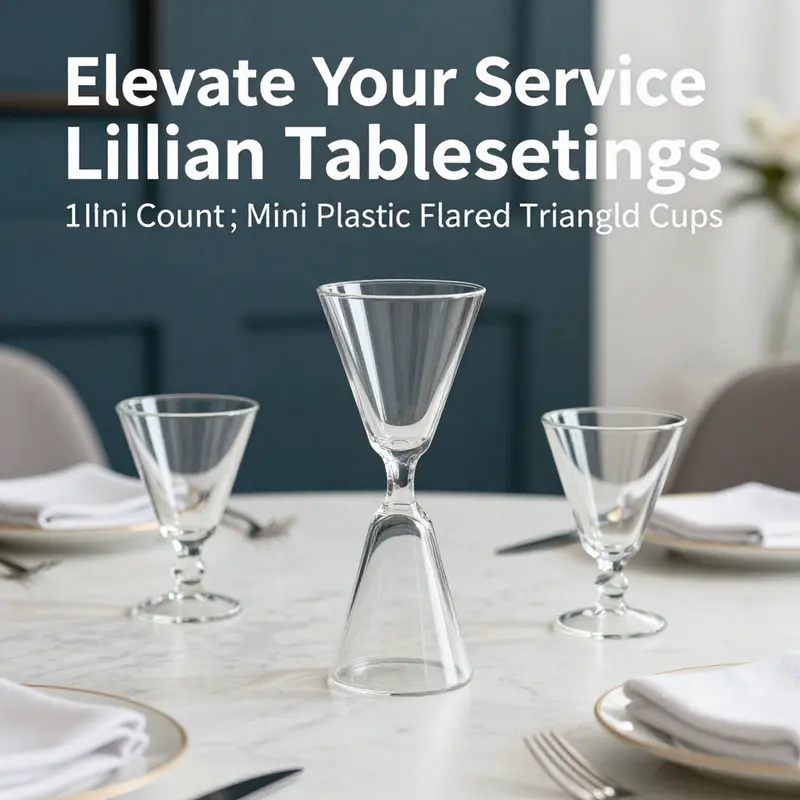
In the quiet language of table design, a small, clear cup can carry more meaning than its size would suggest. The set of clear mini cups with a flared triangle silhouette speaks to a restrained modernism that many events crave today. Their glasslike clarity invites the guest to read color, light, and texture without distraction, turning a simple sip or a modest bite into a moment of visual clarity. This is not merely a disposable vessel; it is a carefully chosen element of the table’s wider narrative. The magic lies in the geometry. A triangle is a form that implies direction, balance, and forward momentum. When the triangle flares at the base, the silhouette gains stability without sacrificing the light, airy feel that a clear plastic surface is meant to convey. The result is a cup that reads as a minimalist sculpture at a glance, but performs with the pragmatism needed for real-world events. It tolerates bustling service, stacks neatly for quick restocking, and integrates with a broad range of plateware and linens without clashing, blurring the line between casual and refined settings in a way that feels effortless rather than engineered.
The choice of material reinforces this effect. Clear plastic, chosen for its transparency and light weight, allows the liquid’s color to take center stage. A well-made, BPA-free composition preserves the safety of the contents and preserves the perception of purity that guests associate with glass. The clarity is not simply about seeing through the cup; it is about seeing through the moment itself. When guests glimpse a rosy blush of rosé, a pale citrus, or a dark espresso within a crisp, clean vessel, the drink’s tone is amplified by the unadorned frame around it. The cup’s surface catches and refracts light in subtle ways, producing a gentle shimmer that shifts as guests move around a table. This plays beautifully against the soft textures of napkins, the gentle glint of metallic chargers, and the muted tones of a well-curated table setting. In an arrangement designed for photos, the cups act as neutral carriers—colorful beverages stay vivid, and the table’s overall palette remains cohesive rather than fragmented by mismatched glassware.
Form and function are inseparable here. The cup’s shape is more than a decorative choice; it serves a practical role in how guests interact with the beverage and the food. The flared lip—slightly widened at the rim—offers a comfortable, predictable edge for sipping, reducing the chance of spills when servers bustle by. The triangular silhouette contributes to stable stacking and efficient storage. The base’s widening geometry lowers the center of gravity, helping the cup resist wobble on crowded buffet lines or when the table is bumped by passing platters. This stability matters during long events, where even small misalignments can interrupt a moment of conversation or a toast. The design supports quick, confident handling, which is essential in catering environments where the pace of service matters as much as the presentation itself.
From a visual standpoint, the cups anchor the table’s story without shouting. Their timeless, almost architectural profile contrasts with more ornate glassware and busy centerpieces, yet never feels cold or clinical. The transparency encourages a clean, uncluttered look that pairs well with minimalist or modern rustic themes. At the same time, the cups adapt to a wide spectrum of settings—from intimate dinners to large-scale receptions. The clarity of the plastic resembles glass, but the weight and durability are of a different order, enabling guests to participate in the moment with less concern about breakage or delicate handling. This balance between elegance and practicality has become a recurring motif in contemporary event design: an appearance that reads as refined and thoughtful, while the underlying material technology quietly handles the realities of service day in and day out.
The aesthetic story extends beyond the cup itself to the way it frames liquid and bite-sized portions. Because the cup is clear, chefs and caterers can leverage the visual appeal of food as well. A bright, citrusy drink sits like a jewel within a perfect trench of light; a smooth, foamy cocktail becomes a soft, glowing sculpture. When the cup is used for small tastings or amuse-bouche portions, the transparency becomes a deliberate stage—there is no competing color or texture behind the beverage to distract the eye from the bite presented in front of it. The result is a dining experience where the eye and the palate travel together, guided by the quiet, confident geometry of the cup.
In practice, orchestration of tableware across an event benefits from a unifying, restrained style. The clear mini cup works in harmony with a wide array of serving shapes and sizes. It can sit beside a simple white plate in a home dinner or mingle with more elaborate china and metallic accents at a banquet. The cup’s neutrality makes it an ideal partner for seasonal palettes and evolving color stories. This compatibility reduces the number of specialized pieces a planner must source while preserving a sense of curated harmony. The effect is a table that appears organized and intentional, rather than piecemeal or improvised. Guests notice the care taken to assemble the setting, but they do not feel manipulated by it; the cups contribute to the mood rather than dominating it.
The aspect of disposability is often a practical concern in event design, and the cup’s design acknowledges this reality with a respectful sense of dignity. It is designed for easy disposal and quick cleanup, a feature that is increasingly essential for multi-day conferences, weddings with tight timelines, and large corporate gatherings. Yet the efficiency does not come at the expense of appearance. The minimalist silhouette, the clear material, and the carefully considered proportions mean that cleanup does not strip the moment of its visual intention. The table remains a canvas that captures a fleeting scene—the toast, the laughter, the clink of glassware—without leaving a trail of clutter behind.
For planners who track sustainability and cost, the decision to use a clear mini cup is often a balance between aesthetics and practicality. The lightweight design reduces transport costs and simplifies stacking, while the BPA-free composition addresses health and safety concerns. The fashion of a disposable vessel has shifted in recent years toward products that offer both function and character. A cup like this demonstrates how disposables can contribute to the ambiance of a setting without sacrificing performance. It invites a kind of quiet confidence in the guest—the sense that the event is well-considered, that every small detail has been thought through, and that even a simple beverage can participate in a larger design dialogue.
The broader implications of such a design speak to a trend in contemporary tableware: the move toward pieces that are intentionally modest, yet capable of elevating an overall experience. When a setting uses clear, geometric cups as a staple, the other elements—napery, flatware, stems, and platters—can be chosen with greater freedom. The cups’ neutrality allows bold or delicate choices elsewhere, enabling a cohesive and flexible approach to event styling. The triangular form, with its crisp lines and stable base, becomes a quiet ambassador for modern taste. It communicates restraint, confidence, and an understanding that beauty can reside in function as much as form. This is the essence of the chapter on design and aesthetics: a compact object that, through precise geometry and thoughtful material choices, shapes the mood of the room and the rhythm of the evening.
To reflect on the practical ecology of the product, its 4-ounce capacity is well-suited for both beverages and small portions, supporting a wide range of service styles. The size is generous enough to feel satisfying for a quick tasting but compact enough to keep the table from appearing crowded during a multi-course service. The cups’ compatibility with hot and cold liquids adds to their versatility, enabling chefs and bartenders to present a coherent sequence of courses or drinks without swapping vessels. In many settings, guests appreciate the certainty that a single vessel type can handle multiple tasks, simplifying the guest journey and streamlining service operations for staff. This is a small but meaningful efficiency, one that reduces confusion and allows attention to focus on presentation details that truly matter—from the placement of the napkin to the timing of a toast.
From an instructional perspective, designers and event planners can use the cup as a reference point for building a broader table language. Its clean geometry demonstrates how a single element can unify disparate components of a dining tableau. When paired with carefully chosen linens, chargers, and accent lighting, the cup acts as a visual hinge that keeps the composition from tipping into clutter. It shows how form can inform function in a way that respects the guest experience. And because the cup is clear, it tells a story that is less about the vessel and more about what the vessel reveals—the beverage’s color, the bite’s texture, the moment’s mood. This is not a critique of opacity or opacity’s absence but a celebration of seeing—seeing the drink, seeing the moment, and seeing how design choices support and enhance those moments rather than overpower them.
For readers who want to explore branding and customization options in related tableware, consider how a disposable takeaway cup with a custom logo could complement or contrast with a clear mini cup in a practical event scenario. The linked example offers insight into how branding can be integrated into the disposable category without compromising the overall table language. From a planning standpoint, this lets the host maintain a consistent brand message across menus, signage, and service ware, while still preserving the clean, modern aesthetic that begins with a well-chosen cup. If you are curious about how branding strategies translate into tableware choices, you can explore disposable options that allow a personal touch without sacrificing the minimalist elegance that governs the larger setting.
Internal link reference: disposable takeaway paper cup with custom logo
For further reading on how such contrasts of clarity and design are perceived by guests, a practical online resource offers broader context on disposable cup concepts, materials, and consumer expectations. External resource: https://www.amazon.com/dp/B00K76G75E
Material and Safety Features of Lillian Tablesettings 12 Count Mini Plastic Flared Triangle Cup Clear
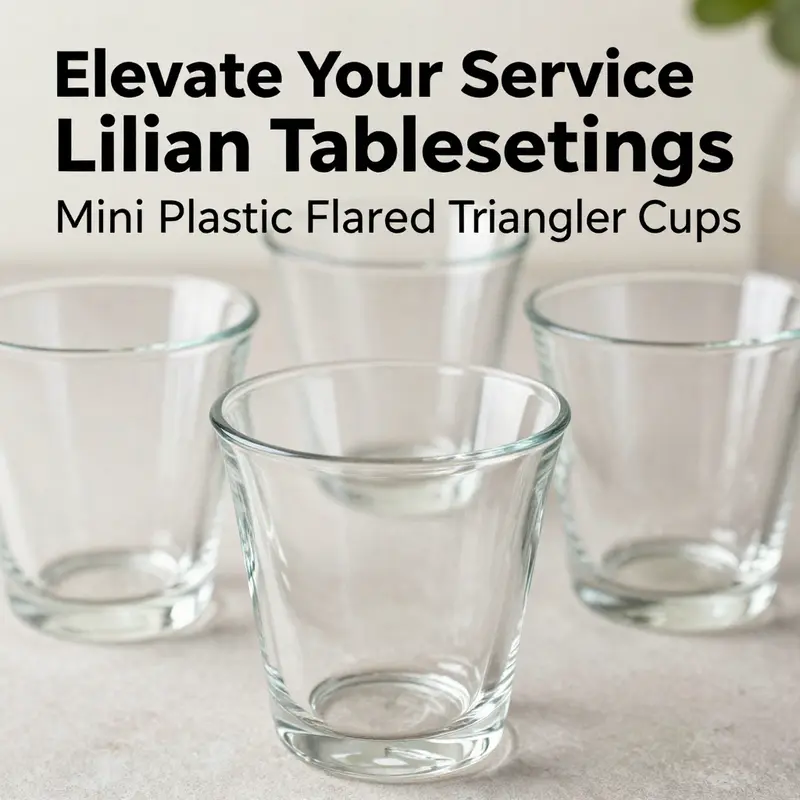
Design and material choices matter for guest experience and service efficiency. This chapter examines the Lillian Tablesettings 12 Count Mini Plastic Flared Triangle Cup Clear, a compact disposable solution with a heavy-weight clear plastic body, a 4-ounce capacity, and a distinctive flared triangle silhouette. The heavy-weight plastic supports a sturdy feel in hand, resists bending under normal use, and presents a crystal-like clarity that showcases beverages and garnishes. The 4-ounce capacity places the cup in a sampling or dessert-portion niche, helping control portions and simplify service pacing during events.
Safety features include BPA-free construction and food-contact compatibility. While disposable, it is designed to meet common safety standards; it is not intended for microwave heating. The heat caution means hot beverages should be poured rather than heated in the cup. The product is intended for single-use; after use it should be disposed of according to local guidelines, with recycling where available.
Environment and service considerations: clear plastic cups are recyclable in some programs, but recycling varies by venue. The triangular shape gives a modern aesthetic and helps with grip and stacking. The combination of form and function supports efficient service, reduced cleanup time, and cohesive table styling for a range of events from cocktail receptions to casual buffets.
For event planners seeking sustainable branding options, there are eco-friendly disposables and branding approaches while maintaining disposability and convenience.
In summary, the heavy-weight BPA-free clear plastic, the 4-ounce capacity, the flared triangle silhouette, and the defined safety guidance together define this cup as a practical, attractive option for on-table service.
Clear Mini Cups, Big Impact: Elevating Modern Entertaining with Flared-Triangle Serveware
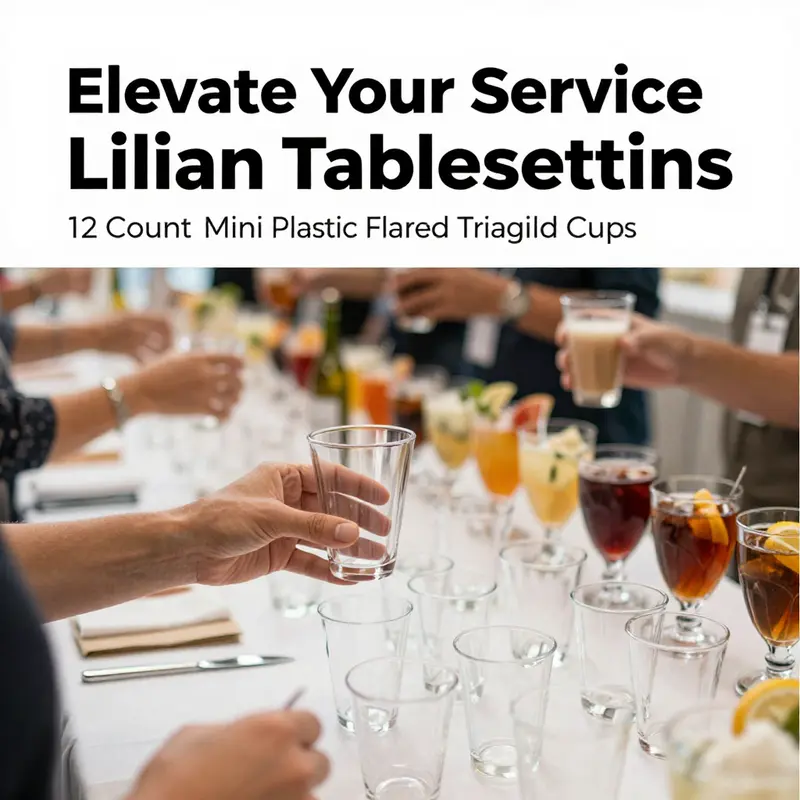
A set of small, clear cups with a flared triangular silhouette does more than hold a drink or a bite. In the world of event design and everyday dining, these compact pieces function as a quiet backbone for a table that aims to balance practicality with visual finesse. Their 4-ounce capacity is intentionally modest, inviting guests to sample a spectrum of flavors without overwhelming the palate or the plate. In the hands of a planner, a host, or a caterer, a dozen of these cups become a flexible toolkit for service that is as considerate of the guest experience as it is efficient for the staff. The design—clear, lightweight, and with a shape that sits confidently on a crowded table—embodies a philosophy of modern entertaining: clarity, convenience, and a little flair, all at once.
First, the physical form deserves attention. The flared triangular geometry is more than a fashion note; it subtly guides the hand and stabilizes the cup during handling. The broad top offers an easy grip, even for guests wearing gloves at a winter reception, while the pointier base reduces the footprint on crowded trays. This geometry also supports a stable presentation on uneven surfaces, a common challenge at larger gatherings where linen runners and placemats meet the realities of a busy room. The triangular flare gives an architectural edge to the table, a visual counterpoint to round plates and crisp linens, and a modern counterbalance to traditional round-stemware expectations. The transparency of the plastic is not merely a matter of aesthetics; it is a deliberate choice that highlights color, texture, and layers inside each cup. A vivid berry compote, a pale sorbet, or a smoky consommé becomes part of the overall tableau, rather than competing against the vessel itself. Guests can appreciate the content in real time, making the cup a storytelling device as much as a vessel.
In practical terms, the four-ounce capacity is an invitation to precision. It supports tasting menus, cocktail stations, and canapé service without creating overindulgence or waste. For banquets and upscale catering, this size lends itself to elegant, controlled portions—an essential consideration when coordinating multiple courses, timing, and staff movement. The cups are designed to be disposable, which speaks directly to the rhythm of modern events where speed and post-event logistics matter as much as the guest experience during the meal. The disposable nature reduces cleanup labor, limits cross-contact concerns, and enables service to flow smoothly from kitchen to floor with minimal friction. Yet the disposability does not negate sophistication. In fact, the transparent finish enhances the presentation by letting the contents take center stage. A colorful cocktail, a delicate herb garnish, or a shimmering glaze reads clearly through the clear material, turning each serving into a small focal point rather than an afterthought.
For beverage service, these cups prove remarkably versatile. They are suitable for both hot and cold liquids, a feature that expands their use beyond simple summer refreshment to include warm teas, broths, or even a light mulled beverage in cooler seasons. The security of grip reduces spill risk during busy moments—when staff move between stations, topple-prone trays, or hurriedly refill at a crowded bar. In addition, the clear plastic makes it easy to identify contents at a glance, a practical benefit when managing multiple drink stations that serve a range of flavors and temperatures. Cooks and mixologists alike can layer flavors visually, creating cocktails or mocktails with garnishes perched above the rim, letting color, aroma, and texture contribute to the overall sensory impact. The cups’ compatibility with a wide spectrum of garnishes—citrus twists, edible flowers, dollops of foams, or delicate seeds—lets a host craft a multi-sensory narrative around a course or a tasting flight.
Food presentation benefits equally from the format. Small portions of desserts, fruit cups, sorbets, or delicate sauces can be staged within the same cup, elevating them through transparent containment that keeps the bite intact until the moment of tasting. The clear cup acts as a stage for the contents, and the triangular flare helps prevent spillage when the contents are moved to the mouth. This is especially valuable for tasting menus where balance between texture, temperature, and flavor is finely tuned. The cups can also serve as a receptacle for savory components—tiny portions of consommé, dipping sauces, or bite-sized canapé components—offering an elegant companion to more substantial courses on the same plate. The visual continuity of using the same vessel across courses creates a cohesive narrative for guests, reinforcing the event’s design concept while maintaining practical service flow.
From a home entertaining perspective, these cups offer a level of polish that can elevate casual meals without creating extra work. A family dinner that features a small tasting course or an appetizer flight benefits from a container that is easy to use, easy to dispose of, and easy to store. In indoor entertaining or outdoor gatherings, the light weight and sturdy feel reduce the risk of breakage, a common concern with glass or ceramic service in informal settings. And because the cups pair well with other elements of a coordinated tableware collection, hosts can achieve a sophisticated look without replacing existing pieces. The goal here is not to mimic fine china with a disposable option, but to leverage a design language—clarity, minimalism, and a clean line—that resonates with contemporary dining aesthetics.
The practical advantages extend beyond aesthetics. Economy of service is a recurrent theme in event planning, and these cups align with that aim. Their compact pack count—twelve per package in many configurations—facilitates bulk purchasing for large gatherings while maintaining flexibility for smaller events or last-minute guest additions. The lightweight build supports ease of transport and reduces the logistical burden on staff tasked with moving supplies across venues. In a catering operation, this translates to faster turnover at beverage stations and more time for guests to mingle and enjoy the occasion rather than waiting in long lines. The design also anticipates the realities of cleanup after a banquet or catering event: with minimal residue and straightforward disposal, the teams can transition quickly from service to post-event wrap-up, freeing up resources for subsequent events or the final stages of a party.
Visual cohesion matters, too. A table that uses a consistent cup shape across beverages and small bites creates a rhythm that the eye can read quickly. The clear finish allows the color palette of the food and drink to drive the table’s mood, whether that palette leans toward jewel tones at a formal reception or toward fresh, bright hues at a summer gathering. When paired with compatible plates, bowls, and flatware, these cups become an anchor within a broader design scheme, ensuring the event feels curated rather than improvised. The ability to harmonize with other elements from a cohesive line of serveware reinforces a sense of intention and quality, even in a disposable format.
Sustainability considerations are a reality hosts must weigh. The plastic used in these cups is selected for clarity and durability, and many versions emphasize BPA-free construction to address safety concerns. While disposables inherently generate waste, the choice of clear, recyclable materials reduces environmental impact when proper disposal streams are available. For guests who are mindful of ecological footprints, there is value in designing moments where even a single serving can be part of a broader commitment to responsible consumption. This can include encouraging recycling and providing clearly labeled bins, or, where feasible, choosing products that are made from or compatible with greener waste streams. For hosts who wish to explore greener paths while still maintaining the conveniences of disposability, there are options in the market that mimic the appearance and function of these cups in more sustainable formats. As a practical bridge, many event professionals and home hosts look to a wider ecosystem of disposable tableware that balances aesthetic appeal with environmental responsibility.
In this context, it can be helpful to consider how these small vessels fit into a broader strategy of service design. A well-planned sequence of courses, tasting flights, and pastry presentations can become a storytelling arc, where the vessel serves as a constant, and the contents continually reveal new textures and flavors. For a hospitality professional, the cups become something more than tools of service; they are a design choice that communicates a philosophy of thoughtful, efficient hosting. The result is a guest experience that feels curated, with every detail working in concert—from lighting and music to the moment a guest lifts a perfectly sized, crystal-clear vessel to their lips.
To summarize, the value of this compact, clear, flared-triangle cup lies in its blend of form, function, and flexibility. It supports high-traffic environments like banquets and cocktail receptions, while also serving well in intimate home gatherings where quick cleanup and tasteful presentation matter. Its shape supports stable handling and minimizes spills, the clear material enhances visual appeal, and the modest capacity encourages mindful tasting and portion control. By providing a reliable, visually appealing vessel that can be used across hot or cold beverages and small bites, this cup becomes a practical instrument in the repertoire of modern entertaining. And for hosts who seek greener routes, there are complementary options in the same family of disposable serveware that prioritize ecological considerations without sacrificing the look or the ease of use.
For readers looking to dig deeper into related concepts and options, further details and product specifications are available through an external reference. For a broader look at how disposable serveware can align with varied design goals and catering contexts, consider exploring additional resources that discuss the latest trends in tableware and event logistics. External reference: https://www.amazon.com/dp/B00K76G75E
In parallel, a related pathway for greener choices can be explored through suppliers offering eco-friendly disposable alternatives that still read as refined at the table. For hosts who want to maintain a consistent aesthetic while signaling environmental awareness, a practical step is to experiment with a few eco-conscious options that pair well with the crisp, minimal look of clear vessels. A useful starting point is to consider disposables designed with an emphasis on sustainability, such as those that balance appearance with recyclability and reduced material impact. To learn more about one such avenue, see this related resource: disposable eco-friendly custom paper coffee cups with lid. This link points to a broader family of take-away and serviceware that emphasizes practical design paired with responsible material choices, offering a complementary perspective for planners who want to build a cohesive, environmentally mindful table to accompany modern entertaining ideas.
The Economic Case for Disposable Clear Mini Cups in High-Volume Events
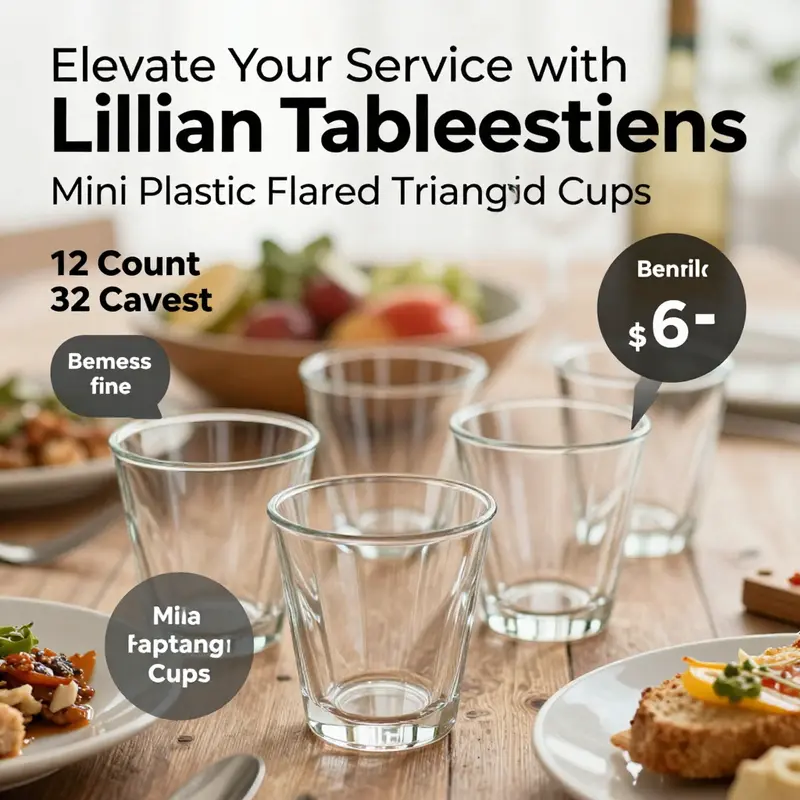
When event operations scale, the choice of serviceware can drive measurable margins. Disposable clear mini cups offer a straightforward way to reduce labor, waste, and complexity without compromising guest experience. The economics hinge on turning small, repeatable tasks into predictable costs and time savings. A durable, single-use cup with a clean, modern silhouette aligns with high turnover settings and allows operators to translate volume into value. The 4-ounce (roughly 118 milliliters) capacity is well suited for samples or small beverages, helping match portions to guest expectations while limiting over-pour waste.
Labor efficiency is the first-order lever. Reusable glassware requires washing, stacking, and careful handling in crowded spaces. Disposable cups remove much of that choreography: servers can serve quickly, bussers aren’t chasing fragile items, and dishwashing demand drops during peak windows. In practical terms, this can shorten service cycles, improve guest flow, and create room for more meals or tastings within the same event window. The time saved scales with event size, delivering meaningful margins when events are frequent or multi-session.
Breakage and loss risk are the second pillar. In dynamic venues, glassware is at risk of chipping or cracking, leading to substitutions, delays, and unsightly gaps in service. Durable, shatter-resistant plastic minimizes replacements and the downtime associated with sourcing fresh wares. With dozens or hundreds of pieces per event, the cumulative savings on replacements can be substantial and directly affect profitability.
Inventory management simplifies with disposables. A single, standard cup eliminates the headaches of set matching, wear patterns, and cross-site discrepancies. Procurement becomes forecastable: bulk quantities, consistent usage rates, and fewer special orders. This predictability lowers carrying costs and reduces stockouts during busy periods, simplifying administrative work for event teams.
Economics at scale favor disposables when you include the upstream and downstream costs. Per-unit price often declines with bulk purchases, and the savings from reduced water, energy, detergents, and labor can outweigh any modest per-unit premium relative to high-end reusable options. For operators who host frequent events, the annual impact of these savings compounds, improving margins without sacrificing service quality.
Safety, compliance, and brand consistency also factor into the financial argument. Food-contact safety, BPA-free formulations, and compatibility with hot or cold beverages reduce exposure to incidents and recalls. From a branding standpoint, clear cups with clean lines support contemporary table aesthetics, enabling tasteful logos or branding elements without expensive glassware investments. The result is a reliable, compliant product footprint that aligns with budgeting and risk management goals.
In practice, the decision to deploy disposable clear mini cups rests on balancing unit costs with labor, waste, and risk reductions. When framed as a total-cost-of-ownership discussion rather than a single-price choice, disposables often emerge as the smarter financial path for high-volume events, gala setups, tastings, and large conferences. The end result is a simpler supply chain, steadier service tempo, and a clearer path to predictable margins across a portfolio of events.
Final thoughts
In conclusion, Lillian Tablesettings’ 12 Count Mini Plastic Flared Triangle Cup is not just a visually pleasing option for beverage service; it seamlessly integrates style with functionality and cost-effectiveness. The unique design elevates the visual appeal of every event, while its quality materials ensure safe and reliable service. By choosing these cups, bubble tea shops, restaurants, event planners, and caterers can enhance their offerings, streamline service, and delight their customers without unnecessary hassle. Make the decision today to invest in tableware that complements your service excellence.