
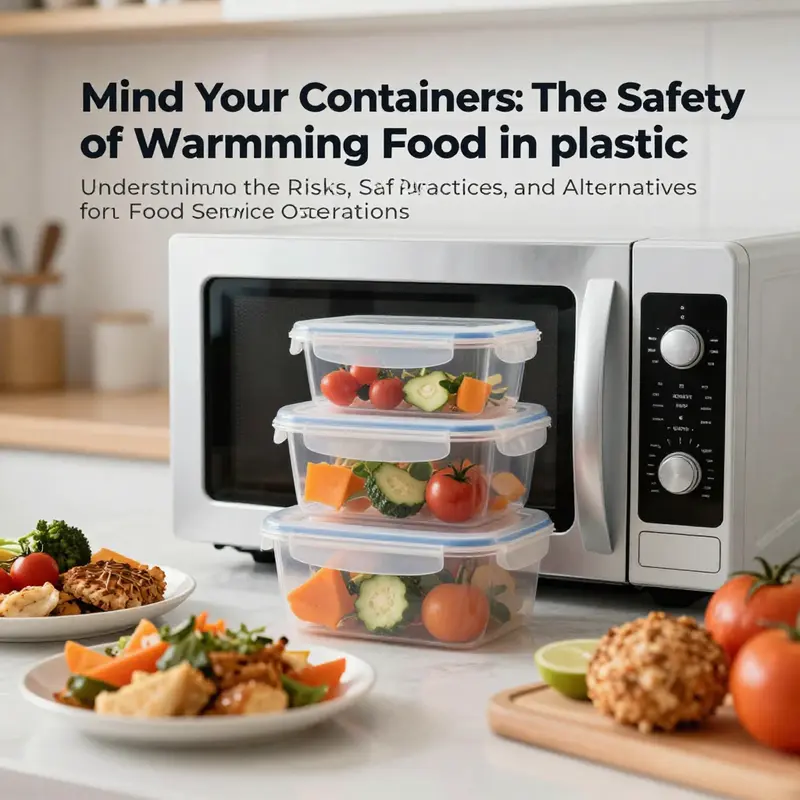
As food service professionals, the choices you make about food storage and heating impact not just the quality of your offerings but also the health of your customers. The use of plastic containers for warming food is a common practice, yet it carries hidden risks that could jeopardize food safety and customer welfare. From the potential for harmful chemical leaching to the implications of regulatory standards, it’s vital to navigate these challenges expertly. This article will explore key insights, focusing on the health risks of using plastic, safe practices for heating food, viable alternatives, and the regulatory landscape that governs food safety in plastic containers. Each chapter will equip you with the knowledge to make informed decisions that elevate your service and safeguard your patrons.
Hidden Heat, Clear Risks: Scientific Warnings About Warming Food in Plastic and Safer Alternatives
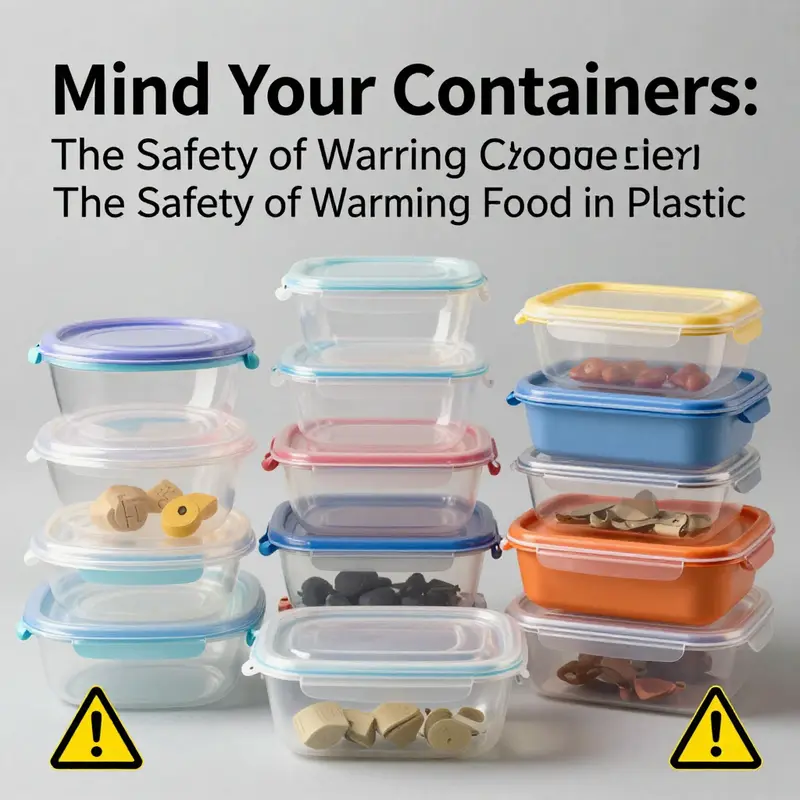
Warming up food in plastic containers is an everyday habit for many people, a quick routine that fits into busy lives. Yet the ease of this practice hides a web of health concerns that science has been steadily clarifying. When plastic is heated, especially in the high-energy environment of a microwave, the material can begin to break down. That breakdown releases tiny, sometimes microscopic, particles and chemical compounds into the food. The immediate sensation is often nothing at all; the danger is in cumulative exposure over time. The reason it matters is not merely the presence of a plastic scent or a faint taste of plastic in a reheated meal. It is the possibility that the heat accelerates the migration of substances from the container into the food and, from there, into the body. This is why a growing body of research treats reheating in plastic not as a benign convenience but as a potential source of health risks that deserve careful consideration.
The chemistry behind these concerns centers on the additives and building blocks used to manufacture plastics. Substances such as plasticizers, including phthalates, have long been suspected of interfering with hormonal signaling in the body. Even though many products on the market now claim to be BPA-free, other endocrine-disrupting compounds can take the place of BPA or other substitutes, and their safety profiles may not be fully understood. When heat is applied, these chemicals can migrate more readily into hot, fatty, or acidic foods. It is not just about a momentary exposure; it is about repeated cycles of heating and cooling that may gradually increase the total load entering the body. The concern about microplastics—tiny particles that originate from plastic materials—adds another layer of complexity. Heating can fragment plastics into billions of micro- and nano-particles that can find their way into meals and, ultimately, into tissues and organs.
A number of studies have begun to quantify the scale of the phenomenon. A 2025 study published in Ecotoxicology and Environmental Safety identified a measurable uptick in risk associated with short-term heating in common plastic containers. Although the exact risk varies with circumstance, the study described a pattern in which microplastic and chemical migration during heating correlated with adverse outcomes in model systems and analyses that translate into population health signals. In one of the more striking lines of evidence, researchers documented how heat-induced leaching could contribute to disruptions of gut microbiota and inflammatory pathways that ripple through the body. These pathways are linked to cardiovascular, metabolic, and even neurodevelopmental processes, making the conversation about safe reheating broader than a single organ system.
To grasp the potential heart of the matter, it helps to look at the most robust physical signals connected to heating plastics. Microplastics and nanoplastics—the tiniest fragments that can slip past the eye and the stomach’s first defenses—are not inert passengers. When they enter the body, they can travel through the circulatory and lymphatic systems, casting a wide net that reaches organs such as the liver, kidneys, heart, lungs, and brain. The literature now suggests that these particles, depending on their size, surface chemistry, and the dose, may cross biological barriers and accumulate in tissues. The implications are not merely speculative. The migration of microscopic particles and associated chemical additives can provoke oxidative stress, inflammatory responses, and cellular changes that, over time, align with a higher risk profile for certain diseases.
Several animal and epidemiological studies over the last few years have begun to map these connections with greater clarity. For instance, in a 2024 investigation conducted at a Chinese medical university, long-term exposure to plastic-contact materials was linked to structural changes in heart tissue and inflammatory markers in animal models. While translating animal data to humans must be undertaken with caution, the pattern aligns with a broader epidemiological signal: frequent contact with plastics used in food storage and serving can be associated with elevated cardiovascular risk in human populations. A conservative read of such data points to a body of evidence suggesting that even modest increases in microplastic or chemical exposure can add up over time, particularly for individuals regularly reheating meals in plastic or storing hot foods in containers not explicitly designed to endure heat.
The debate about “microwave-safe” labels also contributes to the public health conversation. Labels that certify a container as microwave-safe are anchored to testing under defined conditions. They test how the material behaves under certain temperatures and exposure times, which means they do not guarantee safety across repeated cycles, longer heating durations, or the presence of fatty or highly acidic foods. A nuanced finding from recent market surveys indicates that a substantial fraction of containers marketed as microwave-safe do not perform to those ratings when subjected to everyday usage patterns. This mismatch between certification and real-world use underscores why guidance should emphasize context: the safety of heating depends not only on the label but on the overall use scenario, including the food type, the duration of heating, and whether the container shows any signs of wear.
In the realm of practical kitchen behavior, several guidelines emerge clearly. First, always check for explicit microwave-safe or food-contact-use labels. These labels reflect that the container has passed tests for chemical migration under heat. Second, some plastics are clearly unsuitable for heating. Polyvinyl chloride (PVC) and polystyrene (PS) are commonly associated with poorer heat stability and higher leaching potential when heated, especially with fatty or oily foods. General-purpose plastics, or takeout containers not designed for heating, should be avoided. Third, even among plastics labeled as safer options, there is a hierarchical risk landscape. Polypropylene (PP, the #5 recycling code) is among the most heat-stable plastics; it tolerates higher temperatures and is widely regarded as safer for microwave use. Polyethylene terephthalate (PET, #1), while excellent for cold storage, is not recommended for reheating. The key message is simple: choose containers known to be heat-stable, and when in doubt, transfer the food to a microwave-safe vessel before heating.
There is also the practical and safety-oriented warning not to heat sealed or airtight plastic containers. Pressure can build inside such containers when they are heated, creating the risk of rupture or, worse, an explosive release of hot contents. Additionally, inspect containers for wear and tear before each use. Discoloration, cloudiness, warping, or cracks are red flags that indicate a material’s integrity is compromised and its barrier properties degraded. When plastics are damaged, the likelihood of substance migration increases, even if the container is otherwise labeled as safe. In those moments of doubt, it is prudent to switch to alternative materials such as glass or metal. Glass dishes, including tempered glass or borosilicate varieties, offer inertness under heat and a stable barrier against chemical migration. Stainless steel and ceramic options provide similar advantages and can be paired with lids that minimize splatter and heat loss. A practical tip worth keeping in mind: if plastic must be used, transfer the food to a microwave-safe container first—never heat food directly in takeout containers or plastic bags.
Beyond individual choices, there is a broader social and regulatory frame that helps explain why these cautions matter. In many jurisdictions, food-contact materials are subject to national standards that govern migration limits, sensory quality, and overall cleanliness. In the context of the current discourse, credible regulatory environments emphasize that safety testing should reflect real-life cooking and reheating scenarios. The Chinese regulatory backdrop, for instance, emphasizes that only certified manufacturers with valid production licenses can market products for food contact, and these products undergo annual inspections and government audits. The result is a safety ecosystem that, while not perfect, curbs some of the most egregious lapses in heat tolerance and chemical migration. This infrastructure is essential because it creates a baseline expectation for product behavior under heat and a framework for accountability when performance falls short.
Viewed through the lens of risk, the bottom line remains sobering yet actionable. Warming up food in ordinary plastic containers is not a safe practice. The cumulative health risks associated with microplastics and chemical leaching—particularly when heating occurs repeatedly—are not trivial. The most cautious stance is to reserve plastic containers for cold storage or for meals that will not be heated and to rely on safer materials for reheating. When possible, use glass, stainless steel, or ceramic vessels for warming, and limit the reuse of containers that are not designed for repeated heating. Even with microwave-safe labeling, it is wise to monitor for heat-induced changes in container integrity and to replace aging or damaged items promptly. For individuals who routinely prepare meals for others or who work in food-service environments, these practices translate into a shared standard of care that protects both staff and diners from hidden hazards.
To connect this guidance to real-world choices without sacrificing convenience, consider a safer serving option that aligns with current concerns about heating plastic. A disposable Kraft paper bowl offers an inert alternative for hot foods that may be carried through microwaving or reheating steps during service or at a grab-and-go moment. For example, a practical option is the disposable-700ml Kraft paper bowl take-out octagonal rectangle paper bowl, which can be used in contexts where heat exposure is limited and where the aim is to minimize direct contact of hot contents with plastic. This option demonstrates how the dilemma can be navigated without abandoning functionality. disposable-700ml-kraft-paper-bowl-take-out-octagonal-rectangle-paper-bowl.
The science also invites readers to stay curious about the evolving landscape of safety data and regulatory updates. While the current guidance highlights avoidant behavior for heating in most plastics, ongoing research continues to refine our understanding of microplastic behavior, exposure pathways, and the long-term health implications. It is worth noting that the body of evidence linking reheating plastics to broader health outcomes is developing, and people should interpret findings with an eye toward consistency across studies, rather than with a single study in isolation. In the meantime, the precautionary principle serves well: minimize exposure where feasible, prioritize materials that maintain stability under heat, and favor containers and packaging solutions designed with heat in mind. For readers seeking a deeper dive into the primary research that anchors these concerns, an important foundational study is available through the peer-reviewed literature: https://pubs.acs.org/doi/10.1021/es2500001. This resource documents the scope of microplastic and nanoplastic release from common plastic containers under microwave heating conditions and provides a rigorous technical context for the discussion above.
Warmed Without Risk: Navigating Safe Practices for Using Plastic Containers When Reheating Food
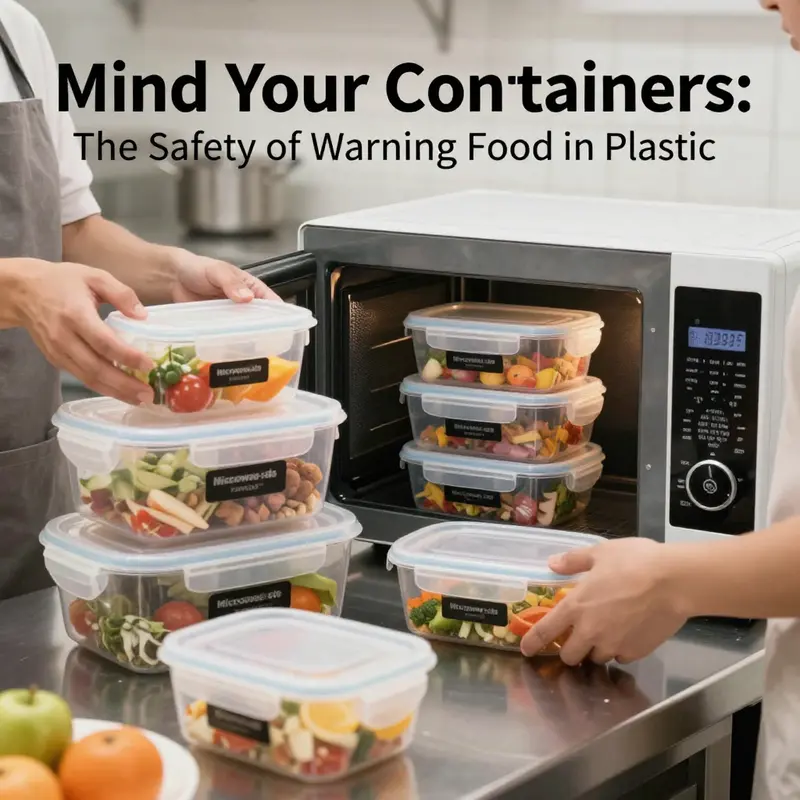
Heat and plastic intersect in a way that often tests daily routines more than safety guidelines. The question, is it safe to warm up food in plastic containers, does not have a single yes-or-no answer. It hinges on the material of the container, the conditions of heating, and how well users follow labeling and maintenance cues. When heat is applied to any plastic, the inner chemistry of the polymer can respond differently. Some plastics are designed to withstand microwaves and high temperatures; others are not. The practical reality is that many households rely on ordinary plastic containers for convenience, but this convenience carries a cost if the containers are not explicitly built for reheating. The conversation therefore centers on material science, labeling, habit, and how to minimize risk while preserving food safety and quality in everyday life. In this sense, the safer practice is less about a blanket prohibition and more about disciplined choice, vigilant inspection, and thoughtful transition to safer options when possible.
To begin with the core concern, heating plastic is not inherently safe in every instance because plastics can release chemicals when exposed to heat. The migration of substances such as plasticizers and additives can occur in measurable amounts, especially if the container is old, scratched, or subjected to repeated heating. Even when a container is labeled as microwave-safe, that designation is contingent on certain temperature thresholds and use conditions. The labels are not mere marketing; they reflect testing that predicts how much migration might occur under typical microwave use. The danger magnifies when fats or oils are present. Fatty foods can alter the migration dynamics, pushing the boundary beyond what is acceptable in some plastics. In a broader sense, the heat-induced chemical leaching is not just a transient concern; ongoing exposure is what some researchers warn could accumulate over time in the body, with consequences that specialists are still studying. While mainstream guidance emphasizes cautious use, the latest research also signals that the effects of microplastic exposure, combined with chemical migration, may extend beyond gut health to affect cardiovascular systems in certain contexts. A 2025 study highlighted associations between short-term exposure to heated plastics and a higher risk profile for heart-related outcomes, underscoring the need for prudence in everyday microwaving. These findings do not condemn all plastic use in reheating but remind us that heating is a process with conditions and variables that matter.
The practical implication of this science is straightforward but requires disciplined habits. The first and most reliable safeguard is knowing your plastic’s identity. Look for the resin identification code and the accompanying statements on the container’s bottom or lid. Among the common plastics, polypropylene, marked as #5 or PP, is widely recognized as one of the safer options for microwave reheating. PP’s stability up to roughly 200°C (392°F) makes it a reasonable choice for reheating many foods, provided the container is in good condition. The caveats are important: the 200°C mark is a theoretical ceiling for stability, not a license to exceed the typical reheating practice. In daily kitchen use, foods reheated in PP containers should still be kept to moderate times and temperatures. Prolonged exposure to heat is not a neutral factor; it gradually weakens polymers, increasing the likelihood of migration. In addition to PP, some PET containers are safe for cold storage, but they are not recommended for reheating. The general rule is simple: if the container is not explicitly labeled as microwave-safe, or if it carries a non-heat-resistant resin, do not rely on it for reheating.
If the container’s labeling supports heating, the next layer of safety depends on how heat is delivered and controlled. Medium or low power settings are prudent choices when using a microwave with any plastic. Shorter heating bursts—often no more than a few minutes at a time—minimize the cumulative heat exposure that can degrade polymers. For foods high in fat or oil, the internal temperature can rise quickly and unevenly, creating hot spots that not only risk scalding mouths but also accelerate chemical migration in the plastic. In such cases, the safer practice is to transfer the food to a microwave-safe glass, ceramic, or stainless steel dish before heating. This step is a simple guardrail against the worst-case scenarios that can occur when oily or dense foods sit in a plastic vessel.
A crucial habit is to remove seals and lids before heating. Sealed or airtight containers trap steam and pressure, sometimes with lids made from different, less heat-resistant plastics. Pressure buildup can lead to unexpected ruptures or, in extreme cases, explosions. The prudent approach is to vent or remove the lid entirely during heating and to cover the dish with a microwave-safe vented lid or a glass- or silicone-based cover that allows steam to escape. This practice protects the container and reduces the risk of overpressure while preserving the dish’s moisture balance.
Safety also hinges on container condition. A container that shows signs of wear—discoloration, cloudiness, warping, scratches, or cracks—becomes more porous to chemical migration and more prone to harbor bacteria. It is not merely about aesthetics; degradation points to compromised integrity. When a container has endured years of use, even if it has withstood many microwaves, it is wise to retire it. A single brittle corner or a scratch deep enough to feel with a fingernail can be an invitation for microplastics or additives to migrate into food. The practical truth is that regular replacement is a modest investment in safety and peace of mind, especially for households that heat and reheat frequently.
Regulatory oversight and standardization also shape everyday decisions. Global safety regimes recognize the need to balance convenience with consumer protection. In the Chinese context, for instance, food-contact materials must comply with national standards under a comprehensive food safety framework. These products pass migration tests for harmful substances, sensory quality, and overall cleanliness, and they operate under licensing and periodic oversight. The more global vantage point is that consumer safety materials—whether plastic or alternative—are most trustworthy when they carry clear labeling and have undergone independent testing. This is why the emphasis on labels such as “microwave-safe” or “food contact use” appears repeatedly in guidance. The message remains consistent: heat-compatible labeling is not cosmetic; it is a promise that the product has been tested for the conditions under which you intend to use it.
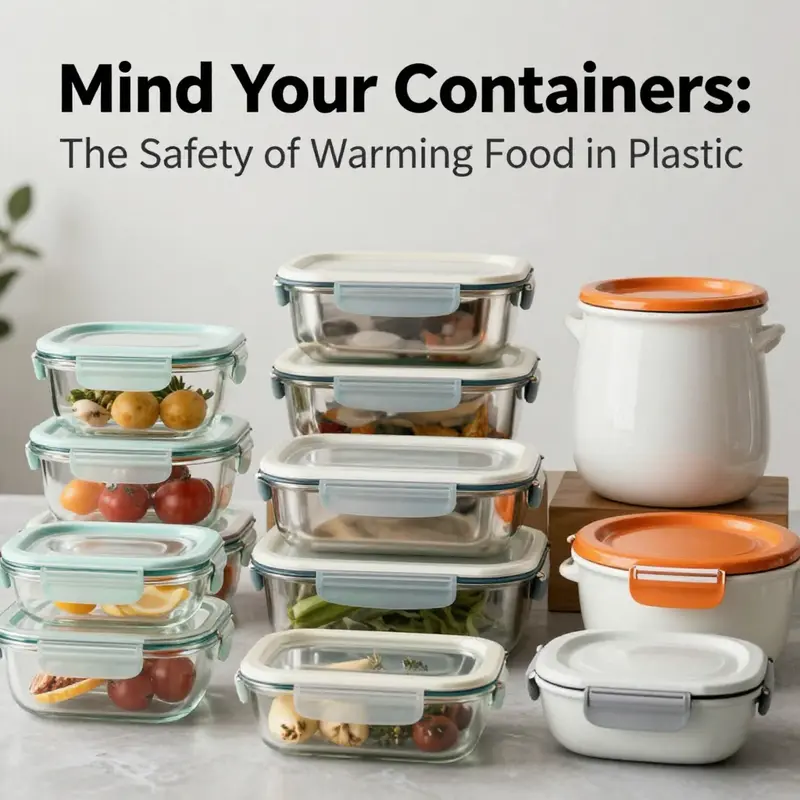
With this framework in mind, the safer path for most heating scenarios is to opt for alternatives that inherently resist heat better than most plastics. Glass, particularly tempered or borosilicate glass, is inert under high heat and does not contain the plasticizers that can migrate. Stainless steel offers similar resilience and is especially durable for reheating and storing hot foods, though it requires care to avoid thermal shock and temperature-sensitive reactions with acidic or salty foods. Ceramic can be a reliable compromise, providing thermal stability and broad compatibility with microwaves when processed and labeled accordingly. If plastic is unavoidable, select a container that is explicitly marked as microwave-safe, and consider transferring hot contents to a glass or ceramic vessel as soon as reheating completes, then serving directly from the safer material. A widely practiced tip is to remove the food from the plastic container after heating and avoid re-heating repeatedly within the same plastic vessel.
The narrative is not merely about avoiding plastic altogether. It is about understanding that plastic is a versatile material with a spectrum of performance characteristics. Some plastics perform well in reheating contexts, particularly PP, but even these should be used with care. The low-cost, everyday convenience of plastic can be balanced by stewardship: use the right plastic for reheating, maintain and replace containers as needed, follow heating guidelines, and introduce safer alternatives when frequent reheating is routine. For those who still opt to use plastic, a practical discipline emerges: always verify the container’s microwave-safe claim, avoid damaged or worn plastics, remove lids to prevent pressure buildup, and be mindful of the food’s fat content and heating duration. When in doubt, shift the reheating step to a heat-stable alternative and reserve plastic for cold storage or short warming at very modest temperatures.
To connect the science to everyday choices, consider that packaging options such as paper-based bowls with secure lids can be appealing substitutes for some reheating tasks, particularly when transferring hot contents for final serving or storage. For readers seeking a concrete example of safer, non-plastic options, explore eco-friendly paper-based containers designed for hot foods and take-away service. These options illustrate how container choice aligns with safety goals without sacrificing practicality. For instance, a sturdy kraft paper bowl with a PET lid can offer a reliable barrier for transport and short warming moments when properly used, and it helps illustrate a broader shift away from plastics in some food-service settings. You can find detailed examples of such paper-based options here: eco-friendly paper bowls with lids.
In sum, the core guidance remains simple and practical: identify the plastic by its resin code, favor PP (#5) for any heating, avoid heating in non-labeled containers, never heat sealed or damaged plastics, and consider moving toward glass, ceramic, or metal when frequent reheating is part of the routine. The goal is not to instill fear about heat or plastics but to empower informed decisions that minimize exposure to potentially harmful substances while preserving the sensory and nutritional quality of the food. The everyday act of reheating should be a safe and predictable routine, not a gamble with unknown outcomes. When you are unsure, the best default is a move away from plastic for heating—especially for oily foods or when the container already shows signs of wear.
For those who want to delve deeper into the regulatory framework and the rationale behind these guidelines, many authoritative resources outline the standards and testing practices that underpin safe food-contact materials. The U.S. Food and Drug Administration, for example, provides a comprehensive overview of food-contact materials and packaging that explains how safety decisions are made, what kinds of substances are subject to migration limits, and how manufacturers demonstrate compliance. This external reference helps bridge everyday practice with the regulatory science that governs these products. For readers seeking a rigorous, reader-friendly resource, see the FDA’s overview of food-contact materials and packaging, which situates the guidance within national safety frameworks.
External resource: https://www.fda.gov/food/food-contact-materials-labeling/food-contact-materials-and-food-packaging
null
null
Heat, Hazards, and Compliance: How Regulatory Standards Shape Heating Food in Plastic Containers
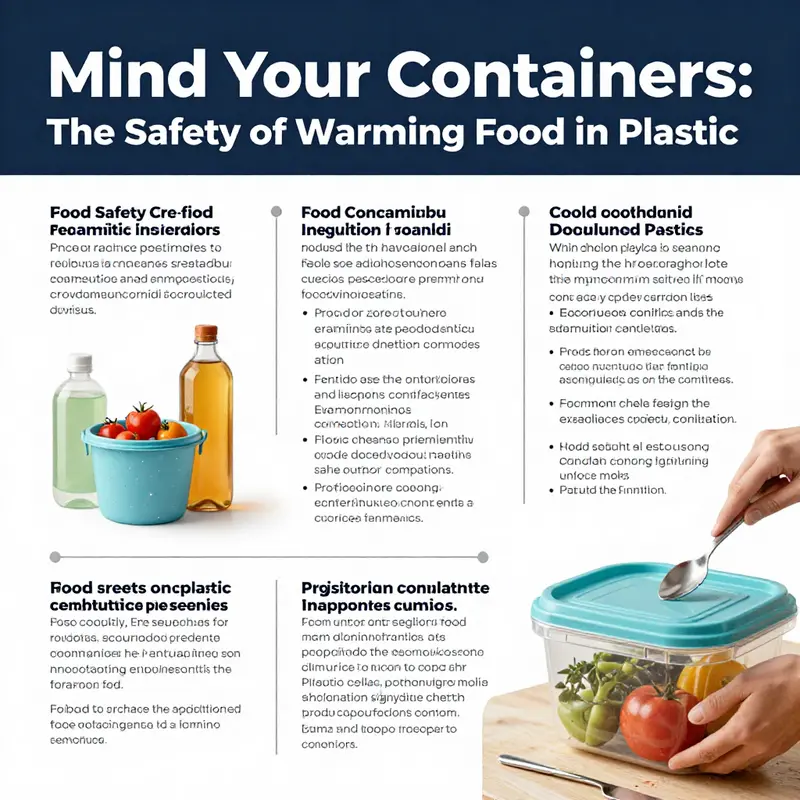
The moment heat meets plastic in a kitchen, a conversation begins among materials science, public health, and the rules that guard what ends up on our plates. This chapter sits at the intersection of everyday practice and the regulations that govern what can be marketed for heating, how it performs under heat, and what risks might still linger after the timer dings. The basic question is simple and complex at once: is it safe to warm up food in plastic containers? The answer depends on design, use, and how closely people follow the labeling. To understand the implications, we trace the regulatory backbone and translate it into practical kitchen habits. \n\nAt the heart of regulation is the idea that any material intended to contact food must not transfer harmful substances to the food in amounts that could pose a risk over time. In the United States this responsibility rests primarily with the U.S. Food and Drug Administration under the Federal Food, Drug, and Cosmetic Act. The FDA does not ban every plastic product from heating; instead it requires manufacturers to provide evidence that migration of chemicals into food remains within safe limits under defined real world scenarios. These scenarios include different temperatures, food types, and the possible interaction of fatty or acidic foods with various polymers. The process is not a single test but a battery of assessments designed to simulate how a container would perform during typical use and under some abnormal conditions that could occur in a busy kitchen. \n\nA central concept is migration. Migration is the transfer of substances from the plastic into the food. The safety assessments consider both the chemical composition of the plastic and the expected conditions of use. They measure how much of a given substance might migrate when a product is heated, whether in a microwave, a conventional oven, or a hot water scenario. Even when a product passes initial migration tests, the risk is never zero. The standard is risk based: a container must keep migratory substances within levels deemed safe for typical use, not for every possible edge case. This distinction matters for consumers who assume that a microwave safe label guarantees no chemical transfer under any circumstances. In practice microwave safe labeling reflects tested performance under reasonable use, not a universal guarantee of zero migration in every situation. \n\nUnderstanding plastics helps explain why some containers are acceptable for heating while others are not. Polypropylene, often labeled PP, has earned a reputation as one of the more heat stable options. It is frequently marketed as microwave safe because it resists deformation and tends to have lower migration risk at typical heating temperatures. This makes PP common for ready to heat meals and for containers that are meant to be heated directly in the microwave. Yet even with PP, following the manufacturers guidance and avoiding damage such as cracks or warping is important because damage can alter migration behavior. \n\nOther plastics require more caution. PET is common for bottles and cold storage, but not always recommended for microwaving. PVC can raise red flags because of additives like phthalates. Polystyrene, including foam containers, can melt and release styrene when heated. The concerns increase when heating fatty or acidic foods, because fats can increase chemical mobility. Plastics rated as seven, including polycarbonate, may carry BPA related concerns or other unknown migration issues, so many guidelines advise caution for heating. In short, the resin family matters along with the labeling, because heat interacts with the chemistry of the plastic and the food. \n\nLabels do not capture every risk. A microwave safe label is a certification that a product performed within safety thresholds under certain conditions. It does not grant permission to reuse a container outside those conditions or to heat beyond the recommended temperatures. The more a container is used beyond its intended purpose, the more likely material fatigue or leaching changes may occur. The goal is to minimize risk under realistic use rather than to promise zero risk in all possible scenarios. \n\nPractical guidance for heating with plastic is straightforward. Use only containers clearly labeled as microwave safe and designed for contact with food under heating conditions. Do not heat in damaged containers, and avoid heating sealed or airtight containers. If a container looks worn or is unmarked, replace it. When heating is likely to involve long times, fatty foods, or high heat, consider transferring the food to a non plastic vessel such as glass or ceramic. These steps reflect the precautionary principle embedded in safety science and regulation. \n\nFinally, the regulatory landscape continues to evolve. Market trends point toward safer packaging options and clearer labeling. If plastic must be used, choosing high heat resistant plastics and maintaining containers in good condition is a practical way to minimize risk. When possible, non plastic vessels are preferred for hot or fatty foods. For readers seeking regulatory context, official resources detail how food contact materials are evaluated and labeled, including guidance that explains what microwave safe labeling means in practice and how migration limits are determined and applied.
Final thoughts
In conclusion, the safety of warming food in plastic containers is a critical issue for food service professionals. Understanding the potential health risks and adhering to safe practices can protect your customers and enhance your service quality. Transitioning to alternatives such as glass or stainless steel can further minimize risks, while awareness of regulatory standards ensures compliance and fosters customer trust. By prioritizing food safety, you set a foundation for a thriving business built on the health and satisfaction of your patrons.