
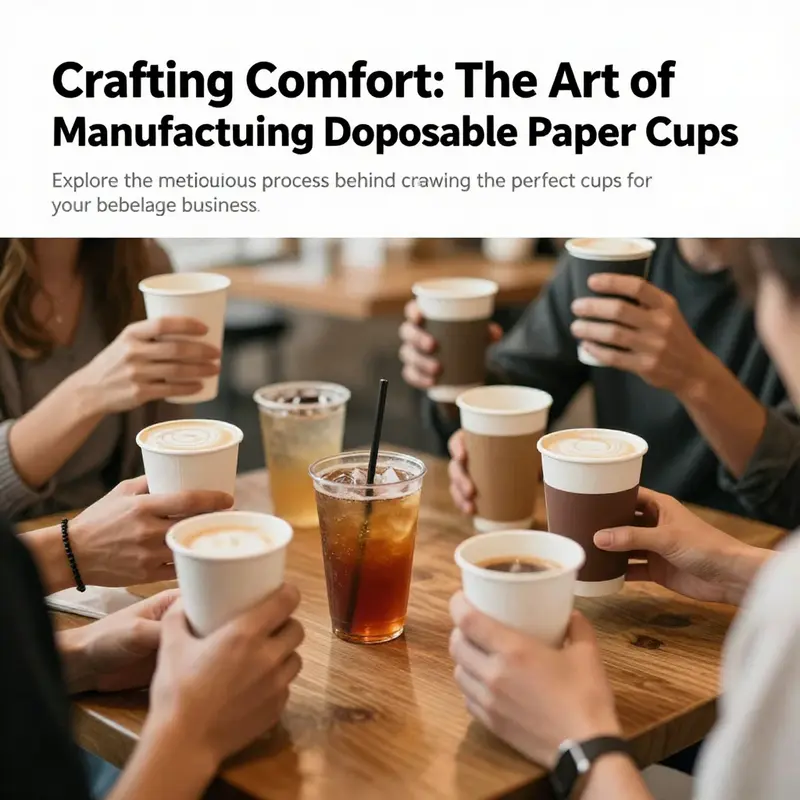
Disposable paper cups are essential for shops and establishments serving hot and cold beverages. The manufacturing process, from paper selection to cup formation, demonstrates a commitment to quality and sustainability. In this detailed exploration, we will delve into three crucial aspects: the selection of paper that forms the basis of these cups, the innovative moisture-resistant linings that keep contents intact, and the sophisticated cup-forming machines that complete the journey from raw materials to your favorite beverage container. Each chapter builds a comprehensive understanding of how these cups are produced, ensuring you can make informed choices for your beverage service.
Choosing the Paper That Holds It All: The Crucial First Step in Making Disposable Cups
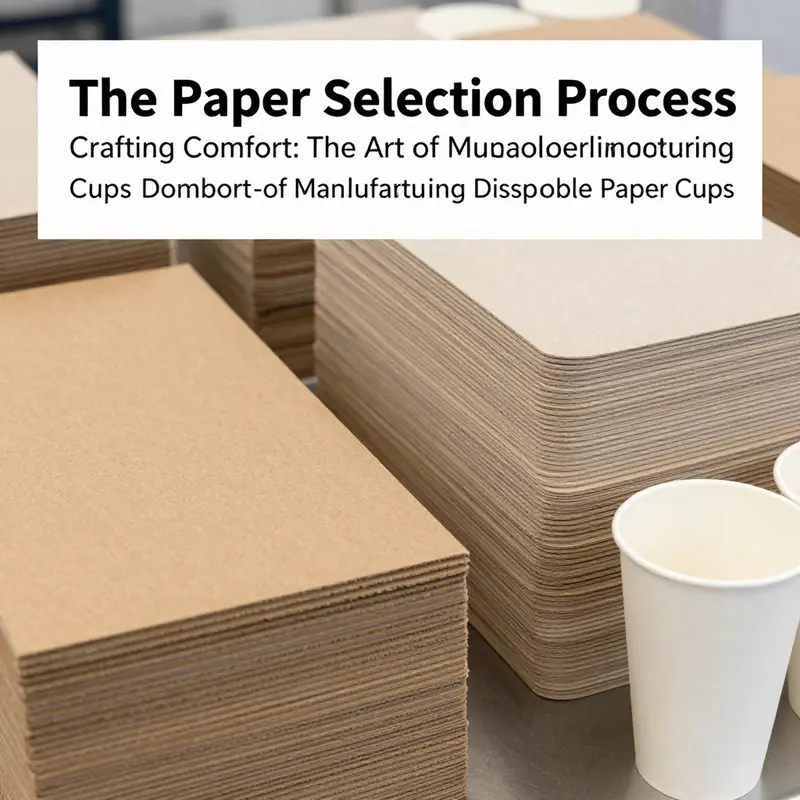
The first step in turning a sheet of pulp into a practical vessel for hot coffee or cold soda is rarely seen as dramatic, yet it holds the entire enterprise together. The paper selection process is not merely a material choice; it is a careful negotiation among safety, performance, and sustainability. In the quiet order of a modern factory, bleached kraft paper is selected for its strength, smoothness, and predictable behavior under machinery, heat, and moisture. This choice sets the tone for everything that follows: how easily the sheet can be fed into rollers, how well it accepts coatings, how it resists tear, how it interacts with adhesives, and how much energy will be required to convert it into a finished cup. It is the foundation on which the cup’s integrity rests, and any misstep at this stage reverberates through the later stages of forming, sealing, and filling.
Bleached kraft paper is prized for its combination of rigidity and surface quality. The fibers are arranged to deliver a clean surface that can be treated, printed on, or coated with relative ease. Yet raw paper, even when strong, is not a complete barrier to liquid. Its porosity allows minute amounts of moisture to migrate, especially when hot beverages are involved. The manufacturing response is a measured, layered solution: a thin barrier is introduced to transform porous stock into a leak-resistant conduit. The barrier most commonly takes the form of a food-safe coating, applied through a laminating process that bonds the barrier to the paper substrate. The resulting material—often described as PE-coated paper when the barrier is polyethylene—serves two essential functions. It blocks liquid seepage and preserves the dimensional stability of the cup as it experiences heat and weight. This basic structure—kraft paper plus a barrier coating—underpins every hot or cold cup that leaves the plant floor, and it silently determines how the cup will behave once it meets a hand, a mug, or a sleeve in a bustling café.
On the production line, the coating can be applied to one side or to both sides of the paper, yielding single-sided or double-sided PE-coated sheets. The choice is not cosmetic; it reflects a deliberate assessment of performance needs and cost constraints. Single-sided coating provides a basic level of leak resistance and is typically adequate for many cold beverages or short sessions of use where the cup’s outer surface acts as the primary barrier against leakage. Double-sided coating, by contrast, delivers superior resistance to liquid permeation and helps maintain shape when hot liquids push against the interior wall of the cup. The cost difference between the two options is small in the grand scheme of manufacturing, but the impact on downstream recycling, compostability, and the options for end-of-life processing can be meaningful. The coating also influences how the cup feels to the touch, how it absorbs heat at the rim, and how comfortable it is to hold, especially for longer beverage experiences.
The environmental conversation that surrounds disposable cups is inseparable from the paper selection stage. In recent years, mills and brand owners have sought alternatives to traditional PE coatings due to concerns about plastic waste. While PE-coated cups continue to offer robust performance, there is a steady shift toward coatings and liners that align more clearly with circularity goals. Polylactic acid, commonly abbreviated as PLA, is one such alternative. Derived from renewable resources like cornstarch, PLA offers a compostable profile under industrial conditions. When used as a lining or barrier, PLA can provide similar performance in terms of leak resistance and heat tolerance, while opening the door to composting facilities that can process the cups within a specialized waste stream. The paper selection decision does not determine end-of-life fate on its own, but it does influence whether the cup will be easier to recycle with conventional streams or more likely to enter a composting system that is capable of handling bioplastics. The downstream possibilities are heavily shaped by the coating choice at the outset, so manufacturers weigh these sustainability threads during raw material evaluation.
Another dimension of the paper selection story lies in responsible sourcing. The paper itself may be labeled FSC-certified, signaling that the fibers originate from forests managed with ecological and social standards. FSC certification adds a layer of trust for buyers who seek to ensure that the paper comes from responsibly managed sources. In parallel, the use of recycled content can reduce virgin fiber demand, though it brings its own set of processing challenges. Recycled paper must be compatible with the same barrier technologies and must not compromise the cup’s strength, heat resistance, or printability. Each of these considerations—the chain of custody, the potential recycled content, and the forest stewardship label—enters the decision matrix when engineers and procurement teams evaluate a sheet. The aim is to balance a clean supply chain with predictable performance, all while staying mindful of the evolving expectations of customers, regulators, and environmental advocates.
Regulatory alignment is not an afterthought but a passport for production. Food-contact compliance governs the selection of paper stock and the barrier system that accompanies it. In many regions, manufacturers must demonstrate that the materials used in contact with the beverage meet safety standards and do not release substances that could migrate into the drink. Documentation supporting material safety, origin, and testing protocols is increasingly demanded by customers who want traceability and transparency in the supply chain. The emphasis on safety extends beyond the cup’s interior to the exterior surface, where printing inks, coatings, and adhesives must also meet food-contact standards if they touch or come into contact with the product during normal use. The paper selection phase, therefore, also serves as a negotiation with compliance teams, who seek to minimize risk while preserving the cup’s functionality.
From a practical perspective, the performance envelope of the chosen paper and barrier system must align with the cup’s intended use. A cup designed for hot beverages needs a barrier that can withstand higher temperatures without degrading or releasing fatal flavors into the drink. It also must tolerate the steam and condensation that accompany hot liquids, maintaining its shape and preventing leaks at the base and seam. For cold beverages, the requirements are different: an interior barrier that remains smooth under chilling conditions, resists sweating, and participates in a predictable folding and sealing process during cup formation. The form-filling and sealing machinery relies on the paper’s stiffness, surface smoothness, and ability to accept heat seal or adhesive bonding without warping or delamination. In short, the paper’s grade, its surface finish, and its barrier coating are not separate decisions but a single intertwined choice that sets processability and product performance in one line.
The aesthetic and perceptual aspects of the paper also matter. A smooth, bright sheet can print more precisely and tolerate decorative patterns, logos, and regulatory text without bleeding or rough edges. The appearance matters because it informs consumer expectations about quality and safety. While the consumer cannot see the barrier layer directly, the visible surface—its print clarity, gloss, and color fidelity—contributes to perceived value and trust. In this sense, the paper selection step is a bridge between industrial engineering and consumer perception. The line workers feeding sheets into the cup-forming equipment, the quality inspectors checking mold tolerance at the base, and the packaging teams stacking finished cups into bulk cartons—all rely on a substrate that behaves consistently across thousands of cycles. Any variability introduced at this very first stage can cascade into defects that are expensive to remediate later on.
The internal decision to use one coating strategy over another is rarely a single-point choice. It involves considerations of supply stability, energy use in lamination, and compatibility with inks and adhesives used in subsequent processes. Suppliers often provide extensive documentation to verify material safety and origin, and advanced manufacturers maintain rigorous specifications for every batch. This level of traceability helps build a chain of accountability that spans the entire lifecycle of the cup, from pulp to post-consumer disposal. In practice, this means procurement teams may seek evidence of food-contact compliance, printing compatibility, and barrier performance across different stock lots. They may also examine the interactions between the barrier and the interior surface of the cup when filled with hot liquids, noting how the barrier responds to heat, moisture, and mechanical stresses while maintaining a clean, leak-free interior.
As the sheet advances from stock to finished cup, the paper’s fate becomes a story of optimization under constraints. These constraints include cost pressures, production speed, and the environmental expectations of both manufacturers and end users. Even with the same base material, different facilities may adopt slightly different barrier configurations or coating technologies to meet local regulatory requirements or to align with regional waste-management infrastructures. The result is a spectrum of viable options, all tracing back to the same essential choice: which paper, with which barrier, and under what conditions will this cup fulfill its promise of safety, reliability, and responsible stewardship? The answer is not a single prize but a balanced portfolio, crafted to deliver consistency, performance, and a path forward toward more sustainable materials when possible. In this way, the paper selection step is a quiet but decisive act of engineering that anchors every aspect of the cup’s journey.
For readers who want to explore how these choices connect to the broader practice of cup manufacturing, think of the paper selection as the anchor point that grounds all subsequent decisions. If the paper is too porous or the barrier is ill-suited for a given beverage, leaks and deformation become more likely, and the cup’s life expectancy in a busy service environment diminishes. If, on the other hand, the paper and coating are well matched to the product’s performance requirements and environmental goals, the cup becomes a reliable workhorse across countless service settings. The careful balancing act—safety, performance, and sustainability—reverberates in every cup that leaves the plant, in every café where baristas pour, and in every consumer experience that weighs convenience against responsibility. The paper selection step, modest in its daily appearance, is in fact the crucible in which the cup’s future is forged. It is a reminder that even the most familiar daily object carries a complex chain of decisions, and that the quality of the first decision often echoes through every layer of the process that follows.
In keeping with the practical realities of production, manufacturers frequently align the paper selection with broader sourcing strategies that emphasize consistency and verifiability. Documentation that corroborates the material’s safety and origin becomes part of the standard operating procedures. Customers may request proof of FSC certification, a demonstration of industrial compostability for PLA-based liners, or evidence of compliance with applicable food-contact regulations. The availability of such documentation influences purchasing choices and ultimately nudges the industry toward more sustainable materials and transparent supply chains. Even so, the final choice remains a balance among multiple factors, including the cost of papermaking fibers, the available supply networks, the performance requirements of the specific cup design, and the anticipated end-of-life pathway for the product. The result is a dynamic, iterative process where the paper selection step is revisited as innovations in barrier chemistry, fiber engineering, and recycling technologies emerge. That ongoing dialogue between material science and environmental responsibility is precisely what keeps disposable cups functional and relevant in a world that constantly reevaluates how it consumes.
To connect this discussion to concrete experiences on the factory floor, consider the practical implications of choosing to feature a certain cup design in a café environment. A disposable single-wall paper cup with lid embodies the outcomes of the paper selection decision. The combo of paper type, barrier, and sleeve compatibility creates something that can be produced at scale, filled with a hot beverage without immediate risk of leakage, and handled by customers who want a simple, predictable hand-to-mouth experience. The choice of barrier—single- or double-sided—along with the material’s compatibility with inks and adhesives, informs not only the cup’s performance but also how easily it can be recycled or diverted into specific waste streams. The production team’s goal is to minimize surprises: sheets that jam the machine, cups that fail a leak test, or coatings that peel away in service. The result is a product whose reliability rests on the months and years of material testing that preceded the line’s opening each shift. In this way, the paper selection stage acts as a compass for a complex journey—from fiber to consumer hand, and from hand to eventual disposal or recovery. The decision is rarely glamorous, but it is profoundly consequential for safety, quality, and the world we leave behind.
The broader narrative of paper selection is therefore a story of engineering discipline meeting environmental imagination. It invites producers to innovate within the pressures of cost, speed, and regulatory compliance, while also inviting customers to appreciate the quiet, behind-the-scenes labor that makes a reliable cup possible. In this sense, the craft of choosing paper is not an isolated step but a foundational act that begins a chain of responsible choices throughout the cup’s life. It shapes how the cup will perform under heat, how the barrier will interact with the beverage, and how end-of-life options will be weighed in waste streams. It shapes how responsibly sourced fiber is managed in forests and how sustainable alternatives like PLA coatings can align with industrial composting infrastructure when conditions permit. It shapes the dialogue between suppliers and manufacturers about traceability and safety, and it shapes the expectations of consumers who increasingly value both convenience and accountability. The paper selection process is, in short, the quiet architect of a disposable cup’s durability, safety, and environmental footprint. Its importance is felt in the smooth operation of a busy coffee shop, in the quiet satisfaction of a leak-free sip, and in the ongoing conversation about whether everyday objects can be both practical and responsibly produced.
External resource: For further standards and detailed guidelines on manufacturing processes, see the Paper Cup Association guidelines. https://www.papercupassociation.org/manufacturing-process
Layers of Protection: How Moisture-Resistant Linings Shape the Life of Disposable Paper Cups
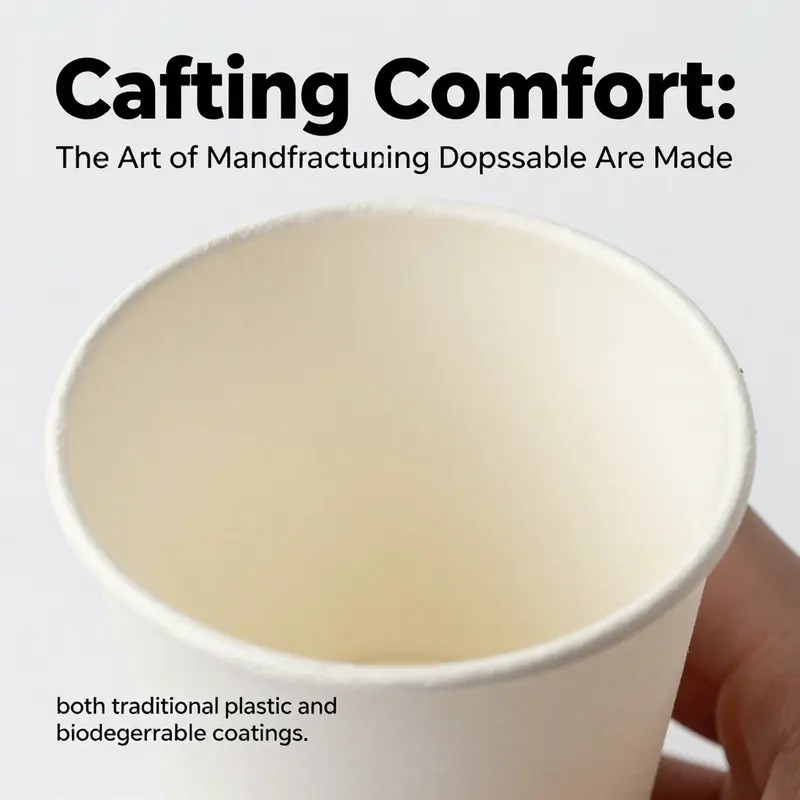
Every disposable paper cup begins as a simple sheet of food-grade paperboard, yet the journey from a flat panel to a useful vessel is defined by precision, chemistry, and a quiet but decisive decision: the interior lining. The lining is the invisible guardian that protects the cup’s integrity as soon as it meets liquid. It stops the paper from soaking through, guards against deformation when hot beverages are poured, and prevents the cup from leaking at the seams. In a world where millions of cups circulate daily, this layer does more than keep beverages contained; it anchors safety, performance, and even sustainability in practical, everyday use.
The heart of the moisture barrier lies in a thin, carefully controlled coating applied to the interior surface of the cup. The most widely used material for this job is polyethylene, a resilient plastic that forms a continuous, waterproof film. The coating is applied with precision so that it adheres tightly to the porous paper without creating gaps or cracks that would invite leaks. The coating’s thickness is usually measured in microns—tiny, barely visible layers that nonetheless define the cup’s performance envelope. A few microns can make the difference between a cup that remains sturdy after a hot pour and one that becomes soft or soggy after a few minutes of use. This microscopic thickness is chosen to balance barrier strength with the need to preserve the cup’s tactile feel and rigidity.
Yet the landscape of lining materials is not static. There is growing demand for environmental responsibility, and the industry has responded with alternatives that aim to reduce the life-cycle impact of disposable cups. Polylactic acid, or PLA, represents one such alternative. Derived from renewable resources like cornstarch, PLA offers a similar barrier against moisture and grease, enabling cups to perform well with cold and warm beverages while presenting a more sustainable narrative than traditional petroleum-based plastics. PLA-coated cups are designed to function much like their PE-lined counterparts, but the story around them diverges at disposal and end-of-life. PLA’s compostability is typically confined to industrial facilities that can reach the temperatures and residence times needed to break down the polymer. In standard home composting or curbside recycling streams, the fate of PLA-labeled cups varies by local infrastructure, which means careful communication with consumers and accurate labeling are essential to ensure proper disposal.
Coatings can also be applied in a way that protects more than moisture alone. For instance, some lining configurations are designed to resist oil and grease from certain foods, which matters when a cup is used for snacks or soups that may encounter fatty residues. The barrier’s performance is assessed not just in the lab but in the real-world settings where cups encounter hot beverages, cold beverages, or a mix of both. In hot-drink applications, viscosity and heat transfer become relevant: the interior coating must withstand temperatures that can approach the boiling point of water without softening, losing adhesion, or imparting unwanted flavors. For cold drinks, the priority remains moisture resistance and maintaining the cup’s shape as the liquid weight increases. The lining’s ability to resist delamination, reduce sweating at the outer surface, and cooperate with the cup’s geometry all influence the final user experience.
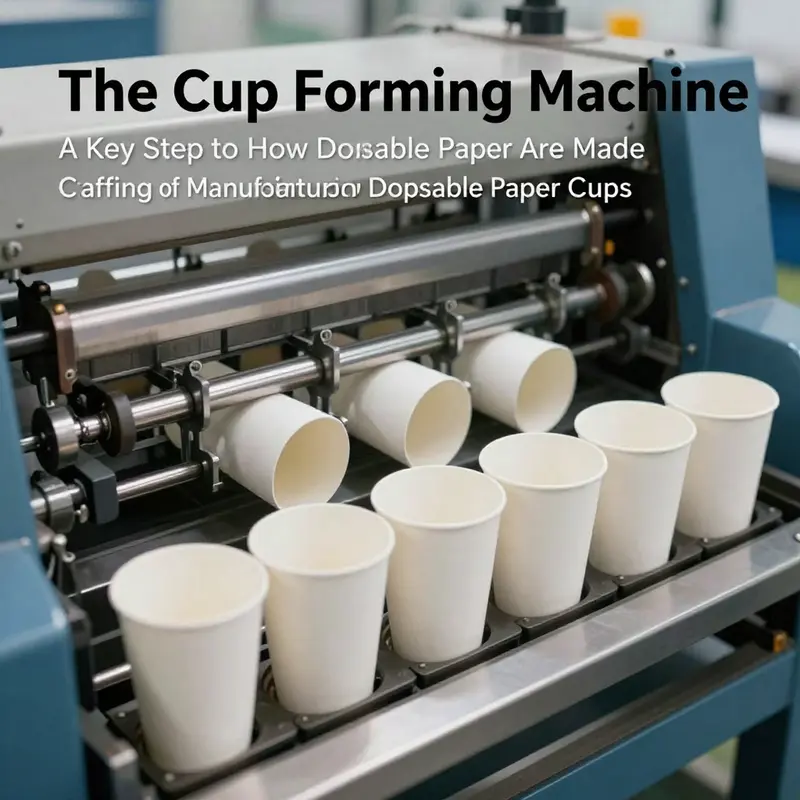
This is where the process meets practice. The lining is integrated into the cup’s formation in a way that aligns with fast-paced manufacturing realities. Paperboard sheets are prepared and then either coated in-line during the board’s manufacture or subsequently coated by a lamination process. In extrusion coating, a molten polymer is pressed onto the surface of the moving paper layer, creating a continuous film that will later be formed into a cup. The process is designed to form a seamless interior that remains intact as the blank is shaped into a cylinder, sealed at the seam, and finally trimmed and finished at the rim. The objective is not only a leak-free interior but a clean, smooth inner surface that offers pleasant mouthfeel and predictable behavior when the cup is in daily use.
The choice between PE and PLA affects more than just the barrier film. It echoes through the product’s environmental story, its disposal, and even its compatibility with other cup components. PE, while durable and well-understood in performance, is a fossil-based polymer. It provides strong moisture and grease resistance, and it has a well-established track record for hot-drink performance. PLA, by contrast, offers a renewable feedstock narrative and the potential for industrial compostability. Its barrier properties are strong, but the performance envelope can differ. For certain hot beverages, the heat resistance and long-term adhesion of PLA must be carefully validated in real-use conditions. In some markets, cups with PLA linings are advertised as compostable if disposed of in appropriate facilities, while others emphasize curbside recycling or other end-of-life pathways. These distinctions matter because the consumer’s waste stream and the local waste infrastructure shape the ultimate environmental impact of the cup.
Beyond materials, the method of application matters as much as the material itself. Regardless of whether the lining is PE or PLA, the interior must be sealed to avoid pinholes or gaps that would permit leakage. Any breach in the film would undermine the cup’s primary purpose and could create health and safety risks for users who rely on a clean and dependable vessel. The production line is tuned to ensure uniform coverage, robust adhesion, and consistent thickness across thousands of cups per hour. Such consistency is critical because even small variations can translate into noticeable differences in leak resistance or in how the cup performs when held or transported. Quality control steps are interwoven throughout the process, with inspectors trained to detect surface irregularities, coating delamination, or other deviations that could compromise function.
Material science and engineering converge in an everyday object that millions reach for without a second thought. The interior lining must interact harmoniously with the cup’s paperboard substrate, the seal that closes the bottom, the adhesive used to join seams, and the exterior finish that influences grip and branding. All of these elements must work together to deliver a product that feels sturdy in the hand, pours reliably, and keeps beverages at the desired temperature for as long as possible. The science behind moisture resistance is not about a single miracle material but about a coherent stack of choices—materials, thickness, adhesion, processing temperature, and drying times—that yield a reliable, cost-effective, and consumer-safe product.
The conversation around linings also touches design considerations beyond performance. The interior coating affects how the cup interacts with the beverage’s aroma and flavor, even if only subtly. A film that is too stiff or too thick might create a mouthfeel that readers of the cup may notice as a slight resistance at the lip. A film that is too thin could risk early failure under heat or onto which oily residues readily cling, making cleaning and reuse impossible. In modern manufacturing, all these considerations are baked into the design phase. Engineers model the cup’s performance across scenarios—an espresso shot, a hot chocolate, a cold iced coffee—so that the final product remains predictable no matter the consumer’s choice.
For brands and manufacturers that want to showcase responsibility without compromising reliability, the balance becomes even more delicate. The move toward PLA or other biobased liners is often paired with a transparent communication strategy about end-of-life options. Producers may highlight that their cups are designed for industrial composting where applicable, and they may partner with waste-management programs to help consumers dispose of cups correctly. In regions where industrial facilities are limited, the message shifts toward recycling pathways and reduced fossil-fuel dependency, all while maintaining the core barrier performance that users rely on.
In practice, a cup’s interior lining interacts with the broader ecosystem of cup design. A well-chosen lining complements the paperboard’s strength, the lip’s comfort, and the base’s stability. It can influence how the cup stacks for efficient transport and how it behaves when placed into a cup sleeve or lid. The interplay between interior coating and exterior features extends to branding and aesthetics as well. A cup’s inner surface is not typically visible to the consumer for long, but its performance under pressure—literally under pressure when heat is applied—speaks loudly about the brand’s commitment to quality and safety.
The broader manufacturing narrative also emphasizes that linings, while central, are one part of a tightly choreographed system. The selection of the base paperboard, the thickness and grain of the stock, the quality of the adhesives used for bottom formation, and the rim shaping all interact with the interior barrier to determine overall durability. Consistency is the through line; every batch must pass stringent checks. Cups are tested for leak resistance, dimensional accuracy, and resistance to deformation under heat and weight. Even the way the cup is trimmed and finished—the smoothness of the rim, the absence of rough edges—can affect user experience and perceived quality.
From a practical standpoint, the industry continues to iterate on the balance between performance, cost, and environmental impact. The PE-lined cups remain widely used due to their established performance and manufacturing efficiency. PLA-lined options offer a compelling alternative for markets prioritizing renewable materials, with the caveat that end-of-life infrastructure must support industrial composting for maximum environmental benefit. As with many sustainability decisions, the choice is not black and white but nuanced, dependent on local waste systems, consumer behavior, and the intended use case for the cup. The growing body of guidelines and standards aimed at manufacturing practice, food-contact safety, and environmental labeling helps ensure that these layers of protection do not come at the expense of consumer safety or environmental responsibility.
As readers consider the lifecycle of a disposable cup, the interior lining reveals itself as a quiet champion of reliability and safety. It is easy to overlook because it hides inside the cup, but its presence is felt in every sip: a barrier that keeps the paper from weakening, a shield against leaks, and a bridge between form and function. When a barista hands over a steaming beverage in a well-lined cup, the lining’s influence translates into a moment of confidence—the assurance that the cup will perform as expected from the first pour to the last drop. This is the practical outcome of careful material selection, precise application, and rigorous quality control that underpins the production of disposable paper cups on industrial scales.
For readers seeking a concrete example of how lining choices intersect with product design in real-world packaging, consider a contemporary range of cup concepts that emphasize branding flexibility and minimalist interiors. A product page exploring eco-friendly, printed logos on single-wall cups highlights how a brand can align its visual identity with functional choices like interior coatings. This example demonstrates how liner compatibility with a given cup design is part of a broader conversation about sustainability, aesthetics, and user experience. See the entry here: disposable eco-friendly printed logo single wall paper cup.
In summary, moisture-resistant linings are a crucial, though often unseen, feature of disposable paper cups. They are the practical embodiment of material science meeting everyday use, enabling cups to hold hot and cold beverages without compromising the paper’s structural integrity. Whether the lining is PE or PLA, the objective remains the same: to protect the cup, the user, and the environment by delivering reliable performance, clear disposal pathways, and a product that satisfies both demand for convenience and the growing emphasis on responsible manufacturing. As technology and waste-management systems evolve, so too will the lining options and the ways they are applied, but the core purpose will endure: to keep every cup strong, leak-free, and fit for purpose from first pour to final sip.
External resource for further reading: https://www.papercups.org/moisture-resistant-linings-in-disposable-paper-cups
null
null
Final thoughts
In summation, the journey of manufacturing disposable paper cups is a blend of precision engineering, quality material selection, and innovative sustainability practices. Each phase, from choosing the right paper to applying protective linings and shaping the cup, ensures that beverage providers receive high-quality, reliable products. Understanding these processes not only helps in selecting the right cups for your business but also reinforces a commitment to sustainability and consumer satisfaction. The next time you sip from a disposable paper cup, you’ll appreciate the craftsmanship behind it.