
The convenience of using plastic containers for hot food can be appealing to restaurants, bubble tea shops, and catering services, but doing so presents significant health risks. From chemical leaching to safety standards, understanding the implications of serving hot food in plastic is essential for maintaining customer safety and satisfaction. This article delves into the health risks associated with hot food in plastic containers, explores the science behind chemical interactions, assesses material safety, and outlines best practices for food storage to build a healthier food environment for the food and hospitality sector.
When Heat Meets Plastic: The Hidden Health Hazards of Serving Hot Food in Plastic Containers
When hot food is poured into plastic, chemistry and risk meet. High temperatures accelerate chemical movement from many common plastics into food. That migration is not hypothetical: repeated laboratory studies and animal experiments show measurable release of additives and monomers that can interfere with human biology. This chapter weaves the key evidence into a clear picture of what happens when hot soup, congee, or spicy street food is placed in plastic, why some plastics are worse than others, and what practical steps lower your exposure without giving up convenience.
Plastic containers are made from different polymers and contain additives added to make them flexible, stable, colored, or durable. Under heat, some of those ingredients lose their bond to the plastic matrix and migrate into nearby food. The most concerning groups are plasticizers (notably phthalates), bisphenols (such as BPA), and monomers like styrene from polystyrene. These substances act as endocrine-disrupting chemicals: they can mimic or block hormones and disturb developmental, reproductive, and metabolic systems. Even small, repeated exposures are troubling because the human endocrine system responds to tiny amounts over time.
Temperature and contact time are the main drivers of migration. Foods above roughly 70°C—freshly boiled soups, hot noodles, and many takeout dishes—create conditions that significantly increase the release of chemicals. Thin, low-cost plastics such as certain polystyrenes (often used in white, brittle takeout boxes) and non-food-grade sacks soften, deform, and break down under heat. The chemical styrene, present in some polystyrene containers, is classified as possibly carcinogenic and can migrate into hot, fatty, or acidic foods. Similarly, PVC and low-density polyethylene (LDPE) lack the heat resistance required for sustained contact with hot foods and can leach plasticizers or other additives when warmed.
Not all plastics are equal. Polypropylene (marked as “PP5”) tolerates higher temperatures—up to about 120°C in many formulations—and is widely used for food containers intended for hot contents. However, PP5 is not a blanket guarantee of safety. Repeated use, dishwasher cycles, surface scratches, or visible aging can degrade even heat-resistant plastics and increase migration. Labels such as “microwave-safe” or “microwaveable” reflect standards under specific test conditions, but those tests may not capture the variety of real-world uses: higher-than-tested temperatures, longer heating, or contact with oily and acidic foods can all increase leaching beyond test assumptions. A 2023 study highlighted that even containers believed to be microwave-safe released measurable amounts of bisphenols and phthalates during heating, suggesting that regulatory or testing thresholds may underestimate real exposures.
Microplastics add another dimension. Tiny particles shed from container surfaces by heat stress or mechanical wear can end up mixed in food. These microscopic fragments are not inert: they carry surface chemicals, can trigger localized inflammation, and may interact with the gut microbiome. Controlled animal studies find that repeated ingestion of plastics or plastic-derived chemicals alters gut bacteria profiles and leads to markers of chronic inflammation. In one experiment, rodents given water stored briefly in plastic containers showed changes in gut flora and early signs of cardiac tissue stress—signals that long-term, low-level exposure could raise risks for metabolic or cardiovascular problems. While translating animal findings directly to human disease requires caution, these results are consistent with mechanistic concerns about endocrine disruption and chronic inflammation.
Street food and takeaway contexts raise particular concern. Low-cost, translucent white plastic bags and thin disposable containers are often not food-grade or are produced with cheaper industrial additives. When vendors wrap steaming foods in these materials for convenience, the combination of unknown chemical composition, heat, and acidic or fatty food creates a perfect storm for migration. Heavy-metal residues and industrial-grade stabilizers found in some unlabeled plastics can also leach under heat, potentially placing additional burdens on the liver and endocrine organs when consumed repeatedly.
The risk is cumulative and subtle. A single, occasional meal in a safe-labeled plastic container is unlikely to cause acute toxicity. The problem is repeated exposure: daily lunches in plastic containers, frequent takeout meals carried home in thin bags, or regularly microwaving leftovers in the same scratched plastic tub. Over months and years, small amounts of endocrine-disrupting chemicals can add up. This slow accumulation matters most for vulnerable groups: pregnant people, infants, young children, and people with existing metabolic or hormonal conditions may be more sensitive to low-dose hormonal interference.
Practical, evidence-based actions cut exposure without sacrificing convenience. First, avoid placing boiling liquids directly into ordinary plastic. Let soups and sauces cool for a short period—until steam subsides and the temperature drops—before transferring to any plastic vessel. This modest habit reduces migration drastically.
Second, prefer stable, inert materials for hot foods: glass, glazed ceramic, and food-grade stainless steel do not release plasticizers or bisphenols when heated. They are easy to clean, durable, and reheat-friendly. For single-use needs, high-quality, food-grade paper-based containers with proper water- and oil-resistant linings provide a safer disposable option for hot soups and stews. For those who seek a practical one-click choice for takeaway, consider insulated kraft paper soup bowls designed for hot liquids; these combine heat resistance and reduced chemical risk while remaining convenient for transport. For example, suppliers offer disposable kraft paper soup bowl options that work well for hot foods and reduce reliance on plastics.
Third, when plastic is unavoidable, choose wisely. Look for containers explicitly labeled food-grade, BPA-free, and intended for high temperatures. Favor polypropylene (PP5) over polystyrene or thin polyethylene. Replace containers that are scratched, warped, or excessively stained. Avoid microwaving food in plastic unless the manufacturer clearly states the container is rated for repeated microwave use—and even then, transfer to a glass or ceramic dish if possible.
Fourth, reject unknown, low-cost plastics used for hot items. That white thin bag from a roadside stall or an unmarked cheap container is not worth the health risk for everyday use. Politely requesting that hot foods be placed into a different container or carrying your own reusable option has a dual benefit: it reduces personal chemical exposure and signals demand for safer packaging practices.
Finally, small shifts in routine add up. Bring your own insulated container to lunch, ask vendors to cool food briefly before packing, and reduce the number of meals that come into direct contact with heated plastic. These steps protect health while also lowering plastic waste, since fewer single-use containers are required.
The science does not demand panic, but it does call for respect for chemistry. Heat accelerates migration; time and repeat exposure increase risk. Choosing appropriate materials, avoiding damaged plastics, cooling hot foods before transfer, and selecting safer disposable alternatives—such as properly lined kraft paper bowls—are practical ways to reduce exposure. These choices matter most for frequent consumers and vulnerable groups, but they are sensible for anyone who values long-term health.
For readers who want the primary scientific analysis on migration during microwave heating, a useful review of recent experimental data is available and offers empirical details on bisphenol and phthalate release under realistic heating conditions: https://www.ncbi.nlm.nih.gov/pmc/articles/PMC10794825/.
Heat, Plastic, and Hidden Hazards: The Chemical Leaching and Microplastic Risk of Hot Food in Containers
The moment hot steam lifts from a bowl of noodles or a bowl of congee, the urge to seal the meal in a familiar plastic container can feel rational—convenient, quick, and clean. Yet across laboratories and kitchens, a quiet, cumulative drama unfolds when heat meets plastic: chemicals migrate, micro and nano-scale particles shed, and the food we eat carries more than flavor. This is not a warning about rare, exotic plastics; it is a concern about everyday materials used in the take-away culture that many societies increasingly rely upon. The picture is nuanced. Not every plastic behaves the same way under heat. But when the temperature climbs, especially toward and above 70 degrees Celsius, the molecular structures of many common plastics begin to shift. In those shifts lie two kinds of hazards: chemical migration into the food, and the physical release of microplastics that accompany long, repetitive contact with hot substances. The latest research draws a stark line: heating hot foods in typical consumer-grade containers can produce substantial, measurable transfers that accumulate with repeated use and longer exposure. The energy from heat acts like a driver in a chemical labyrinth, accelerating diffusion and weakening some polymer matrices. The result is not only tasting a hint of plastic in the meal, but a measurable presence of compounds that should not be in our food in the first place. For hot soups, porridges, stews, and even spicy broths, the thermal stress intensifies the leaching processes, especially when fats, acids, or alcohol are part of the food matrix. The interaction is complex, governed by the chemistry of the plastic, the nature of the food, and the duration of contact. A practical takeaway emerges from the science: the choice of container and how it is used materially affects the safety profile of a hot meal. Different plastics respond differently to heat. Polypropylene (PP), commonly labeled with the number 5 (PP5), is among the more heat-tolerant plastics and shows a higher resistance to deformation and a lower rate of substance migration under high temperatures. Yet even PP is not a universal safeguard. The literature cautions against long-term reuse or repeated high-temperature exposure for any single-use material, a reminder that durability in packaging does not necessarily equate to safety for repeated hot-food use. By contrast, materials such as polystyrene (PS), low-density polyethylene (LDPE), and polyvinyl chloride (PVC) may exhibit more pronounced heat sensitivity. The structural instability they experience when heated can contribute to the release of potentially harmful compounds and, in some cases, the extrusion of microplastic particles into the food. The implications extend beyond the visible hazard of melted plastic or warped containers. Microplastics, once liberated, are notoriously difficult for the human body to eliminate. They can traverse the gastrointestinal tract, interact with gut microbiota, and act as carriers for a suite of additives that plastics themselves already contain—plasticizers, stabilizers, and residual catalysts. The scale of this problem has recently moved from the theoretical to the measurable. A 2026 study tested four common plastics—PP, PE, PET, and PS—under realistic heating conditions and found that heating liquids in these containers could release hundreds of millions of microplastics per square centimeter, with billions of nano-plastics entering the food in a single microwave cycle. This finding is more than a numerical testament to the ubiquity of the issue. It underscores how even brief exposure to heat can significantly elevate particle shedding and chemical migration. The microplastics, in turn, are not inert fragments alone. They can carry a range of chemical additives—some intentionally incorporated, others unintentionally incorporated as byproducts of production. Among the chemicals of concern that frequently surface in these contexts are bisphenols, such as BPA and BPS, which have long been linked to endocrine disruption. These compounds can interfere with hormonal signaling, potentially affecting reproductive health and metabolic regulation. Phthalates, used to impart flexibility in many plastics, are another family of chemicals that raise red flags for hormonal function. Antioxidants like BHA and BHT, intended to slow oxidation, can migrate during heating and storage, adding another layer of exposure through the very act of eating hot food from a plastic container. PFAS, which appear in some non-stick coatings and grease-resistant packaging, have been associated with immune and liver toxicities, raising concern about chronic exposure through repeated meals. Even heavy metals, sometimes used as catalysts or stabilizers in certain plastics, can leach under the influence of heat, contributing to a cumulative toxic burden that the body repeatedly encounters through daily dietary intake. Regulatory frameworks—such as total migration limits and specific migration limits—exist to guard food safety, but many consumer-grade plastics are tested under conditions that differ from the real-world, high-heat, fatty, or acidic environments of hot meals. The testing methodologies themselves are evolving, with approaches ranging from direct migration tests to specific-substance analyses and even sensory assessments to detect degradation through off-odors. The core lesson is less about an absolution of plastics and more about a disciplined approach to material choices and usage. Microwave heating, in particular, emerges as a high-risk practice. The rapid, uneven heating that accompanies microwave use can create thermal stresses and microstructural changes in plastics that are not as pronounced in conventional stovetop heating. The combination of high temperatures, rapid heating, and contact with fatty or acidic foods creates a recipe for the migration of substances and the shedding of particles. In the pursuit of practical guidance, the health feedback loop emphasizes a few core actions. First, avoid using plastic containers for hot food whenever possible. This is a precautionary principle in action: minimizing exposure by keeping hot food out of the most heat-sensitive plastics. When a container is necessary, favor clear, food-grade containers marked with PP5, and treat them as single-use when exposed to heat, rather than sanctifying them as durable containers. The second guideline is to prioritize safer materials for hot-food storage when feasible. Replacing plastic with glass, ceramic, or stainless steel for hot meals remains one of the most robust strategies to substantially reduce chemical migration. Third, if plastic must be used, allow hot food to cool to room temperature before transferring it to a plastic container. This simple step reduces the thermal shock that accelerates diffusion of chemicals into the food. Fourth, bring your own meal containers whenever possible. The act of self-sourcing a container—whether glass, stainless steel, or a high-grade, heat-tolerant polymer designed for repeated heating—offers an immediate, practical hedge against the risk of leaching and microplastic transfer. Finally, reject low-quality bags for hot-food packaging. Thin, white bags that are often not food-grade can contain additives or metals that may migrate when heated, especially in high-heat conditions. The upshot is clear: in the trade-off between convenience and long-term health, informed choices matter. The health risk identified in laboratory studies is not a dramatic, one-off warning; it is a call to alter everyday habits in service of cumulative, modest reductions in exposure. This is not simply a private health concern but one that intersects with environmental stewardship. The same practices that reduce chemical migration—reducing one-off plastic use, avoiding the use of disposable containers for repeated hot-meal consumption, and preferring safer materials—also align with broader sustainability goals. When communities move toward safer packaging options, the demand for paper-based and other renewable packaging rises in tandem with a decrease in plastic waste. In this sense, the dilemma becomes a shared responsibility between manufacturers, vendors, and consumers. The science suggests practical routes: choose containers with higher heat resistance for hot foods, cool foods before transfer when possible, and shift toward reusable, inert materials for frequent use. The social dimension of these decisions should not be overlooked. Vendors and food-service operators can play a pivotal role by offering clear labeling that communicates heat tolerance and safety considerations, providing alternatives that minimize risk without sacrificing efficiency, and encouraging customers to bring their own containers. For individuals, the story is not limited to personal health; it is about personal agency to influence market practices and demand safer packaging. The narrative is reinforced by the overall ecosystem that supports safer food handling: regulatory standards, quality control in manufacturing, transparent labeling, and accessible education about how heat interacts with packaging. As researchers continue to refine migration testing, we can anticipate more precise thresholds for safe use and broader adoption of safer materials across diverse settings. The balance between comfort and caution, between the speed of service and long-term health, remains a dynamic negotiation. The insights from the current evidence encourage a shift in everyday behavior—toward minimal, deliberate contact between hot foods and plastics, toward safer and reusable alternatives, and toward empowering consumers to demand packaging that aligns with health and environmental goals. In practical terms, this means choosing to park the hot-to-go habit in favor of a safer routine: preheat containers carefully, separate containers for hot and cold items, and carry a personal, inert vessel when feasible. It also means reframing the eating moment as one that can be savoring the flavor of food rather than rushing through it while the container remains in contact with the heat. The science invites a culture of mindfulness around seemingly small decisions—whether to reheat in a safe material, to switch from a disposable bag to a reusable bag, or to invest in durable serveware that resists heat-induced degradation. To connect these ideas to real-world options without sacrificing practicality, consider the accessible alternatives that align with everyday life. For instance, opting for disposable kraft paper bowls for take-away when hot meals are transported can reduce the immediate chemical exposure associated with plastics, while still delivering the convenience of a ready-to-serve container. This choice, paired with a conscious approach to cooling and handling, can significantly lower the risks discussed above. disposable kraft paper bowls for take-away
For readers seeking a broader perspective beyond the kitchen, the literature points to a robust, ongoing dialogue between industry innovation and public health safeguards. The 2026 study from Environmental Science & Technology, which quantified the microplastic and chemical release under realistic heating conditions, stands as a pivotal reference in understanding the scale and mechanics of this issue. It underscores that even short exposures can lead to material transfers into food that were previously thought to be negligible. The study’s findings contribute to a growing consensus that recommitting to safer packaging choices and better heat-management practices is not merely a personal health decision but a collective, informed response to a complex food-system challenge. External resource: Environmental Science & Technology study page for a broader scientific context and ongoing developments in this field (doi and article details available through the journal’s platform).
What Plastic Does to Hot Food: Understanding Material Risks and Safer Choices
Material matters when hot food meets plastic. Heat speeds chemical reactions and weakens polymer bonds. That creates two related hazards: migration of additives and breakdown of the plastic matrix into microplastics. Both can send unwanted compounds into your meal when you put soup, stew, or oil-rich dishes into plastic containers. Understanding which resins tolerate heat, why some release harmful substances, and how to reduce exposure makes a real difference for daily food safety.
Plastics differ in composition, structure, and heat tolerance. The resin identification code stamped on the container’s base is a practical guide to safety. Polypropylene, marked as #5 (PP), is the most heat-resistant common choice. It can often withstand temperatures up to about 115°C (240°F). Many reusable food containers and microwave-safe items use PP because it resists warping and tends to leach fewer additives when heated. That said, “BPA-free” or “PP5” labels are not an absolute guarantee of zero risk. Substitutes for known chemicals may still act as endocrine disruptors.
Other numbers require caution. #1 (PET) is widely used for single‑use bottles and some takeout boxes. It should not hold very hot foods repeatedly. Heat can prompt greater migration of monomers and residual processing chemicals. #2 (HDPE) is relatively stable for cool or room-temperature uses but is not ideal for repeated heating cycles. #3 (PVC), #6 (PS — polystyrene/Styrofoam), and #7 (Other, often polycarbonate or mixed plastics) are the riskiest for hot foods. PVC may release plasticizers, phthalates, and other additives. Polystyrene softens at modest temperatures and can release styrene, a potential carcinogen. “Other” plastics may contain bisphenol A (BPA) or similar compounds. Acidic and fatty foods accelerate leaching and make these materials a poor choice.
Heat is only part of the story. The chemical additives used to make plastics flexible, durable, or stable include phthalates, bisphenols (BPA, BPS, BPF), stabilizers, and pigments. Many of these behave as endocrine disruptors. Even low-level exposure, repeated over months or years, has been linked to metabolic problems, developmental effects, and reproductive issues in laboratory studies. Physical degradation raises risk further. Scratches, clouding, or cracking increase surface area and create sites where microplastic particles shed into food. Dishwashers, microwaves, and harsh detergents speed wear. When a container smells or looks worn, it is safer to discard it.
Certain foods are worse offenders. Hot, fatty dishes encourage migration of lipophilic additives into the food. Acidic soups and tomato-based sauces can leach monomers and additives more readily. Very hot liquids, such as recently boiled water or broth above 70°C, magnify the problem. For these reasons, avoid placing boiling soups or heated oils into plastic containers, especially single-use or unknown-grade plastics commonly used by food vendors.
Experimental and animal research has underscored these concerns. Controlled studies show that placing very hot liquid in lower-grade plastics increases measurable concentrations of plastic-related chemicals in the contents. In one animal study, water kept in plastic containers and then given to test animals produced measurable changes in heart tissue and gut microbiota. While translating animal results directly to human risk requires caution, the mechanisms and direction of harm are consistent enough to justify precautionary steps.
Practical habits reduce exposure without sacrificing convenience. Start with simple checks: read the resin code and any heat-resistance or microwave-safe markings. Prefer containers clearly labeled #5 (PP) and marked microwave-safe when you must use plastic. Avoid containers with codes #3, #6, or #7 for hot foods. Do not reheat food in single-use takeout boxes or thin plastic bags. If you receive hot food in these containers, transfer it promptly to a safer vessel.
Safer vessel choices include glass, ceramic, and stainless steel. These materials do not contain the same migrating plastic additives. Glass jars or ceramic bowls tolerate heat and do not break down into microplastics. Stainless steel is durable and lightweight for transport. For takeaway, using a lined paper bowl designed for hot soups is also a viable alternative. If you regularly carry hot lunches, consider insulated stainless steel containers or thick-walled, double-layer paper bowls made for hot foods. These options reduce chemical migration and often improve temperature retention.
When plastic is unavoidable, follow protective steps. Allow hot food to cool slightly before transferring it into plastic. Cooling reduces the thermal gradient and slows chemical migration. Avoid microwaving food in plastic unless the container explicitly states microwave-safe and shows no signs of wear. Even microwave-safe plastics will degrade over time, so limit repeated cycles. Never use plastic that has been warped or that retains strong odors from prior meals. Finally, avoid oily or acidic foods in plastic packaging whenever possible, since they increase leaching.
Handling and maintenance matter too. Reusable plastic containers should be washed gently by hand, not scrubbed with abrasive pads. Inspect them regularly for cloudiness, scratches, or discolored areas. Discard containers that show these signs. Do not store fatty leftovers in plastic for days. If you must store food for the long term, freeze in glass or safe-grade plastic approved for freezing and marked for reuse. Extended storage at high temperatures is the greatest risk for migration.
Packaging choices at the point of purchase deserve attention. Street vendors and some takeout services use low-cost, thin plastics and white plastic bags that are not food-grade. These materials lack heat tolerance and can contain industrial-grade additives or heavy metals. If you patronize vendors who use such packaging, request a safer container or bring your own. Carrying a simple reusable glass jar, stainless bowl, or certified hot-food paper container in your bag gives you both convenience and protection.
Policy and regulation shape what materials are common. Many countries now restrict certain plasticizers like particular phthalates and BPA in food contact materials. Yet regulation varies widely. Manufacturers sometimes replace one banned chemical with structurally similar alternatives that later prove problematic. That makes personal vigilance crucial. Labeling helps but is not foolproof. When in doubt, choose non-plastic alternatives for the hottest and most acidic dishes.
A final practical note on reuse: single-use plastics are designed for limited service. Repeatedly reusing disposable containers, especially for hot foods, increases the chance of leaching. If you choose to reuse, treat them as temporary and inspect them closely. Where repeated use is necessary, buy reusable containers made for the purpose and labeled for heat resistance and repeated dishwasher cycles.
Switching habits can cut exposure fast. Bring a reusable stainless or glass container for hot soups. Ask vendors to serve hot items into your container. Choose paper bowls with secure, heat-rated liners for takeaway. Small changes protect health and reduce plastic waste simultaneously.
For further reading on safe food storage in plastics and the latest expert recommendations, consult the Johns Hopkins Bloomberg School of Public Health guidance on safe food storage in plastic containers: https://www.jhsph.edu/news/2026/02/safe-food-storage-in-plastic-containers.html. If you need an easy, disposable alternative for hot soup or noodles, consider a disposable kraft paper bowl designed for hot foods, such as a custom disposable kraft paper bowl with lid that fits hot takeaway needs: disposable kraft paper bowl with lid.
Adopting these practical steps reduces chemical exposure without demanding dramatic lifestyle changes. Read labels, prioritize heat-tolerant resins like #5 PP, avoid thin, unknown plastics for hot dishes, and favor glass, ceramic, stainless steel, or purpose-built hot paper bowls. Over time, these small choices add up to lower health risk and less plastic in the environment.
Holding Heat Without Harm: Practical Rules for Storing Hot Food in Plastic Containers
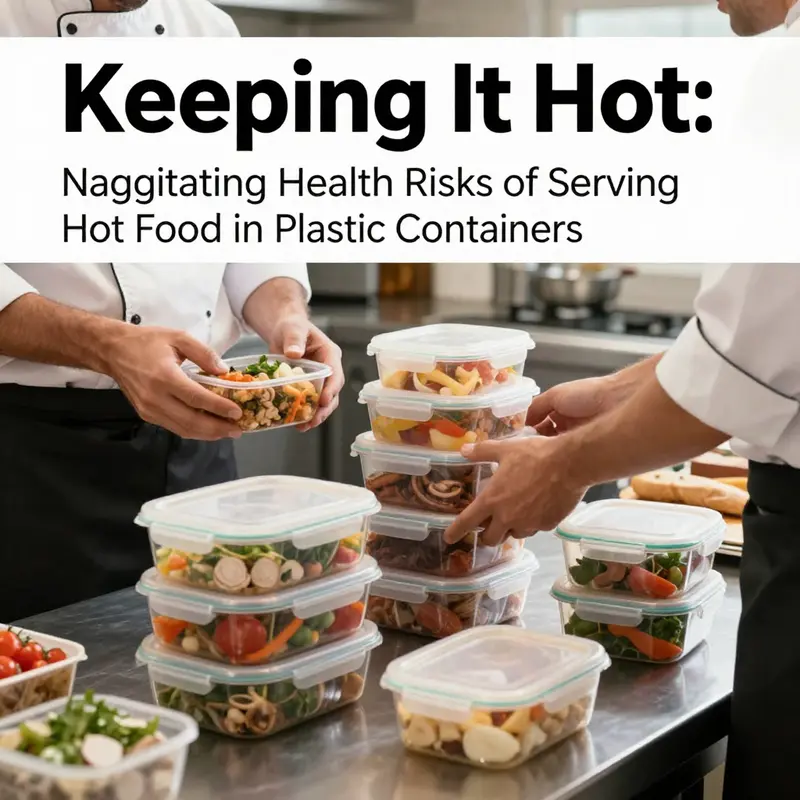
When hot food meets plastic, a decision unfolds between convenience and safety. Heat accelerates chemical migration from many plastics, increasing the chance that additives or breakdown products will move into food. This chapter presents practical, science-backed steps to reduce risk when you must store hot food in plastic containers. It explains which plastics to avoid, how to prepare and seal hot food, safer short-term practices, and real alternatives to single-use plastics.
Start with the container itself. Not all plastics behave the same under heat. Some polymers soften, deform, or release components at modest temperatures. Materials like polystyrene (PS, recycling code #6) and polyvinyl chloride (PVC, #3) are poor choices for hot foods. They can leach styrene, chlorine-containing additives, and other contaminants when warmed. Thin white supermarket bags and low-cost disposable containers often fall in this category. Using them with steaming soup or greasy hot takeout increases the risk of chemical migration.
If plastic is unavoidable, choose containers rated for heat. Polypropylene (PP, recycling code #5) performs better at high temperatures and is commonly rated to withstand boiling and microwaving. Containers labeled microwave-safe or heat-resistant are manufactured to tolerate higher temperatures and mechanical stress. Still, even PP has limits; repeated heating and cooling cycles, scratches, and staining can degrade it. For repeated use, prefer sturdy, food-grade PP products marked as BPA-free and undamaged.
Cooling first is one of the simplest and most effective measures. Let freshly cooked food cool somewhat before placing it into plastic. Cooling reduces the temperature differential and slows chemical migration. Cooling also lowers condensation, which can encourage bacterial growth if the container is sealed too early. Aim to let hot soups, stews, or oily dishes fall below about 70°C before transferring. For convenience, transfer food into a shallow dish or spread it across a wide container to speed cooling.
Avoid prolonged storage of hot food in plastic. Heat speeds polymer breakdown and the release of microplastics and additives. If you plan to refrigerate for more than a few hours, transfer the cooled food into glass, ceramic, or stainless steel containers. These materials do not leach chemicals and maintain food quality over time. When reheating, reheat directly in glass or ceramic when possible. For short-term transport, insulated carriers designed to retain heat are safer than sealing hot food inside flexible plastic.
Sealing and venting matter. Airtight seals are useful for preventing spills. Yet sealing very hot food traps steam. Condensation forms on lids and can create warm, moist microenvironments. Those conditions are ideal for bacteria if temperatures remain in the danger zone. To reduce this risk, wait for the food to cool before fully sealing. If you must transport hot food sealed for a short time, leave a small vent or use a lid designed to release steam. When reheating in a microwave, use vented covers to avoid pressure buildup and limit contact between food and softened plastic.
Avoid scratching or using degraded containers. Cuts, scratches, and warped surfaces increase surface area and expose underlying polymer layers. These defects accelerate chemical release and harbor bacteria. Replace containers that show visible wear, staining, or lingering odors. Never assume that discoloration is purely cosmetic; it can indicate chemical changes. For reusable plastics, follow manufacturer instructions. Do not scrub aggressively with abrasive pads. Use gentle detergents and avoid rapid temperature shocks that can warp the material.
Temperature control during reheating matters. Rapid, intense heating can stress plastics and increase leaching. When reheating food in plastic containers, follow safe practices: use containers labeled microwave-safe, remove lids or vent them, and avoid heating oily or fatty foods in plastic whenever possible. Fats and oils can extract lipophilic additives from plastic more effectively than water-based dishes. Consider reheating in ceramic or glass cookware and then returning food to a container once it has cooled.
Single-use plastics deserve special caution. Many low-cost disposables are not food-grade at elevated temperatures. Street stalls and takeout often use thin white bags or low-density polyethylene containers not intended for hot soups. Reheating or serving piping-hot dishes in these items raises the odds of contamination. If you frequent takeaway vendors, bring your own thermal container or ask for alternatives that are certified for hot foods. If you must accept a disposable, transfer the meal to a safer container as soon as feasible.
Understand labels and codes. Recycling codes provide helpful clues but are not perfect. Code #5 (PP) generally indicates better heat resistance. Codes #2 (HDPE) and some #7 (other) items can also be acceptable if they are explicitly marked food-safe or BPA-free. Avoid items bearing codes #3 and #6 for hot foods. Look for clear markings like “microwave-safe,” “heat-resistant,” or manufacturer instructions stating temperature limits. When in doubt, choose materials with established heat stability.
Practical habits reduce risk without a major lifestyle change. Carry a dedicated insulated stainless steel or glass container for soups and hot meals. Use silicone or heat-tolerant lids where needed. When ordering takeout, request containers suitable for hot liquid foods. If you bring your own container, offer it clean and pre-warmed to the vendor; this reduces immediate temperature shock and speeds service. For cold meals, single-use plastics are less risky, but minimizing disposables helps reduce environmental and health exposure over time.
Be aware of research findings that inform these practices. Laboratory and animal studies reveal that heating certain plastics increases the migration of compounds such as phthalates and bisphenol analogues. In one noted animal study, water stored in plastic for a short time led to measurable physiological changes in rodents. While animal findings do not translate directly to humans, they show biologically plausible risks. Chronic low-level exposure to endocrine-active chemicals can alter metabolic and cardiovascular health over years. Reducing unnecessary exposure remains a prudent course.
When alternatives are practical, choose them. Glass and ceramic withstand heat without chemical migration. Stainless steel is durable for transport and reheating. For disposable choices at events or takeout, compostable kraft paper bowls lined for hot foods provide a safer single-use option. These bowls can handle hot soups and stews without the same chemical risks as many plastics. If your context requires disposable packaging, consider switching to a lined paper soup bowl such as the disposable kraft paper bowl for food package with lid, which balances convenience with lower chemical migration risk.
Finally, balance convenience with common-sense precautions. Avoiding plastic for every hot meal is unrealistic for many people. Small changes make a meaningful difference: cool food slightly before sealing, use PP or other heat-rated plastics only when necessary, replace damaged containers, and transfer to inert materials for long-term storage. For takeout and street food, insist on suitable containers or bring your own. These practices reduce exposure to heat-accelerated chemical migration and protect health without sacrificing practicality.
For authoritative guidance on plastics intended to contact food, consult regulatory resources that outline testing and standards. The U.S. Food and Drug Administration provides thorough information on plastics used in food contact materials and their safe use: https://www.fda.gov/food/food-contact-materials/food-contact-materials-plastics
Final thoughts
As food service professionals, it is crucial to be aware of the risks associated with using plastic containers for hot food. Through understanding chemical leaching and selecting appropriate materials, businesses can implement best practices for food safety. By prioritizing customer health and adapting to these guidelines, food establishments can ensure a safe and enjoyable dining experience while also protecting their reputation.