
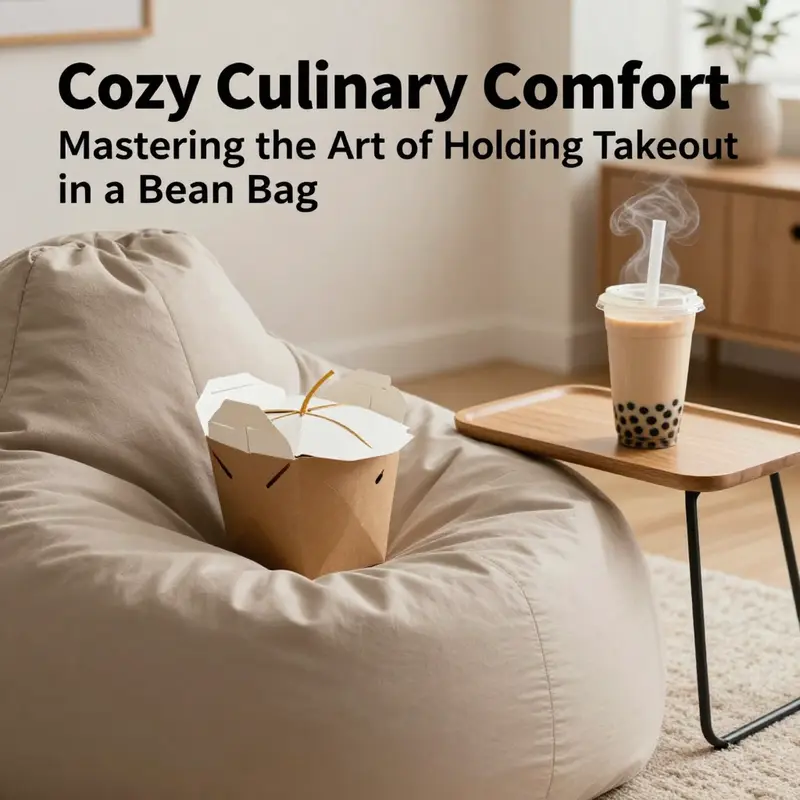
Imagine sinking into the plush embrace of a bean bag, a takeout box perched comfortably in your lap. This cozy fusion of relaxation and indulgence speaks to the heart of modern dining experiences—an invitation to enjoy delicious food in a laid-back environment. As bubble tea shops, restaurants, food trucks, and event planners delve into the significance of cozy dining setups, understanding the nuances of using takeout boxes in bean bags becomes essential. This article will take you through the ergonomics that ensure comfort while enjoying your meal, essential hygiene considerations to maintain a pristine eating environment, and innovative design solutions that make this interaction seamless and enjoyable. By the end, you’ll be equipped with insights that not only enhance customer satisfaction but also elevate your business offerings.
The Plush Equation: Ergonomics, Comfort, and Holding a Takeout Box in a Bean Bag
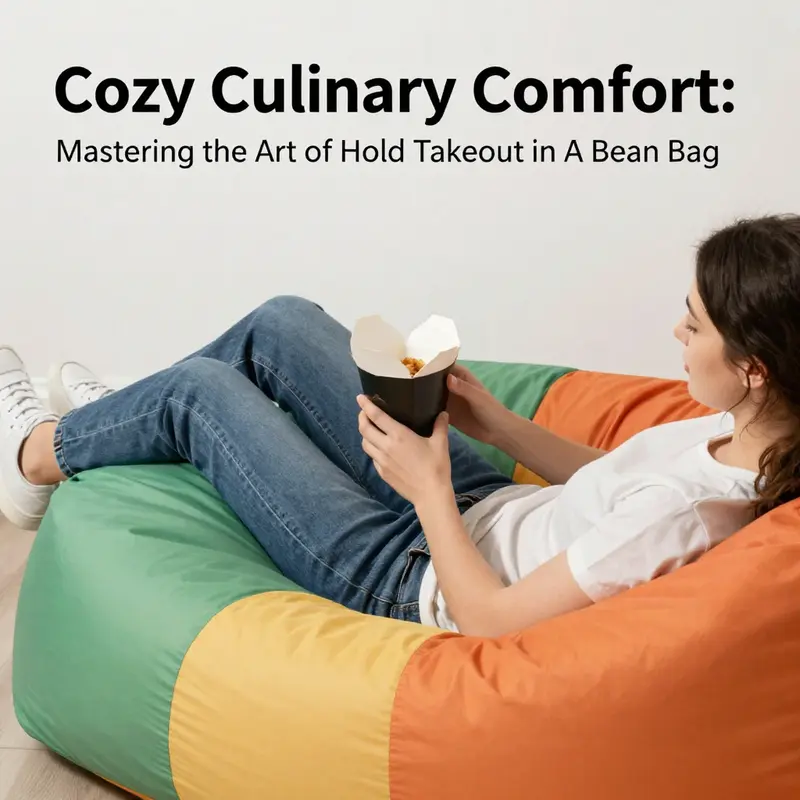
A familiar scene unfolds: a bean bag cushions the body while a takeout box rests in a relaxed grip. Comfort and practicality meet as the body seeks a neutral spine even in a soft seat. The risk is subtle fatigue from small compensations: a tilted pelvis, a raised shoulder, or a tucked neck that grows stiff after a long bite. The goal of this chapter is to balance ease with stability so dining remains enjoyable without lingering soreness.\n\nKey adjustments start with back support: a small cushion behind the lumbar area or a gentle press against a wall can guide the spine toward a natural curve. The feet should plant firmly; a stable base supports a neutral pelvis and reduces slouch.\n\nNext, keep the box near the body, around waist level. A shorter lever reduces work for the shoulders and upper back. Read labels without twisting your torso; face the container directly and move the head as needed.\n\nContainment and cleanliness matter too: a tray or lap desk defines a dining space on the bean bag and reduces the need for a death grip. If a tray isn’t handy, a napkin can serve as a shield. Choose sturdy, easy-to-clean packaging to ease handling and protect the fabric.\n\nFinally, adopt a mindful rhythm: pause between bites, drop the shoulders away from the ears, and breathe. A wall, nearby table, and good lighting can subtly cue a steadier posture without forcing rigidity. For broader guidance on posture, see Mayo Clinic’s posture and ergonomics guidance: https://www.mayoclinic.org/healthy-lifestyle/adult-health/in-depth/posture/art-20048351
Seated Comfort, Clean Hands: Hygienic Realities of Holding a Takeout Box in a Bean Bag
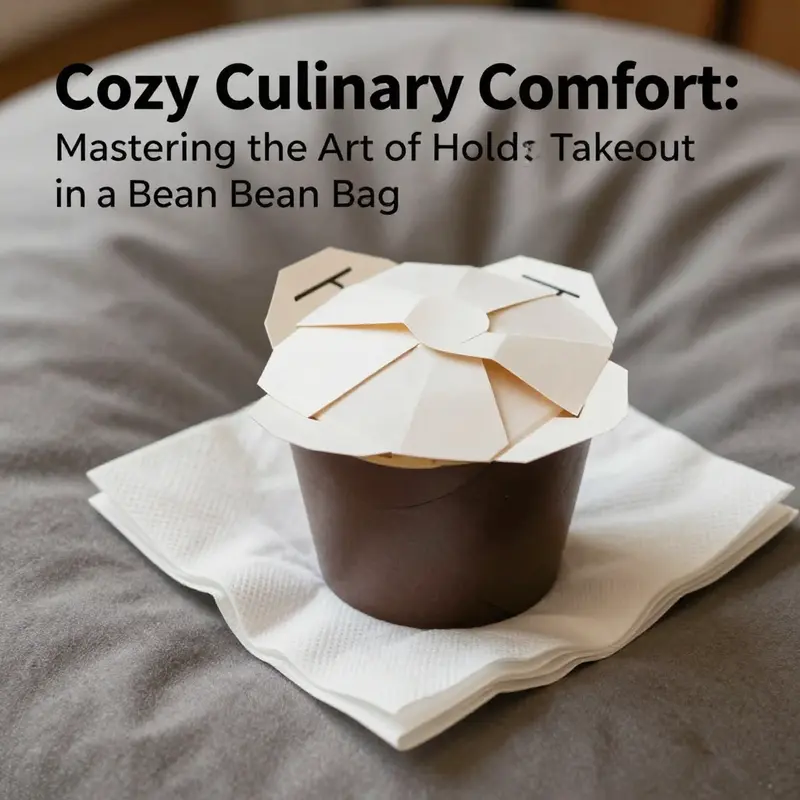
The scene is familiar and inviting: a plush bean bag cushions the body as a takeout box rests on the lap, steam curling from the lid and the soft glow of a screen nearby. The moment feels quintessentially cozy, a small ritual of comfort after a long day. Yet beneath that warmth lies a pragmatic challenge, one that can easily slip from simple indulgence into a hygiene concern. When food shares a space with our most relaxed seating, the risk shifts from mouth to surface. The bean bag’s fabric, though inviting to touch, can become a reservoir for dust, crumbs, and tiny particles that cling stubbornly to fibers. The box itself, sturdy and designed for transport, can leak oils, sauces, or condensation that finds its way into the very cushions we lean into. This chapter does not condemn the comfort of the scene; it invites a mindful approach to preserve both cleanliness and coziness in the same breath.
The first truth to reckon with is contamination risk. Bean bags, especially in shared living spaces or communal lounges, accumulate a bloom of everyday debris: dust, pet dander, skin cells, and microscopic contaminants that settle into creases and seams with surprising tenacity. A takeout box carried directly onto such a surface can transfer these substances to the container’s exterior and, more worryingly, back onto hands, utensils, and the mouth when a person continues to handle food without a fresh wash. The interaction becomes a cycle: food touches the box, the box touches the fabric, and the fabric in turn touches hands that will touch the next bite and perhaps a glass or remote control. Even if the box lid is closed, the heat and moisture escaping from the meal invites a microenvironment where residues may linger and migrate.
The porous nature of many bean bag materials compounds the risk. Plush fabrics, microfiber blends, and cottony covers are excellent for comfort because they trap warmth and encourage a soft, sinking feel. But their very softness means they can absorb spills and odors more readily than nonporous surfaces. Residues from sauces, dressings, or steam can seep into the weave or nap, and pockets of moisture create a hospitable setting for bacteria or mold if not promptly cleaned. A quick wipe may remove visible stains, but microscopic particles can remain hidden in fibers or in tiny crevices. This is not about fear-mongering; it’s about recognizing the limitations of our seating choice when food is part of the experience.
A related factor is stability. A takeout box perched on a bean bag is more likely to wobble, especially during post-meal moments when the user shifts position to reach for a napkin, a soda, or extra utensils. A sudden tilt can cause a spill or drip, which not only damages the fabric but also compounds the contamination concern by spreading oils and sauces across a larger area. A spill on a bean bag is not just a minor inconvenience; it potentially creates a lasting stain and a more complex cleaning task. The goal, then, is to strike a balance between enjoyable lounging and maintaining a hygienic, easily manageable environment.
What can be done in practical terms to savor the comfort of a bean bag without inviting mess or germs? The simplest, most effective approach starts with a stable, clean surface between the box and the fabric. A small lap tray or a compact, food-safe surface can flatten the irregularities of the bean bag’s topography, turning a soft surface into a reliable platform. This tray acts as a hygienic barrier that contains any drips and reduces the likelihood of sauce migrating into the fabric. If a tray seems like an extra accessory, it’s worth noting that many households already own a lightweight, portable option that doubles as a mini-dining surface or a remote-catch-all. In this context, the lap tray does more than provide stability; it keeps the takeout experience aligned with practical cleanliness. To make this concept more tangible without naming specific brands, consider a straightforward, disposable, kraft-paper-based solution that can be used repeatedly for food transport at home. For a concrete reference to a ready-made option that embodies this idea, you can explore the idea of a disposable, durable liner designed to hold meals on a portable surface: disposable-700ml-kraft-paper-bowl-take-out-octagonal-rectangle-paper-bowl. This anchor serves as a conceptual anchor rather than an endorsement, illustrating how a barrier between food and fabric can be both simple and effective.
If a tray isn’t available, another robust strategy is to introduce a clean barrier that can be easily disposed of or laundered. A large napkin, a washable cloth, or a lightweight disposable tablecloth laid over the bean bag creates a controlled surface on which the takeout box can rest without direct contact with the fabric. The barrier should be broad enough to catch any stray droplets and to protect the surrounding area from crumbs. The goal is not perfection but a practical, repeatable routine that minimizes mess and makes cleanup predictable rather than daunting. Then, before closing the evening, a quick check helps seal the plan: remove the barrier and shake it out, or toss the disposable covering, followed by a wipe-down of the tray and the box’s exterior. This approach supports both hygiene and ease of maintenance.
Material selection for the bean bag itself can play a major part in simplifying cleanup. While the plush interior remains the centerpiece of comfort, choosing outer fabrics that are durable and easy to clean can ease the post-meal routine. Wipeable vinyl, coated fabrics, or water-resistant covers offer a barrier against liquid stains and reduce the likelihood that oils and sauces become embedded. If a bean bag’s cover is not inherently wipeable, a separate removable, washable cover can provide a reusable shield that makes cleanup straightforward. The trade-off, of course, is comfort versus practicality, and the best choice will hinge on how frequently meals are enjoyed in this configuration and how easily the cover can be laundered. Along with a wipeable exterior, it helps to employ a quick-cleaning approach after meals: a damp cloth or a light fabric cleaner can remove surface residues without requiring a full wash every time.
Lids, utensils, and the rhythm of handling also matter. Keeping the takeout box’s lid in place during the initial positioning on the tray or barrier reduces the chance of spills as you maneuver the meal toward a comfortable, stable spot. Once the box is settled, you can open it in a controlled manner, ideally over the barrier so any steam or droplets land on a protected surface rather than directly on the fabric. Using disposable utensils and keeping sauces contained within their own compartments or cups helps maintain a cleaner environment. If you need to transfer portions or mix ingredients, do so on the tray or on a separate plate, away from the bean bag, to prevent back-and-forth contact with the fabric and to minimize cleanup time. These micro-habits accumulate into a larger safeguard: by treating the meal as a task that begins with setup and ends with a tidy, deliberate cleanup, you keep the scene both indulgent and hygienic.
The cleanup routine is not merely about removing stains; it’s also about preserving the longevity of the bean bag itself. Crumbs and oils, left unaddressed, can attract pests or contribute to odors that linger long after the meal is finished. A swift, mindful cleanup reduces those risks. After finishing the meal, remove any barrier or tray, close the lid (if applicable), and attend to any drips with a quick wipe. Then, address the container’s exterior with a light wipe to remove oil traces that can attract dirt. If fabric soiling is evident, plan a targeted cleaning session for the bean bag cover—following the manufacturer’s care instructions—to restore the surface’s appearance and prevent long-term staining. In households where the bean bag serves as a shared piece of furniture, establishing a routine that includes regular vacuuming around the seating area and periodic washing of removable covers can make a surprising difference in overall cleanliness.
Beyond the practical steps, the hygiene equation also calls for a mindful awareness of how one approaches food handling in such a space. It begins with clean hands: washing or sanitizing before touching the takeout box, and again after returning utensils to their place, helps break the chain of contamination at its source. It continues with a conscious commitment to minimize surface contact and to keep the meal contained within its immediate zone of use. The social dimension matters as well. In a living room or shared lounge, discussing and agreeing on a simple post-meal routine—such as placing the tray on a designated side table for quick cleanup—reduces ambiguity and keeps everyone comfortable. Healthful habits should feel natural rather than punitive; the goal is to preserve both the pleasure of lounging and the assurance that the space remains clean and welcoming for future use.
In the larger arc of this discussion, it’s essential to recognize that the temptation to multitask while enjoying a takeout meal in a bean bag is real. We may answer a message, reach for a remote, or simply stretch after a long day. Each motion can increase the likelihood of a spill or a trail of crumbs. The antidote is a deliberate sequence: set up the barrier, place the takeout box on a stable surface, open only as needed, eat slowly, and complete a quick cleanup before returning to the rest of the evening. This sequence aligns comfort with hygiene, allowing the bean bag to remain a sanctuary rather than a stubborn cleaning project. The result is a space that supports relaxation without sacrificing health or cleanliness.
Caution and care do not negate the joy of the moment. If anything, they expand it by removing the anxiety that often accompanies messy, improvised meals. The gentle pull of a warmed dish, the cushion’s welcoming hug, and the quiet rhythm of a late-night snack can co-exist with hygienic discipline. When this balance is achieved, the act of holding a takeout box in a bean bag becomes more than a casual habit; it becomes a practiced, thoughtful ritual that respects both comfort and cleanliness. The scene thus evolves from a simple indulgence into a mindful routine that enhances wellbeing. And while the temptation to skip steps is always there, the added effort yields a clearer sense of control, a calmer atmosphere, and a cleaner space for the next moment of rest.
For readers who want to reinforce these practices with a tangible option, consider the value of a protective, disposable barrier that keeps the relationship between food and fabric clean and straightforward. Such a barrier need not be elaborate; it should be sturdy enough to contain spills, easy to replace, and compatible with routine cleaning. The idea is to create a predictable, repeatable pattern that makes the act of enjoying food in a bean bag less fraught with worry. It’s about translating the comfort of home lounging into a healthy, manageable experience that respects the material reality of the seating and the requirements of food safety.
In sum, the comfort of a bean bag paired with the pleasure of a takeout meal can be enjoyed responsibly. The central lesson is simple: create a stable, protected surface, use barriers when needed, maintain clean habits, and choose materials that make cleanup efficient. By embracing these small, practical steps, you preserve both the sensory pleasure of the moment and the long-term hygiene of the space. The result is a scene that feels luxurious yet sensible, inviting you to linger without worry and to return tomorrow with the same sense of ease and cleanliness that made today’s moment possible. For those seeking additional practical options, the concept of a barrier-based approach and the emphasis on clean handling remain relevant threads to weave into future meals and lounging moments.
External resource for guidance on food safety and hygiene remains essential for anyone who wants a reliable, authoritative framework to complement personal routines. For authoritative guidance on preventing foodborne illness, consult official health guidelines such as the CDC’s Food Safety Guidelines. You can access these comprehensive recommendations here: CDC – Food Safety Guidelines.
Cozy Cravings on a Soft Stage: Reimagining the Takeout Box in a Bean Bag
The moment unfolds with quiet ease: a bean bag surrenders a little under the weight of a warm takeout box, the fabric catching the light in a way that makes the scene feel almost cinematic. It’s the small, intimate ritual of comfort that many people reach for after a long day, when the world outside seems to slow to the pace of a lazy evening. The bean bag cradles the body in a way that a chair never quite can, its plush surface forgiving the small postures we slip into when we slump into relaxation. In this frame, the takeout box sits as a companion, a portable hearth of scents and warmth, a vessel of nourishment that becomes part of the ambiance rather than an interruption to it. Yet within this gentle tableau lies a practical dilemma: how to balance, protect, and enjoy a meal from a box while perched on a soft, shifting surface that invites crumbs, spills, and the occasional distraction from focus to flavor?
What the initial research sketch makes clear is both simple and telling. Holding a takeout box while lounging in a bean bag is a common scene, and one that many people embrace for the comfort it offers. The bean bag’s interior is soft and forgiving, a kind of quiet cradle that supports the back, hips, and shoulders as the body settles into a movie-night rhythm or a late-night snack routine. The very act of eating in this space is a small act of self-care, a moment of coziness that contrasts with the brisk formality of a dining chair. But the same softness that makes the setup so appealing also invites a few practical challenges. Spills can happen more readily when the box is perched on a surface that shifts with every breath, and crumbs can scatter across fabric that may or may not be easy to clean, depending on whether the bean bag’s cover is removable or stain-resistant. The core tension, then, is not simply about eating in a bean bag, but about protecting the comfort zone from the mess a meal can make and preserving the bean bag’s longevity in the process.
In response, the literature suggests a practical workaround that sits between comfort and care. A small tray or lap desk can stabilize the takeout box and keep it from tipping as you adjust your position. The tray acts as a portable, flat surface that creates a boundary between the soft surface of the bean bag and the rigid, heat-warmed box of the meal. This approach preserves the tactile satisfaction of lounging while adding a layer of discipline that makes cleanup easier and faster. The idea is straightforward, but it has a measurable impact: it reduces the risk of spills and allows the user to manage the meal with a steadier hand, even when the body is in a relaxed, slightly reclined posture. Moreover, it helps to keep the bean bag fabric from contact with oils, sauces, or heat, preserving the color and texture of the upholstery over time.
From there, the discussion naturally expands into a more nuanced landscape of packaging design and material choices that could inform everyday life in a bean-bag dining scenario. The research signals several related advances in packaging and transportation that, while not aimed at bean bags specifically, offer conceptual tools for thinking about stability, spill-resistance, and ease of use. One area is smart packaging, with dynamic balance systems that employ sensors to keep contents level during movement. While such technology is not yet standard in consumer takeout boxes used at home, the principle—maintaining equilibrium despite motion—translates well into a mouthfeel of steadiness when a box sits on a soft surface. If these ideas evolve toward consumer applications, they could inspire products that stabilize a container on uneven or cushioned surfaces, turning a potentially wobbly moment into a calm one.
Another strand concerns temperature control. Modern multi-layered systems can create independent temperature zones inside a single package, allowing hot items to stay hot while cooler elements remain fresh. In the context of a bean bag setting, this concept has particular resonance. A user might savor a hot soup alongside a cool beverage or a cold dessert, all from the same meal bundle, without sacrificing the quality of either item. While the practical challenge remains to keep these temperature cues intact when the meal is consumed at a low desk or on a lap, the packaging logic offers a blueprint for how to think about comfort without compromising nourishment. It also hints at a gentle design principle: the package should feel like it was made for the moment you’re in, not the moment you imagined when you first placed the order.
A third thread emphasizes structural integrity. Techniques such as heat shrink film and strategies like the so-called “Golden Triangle” approach aim to minimize spills and damage during transport. Although these innovations are framed within the logistics of getting meals from kitchen to doorstep, the underlying motives—secure sealing, precise containment, and robust barriers against movement—are directly applicable to the micro-encounters of a takeout box perched on a bean bag. In practice, they encourage thinking about how a container can stay closed when a box rests on a soft surface that naturally yields to pressure. The upshot is not a call for replicating industrial methods at home, but an invitation to borrow the logic: design for a moment when stability matters most, whether that moment is a bus ride or a quiet apartment evening.
Material science adds a final powerful lens. The emergence of durable composite bags and anti-foaming films signals a broader shift toward reliability and resilience in packaging. When you translate that to a lounging scenario, the message becomes clear: the materials surrounding the food should be dependable enough to withstand casual wobbles, accidental nudges, or a sudden stretch of an elbow as you reach for a bite. This is not a push to replace the bean bag’s beloved fabric with something sturdier, but a reminder that the ways we shield food from the world can influence how freely we enjoy it in intimate spaces. It also foregrounds the practical side of maintenance: if the takeout box can be kept stable and clean in a casual, living-room environment, the entire routine becomes more sustainable and hygienic over time.
The chapter’s core insight emerges when these broad packaging innovations are mapped back onto the everyday act of eating in a bean bag. The scene is intimate and restful, but not trivial. It invites a dance between comfort and practicality, a balance that is easier to attain when we acknowledge space constraints, the fabric’s cleaning needs, and the meal’s thermal trajectory. In this light, the takeout box becomes less a mere container and more a participant in the moment, a catalyst for small decisions that enhance habit formation around leisure and nourishment. It is here that the idea of a dedicated, stabilized platform gains traction. A lightweight, portable tray can be placed across the user’s lap, creating a stable plane that preserves the bean bag’s plush comfort while providing a reliable ring of defense against spills. The tray becomes a liaison between two design purposes: the softness of the seating and the firmness of the container. It preserves the sensory pleasures of lounging—the yield of the cushions, the warmth of the food’s steam—without surrendering the clean lines of a well-maintained living space.
And yet the practicalities still matter. While the literature affirms the appeal of holding a takeout box in a bean bag, it also acknowledges that some users prefer strategies that minimize any risk to the fabric’s integrity. One option is the careful layering of protective materials. A large napkin or disposable tablecloth placed over the bean bag creates a discreet shield, an easy containment system that gathers crumbs and sauces into a single, removable layer. This approach is simple, low-cost, and highly effective for extending the life of upholstery that has become a companion to late-night snacking. It also preserves the box’s design advantages, preventing the fabric from absorbing heat or staining while still letting the user indulge in the cozy ergonomics of the moment. The integration of such a layer does not strip away the tactile rewards of the setup; rather, it enhances them by ensuring that cleanliness remains part of the ritual, not an afterthought.
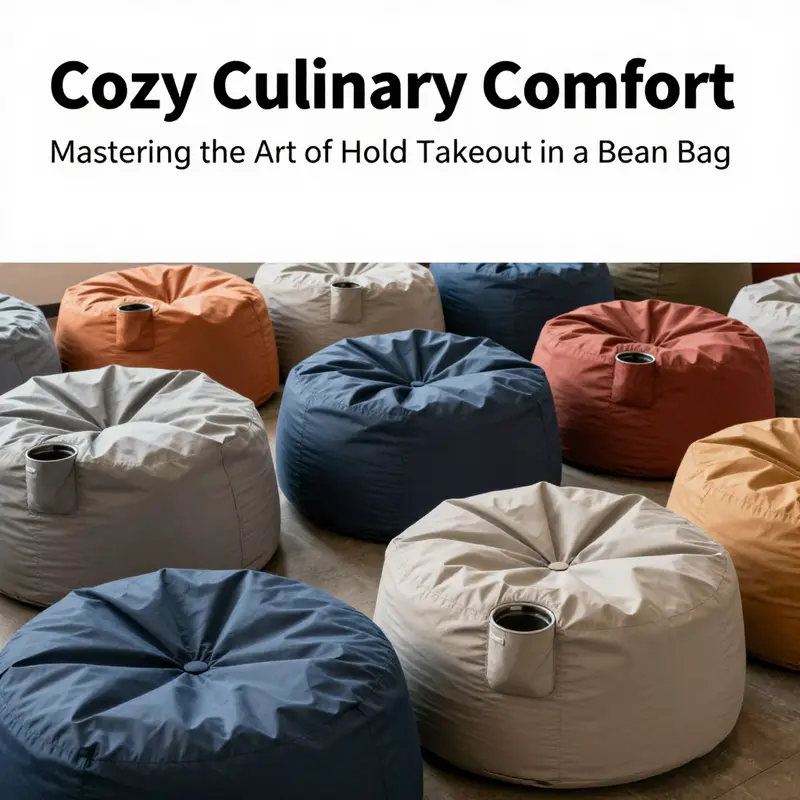
In keeping with the practical sensibility, there is room to explore how bean bags themselves could evolve to accommodate this common behavior more gracefully. Some designs already experiment with built-in cup holders or side pockets, though these features are far from universal. If such design elements become more common, they could be harmonized with packaging innovations to create an ecosystem of comfort and convenience. Imagine a bean bag with a subtle, washable surface that can endure minor spills, paired with a takeout arrangement that leverages a compact, secure container. Together, they would redefine how casual meals are consumed in shared living spaces—keeping the focus on relaxation while maintaining a disciplined approach to cleanliness and food safety. This vision remains exploratory, not prescriptive, but it underscores how cross-pollination between furniture design and packaging science can yield moments of everyday delight.
No matter how one navigates the balance between softness and practicality, the social and psychological benefits of this setup are worth honoring. The act of eating while lounging supports longer, more relaxed conversations, a sense of being at ease with one’s surroundings, and a slower, more mindful pace that can improve digestion and enjoyment. It is not simply a matter of convenience; it is a small ritual that personalizes the space, turning a simple meal into a shared, intimate experience with the self. The bean bag, already a symbol of homey comfort, becomes even more deserving of that role when it can also safeguard a meal and keep crumbs at bay. The box of food, then, does not merely sit on the fabric; it participates in a choreography of comfort, cleanliness, and care that respects both the body and the environment. And if, on occasion, a user chooses to lean back fully, the protective measures—whether a tray, a napkin layer, or a wipeable fabric—do not vanish; they adapt and continue to function as quiet guardians of the moment.
In the end, the research emphasizes something essential: there are no current, widely adopted design innovations that specifically address holding a takeout box in a bean bag as a standalone category. Yet the surrounding developments in packaging and material science offer a robust vocabulary for imagining how such a scenario might be improved. The absence of a ready-made, purpose-built solution is not a verdict on the viability of the idea; it is an invitation for creative cross-pollination. It invites designers, homeowners, and packaging enthusiasts to borrow strategies from the broader industrial realm and translate them into tangible, home-friendly forms. The result could be a simple kit—comprised of a lightweight lap tray, a compact protective layer, and a selection of easy-clean surfaces—that makes the act feel effortless rather than delicate. Or perhaps it inspires more integrated furniture ideas: bean bags with built-in, wipeable rims to catch spills, or modular, easy-to-clean surfaces that hinge onto the edges of a sofa to cradle a takeout box securely. Whatever the direction, the underlying impulse remains steady: make the moment of eating in comfort feel effortless, undisturbed by concern, and sustainable in practice.
For readers who want a concrete example linked to practical packaging choices, a compact option can be found in octagonal Kraft paper box packaging, which is designed to hold foods securely and can be adapted for casual, at-home use. This type of packaging demonstrates how form, function, and materials can converge to support the simple act of enjoying a meal in a relaxed setting. If you’d like to explore this packaging option further, you can see an example here: octagonal Kraft paper box packaging.
As the chapter closes, the overarching message remains clear: the appeal of combining a takeout box with the comfort of a bean bag is real and enduring. The practical concerns—stability, spills, cleaning, and temperature maintenance—are not obstacles but invitations. They invite us to think more creatively about how everyday objects can coalesce into moments of ease and nourishment. By listening to the broader rhythm of packaging evolution, we gain a toolkit for imagining simple, elegant solutions that preserve the sensory pleasures of relaxation while safeguarding the materials that make our homes feel lived-in and loved. The discussion here is not a manifesto for a single invention but a compass pointing toward small, thoughtful enhancements—the kind that make a quiet evening on a bean bag with a takeout box feel effortless, warm, and just a little bit magical.
External resource for broader context on packaging innovations that inform such everyday setups: https://www.sciencedirect.com/topics/engineering/food-packaging
Final thoughts
Wrapping up, the experience of holding a takeout box in a bean bag encapsulates a unique blend of comfort and convenience. By considering ergonomic practices, emphasizing hygiene, and investing in innovative designs, bubble tea shops, restaurants, food trucks, and event planners can significantly enhance the consumer dining experience. These careful considerations not only promote customer satisfaction but also ensure a seamless integration of delicious meals into relaxing atmospheres. In a world where dining is continuously evolving, mastering the art of cozy eating can set your business apart.