
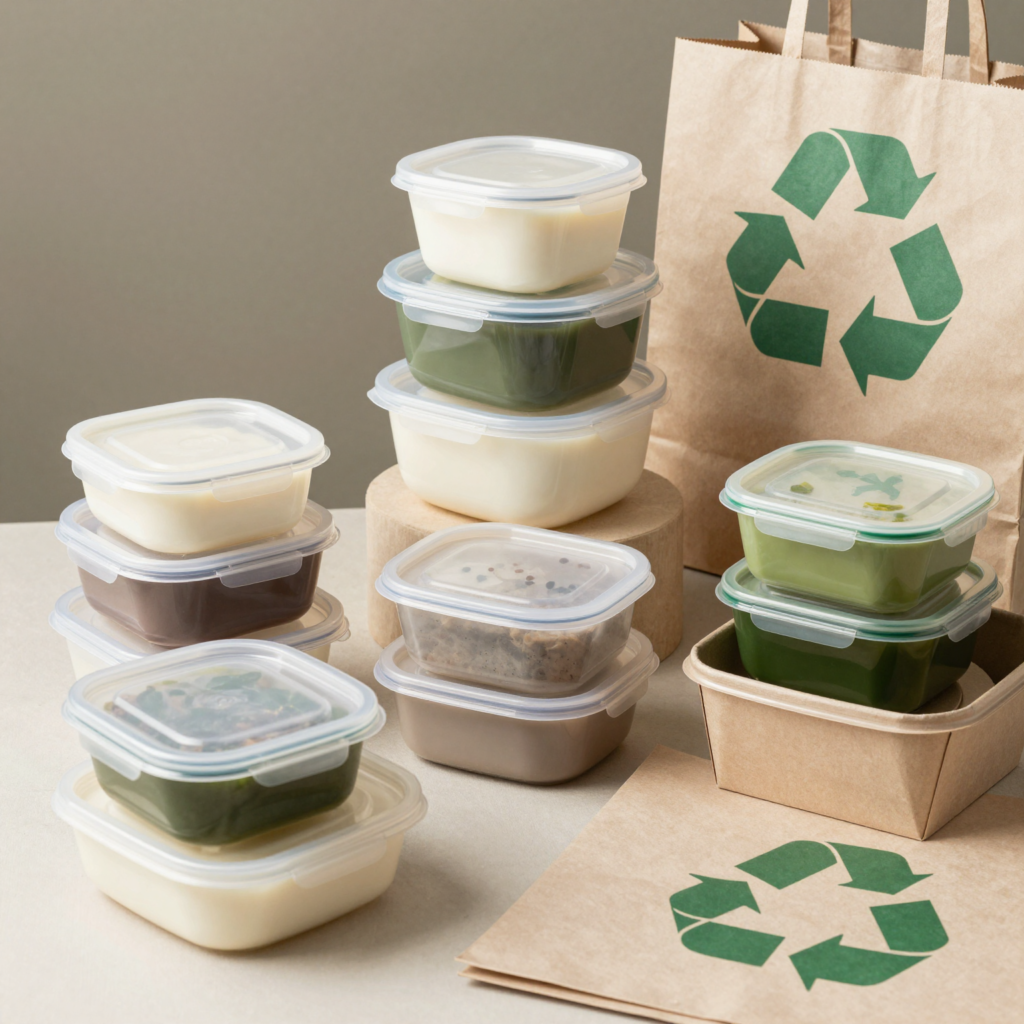
In the ever-evolving food and beverage industry, plastic food and drink containers have become indispensable, especially for establishments like bubble tea shops, restaurants, and food trucks. These containers offer an unmatched level of convenience for both businesses and consumers, allowing for the seamless transport and serving of various delicious offerings. However, this convenience brings a significant responsibility. As the environmental impact of plastic waste continues to rise, there is a crucial need for operators in this sector to balance the convenience of plastic beverage containers with eco-friendly solutions. By exploring options such as biodegradable materials and innovative recycling practices, businesses can not only meet customer demands for sustainability but also play a vital role in reducing their ecological footprint. Embracing these eco-friendly alternatives can elevate a brand’s reputation while satisfying an increasingly environmentally conscious clientele. If you’re interested in specific options for sustainable packaging, you can learn more about eco-friendly clear plastic cups or explore custom plastic food containers.
Types of Plastic Containers in the Food Industry
In the food industry, particularly within bubble tea shops and catering services, various types of plastic containers play a crucial role in ensuring food safety, presentation, and convenience. Let’s explore some common types:
1. Plastic Cups
- Material: Commonly made from PET (Polyethylene Terephthalate) for cold beverages, and PP (Polypropylene) for hot drinks.
- Benefits:
- Lightweight and durable, reducing the risk of breakage.
- Clear design allows customers to see the contents, an appealing factor for beverages like bubble tea.
- Often customizable for branding, which can attract more customers.
- Great for bubble tea shops as they often need to showcase colorful drinks and toppings.
2. Bowls
- Material: PP bowls are popular for their heat resistance, making them suitable for hot meals and microwave-safe applications.
- Benefits:
- Perfect for serving a variety of food items, including hot soups and entrees.
- Designed with airtight sealing options to maintain freshness.
- Stackable nature helps save space in catering setups.
- Ideal for catering services where meal presentation is key.
3. Lids
- Material: Often made from PP or PS (Polystyrene) to ensure a secure fit.
- Benefits:
- Essential for preventing spills and maintaining hygiene during transport.
- Tamper-evident options enhance customer trust and safety.
- Lids are especially important for takeaway orders in bubble tea shops to ensure a mess-free experience.
Summary of Benefits
- Plastic containers are lightweight, shatter-resistant, and cost-effective, making them a preferred choice in the food industry. They are particularly beneficial for:
- Bubble Tea Shops: Offering clear views of colorful drinks and ensuring convenient, spill-proof packaging.
- Catering Services: Providing varied options that maintain food quality and safety while being easily stackable for efficient transportation.
As the industry evolves, many shops are now transitioning to more sustainable options, such as biodegradable PLA (Polylactic Acid) containers, which offer similar benefits while reducing environmental impacts. For more information on custom plastic forming and how it can benefit your business, check out Custom Plastic Forming Machines.
Benefits of Different Plastic Materials in Food Service
When it comes to selecting the right plastic materials for food service applications, understanding the properties, recyclability, and best uses of each type is crucial. Below is a comparative table that outlines these aspects for three commonly used plastics: PET (Polyethylene Terephthalate), PP (Polypropylene), and PS (Polystyrene).
| Plastic Material | Properties | Recyclability | Best Uses in Food Service |
|---|---|---|---|
| PET | – High clarity and excellent barrier properties against moisture and oxygen. |
- Safe for direct food contact.
- Lightweight and durable. | Highly recyclable; commonly reprocessed into new containers and fibers. | Used in single-use bottles, food containers, salad bowls, and clamshell packaging. |
| PP | – Superior heat resistance (up to 130°C). - Chemical resistant and versatile.
- Lightweight and flexible. | Recyclable (#5); often reused in food applications. | Ideal for microwave-safe containers, take-out boxes, and durable plates. |
| PS | – Rigid and offers good clarity. - Less resistant to heat (softens at ~100°C).
- Generally lower cost. | Poor recyclability (<10%); restricted usage in many areas. | Commonly used for disposable cups, cutlery, and trays; declining due to environmental concerns. |
Summary of Findings
- PET leads in sustainability and is favored for its versatility and recyclability, making it an excellent choice for beverage and food containers.
- PP performs exceptionally well under heat, making it ideal for hot food applications.
- PS, while suitable for low-cost solutions, faces scrutiny due to environmental impacts and its low recyclability rate, prompting businesses to reconsider its use.
For more information on specific products and applications, learn more about our plastic containers.
Conclusion
Choosing the right plastic material for food service not only impacts product performance but also contributes to sustainability efforts in the industry. Selecting eco-friendly options like PET and PP can promote a more responsible approach in food packaging.
Regulatory Compliance for Food Safety
In the food industry, compliance with food safety regulations is not merely a formality; it is a fundamental principle that safeguards public health and maintains consumer trust. This is particularly relevant in the context of plastic containers, which are widely used in food service and storage. Regulations such as the FDA’s 21 CFR Part 177.1520 set strict safety standards for plastic materials in food contact applications to ensure they do not leach harmful substances into food, especially when used for hot or fatty foods.
Importance of Compliance
Compliance ensures that plastic containers meet established plastic safety standards which are designed to mitigate risks associated with chemical migration. For example, adherence to these standards prevents substances like Bisphenol A (BPA) and phthalates from migrating into food, which could lead to health issues for consumers. The Food and Agriculture Organization highlights that these regulations not only protect consumers but also support global trade by ensuring that products meet safety standards recognized internationally (FAO on plastic packaging).
Protecting Brand Integrity
Non-compliance can have serious repercussions, including product recalls, legal penalties, and reputational damage. Therefore, food businesses must prioritize the use of compliant packaging solutions. By choosing plastic containers that align with these regulations, companies demonstrate their commitment to food safety, thereby fostering consumer trust and loyalty.
Furthermore, compliance with food safety regulations shifts the burden of responsibility to manufacturers to deliver safe, high-quality products while ensuring that their operations align with regulatory expectations. Ensuring satisfactory compliance protects end consumers while enhancing operational efficiencies across the supply chain.
For more on compliant plastic food containers and their applications, visit our detailed guide on plastic food containers.
Exploring Eco-Friendly Alternatives to Traditional Plastic Containers
As awareness about environmental issues grows, many businesses are seeking eco-friendly alternatives to traditional plastic containers. These alternatives not only appeal to environmentally conscious consumers but also comply with increasing regulations aimed at reducing plastic waste.
Trending Eco-Friendly Options
In 2023, one of the most significant trends has been the shift towards biodegradable and compostable packaging solutions. Innovative materials like PLA (polylactic acid) and PHA (polyhydroxyalkanoates), derived from plant sources such as cornstarch and sugarcane, are leading the charge in these biodegradable food containers. For example, a recent report noted that the global compostable food packaging market is expected to exceed $2.5 billion by 2025, reflecting a CAGR of 12.9% from 2023 to 2025. This growth is largely driven by consumer preference, with studies showing that 72% of customers would choose businesses that utilize eco-friendly packaging solutions.
Environmental Impact
The environmental benefits of switching to biodegradable and compostable options are profound. Unlike traditional plastics, which can take centuries to decompose, materials like PLA and PHA break down efficiently in industrial composting facilities-provided such infrastructure is available. However, it’s important to note that these materials don’t easily decompose in home gardens or landfills, making accessibility to proper facilities critical in the success of these alternatives.
Major food chains and restaurants are increasingly adopting biodegradable solutions to enhance their brand reputation and cater to a growing demographic of eco-focused consumers. The challenge remains for businesses to educate their customers about the proper disposal methods to avoid contamination and maximize the environmental benefits.
Conclusion
As the market for eco-friendly food containers continues to evolve, it is clear that consumers value options that reduce environmental impact. By incorporating biodegradable packaging into their strategies, food and beverage establishments can not only contribute positively to environmental sustainability but also gain a competitive advantage in their respective industries.
To learn more about compostable options available for your business needs, check out our blog on best compostable paper cups and explore our eco-friendly clear plastic cups.
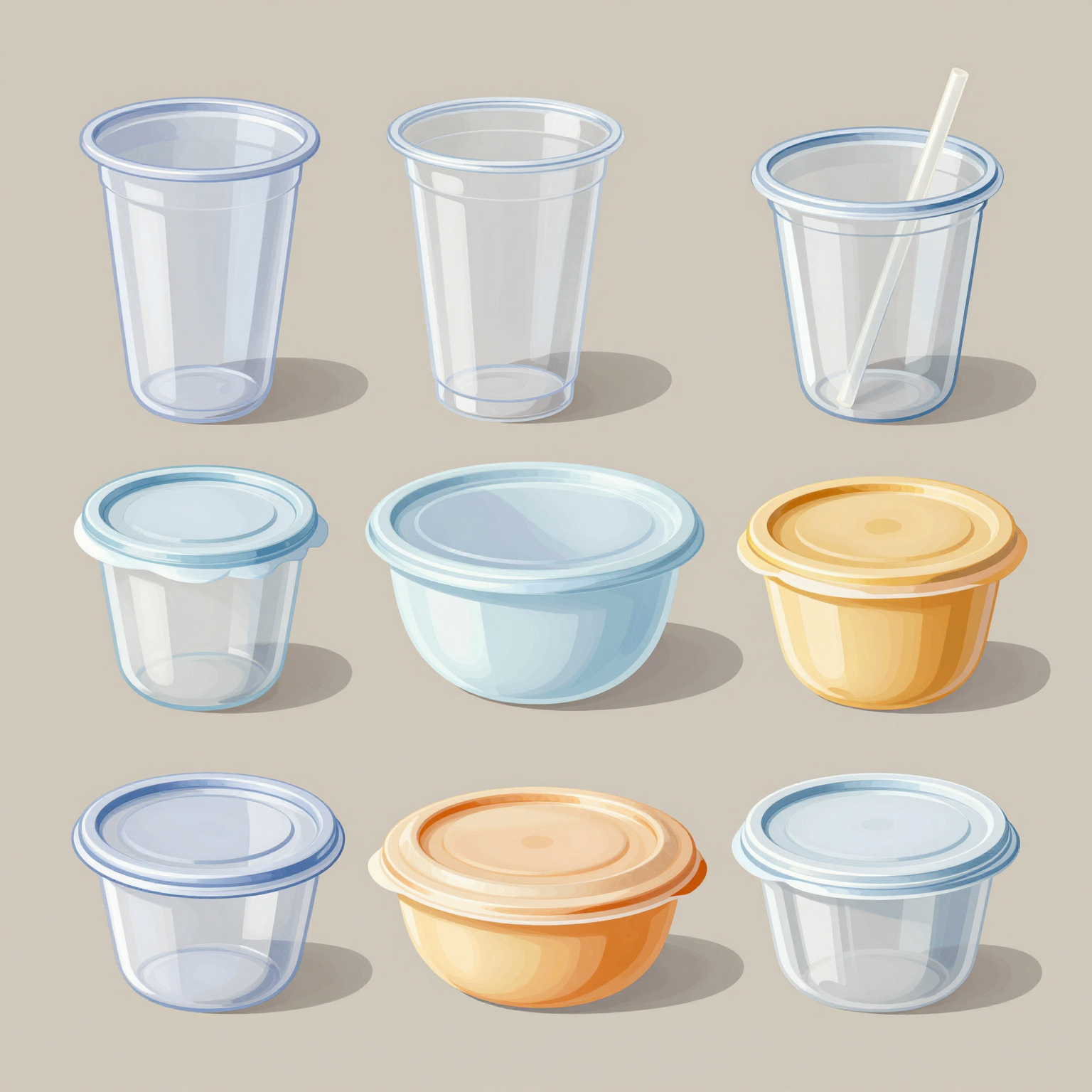
“The quality of disposable tableware is paramount. It must meet standards for being non-toxic and environmentally friendly to safeguard consumer health and ensure a sustainable future for our planet.”
– Industry Expert from QYResearch
In the rapidly evolving food and beverage industry, the significance of using quality disposable tableware cannot be overstated. As highlighted by industry experts, ensuring that these products are non-toxic and sustainable is crucial for protecting both consumers and the environment. With a growing awareness of health and safety risks associated with low-quality materials, businesses in sectors such as bubble tea shops, restaurants, and catering services must prioritize high standards in their disposable tableware choices. This approach not only supports food safety but also aligns with eco-friendly practices-an increasingly important factor for consumers today. For more insights on quality materials, check out our blog on eco-friendly disposable tableware and custom plastic options.
Sustainability Practices in the Industry
The importance of sustainability in food service has never been more critical as the demand for environmentally conscious solutions continues to rise. Plastic containers, widely used for food and beverages, play a significant role in this transition. By adopting responsible packaging practices, businesses not only help the environment but also align with consumer preferences shifting towards sustainable options.
Why Sustainability Matters
With an increasing awareness of plastic pollution, the food service industry faces pressure to reduce its environmental footprint. The use of single-use plastic containers contributes massively to waste, with millions of tons ending up in landfills and oceans each year. According to a World Economic Forum report, global corporations, including Nestlé and Coca-Cola, have launched various initiatives focused on minimizing plastic use. The report indicates that over 70% of major consumer goods companies have committed to reducing virgin plastic by 2030.
Initiatives in Action
-
Shifting to Recyclable Materials: Companies are increasingly transitioning to packaging that can be easily recycled. This shift not only meets regulatory demands but also caters to eco-conscious consumers who prefer products that contribute to a circular economy. For example, brands like PepsiCo and IKEA are implementing design-for-recycling standards, ensuring that their packaging materials can be repurposed efficiently.
-
Increasing Recycled Content: Many businesses are integrating higher percentages of recycled content into their packaging. This not only helps to lower the carbon footprint of new packaging production but also encourages a robust recycling market. Reports show a 40% increase in companies adopting such standards since 2022, according to the Ellen MacArthur Foundation.
-
Investing in Innovative Alternatives: The food service industry is exploring cutting-edge alternatives to traditional plastics. For instance, initiatives highlighted in National Geographic include mushroom-based packaging, seaweed films, and edible coatings. Although scalability of these solutions remains a challenge, pilot programs have shown considerable promise in reducing environmental harm.
-
Reducing Material Use: Corporations are also focusing on lightweighting their packaging to reduce material consumption. By eliminating unnecessary layers and opting for more sustainable materials like paper or aluminum, companies are making significant strides towards decreasing their overall plastic footprint.
Conclusion
The drive for sustainability in food service through responsible packaging is imperative for the health of our planet. As the industry continues to innovate and adapt, it is evident that sustainable practices not only fulfill regulatory and consumer demands but also pave the way toward a more environmentally friendly future. Embracing these changes can elevate brand perception and customer loyalty, ensuring businesses thrive in a competitive market. For businesses looking to adopt eco-friendly options, exploring products like custom plastic containers is a fantastic start.
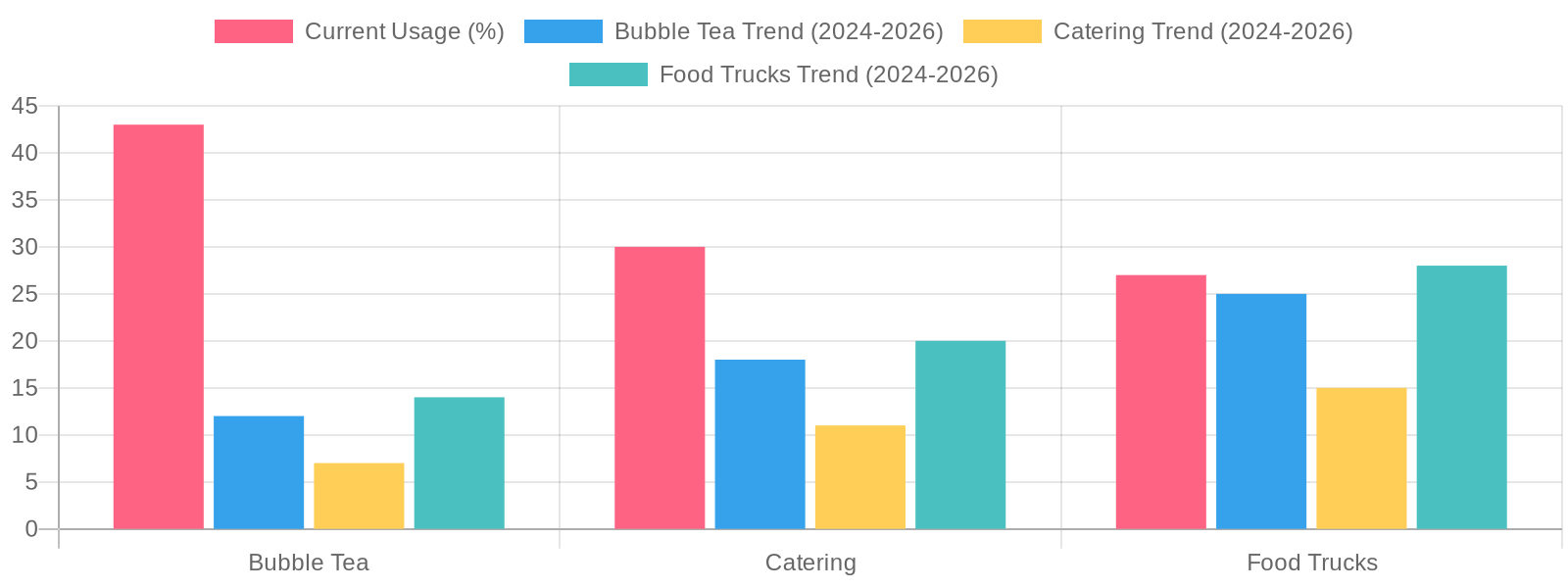
| Sector | 2023 Usage (%) | 2024-2026 Trend (Sustainable Shift) | Key Drivers for Growth & Sustainability |
|---|---|---|---|
| Bubble Tea | 43% | Rising: +12% (2024), +18% (2025), +25% (2026) | High-volume, fast-paced service; consumer demand for eco-friendly packaging; brand image alignment with green values |
| Catering | 30% | Steady growth: +7% (2024), +11% (2025), +15% (2026) | Large-scale events, weddings, and corporate functions; increasing regulations on single-use plastics; shift to biodegradable materials like bagasse and PLA |
| Food Trucks | 27% | Rapid adoption: +14% (2024), +20% (2025), +28% (2026) | Mobile operations require lightweight, durable, and compostable tableware; regulatory pressure in urban areas; customer preference for sustainable choices |
Note: Data based on industry trends from 2023-2026 as reported by Disposable Plates Surge in Popularity: 2026’s Hottest Trends, Top-Selling Products, and Pro Sourcing Intelligence (Jan 2026) and Packaging Materials Industry in Hong Kong (Mar 2026). The rise in compostable materials includes bagasse, PLA (polylactic acid), bamboo, and molded fiber-based disposable tableware.
Sources:
- Disposable Plates Surge in Popularity: 2026’s Hottest Trends, Top-Selling Products, and Pro Sourcing Intelligence
- Packaging Materials Industry in Hong Kong – E-commerce & Sustainability Trends
In conclusion, the significance of selecting high-quality plastic containers and tableware cannot be overstated for businesses operating in the food and beverage industry. These essential items ensure not only food safety and operational efficiency but also bolster your brand through attractive, customizable options. As a trusted partner, we at Green Dispo Pack are committed to providing tailored solutions that suit your specific needs, whether you are a bubble tea shop, restaurant, or event planner. Our expertise in the latest materials and innovative designs guarantees that you receive products that perform reliably while meeting regulatory standards.
Let’s work together to enhance your brand’s presentation and customer satisfaction. Partner with Green Dispo Pack today and discover our commitment to quality and exceptional customer support. Reach out now and let’s create the perfect packaging solutions for your business!