
In the world of food and beverage, packaging plays a pivotal role in not only preserving product quality but also enhancing brand appeal. Food plastic packaging bags provide a versatile solution for various businesses, including bubble tea shops, restaurants, food trucks, and catering services. As the demand for efficient, functional, and attractive packaging grows, understanding the different types of food plastic packaging bags, emerging market trends, and innovations aimed at reducing environmental impact becomes crucial. This exploration will focus on three key areas: the diverse types of food plastic packaging bags available, the current market dynamics and trends influencing their use, and the innovations that address environmental concerns, allowing your business to stay ahead of the curve.
The Many Faces of Food Plastic Packaging Bags: Form, Function, and the Alchemy of Shelf Life
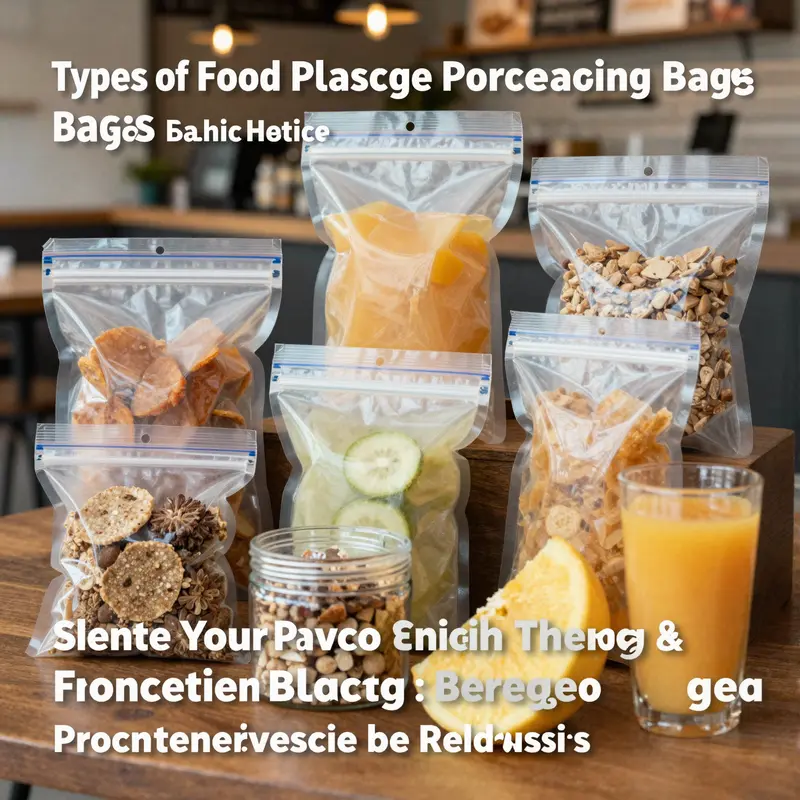
A food plastic packaging bag is more than a simple wrapper. It is an engineered system that blends materials science, process engineering, and consumer behavior into a single, portable barrier. When you slip a bag over a product—from a jar of mixed nuts to a slice of cured meat—the packaging plays a crucial, often invisible role. It shields the contents from oxygen, moisture, and contaminants; it regulates temperature and light exposure during storage and transport; and it communicates key information to the shopper about usage, storage, and recycling. The diversity of designs that have emerged in response to these demands is remarkable, yet the logic behind them remains coherent: each type of bag is optimized for a particular food category, a specific shelf life, and a set of handling conditions along the supply chain. In practice, this means that the choice of bag is as much about practical protection as it is about display appeal, cost management, and environmental responsibility. A comprehensive look at the major types reveals not only how each form protects the product but also how it shapes the consumer experience and the retailer’s logistics, from production runs to point-of-sale replenishment.
Stand-up pouches are perhaps the most recognizable face of modern food packaging on supermarket shelves. Their flat bottoms enable them to stand upright, turning aisles into a gallery of tall, merchandisable packages. The form is inherently display-friendly, maximizing vertical space and catching the eye with large, high-resolution graphics. Inside, a multilayer film stack—typically a high-barrier combination such as PET/AL/PE or BOPP/PE—serves as a robust shield against air and moisture. The sealing process is precise, often incorporating resealable zippers that allow consumers to reclose the bag after opening, preserving freshness and portion control. These pouches are favored for snacks, nuts, coffee, and other dry goods, where a balance of shelf stability, convenience, and brand storytelling is essential. The ease with which these bags can be produced in standard thicknesses and widths also supports quick customization—shapes, sizes, and graphic schemes can be tailored to market segments without sacrificing efficiency. From a supply-chain perspective, the stand-up pouch offers predictable performance in automated filling lines, reliable sealing integrity, and straightforward cartonization for retail distribution, all of which translate into faster turnover at the shelf.
Vacuum-sealed bags, by contrast, lean into the physics of oxygen exclusion. By withdrawing air and sealing the package tightly, they suppress microbial growth and slow oxidative processes that would otherwise degrade flavor and texture. This approach is particularly valuable for perishable foods such as meat, fish, and fresh vegetables, where a longer cold-chain window can unlock new market opportunities and reduce waste. The technology relies on robust heat-sealing, reliable barrier films, and careful control of the sealing environment to avoid pinholes and ingress of moisture. In practical terms, vacuum packaging translates into meat that retains its juiciness and color, vegetables that stay crisp longer, and seafood that travels farther with less spoilage. The economics of vacuum packaging favor products with high value per unit weight and longer distribution routes, where the premium for enhanced shelf life is justified by reduced spoilage losses.
Zippered or resealable bags respond to a different consumer need: convenience that endures beyond the moment of purchase. These bags invite repeated access to contents, whether for leftovers, portion-controlled snacks, or seasoning blends. The closure mechanism is engineered to withstand many open-close cycles while maintaining a tight seal against moisture and air intrusion. The materials chosen for resealability often emphasize puncture resistance and food-grade safety, while the interior film still provides barrier properties sufficient for the product’s life-cycle. The psychology of resealability is powerful: it reduces waste at home, supports flexible portioning, and aligns with busy lifestyles where quality and practicality converge. The design also intersects with branding and product positioning—clear panels, branded zippers, and tactile textures contribute to perceived quality and usability.
Bags that incorporate drying or deoxygenation agents introduce a more active form of protection. Desiccants inside the packaging absorb residual moisture, while oxygen absorbers reduce residual oxygen within the headspace. This combination creates an environment in which microbial growth is further inhibited and oxidation is slowed, extending the product’s shelf life where simple barriers alone would be insufficient. The placement and size of these sachets are carefully chosen so they do not compromise seal integrity or contaminate the contents. In some categories, especially those featuring dehydrated or partially processed foods, these active packaging elements offer a meaningful differentiator in freshness perception and consumer trust. Yet the use of desiccants and oxygen absorbers also necessitates clear labeling and consumer education to ensure proper handling and disposal, an interplay of technology and consumer responsibility that packaging designers must manage with care.
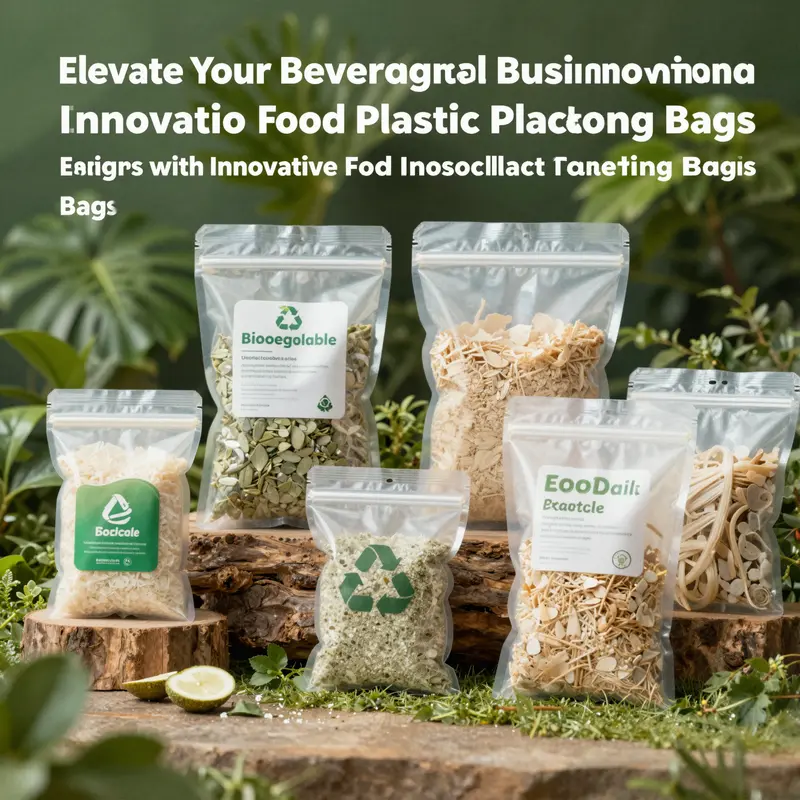
Biodegradable and compostable plastics present another critical axis in the evolution of food packaging bags. These materials—often derived from plant-based feedstocks such as polylactic acid (PLA) or other biodegradable polymers—are designed to lessen environmental persistence. They respond to rising expectations for sustainability and the push from retailers and regulators toward more responsible consumption. The promise is clear: similar protective performance for food while reducing long-term plastic pollution. In practice, however, the story is nuanced. Biodegradable and compostable bags typically require industrial composting facilities to break down efficiently. Home composting or natural environments may not achieve the same results, and some products may lose barrier performance or mechanical strength when subjected to composting conditions. Designers must therefore balance the life cycle of the product, the local waste-management infrastructure, and the expectations of consumers who might misinterpret labels or disposal instructions. The net effect is that biodegradable options expand the toolbox without a universal replacement for conventional plastics, underscoring a broader trend toward a mix of materials that can be selected to align with product attributes, brand promises, and regional waste streams.
The spectrum of film technology also includes rigid and flexible film packaging that bridges the gap between traditional pouches and more rigid, tray-based systems. Flexible films wrap around products to create a barrier against contaminants and moisture, while rigid formats—often thermoformed trays covered with film—offer structural stability and product visibility. This duality supports a wide range of foods, from ready-to-eat meals to fresh-cut produce, where the choice between a pliable wrap and a rigid shell hinges on handling, display, and consumer expectations. The materials for these solutions must deliver not only barrier performance but also compatibility with thermal processing inside microwaves or hot-water baths when required. The result is a dynamic set of options that can be tuned to meet specific product safety criteria, sensory preservation, and user experiences in both retail and food-service environments.
A separate but increasingly vital thread in the chapter of packaging types is the subset of specialty and security-enhanced bags. The modern supply chain demands trust and traceability. To deter tampering and theft, certain bags employ tamper-evident seals, holographic labels, or unique printing schemes that complicate counterfeit replication. In high-value goods or sensitive categories, these features help protect brand integrity and consumer confidence while reducing the risk of cross-contamination or diversion along distribution channels. The science here is as much about macro-level logistics and risk management as it is about the barrier properties of the film; the seal integrity, closure reliability, and defect monitoring all converge to protect the consumer experience from the moment of packaging until the product reaches the kitchen.
From a materials science perspective, the heart of any bag is its multilayer structure. The blocking performance of a bag—its ability to keep air, water vapor, and aromas from penetrating—depends on the choice of polymers and metals, the thickness, and the sequence of layers. Common configurations often feature high-barrier films like PET/AL/PE or BOPP/PE. Each layer plays a role: PET offers strength and stiffness; aluminum foil provides an almost complete barrier to light and gas; PE serves as a sealant and moisture barrier. The result is a stack that can resist the rigors of storage, transport, and consumer handling while maintaining clear product visibility when needed. The complexity of these structures also has implications for recycling and end-of-life management, since multilayer films are notoriously challenging to separate and recapture in conventional waste streams. As shelf-life demands intensify and consumer preferences shift toward transparency and traceability, manufacturers continually innovate layer configurations and seal technologies to optimize performance without compromising recyclability.
Geography and scale further shape the landscape of food plastic packaging bags. The global production network includes a dense, well-integrated supply chain in parts of Asia, where highly integrated factories in coastal provinces bring together extrusion, lamination, printing, and converting into turnkey packaging solutions. In particular, regions with mature plastic and packaging ecosystems have developed extensive capabilities to deliver customized bags—varying in size, structure, barrier performance, and print quality—at competitive prices. For instance, the capacity to produce stand-up pouches, vacuum bags, and zipper bags at scale hinges on a combination of film extrusion lines, lamination equipment, and high-speed form-fill-seal machinery. The economic reality is that mass production reduces unit costs for complex multilayer structures, enabling brands to offer a wide array of formats without sacrificing performance.
The economics of bag design extend beyond material cost to include handling across the supply chain. For example, the ability to standardize dimensions, to print durable graphics at high resolution, and to seal reliably on automated lines reduces waste and downtime. In many markets, a single bag format can be used across multiple SKUs, enabling retailers to optimize shelf space, improve stock-keeping unit counts, and streamline logistics. The interaction of packaging choice with marketing strategy is vivid: a bag’s appearance—color, gloss, transparency, and textural cues—can communicate freshness, quality, and value even before a consumer reads a word. In such a world, form and function are inseparable; the packaging must perform as a protective intermediate while also serving as a showroom, a guide, and a branding instrument.
A final practical thread concerns labeling and consumer information. The bag surface is a canvas for usage instructions, storage recommendations, and recycling guidance. In the current era, where environmental signaling matters as much as product quality, packaging designers must balance graphic density with legibility, ensure compliance with applicable food-contact regulations, and present clear disposal instructions that align with local waste-management infrastructure. The challenge is to deliver a concise message about safe storage and safe handling while preserving the integrity of the product’s appearance on the shelf. Against this backdrop, the packaging bag becomes a dynamic interface among producer, retailer, and consumer—an artifact that carries not only the product but also the values of safety, convenience, and sustainability.
To acknowledge the broader ecosystem, consider a practical alternative that some segments explore as part of a broader sustainability strategy: kraft paper packaging. While not a plastic bag, it represents a recyclable, compostable option that can satisfy segments prioritizing end-of-life outcomes. For more on this alternative approach, see the discussion linked here: https://greendispopack.com/product/disposable-octagonal-box-restaurant-food-kraft-paper-packaging/. This reference illustrates how packaging decisions are increasingly informed by a spectrum of trade-offs, including barrier performance, consumer perception, and the feasibility of recovery at the end of the product’s life. The decision to choose plastic or non-plastic packaging depends on product sensitivity, distribution requirements, brand positioning, and local waste-management realities.
The literature surrounding food packaging emphasizes that bags are not static artifacts but responsive components of a holistic system. They are designed with the product’s intrinsic properties in mind—the moisture content, oiliness, particulates, fragility, and temperature sensitivity—and with extrinsic factors such as shelf life expectations, transport duration, and consumer use patterns. A bag’s success is measured not only by its ability to protect the product during transit but also by its impact on yield, waste reduction, and consumer satisfaction. When a consumer opens a bag and experiences the intended aroma, texture, and flavor, the packaging has achieved a rare trifecta: it has preserved sensory quality, minimized waste, and reinforced trust in the brand. In this sense, the various bag types described above form a cohesive taxonomy, each contributing to a shared objective: keeping food safe, fresh, and appealing from production line to dining table.
For researchers and practitioners, the chapter of packaging bags demands a cross-disciplinary approach. Materials science provides the backbone—films, laminates, adhesives, and coatings that create barriers and enable seals. Mechanical engineering translates those materials into reliable filling and sealing processes, while chemical engineering optimizes interactions with moisture, oxygen, and aroma compounds. Design thinking translates the science into forms that shoppers recognize, trust, and prefer. Business considerations—cost, supply security, and environmental responsibility—then knit these threads into a viable product strategy. The result is a portfolio of packaging options whose differences are meaningful in practice yet coherent within a single framework: protection, convenience, visibility, and end-of-life consideration all in one. The chapter thus moves beyond a mere catalogue of bag types to offer a lens through which to understand how packaging choices influence every step of the food’s journey—from producer to consumer and back to the waste stream.
External resource for broader regulatory and safety context: https://www.fda.gov/food-packaging
Sustaining Freshness and Choice: The Dynamic Market Landscape of Food Plastic Packaging Bags
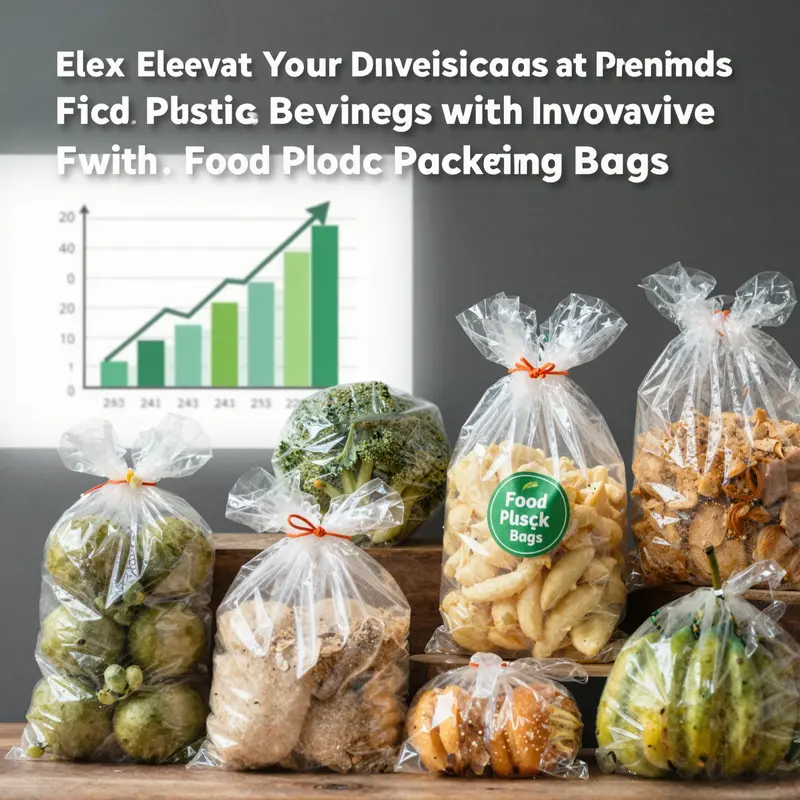
The global market for food plastic packaging bags is expanding in ways that weave together convenience, protection, and a growing conscience about sustainability. In 2023, the market was valued at approximately USD 23.54 billion, and projections indicate a steady rise to around USD 34.21 billion by 2030. This trajectory, translating to a compound annual growth rate near 5.5%, reflects a compelling mix of demand drivers and technological advances. Food manufacturers, retailers, and logistics providers are investing in packaging that keeps perishables safe during storage and transit, while also reducing waste and enabling efficient handling across complex supply chains. The story is not merely about enclosing food goods; it is about shaping how food reaches consumers under conditions that preserve quality, support travel from farm to fork, and align with evolving environmental expectations. The modern packaging ecosystem is therefore a living transcript of changing lifestyles, urban growth, and the ongoing quest to minimize loss at every stage of the food value chain.
Market dynamics unfold as a balance between performance demands and sustainability aspirations. On one hand, the need to extend shelf life, prevent odor transfer, block moisture and oxygen, and safeguard against contamination remains foundational. On the other hand, heightened awareness of plastic waste, recycling feasibility, and the push toward circular models compels material scientists, processors, and brand owners to reimagine how bags are designed, produced, and disposed of. These overlapping priorities have nudged the industry toward innovations in materials science, smarter packaging concepts, and smarter supply chains that can accommodate both functionality and responsibility. The resulting landscape is less about a single solution and more about a spectrum of options tailored to product type, distribution channel, and consumer expectations.
To understand this spectrum, it helps to look at how the market is segmented by function and form. Ordinary food packaging bags remain the backbone for many dry goods, snacks, and powders, where cost, barrier performance, and seal reliability are paramount. Vacuum packaging bags, by contrast, are deployed when the objective is to suppress residual oxygen and minimize microbial growth, thereby extending freshness and reducing spoilage. Inflation or gas-flush techniques create headspace that protects delicate items during transport while maintaining product integrity. Water-bath compatible or boil-in and steamable variants add convenience for ready-to-eat and heat-processed foods, enabling consumers to prepare meals directly in packaging or minimize handling. In addition, sophisticated functional bags offer barriers beyond the basics—a combination of heat resistance, microwave compatibility, and even anti-counterfeiting features that reassure retailers and shoppers alike. Across these formats, the packaging must simultaneously deliver physical protection, operational practicality, and informational clarity on usage, storage, and disposal.
The market’s momentum is magnified by a surge in demand for convenient consumption experiences. Urbanization continues to populate grocery aisles with small- and medium-sized products that prioritize portion control, resealability, and easy stacking for display and storage. The rise of ready-to-eat and ready-to-heat foods adds another layer to the packaging equation, where materials must stand up to thermal transitions and preserve sensory attributes such as aroma and texture. In this context, barrier properties become a numerical measure of value: a small percentage point improvement in gas or moisture barrier translates into meaningful reductions in product loss and in the frequency of replenishment orders across retail networks. The capacity to combine low weight with high performance also helps companies minimize logistics costs and carbon footprints, a factor increasingly weighted by both buyers and consumers.
Sustainability is not a peripheral consideration but a central axis around which many strategic decisions turn. Across regions, there is a clear movement toward incorporating post-consumer recycled content into flexible packaging and toward exploring compostable or biodegradable alternatives where feasible. In Europe, for example, converters, resin suppliers, and packaging buyers are actively testing PCR content premiums and evaluating whether end users will accept transitions from more rigid formats to flexible ones that can include recycled polymers. The driving logic is twofold: first, to close the loop by returning more used material to the value chain, and second, to address regulatory expectations as governments tighten targets for recycled content and recycling efficiency. This dual push—economic viability and policy alignment—has accelerated pilot programs and scaled production lines for PCR-enhanced films and laminates.
Material science itself is at the heart of these advances. The ongoing refinement of barrier layers, the development of ultra-thin high-performance films, and the optimization of multi-layer structures all contribute to stronger performance with lighter weight. When resealability is added to the equation, packaging can deliver a longer visual shelf life and reduce the need for secondary containers or over-pack. The integration of smart features, from near-field communication (NFC) tags to simple tamper-evident indicators, is expanding the value proposition by enabling traceability, authenticating product integrity, and facilitating returns processing. All these factors converge to deliver a more reliable, informative, and appealing packaging experience for both retailers and consumers.
Amid these technical strides, price remains a critical consideration. The scale of production and the complexity of materials and constructions explain a broad range of unit costs. For bulk orders in the thousands, the per-unit price can vary from a few hundredths to nearly a dollar, depending on the specific combination of substrate, barrier performance, sealing technology, and print/graphics. Buyers increasingly evaluate total cost of ownership, which includes not only the upfront price but also the downstream savings from reduced spoilage, easier handling, and improved inventory control. In markets with large manufacturing ecosystems, such as those anchored by major regional centers, price signals also reflect supply chain efficiency, local regulatory requirements, and access to specialized converting equipment.
Within this landscape, packaging design is not merely protective but also functional and strategic. The printed surface becomes a canvas for usage instructions, storage recommendations, and recycling guidance, while the structural design supports efficient warehouse storage and streamlined logistics. For some products, the packaging can include desiccants or oxygen absorbers that work behind the scenes to extend shelf life, reducing waste and improving overall product quality. For others, the design emphasizes compact stacking, easy opening, and dependable resealing—features that translate into tangible consumer convenience. The marketing dimension also matters: a packaging bag can carry brand identity, convey product attributes at a glance, and attract attention on crowded shelves through color, texture, and tactile cues. The packaging thus serves as a mediator between production, distribution, and consumer experience, reinforcing safety, hygiene, and perceived value.
The geographic currents shaping demand are as important as the product features themselves. Regions with intense retail activity and complex cold chains—where products require robust protection and long shelf life—tend to favor higher-barrier bags and specialized closures. In hot climates or high-humidity environments, moisture control becomes a priority; in markets with stringent food-safety standards, the integrity of the barrier and the reliability of seals are under close scrutiny. Meanwhile, the push toward sustainability cuts across borders. Consumers expect packaging to be recyclable or compostable where possible, and regulators increasingly require clearer labeling about end-of-life options. In response, converters are pursuing multiple paths: integrating PCR content into flexible films, exploring bio-based or biodegradable polymers for select applications, and upgrading recycling streams to accommodate more multilayer structures. The resulting choices are not mutually exclusive but are instead part of a spectrum that brands can leverage to meet product-specific needs while signaling environmental responsibility.
As we consider the practical reality of implementing these trends, it is useful to recall how the packaging ecosystem translates research into market-ready solutions. Chinese manufacturing regions—such as those in coastal and inland hubs—continue to deliver a broad array of customized bags and films. Their strong production networks, coupled with advances in lamination, sealing, and printing capabilities, enable rapid development cycles and scalable supply. For processed and preserved foods, the ability to maintain consistent barrier performance across large production runs helps ensure product safety and uniform quality in distribution. This scale, paired with ongoing innovation, positions the industry to meet rising demand while continuing to optimize materials usage and logistics.
Within this evolving milieu, one practical implication stands out for practitioners and policymakers alike: the transition toward more sustainable packaging does not imply a one-size-fits-all downgrade in performance. Instead, it calls for a thoughtful balance of material selection, structural design, and end-of-life planning. Where high barrier performance is non-negotiable, manufacturers may invest in advanced multilayer laminates that can still be designed for recycling or easier separation. In other contexts, lighter-weight substrates or mono-material solutions may be preferred to improve recyclability and reduce energy consumption during production and transport. Importantly, the decision tree increasingly incorporates life-cycle considerations, enabling brands to quantify reductions in food waste, energy use, and emissions associated with their packaging choices. This is where the market meets science in a practical way, guiding decisions that affect both profits and the planet.
The packaging narrative also reflects a broader shift toward more sophisticated, informative, and consumer-friendly formats. Packaging is increasingly a source of guidance—clear storage instructions, safe handling practices, and even micro-level indicators that communicate freshness status. The growing emphasis on transparency dovetails with the desire for traceability, allowing retailers and regulators to verify claims about recycled content, sourcing, and compliance with safety standards. In tandem, the design language of packaging bags is evolving to support easier disposal and recycling, with codes and symbols that help consumers sort materials correctly. The cumulative effect is a more responsible and efficient packaging system that still delivers the reliability required to protect food through complex supply chains.
From a market strategy perspective, these dynamics create a landscape where sustainability and performance can be advanced together rather than at odds. Companies that invest in sustainable innovation, adopt more transparent supply chains, and pursue circular economy models are likely to gain traction with both customers and regulators. The economics of scale, coupled with policy incentives and consumer demand for lower-impact packaging, can accelerate the adoption of recycled content and more sustainable materials. At the same time, ongoing research into barrier technologies and smart packaging features suggests that the functional repertoire of food plastic packaging bags will continue to expand. The result is a market that rewards ingenuity and collaboration—from material suppliers and converters to food manufacturers and retail partners.
In this context, the packaging ecosystem becomes a hub where material science, waste management, product design, and consumer education converge. The path forward is not simply about choosing between a more or less recyclable bag, but about orchestrating a suite of choices that optimize safety, performance, and environmental outcomes across the product’s entire journey. It is a journey that invites dialogue among suppliers, manufacturers, retailers, and the public to define realistic, evidence-based standards for end-of-life management, to explore scalable recycling pathways for multilayer structures, and to identify opportunities for repurposing or reuse where feasible. The momentum is real, and it is being shaped by markets that demand both reliability and responsibility. As this chapter has shown, the market dynamics of food plastic packaging bags are less about a single revolution and more about a continued evolution—one that honors protection and convenience while embracing sustainability as a core driver of value.
To see how emerging packaging formats intersect with broader tendencies in the industry, consider the ecosystem of packaging options that includes not only bags but also a range of complementary solutions. In some contexts, the packaging strategy may favor recyclable or compostable options that align with local waste-management capabilities. In other settings, digital and print technologies on packaging surfaces become a channel for consumer engagement and safety information, enhancing trust and user experience. The convergence of these factors—material innovation, regulatory clarity, consumer expectation, and supply chain efficiency—helps explain why the market for food plastic packaging bags is not static. It is a living, adapting system that responds to the realities of production, distribution, and consumption across a globally connected food economy.
Within this narrative, a concrete reference point for practitioners seeking to balance performance with sustainability is the broader packaging ecosystem that has begun to favor flexible formats with higher recycled-content cycles, in tandem with design choices that improve recyclability and reduce waste at the source. As firms explore options such as the use of post-consumer recycled content in flexible films, they are also evaluating how to maintain the protective qualities that food packaging bags provide. The dialogue between performance and environmental responsibility continues to refine the scope of what is possible, and it remains a central theme in business planning, regulatory discussions, and consumer education campaigns.
For organizations pursuing sustainability without compromising safety and efficiency, the path forward includes embracing data-driven approaches to material selection, barrier optimization, and end-of-life planning. It entails coordinating research and development with supply-chain logistics, investing in scalable recycling infrastructure, and communicating clearly with consumers about how packaging choices affect product safety, freshness, and the environment. In brief, the market dynamics of food plastic packaging bags reflect a maturation of the industry—an ongoing negotiation among protection, practicality, and responsibility that ultimately serves the goal of delivering safe, high-quality food to people everywhere while reducing environmental impact.
Internal link note: as the industry experiments with sustainable formats, many producers are turning to solutions that combine performance with recyclability, such as disposable octagonal kraft paper packaging, which illustrates the broader shift toward recyclable and compostable packaging forms that sit alongside traditional plastic bags. This transitional approach underlines how packaging ecosystems can evolve without sacrificing the core function of protecting freshness and safety across the supply chain. disposable octagonal kraft paper packaging.
External resource for further context: for a comprehensive market outlook on plastic bags and sacks, see the external industry analysis that surveys demand, materials, and regulatory influences shaping this sector. https://www.mordorintelligence.com/industry-reports/plastic-bags-and-sacks-market
From Barrier to Biosphere: Reimagining Food Plastic Packaging Bags for a Circular Future
Food plastic packaging bags are everywhere, quietly shaping how foods reach plates, protect quality, and travel through supply chains. They serve as physical shields, controlling oxygen, water vapor, and contaminants while accommodating the needs of manufacturers, retailers, and consumers. Yet their very power to safeguard freshness also embeds them in a global environmental challenge. The durability that makes packaging so effective also means that plastics linger in the environment long after their useful life ends. Microplastics infiltrate soils and waters, and long-lived plastics accumulate in landfills or disperse through oceans. The result is a paradox: packaging designed to keep food safe and affordable can, if not managed responsibly, threaten ecosystems and human health over time. This tension has pushed researchers and industry players to look beyond single-function performance toward systems that integrate safety, convenience, and environmental responsibility. A clearer view emerges when we examine not just the bag in hand, but the entire life cycle that begins with raw materials and ends with end-of-life options that communities can support. In this light, the narrative around food packaging bags shifts from a simple material choice to a broader design philosophy that honors safety while embracing stewardship of resources and ecosystems. The core question becomes how to preserve the benefits of robust barriers and precise dosing of protection, without leaving a lingering environmental footprint that outlasts the food it protects. The goal is not to abandon protection, but to reframe protection as part of a circular, resilient system that serves people and the planet alike. Integrating environmental considerations into every stage of development—materials, structures, manufacturing, use, and end-of-life management—offers a pathway to align food safety, consumer expectations, and ecological integrity. The way forward depends on reimagining packaging bags as components of a broader network, rather than as isolated tools, so that each stage interacts with the next in ways that reduce harm and increase value for society as a whole. This perspective makes it possible to argue for packaging solutions that are not only effective but also adaptable to changing waste streams, recycling infrastructures, and consumer behaviors. It invites a shift from a linear take‑make‑dispose mindset toward a design-led, systems-based approach in which every technical choice carries environmental implications and social benefits. In this sense, the latest innovations are not only about improving barrier properties or extending shelf life, but about enabling a connected chain of stewardship from extraction to end-of-life recovery. The idea is to translate the strengths of current plastic packaging into opportunities for better outcomes across communities and ecosystems, while maintaining the essential protections that food packaging provides. The tension between performance and sustainability remains real, yet it also becomes a catalytic force driving new materials, smarter architectures, and more thoughtful policies. As researchers map the life cycle more precisely and stakeholders share responsibilities for waste management, the potential for meaningful improvement grows. The following exploration situates environmental considerations at the center of packaging innovation, showing how designers, manufacturers, and policymakers can collaborate to turn a prominent environmental challenge into a driver of practical, scalable solutions. It is through this integrated lens that the story of food plastic packaging bags becomes one of opportunity—an invitation to keep food safe while also protecting the land, air, and water that support all life. Within this evolving framework, a simple bag becomes a gateway to a more circular economy, where materials, energy, and value circulate rather than accumulate as waste at the end of a product’s life. To illustrate a tangible strand of this transformation, consider a modest, yet telling example from the broader shift toward recyclable packaging options: eco-friendly recyclable pulp cup holder. Although not a direct substitute for all food packaging bags, such a development signals a trend toward materials and designs that can be integrated into existing systems or repurposed with greater ease, reducing the risk of leakage into the environment while delivering analogous performance in some contexts. This example helps ground the discussion in real-world tradeoffs and design opportunities that practitioners confront as they navigate the complex landscape of safety, convenience, and sustainability. The central thread connecting these considerations is the recognition that every packaging choice carries a potential environmental consequence, whether through raw material sourcing, energy use in production, or end-of-life fate. The most compelling innovations arise when companies and researchers acknowledge these consequences and pursue solutions that simultaneously advance food protection and ecological resilience. In the following sections, the narrative traces the evolving life cycle thinking that underpins contemporary packaging research, with a focus on how materials science, process engineering, and policy design intersect to reduce footprint without compromising food safety. It emphasizes how new materials, smarter packaging concepts, and improved waste management strategies interlock to create packaging systems that are easier to recycle, reuse, or safely degrade. It also reflects on the practical realities of adoption, including manufacturing scalability, supply chain integration, consumer acceptance, and regulatory alignment. The aim is to illuminate not just what is technically possible, but what is feasible in the short to mid term for widespread use, particularly in contexts where waste infrastructure is uneven or under-resourced. Throughout this discussion, the theme remains consistent: to harmonize the enduring need to protect food with a shared obligation to respect planetary boundaries. The resulting narrative offers a coherent view of how food plastic packaging bags can evolve from being primary barriers of food safety to becoming active participants in a circular economy. It is an invitation to think about packaging as a part of a larger system where materials are chosen with recognition of their life after use, where disposal pathways are improved, and where innovations consider social equity as part of environmental performance. The story is not a single breakthrough but a continuum of developments that progressively reduce harm while preserving essential functions. In this light, the promise of innovation becomes not only stronger barrier performance or longer shelf life but a broader capacity to protect health, conserve resources, and support resilient communities. The chapter that follows weaves together the pressures, drivers, and opportunities that shape this evolution, highlighting the most persuasive directions for future work and the kinds of collaborations that can translate research into practice. It emphasizes how advances in nanomaterials, active and intelligent packaging, and bio-based alternatives can be leveraged without obscuring the practical realities of recycling and waste management. The broader aim is to offer a thoughtful, integrated view that helps researchers and practitioners across sectors appreciate the multifaceted nature of packaging sustainability, while still keeping the central objective in sight: preserving food quality with a lighter environmental touch. This implies a continuous redesign of materials, structures, and systems that govern how packaging performs, how it is produced, how it is used, and how it finally returns to the ground, the recycling stream, or the energy system in a way that respects both safety and the environment. In the end, the value of this approach lies in its capacity to reduce harm across landscapes and to create packaging that contributes to healthier ecosystems, cleaner streams, and more sustainable urban and rural communities alike. It is a tall order, but one within reach when scientists, manufacturers, policymakers, and consumers collaborate with shared goals, transparent data, and a willingness to retool established practices. The subsequent sections outline the contours of this collaboration, the kinds of innovations that appear most promising, and the pathways through which these ideas can move from laboratory benches to everyday packaging that people rely on. In doing so, they foreground a future where food safety does not come at the cost of the biosphere, and where plastic packaging bags can operate as responsible allies in protecting both food and the environment. External pressures—the demand for safer food, tighter regulatory norms, and rising public concern about waste—can be catalysts for meaningful change when translated into concrete design and policy choices. The dialog among stakeholders becomes a guiding force for practical, scalable solutions that address real-world constraints while maintaining the integrity of food protection. This integrated perspective helps avoid the traps of over-technical jargon or isolated breakthroughs, and instead offers a realistic roadmap for progress. The chapter thus positions environmental stewardship not as an add-on but as the defining criterion against which all packaging choices will be judged in the years to come. It looks for innovations that balance barrier performance with recyclability, seeks materials compatible with established waste streams, and favors systems that can adapt to varying regional capabilities. In the end, the opportunity lies in turning a ubiquitous packaging solution into a driver of sustainable practice, capable of supporting healthy diets and healthy ecosystems at once. The narrative invites ongoing dialogue, iterative testing, and collaborative implementation, recognizing that the most durable improvements will emerge from repeated cycles of learning, measurement, and refinement. As technologies evolve, the challenge will be to align them with the realities of supply chains, consumer behavior, and municipal waste programs. This alignment will help ensure that improvements in packaging materials, designs, and processes translate into tangible reductions in environmental burden. By focusing on life cycle thinking, modular design, and scalable solutions, the industry can move toward a future where food protection and planetary health advance together, rather than in competition. The next phase of this discussion highlights some of the most compelling material innovations, how they address multiple performance metrics, and what it will take to bring them into mainstream practice, including considerations of cost, manufacturability, and social acceptance. The emphasis remains on practical pathways to reduce dependence on non-renewable resources, improve recyclability, and expand options for end-of-life processing, all while preserving the essential function of keeping foods safe, fresh, and accessible. Where barriers have slowed progress, new insights into nanostructured materials, barrier engineering, and biodegradability offer reasons for cautious optimism. The critical thread is that improvements in one domain should not compromise others; instead, they should complement each other to produce packaging systems that work harmoniously across a life cycle. The evolving landscape also recognizes the central role of data, standardization, and transparency. Accurate life cycle data enable better decision making for designers and policymakers. Shared metrics help compare different materials and configurations on a common footing. Clear labeling and consumer information can also support responsible use and end-of-life choices, reducing contamination of recycled streams and improving recovery rates. The interplay between technical feasibility and social uptake thus becomes as important as laboratory breakthroughs. The shaping of policy instruments, such as extended producer responsibility frameworks or standardized recycling guidelines, will influence the pace and direction of innovation. When policy signals encourage recyclability and discourage improper disposal, manufacturers are more likely to invest in compatible packaging architectures. Conversely, if waste management is underdeveloped, even superior materials may fail to deliver the desired environmental benefits. The dialogue across sectors thus becomes a practical engine for progress, turning research findings into design principles, production codes, and consumer education programs that collectively advance a circular economy for food packaging. Beyond policy, consumer awareness and behavior also determine outcomes. Markets respond to value propositions around recyclability, compostability, and reduced footprint. Transparent communication about what happens to packaging after use can motivate more careful disposal and participation in take-back schemes. Yet it is essential to avoid greenwashing; credibility rests on demonstrable life cycle improvements, independent verification, and robust recycling infrastructure. In this light, robust science communicates both the opportunities and the limitations of new materials and configurations. It explains where barrier improvements can be achieved without compromising recyclability, and where new materials may require different end-of-life pathways. The responsibilities of manufacturers, recyclers, and policymakers are complementary: manufacturers can design for recyclability, recyclers can improve recovery rates, and policymakers can set standards and incentives that align interests. Together, they can create a market environment where innovations are not only technically feasible but also economically viable and socially acceptable. The narrative also underscores the role of advanced manufacturing and process optimization. For example, refined extrusion and lamination techniques can enable high-performance multilayer films while reducing energy consumption and waste during production. Process innovations can also streamline sorting and separation in recycling facilities, making it easier to reclaim materials at scale. Such improvements have the potential to shift the economics of packaging toward more sustainable options, encouraging broader adoption. The convergence of materials science with digital monitoring and traceability adds another layer of potential. Smart tags, inline sensors, and data analytics can help track material streams, assess performance under real-use conditions, and reveal opportunities to optimize supply chains for circularity. This data-driven approach supports continuous improvement and accountability across the value chain, which is increasingly important to regulators, investors, and consumers. In parallel, research into bio-based and biodegradable alternatives continues to mature. Plant-based polymers, such as those sourced from renewable ecosystems, promise to reduce fossil resource dependence if they deliver comparable barrier properties, mechanical strength, and process compatibility. Importantly, biodegradable options must be assessed in the context of end-of-life infrastructure. Their benefits are only realized if industrial composting or appropriate degradation pathways exist and are accessible to end users. Realistic assessments consider competing fibers, soils, and conditions where those materials can actually neutralize environmental persistence rather than simply adding a new waste stream. The lifecycle picture remains nuanced. Some alternatives may require special facilities or pretreatment to avoid contamination of recycling streams. Others may offer drop-in replacements in specific applications while underperforming in others. The challenge is to map these trade-offs clearly and communicate them to designers and policymakers so decisions reflect true environmental gains. In parallel, advancements in active and intelligent packaging demonstrate how functionality can be enhanced without sacrificing sustainability. Oxygen scavengers, moisture management layers, and antimicrobial components can extend shelf life and preserve safety. Yet each added function interacts with materials selection, recyclability, and end-of-life. The optimal designs strike a balance where added benefits align with feasible recovery and reuse pathways. As this chapter shows, such packaging does not exist in isolation. It functions within a system of manufacturing, distribution, consumer behavior, and municipal waste management. The system-level approach illuminates where gains are most readily realized and where investments may yield diminishing returns. For instance, improvements to the barrier properties of a bag may be most valuable for products with extreme storage conditions or long distribution chains. Conversely, in systems with robust recycling and efficient energy recovery, the incremental environmental benefit of certain barrier upgrades may be smaller than anticipated. This insight cautions against chasing barriers upgrades for their own sake and encourages prioritization of changes that unlock circularity or reduce waste in substantial ways. The chapter now turns to consider how these innovations translate into real-world practice. It examines the practicalities of scaling, supply chain integration, and market acceptance. Scaling high‑performance materials requires reliable raw material supply, consistent quality, and cost competitiveness. It also demands compatibility with existing manufacturing lines, which often favors solutions that can be integrated with minimal retrofitting. The cost dimension cannot be ignored. Although some advanced materials may carry higher upfront costs, lifecycle savings through reduced waste, improved shelf life, and better resource efficiency can offset the initial investment over time. In many cases these savings become more salient as regulatory pressures increase and waste disposal costs rise. Market acceptance hinges on transparent communication about benefits, risks, and end-of-life options. Consumers respond to packaging that clearly conveys recyclability, reuse opportunities, and environmental responsibility. They also react to packaging that is convenient and functional. The most successful packaging designs deliver both performance and sustainability without compromising consumer convenience. This synthesis suggests that the most promising paths forward blend high-performance materials with smart end-of-life designs and supportive policy regimes. The convergence of scientific insight, engineering capability, and systemic thinking is essential for translating breakthroughs from the lab to the market. It requires collaboration across disciplines and sectors, with ongoing data sharing, standardization, and validation. When such collaboration is sustained, the packaging landscape can shift toward solutions that reduce environmental burdens while preserving the safeguards that protect food. The net effect is not simply a lighter footprint, but a more resilient, adaptable framework in which packaging contributes to food security, public health, and ecological integrity alike. The environmental footprint of food packaging bags will continue to evolve as new materials, processing methods, and waste management capabilities mature. A disciplined, lifecycle-aware approach helps ensure that each advance delivers net benefits across the system. This approach also encourages more responsible resource use, greater recyclability, and more robust end-of-life options. In sum, environmental challenges stimulate innovation, and innovation redefines what is possible in packaging design. The result is a more thoughtful, capable portfolio of packaging solutions that can protect food while preserving ecosystems for future generations. External pressures—from consumer concern to policy mandates—can accelerate this progress when translated into actionable, verifiable improvements. The chapter therefore frames a practical agenda: prioritize end-of-life compatibility, invest in scalable materials with proven recyclability, and align incentives across stakeholders to support responsible waste management. By doing so, the industry can deliver packaging that protects health and stability without compromising the integrity of the biosphere. The path forward invites continued research, open data sharing, and partnership among producers, recyclers, regulators, and communities. It also invites careful consideration of where to invest in innovations that have the strongest environmental payoff per unit of shelf life protected. When such investments are guided by life cycle thinking and systemic collaboration, packaging can evolve from being a barrier to food safety into a facilitator of a healthier planet. For those seeking deeper engagement, the literature provides rich perspectives on the environmental impact of food packaging materials and ongoing innovations that push toward more sustainable configurations. A well-rounded view emphasizes both the necessity of effective protection and the imperative of environmental stewardship, balancing engineering ingenuity with social responsibility. In this light, the journey of food plastic packaging bags becomes a cooperative venture to reconcile modern convenience with ecological well-being. It invites a future where packaging reinforces safe, affordable food while also contributing to cleaner oceans, healthier soils, and vibrant ecosystems. The conversation continues as scientists refine materials, designers optimize architectures, and policymakers shape frameworks that encourage responsible waste management and robust recycling streams. Together, these efforts hold the promise of aligning human needs with planetary limits, so future generations inherit systems that support nourishment, health, and environmental integrity. For a broader, evidence-based exploration of these themes, see the peer-reviewed article: https://www.sciencedirect.com/science/article/pii/S095605422030187X.
Final thoughts
Understanding and optimizing the use of food plastic packaging bags not only enhances product safety and quality but also addresses the evolving expectations of consumers and regulatory standards. By exploring the various types available, staying informed about market trends, and embracing innovations that promote sustainability, businesses can significantly enhance their brand reputation and operational efficiency. Investing in the right packaging solutions today will ensure your food and beverage products not only meet current demands but are also prepared for a future focused on responsible consumption and environmental stewardship.