
In a world increasingly attuned to the importance of sustainability, the pet food packaging sector is responding to consumer demand for eco-friendly solutions. This article explores the dynamic landscape of eco-friendly dog food packaging specifically designed for travel, where convenience and environmental stewardship intersect. From groundbreaking innovations in materials to the evolving consumer preferences that drive these trends, we delve into the advantages of biodegradable options, the latest market demands, and travel-friendly packaging solutions. Each chapter offers insights into how these developments not only serve the needs of pet owners but contribute to a broader commitment to sustainability. Let’s explore how the packaging industry is redefining pet food for environmentally conscious consumers on the go.
Sustainable Pathways for Traveling Companions: Eco-Friendly Dog Food Packaging in Motion
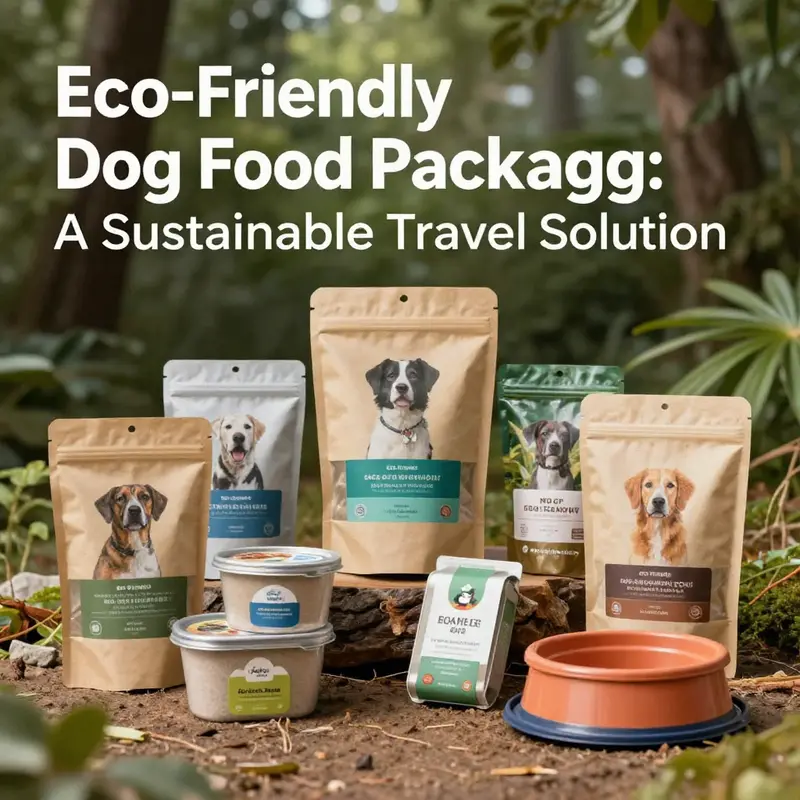
Packaging for traveling with a dog sits at the intersection of nourishment, convenience, and responsibility. Pet owners want to ensure their dogs receive consistent nutrition on the road, yet they also want to minimize waste and avoid the logistical headaches of bulky, fragile containers. The tension between portability and preservation has pushed the industry toward packaging that is not only lightweight and reliable but also environmentally conscientious. In this chapter, we explore how biodegradable and compostable materials, paired with thoughtful design and transparent labeling, are reshaping how dog food travels from bowl to trail and back again. The story is less about a single solution and more about a system—a shift toward materials that break down under appropriate conditions, structures that protect freshness without adding unnecessary weight, and labeling that communicates safety and sustainability without overwhelming the consumer with jargon.
Biodegradable materials have emerged as central players in this shift. Plant-based films derived from cornstarch, cellulose, and other renewable resources are increasingly used to replace conventional plastics in travel-sized pouches and single-serve portions. These films are engineered to maintain product quality during transit, resisting punctures and leaks while offering a thinner, lighter footprint than traditional packaging. Crucially, many of these materials are designed to break down naturally in composting environments, leaving behind minimal residue and contributing nutrients to soil rather than filling landfills. The promise is not just reduced plastic waste, but a lifecycle approach where the end-of-life path for packaging aligns with the broader goals of sustainability.
Even as material science advances, the way packaging performs in the real world matters most to pet owners who are packing for hikes, road trips, or plane travel. Functional design has kept pace with material innovation. Resealable features, reliable seals, and sturdy, lightweight structures are now common even in small travel-sized pouches. Resealability matters for dogs with longer feeding routines on days out or on multi-day trips, when owners may intermittently access food while navigating schedules and camp setups. Lightweight packaging reduces overall carry weight, an important consideration for travelers who want to minimize luggage while maximizing comfort for their dogs. The emphasis on durability ensures packaging can withstand the bumps and shifts of travel, from carry-on compartments to backpacks and car trunks, without compromising freshness or leaking.
Within these functional improvements lies a broader design philosophy: portability tailored to on-the-go feeding. Customizable biodegradable dog food packaging pouches offer sizes calibrated for travel demands, from single-meal portions to bulk resealable packages that can be repackaged for trips. The goal is not just to reduce waste but to support better practice, like feeding consistency on the road and preventing spoilage. When packaging reduces waste and complexity, it encourages pet owners to maintain their dogs’ diets even on busy travel days. This is where minimalist, efficient labeling comes into play. Brands are moving toward simple, recyclable labeling and ink systems that convey essential information without creating excess waste. Such labeling supports the circular economy by ensuring that consumers understand how to dispose of or return packaging responsibly, and it reflects an industry-wide push toward design for reuse, recycling, or safe biodegradation after use.
The market signals a broader shift as well. In many regions, consumers increasingly expect premium packaging solutions that cut environmental impact while preserving product integrity. The U.S. market, in particular, demonstrates a convergence of consumer values with regulatory and environmental considerations that shape product development. Companies are embracing closed-loop thinking—where packaging is designed to be returned, refilled, or recycled in a way that minimizes energy use and pollution. This trend resonates with travelers who want to align their pet care choices with their own commitments to sustainability, even when away from home. The travel context adds a specific demand: packaging must be compact, leak-proof, and capable of preserving freshness despite the varying temperatures, humidity, and handling that come with trips.
In practice, this means a portfolio of packaging options that can serve varied travel scenarios. Small, portable pouches are ideal for short trips or hikes, while larger, resealable bags or pouches with refillable inserts speak to more extended journeys. The ability to repackage or portion out meals for a day of exploration reduces waste and simplifies planning. The evolving landscape also includes innovations in how packaging is produced and disposed of. Biodegradable materials are increasingly produced in ways that minimize energy input and emissions, while labeling practices reflect a shift toward clarity and minimal environmental impact. The overall effect is to create ecosystems in which pet owners can travel with confidence, knowing their dogs’ meals maintain quality and that their choices contribute to a more sustainable travel footprint.
A concrete area where these ideas become tangible is in the availability of biodegradable packaging pouches designed for adaptability and durability during transit. These pouches are engineered to resist tearing and puncture, while their compostable nature ensures that they leave a far smaller environmental trace than conventional plastics. They can be designed to accommodate varying portion sizes, enabling families to select the right amount for each journey without resorting to bulk containers that add weight and space usage. Importantly, these packs are crafted to protect against moisture and odors, a critical factor when food remains in travel bags or vehicles for extended periods. This combination of protection and compostability helps pet owners feel good about the everyday choices that accumulate over a lifetime of travel with dogs.
The discussion would be incomplete without acknowledging the practical realities of sourcing and supply. The market for eco-friendly packaging is increasingly global, with manufacturers offering a range of options—from plant-based films to compostable laminates and fully recyclable constructs. The availability of customizable pouches means brands and retailers can tailor features to consumer needs without sacrificing environmental performance. For travelers, this translates into practical benefits: predictable packaging that holds up under movement, easy opening and resealing for feeding on the go, and a clear signal to dispose of packaging in a way that supports digestion of materials in composting systems. In other words, sustainability is not an abstract ideal but a set of concrete features that improve the travel experience for both pets and their humans.
The discussion of materials and design would be incomplete without turning to the broader ecosystem of eco-friendly packaging options that extend beyond pet food. For instance, biodegradable and compostable materials are increasingly used in the adjacent segments of the food service and takeaway industries. This cross-pollination helps drive innovation in the pet space, as suppliers adapt proven film technologies and sealing methods to the specific needs of dog food products. The resulting synergy accelerates the availability of travel-friendly, sustainable solutions that meet regulatory standards while resonating with consumers who want to minimize waste in every facet of their routines. As travel with dogs becomes more common and more intentional, the demand for packaging that is both protective and planet-friendly continues to grow, nudging manufacturers to pursue smarter, cleaner, and more efficient pathways.
Within this evolving landscape, one notable market example illustrates how the industry is translating these principles into practical options. A notable example is the range of biodegradable dog food packaging pouches available on Alibaba.com. These pouches are engineered for durability during transit while ensuring they decompose under industrial composting conditions, making them ideal for environmentally aware pet owners who travel frequently. This example underscores how material science and design converge to deliver real-world benefits for travel-ready pet nutrition. It also highlights the importance of scalable, accessible solutions that retailers and households can adopt without sacrificing performance. By offering customizable, eco-friendly, and resealable options, the market responds to the growing appetite for packaging that aligns with travel needs and environmental values.
An important dimension of this evolution is the packaging’s life cycle. The shift toward compostable and biodegradable materials is closely tied to safety considerations and compliance with food-grade standards. The pet food industry must ensure that materials meet criteria for contact with pet food, including barrier properties, shelf stability, and absence of harmful residues. When these conditions are met, biodegradable options can deliver competitive advantages by reinforcing brand credibility and trust with discerning consumers. For pet owners, such credibility translates into confidence that the packaging will not compromise the dog’s health or the integrity of the meal while on the move. The upshot is a stronger alignment between a brand’s environmental promises and the practical realities of travel, from packing to disposal.
The travel experience itself is enriched when packaging design reduces friction rather than adding it. A reevaluated approach to packaging acknowledges that travel can be unpredictable, and owners often juggle multiple items in compact spaces. In response, manufacturers are focusing on features that simplify routines: easy-to-open mechanisms that still seal securely, portions calibrated for common travel days, and packaging that can be repurposed for other uses or disposed of through simple waste streams. The ultimate aim is to minimize the number of steps a traveler must perform to feed their dog, thereby supporting consistent nutrition even during busy travel days. When these elements come together—durable yet light materials, reliable seals, and clear environmental cues—the result is packaging that feels like a natural extension of responsible travel rather than an obstacle to it.
In sum, the momentum toward eco-friendly dog food packaging for travel is not a single invention or a one-size-fits-all solution. It is a spectrum of innovations driven by plant-based materials, smarter packaging architecture, and labeling that communicates sustainability with clarity. It is a response to a growing traveler’s ethos: care for our dogs, care for the planet, and a logistics framework that makes responsible choices possible anywhere a journey takes us. As the market continues to mature, travelers can expect more options that combine performance with purpose—lighter, sturdier, and kinder to the environment—so that the care we give to our dogs on the road reflects the care we extend to the world we move through. The chapter closes with a practical reminder: when choosing packaging for travel, look for materials that state their compostability in a credible way, features that support on-the-go feeding without waste, and labeling that helps you dispose of packaging responsibly after use. In this way, eco-friendly dog food packaging becomes an enabler of sustainable travel, not merely a substitute for conventional plastics.
External resource: https://www.alibaba.com/product-detail/Biodegradable-Dog-Food-Packaging-Pouch-Resealable1600573249834.html?src=2021&spm=a2700.1.recentlyView.dimage&origin=y
Biodegradable Pathways for Travel-Ready Canine Nutrition: Crafting Eco-Friendly Packaging for Moveable Meals
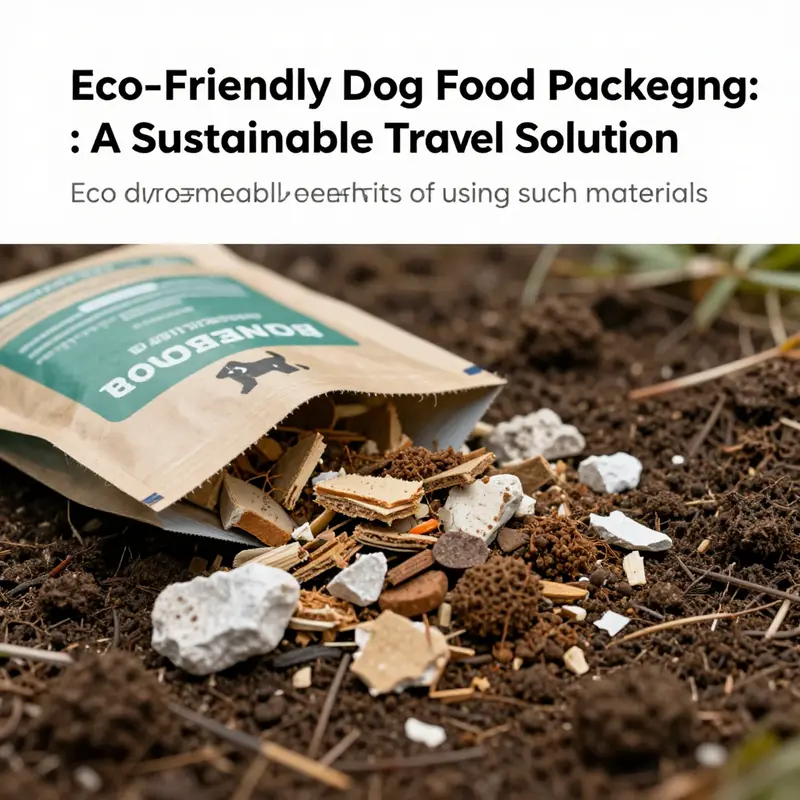
A dog on the move invites a different kind of packaging debate. When travelers pack food for their pets, they juggle freshness, portion control, and convenience with a growing insistence on responsibility toward the places they visit. Biodegradable materials offer a way to align the practical needs of travel with the care for ecosystems that pet owners increasingly demand. This chapter examines how biodegradable packaging can shape travel-friendly dog food solutions, balancing performance with the realities of waste, transport, and consumer trust. It isn’t about a single miracle material but about a pathway that stitches together science, design, and everyday behavior to reduce the footprint of canine nutrition on the road.
Environmental stewardship begins where waste typically ends: in landfills or the environment where it persists. Biodegradable packaging is designed to break down more readily under appropriate conditions, reducing long-term persistence and the environmental cost of discarded pouches, bags, and wrappers. The benefit is not merely a smaller pile of trash but a more forgiving end-of-life story for pet food packaging. In practice, this means packaging that can decompose within weeks under composting conditions or in home compost systems, returning nutrients to soil and reducing the leakage of plastics into natural habitats. For travelers, this environmental calculus translates into fewer concerns about leaving trace behind after weekend hikes, coastal strolls, or camping trips with dogs.
Consumer demand is a powerful driver in this space. Pet owners increasingly seek products that minimize ecological footprints without compromising the dog’s nutrition or the owner’s convenience. The preference for sustainability is strongest where the consumption occurs—outdoors, on weekend trips, or during longer adventures where packaging might be handled repeatedly or opened and closed multiple times. In the broader market, biodegradable options are gaining traction not only because they address waste but because they signal a brand’s commitment to long-term value and responsible production. When a packaging system blends well with the pet’s dietary needs and the owner’s travel routine, it contributes to a sense of trust and credibility that premium brands increasingly prize.
A key advantage in the travel context is the potential for transport efficiency. Flexible, biodegradable packaging—such as thin, compostable films or pouches made from starch-based materials or polylactic acid (PLA) derived from renewable resources—can reduce the overall weight and volume of packaging. This translates into lower transportation emissions and more efficient use of space in backpacks, car trunks, or carry-on luggage. In some scenarios, lightweight, flexible packaging can cut emissions associated with moving the same amount of dog food by as much as 20 percent compared to traditional rigid containers. The traveler’s journey becomes not just a matter of convenience but a contribution to a less energy-intensive supply chain, where every gram saved in packaging echoes through distribution networks and fueling cycles.
Practical solutions for travel-friendly, biodegradable dog food packaging hinge on material composition and the strategies used to protect the product. A widely adopted approach combines natural or compostable outer layers with inner liners that provide moisture and oxygen barriers. Kraft paper, when coated with a compostable film such as PLA, offers a practical balance. Kraft paper is renewable and widely accepted in home and industrial compost streams, and PLA coatings help shield the food from humidity and aroma loss during transit. This pairing exemplifies how packaging can be both functional on the road and aligned with composting pathways after use. For brands seeking tangible, eye-catching options, these materials also support attractive branding through soy or water-based inks, which reinforce the sustainability message without sacrificing print quality.
From a consumer perspective, the safety and food-grade integrity of biodegradable options are non-negotiable. A packaging system designed for travel must maintain dog food quality from the moment of sealing through arrival at a destination, even when owners are juggling multiple bags, bottles, and travel essentials. Moisture resistance is a core requirement because many dog foods are dry but still susceptible to crumbling or clumping if exposed to humidity or condensation. The inner liner plays a crucial role here, acting as a barrier to moisture ingress while preserving aroma and freshness. Advances in material science continually refine these barrier properties, enhancing durability without compromising the biodegradability of the outer materials. Importantly, the evolving science also addresses the challenge of humidity. Some biodegradable systems may degrade more quickly in high humidity; ongoing research is narrowing this gap, producing packaging that maintains performance across a broader range of travel environments.
Beyond the technical performance, packaging must support the practical rhythms of travel. Owners value compact bulk options that can be portioned into convenient daily servings or repackaged into smaller on-the-go pouches. This flexibility reduces food waste and supports responsible packing, allowing travelers to minimize unused food and discard only what is truly necessary. The design philosophy emphasizes reusability where possible—reclosable zippers, easy-twist closures, and packaging that resists accidental openings during movement—while maintaining compostability at the end of its life. In this sense, travel packaging becomes a small platform for sustainable behavior: it encourages careful use, precise portioning, and mindful disposal.
The contentions around material choice must also consider regulatory and safety standards. Biodegradable does not automatically imply unsafe or non-food-grade. On the contrary, many compostable materials used in pet food packaging are formulated to meet strict food-contact regulations, ensuring that there is no leaching or contamination risk for the dog’s meal. This alignment with safety standards fosters consumer confidence and supports brands seeking to demonstrate environmental stewardship without compromising the health of pets. In a market where claims of sustainability can be scrutinized, credible certifications and clear labeling become essential tools for brands aiming to build lasting relationships with customers who travel with their dogs.
In this travel-centric ecosystem, the role of design cannot be overstated. The physical form of the packaging shapes user behavior in subtle but meaningful ways. Smaller, portable pouches enable owners to carry just enough for a day hike or a short trip, while still providing a secure seal to preserve freshness. For longer journeys, a slightly larger, yet still lightweight, multi-pack solution can reduce the frequency of restocking and minimize waste. The packaging should invite and facilitate repackaging into smaller portions, rather than encouraging needless duplication of supplies. When biodegradable packaging is designed with the traveler in mind, it becomes an enabler of sustainable routines rather than a barrier to convenience.
A common but crucial thread running through these considerations is the need for clarity and consistency in environmental messaging. Consumers want to know what is truly biodegradable, under what conditions, and within what time frames. They also want to see alignment between packaging materials and the end-of-life path. This clarity strengthens brand credibility and helps pet owners make informed choices on the road. The packaging must walk the walk—perform well during travel and break down responsibly in compost streams that are accessible to the consumer. When these conditions align, biodegradable, travel-ready packaging becomes more than a product feature; it becomes part of a broader lifestyle shift toward responsible mobility for people and their pets.
To illustrate the practical reality of these concepts, consider the travel scenario of a weekend dog-friendly excursion. The owner selects a compact, biodegradable pouch made from a PLA-coated kraft movie and stores it in a lightweight bag alongside a small moisture barrier liner. The design ensures the dog’s meals stay fresh during a day of hiking, while the packaging’s outer layer remains resilient to light rain and sweat from a day in the sun. After use, the pouch can be disposed of in a home compost bin or taken to a municipal composting facility where available. The same approach scales to longer trips by offering a family of sizes and configurations that keep the food secure without overwhelming the traveler with bulky packaging. In all cases, the materials and design work together to reduce waste, support freshness, and maintain a clean, travel-friendly experience for both owner and dog.
One concrete way to anchor this discussion in real-world options is through the continued development of packaging that is both biodegradable and print-friendly. The combination of kraft paper with PLA coatings lends itself to vibrant, enduring branding through water-based inks that are low in volatile organic compounds. This means brands can communicate sustainability not just through words but through the tangible quality of the packaging itself. The aesthetic and tactile qualities of kraft-based packaging—its natural texture, earthy tones, and matte finish—also reinforce consumer perceptions of eco-friendliness, making it easier to translate nutrition and safety into a credible environmental claim.
In sum, biodegradable materials offer a practical and responsible path for travel-ready dog food packaging. They address the environmental impulse that motivates many pet owners, respond to a demand for premium, responsible packaging solutions, and provide tangible benefits in the form of reduced waste and lower transport impact. The challenge lies in balancing this environmental promise with the realities of travel—humidity, handling, shelf life, and the need for convenient, error-proof use. Advances in material science and thoughtful packaging design are steadily closing this gap, delivering systems that perform on the trail while dissolving more quickly after use. The result is a packaging ecosystem that supports travelers who want to protect the places they visit without compromising the diets of their dogs.
For readers seeking a concrete example of how biodegradable packaging forms can be implemented in practice, consider the broader range of compostable options available through sustainable packaging providers. Such exemplars demonstrate how a simple change in materials—replacing traditional plastics with compostable alternatives—can align with a traveler’s routine, a pet’s daily diet, and a social responsibility ethos. While every journey is different, the underlying logic remains consistent: biodegradability enables a shorter end-of-life footprint, moisture-resistant inner liners preserve freshness, and outer layers can carry branding that communicates a commitment to both quality and the planet. The travel experience then becomes a testbed for responsible packaging choices that can ripple outward to inspire more brands to pursue similar paths.
For those looking to explore practical, real-world forms of these concepts, see the example of compostable packaging options such as biodegradable-eco-friendly-take-away-odm-oem-round-kraft-paper-bowl. This serves as a tangible reminder that biodegradable materials can be integrated into familiar formats while remaining compatible with composting systems. The broader literature on sustainable pet food packaging also underscores the potential benefits of such materials, particularly when the focus remains on performance, safety, and end-of-life options. As research continues to evolve, the dialogue between material science, packaging design, and consumer behavior will shape how travel-friendly dog food packaging looks and acts in the years to come.
External reading: https://freightamigo.com/sustainable-pet-food-packaging/
Riding the Green Trail: Consumer Demand for Travel-Ready, Eco-Friendly Dog Food Packaging
When pet owners pack for a trip, they carry more than a suitcase for themselves; they carry a sense of routine, care, and responsibility for a family member who simply happens to wag a tail. In this light, the market for dog food packaging designed for travel is less about novelty and more about reliability, sustainability, and convenience coexisting in harmony. The current consumer mood favors packaging that respects the planet without compromising freshness, portion control, or ease of use. As dogs become integral members of households, the expectations attached to their food packaging evolve accordingly. Travelers want packaging that is lightweight, durable, and resistant to leaks, yet gentle on the environment. They want formats that allow easy portioning for single-serve meals on the go, and they expect materials that will degrade or be recycled responsibly after use. These expectations place eco-friendly packaging not as a niche but as a standard that aligns with broader values around responsible consumption and climate-conscious living. The implications ripple through product design, logistics, and the way brands tell their story in crowded retail aisles and online storefronts.
A central driver behind this shift is the growing view of dogs as family members who accompany people on hikes, road trips, and even long-haul flights. This evolving relationship makes the convenience of travel-sized, pre-portioned meals highly attractive. Single-serve or multi-compartment formats have gained traction because they help with portion control, reduce waste, and minimize the chance of spills during movement. The practical benefits extend beyond the dog owner: fewer messy cleanups, faster meal times, and less improvisation on the road. In response, packaging designers are experimenting with travel-ready solutions that combine strong barrier properties with nimble form factors. The trend toward smaller, lighter, more functional packaging is not just about cutting plastic usage; it is about redesigning the entire feeding moment to fit a mobile lifestyle while signaling environmental stewardship.
Material choice sits at the heart of this transformation. Biodegradable and compostable options—derived from plant-based polymers or other renewable resources—are increasingly positioned as viable alternatives to conventional plastics. The conversation around these materials often centers on two promises: maintaining the safety and freshness of pet food while ensuring that the end-of-life path aligns with consumer values. Compostable films and biodegradable liners can offer robust barriers against moisture, oxygen, and light, which are essential for preserving palatability and nutritional integrity. Yet, trade-offs remain. Some materials may exhibit different shelf-life performance or heat resistance compared with traditional plastics, and this reality pushes researchers and designers to optimize formulations and packaging architectures. The result is a more nuanced spectrum of choices, where a brand can balance performance, environmental impact, and price to meet a specific travel scenario.
Alongside biodegradable options, recyclable materials and minimalist designs are shaping how brands position themselves in the eco-conscious space. A key insight from market analysis is that consumers favor brands that use renewable resources and transparent, verifiable processes. For travel packaging, the appeal lies in formats that reduce waste while still delivering convenience. A growing subset of solutions features four-compartment configurations or multi-pocket designs that enable travelers to carry different food types in a single, organized package. This approach not only helps with portion control but also minimizes the need for multiple containers during a journey. When designed thoughtfully, these systems can be rugged enough for transit yet gentle enough to align with environmental goals. The practical value is clear: travelers can keep their dogs fed on the same diet without accumulating a maze of single-use plastics, while brands can demonstrate a tangible commitment to sustainability.
The travel dimension adds specific challenges that shape material selection and structural engineering. Lightweight yet durable packaging becomes essential when every gram counts for airline, car, or train travel. Spill resistance is another critical factor, given the unpredictable conditions of transit. The typical travel-friendly solution often involves secure seals, resealable features, and barrier layers that preserve freshness even in fluctuating temperatures. The design must also accommodate ease of opening for owners with limited time or mobility, and it should minimize the risk of crumbling or tearing when subjected to jostling on bumpy roads or during rapid transfers between vehicles. These considerations push the industry toward clever layering, innovative sealants, and simplified consumer interactions that reduce waste while preserving usability.
In this evolving landscape, the concept of premium packaging gains momentum. Eco-friendly travel packaging is increasingly tied to brand credibility and consumer trust. When a product communicates a clear environmental promise—through compostable substrates, recycled content, or clearly stated end-of-life guidance—customers feel more confident in their purchase. This is not merely about pleasing a niche audience; it is about creating a durable value proposition that resonates with a broad base of pet owners who want quality food for their dogs and responsible choices for the planet. Premium design also means packaging that tells a story of stewardship through material transparency, minimized packaging tiers, and the ability to repurpose components for post-meal uses, such as small travel bowls or containers for other pet essentials. The narrative becomes part of the product experience, reinforcing trust and fostering loyalty in a marketplace where environmental commitments are increasingly non-negotiable.
A practical avenue for achieving these goals lies in the development of travel-specific packaging formats. The research highlights portable, user-friendly options such as single-serve portions or multi-compartment systems that enable owners to pack a complete diet for a journey without carrying bulky containers or risking cross-contamination. Composite designs combining compostable films with plant-based plastics can deliver the necessary barrier properties while reducing reliance on traditional petrochemical polymers. The ability to repackage bulk products into travel-ready portions is another crucial advantage, aligning with the on-the-go lifestyle that many pet households lead today. This modularity supports both consumer convenience and sustainability, allowing pet parents to tailor portions to their dog’s size, activity level, and dietary plan while minimizing waste.
Of course, performance and safety cannot be compromised. Food-grade standards and regulatory considerations remain foundational. Biodegradable and compostable materials must meet stringent safety requirements to ensure they do not introduce contaminants or harmful substances into the dog’s food. Clear labeling about compostability, recycling compatibility, and disposal instructions helps guide responsible consumer behavior after use. For brands, the emphasis on safety translates into rigorous supplier audits, traceable supply chains, and certifications that reinforce credibility with an increasingly discerning audience. In practice, this means packaging that not only protects the food but also communicates a commitment to health, safety, and environmental integrity. When a product earns consumer trust through consistent performance and transparent practices, it gains a durable competitive edge in a market where sustainability is a key differentiator.
The consumer mindset described here also interacts with broader retail and distribution dynamics. Pet owners are more likely to seek out products that align with their personal ethics and their dog’s well-being, and they expect brands to provide practical guidance on disposal and end-of-life options. The implication for packaging designers is to simplify the consumer decision, offering clear choices that balance convenience, cost, and environmental impact. Minimalist designs that reduce extraneous material while preserving functionality can reinforce a brand’s sustainability narrative without compromising convenience. Moreover, the packaging ecosystem must be adaptable to different travel contexts—from short weekend getaways to longer road trips—so that a single product line can serve diverse needs. This adaptability is essential for scaling sustainable travel packaging across regions with varying waste management infrastructures and consumer habits.
From a product development perspective, the shift toward eco-friendly travel packaging invites a holistic approach. It requires collaboration among material scientists, industrial designers, quality assurance teams, and marketing professionals. The outcome should be packaging that behaves reliably under travel conditions, preserves the dog’s nutrition and palatability, and still signals a clear environmental commitment. In practice, this means investing in barrier science to extend shelf life in compact formats, refining seal technologies to resist leaks, and choosing substrates that perform well in shipping environments while offering favorable end-of-life options. It also means designing packaging that is easy to open for an aging pet or a caregiver with limited dexterity, yet robust enough to withstand the rigors of transit. The goal is a seamless feeding experience where the packaging disappears as a pain point and emerges as a responsible, value-adding feature of the product.
An authentic connection to travel efficiency can be seen in packaging configurations that organize meals by portion and type. Four-compartment or similarly segmented designs, often built from renewable materials, grant pet owners a simple way to carry different components of a dog’s diet—whether it’s kibble, toppers, supplements, or treats—in one compact unit. This organization not only reduces the likelihood of spills but also minimizes the need for additional plastic bags, bowls, or containers. While such configurations may require careful testing to balance rigidity with flexibility under varying temperatures and pressures, the payoff is a more convenient, waste-conscious approach to feeding on the move. Consumers who value both performance and planet-friendliness will respond to packaging that makes their travel routine easier while aligning with their ethical standards. The market signals a growing willingness to invest in thoughtful, purpose-built solutions rather than generic, off-the-shelf options.
For readers looking to see how this translates into tangible options, the broader industry literature emphasizes that innovations in travel-ready packaging are driven by a combination of consumer demand, waste-management realities, and technological advances in materials science. Brands that successfully navigate these forces tend to articulate their environmental commitments with clarity and consistency. They offer compostable or recyclable pathways, provide disposal guidance, and demonstrate how their packaging reduces overall waste when compared with traditional plastic bottles, bags, and rigid containers. The net effect is a consumer experience that feels modern, responsible, and practical—a combination that resonates with people who treat their dogs as integral participants in everyday adventures.
To illustrate a concrete, on-the-ground example of the direction described here, imagine a travel kit that uses a multi-compartment, compostable film to separate kibble from toppers, all housed in a slim, recyclable outer package. The inner components are designed to be emptied into a reusable bowl, or discarded in a home-composting system where available. Such a setup embodies the convergence of convenience, safety, and sustainability. It makes the act of feeding during travel straightforward and predictable, while conveying a sense that the brand cares about both pet health and planetary health. For readers curious about real-world packaging formats that exemplify these principles, a practical glimpse can be found in disposable, take-away Kraft paper bowls designed for travel use. disposable 700ml Kraft paper bowl for travel take-out.
As the chapter closes on this exploration, the overarching message emerges: consumer trends in eco-friendly dog food packaging for travel are not merely about greener materials. They are about smarter design that respects the dog’s needs, the owner’s time, and the planet’s future. The most compelling packaging solutions balance performance and sustainability without asking pet owners to compromise on taste, aroma preservation, or nutritional integrity. They enable easy portioning, minimize waste, and still look premium on the shelf. They also invite brands to be transparent about materials, to demonstrate end-of-life practicality, and to tell a credible story about their journey toward a more sustainable pet-care ecosystem. In this sense, travel-ready eco-packaging is less a fad and more a strategic alignment with a consumer base that values sustainability as a core attribute of everyday life. The result is a market that rewards innovators who can deliver durable, safe, and elegant solutions that travel as gracefully as the dogs who rely on them.
External resource: For a broader look at market forecasts shaping pet food packaging and the role of sustainability in long-term growth, see MarketsandMarkets’ outlook on the Pet Food Packaging Market. https://www.marketsandmarkets.com/Market-Reports/pet-food-packaging-market-269513753.html
Trail-Ready, Planet-Smart: Designing Eco-Friendly Dog Food Packaging for Travel
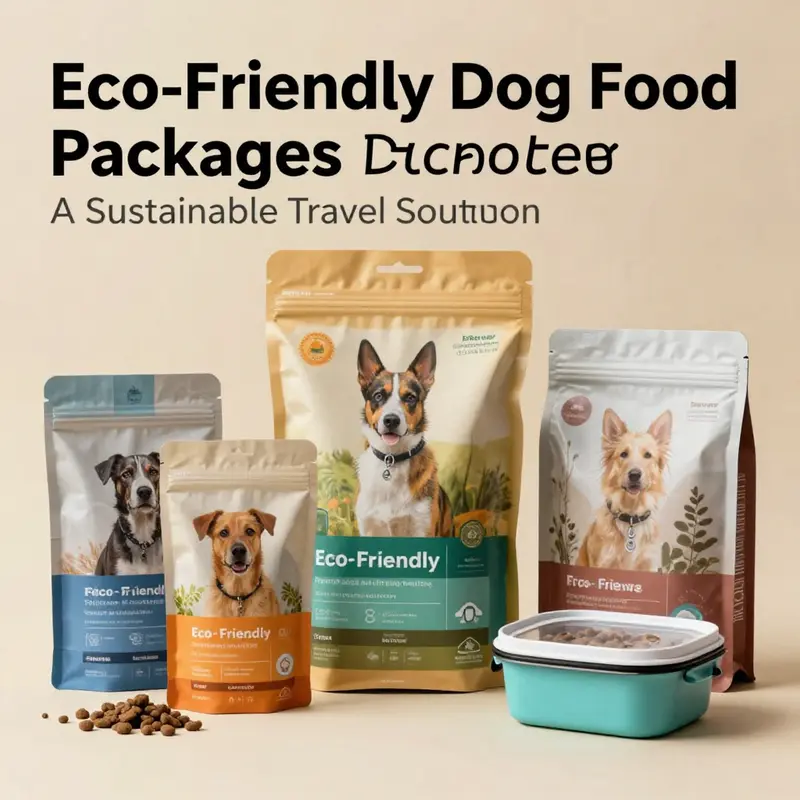
Every journey with a dog is a balance between care, convenience, and responsibility. The backpack stuffed with snacks, toys, and harnesses often reveals a quieter companion in need of predictable meals and minimal waste. When the destination is less about hotel rooms and more about woodland paths, lake shores, or urban parks, the packaging that carries dog food becomes more than a container. It becomes a partner in sustainable pet care. The challenge is to fuse freshness and safety with portability and low environmental impact, so that a dog’s diet remains consistent no matter how winding the itinerary may be. To navigate this balance, it helps to start with materials and design choices that acknowledge both the realities of travel and the challenges of waste management. In this sense, eco-friendly dog food packaging for travel is not a niche curiosity but a practical frontier where material science, consumer behavior, and logistical ingenuity converge.
At the heart of travel-friendly packaging lies the ability to preserve product quality while reducing weight and volume. Dry dog food, with its long shelf life, benefits greatly from barrier technologies that shield contents from moisture and oxygen. Modern sustainable packaging leverages bio-based, compostable films and fibers that perform comparably to traditional plastics in terms of barrier properties but depart from the environmental footprint associated with fossil-based materials. A widely cited approach in this space is the use of compostable bags made from bio-based polymers such as polylactic acid (PLA). These bags can offer excellent moisture and oxygen barriers, helping to extend shelf life and keep kibble tasting and smelling like the product the dog expects, even after hours of travel. Crucially, many PLA-based and other compostable options are designed to be industrially composted, ensuring that the end-of-life stage aligns with a responsible waste system rather than simply adding another plastic compromise to landfills.
From a design perspective, travel demands more than just a barrier. It calls for packaging that is light, durable, and easy to handle on the move. Resealable closures are a staple, but they must be reliable in a range of environments, from a car on a hot afternoon to a backpack at a muddy trailhead. The most effective travel packs balance a low profile with a high tolerance for rough handling. A pouch that weighs little yet resists tears, and a zipper that remains functional after repeated opening and closing, can mean fewer spares and less waste. When a package can be tucked into a glove compartment or strapped to a leash without risk of puncture or spillage, pet owners gain confidence that their dog’s diet will stay intact during transitions between stops, temperatures, and activities.
Another core element is material choice. Kraft paper remains a compelling exterior for premium, eco-conscious lines because it communicates sustainability through texture, color, and tactile quality. It offers a natural aesthetic that resonates with environmentally aware consumers and can be paired with inner liners that are compostable and food-safe. The outer shell, if crafted from responsibly sourced kraft paper, can be both recyclable and compostable when paired with compatible inner materials. When these outer and inner components work in concert, the entire package tells a coherent story of stewardship—from forest to foothold to finish line. A practical illustration of this synergy can be seen in packaging ecosystems that combine kraft paper exteriors with compostable inner liners. The result is a low-impact solution that maintains form and function across travel while supporting a circular economy.
The internal logistics of travel-friendly packaging also demand rethinking the repackaging behavior of pet owners. Short trips and longer journeys alike benefit from packaging options that are easy to reseal and measure. For travelers, the ability to portion kibble for a day’s hike or a weekend away reduces waste and simplifies feeding routines. In practice, this means bags designed to be opened, portioned, resealed, and carried with minimal fuss. It also implies compatibility with repackaging into smaller travel containers, a common practice among active pet owners who want to minimize bulk without compromising freshness.
One tangible reminder of how transport and sustainability intersect can be found in examples of decoupled packaging that are engineered for on-the-go use. For instance, a travel pouch might feature a lightweight, reinforced construction that stands up to rough handling, an easy-tear opening, and a resealable zip that maintains seal integrity after multiple uses. The blend of durability and simplicity reduces the likelihood of waste born from packaging failure at critical moments—before a dog’s feeding schedule or during a sudden change in weather. The portability of such designs is not merely a matter of convenience; it is a fundamental aspect of maintaining dietary consistency when routines shift, such as during road trips, camping, or long hikes.
Beyond the outward form, there is a broader conversation about the materials inside travel packs. Biodegradable and compostable liners are increasingly accepted on the market, provided they meet stringent food-grade standards. These liners protect the kibble from humidity and oxygen while offering a middle path between single-use plastics and reusable systems. In practice, a protective liner can be designed to degrade under industrial composting conditions, leaving behind no toxic residues. For pet owners, this translates into fewer worries about microplastics in the environment and a clearer sense that their choices align with responsible waste management. It can also reassure regulators and retailers who are seeking to minimize plastic pollution without compromising food safety.
The travel narrative also invites a more nuanced look at how packaging communicates value. The aesthetic of kraft paper, the feel of a sturdy closure, and the promise of a compostable liner can collectively bolster brand credibility in a crowded market. When a consumer sees packaging that clearly signals sustainability—through both material choices and design cues—they are more likely to trust the product and to repurpose or recycle the packaging where appropriate. In a market increasingly driven by premiumization and environmental accountability, such credibility is a competitive asset. Consumers are not simply buying a product; they are buying into a responsible approach to pet care that respects the journey as much as the destination.
The travel-ready ecosystem is not built on a single solution but on a web of compatible choices that reinforce each other. For example, an outer kraft packaging solution might be paired with a certified sustainable production process and a barrier inner liner that is compostable under industrial conditions. This combination addresses several priorities at once: it protects freshness, minimizes waste, and communicates a clear sustainability narrative. The result is not only a better experience for the dog and owner but also a stronger alignment with regulations and consumer expectations in a broader sustainability agenda. In this sense, the evolution of eco-friendly dog food packaging for travel mirrors a wider industry shift toward compostable materials, recyclable components, and minimalist designs that reduce overall environmental impact while preserving product integrity.
A crucial consideration in implementing such packaging is safety and compliance. Food-grade standards apply not just to the edible contents but to every layer that touches the food during storage and transport. Materials must be tested for migration of substances, odor retention, and potential interactions with the kibble. When a brand commits to eco-friendly packaging, it must also communicate how the design adheres to safety standards and regulatory requirements. Transparent labeling that explains material composition, disposal guidance, and the period after opening can empower consumers to make informed decisions about how to handle packaging after travel, which in turn strengthens trust and brand integrity.
The shift toward sustainable, travel-ready packaging is also a response to consumer behavior. Pet owners are increasingly mindful of the entire lifecycle of the products they choose. They seek solutions that are lightweight to reduce travel burden, easy to store in compact spaces, and capable of maintaining freshness in diverse environments. They also want packaging that aligns with a broader environmental philosophy—one that prioritizes renewable materials, reduces single-use plastic, and supports robust waste-management options in different regions. The design challenge is to deliver packaging that feels premium and practical at the same time. The balance lies in choosing materials that deliver barrier performance without sacrificing recyclability or compostability and in designing closures and forms that are intuitive to use during outdoor activities or in the confines of a crowded vehicle.
To make the concept tangible, consider the following synthesis: the exterior uses responsibly sourced kraft paper for a durable yet recyclable presentation; the interior employs a compostable liner that preserves freshness without compromising safety; the closure system features a resealable zipper that remains reliable through temperature fluctuations and moisture exposure; and the overall form is compact enough to slide into a car trunk organizer or a trail-ready backpack without adding unnecessary bulk. This configuration embodies a practical philosophy: keep the dog fed, keep waste minimal, and keep the planet in mind. It is not about a single material triumph but about an integrated system where each element reinforces the others.
In practice, brands exploring this space benefit from collaborating with suppliers and manufacturers who specialize in sustainable packaging ecosystems. Such collaborations help ensure that the chosen materials, production processes, and end-of-life options are aligned. The aim is to make each step—from supplier selection to packaging disposal—transparent and coherent. When achieved, the travel pack becomes a narrative device: it demonstrates how sustainable choices can coexist with the demands of real-world pet care, whether a family is hiking a ridge or a city park is the backdrop for a daily walk.
For readers who want a broader sense of how packaging standards and material choices are evolving in this sector, the landscape is documented across industry sources and technical references. One external resource offers an in-depth look at the structure, specifications, and common applications of eco-bag food packaging, providing context for the barrier properties, manufacturing considerations, and end-of-life pathways that shape travel-ready solutions. This reference can help practitioners and researchers alike connect material science with practical, on-the-ground packaging decisions.
One tangible reminder of how material choices translate into everyday practicality can be seen in the emphasis on end-to-end sustainability. The outer packaging communicates a commitment to the environment, while the inner components ensure safety and freshness. The combined effect yields a product that travelers can trust and reuse, rather than discard after a single use. In a market where eco-conscious travelers increasingly demand legitimacy, such a packaging strategy helps establish a durable connection between brand values and consumer behavior. It invites pet owners to think of packaging not as a disposable afterthought but as an integral part of responsible travel and responsible pet care. The result is a cohesive system that respects the dog, the journey, and the planet.
As the industry continues to innovate, the most compelling travel packaging solutions will likely be those that stay true to three principles: preserve the product’s quality with minimal environmental trade-offs, provide true portability that supports active lifestyles, and align with circular economy objectives through certified materials and clear disposal pathways. In the end, the journey of eco-friendly dog food packaging for travel is less about chasing a single miracle material and more about weaving together a robust, resilient, and responsible packaging tapestry. A traveler with a dog should feel confident that the food remains fresh, that packaging waste is minimized, and that the overall experience mirrors a commitment to stewardship rather than convenience at any cost. The path forward will require ongoing collaboration among pet brands, packaging designers, waste managers, and regulators, but the destination is clear: travel that respects the dog and the world it roams.
Internal reference: for a concrete demonstration of sustainable packaging materials used in food service, see this example of biodegradable, eco-friendly kraft paper packaging: biodegradable eco-friendly kraft paper bowl.
External reference: for a broader view of packaging materials and standards in eco-friendly food packaging, see the external resource: https://www.alibaba.com/product-detail/Eco-Bag-Food-Packaging-Structure-Specifications_1600714934744.html
Final thoughts
As pet owners become more environmentally conscious, the demand for eco-friendly dog food packaging for travel is set to grow. Sustainable innovations, the benefits of biodegradable materials, shifting consumer trends, and travel-friendly features are shaping the future of pet food packaging. By choosing solutions that emphasize sustainability, convenience, and quality, businesses can not only meet consumer needs but also participate in a larger movement towards reducing environmental impact. It’s a win-win for both pets and planet, illustrating that eco-friendly progress is not just a trend but a necessity for a better future.