
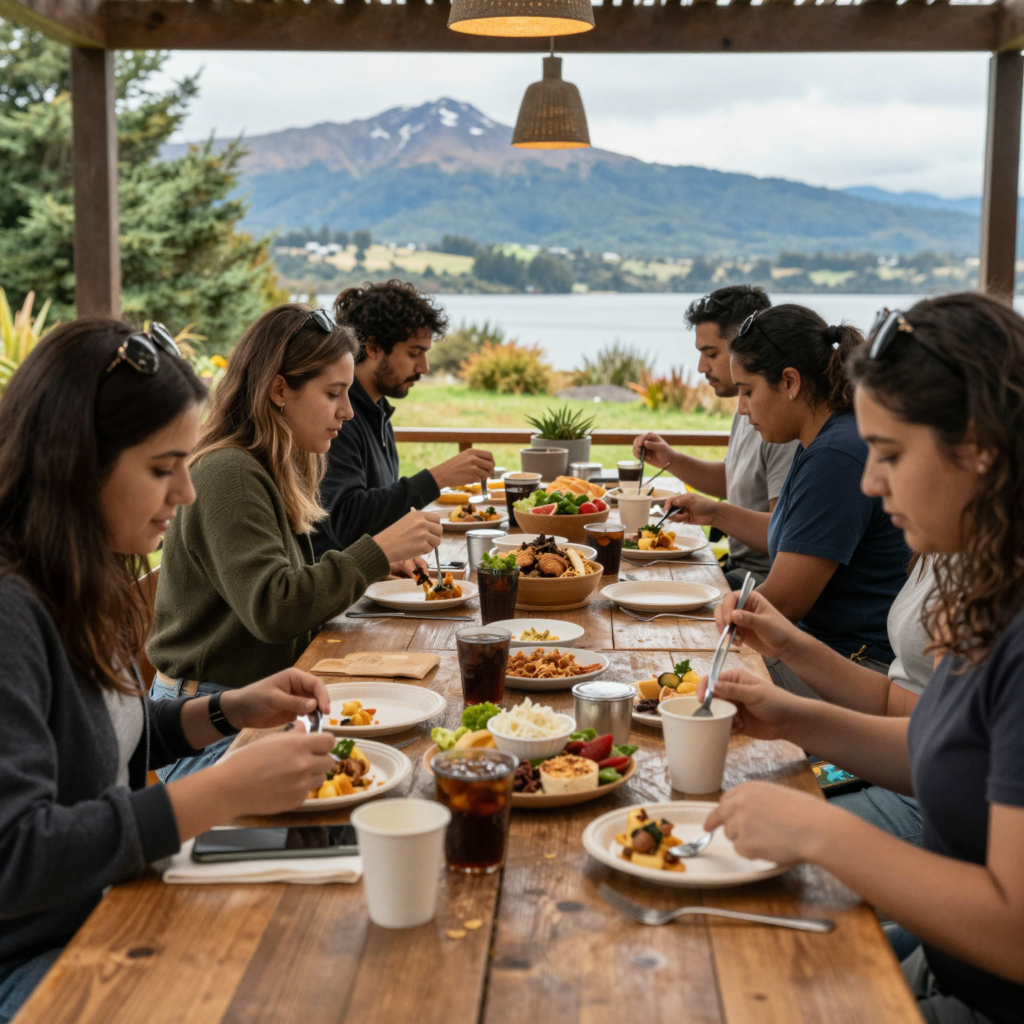
In the vibrant culinary landscape of Puerto Natales, Chile, the use of quality plastic containers for food has become essential not only for maintaining safety standards but also for enhancing customer satisfaction. With tourism booming in this picturesque region, businesses-ranging from bustling restaurants to food trucks-must prioritize packaging that keeps food fresh while adhering to strict health regulations set forth by the Chilean Ministry of Health. High-quality, food-grade plastic containers, compliant with regulations, are increasingly recognized for their role in preventing the leaching of harmful substances into food, thus safeguarding public health and ensuring compliance with international food safety standards.
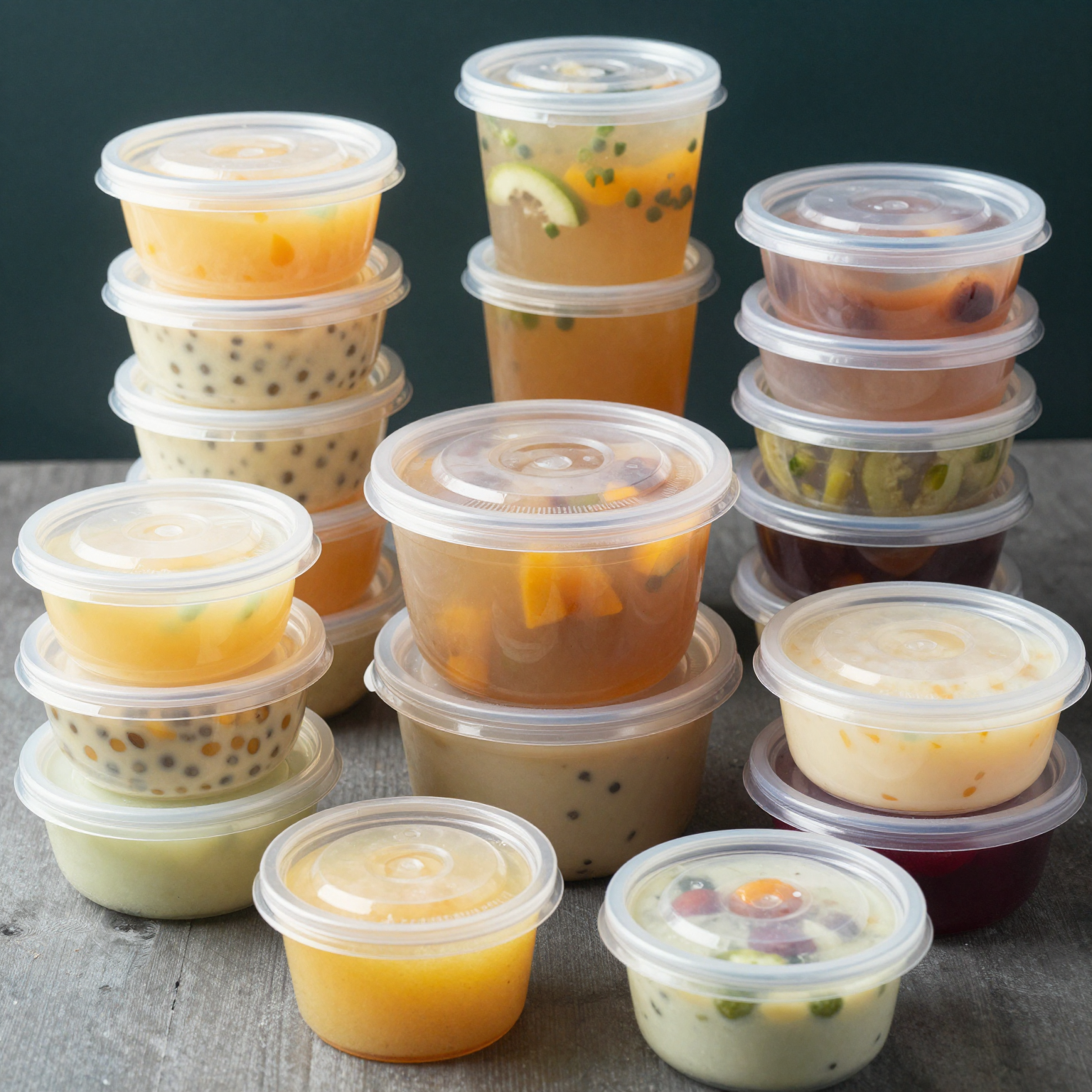
Moreover, with growing concerns about environmental impact, the shift towards disposable tableware offers an array of ecological advantages and convenience. Recent studies highlight that eco-friendly disposable options, such as those made from renewable resources, can significantly reduce reliance on fossil fuels and lower greenhouse gas emissions when compared to traditional plastics. Businesses in Puerto Natales can leverage these sustainable options not only as a marketing strategy but also as a means to contribute positively to the environment. Investing in quality plastic containers helps in reducing food spoilage and enhances brand reputation-a win-win for any food-related venture in this scenic locale. To explore specific products like custom plastic forming machines for disposable bowls, and ensure compliance with local and international standards, it is imperative for companies to prioritize quality in their packaging choices.
Benefits of Using Plastic Containers for Food
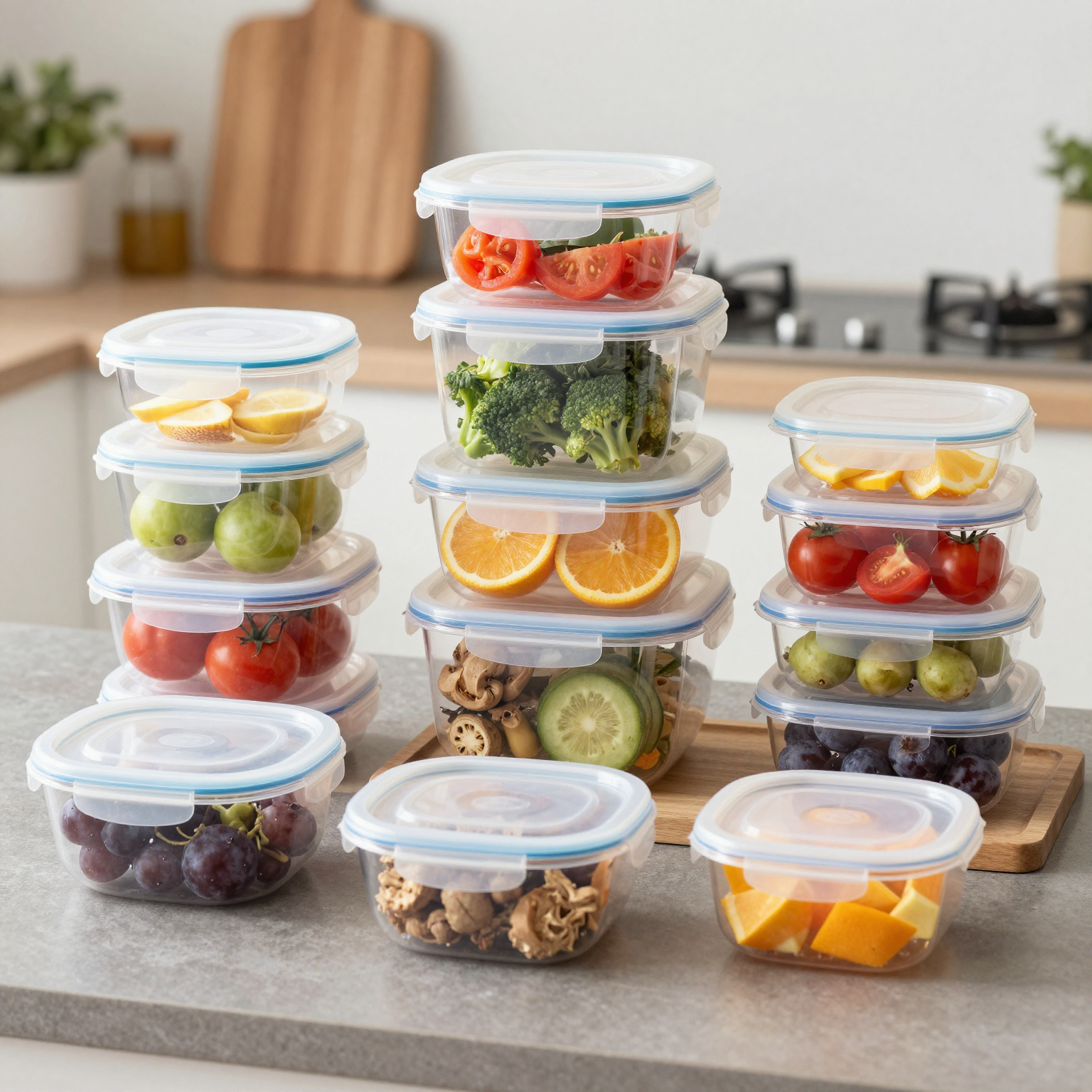
Using plastic containers for food offers numerous advantages that resonate well with businesses in the food industry, including bubble tea shops, restaurants, and catering services. Here are some key benefits:
-
Cost-Effective: Plastic containers are generally more affordable than glass or metal alternatives, helping businesses save on packaging costs while maintaining quality. This cost efficiency can significantly impact the overall pricing of products, providing a competitive edge.
-
Food Safety: Adhering to strict safety standards, plastic containers are made from food-grade materials that prevent harmful substances from migrating into the food. Certifications ensure they are free from toxic additives like BPA and phthalates, safeguarding consumer health.
-
Eco-Friendly Options: Innovations in bioplastics and recyclable materials, such as PLA (polylactic acid), provide environmentally sustainable options. These materials can break down under composting conditions, contributing to reduced plastic waste.
-
Lightweight and Durable: Plastic containers are lightweight, making them easier to transport and store. They are also resistant to breakage, ensuring safety during handling and reducing food waste.
For more insights on sustainable packaging, check out this guide on plastic packaging.
If you’re curious about the benefits of plastic food containers, visit this informative link for more details.
| Product Name | Capacity | Material | Eco-Friendliness Level |
|---|---|---|---|
| PET Water Bottle | 500 mL – 2 L | PET (Polyethylene Terephthalate) | Low – Single-use, recyclable but often not recycled properly; microplastic shedding risk after prolonged use |
| HDPE Milk Jug | 1 L – 4 L | HDPE (High-Density Polyethylene) | Medium – Widely recyclable, durable, less likely to leach chemicals; suitable for reuse if cleaned thoroughly |
| LDPE Food Wrap / Bag | Varies (30×30 cm) | LDPE (Low-Density Polyethylene) | Low – Frequently used once and discarded; difficult to recycle due to contamination; contributes to plastic pollution |
| PP Microwave Meal Container | 250 mL – 1 L | PP (Polypropylene) | High – Can be reused multiple times; safe for microwave use up to 120°C; widely accepted in recycling programs |
| PS Foam Takeout Box | 500 mL – 1.5 L | PS (Polystyrene) | Very Low – Non-recyclable in most systems; breaks down into microplastics; banned or restricted in many regions (e.g., EU, Canada) |
Note:
- Eco-friendliness is assessed based on recyclability, reusability, environmental impact during production and disposal, and regulatory status (e.g., bans).
- PET and LDPE are commonly used in single-use food packaging but have poor recycling rates globally.
- PP containers are considered the most sustainable option among common food plastics due to durability and safety for repeated use.
- PS (polystyrene) is increasingly phased out due to its environmental persistence and health concerns.
Learn more about plastic food packaging options and explore custom plastic options for your business needs.
Customer Testimonials Summary
-
Innovative Use of Containers
At Santolla, a popular restaurant located in a repurposed shipping container, diners have appreciated the ambiance and the quality of the food. While the specific type of food containers used wasn’t highlighted, the establishment’s choice of innovative materials resonates with customers who favor sustainability. Customers seem open to innovative packaging solutions, emphasizing their desire for quality products that align with modern dining experiences. -
Practical Recommendations
In a review of the NOI Indigo Patagonia, one guest commented on the design of the plastic containers. While they appreciated the aesthetic, they suggested that practical, smaller containers might be more suitable for their needs. This dual focus on quality and functionality highlights customer intentions to balance appearance with usability, showcasing a key area for product improvement. -
Versatile Kitchen Uses
Guests of properties like Puerto Bories House have reported using various kitchen utensils and food storage options, including high-quality plastic containers. This indicates a solid customer satisfaction level regarding the availability and functionality of such containers, as guests often prepare their meals-reinforcing the value of quality products in ensuring a smooth experience.
Conclusion
Customer satisfaction in Puerto Natales showcases a blend of quality products and innovative use of plastic containers, aiding local businesses like bubble tea shops, restaurants, and food trucks in enhancing their operational efficiency. Reviews consistently point out the importance of both practicality and aesthetic appeal, a dual focus that remains pivotal for businesses looking to thrive in the competitive food industry. This feedback not only reflects the current landscape of consumer preferences but also guides your future offerings towards stability and innovation, ultimately enhancing the overall customer experience in food service. For more insights on how quality products play a role, you can explore our blog.
Eco-Friendly Practices in Plastic Container Production
As businesses increasingly prioritize sustainability, eco-friendly practices in the production of plastic containers are becoming paramount. The adoption of sustainable practices not only aligns with modern consumer values but also enhances brand loyalty and corporate responsibility. Many manufacturers now focus on using recycled materials in their plastic containers, significantly cutting down on waste and reliance on virgin plastics. For instance, over 63% of all materials used in food packaging are made from recyclable or sustainable resources, according to recent findings from Statista. This shift is crucial as it showcases a commitment to combating plastic pollution.
Moreover, businesses are exploring biodegradable materials that provide an environmentally friendly alternative to traditional plastics. This change is driven by consumers’ growing demand for products that reflect their eco-conscious values. By investing in sustainable production methods, companies stand to reap numerous benefits such as cost savings from reduced raw material usage and less waste generated. Additionally, operational efficiencies can be achieved through the implementation of technologies that reduce energy consumption and streamline manufacturing processes.
Aligning with eco-friendly practices is not only good for the planet but also makes sound business sense. According to the Harvard Business Review, green initiatives can boost profitability and strengthen a company’s market position by building a positive brand image. Companies that embrace these practices not only foster environmental stewardship but also appeal to a growing demographic of eco-minded consumers. This alignment with consumer values is increasingly critical in today’s competitive market, signaling a shift toward a more sustainable future for the food service industry.
For more insights into sustainable packaging, check out our article on eco-friendly clear plastic cups and custom plastic forming machines for disposable bowls.
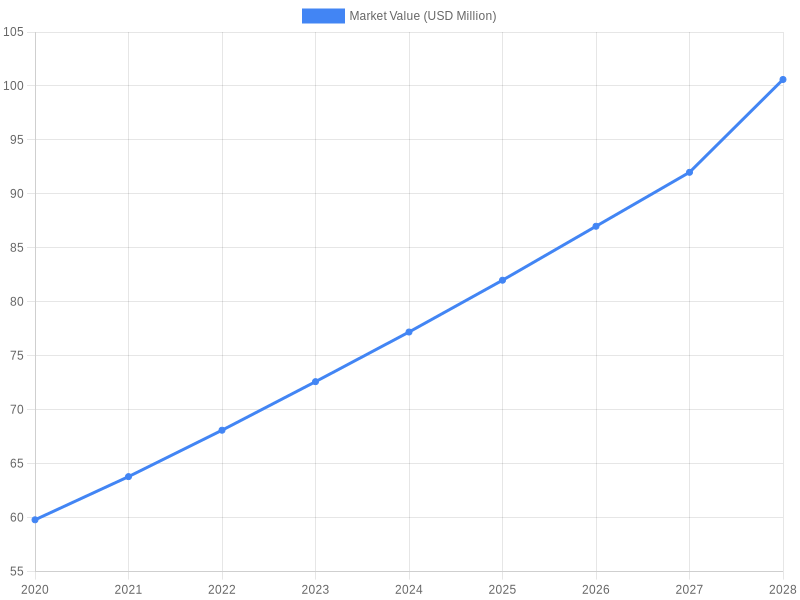
The following table highlights the projected market growth of disposable tableware in Chile from 2020 to 2028, indicating substantial growth driven by increasing demand in the food service industry.
| Year | Market Value (USD Million) |
|---|---|
| 2020 | 59.8 |
| 2021 | 63.8 |
| 2022 | 68.1 |
| 2023 | 72.6 |
| 2024 | 77.2 |
| 2025 | 82.0 |
| 2026 | 87.0 |
| 2027 | 92.0 |
| 2028 | 100.6 |
This growth highlights the importance of reliable packaging solutions for businesses like bubble tea shops, restaurants, and catering services looking to thrive in this expanding market.
Future of Disposable Packaging in the Food Service Industry
The food service industry is rapidly evolving, especially regarding packaging. As businesses strive to meet consumer demands for sustainability, the future of disposable packaging looks promising yet challenging. Dr. Elena Martinez, a sustainability expert at the University of California, Davis, states:
“The future of disposable packaging is not just about reducing plastic waste-it’s about creating smart, circular systems where materials are designed to be reused, recycled, or composted seamlessly. This shift will redefine how food service businesses operate, from supply chain logistics to customer experience.”
This insight emphasizes the shift towards innovative, eco-friendly packaging solutions that align with both consumer expectations and regulatory requirements. For bubble tea shops and beverage chains, this means considering alternatives like biodegradable cups and containers that enhance both the appeal and the sustainability of their products.
As demand continues to grow, it’s vital for businesses in Puerto Natales and beyond to explore options like custom plastic forming machines for disposable bowls that can help in creating tailored solutions. Moreover, investing in eco-friendly clear plastic cups can significantly enhance brand reputation in an increasingly green-conscious market.
Sustainable Trends to Watch
- The rise of compostable materials such as those made from sugarcane, bamboo, and cornstarch.
- Increased consumer demand for transparency in packaging materials.
- Companies focusing on smart packaging technologies to improve product delivery and user experience.
In conclusion, the future of disposable packaging in the food service industry is bright, and those who adapt early will likely lead the market.
Conclusion
Choosing quality plastic containers for food storage is essential for businesses operating in Puerto Natales, Chile, particularly in the thriving sectors of bubble tea shops, restaurants, food trucks, catering services, and event planning. As we discussed, high-quality plastic containers made from food-grade materials such as PET, PP, or HDPE are lightweight, durable, and non-toxic. They offer significant advantages, including:
- Versatility: Suitable for storing a variety of food types including liquids, solids, and perishables.
- Convenience: Features like airtight seals keep food fresh and extend shelf life, making them ideal for meal prep and storage.
- Safety: BPA-free options are available, ensuring customer health and safety.
- Eco-Friendliness: Their reusability can help reduce waste compared to single-use containers.
Quality plastic containers enhance your brand’s reputation by ensuring food storage that is both safe and efficient, thus contributing to better operational practices and customer satisfaction. When partnering with a trusted supplier, businesses can also benefit from tailored solutions that suit their unique needs.
If you are ready to improve your food storage practices and elevate your business in the competitive culinary landscape, now is the time to partner with us for all your tableware needs. Let’s work together to create a sustainable and efficient food service environment that not only meets customer expectations but exceeds them.
Explore our range of quality food packaging options at Green Dispopack!
The Benefits of Using Plastic Containers for Food in Puerto Natales, Chile
In Puerto Natales, Chile, food businesses from bubble tea shops to catering services rely heavily on effective food storage solutions. Plastic containers have become a staple for maintaining the quality and safety of food products. Here, we explore the advantages of plastic containers for food storage in this vibrant region.
Versatility and Convenience
Plastic containers come in various sizes and shapes, making them ideal for multiple food storage needs. Whether for hot soups at a food truck or cold beverages in bubble tea shops, these containers can withstand low and high temperatures, ensuring your food or drink remains at its optimal state. Consider exploring compartmentalized plastic food storage containers for organizing diverse offerings efficiently.
Sustainability and Eco-Friendliness
With the growing emphasis on sustainability, many manufacturers now produce eco-friendly plastic containers. These containers, often recyclable or made from recycled materials, help reduce environmental impact without sacrificing quality. If you’re looking for options, check out the best compostable paper cups as well.
Cost-Effectiveness
Plastic containers are not only durable but also budget-friendly. They are lighter than glass or metal containers, translating to lower shipping costs and less energy usage in transportation. This affordability means food businesses can maintain their expenses while ensuring quality.
Conclusion
By investing in quality plastic containers, food businesses in Puerto Natales can enhance their operational efficiency, meet customer demands for fresh and safe food, and contribute positively to sustainability efforts. Explore further about plastic food containers for comprehensive insights on choosing the right products for your needs.