
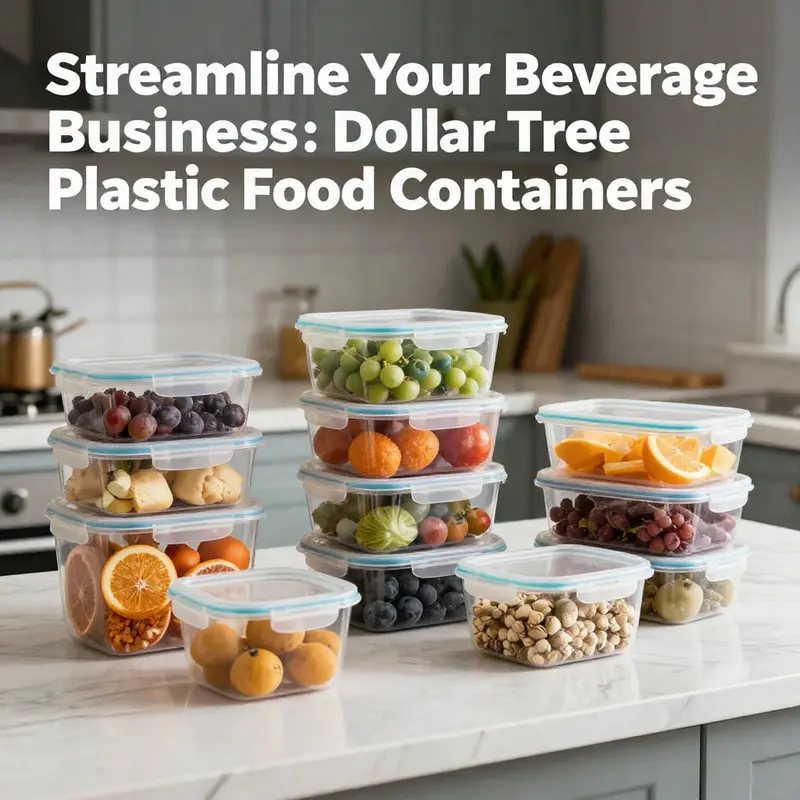
In the bustling world of beverage service and food preparation, organization is key to efficiency. From bubble tea shops to food trucks, effective storage solutions can streamline operations and enhance customer satisfaction. Dollar Tree plastic food containers offer an economical yet versatile option for diverse food preparation and storage needs. In this guide, we delve into various aspects of these containers, including their types and materials, organizational benefits, cost-effectiveness, and sustainable storage solutions tailored to the unique needs of beverage chains, restaurants, catering services, and event planners.
From Pantry Pal to Practical: Exploring Dollar Tree Plastic Food Containers, Types and Materials
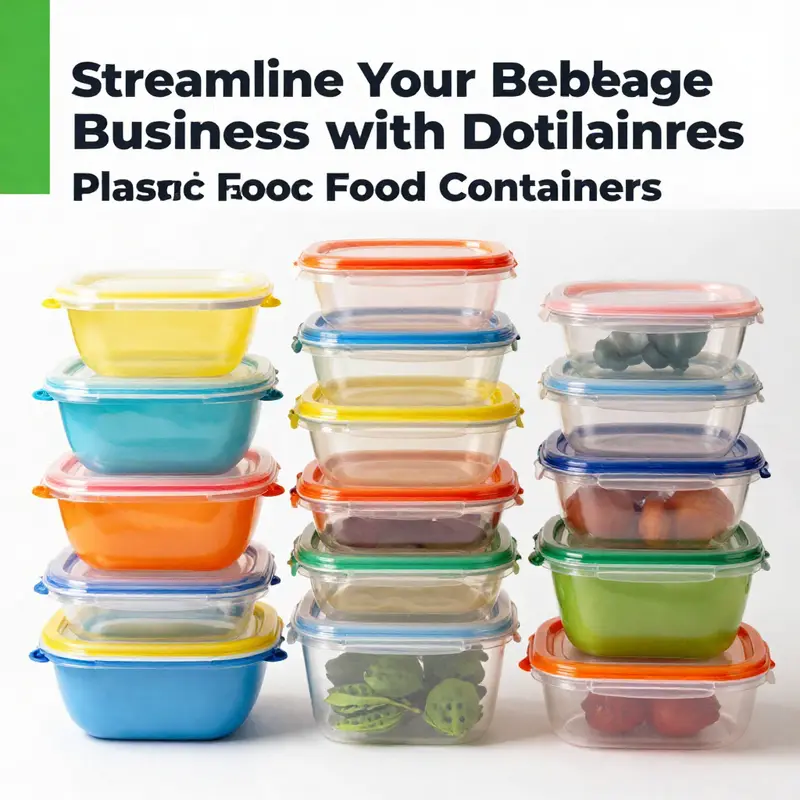
On a tight budget, a well-organized kitchen can feel like a superpower. The right plastic food containers, chosen with care, turn crowded shelves into a calm, efficient workspace. When the goal is to store dry goods, snacks, and leftovers without breaking the bank, a common choice among budget-conscious shoppers is a line of affordable, widely available plastic storage options. These containers are designed for everyday use, balancing practicality with a straightforward, no-fruss design. They aren’t about prestige; they’re about function, predictability, and value. And in a home where time and money are both at a premium, that combination matters. The approach to selecting and using these containers hinges on two core ideas: the materials from which they are made and the kinds of containers that suit different storage tasks. The materials matter because they determine safety, durability, and how well odors and moisture are controlled. The kinds of containers matter because they shape how efficiently a pantry or fridge can be accessed, how neatly contents can be identified at a glance, and how easily the system can be scaled up or reconfigured as needs change. In practical terms, this means paying attention to the plastics themselves and to the form those plastics take. The materials most commonly found in affordable, kitchen-ready options are durable plastics known for food safety and moisture resistance. Among these, high-density polyethylene and polypropylene stand out for their balance of toughness and light weight. HDPE is a workhorse: rigid, impact resistant, and often slightly translucent, it handles bumps in a busy kitchen without cracking. PP, on the other hand, tends to resist heat better and can be more forgiving in the dishwasher and microwave under specific guidelines. Both are favored for non-porous surfaces that resist moisture and odors, a critical feature when storing dry goods, spices, rice, pastas, or trail mix. The emphasis on safety is not accidental. BPA-free formulations have become a baseline expectation for containers designed for food contact. The topic touches deeper regulatory terrain—what the U.S. Food and Drug Administration outlines when it comes to food-contact materials. The safety conversation isn’t a matter of niche interest; it governs everyday decisions in kitchens where meals hinge on reliable storage, long-term freshness, and the avoidance of unwanted chemical transfer. Understanding the materials helps explain why certain shapes and lids exist in the catalog of affordable options. The materials that perform well in a pantry are often chosen for their resistance to moisture and odors, so that a bag of flour or a box of cookies remains clear of cross-contamination and scent transfer. It is not just about keeping moisture out; it is about preserving the integrity of the contents across days and weeks. In a budget-conscious system, that reliability becomes the backbone of a practical approach to organization. The shapes and designs follow from those material properties. A staple in most pantries is the stackable rectangular bin: a straightforward, modular form that keeps shelf space in line while allowing easy labeling and quick content checks. The clear lids that snap into place provide a visible inventory, so a quick glance tells you whether you’re reaching for pasta or rice. These containers are best used for bulk dry goods, pantry staples, and even wrapped snacks that you want to keep accessible yet contained. They excel in vertical storage and are particularly forgiving when stacked, as long as the lids fit snugly and the base is robust enough to resist bending under load. Then there are the small round or square containers that fit neatly into any remaining gaps. These compact units are especially useful for nuts, seeds, coffee, dried fruit, and even little leftovers. They maximize space efficiency, a constancy many households strive for, and their uniformity creates a tidy, predictable landscape on shelves and in drawers. For some tasks, a different design comes into play: lids with ventilation holes. These containers are crafted with built-in air circulation for items that benefit from breathability. They’re handy for certain dried produce or multi-ingredient mixes where a little airflow helps maintain quality during short- to mid-term storage. However, the ventilation design does introduce trade-offs. While it helps with certain contents, it makes the container less suitable for airtight storage of perishables. Understanding these nuances helps when planning a storage system that serves both longevity and daily use. Another category that keeps a kitchen visually calm and functionally efficient is the basket with handles. Lightweight, easy to carry, and simple to label, these baskets encourage quick transport of items between prep spaces and cabinets. They’re especially helpful for grouping similar items—say, snacks, breakfast goods, or baking supplies—so you can move a whole category at once without rummaging through several containers. The real power in these options comes from combining them thoughtfully. A well-balanced system uses rectangular bins for bulk dry goods, smaller containers for ingredients that are often used together, and baskets to shuttle items from pantry to counter. The result is a streamlined workflow where you can see what you have, what you need, and how to get it without breaking your rhythm. The choice of materials and shapes also informs how these containers withstand the daily rhythms of a kitchen. Plastic storage that can tolerate repeated handling, mild heat exposure, and frequent washing becomes a quiet partner in meal prep. It is important to note that while many of these containers are designed to be dishwasher safe, not all plastic is equally resilient to the heat and harsh detergents of some cycles. This is where the practical wisdom of observing manufacturer guidelines, and even a personal habit of air-drying lids, pays off. The goal is to minimize wear so that snap closures stay snug and lids remain easy to snap shut after repeated use. In that light, the simplest, most reliable choice is to keep a few key sizes in rotation and rotate contents to prevent overstuffing. It is easy to fall into a pattern of using the same containers for everything, but varying sizes according to the contents helps maintain a more efficient system. For example, berries may be stored in a clear, ventilated container that prevents sogginess, while pasta and rice keep their shape in deeper, rectangular bins that allow full visibility of contents. This is not merely about aesthetics. It is a functional philosophy: see what you have, access it quickly, and keep items that could degrade or scatter from one another to maintain an orderly space. The transparency of many of these containers, when combined with simple labeling, turns a chaotic shelf into a learning diagram your eyes read in a moment. You can tell at a glance whether you are out of oats, or whether the bag of quinoa needs replenishment. The appeal of such storage solutions in budget-conscious households is clear: you gain room to maneuver without a large upfront investment, and you maintain flexibility as your needs evolve. At the same time, a prudent approach to selection acknowledges the realities of wear and tear. A system built on the flimsiest of lids or on overly tight snap closures loses its efficiency quickly. The mild friction of normal use—snapping lids, sliding bins, wiping surfaces—can wear down hardware that seemed perfectly sturdy at purchase. This underscores a simple truth about affordable storage: durability is not guaranteed by price alone. It is earned through thoughtful use, careful maintenance, and a willingness to retire a container when it no longer seals well or when its base becomes warped. In designing a kitchen storage approach around affordable plastic containers, one should also consider how to pair them with shelving solutions that maximize vertical space. A two-tier under-sink or cabinet shelf can transform a quiet corner into a multi-layered storage zone, enabling you to separate different categories or to pull out frequently used items with minimal disturbance to the rest. The aim is not to fill every inch with containers but to optimize what you have, to label clearly, and to maintain a habit of reorganizing as you stock up or rotate. The overall impression these affordable containers create is one of clean practicality. They offer a modern, minimal look that fits in with many kitchen aesthetics, especially those favoring open shelving or streamlined closets. The low price point removes the barrier to experimentation, so you can test different configurations, refine your labeling system, and discover what truly makes your pantry or fridge easier to navigate. When used thoughtfully, these containers can reduce food waste by helping you see what you have and what needs to be used soon. They also support meal-prep routines by keeping ingredients portioned and organized, so you can assemble meals with less rummaging and less repeated opening of various bags and boxes. The philosophy behind the design is simple and practical: minimize friction, maximize visibility, and keep food items secure from pests or accidental spills. In this sense, the value proposition of affordable plastic storage is not only monetary but cognitive. It makes a kitchen feel under control, even on busy days, and it creates a baseline of order that can be built upon with more specialized organizers later if desired. The broader takeaway is that material choice and container design together shape how efficiently a home can function. It is not only about keeping things dry or protected. It is about turning a stock of groceries into an organized system you can trust, a system that supports daily routines, reduces the mental load of meal planning, and makes it easier to maintain cleanliness and order over time. For readers who want to make the most of a budget, the practical approach is to start with a small set of sizes that cover the most common needs, such as a mid-size rectangular bin for bulk staples, a compact round container for snacks or nuts, and a shallow tray for herbs or berries. Labeling those containers with a simple alphabetized or color-coded system helps keep the flow intuitive as you restock. Over time, you will discover which shapes you reach for most and which items deserve a separate storage niche. This grounded, iterative process is what turns affordable plastic containers into an enduring support system in the kitchen. If you seek further guidance on safe and effective use of food-contact plastics, you can consult reliable regulatory resources that outline how these materials interact with food and how to handle storage with care. For an external overview of food-contact material safety and related guidelines, see the FDA’s guidance on food contact substances: https://www.fda.gov/food/food-contact-materials
Cohesive Clarity on a Budget: How Affordable Plastic Food Containers Restore Order in the Kitchen
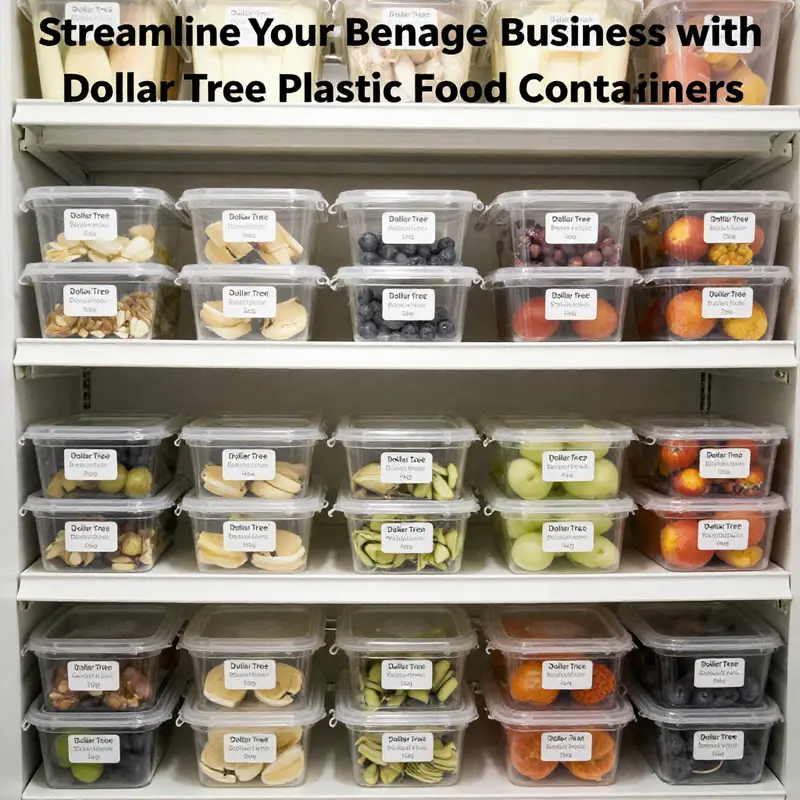
A practical guide to budget-friendly plastic containers that restore order in the kitchen. Clear, stackable designs offer visibility, uniform sizing, and easy labeling, turning clutter into a predictable system. With a simple set of affordable containers, you can group snacks, grains, and produce, maximize vertical space, and reduce waste through better meal planning. This approach supports everyday routines without expensive renovations, helping every family member find what they need quickly and keeping the kitchen calm and functional.
Smart Value, Simple Organization: The Concrete Case for Dollar Tree Plastic Food Containers in Everyday Kitchen Storage
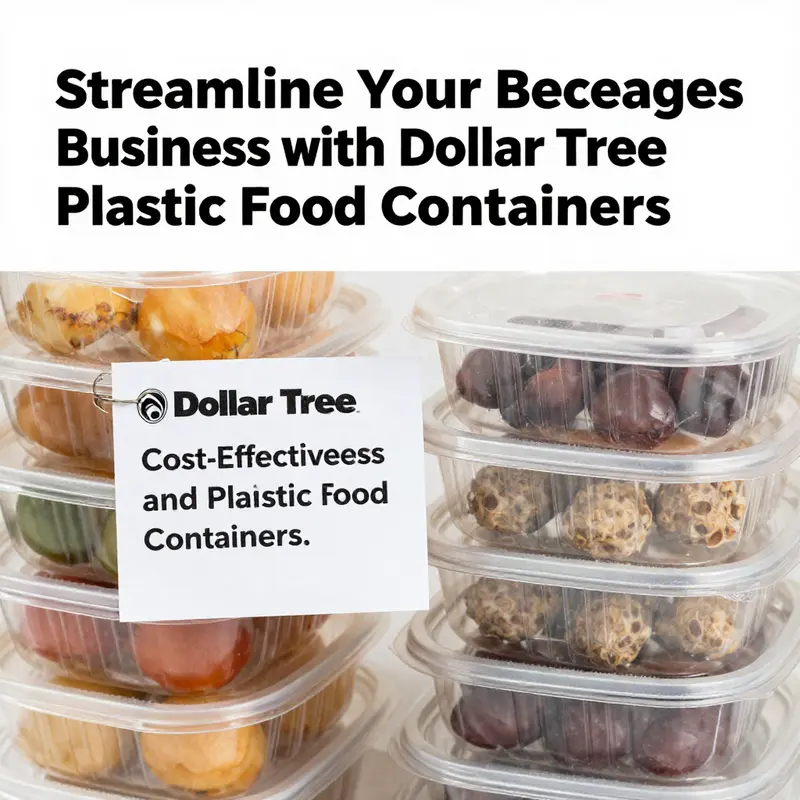
Storing food and organizing a busy kitchen can feel like a constant trade-off between price, practicality, and want-to-use-wonder. The budget-minded shopper often discovers a straightforward equation: high-quality storage can be costly, while inexpensive solutions offer enough function to keep daily routines running smoothly. In this context, plastic food containers sold at discount retailers present a compelling case for many households. They are priced to allow bulk purchases without a dent in the grocery budget, yet they deliver a surprising amount of utility for dry goods, snacks, and leftovers. When viewed through the lens of cost-effectiveness, these containers reveal a blend of value and practicality that resonates with families trying to balance meal planning with a tight timetable and a tight wallet. The key is understanding what you gain, where the trade-offs lie, and how to optimize the setup so the value endures through everyday use rather than fading after a few cycles of dishwashing and re-stacking.
At the heart of the value proposition is the simple arithmetic of price per unit. Across many retailers, plastic food containers designed for general storage hover in a price range that often translates to a fraction of the cost of premium brands. The advantage becomes most obvious when you calculate the habit of weekly meal prepping, bulk batch cooking, and the need to rotate items from the fridge into the pantry and back again during a typical week. When you can add three, four, or even a dozen containers without a noticeable impact on the budget, you can experiment with different sizes to fit specific tasks: a small, clear option for herbs or berries and a larger one for bulk dry goods or roasted vegetables. This modularity is not purely about saving money; it is about saving time and reducing food waste, two benefits that compound as you arrange your kitchen around a simple, repeatable system.
Materials matter, but so does the expectation for how long a container will serve. In most cases, discount-store containers are made from BPA-free plastics or durable polypropylene. These materials are chosen to balance light weight with enough resilience for everyday storage. They are typically designed for short- to mid-term use rather than long-term, heavy-duty cycles. The trade-off is familiar: you gain affordability and ease of replacement, but you may sacrifice the kind of durability that comes with premium, oven-safe, or high-temperature-rated containers. The security of a seal with lids is part of the value, too. A tight-fitting lid helps preserve the contents, reduces leaks, and supports a cleaner, more organized refrigerator or pantry. However, it is prudent to recognize that repeated exposure to heat, rough handling, or freezer and microwave cycles can stress cheaper plastics differently than their higher-end counterparts. In practice, that means these containers shine for leftovers stored in the fridge, dry goods kept in a pantry, and meal-prep portions that will be consumed within a reasonable period. For cold storage and non-acidic foods, their performance tends to hold up well enough to justify their place in the kitchen budget.
The practical implications of cost and material choice ripple through the entire organization process. Transparent designs make it easy to identify what is inside at a glance, which minimizes the ping-pong of opening multiple containers to locate a single ingredient. This visibility is a powerful ally in reducing food waste, because you can see at a glance what needs to be used first and plan meals around those items. The modular nature of these containers supports a pantry or fridge layout that emphasizes accessibility and efficiency. When you stack comparable shapes and sizes, you create a system that is easy to navigate. The effect is a clean, calm kitchen where items are grouped by category—dry staples in one stack, produce in another, and leftovers in a third—so you can speed up grocery planning and meal prep without sacrificing order or clarity. For households that organize by labels or color-coded sections, these containers offer a reliable base, a reusable shell that stays consistent across weeks, and a predictable footprint on shelves and in drawers. In this way, the low upfront cost translates into a durable routine: you learn what fits where, you commit to a labeling habit, and you maintain a predictable cycle of packing, storing, and reusing.
Of course, any discussion of value must acknowledge that low-cost solutions carry limitations. The durability you gain in exchange for price can be tested by the life cycle you put these containers through. Warping under high heat is a common caveat, and occasional cracking after repeated flexing or washing cycles is not unusual. Batch-to-batch variation means that some shipments may feel more sturdy than others, a reminder that price is not an absolute predictor of long-term reliability. These nuances matter when your needs include long-term freezer storage, oven-ready cooking, or heavy-duty everyday use. In practice, for people who mainly rely on these containers for daily organization, for short-term storage, for planning and portioning meals, or for light-duty use such as packing lunches or organizing a pantry, the value remains compelling. In such scenarios, the upfront savings often translate into more energy to devote to meal creativity or to a more expansive grocery plan, since you are not wed to premium-priced containers to achieve the same functional results.
A thoughtful approach to using these tools enhances their value even further. Start by categorizing what you store most often. Dry goods like pasta, rice, beans, and snacks can be sorted by size, which makes filling dashboards like a pantry shelf or a kitchen cabinet more intuitive. Produce, herbs, or cut vegetables can benefit from clear visibility, enabling cleaner meal prep and more mindful consumption. Leftovers and meal-prep portions, if stored for a few days, can stay fresh when the containers are not overloaded and lids are closed properly to minimize air exposure. The transparent design supports quick scanning, so you spend less time searching and more time cooking. The practical benefit here is not merely the cost saved at the register but the time saved in the kitchen, time that compounds into more predictable meal planning and a less stressful cooking routine. The bargain is not a single purchase but a system that persists beyond a single shopping trip.
To maximize value over the long run, it helps to pair these containers with a lightweight shelving solution or a simple, under-sink organizer. A well-chosen shelf can make the most of vertical space, turning a cramped cabinet into a structured, accessible workspace. This is where the broader logic of low-cost containers interlocks with practical storage furniture: when you can see and reach what you need, you do not waste time rummaging or re-washing items that are out of sight. The synergy between container design and storage furniture has downstream effects on daily routines: less clutter, steadier meal planning, and a kitchen environment that feels calm rather than crowded. In short, the value of inexpensive containers multiplies when they sit within a thoughtfully arranged system, not merely when they sit in a cart. That is how price-per-unit becomes price-per-use, and how an economical solution earns its keep in a busy household.
As you consider the broader ecosystem of disposables and storage, a small but meaningful nuance emerges: the compatibility of the containers with your workflow. If you routinely batch-cook for weekdays, you might favor a mix of small, medium, and large units that map to single meals or components. If you prefer prepped ingredients for a few days, a uniform set can reduce the mental overhead of reconfiguring shelves and re-labeling items. Labeling—whether by hand with a marker or with a simple sticker system—boosts efficiency by keeping contents obvious. A labeling rhythm that aligns with weekly grocery cycles prevents misplacement and helps you monitor freshness, which in turn protects against food waste. The overall effect is a kitchen that not only costs less but works smarter, with a storage vocabulary that everyone at home can learn and apply. The core idea remains straightforward: budget-friendly containers can deliver reliable performance when they are part of a deliberate, repeatable system rather than an ad hoc collection of mismatched pieces.
For readers who want to complement the story with a broader view of disposables and packaging, a related exploration of readily available, low-cost storage options can offer additional context. A practical example is a range of take-out and food-service containers in the paper-based family, which extend the same principles of visibility, stacking, and short-term use into another category of savings. You can see a concrete example here, which illustrates how flexible, inexpensive materials can work together with everyday kitchen habits to create an efficient, budget-conscious approach to food storage. 700ml kraft paper bowls demonstrate how a similar philosophy translates across disposable storage forms, emphasizing clarity, modularity, and cost control in a wider packaging ecosystem.
Ultimately, the dollar-based value of these plastic containers rests on a simple premise: price should support practicality, not constrain it. If you set expectations for how long you will use them, what kinds of foods you will store, and how you will maintain them, you can extract substantial utility without over-investing. They are most compelling when you balance the initial outlay against the recurring savings from reduced food waste, easier meal planning, and faster kitchen routines. In that sense, these containers do not replace premium options for all tasks. Instead, they complement a spectrum of storage choices, offering a low-cost entry point for organizing a busy home and a reliable, repeatable set of tools for everyday use. The result is a kitchen that feels more purposeful, less chaotic, and more aligned with a practical approach to cooking and keeping food fresh. For households that want a straightforward, budget-friendly path to better organization and leaner food management, the case for inexpensive plastic containers becomes not just convincing but compelling, provided expectations are aligned with their scope and typical usage patterns. The value is not only the dollars saved on a single purchase but the cumulative confidence of a household that can maintain order, plan meals, and minimize waste without paying a premium for the equipment that makes it possible.
External reference: For official product information and pricing, see a major retailer’s site. https://www.dollartree.com
Efficient, Eco-Minded Storage: Harnessing Budget Plastic Containers for Sustainable Pantry Organization
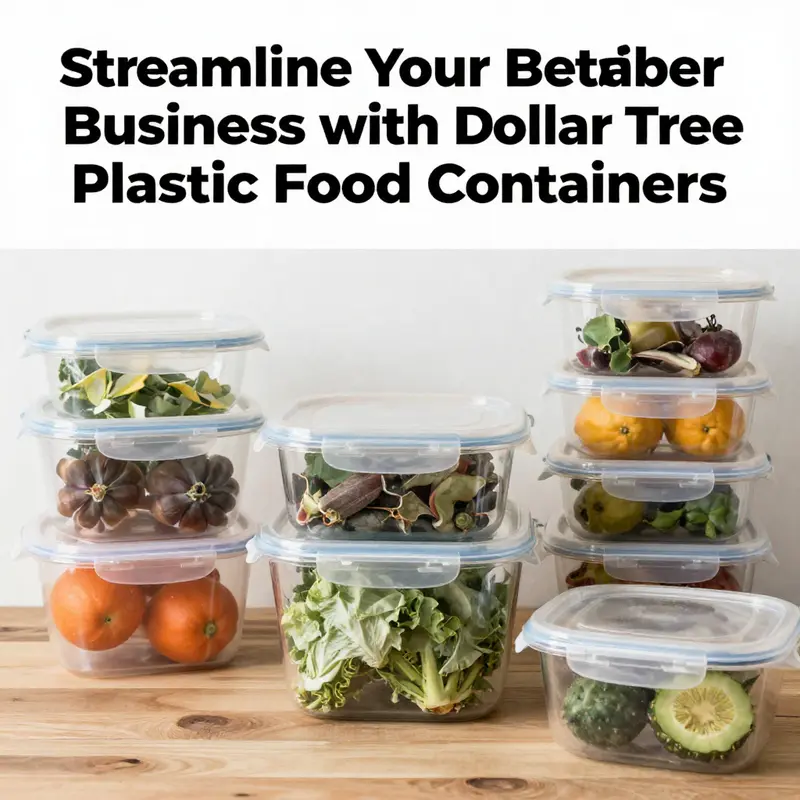
A well-organized kitchen sends a quiet message about how we value resources. It says that leftovers are respected, ingredients don’t vanish into a tangle of bags, and every shelf holds purpose rather than clutter. Sustainable storage does not demand premium price tags or rare materials; it invites common, durable tools used with care. In this light, plastic containers sourced from budget retailers can play a surprisingly steady role in a more mindful kitchen. They offer practical pathways to reduce waste, extend freshness, and simplify meal planning without a constant appetite for new purchases. The key is to choose the right shapes and seals, treat them as long-term investments, and use them in ways that maximize their lifespan. When approached with intention, affordable plastic storage can rival more expensive organizers while still aligning with a broader environmental mindset.
Material and safety thoughts often form the first checkpoint in sustainable storage. Many common containers from low-cost retailers are made from BPA-free plastics or durable polypropylene, materials chosen for safety and resilience. BPA-free design responds to concerns about potential leaching, while polypropylene’s stability supports repeated use and a broader tolerance for mild heat and roughly handled days in the kitchen. These characteristics dovetail with sustainability goals because they enable repeated use instead of single-use alternatives. They also tend to tolerate a range of temperatures, which can expand how you store foods—from dry staples to leftovers and even prepped produce—without inviting breakage or odor transfer. This is not just about choosing a safe material; it is about building a pantry system that lasts, reducing the cycle of replacement that drives plastic waste.
The pantry, fridge, and cabinet spaces benefit from a design ethic that favors transparency. Clear containers let you see what you have at a glance, which curbs impulse buying and prevents forgotten items from turning into waste. A stackable, modular approach makes the most of vertical space, so the same footprint yields more organized storage. When you can quickly identify what’s inside, you waste less, and your meal planning becomes calmer and more precise. A transparent, simple aesthetic also makes it easier to label items with minimal effort, which in turn reinforces good habits. The visibility feature is not merely cosmetic; it reduces the cognitive load of inventory management, turning everyday storage into a tiny act of stewardship.
Even as you optimize visibility and form, the practical function of airtightness remains central to sustainability. Airtight lids with secure seals help preserve freshness, extending the life of both produce and prepared meals. Here, silicone gaskets or dependable snap closures matter, because they strike a balance between a tight seal and daily usability. When containers stay closed and airtight for the right reasons, fewer items spoil and fewer containers enter the waste stream because they were forgotten or left unprotected. The idea is to choose containers that serve you for years, not seasons, and to maintain them so their seals continue to perform. Routine checks—replacing compromised lids, washing gaskets, and ensuring that rims remain clean—keep the system reliable. This is where sustainable storage moves from a theoretical ideal to a practical habit you can sustain week after week.
Safety compliance is not a bureaucratic afterthought; it is a core discipline of responsible storage. Look for clear labeling that indicates the container is microwave-safe, freezer-safe, and BPA-free where relevant. These marks aren’t just regulatory checkboxes; they are practical assurances about how you use the containers in real life. For example, storing herbs and berries in a crisp, sealable container helps preserve moisture balance without needing to resort to foil or cling film for every meal. Keeping leftovers in properly labeled, airtight containers encourages you to reheat and reuse rather than discard. In the long run, the small acts of attention—checking the labels, confirming the material’s safety assurances, and respecting the limits of the container—contribute to a steadier, less wasteful kitchen routine. They also support broader public health standards that govern food contact materials, a reminder that sustainable storage is an everyday intersection of personal care and civic responsibility.
The practical rhythm of sustainable storage emerges from how you plan and implement your system. Begin with a simple classification: bulk staples, everyday snacks, cooking ingredients, and leftovers. Choose container sizes that fit these categories and nest them in a way that reduces open space in cabinets or on shelves. Bulk purchases—think grains, nuts, or dried beans—benefit from being divided into portions that are easy to grab, measure, and use. Leftovers benefit from portioned, clearly labeled containers that align with planned meals or quick heat-and-serve options. The transparency of the containers—combined with a consistent labeling system using a permanent marker or a durable label—helps you see what you have before you buy more. This practice reduces spontaneous purchases that lead to redundant packaging and, ultimately, to waste.
The aesthetics of a well-organized space matter, too. A tidy cabinet with uniform containers creates momentum. When containers stack neatly and lids align in a predictable pattern, you’ll reach for the system more often, sustaining the habit of reuse. A thoughtful layout also reduces the time you spend hunting for ingredients, which translates to less energy spent running the stove or making multiple trips to the pantry. The act of organization itself becomes a daily ritual that reinforces sustainability: it’s a routine that respects the resources you use and the food you save.
Beyond everyday usage, there are practical tips that strengthen the longevity of budget storage. Choose containers with durable lids that close securely and resist cracking under repeated opening and closing. When lids become stiff or seals wear, address them early rather than letting the system degrade over time. Hand washing or careful top-rack dishwasher cycles extend the life of gaskets and rims, minimizing the need for early replacements. Avoid exposing containers to abrupt, extreme temperature shifts that could stress the plastic or compromise seals. If a container’s clarity starts to dull or its edges show wear, it is usually a cue to replace, not to patch, the system. These maintenance habits are not about chasing perfection; they are about sustaining a reliable storage framework that reduces waste and supports everyday cooking and planning.
A deeper layer of sustainability emerges when you consider the lifecycle of the containers themselves. Plastic is not a biodegradable material, but it can be part of a durable, reusable kit that serves you for years with proper care. When you value the container for its function and longevity, you also reduce the throughput of new products and the packaging that accompanies them. The goal is not to vilify plastic but to maximize its utility—keeping it out of landfills by extending its usable life, and recycling it appropriately when it no longer serves safely. In practice, this means choosing containers that are easy to clean, resisting the lure of disposables, and using the same set for a long arc of meals and storage tasks. It also involves being mindful about how you dispose of damaged parts and seeking recycling options that align with local guidelines. The minimal but steady discipline of reuse becomes a force multiplier for sustainable cookware and storage in the home.
To bridge practical storage with broader sustainable principles, consider how the shopping choices themselves influence outcomes. A budget retailer’s offerings often emphasize core functionality over flashy features. This can be a strength when you approach the purchase with a plan: identify the sizes you need, prioritize airtight designs, and select containers whose shapes maximize stackability. In this way, affordable plastic containers can support a kitchen that is both neat and conscientious, reducing waste without compromising everyday convenience. As you adopt such a system, you might encounter opportunities to connect with suppliers who emphasize recycled content, durable construction, and recyclable components. Even small choices—opting for a container with a robust snap lid over a flimsy alternative—accrue over time into noticeable environmental benefits, especially when you reuse the same storage set for years rather than discarding it after a few months.
Part of this journey is acknowledging the balance between practicality and sustainability. It is reasonable to incorporate other storage options as needed, such as glass or ceramic for specific display purposes or for particular types of produce. Yet, glass and other materials often carry heavier weights and different care routines. The core takeaway remains: the right plastic containers can function as reliable, long-term storage solutions when chosen deliberately, used consistently, and cared for with intention. This mindset helps you cut down on packaging waste, streamline meal prep, and maintain a kitchen that respects both budget and the environment. The emphasis is not on a flawless system but on a sustainable rhythm—one that aligns purchasing, use, maintenance, and disposal with a coherent set of goals that value the food, the resources used to store it, and the future of the planet we share.
For readers who want to explore related concepts beyond the kitchen, consider how packaging choices intersect with broader sustainability practices. You can find examples of eco-conscious packaging innovations from suppliers that emphasize refurbishable or recyclable components, which can complement a budget storage approach. A linked resource below offers insights into recyclable pulp-based packaging options that align with a broader ethos of responsible design and reuse. eco-friendly recyclable pulp cup holder. This kind of consideration helps you extend sustainable thinking from the pantry into the wider world of everyday disposables and packaging decisions, reinforcing the pattern of reuse and mindful consumption across contexts.
In sum, sustainable storage at a modest price point is about choosing containers that are durable, safe, and easy to maintain. It is about designing a pantry system that shows respect for the food you store, the energy you use to prepare it, and the waste you generate. When you approach plastic storage with a long‑term view, you transform a simple everyday task into a meaningful practice of stewardship. The aim is not perfection but progress—steady, practical progress that keeps pace with everyday life and the ambition to waste less while cooking more thoughtfully. For those who want authoritative guidelines on safety and materials, official resources offer a clear framework for safe use of food-contact plastics and related substances.
External resource: FDA guidelines on food contact materials can provide further context about safety considerations and compliance expectations for food storage containers. https://www.fda.gov/food/food-contact-materials
Final thoughts
Incorporating Dollar Tree plastic food containers into your food and beverage business can lead to enhanced organization, greater efficiency, and impressive cost savings. Their variety, practicality, and affordability make them an ultimate choice for any establishment looking to optimize storage solutions. By strategically arranging your ingredients, snacks, and meal prep essentials in these containers, you can ensure that your operations run smoothly while improving food freshness and reducing waste. Invest in these versatile containers today and elevate your food service experience for both you and your customers.