
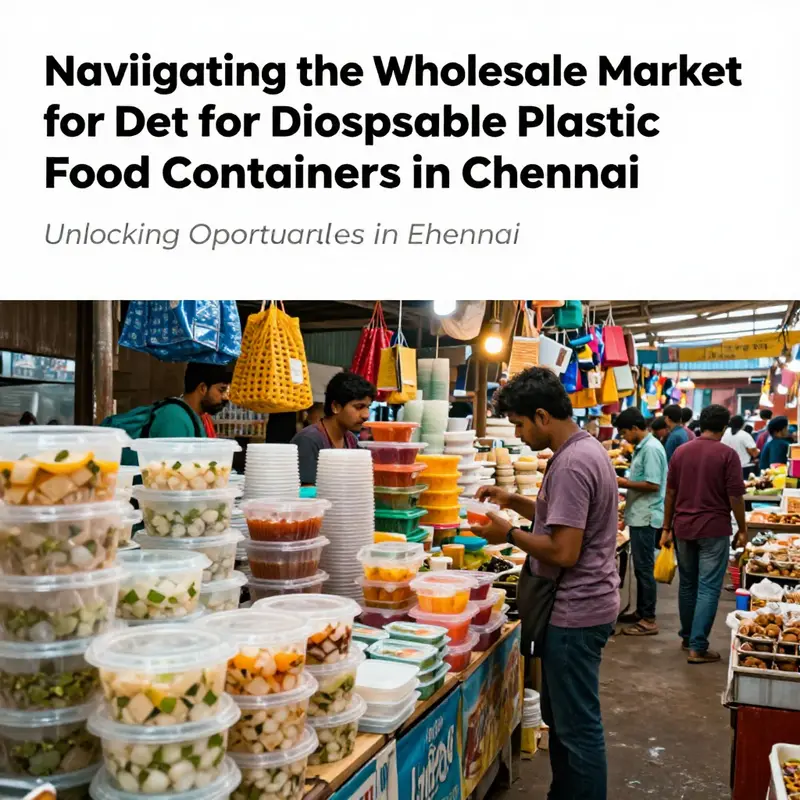
Chennai’s wholesale market for disposable plastic food containers presents a myriad of opportunities for businesses in the food service sector, especially for bubble tea shops, restaurants, food trucks, and event planners. With an expansion in meal delivery services and a growing food service industry, there is a substantial demand for versatile, durable, and cost-effective packaging solutions. This article delves into the three key aspects of this market. First, the market overview provides insights into the driving forces behind the demand and the range of product specifications available. Next, we’ll explore the dynamics of suppliers and the pricing strategies that can help businesses make informed purchasing decisions. Lastly, we’ll discuss the environmental impact and emerging trends towards sustainability, which are becoming increasingly significant in consumer preferences. By integrating these insights, companies can better navigate the complexities of sourcing disposable plastic food containers in Chennai.
Chennai’s Wholesale Corridors: Demand, Standards, and the Evolution of Disposable Plastic Food Containers
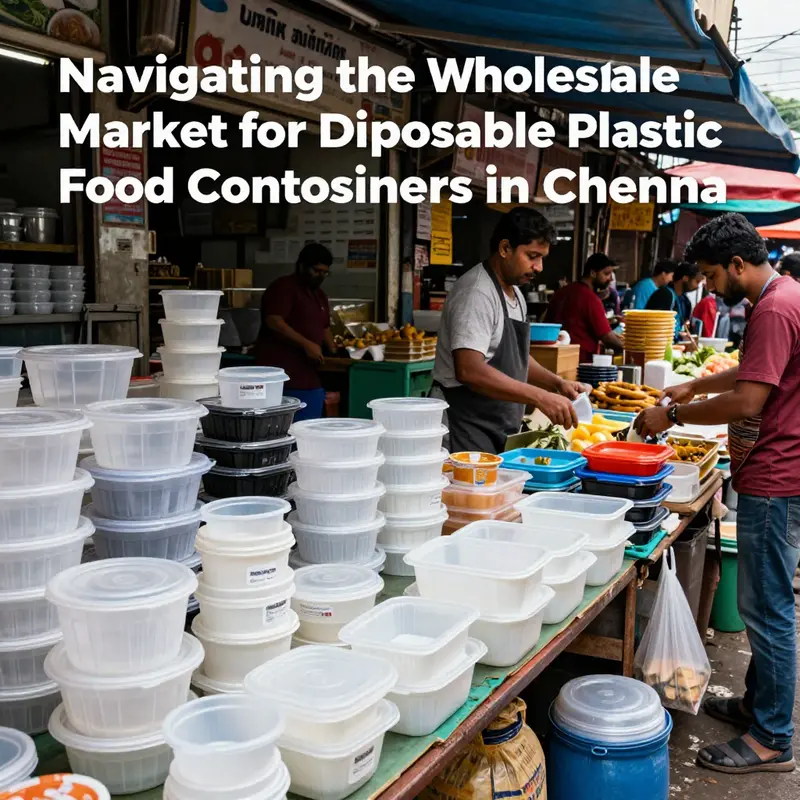
Chennai sits at a strategic crossroads of manufacturing, logistics, and commerce, where the wholesale market for disposable plastic food containers unfolds as a living map of supply, demand, and evolving norms. The city’s role as a logistics hub translates into a dense network of producers, traders, and distributors who knit together raw material inputs, molded shapes, and final packaging destined for kitchens, street stalls, and delivery services across Tamil Nadu and beyond. In this setting, the wholesale market dynamics are driven as much by scale and reliability as by the subtle shifts in consumer expectations and regulatory frameworks. The result is a market that feels steady in its growth yet sensitive to shifts in material costs, import cycles, and the pace of urbanization that fuels the appetite for hygienic, convenient packaging options. The wholesale arena in Chennai thus functions not merely as a price point but as a barometer of how packaging adapts to a rapidly changing food ecosystem, where convenience, safety, and sustainability increasingly occupy center stage in decision making.
A century of urban growth and the expansion of the food service sector has nudged the Chennai market toward higher volumes and more standardized specifications. Wholesalers here source a mix of locally produced inputs and imported materials to deliver a portfolio that can be scaled to meet both large institutional orders and everyday takeout needs. In practice, many containers sold in bulk are made from polymers that balance performance with cost: durable enough to withstand bustling kitchens, stackable for efficient storage, and affordable enough to keep prices competitive in bulk purchases. While the broader global discourse often highlights polypropylene and polystyrene as common base materials, the Chennai market has increasingly embraced a mix that includes high-density polyethylene (HDPE) and polyethylene terephthalate (PETE). These materials are prized for distinct attributes that align with wholesale buyer priorities. HDPE’s chemical resistance and toughness make it a dependable choice for takeaway containers and food jars that must withstand transit and stacking. PETE, conversely, brings clarity and shatter resistance to ready-to-eat meal packaging and beverage applications, enabling vendors to offer visually appealing products that still meet safety standards in high-volume operations. The regional emphasis on HDPE and PETE does not negate the continued relevance of PP and PS in certain segments; instead, it reflects a nuanced market response to durability, recyclability, and consumer expectations around cleanliness and safety.
This material mix sits atop a broader backdrop of material economics and supply chain realities. Chennai’s wholesalers frequently negotiate against the backdrop of variable raw material costs, freight charges, and exchange rate fluctuations. The cost of inputs, production methods, and shipping logistics collectively shape the price layers visible to buyers who order in bulk. A printable cue to the price sensitivity in this market is the availability of bulk listings on global platforms, where a package of 1000 disposable containers can be traded with the efficiency that bulk procurement requires. For buyers in Chennai, these listings illuminate procurement opportunities beyond local supply lines and create a price benchmark that can influence negotiation with regional manufacturers and distributors alike. In a city where time-to-delivery often translates into business continuity, the ability to source reliably and at predictable costs becomes a core competitive advantage. The wholesale environment is thus a balance between local manufacturing capability, the reliability of imported inputs, and the ability to align production runs with peak demand windows—such as festival seasons, mass catering events, or the wave of urban takeout orders that define modern city life.
A central thread in the Chennai wholesale narrative is compliance with safety and quality standards that reassure buyers and end-users. The market recognizes that speaking to food safety is not just about the material’s innate resistance to chemicals or heat but about the management systems that govern production, testing, and traceability. In this respect, two standards occupy a prominent position: IS 14657 and ISO 22000. IS 14657 addresses general expectations for plastic containers, guiding aspects like material suitability, performance, and labeling that are essential when containers will house food. ISO 22000 elevates the discourse to a formal food safety management system. It frames how a supplier designs, documents, and maintains processes that prevent contamination and ensure consistent performance from raw material receipt to finished packaging. For wholesale buyers in Chennai, adherence to these standards translates into credibility, the ability to command broader distribution, and peace of mind when serving a diverse client base that includes fast-casual outlets, cloud kitchens, and large institutional caterers. The practical impact of these standards often emerges in the form of audits, batch testing, and the documentation trail that accompanies large orders. In a market where speed and price competition can be intense, the assurance that a supplier operates under recognized safety frameworks offers a differentiator that can reduce procurement risk and open doors to larger, more diverse contracts.
The sustainability thread woven through Chennai’s market is not an abstract ideal; it translates into tangible product development and supplier behavior. There is a discernible shift toward packaging that is recyclable, reprocessable, and in some cases derived from recycled inputs. This shift aligns with a broader national and global push toward reducing plastic waste and improving circularity. For wholesalers, the sustainability trend translates into product diversification strategies that balance convenience with environmental responsibility. The lifecycle of a disposable container— from material choice to end-of-life disposal or recycling—becomes a focal point in product selection. Fully recyclable thermoplastic options like HDPE and PETE offer a viable path that respects both performance needs and end-of-life considerations. This does not imply an abrupt departure from traditional options; rather, it reflects a nuanced portfolio approach. Suppliers may offer a spectrum of products—from standard, cost-effective designs to premium variants designed for recyclability or reuse with appropriate handling. The market response also mirrors regulatory signals and consumer preferences that increasingly favor packaging solutions capable of integrating with formal waste management programs. In the Indian context, this trend dovetails with national policies that encourage better plastic waste management while recognizing the industrial realities that drive wholesale demand in metropolitan hubs like Chennai.
From a production standpoint, the Chennai market has benefited from the integration of automated production lines and advanced molding technologies. Automation improves consistency, reduces cycle times, and supports large-scale requirements without sacrificing quality. In a market where orders can range from thousands to millions of units per month, automated systems enable predictable output, improved defect control, and easier scale-up during peak periods. Modern molding technologies also facilitate design innovations that address the evolving needs of food service operators. Stackable geometries maximize warehouse efficiency, microwave-safe assurances expand the usability of containers, and designs with features like tamper-evident seals or vented lids address practical service considerations today. The interplay between design and production capability matters deeply in wholesale markets. A supplier who can offer a broad catalog of shapes and sizes—while maintaining consistent quality and delivery timelines—gains an edge in tenders, negotiated contracts, and long-term supply agreements.
Competitive strategies in Chennai’s wholesale sector reflect a pragmatic blend of customization and efficiency. Many wholesalers recognize that differentiation matters in a crowded market. They pursue product diversification that includes branding options and design variations, especially for institutional clients and the increasingly prevalent cloud kitchens that seek a distinctive identity in packaging. Others lean into functional enhancements, offering stackable designs that save storage space for buyers and microwave-safe variants that expand the containers’ use cases. The sustainability tilt also pushes some suppliers toward eco-friendly variants, including those made with recycled content or biodegradable alternatives, paired with clear information on recyclability and disposal guidance. Price remains a key driver in bulk purchases, but buyers increasingly value reliability, compliance, and the institution of robust supply chains that can weather fluctuations in global supply and shipping networks. For wholesalers, the objective is to provide a one-stop solution that can meet diverse client requirements while maintaining margin resilience in a volatile cost environment.
In the market’s day-to-day rhythm, the scale and velocity of Chennai’s wholesale activity are evident in how sellers and buyers interact. Prospective buyers often begin with a broad inquiry about available container sizes, material options, and packaging designs that can align with menus, delivery platforms, and kitchen workflows. Bulk quotations consider not just the unit price but the total landed cost, including freight and import duties if applicable. The market is cognizant of the realities of global sourcing, and buyers frequently weigh domestic manufacturing capabilities against imported inputs, balancing lead times against price advantages. The sense of a dynamic equilibrium is palpable: vendors continually adjust inventories, expand or retire product lines, and refine delivery schedules to match the ebb and flow of demand. In this context, a simple 1000-pack bulk offer on an international listing can influence conversations with local manufacturers, triggering price negotiations, packaging customization, and even joint development efforts to tailor products to local needs.
To illustrate the breadth of packaging conversations in Chennai, consider the range of packaging formats that coexist with disposable plastic containers. While the focus remains on plastic options for takeout, there is increasing interest in alternatives that complement or replace single-use plastics in certain applications. A representative example of how the market frames such alternatives is the availability of disposable octagonal kraft paper packaging options, which illustrate the shift toward parchment-like, compostable or recyclable packaging for portions of the menu mix. While not the primary driver of the Chennai wholesale plastic container segment, these paper-based formats signal a broader packaging ecosystem in which cost, performance, and environmental responsibility intersect. For buyers and suppliers, this invites a careful assessment of where plastic remains the most practical solution and where paper-based formats can meet specific service needs while aligning with sustainability targets. The presence of these paper formats also underscores the value of offering a broad, adaptable portfolio to clients who seek to optimize both cost and environmental outcomes across different service channels. For readers exploring this angle, one example of such packaging can be found at disposable-octagonal-box-restaurant-food-kraft-paper-packaging.
The Chennai wholesale market is also cognizant of the information ecosystem it inhabits. Buyers often consult global and regional references to benchmark quality and performance, and many wholesalers maintain transparent documentation that attests to material safety, compatibility with food, and compliance with relevant standards. This transparency is essential when dealing with diverse clients, from traditional dine-in outlets to delivery aggregators that require consistent performance under rapid handling and diverse environmental conditions. The market’s credibility is reinforced when suppliers can demonstrate batch traceability, clear labeling, and robust testing records. In an era where consumer expectations for hygienic packaging rise in tandem with delivery volumes, the ability to deliver consistent quality on a broad scale is as important as any price advantage. The Chennai market, with its mix of local manufacturing and imports, embodies this balancing act by aligning production capabilities with rigorous standards, while also embracing design innovations that respond to evolving user needs.
For those monitoring the broader policy and standards environment, the Chennai market’s trajectory aligns with international and national conversations about material safety, recyclability, and waste management. The wholesale segment, with its emphasis on bulk efficiency and cost control, has a pivotal role in advancing packaging practices that support a cleaner and safer urban food ecosystem. The emphasis on HDPE and PETE—paired with the ongoing exploration of recycled content and biodegradable alternatives—signals a market that seeks to maintain reliability and affordability while gradually enhancing environmental performance. In practical terms, this means wholesalers are increasingly prepared to discuss end-of-life options with buyers, provide guidance on stacking, transport, and heat tolerance, and offer a spectrum of formats that fit different cuisine profiles, dining scenarios, and delivery modalities.
To close the circle, Chennai’s wholesale market for disposable plastic food containers is not a single, static sector. It is a living assemblage of production technologies, material science, safety standards, and sustainability impulses operating within a fast-moving urban economy. The market’s resilience hinges on its ability to deliver consistent product quality at scale, to respond to regulatory and consumer signals with agile product development, and to sustain price competitiveness in a globalized supply chain. Buyers benefit from a broad portfolio that accommodates practical needs—from stackable, space-saving designs to microwave-safe variants—while providers gain through standardized processes, credible safety management, and a forward-looking approach to materials and waste. In this sense, Chennai’s wholesale corridors illuminate a pragmatic path for the broader Indian packaging landscape: one that honors the demand for hygienic, convenient packaging and balances it with the pressing imperative to pursue more sustainable, recyclable options wherever feasible. As the market continues to evolve, readers can look to the ongoing dialogue between material performance, regulatory expectations, and consumer values as the compass guiding both supply and procurement decisions in this pivotal economic hub. For those seeking deeper context on materials composition and standards that shape this discourse, an external reference offers a broader panorama of how plastic container composition intersects with industrial and project-level considerations: https://www.plasticcontainerindia.com/overview-composition-standards-industrial-projects/.
Beyond Price Tags: Navigating Supplier Dynamics, Reliability, and Value in Chennai’s Disposable Plastic Container Wholesale Market
Chennai sits at a pivotal crossroads for bulk packaging supply, where the dynamics of supplier networks, pricing discipline, and reliability interact to shape opportunities for food service operators, caterers, and delivery platforms alike. The wholesale market for disposable plastic food containers is not a simple matter of chasing the lowest unit price. It is a complex ecosystem that blends local material sourcing, international trade, logistics, and compliance with a swiftly evolving regulatory and cultural emphasis on sustainability. In this region, where the food service industry is expanding rapidly and delivery culture grows by the day, buyers must navigate a landscape that rewards not only cost efficiency but also the predictability of supply, the agility to adapt to changing demand, and the assurance of safety and quality. The conversation around price, therefore, extends beyond a sticker on a box; it encompasses a framework for total value, risk management, and long-run partnership with suppliers who can function as strategic collaborators rather than mere vendors.
Disposables are largely built from materials such as polypropylene and polystyrene, favored for their durability, light weight, and the convenience of mass production. In Chennai, as in other major markets, these materials are sourced through a mix of local input and imports, creating a price equation that is sensitive to the cost of feedstocks, currency flows, and the efficiency of logistics chains. While buyers often compare bulk quotations, the underlying economics reveal that the cost per unit is closely tied to volume, lead times, and the ability of a supplier to absorb fluctuations in demand without compromising delivery schedules. A bulk order of the sort commonly seen in wholesale channels can unlock meaningful discounts, but it can also magnify the consequences of supplier misalignment, stockouts, or quality issues. This is why a robust procurement approach places equal emphasis on reliability and total cost of ownership as on the headline unit price.
Across the globe, leading suppliers commonly offer end-to-end services that extend well beyond the bare contours of a product. They describe themselves as providing a one-stop capability that includes mold design, production, and packaging customization. In markets that mirror Chennai’s growth trajectory, such service sophistication is not merely a differentiator but a core enabler of scale. When a supplier can initiate a new mold or modify an existing one within a window of roughly two weeks to a little over a month, buyers gain the capacity to launch new formats that align with evolving service models, such as enhanced take-away designs or configurations tailored to batch cooking and meal-prep services. This speed to market reduces the opportunity cost of introducing new packaging solutions and allows food operators to differentiate themselves on convenience, branding, and user experience. The capacity to respond rapidly to customized requests—such as changes in container shape, wall thickness, seal integrity, or compatibility with labeling and branding systems—transforms packaging procurement from a cost center into a strategic input that can influence customer satisfaction and operational efficiency.
Compliance runs through the core of supplier evaluation, especially in a market where food safety is non-negotiable. Buyers in Chennai, and more broadly in India’s expanding regulatory landscape, must give careful consideration to the standards that govern the safety and conformity of disposable packaging. International benchmarks such as FDA 21 CFR and EU LFGB often shape the expectations of larger buyers and multinational distributors, while standards for biodegradable or compostable products—if a supplier offers them—tend to reference systems like ASTM D6400 or EN 13432. Even when a buyer’s immediate needs are met by conventional plastic containers, the trend toward stricter environmental and health-related requirements continues to push suppliers toward more rigorous testing, documentation, and traceability. For Indian buyers who source globally, this means a balancing act: maintain competitive pricing while ensuring that every lot is backed by test reports, batch certificates, and clear declarations of conformance. A supplier that can demonstrate consistent compliance across batches and maintain transparent documentation often proves to be the more stable long-term partner, even if their per-unit price rides slightly higher than competitors who offer only a basic compliance package.
Beyond purely technical considerations, the pricing strategies employed by suppliers are shaped by both macro forces and micro-market realities. Cost-driven pricing remains foundational, with raw material costs—polypropylene, polyethylene terephthalate, polystyrene—forming the principal input expense. Large-scale production typically yields substantial unit cost reductions, creating a natural incentive for buyers to pursue higher volumes when feasible. Yet the calculus does not end there. The total cost of ownership embraces a broader spectrum: delivery reliability, the consistency of quality control practices, the supplier’s ability to ramp up or scale down output, and the risk of single-source dependence. In practice, procurement teams that integrate a structured evaluation framework tend to reward suppliers who combine competitive unit pricing with high performance in delivery accuracy, defect rates, and after-sales responsiveness. A supplier who is slightly more expensive on the unit price but offers superior reliability and shorter lead times can deliver a lower total cost across a season by reducing rush shipping fees, minimizing returns, and cutting the costs associated with stockouts.
Customization, too, sits within the pricing narrative, but its premium is often rational, predictable, and defensible. Tailored shapes, color schemes aligned to branding, or micro-level compatibility with labeling systems can carry a clear premium. In a market setting where the consumer experience at the point of use grows more important—especially as delivery and grab-and-go formats proliferate—such customization can translate into measurable benefits. A well-run supplier relationship can convert a one-off branding enhancement into a scalable, repeatable capability across multiple SKUs and packaging lines, delivering both a better customer perception and improved pack-out efficiency for drivers and kitchens. This is where the strategic value of a supplier emerges: not simply as a source of containers, but as a partner who shares the responsibility for the aesthetic and functional performance of the packaging in real-world use.
In shaping procurement decisions for disposable plastic containers in Chennai, buyers should adopt a careful stance toward supplier resilience. This includes diversifying risk by inspecting the supplier’s capacity to handle demand spikes, manage supply chain disruptions, and maintain continuity in the face of raw material volatility. A prudent approach blends long-term supplier relationships with a practical contingency plan—holding a measured buffer stock, qualifying a secondary supplier for critical formats, and maintaining visibility into global supply dynamics so lead times and price trajectories can be anticipated rather than reacted to. In this regard, the research landscape points toward a broader strategic imperative: value-based sourcing that looks past unit price to consider the durability of supply, the quality of the product, and the stability of the commercial terms over time. When procurement teams build evaluation frameworks that incorporate these dimensions, they are less exposed to the risk of sudden price hikes or unexpected delivery delays, and more likely to sustain steady, predictable operations even during periods of market stress.
The local market context in Chennai further shapes how buyer and supplier interactions unfold. The city functions as a logistics hub, with a dense network of distributors, transport providers, and warehousing infrastructure that facilitates efficient movement of goods to a wide radius. This logistical ecosystem can compress total landed costs for bulk orders, assuming the supplier maintains reliable export or domestic distribution channels and ships through conventional freight routes that align with the city’s port and road networks. The availability of multiple sourcing options within the region can also drive competitive dynamics across suppliers, encouraging better service levels as competition intensifies. Yet local market conditions also introduce unique frictions: import duties, exchange rate fluctuations, and variability in seasonal demand tied to festival periods or peak consumer shopping times. The prudent buyer accounts for these factors when projecting annual packaging costs and building a procurement plan that remains robust across several quarters.
Environmental and regulatory considerations are increasingly interwoven with price and supply reliability. In many markets, including those that feed Chennai’s packaging demand, producers are under growing pressure to innovate in the direction of more sustainable, recyclable, or bio-based alternatives. The market’s response takes multiple forms: process improvements that reduce waste, refinements in polymer formulations to enhance recyclability, and collaborations with recyclers and waste management networks to close the loop on packaging materials. This trend does not erase the cost pressures generated by the volatility of feedstock prices; rather, it reframes them as an investment in future competitiveness. Firms that invest in compliant, sustainable packaging capabilities are often better positioned to participate in longer-term contracts or preferred supplier programs, where the incentives emphasize reliability and sustainability as much as price alone. For buyers, the implication is clear: even when current needs can be met with conventional options, a forward-looking procurement stance should weigh environmental attributes, regulatory alignment, and the potential for future price stabilization through scalable, eco-conscious product families.
To illustrate how market participants think about these issues in practice, one can observe the broader literature on strategic sourcing for plastic containers. While specific data about Chennai’s supplier landscape may be limited, the patterns observed in major production hubs emphasize a few core capabilities. First, suppliers with rapid mold development and flexible customization are valued for their ability to align with evolving menu formats and service models. Second, a robust compliance posture—backed by credible testing and traceability—is a non-negotiable feature for buyers seeking sustainable partnerships. Third, a capacity for service flexibility, including the ability to handle both large-scale orders and smaller runs, is a critical fortress against risk. The combination of these attributes, when deployed in a market like Chennai, translates into a procurement strategy that looks beyond price toward reliability, adaptability, and a shared commitment to quality and safety. This is not merely an academic exercise; it is a practical approach to building a resilient supply network in a city that serves as a crucial node within the regional packaging ecosystem.
From a buyer’s perspective, the decision framework should also assess how a supplier’s capability aligns with downstream needs. The modern packaging user often relies on predictable delivery windows to synchronize with kitchen operations, warehousing, and last-mile logistics. The ability to deliver on time, in correct quantities, and with consistent quality directly influences the efficiency of the entire take-away and delivery process. Conversely, a supplier whose production schedules are erratic or whose quality control demonstrates variability can trigger cascading inefficiencies, including accelerated obsolescence of inventory, increased waste, and higher spoilage risk for perishable goods that rely on dependable packaging performance. In this context, the value of a strategic supplier relationship becomes evident: the vendor is not simply a supplier of containers but a critical partner in the operational rhythm that governs the city’s vibrant food service scene.
The internal dynamics of such relationships often hinge on a shared commitment to quality assurance. Buyers gain assurance when suppliers provide transparent quality control protocols, clear batch traceability data, and consistent post-sale support. In turn, suppliers gain by reducing return rates, stabilizing demand forecasts, and cultivating loyalty through responsive, proactive engagement. It is in the space of collaboration—co-developing new formats, testing new materials, and aligning on regulatory updates—that the true leverage of wholesale packaging partnerships emerges. This collaborative ethos is particularly valuable in a market like Chennai, where the pace of business can be brisk and the demand for new packaging solutions can surge with little warning. A supplier that can accompany a customer through such transitions—with minimal friction and maximal clarity—becomes an indispensable asset rather than a fleeting vendor.
As the market continues to evolve, drivers of change will likely include the emergence of more sustainable materials, improved recyclability, and the expansion of take-away formats that demand flexible, modular packaging. Buyers who connect with suppliers willing to invest in research and development, pilot programs, and certification processes stand a better chance of staying ahead of regulatory curves and consumer expectations. The procurement narrative, then, moves from a simple selection exercise to a strategic alliance that enables faster response times, greater design freedom, and better alignment with public and private initiatives aimed at reducing environmental impact. In this light, the Chennai wholesale market becomes not just a set of transactional encounters but a thriving ecosystem where reliability, adaptability, and value coexist with compliance and sustainability.
To anchor the discussion in practical terms, buyers and suppliers should consider how the market’s pricing mechanics interact with service capabilities. A sound approach combines competitive unit pricing with a robust evaluation of delivery stability and quality control prowess. It also recognizes that customization, while carrying a premium, may unlock long-term value through brand differentiation and improved user experience. When a supplier can deliver both cost efficiency and predictable performance, the option to lock in favorable terms through multi-year contracts becomes more appealing. In addition, a diversified supplier base helps mitigate risks associated with supply chain disruptions and raw material volatility. By structuring procurement around a mix of core suppliers for standard formats and preferred partners for customized or time-sensitive orders, buyers can secure a more resilient and cost-efficient packaging pipeline for Chennai’s growing food services economy.
The broader implication for practitioners in Chennai is clear. Build a procurement strategy that treats packaging as a strategic asset rather than a mere cost input. Seek suppliers who blend technical capability with compliance discipline and logistical reliability. Favor partnerships that promise clear communication, transparent pricing over time, and a shared willingness to adapt as market realities shift. In doing so, businesses can navigate the intricate terrain of disposable plastic containers with greater confidence, ensuring that their packaging choices support not only today’s price considerations but also tomorrow’s expectations for safety, performance, and sustainability. The outcome is not merely lower spend; it is better service continuity, enhanced consumer trust, and a packaging backbone that can sustain growth in a city where every delivery counts.
For readers who want to explore these dynamics in a broader context, broader industry insights can be found at this external resource, which discusses strategic sourcing and market trends in plastic containers: https://www.globalprocurementinsights.com/strategic-sourcing-plastic-containers-supplier-insights-market-trends/ . Additionally, to consider sustainable packaging options that complement traditional disposables, an example of eco-friendly packaging components is available here: eco-friendly recyclable pulp cup holders. This combination of strategic sourcing principles and a move toward more sustainable packaging choices helps explain why the Chennai market is increasingly choosing value, reliability, and adaptability as core criteria alongside unit price.
In summary, the wholesale landscape for disposable plastic containers in Chennai operates at the intersection of material economics, supplier capability, regulatory compliance, and the evolving expectations of a dynamic food service economy. The most successful buyers are not simply price-focused executors but strategic partners who invest in supplier relationships that deliver reliability, flexibility, and a clear path toward sustainable packaging futures. The market’s future will be shaped by how well both sides embrace transparency, continuous improvement, and a shared commitment to safety and service, all while maintaining a vigilant eye on costs and timelines. As Chennai continues to expand its role as a logistics and service hub, those who master this balance will find themselves better positioned to meet rising demand, respond to changing consumer preferences, and sustain competitive advantage in a rapidly evolving landscape.
External resource: https://www.globalprocurementinsights.com/strategic-sourcing-plastic-containers-supplier-insights-market-trends/
Toward Safer, Smarter Packaging: Navigating Sustainability in Chennai’s Disposable Container Wholesale
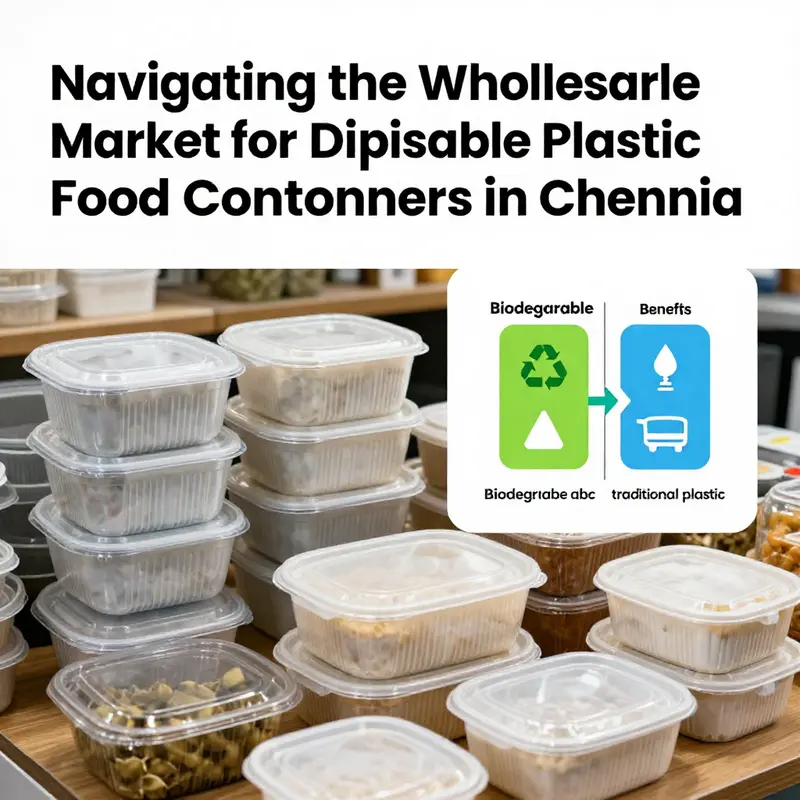
Chennai sits at a critical crossroads in the packaging economy. It is a hub where the demand from a dense, fast-moving food service sector collides with the global urgency to rethink how disposable packaging is designed, sourced, used, and disposed. The wholesale market for disposable plastic food containers in this city has grown not only because of its cost efficiency and logistical advantages but also because it reflects wider shifts in consumer behavior, governance, and corporate responsibility. The environmental conversation around these containers is no longer a sidebar; it is now a central criterion that shapes supplier selection, product development, and procurement strategy. In this chapter, we trace how sustainability pressures are knotting together with market dynamics in Chennai, and how buyers and suppliers are negotiating a path that protects both the urban ecosystem and the viability of the wholesale ecosystem that serves thousands of eateries, caterers, and delivery operations each day.
The environmental footprint of disposable containers begins with their material choices. In the wholesale sector, the two materials that predominate are polypropylene (PP) and polystyrene (PS). Both offer the durability, light weight, and cost advantages that make them indispensable for high-volume operations. Yet they differ in how they behave at end of life, how they respond to recycling streams, and how they interact with evolving regulatory frameworks. PP containers often fare better in terms of heat resistance and reusability potential, while PS is valued for its excellent clarity and barrier properties in certain use cases. The bigger question, however, is not which polymer performs best on a shelf but how the entire lifecycle of these containers—from resin sourcing, through fabrication, to disposal—is managed in a city where waste collection and recycling infrastructure are unevenly distributed. In practice, this means that a large share of plastic packaging still ends up in landfills or informal waste streams, where it can persist for decades, sometimes centuries. The environmental narrative is not only about waste; it is about embedded emissions from production, the energy intensity of manufacturing, and the downstream effects of litter that can travel through urban drainage systems to rivers and coastal zones.
The persistence of plastic litter—whether dropped on city streets, discarded beside roadside eateries, or shed by delivery riders on crowded corridors—exerts a lasting pressure on local ecosystems. Microplastics, tiny fragments that result from the weathering and fragmentation of larger plastic pieces, are now detected in soils, freshwater bodies, and even rainwater within urban environments. This is not a remote or theoretical risk; it translates into potential exposure pathways for wildlife and, increasingly, for humans through the food chain. In a fast-growing city like Chennai, with a sprawling informal economy and a high volume of single-use packaging, the scale of the challenge becomes evident in everyday scenes: wrappers fluttering from rickshaws, bags snagged in city trees, and containers left near market sidewalks. These images underscore why sustainability discussions in wholesale markets cannot remain abstract. They must translate into practical choices that can be integrated into the procurement process without sacrificing reliability, price competitiveness, or supply security.
The wholesale market in Chennai is not static. It is adapting in response to both local realities and global expectations. On one hand, the city benefits from a robust supply chain infrastructure that supports bulk purchases, standardized packaging sizes, and consistent quality controls. On the other hand, there is a rising demand for packaging that can align with circular economy principles—packaging that is recyclable, compostable, or derived from renewable feedstocks. In response, suppliers are expanding their portfolios to include more sustainable options, such as containers made from plant-based materials, or designs that optimize recyclability by reducing mixed materials and by facilitating easier separation at end of life. These shifts are not purely altruistic. They reflect a strategic recalibration: sustainable options are increasingly seen as risk mitigators, helping buyers align with tightening regulations, shifting consumer preferences, and the need to future-proof operations against evolving market expectations.
From the procurement perspective, sustainability in Chennai’s wholesale market is increasingly tied to a careful balance of price, performance, and responsibility. Buyers increasingly demand evidence of environmental stewardship—certifications that demonstrate recyclability, compostability, or safe end-of-life handling. They also seek assurances about the supply chain, such as responsible sourcing of raw materials and transparent traceability. In practice, this means procurement teams must evaluate life-cycle aspects of containers, including raw material origins, energy across the value chain, water use, and end-of-life options. The result is a more nuanced calculus: while the upfront cost of a sustainable option may be higher, the total cost of ownership can improve as recycling streams mature, regulatory penalties for waste mismanagement rise, and brand reputations hinge on sustainability performance.
A critical facet of this evolution relates to the design of packaging itself. In markets like Chennai, where waste segregation and recycling rates vary widely, container design can either ease or complicate end-of-life processing. Packaging that minimizes the use of multi-material lamination, that avoids problematic adhesives, and that simplifies identification of recyclable fractions tends to perform better in local recycling streams. Suppliers have begun to integrate these design principles into their product development roadmaps, often in collaboration with buyers seeking to optimize both cost and environmental impact. This cooperative design process can also support performance needs in food service, such as adequate barrier properties, temperature tolerance, and functional durability, while still maximizing recyclability. It is a delicate balance, but one that is increasingly central to procurement conversations in Chennai.
The conversation also extends to the infrastructure that underpins recycling and waste management. In Chennai, the effectiveness of a given packaging choice is not only about the material and the product itself but about the ecosystem that processes it after use. Public and private players are investing in sorting facilities, improving collection routes, and developing reverse logistics, particularly for bulk orders from the wholesale sector. This is where policy instruments and municipal programs intersect with market dynamics. Policymakers have begun to emphasize extended producer responsibility (EPR) frameworks, norms that compel manufacturers and distributors to participate more actively in take-back schemes and post-consumer recycling. For wholesale buyers and suppliers, this means a more coherent long-term plan that connects packaging design and procurement choices with end-of-life channels. The benefits are multifold: it can reduce the prevalence of litter, improve recycling yields, and create a more predictable environment for capital-intensive investments in sustainable packaging.
In the face of these structural shifts, several material innovations promise to broaden the set of viable options for Chennai’s wholesale market. Plant-based materials—such as those derived from sugarcane bagasse, bamboo, and corn-based polymers—offer compostable or biodegradable alternatives to conventional plastics. Yet the deployment of such materials in a high-volume, cost-sensitive market must contend with performance considerations, regulatory approvals, and the practical realities of local composting or industrial composting facilities. The discourse around bio-based plastics is nuanced. Some bio-based options are designed to be compostable only under industrial conditions, not in home composting, and require specific waste-treatment streams to avoid contaminating recycling processes. In Chennai, where on-the-ground waste management practices differ by neighborhood and quarter, those distinctions matter. Nevertheless, the momentum toward bio-based and partially renewable alternatives is unmistakable, as it aligns with global and national trajectories toward lower net emissions and reduced fossil fuel dependence.
Another axis of sustainability relates to recyclability and the circular economy. Recyclability is not a binary attribute; it exists on a spectrum defined by material, product design, local collection, and the market for recycled inputs. In this sense, Chennai’s wholesale market is increasingly thinking in systems terms: what fraction of a packaging product can be recovered and reintegrated into the production cycle, and what investments are needed to close the loop? Local recycling capacity is a critical constraint to address. Without reliable, scalable recycling streams, even highly recyclable packaging may underperform in practice. This realization is pushing buyers toward packaging that both protects food and integrates more smoothly with existing or emerging recycling streams. It also nudges suppliers to pursue certifications, standardized test methods, and transparent reporting that helps buyers quantify recyclability and environmental benefits with greater confidence.
Alongside these material and systemic considerations, economic dynamics in Chennai shape how sustainability is adopted in wholesale buying. The cost of raw materials, the logistics of shipping, and the efficiency of production lines all inform the price-quality equation that buyers navigate. The initial cost gap between conventional plastics and more sustainable options can be nontrivial, particularly for large-volume orders. Yet, as the global market for disposable plastic containers expands and as regulatory expectations mature, many buyers view sustainable packaging not as a luxury but as a strategic investment. The rationale rests on several pillars: reducing waste management risk, aligning with consumer expectations for eco-friendly products, and building resilience against potential supply disruptions tied to environmental compliance or material shortages. In practice, this translates into longer-term contracts, supplier collaboration on cost-sharing for innovations, and joint pilots to test new materials or designs in real-world food-service settings.
In Chennai, the practical pathways to sustainable procurement often involve a blend of traditional wholesale practices and new, collaborative approaches. Buyers increasingly demand traceability—knowing where the resin originated, how it was processed, and what end-of-life streams are viable. Suppliers respond by offering documentation and certifications that provide the needed confidence. This collaborative dynamic benefits from a shared commitment to minimizing waste and maximizing recovery. It also opens opportunities for creative packaging configurations that still support food safety and shelf life but reduce environmental footprint. For example, a wholesale food-service supplier might introduce a line of containers that are lighter in weight, originate from renewable feedstocks, and are designed for easy separation in mixed recycling streams. In tandem, buyers may explore take-back programs and post-consumer collection initiatives that ensure returned products are captured for recycling or composting rather than ending up in landfill.
The social and regulatory environment around packaging in India, and Chennai specifically, also shapes sustainability trajectories. City authorities and state agencies have been increasing oversight of waste management and packaging waste, while consumer groups and civil society organizations push for more transparent reporting and broader adoption of eco-friendly options. In this climate, wholesale buyers do not merely purchase containers; they participate in a collective effort to reduce environmental harm and to demonstrate responsible business behavior. Compliance is evolving from a check-box exercise into a strategic capability: it informs supplier selection, product development roadmaps, and investment priorities. In parallel, market actors are exploring the social benefits of sustainable packaging, including better waste behavior from consumers, enhanced brand trust, and alignment with global supply chains that increasingly prize sustainability credentials. The net effect is a more complex but more capable market, where the value of packaging is judged not only by its immediate performance but by its longer-term environmental and social footprints.
In contemplating the future, it is useful to anchor expectations in the broader global context of the disposable plastic food containers market. The market has demonstrated strong growth driven by demand for convenient, sterile, and inexpensive packaging solutions. Still, the sustainability imperative continues to re-shape investment and product strategies. Analysts project substantial growth in sustainable packaging segments, even as they foresee continued pressures to improve recyclability, reduce carbon footprints, and increase the use of renewable materials. For Chennai’s wholesale ecosystem, this translates into a demand signal for scalable, adaptable packaging solutions that can meet high service levels while fitting within local waste-management capabilities. It also implies a need for ongoing collaboration among manufacturers, suppliers, distributors, waste managers, regulators, and end-users to nurture a more circular system that is both economically viable and environmentally responsible.
The practical takeaway for buyers and suppliers in this evolving landscape is to treat sustainability not as a separate initiative but as an integral part of every decision. This means integrating life-cycle thinking into supplier audits, selecting packaging configurations that maximize recyclability, and pursuing innovations that balance performance with environmental stewardship. It means planning procurement with an eye toward end-of-life outcomes, supporting or establishing programs that facilitate post-consumer collection, and investing in materials and designs that align with local recycling infrastructure. It also means remaining alert to opportunities for collaboration on pilot projects—small-scale tests of new materials, new processing methods, or new logistics schemes that can yield measurable reductions in waste and emissions while preserving or enhancing the reliability and safety that food service demands. In practice, this approach can lead to a more resilient wholesale market in Chennai that is better prepared for regulatory change, more responsive to consumer expectations, and more capable of supporting the city’s vibrant food economy without compromising its environmental integrity.
For readers who want to explore concrete options that align with these trends, consider the growing spectrum of sustainable packaging alternatives that are increasingly appearing in wholesale catalogs and supplier websites. While not every option is suitable for every application, the broader movement toward compostable and recyclable designs is reframing what is possible in a city like Chennai. As researchers and practitioners track the trajectory of this market, the emphasis remains on practical, scalable solutions that deliver real environmental benefits without disrupting the essential functions of the food service sector. The goal is not to eliminate plastic packaging overnight but to accelerate a transition to smarter, more responsible choices that can endure amid evolving consumer preferences and regulatory requirements.
In closing, the Chennai wholesale market for disposable plastic food containers is situated at an intersection where affordability, performance, and responsibility are increasingly interdependent. The environmental challenges posed by single-use packaging demand more than local action; they require coordinated, cross-sector effort that includes policy signals, industry innovations, and consumer engagement. The trajectory is clear: packaging designed with recyclability in mind, materials sourced with greater transparency, and waste-management systems that can effectively close the loop. For buyers, this means building capacity to evaluate sustainability alongside price and reliability. For suppliers, it means expanding product lines responsibly, aligning with evolving standards, and investing in the partnerships and infrastructure that will turn today’s packaging into tomorrow’s resources. The result—a Chennai market that continues to fuel the city’s food economy while contributing to a more sustainable global packaging landscape.
External reference: https://www.statista.com/statistics/1407265/global-disposable-plastic-food-containers-market-size-by-type/
Internal link for readers seeking ecological packaging options: eco-friendly recyclable pulp cup holder
Final thoughts
Understanding the wholesale market for disposable plastic food containers in Chennai is essential for businesses in the food service industry to stay competitive. As consumer preferences shift towards sustainability, it is crucial to align procurement strategies with suppliers that embrace eco-friendly practices and competitive pricing. By leveraging the insights from this article, food service operators can make informed decisions that not only meet their packaging needs but also reflect their commitment to environmental responsibility. The demand for disposable plastic containers is poised to grow, and with the right approach, businesses can thrive in this evolving market.