
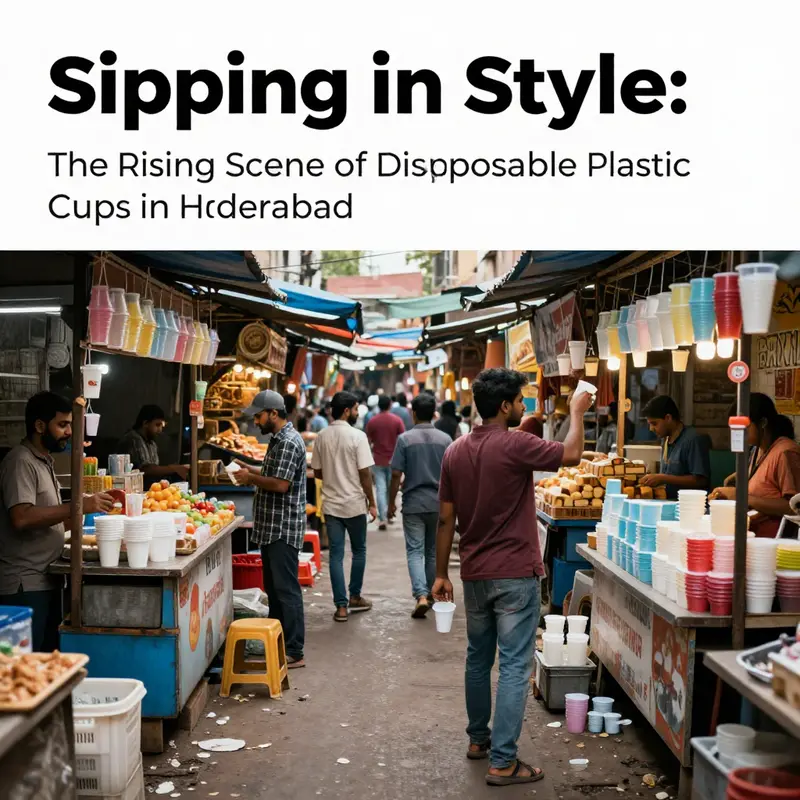
In Hyderabad, the demand for disposable plastic cups is surging, driven by the thriving food and beverage industry. From bubble tea shops to corporate events, these cups are essential for convenience and hygiene. This article delves into the market overview, technological innovations, economic impacts, and environmental considerations surrounding disposable plastic cup manufacturers in Hyderabad. Each chapter uncovers how these elements intertwine to create a robust ecosystem, showcasing the significance of this industry in meeting modern needs while balancing sustainability and growth.
Hyderabad’s Disposable Cup Ecosystem: Scale, Sustainability, and Strategy in a Rising Packaging Hub
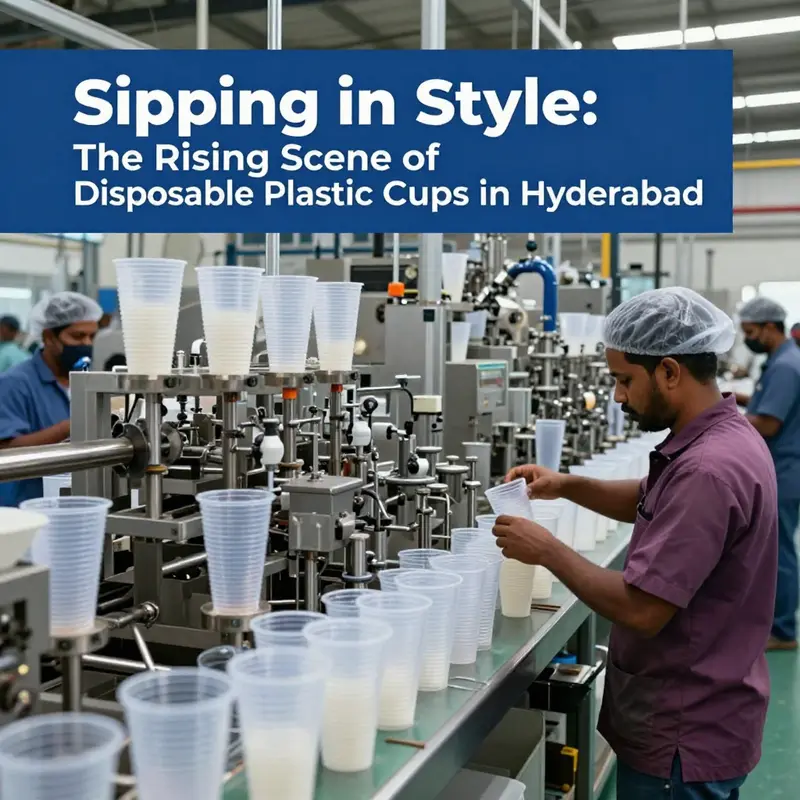
Hyderabad’s disposable cup ecosystem is characterized by a mix of traditional injection molding and thermoforming, with local and regional producers serving a diverse client base including food-service chains, cafes, and events. The market balances scale with customization, using polymers like polypropylene and PET, while BIS and other safety standards guide materials suitability and labeling. Sustainability pressures drive a dual-track strategy: continued supply of low-cost conventional cups for everyday use, and targeted pilots in eco-friendly variants such as compostable PLA or plant-fiber composites, mindful of cost, supply, and lifecycle considerations. End-of-life solutions are increasingly explored through recyclability, recycled-content cup variants, and take-back partnerships with local recyclers. The rise of e-commerce and digital procurement expands reach, enabling smaller operators to access packaging solutions and encouraging more precise demand forecasting. The Hyderabad ecosystem also benefits from a robust workforce and skill development, enabling automation and process discipline that improve yield and reduce waste. Looking ahead, growth will hinge on demand from hospitality, organized retail, and event catering, coupled with regulatory clarity and continued innovation in materials and design that offer branding opportunities without sacrificing performance. Buyers value reliable lead times and consistent quality, while suppliers invest in bundled offerings—lids, sleeves, and dispensing systems—to deliver end-to-end packaging solutions. Taken together, Hyderabad’s plastic-cup market embodies a pragmatic blend of manufacturing heritage and adaptive experimentation, anchored by a growing emphasis on sustainability and a circular economy mindset.
Precision, Plastic, and Progress: Tech-Driven Evolution of Disposable Cup Manufacturing in Hyderabad
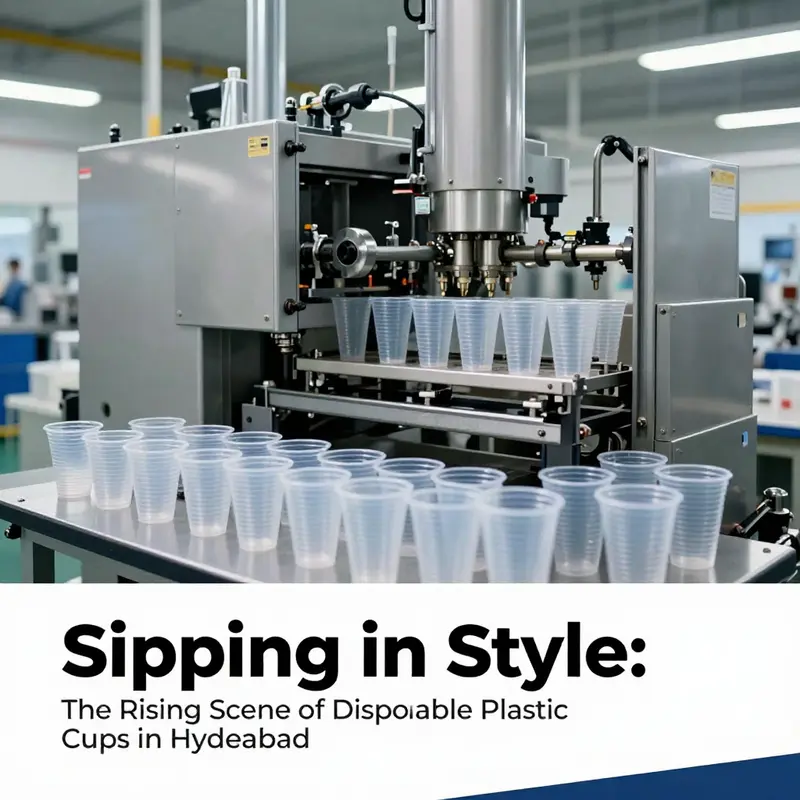
Hyderabad has long been a nexus of industry and innovation, a city where dense networks of manufacturers converge to meet diverse demand. In the realm of disposable plastic cups, this convergence has taken on a distinctly technical character. What began as a straightforward supply chain for single-use beverage and food packaging has evolved into a narrative of precision engineering, data driven operations, and a careful balancing act between convenience and sustainability. The heart of this transformation lies in the way local producers have embraced process improvements that touch every facet of manufacturing—from the first flattening of raw resin into a sheet to the final inspection that determines whether a cup will carry a hot coffee or a chilled juice to a waiting customer. The result is a quieter, faster, more reliable, and more adaptable production environment that can respond to the changing rhythms of domestic demand, hospitality logistics, and the growing expectations of export markets.
In the modern Hyderabad plant, the core technology is thermoforming, a method that shapes cups from preformed plastic sheets into hollow, stable forms with accurate dimensions and smooth surfaces. The latest generation of thermoforming lines has altered the pace and predictability of production. A stable hydraulic system underpins relentless precision; it translates operator intent into exact material flow and mold closure with minimal deviation. The new lines manage high speed cycles without a commensurate rise in noise, a small but meaningful improvement that enhances workplace safety and reduces fatigue over long shifts. Strong mold locking is not merely a matter of holding a tool in place; it is a guarantee of repeatability. Each cycle returns with the same geometry, which directly lowers scrap rates and waste. For a market that prizes uniformity—stacks of cups that nest perfectly in packaging trays and heat seal lids that align without adjustment—such precision is not optional. It is the baseline against which the industry measures quality and yield.
Automation has moved from the fringes to the core of the line. Today’s plants in Hyderabad deploy smart monitoring systems that weave real time data into daily decision making. Sensors track material usage, energy draw, cycle times, and the subtle cues of wear in cutting and forming sections. The data feed predictive maintenance programs, allowing teams to anticipate and prevent downtime before it disrupts production. When a segment of a forming station begins to drift from its target, alarms trigger, but the system can also suggest a course correcting parameter change that keeps the whole line on track. The visibility is profound: managers see the throughput of each pod, the rate of defects, and the precise moment when a batch moves from acceptable to premium status. The consequence is not merely faster production; it is a steadier cadence of output that aligns with tight job schedules, batch-based customer orders, and the variability that characterizes bulk supply contracts.
This emphasis on process control dovetails with a broader commitment to quality assurance that resonates across the supply chain. A consistent surface finish matters as much as wall thickness; both influence the cup’s resistance to cracking under hot fill and its ability to seal with a lid without leakage. High dimensional accuracy minimizes post-forming finishing work, such as trimming and inspection, which in turn reduces labor cost and increases total yield per cycle. For manufacturers serving multiple sectors—hot beverage outlets, ready-to-serve kiosks, and healthcare facilities—the reliability of a single cup design matters as much as the speed of its production. A cup that fails in the field due to warpage or seam weakness is not simply waste; it becomes a risk to brand integrity, a concern that large buyers weigh heavily when renegotiating supply terms. Hyderabad’s manufacturers understand this, investing in better master molds, tighter tolerances, and inline quality checks that catch defects before they become part of a shipment.
Material choice and the drive toward lightweighting sit at the intersection of performance, cost, and sustainability. The region’s plastic cup makers predominantly work with polypropylene and related thermoplastics designed for single-use applications. The move toward thinner walls, while preserving strength, is a practical response to rising material costs and the demand for products that travel well through bustling distribution networks. Lightweighting reduces raw material consumption and energy use in production, and it can simplify logistics by reducing freight weight. Ingenious sealing technologies further enhance the perceived reliability of a disposable cup, offering leak proof performance even in inclined transport or stacked packaging. Heat resistance remains a critical specification, especially for hot beverages. The challenge is to maintain insulation while keeping the wall thickness low, a balance that requires refined draft angles, precise ribbing, and rigorous testing under thermal cycling. In Hyderabad, these design refinements emerge from iterative collaboration among process engineers, material suppliers, and the customers who rely on consistent hot-fill performance.
Innovation in this space is not purely mechanical. The infusion of software-driven monitoring means that operators can see, in near real time, how a batch compares to the ideal yield curve. Anomalies—such as an unexpected uptick in scrap rate or a slowdown in a forming station—are flagged, and the data can be traced back to the root cause, whether it be a misfeed, a minor viscosity variation in resin, or a subtle misalignment of the punch. This capability supports a leaner, more disciplined approach to manufacturing, where decisions are based on evidence rather than intuition. It also makes Hyderabad’s producers more attractive to international buyers who demand consistent quality, traceability, and an auditable record of manufacturing parameters. The confidence this engenders further underpins the sector’s ability to compete on price while maintaining robust standards for product safety and hygiene, both of which are non-negotiable in the eyes of regulators and end users alike.
The regulatory context in India has grown more nuanced in recent years, particularly around single-use plastics and waste management. Producers in Hyderabad must navigate a framework that encourages recycling and the use of recyclable materials while balancing cost pressures and supply chain resilience. Many manufacturers have responded by incorporating recyclable content into their products, and some are experimenting with blends or barrier layers that improve performance without compromising recyclability. They also prioritize clean production practices, waste minimization, and responsible disposal of scrap resin and defective parts. The industry’s trajectory reflects a broader national push toward sustainable packaging. In practice, this means that the most successful suppliers are those that can demonstrate a credible path to recyclability, provide robust packaging that protects products during transit, and maintain the flexibility to adapt to evolving policy requirements without sacrificing efficiency or reliability on the line.
Beyond core production efficiencies, Hyderabad’s cup makers increasingly recognize the demand for customization and batch flexibility. The modern plant has learned to accommodate a spectrum of wall thicknesses, diameters, and imprinting options while preserving throughput. This capability matters because customers in hospitality and micro-fulfillment channels often require specific packaging configurations tailored to their service concepts. Bulk orders, temporary campaigns, and seasonal promotions benefit from a manufacturing floor that can adjust quickly without sacrificing the uniformity and reliability that large-scale buyers demand. In practice, this means shorter changeover times, standardized setups, and a modular approach to line design where stations can be reallocated or reconfigured with minimal downtime. The net effect is a manufacturing ecosystem that can scale from modest regional deliveries to significant multi-city distribution, while retaining the same rigorous quality standard across every lot.
The competitive landscape in Hyderabad’s disposable cup segment is shaped by price pressure, lead times, and the capacity to deliver consistent quality at scale. This triad pushes manufacturers toward integrated solutions that combine process discipline with flexible logistics. A strong supplier network can shorten response times for custom orders and improve the reliability of on-time delivery, which is crucial for the hospitality sector where even modest delays ripple through service quality. The role of e-commerce and digital procurement platforms has amplified this dynamic. Buyers can compare specifications, place large orders, and track shipments with greater visibility than ever before. For local producers, the imperative is to maintain a reputation for dependable performance while keeping costs competitive. Meeting this demand often means optimizing every link in the value chain—transparent supplier credentials, efficient inbound logistics for resin and auxiliary materials, and a distribution network that can handle rapid reallocation in response to demand spikes.
In the broader context of packaging ecosystems, there is a growing conversation about alternatives to conventional plastic cups. While the Hyderabad market continues to rely on polypropylene and related materials for their durability and light weight, manufacturers are attentive to the competing pressures from biodegradable and compostable formats. The trend toward lighter, more efficient packaging is not just about material substitution; it also reflects a shift in how products are designed, tested, and certified for performance in real world use. Even as plastics retain a pivotal role in the sector today, the push toward sustainability fosters ongoing collaboration with suppliers of alternative materials and the exploration of hybrid approaches that preserve strength and cost advantages while reducing environmental impact. This evolving landscape places Hyderabad at the forefront of a regional narrative that marries industrial precision with a responsible, forward looking packaging agenda.
For readers who want a practical glimpse into the technical underpinnings of thermoforming and its influence on product quality, there is value in observing how lines operate in live settings. The ecosystem rewards operators who can interpret process signals quickly, understand how adjustments to heat, dwell time, and mold temperature ripple through to the final part, and implement preventive maintenance before wear translates into defects. It also rewards those who can integrate supplier support with in-house expertise to optimize cycle times without compromising safety or cleanliness. The discipline built in Hyderabad’s plants—combining mechanical finesse with data-driven oversight—offers a template for other manufacturing hubs facing similar demands: how to deliver consistent, cost-competitive, and high-quality disposable cups at scale while staying responsive to policy shifts, customer expectations, and the evolving economics of packaging materials.
A further dimension worth noting is the accessibility of these innovations to buyers and partners through the broader packaging ecosystem. As the city’s manufacturers demonstrate their capability to produce reliably, they simultaneously open conversations about the packaging solutions that accompany cups—lids, sleeves, and related accessories—that must perform in concert with the cups themselves. Because packaging is a system, the performance of a single component can influence everything from shipping integrity to consumer perception of product quality. In Hyderabad, the ability to coordinate across equipment suppliers, resin producers, and packaging partners creates an ecosystem where design optimization, quality assurance, and supply chain reliability reinforce one another. This, in turn, strengthens the city’s position as a critical node in the regional, and increasingly export-oriented, disposable cup supply chain.
For those exploring more about alternative packaging formats and supplier options, a related path is to consider how different materials compare in practicality, environmental impact, and end-of-life considerations. The packaging market continues to expand beyond pure plastic, offering compelling choices for certain applications while preserving the advantages plastics offer in others. In the meantime, Hyderabad’s disposable cup manufacturers push forward with improvements that make existing formats safer, more efficient, and more adaptable to a rapidly changing marketplace. The result is a dynamic, technologically informed industry that remains deeply connected to the fundamental needs of customers—reliability, speed, and cost-consciousness—while also engaging with the broader challenge of packaging sustainability in a densely populated, demand-driven economy. As these threads weave together, the city’s role in shaping the future of disposable cup manufacturing becomes clearer: it is a center where engineering discipline meets market insight, producing a production culture that is both precise and responsive to the evolving story of packaging.
Internal link note: in examining the shift toward more sustainable options within packaging, it is useful to consider the practical alternatives that sit alongside plastic cups. A representative option in the current market is an 8-ounce, double-plastic-free, single-wall paper cup that aligns with growing consumer and retailer expectations for lower plastic footprints while still delivering dependable performance for many applications. This example helps illustrate how a packaging system can evolve without sacrificing core attributes such as ease of use, cost-effectiveness, and compatibility with existing dispensers and lids. See more about this option here: https://greendispopack.com/product/best-price-8oz-double-plastic-free-single-wall-paper-cup/. External resource note: for readers who want to dive deeper into the thermoforming technologies underpinning these advances, a concise overview of thermoforming technology is available through industry-focused video content. This resource provides a practical lens on how modern forming lines achieve stability, speed, and quality at scale. Thermoforming Technology Overview https://www.youtube.com/watch?v=5X2Z6L7Qq1A
null
null
From Convenience to Circularity: Environmental Realities and Sustainable Pathways for Disposable Cups in Hyderabad
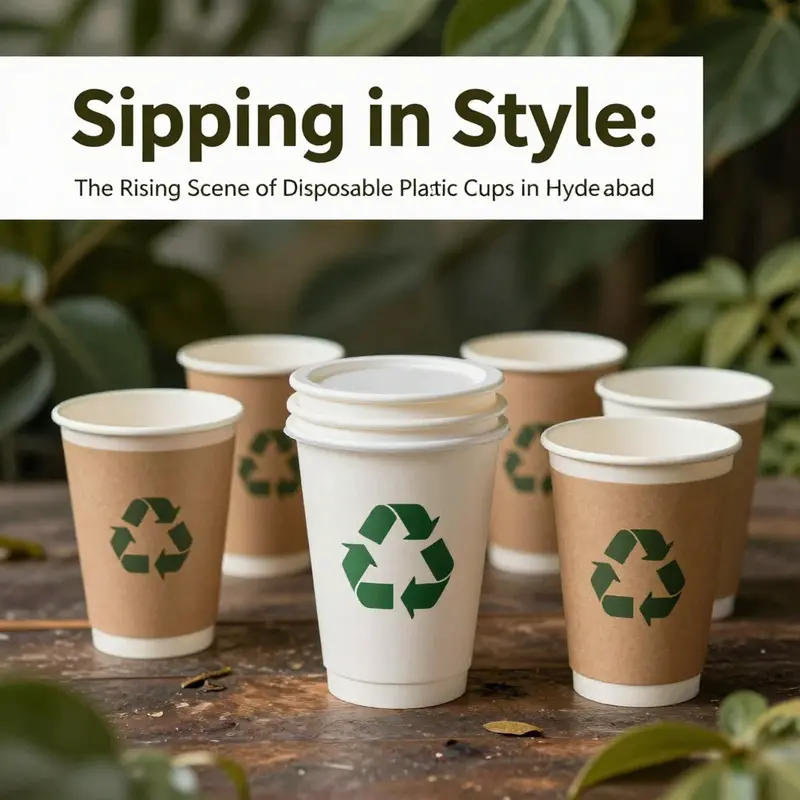
Hyderabad sits at the crossroads of rapid urban growth and a growing sensitivity to environmental stewardship. The city’s appetite for convenient, single-use tableware has grown alongside its restaurants, cafes, street-food corners, hospitals, and hotels that rely on quick-service packaging. In this setting, the production of disposable cups—largely crafted from durable plastics designed for short-term use—has become a cornerstone of the local manufacturing landscape. The logic driving this industry is straightforward: cups that resist heat and maintain integrity during service translate into reliable experiences for customers and predictable margins for suppliers. Yet the same logic that underpins convenience has a parallel, more complex narrative about environmental costs, end-of-life management, and the evolving expectations of communities and regulators. The chapter that follows unfolds this narrative in a way that connects the practicalities of local production with broader questions about sustainability, waste systems, and the emergence of alternatives that could redefine how Hyderabad serves its daily meals and beverages in a waste-conscious era.
The environmental footprint of disposable cups emerges in two primary streams: material selection and end-of-life pathways. Polypropylene, a common material for single-use cups, offers durability, light weight, and heat resistance that suit both hot and cold beverages. In theory, such cups are recyclable; in practice, the recycling infrastructure in many Indian cities, including Hyderabad, remains uneven. Collection rates, segregation practices, and the capacity of downstream sorting facilities to handle mixed plastics shape whether the best-available material really closes the loop. What arrives at recycling facilities often falls short of efficient processing due to contamination, inconsistent post-consumer streams, and limited consumer participation. The consequence is not simply a diversion of waste from landfilling; it is the erosion of confidence in long-term circularity when observed waste streams reveal leakage into land, water, and drainage channels. Microplastics and persistent plastics find their way into ecosystems that sustain urban life, and the city’s waterways and soils bear the imprint of consumption patterns that can outpace locally built waste-management capabilities.
Within this context, the environmental conversation in Hyderabad is not a theoretical exercise but a practical reckoning with how products are designed, produced, and disposed of. The scarcity of robust municipal recycling networks makes the end-of-life story of a disposable cup a story of scavengers, informal waste workers, and community-based sorting efforts. These workers play an indispensable role in the city’s waste economy, removing materials that would otherwise accumulate in landfills. Simultaneously, the informal sector faces occupational hazards and irregular income cycles, highlighting a broader social dimension of sustainability that cannot be ignored when discussing packaging. In many ways, the plastic cup’s lifecycle in Hyderabad reveals a real-world tension between the benefits of convenience and the finite capacity of waste systems to absorb the resulting streams.
Recognizing these tensions, manufacturers in the city are increasingly exploring alternatives that align more closely with ecological constraints and evolving social expectations. Paper cups, with their promise of biodegradability and more straightforward compost pathways, stand out as a symbolic and practical pivot point. Yet the sustainability of paper-based solutions hinges on multiple factors beyond the raw material itself. First, the source of the paper matters: sustainably managed forests and certified fiber reduce the risk of driving additional ecological harm through supply-chain expansion. Second, coatings and internal linings can compromise compostability and recyclability; a coated surface might resist decomposition or render the cup unsuitable for standard composting streams. Each of these variables requires transparent sourcing, rigorous lifecycle thinking, and partnerships across supply chains to ensure that what looks like a greener choice on one axis does not become a liability on another.
In Hyderabad, the shift toward paper and other alternatives is complemented by innovations that stretch the imagination beyond conventional single-use paradigms. Experimental efforts explore edible tea cups and other radical options that seek to eliminate waste by returning the product to a biological cycle without lingering residues. While such concepts may seem distant from the day-to-day realities of a bustling city’s catering and food-service operations, they signal a broader transformation toward circular thinking. In the most mature formulations, the move from merely reducing harm to actively creating circular, zero-waste models becomes a shared aspiration for manufacturers, service providers, and policymakers. Each incremental step—whether it involves more durable, recyclable plastics designed for easier separation, or a shift toward compostable fibers with verified end-of-life routes—contributes to a different kind of urban logistics that better respects the city’s environmental limits.
The regulatory environment plays a pivotal role in shaping these pathways. While local regulations can appear slow to adapt to fast-moving industry dynamics, they also provide a framework for accountability and standardization. In Hyderabad, compliance typically encompasses material safety, hygiene, manufacturing quality, and waste-management responsibilities. The growing interest in recyclable or recycled-content offerings reflects a regulatory encouragement to align packaging with waste-management capabilities, even as the regulatory landscape evolves to address product stewardship and producer responsibility. This is not merely a compliance exercise; it is an opportunity for manufacturers to demonstrate the resilience of their processes, from raw-material sourcing to end-of-life recovery. The best performers integrate environmental considerations into product development, production planning, and customer engagement, delivering packaging options that respect both service quality and environmental objectives.
A productive way to think about these dynamics is to view packaging as a system rather than a single component. The system includes raw-material selection, manufacturing efficiency, product design for end-of-life, distribution choices, consumer use patterns, and post-consumer waste collection. In Hyderabad, the most resilient manufacturers treat this system as a continuous feedback loop. They collect data on waste composition in local markets, monitor recycling streams, and adjust product lines to reduce contamination and improve recyclability. They also invest in process improvements that lower energy demand and water use, aligning production with broader sustainability goals that many clients now demand as part of procurement criteria. When buyers seek cost-effective packaging that also satisfies environmental expectations, the best options are those that demonstrate a quantified commitment to lifecycle performance—how much energy is saved, how much waste is diverted, and how reliably end-of-life streams function in practice.
An important dimension of this discussion is consumer behavior and perception. Hyderabad’s growing middle class and its vibrant dining and street-food culture create a dynamic user base with varying levels of awareness about packaging waste. In markets where customers can influence packaging standards through demand and choice, brands and manufacturers have an opportunity to emphasize transparency, provide clear disposal guidance, and invite customers to participate in recycling or composting programs. The challenge lies in communicating complex information about materials and end-of-life options without overwhelming consumers or eroding trust. Smart, simple messaging—paired with convenient disposal options at service points—can shift routines toward more sustainable practices. It is here that e-commerce platforms, which have become major gateways for business-to-business and business-to-consumer purchases, intersect with sustainability. When buyers order packaging in bulk or customize designs, they also receive documentation about material composition, recyclability, and waste-management options, enabling them to make informed choices that reflect their environmental commitments.
Empirical evidence from the broader region suggests that paper-based alternatives, when correctly managed, can offer meaningful reductions in environmental impact, particularly when sourced from responsibly managed forests and processed with minimal harmful coatings. But even then, the paper route is not a cure-all. The energy and water demands of paper production can be substantial, and the end-of-life pathway—composting, recycling, or biodegradation—depends on infrastructure that is unevenly developed across urban centers in the country. Thus, the most robust sustainability strategies in Hyderabad involve a portfolio approach: maintain high-quality, recyclable plastic options where end-of-life streams exist; pilot compostable papers where sourcing and coating challenges can be addressed; and support innovation in alternative cups while ensuring a clear, verifiable, and practical end-of-life plan for each option. This balanced stance helps avoid the pitfalls of premature substitution, where a new material might reduce one form of harm while introducing another through hidden supply-chain or disposal complexities.
For organizations seeking to deepen their understanding of sustainable packaging, a broader literature and media landscape offers useful cautions and case studies. The environmental impact of disposable cups in India has been the subject of thoughtful analysis, emphasizing both the necessity of reducing material leakage and the importance of designing for recyclability and compostability in ways that communities can actually realize. While Hyderabad-specific experiences are still developing, the city’s manufacturing ecosystem benefits from a regional context that includes a mix of traditional processing capabilities and emerging green-leaning partnerships. In practice, this means that successful packaging strategies will be those that combine material science with on-the-ground waste-management realities, and that place a premium on collaboration among manufacturers, municipal authorities, waste-collection networks, and consumer groups.
The expansion of sustainable packaging in Hyderabad is not an isolated trend but part of a wider shift in the packaging ecosystem. Companies and entrepreneurs are aligning their offerings with principles of extended producer responsibility, lifecycle thinking, and circular economy models. There is a growing appetite for packaging that can be easily separated from other waste streams, that relies on recycled-content feedstocks, and that signals to buyers a commitment to responsible stewardship. In cities like Hyderabad, where dense urban life intensifies waste-generation pressures, such commitments can translate into tangible environmental benefits if they are backed by credible process improvements and clear communication with customers about disposal and recycling options. The path forward, then, is not simply about choosing between plastics or papers, but about orchestrating a sequence of decisions that collectively reduce environmental harms and create more reliable pathways for material return and reuse.
An integrated approach combines design-minded manufacturing with community-anchored waste-management initiatives. It also requires transparent reporting and the willingness to revise practices as technologies evolve and as waste-management capabilities mature. In practice, this means product teams collaborating with waste-management partners to map end-of-life routes, testing new materials in controlled settings, and refining supply chains to minimize contamination. It also means engaging clients—cafes, hospitals, and hospitality venues—in a shared commitment to responsible packaging by offering labeling that communicates recyclability or compostability clearly to end users. In such a climate, a disposable cup becomes more than a prop of convenience; it becomes a node in a system that, in the best-case scenario, closes the loop rather than scattering fragments across landscapes and drainage systems.
The potential for meaningful change in Hyderabad rests on multiple levers working in concert. Material science provides options that improve end-of-life outcomes, while policy and regulation create the scaffolding for accountability and investment. Market demands push for more sustainable choices, and consumer expectations—a growing consciousness about waste—provide the social impetus for continuous improvement. The story of disposable cups in Hyderabad, therefore, is a story of transformation at several scales: the factory floor, the city’s waste-collection network, and the daily choices of customers who encounter packaging in their meals and beverages. If the city can synchronize these scales, there is a credible path toward designs that minimize harm, maximize recovery, and align with a broader vision of urban sustainability. In such a future, the disposable cup can still serve the essential function of convenience, but its lifecycle will be reimagined so that the material returns to value streams rather than to landfills or waterways.
For readers seeking a practical context and broader perspectives on the environmental implications of disposable cups, see the detailed exploration in the external resource linked below. While the specific local conditions around Hyderabad will continue to influence outcomes, the underlying lessons about recycling infrastructure, lifecycle thinking, and innovative alternatives offer valuable guidance for designers, manufacturers, and policymakers alike. The journey toward sustainability in disposable cup manufacturing is a collaborative one, evolving with technology, governance, and the collective will of a city that wants convenience to coexist with resilience and stewardship. As Hyderabad’s industry continues to respond to these demands, the dialogue between material choices, waste systems, and consumer behavior will shape the pace and direction of change, turning a problem of waste into an opportunity for smarter, cleaner, and more circular packaging.
To explore a concrete example of alternative packaging approaches that align with these principles, a practical resource on eco-friendly options is available here: eco-friendly recyclable pulp 2-4 cups coffee take-away cup holder. This link highlights a pathway in which materials and systems work together to simplify end-of-life handling while preserving the perceived benefits of disposability. For readers seeking additional context on the broader environmental considerations of disposable cups in India, a respected external overview provides deeper insight into the practical challenges and policy dimensions involved. External perspectives can be found in this article: https://www.thehindubusinessline.com/economy/environmental-impact-of-disposable-plastic-cups-in-india/article69845713.ece
Final thoughts
The disposable plastic cup manufacturing industry in Hyderabad is thriving and adapting to meet the increasing demands of the food and beverage sector. With many manufacturers refining their processes and emphasizing sustainability, they contribute significantly to the economic landscape while promoting environmental responsibility. By choosing reliable suppliers who focus on quality and innovation, businesses like bubble tea shops, restaurants, and catering services can ensure they are not just part of a growing market, but also contributors to a sustainable future.