
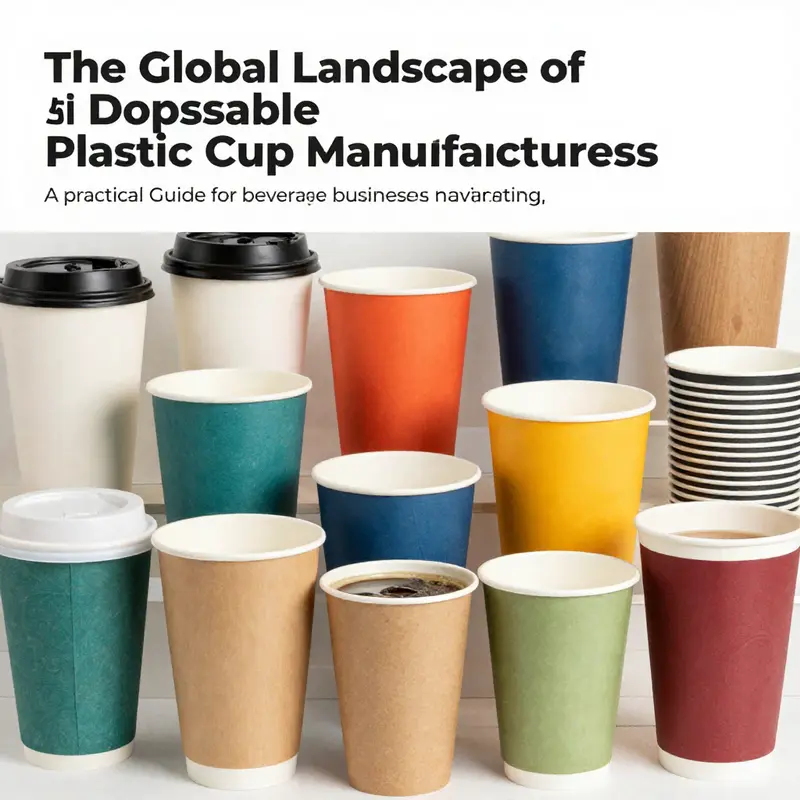
Understanding the landscape of disposable plastic cup manufacturers is essential for beverage shops, restaurants, and event planners. This guide highlights leading producers, examines their capacities, and explains how they adapt to evolving market demands. It also introduces the technologies driving production efficiency and product innovation, and discusses sustainability initiatives shaping supplier strategies and procurement decisions.
Global Leaders in Disposable Plastic Cup Manufacturing: Profiles, Capacities, and the Drive Toward Sustainable Convenience
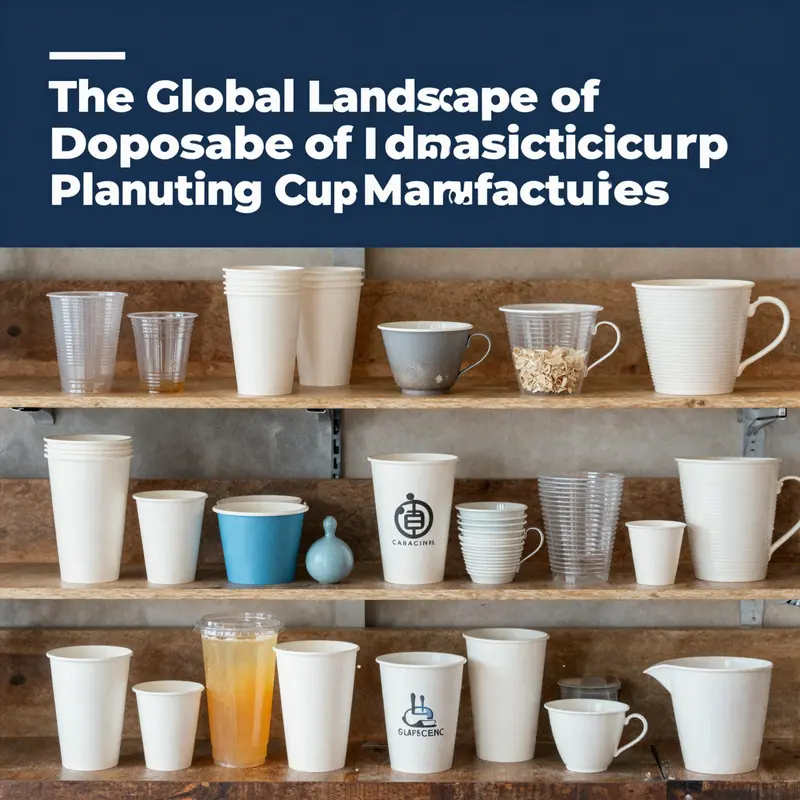
In the crowded landscape of disposable plastic cups, the most telling stories are not about a single breakthrough product but about the orchestration of capacity, capability, and a shifting sense of responsibility. The manufacturers that dominate the global market operate as networks of plants, logistics hubs, and research desks, all aimed at delivering a simple object that must perform reliably in busy food service environments while also navigating a web of environmental expectations, regulatory pressures, and evolving consumer values. When we look at the leading players—the companies that collectively shape supply, price, and availability across continents—we begin to see a pattern: scale matters, but so does adaptability. The market rewards those who can balance the efficiency of large-scale production with the flexibility to customize for local needs, to respond quickly to demand surges, and to invest in materials and processes that align with a more sustainable future. The resulting narrative is not a tableau of separate manufacturers but a chorus of global capabilities that together determine what it means to use a disposable plastic cup in today’s service economy.
Among the most influential forces in this space are Huhtamaki Oyj, Dart Container Corporation, Berry Global Group Inc., Pactiv LLC, and WestRock Company. Each represents a different axis of the industry’s complex machinery—geography, vertical integration, material science, and customer intimacy. Taken together, they illuminate how capacity, technology, and strategy converge to meet the diverse demands of quick-service restaurants, coffee shops, catering operations, and retail points of sale around the world. What these players share is an ongoing commitment to evolve beyond the earliest, most basic forms of disposable cups toward solutions that offer better performance, safer handling, and clearer pathways to end-of-life options. Yet the shift toward more sustainable practices is not a single pivot but a long arc that involves material choices, design innovations, and supply chain commitments that extend far beyond the cup itself.
Huhtamaki Oyj stands out as a global packaging and consumer goods supplier whose footprint extends across many regions. This breadth matters because cups do not exist in a vacuum; they exit a plant into a distribution network that spans airports, stadiums, university campuses, and street-front food stalls. Huhtamaki’s operations exemplify how a leading manufacturer manages capacity without surrendering responsiveness. The scale of their manufacturing network creates resilience, allowing them to stagger capital investments in new lines or enhanced automation in response to demand cycles and raw-material price shifts. In practice, this means the company can offer a broad portfolio of cup solutions—from varieties designed for hot beverages to those optimized for cold drinks—while maintaining consistent performance in terms of splash resistance, heat retention, and structural integrity when stacked or transported. The company’s approach to sustainability—emphasizing lightweighting, recycled content, and closed-loop programs—illustrates how large players are embedding eco-conscious practices into core manufacturing logic. Capacity, in this sense, is not only about the number of lines or plants; it is about the capacity to reconfigure, upgrade, and sustain higher standards as material science and consumer expectations evolve.
Dart Container Corporation, another pillar in this ecosystem, embodies the model of scale paired with relentless process improvement. A family-owned enterprise with extensive domestic and international operations, Dart’s footprint enables it to manage a wide range of product formats, from standard single-wall cups to more specialized double-wall designs that improve heat insulation for hot beverages. The company’s strength lies in its ability to synchronize production with demand intelligence—forecasting trends in dining formats, seasonal beverage popularity, and the shifts in service models from dine-in to take-out. This synchronization is critical when margins are sensitive to energy costs, freight, and the pace of new restaurant openings. In practice, capacity here translates into more than just volumes; it translates into a robust supplier of choice for customers who require dependable supply agreements, consistent quality, and the possibility of on-site customization for branding and functional features. Dart’s investment in efficiency and automation underscores a broader industry theme: the cost of drift in supply chains is high, and manufacturers that optimize throughput while maintaining tight quality controls are the ones that shape the market’s price and availability signals.
Berry Global Group Inc. expands the conversation by foregrounding materials expertise within the packaging value chain. Berry’s strength is not merely in producing cups but in integrating polymer science with end-use performance. This integration matters because cups must balance clarity, rigidity, barrier properties, and the ability to withstand heat without deforming or leaking. Berry’s capacity, therefore, is as much about the chemistry of resins and the engineering of extrusion or thermoforming lines as it is about the logistics of moving finished cups to a diverse set of customers. In this sense, the company helps define the upper bounds of what is feasible in single-use cup performance while exploring material alternatives that improve recyclability and compatibility with recycling streams. Their strategic emphasis on recycled content, post-consumer resin usage, and the exploration of compostable polymers signals an industry-wide pivot toward materials that can be reinserted into circular loops. The capacity story here is as much about the number of runs per day as it is about the ability to tune resin formulations, adjust moisture barriers, and maintain consistent wall thickness across sizes and shapes, all while aligning with evolving environmental standards.
Pactiv LLC brings a different perspective to capacity and customer reach. As a major packaging consolidator, Pactiv’s strength is its diversified product suite and its extensive distribution network. Cups, lids, and related accessories are part of a broader ecosystem that supports the beverage and food service industry across multiple channels, from quick-service chains to in-store brands. The scale associated with Pactiv translates into reliability, which is not just a luxury but a necessity for buyers who depend on predictable lead times, stable pricing, and consistent quality across regional variations in demand. The capacity narrative here intersects with product development—introducing cup designs that meet evolving service needs, including improved insulation, better stackability for high-density storage, and compatibility with a broader range of lid systems. In an era where consumer experiences are shaped by speed and consistency, Pactiv’s integrated approach underscores how large, multi-category packaging suppliers can leverage cross-disciplinary knowledge to produce cups that perform under a variety of service conditions while still enabling customization for brands and promotions.
WestRock Company completes the quintet with a focus on packaging sophistication and end-to-end packaging solutions. While traditionally known for broader packaging operations, WestRock’s involvement in cup production and related packaging products demonstrates how capacity is enhanced when manufacturers control adjacent materials and production steps. The capacity advantage arises from a broader portfolio and a tighter alignment with customers who prioritize not just the cup but the packaging system in which the cup is used. For example, a cup that interacts with film, sleeves, or outer packaging within a single supply ecosystem reduces complexity for buyers and can lower total cost of ownership. WestRock’s strategic investments in automation, digital printing, and process optimization help deliver more consistent performance across large stadiums, airports, and entertainment venues—settings where high volumes and strict service levels are non-negotiable. The capacity narrative here is about integration: when a single supplier can deliver compatible cups and packaging components in one integrated plan, it reduces fragmentation, shortens lead times, and improves the reliability that customers rely on during peak hours or seasonal surges.
In all five cases, capacity is not a single datum point but a dynamic combination of plant count, automation level, workforce capability, and an ability to respond to market signals quickly. The broader market view reinforces that the shift toward sustainability is becoming a core constraint on growth as much as a quality signal. Economies shift as materials evolve, energy costs fluctuate, and consumer demand favors products that appear to be kinder to the planet. The industry’s response has been to pursue lighter-weight designs where feasible, to increase the recycled content in resin streams, and to test increasingly bio-based or compostable alternatives that can coexist with traditional plastics in hybrid packaging ecosystems. This means more sophisticated plastics engineering, better process controls, and more intelligent logistics—all directed at delivering the same everyday function with less environmental impact.
The macro forces at play reinforce a practical reality for buyers and producers alike: the global market for disposable cups is inherently global in its supply chain, yet it remains deeply local in its service realities. Regional markets differ in their preferred sizes, shapes, and thermal performance, as well as in their waste-management infrastructures. A cup that performs perfectly in a high-end coffee shop in one region might face different challenges in another, where transit distances, handling practices, and recycling capabilities vary. That is why the most successful manufacturers maintain a broad, adaptable portfolio that can be tuned to local requirements without sacrificing the scale and standardization that come with global manufacturing. Their capacity strategies—whether building new lines, upgrading existing equipment, or diversifying resin suppliers—are designed to preserve continuity of supply even as input costs and regulatory constraints shift. The result is a resilient ecosystem in which each major player contributes to a broader capacity framework capable of absorbing disruptions while continuing to push the industry toward better performance, more efficient use of materials, and a greater emphasis on end-of-life considerations.
Yet even as these leaders demonstrate what scalability can achieve, the industry faces a clear inflection point. The research results remind us that there is no single manufacturer named Settings in this space; instead, the landscape is defined by a constellation of global leaders whose combined capacities shape availability, price, and service levels. The emphasis on customization remains strong. Brands require cups that carry logos, shapes that enable ergonomic handling, and sizes aligned with beverage formats from a social media-friendly 12-ounce standard to larger, gravity-fed options for buffet lines. The capacity to deliver such customization at scale—without compromising hygiene, performance, or cost—distinguishes the top tier of manufacturers from smaller regional players. In practice, this means a continuous cycle of product development and process optimization that keeps the cup not just as a functional piece but as a controllable element of the customer’s service design.
The sustainability dimension is increasingly inseparable from the capacity conversation. Today’s leading producers view eco-friendly design as a driver of competitiveness, not merely a compliance obligation. This shift reshapes investment priorities, as lighter cups, recycled-content resins, and improved recycling compatibility require new tooling, revised process tolerances, and longer-term supplier arrangements with resin producers and waste-management partners. Capacity planning now must incorporate material availability, the stability of recyclate streams, and potential future regulations governing single-use plastics. In this sense, the chapter of global leaders becomes a story of continuous reinvention. It highlights how a few large players maintain dominance by pairing production scale with ambitious sustainability programs, a robust pipeline of new cup designs, and a logistics network capable of delivering reliability across vast geographies.
For readers seeking a practical sense of how this translates on the ground, consider the broader packaging ecosystem into which cups sit. The same manufacturers that produce cups are part of a larger chain that includes lids, sleeves, and adjacent packaging solutions designed to integrate tightly with cups in service environments. The ability to coordinate across these elements reduces total complexity for buyers and strengthens the case for long-term partnerships with major suppliers. In this context, the capacity story is as much about synchronizing devices and processes as it is about the sheer volume of cups produced. It is about the reliability of machinery, the predictability of supply, and the willingness to invest in innovations that deliver not only performance today but also flexibility for tomorrow’s service formats.
As the industry evolves, it will be important to monitor how these global leaders respond to regional demands, changing waste-management capabilities, and the fast pace of material science advances. The drive toward sustainability will continue to shape decisions around resin types, recycling compatibility, and end-of-life pathways. The most successful manufacturers will likely expand their roles beyond just making cups to becoming partners in broader packaging systems that help customers meet their own environmental and operational goals. In this sense, capacity is less about the number of cups per hour and more about the ability to deliver dependable, responsibly produced solutions that fit within a circular economy framework. The resulting market around disposable plastic cups will remain dynamic, with leadership defined by those who can combine scale with adaptability and who can translate that combination into tangible value for customers seeking reliable performance alongside progressive environmental stewardship.
To readers exploring adjacent packaging options and sustainability alternatives, a related family of take-away solutions deserves attention. Kraft-paper bowls and other fiber-based take-out packaging are increasingly positioned as complementary or even preferred options in some settings, offering an opportunity to diversify the container mix while reducing reliance on traditional plastics. For a practical glimpse into such fiber-based packaging options, you can explore a representative offering like Kraft paper bowls designed for take-out use, which demonstrates how design and material choices influence handling, insulation, and presentation in real-world service contexts. See: Kraft paper bowls for take-out as a concrete example of how packaging ecosystems expand beyond plastics to meet evolving consumer expectations.
Enduring questions remain about how quickly recycled-content plastics can penetrate different segments of the cup market, and how regulatory landscapes will shape material choices and design constraints. The leading producers recognize that the most robust growth will come from combining consistent supply capability with continued investment in material science, process automation, and end-of-life strategies. Their ongoing experiments with lightweighting, barrier improvements, and recycling-compatible resins reflect a deep understanding that today’s performance gains must be matched by tomorrow’s environmental gains. In the end, the global portrait is not a set of isolated wins but a coordinated system of capacity expansion, technological refinement, and sustainability commitments that collectively push the disposable cup category toward greater efficiency, reliability, and responsibility. The market’s future depends on maintaining this balance—delivering the everyday convenience consumers expect while honoring the longer-term expectations of an economy that increasingly prizes responsible resource use and clear stewardship of waste streams.
Internal link reference: For an example of sustainable, fiber-based take-out packaging options that complement disposable cups, see Kraft paper bowls for take-out. This linked resource illustrates the broader packaging ecosystem at work when brands seek alternatives to traditional plastics and reinforces the trend toward diversified, sustainable packaging portfolios across service settings.
External resource: For a broader market perspective on disposable cup capacity and category trends, one may consult industry analyses from established market researchers that track growth trajectories, material shifts, and regulatory scenarios shaping the sector in the coming years. As the market evolves, these external references provide context for the strategic considerations discussed above and help frame how leading manufacturers navigate the tension between scale and sustainability. https://www.grandviewresearch.com/press-release/global-disposable-cups-market
From Smart Cups to Sustainable Lines: The Digital Turn in Settings Disposable Plastic Cups Manufacturers
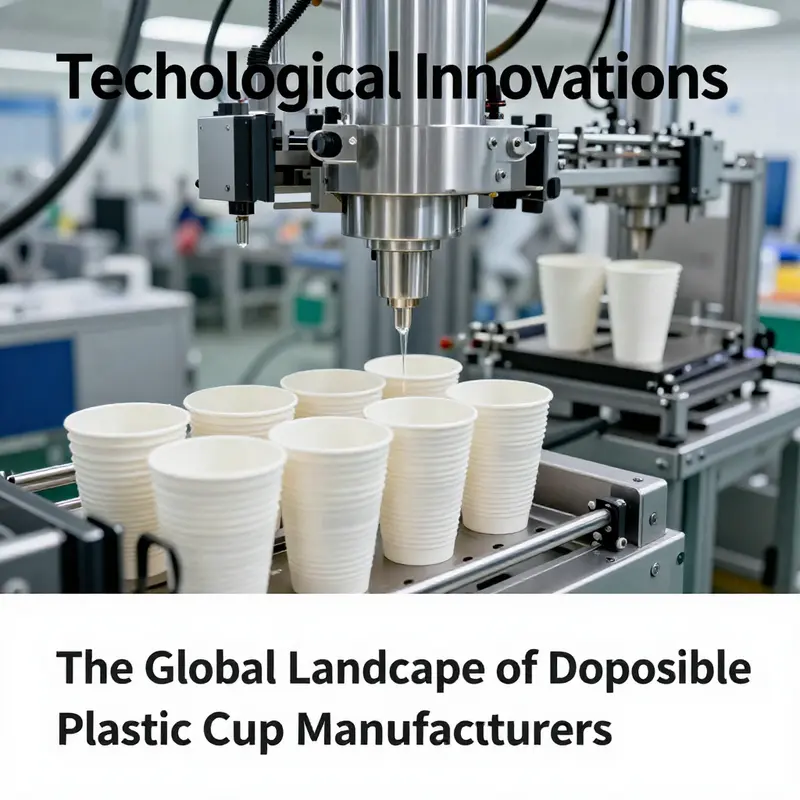
The landscape of disposable plastic cup manufacturing is shifting from a focus on sheer volume and cost efficiency to a more integrated, data driven, and sustainability oriented approach. This transformation is not a single technology adoption but a convergence of several advances that together reframe what it means to design, produce, distribute, and end of life manage plastic cups in settings ranging from quick service restaurants to event venues and corporate cafeterias. The chapter that follows considers these shifts in a way that threads together the practical realities faced by manufacturers with the broader market expectations that are steadily increasing around transparency, performance, and environmental responsibility. It is in this light that the current era can be viewed as an inflection point, where material science, manufacturing engineering, digital analytics, and circular economy thinking begin to coalesce around the cup as a product with a well documented lifecycle rather than a disposable afterthought.
A core driver of change is the integration of smart sensors and chips directly into the cup. This may seem like a futuristic enhancement, yet it is becoming a practical reality in many manufacturing ecosystems. Embedded technologies enable real time tracking of a product’s journey from the line to the consumer and, critically, through to end of life. The data generated by these sensors offer a layered view of the lifecycle that can inform a range of activities across the value chain. At the producer level, sensor data can support tighter production planning and quality assurance. Real time signals from lines and preforms help identify drift in material properties or process conditions before a batch is completed, reducing waste and recapture opportunities. In distribution, lifecycle data help optimize route planning, temperature management, and handling procedures to preserve the integrity of the cup and the coatings used. Perhaps most compelling is the downstream use of data for waste management and recycling programs. When a cup can report its material composition, the local recycling infrastructure can be more precisely aligned, enabling more effective separation, processing, and post consumer recycling outcomes. The transparency offered by such a system aligns with growing regulatory expectations and consumer desire for responsible packaging. The practical implications extend beyond traceability; they touch on business model evolution, enabling manufacturers to offer value added services such as lifecycle analytics or verified sustainability claims that resonate with customers who want to quantify environmental impact rather than rely on broad certification alone.
The reach of these sensor technologies is complemented by advances in blow molding, one of the linchpins of modern cup production. Today’s blow molding equipment benefits from heated preforms and robust compressed air systems that together shape the wall thickness with remarkable uniformity. The consequences are tangible: thinner walls reduce material usage without compromising stiffness, enabling lighter cups that still resist deformation during handling and transportation. The combination of wall uniformity and a smooth, high clarity finish supports a perception of quality that matters in settings where presentation can influence consumer choices. Moreover, the capability to engineer more intricate designs and even custom shapes on high-speed production lines unlocks a new realm of branding and user experience. In markets that demand rapid turnover—such as busy beverage service environments or large-scale events—the ability to deliver consistent, eye catching forms at high throughput levels is not merely a production advantage; it is a differentiator in space constrained operations where every second counts.
The material science frontier further expands the horizons for disposable cups by exploring biodegradable and compostable systems that can meet the performance and regulatory demands of modern service channels. For decades, the standard cup relied on fossil based polymers coated with paper or other barrier layers. That paradigm is being reexamined in light of stricter packaging regulations and a growing consumer preference for greener options. Advances in bio based polymers and bio derived coatings are enabling cups that can maintain functional performance—resistance to heat, barrier protection against moisture, and structural integrity—while offering the potential for improved end of life outcomes. These materials are not a simple substitute; they require meticulous attention to process compatibility, coating selection, and the interaction between the cup and its contents. A shift toward compostable systems requires alignment with local industrial composting capabilities or robust home compostability standards, along with clear labeling to help users dispose of cups in appropriate streams. In practice, this means that materials research is increasingly intertwined with regulatory strategy, supply chain logistics, and consumer education. As these biodegradable and bio based solutions mature, manufacturers can balance competing demands for strength, clarity, and cost, while moving toward packaging ecosystems that reduce overall environmental impact without sacrificing user experience in high volume food service contexts.
Artificial intelligence is weaving its way through the entire manufacturing ecosystem, turning mountains of sensor and machine data into actionable intelligence. AI driven predictive analytics optimize production schedules, guiding the sequencing of line operations to minimize changeover times and energy use. They enable real time defect detection as cups emerge from the blow molding process, catching issues that may not be visible to the human eye yet could affect performance in service settings. Beyond production, AI informs energy management and waste minimization strategies. By modeling energy consumption patterns across shifts, temperature controls, and equipment loads, manufacturers can design operating plans that reduce carbon footprints while maintaining throughput. Machine learning tools also enhance supply chain resilience by forecasting demand fluctuations and enabling agile ramp ups or reductions in capacity, a capability that is increasingly critical given the variability in consumer behavior and the seasonal dynamics of hospitality sectors. As markets expand globally, AI becomes a central pillar in the move toward scalable, sustainable production that can respond quickly to shifting regulatory frameworks and consumer expectations. The operational advantages are complemented by the strategic benefits of improved quality control, where AI aided inspection reduces the variance in cup dimensions, coating integrity, and surface finish—factors that influence both aesthetics and functional performance in real world use.
The interplay of these technologies—smart sensors, advanced blow molding, material science innovations, and AI driven optimization—creates new opportunities for customization that are meaningful to both manufacturers and end users. In many settings, cups are no longer simple vessels but data rich, design conscious products that can communicate brand identity and meet specific operational needs. Customization can extend to the cup itself through shape, wall thickness, coatings, and even integrated identification features that streamline inventory and service processes. At the same time, customization is balanced with standardization for efficiency and compatibility with existing processes across different facilities and geographies. The challenge becomes how to harmonize bespoke design choices with the realities of scale and supply chain coherence. The answer lies in modular design principles, where common base materials and standard blow molding configurations can be adapted with targeted coatings or surface treatments to achieve unique performance characteristics without cutting into throughput or escalating costs. The result is a spectrum of offerings that can satisfy a wide range of service environments—from high heat tolerance for hot beverages to clear, crisp visuals for cold drinks, to barrier properties that keep contents fresh in transit and on shelves.
The environmental dimension of these innovations is integral rather than ancillary. The adoption of biodegradable and bio based materials is framed within a broader push toward sustainable packaging that does not merely shift burden from one stage of the lifecycle to another. Manufacturers are increasingly adopting lifecycle assessment practices to quantify the environmental impacts of cup production, use, and end of life across several scenarios. Such analyses help identify hotspots where material choice or process improvements produce outsized reductions in greenhouse gas emissions, water use, or solid waste. They also illuminate potential tradeoffs between recyclability and compostability, an issue that has become central as regional waste systems differ in capability. For instance, a cup that is technically compostable in one jurisdiction might not be accepted by the local recycling stream, creating confusion for operators and customers alike. This complexity underscores the importance of coherent policy guidance, clear labeling, and transparent communication from manufacturers about the intended disposal pathways. It also points to a broader industry need for harmonized standards and testing protocols that can guide product development, certify performance, and reassure buyers about the environmental promises associated with new materials and processes.
In practical terms, these technological shifts reshape the competitive landscape in which settings disposable plastic cup manufacturers operate. Companies that successfully integrate smart lifecycle data with high precision blow molding and responsible material choices stand to gain competitive differentiation. They can offer customers more predictable performance, better waste management outcomes, and measurable sustainability metrics that can be tracked over time. The implications for regional markets are nuanced. In regions with robust waste infrastructure and clear green procurement policies, the incentives to invest in higher value, data rich products align with regulatory support and consumer expectations. In markets where waste management is still evolving, the value proposition of advanced sensors and traceability may manifest more clearly through reduced shrinkage, improved quality control, and more consistent service experiences rather than through end of life reporting alone. Across geographies, manufacturers must remain adaptable, aligning product development with local regulatory regimes, consumer preferences, and the evolving capabilities of waste streams to maximize both environmental and business outcomes.
A broader consequence of these converging technologies is the potential to reframe the entire service model around disposable cups. Rather than viewing the cup purely as a commodity, manufacturers can position themselves as partners in delivering reliable service, safety, and sustainability. This shift invites new business models that emphasize transparency, certification, and collaboration with customers, waste handlers, and policymakers. In practice, this may translate into packaging solutions that include component level traceability, standardized interfaces with waste management providers, and a shared commitment to reducing the environmental footprint of beverage service in settings that range from campus cafeterias to stadiums and beyond. The resulting ecosystem becomes more resilient and better aligned with evolving consumer expectations, enabling a more responsible and efficient hospitality experience that does not compromise on throughput or product quality.
To illustrate the practical pathway that underpins these developments, consider how a typical manufacturer might integrate the technologies described here. The journey begins with product design where a thermally efficient wall thickness is established using advanced blow molding simulations. Materials teams select a polymer system with the right balance of stiffness, clarity, and barrier properties, keeping in mind the end of life pathway and potential composting or recycling options. In parallel, sensors and microchips are incorporated into the cup architecture at the nascent stage, designed to withstand the thermal and mechanical stresses of service. Once on the production line, the AI enabled control system monitors process variables in real time, calibrating pressures, temperatures, and cycle times to achieve uniform results across millions of units. The data generated is routed to a centralized analytics platform that informs production scheduling, energy consumption strategies, and preventive maintenance. When the cups enter distribution, the embedded identifiers (where used) populate a data stream that allows downstream partners to map the cups’ journey through the supply chain and, if necessary, to identify the specific batches that require attention in a recall scenario or waste diversion program. Customers, in turn, may access dashboard based insights on the environmental performance of their packaging choices, enabling them to report to stakeholders and to demonstrate progress toward sustainability goals. This integrated approach is not a theoretical ideal; it is a practical roadmap that many manufacturers are already pursuing, step by step, with a clear emphasis on reliability, cost discipline, and environmental stewardship.
From a strategic perspective, the evolution described here does more than improve products. It elevates the role of settings disposable plastic cup manufacturers as stewards of a more transparent and sustainable packaging system. The convergence of smart sensing, advanced forming, material science progress, and AI driven optimization creates a platform for continuous improvement. It also invites ongoing dialogue with the users who interact with these cups on a daily basis, from baristas and wait staff to event organizers and consumers who care about the choices they make. The result is a packaging ecosystem that can deliver consistent performance, desirable aesthetics, and measurable environmental benefits without compromising throughput or service quality. In this sense, the cup becomes a microcosm of how modern manufacturing can operate—data informed, material efficient, and socially responsible—without losing sight of the practical realities that define daily operations in food service and hospitality settings.
For readers seeking a concrete example of how sustainability oriented packaging options are being surfaced within the broader packaging ecosystem, consider this collection of eco friendly paper cup options as one manifestation of how suppliers are expanding the conversation beyond plastic and toward materials with lower environmental footprints. eco-friendly paper cup While it remains crucial to balance these considerations with performance requirements, the ongoing exploration of bio based materials and barrier coatings indicates a path forward where cups can meet the demands of hot and cold beverages while offering clearer end of life narratives to customers and regulators alike. This balanced perspective helps ensure that the factory floor remains a site of innovation and responsible practice, not merely a theater for cost driven optimization.
The chapter concludes with a reminder that technology in isolation does not guarantee better outcomes. It is the thoughtful integration of sensing, forming, materials, and intelligence—coupled with a clear view of end of life and regulatory realities—that delivers durable advantages. In settings where speed, reliability, and consumer confidence converge, manufacturers who invest in end to end visibility and sustainable design will be best positioned to meet evolving expectations. The transition will be incremental, but its cumulative effect will be transformative: cups that are lighter yet stronger, produced with materials that perform under rigorous service conditions and are more responsibly managed after service, all while data streams illuminate the path from production to disposal. This is not merely a technological upgrade; it is a reimagining of what a disposable cup represents in a modern economy. External reading: https://www.mdpi.com/2076-3417/14/4/1234
Rethinking the Cup: Circular Design and Regulatory-Driven Change in Settings Disposable Plastic Cups Manufacturers
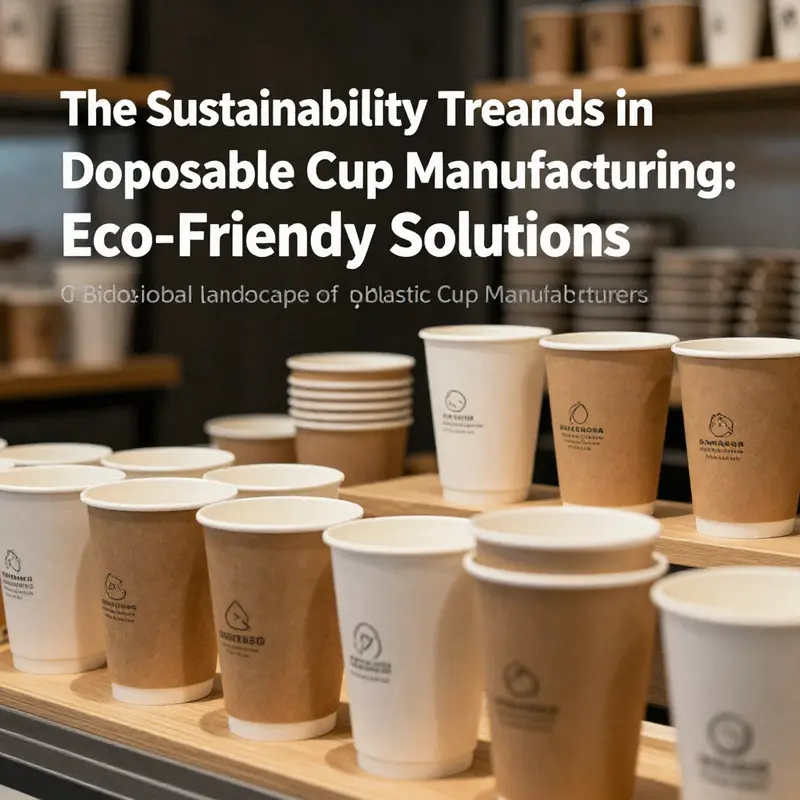
In the evolving landscape of disposable packaging, the settings surrounding disposable plastic cups manufacturers have shifted from a focus on convenience and cost to an emphasis on responsibility, resilience, and recyclability. This chapter weaves together the threads of material science, engineering, policy, and market expectation to illuminate how manufacturers are rethinking the cup as a product within a broader system. The conversation is no longer solely about making a single-use item cheaper or lighter; it centers on how the cup can be designed, produced, used, and recovered in ways that align with circular economy principles while still meeting the diverse needs of food service, hospitality, and retail environments. The journey from petroleum-based plastics to more sustainable pathways is neither linear nor uniform, yet it is characterized by clear direction: toward materials and processes that offer better end-of-life outcomes, clearer labeling, and more transparent lifecycle data that stakeholders can trust and act upon.
At the heart of this transition lies material science and the recognition that the cup’s end of life should be as integral to its design as its initial performance. For decades, polypropylene (PP) and polystyrene (PS) dominated the single-use cup space due to their strength, moldability, and low cost. These materials, however, carry well-documented environmental concerns, particularly their persistence in the environment and the challenges associated with post-consumer recovery. The market now narrates a different story. A growing cadre of disposable cup manufacturers is exploring alternatives that can either be recycled back into new products or safely returned to the soil or composting streams under industrial conditions. This shift is enabled not merely by substituting one polymer for another, but by reimagining the entire value chain—from feedstock choices and resin chemistry to coatings, inks, and the adhesives that bind layers together. In practice, the industry is gravitating toward two broad pathways: recyclable polymers such as PET, and bio-based, compostable options such as PLA and other bioplastics, all while grappling with the realities of current recycling infrastructure.
The material conversation often centers on PET and PLA, each offering distinct advantages and trade-offs. PET cups, when designed for recycling, can be melted down into clear pellets that serve as feedstock for fabrics, bottles, or building materials, contributing to a higher-value loop in the economy. This potential has propelled many manufacturers to optimize PET for single-use applications by focusing on barrier properties, clarity, and heat tolerance, ensuring the cup performs under a range of temperatures and during various service conditions. PLA, derived from renewable plant sources, presents a compelling narrative as a compostable option. When processed in industrial composting facilities, PLA-based cups can degrade into compost rather than accumulating as waste in landfills. Yet, PLA’s performance is not without caveats. It tends to behave differently under high heat or prolonged UV exposure, and in domestic composting settings its breakdown is not guaranteed. Therefore, product designers must anticipate destination streams, coating interactions, and the specific composting or recycling facilities accessible to their customers. The overarching message is that end-of-life outcomes cannot be promised by chemistry alone; they require an ecosystem of facilities, labeling clarity, and consumer participation.
As these material choices take shape, the industry has made significant advances in cup engineering that support sustainability without compromising user experience. Double-wall insulated designs, for instance, are a notable example of material efficiency improving thermal performance. They can deliver better insulation with a smaller amount of material, reducing overall cup weight while maintaining comfort for hot beverages in travel or service settings. In contexts such as airline and long-haul service, these innovations translate into meaningful waste reductions at scale because fewer cups are needed to deliver the same thermal performance. Innovations like ribbed or corrugated walls can also contribute to insulation efficiency and structural integrity, helping prevent leaks and spills that would otherwise lead to product waste and customer dissatisfaction. These engineering strategies demonstrate that sustainability and usability are not mutually exclusive; they can reinforce each other when designed with a clear understanding of end-use environments.
Nevertheless, even as material science and design evolve, the sector confronts persistent challenges that complicate the path to greener solutions. A central concern is the recycling infrastructure itself. Many cups—especially those that combine multiple layers, coatings, or colorants—pose processing hurdles for traditional mechanical recycling streams. The presence of barriers such as silicone linings, wax coatings, or barrier films can complicate sorting and reprocessing, often relegating some cups to landfill rather than to recycling facilities. Consumer education emerges as a critical piece of the equation; if end-users cannot readily identify whether a cup is recyclable or compostable, or if they are uncertain about proper disposal, the intended sustainability benefits can be undermined. In practice, successful outcomes depend on not only the packaging itself but also clear labeling, robust waste-stream infrastructure, and consistent consumer guidance across settings—from kiosks and cafes to airports and corporate cafeterias.
Transparency becomes more than a virtue; it is a prerequisite for trust. Lifecycle analysis (LCA) data, provenance of feedstocks, and recyclability metrics help manufacturers communicate performance in a way that resonates with operators who are accountable to customers, regulators, and shareholders. The industry is increasingly embracing these tools to quantify material flows, energy use, water footprints, and the potential for circular recovery. Such analyses influence decisions about raw materials sourcing, manufacturing energy intensity, and post-consumer recovery strategies. In some cases, this means designing cups that can be recycled into the same product category or into other high-value applications. In others, it implies supporting industrial composting channels that can reliably process bio-based cups in regions equipped with appropriate facilities. The goal is to move beyond green branding toward verifiable, actionable sustainability, where the full lifecycle is scrutinized and optimized.
A practical dimension of these ambitions is the way packaging is customized for different markets and service formats. Customization, historically a way to enhance brand identity and consumer engagement, now also serves sustainability objectives when used to reinforce durable, hygienic, and efficient service. When cups are tailored to specific service contexts—such as hot beverages, cold drinks, or meal-solution pairings—designers can select materials, barrier systems, and insulation layers that maximize performance while minimizing waste. For example, a compact, low-waste design may be favored for high-volume fast-service settings, whereas a more robust double-wall configuration may be chosen for travel-driven use where temperature control and user comfort are paramount. The emphasis on customization thus becomes a strategic lever that aligns product attributes with practical waste reductions and improved end-of-life outcomes. In this spirit, the industry is increasingly embracing modular design concepts, where liners, lids, and outer shells can be harmonized to optimize recycling or composting streams and reduce the likelihood of misalignment between product design and local waste infrastructure.
The conversation about settings disposable plastic cups manufacturers cannot ignore the regional variations that shape demand and feasibility. In markets with advanced waste-management systems, there is greater appetite for recyclable PET cups and PLA-based solutions, accompanied by robust labeling standards and accessible recycling streams. In regions where waste infrastructure is evolving, bioplastics may be appealing for their perceived lower fossil-fuel footprint, but their success depends on community-scale composting facilities or well-supported certification schemes that prevent premature abandonment of products in landfills. These regional differences mean that manufacturers must adopt a portfolio approach, balancing conventional, recyclable, and compostable solutions while staying attentive to regulatory developments, customer preferences, and the practical realities of recovery systems in each market. This balancing act is not static; it requires ongoing dialogue with regulators, waste-management operators, and end-users to identify which pathways yield the best long-term environmental benefits in a given setting.
A crucial dimension of strategy for settings disposable plastic cups manufacturers is the alignment with corporate responsibility and branding. Sustainability is no longer a peripheral attribute; it has become a central element of value propositions. Operators seek partners who can provide traceability, transparent performance data, and credible end-of-life assurances. This demand is gradually reshaping how manufacturers communicate about their products. Rather than claiming universal recyclability for all cup configurations, many players are shifting toward precise disclosures: which cups are recyclable under specific local programs, which require industrial composting, and which coatings or laminates complicate processing. Brands that can articulate these distinctions clearly, and support customers in navigating the disposal landscape, are better positioned to earn trust and foster loyalty among conscientious consumers.
Even as industry players pursue sophisticated material solutions and lifecycle transparency, the role of customization in sustainability remains pivotal. Customized cups that feature subtle design cues, color-coded barriers, or clear disposal instructions can help end-users participate more effectively in recovery programs. The synergy between design and disposal education is an essential ingredient in reducing contamination and improving recycling rates. In a practical sense, customization also enables operators to optimize storage, logistics, and waste handling. A cup that travels efficiently from the point of sale to the end consumer, while maintaining peak performance and being easier to recover, contributes to a smaller environmental footprint over time. The dialogue between design and recovery underlines a broader philosophy: sustainability must be embedded in product development from the earliest stages, not appended as a postscript when a product leaves the factory floor.
The broader market context reinforces that the future of disposable cups lies not solely in substituting one material for another, but in rethinking the entire system. This includes reexamining raw material sourcing, production energy intensity, packaging density, transport efficiency, and post-consumer recovery. Circular economy principles call for collaborations across the value chain—feedstock suppliers, resin manufacturers, cup converters, waste-management firms, retailers, and policymakers—to create coherent, practical pathways for recovering materials and reinserting them into productive use. In this sense, the cup becomes a node in a network of flows rather than a standalone artifact. The challenge is to design processes that can adapt to varying regulatory landscapes and waste infrastructures while preserving quality and safety requirements in food-service contexts. It is precisely this adaptability that positions settings disposable plastic cup manufacturers to be essential drivers of the sustainability agenda within the broader packaging industry.
The practical implications for operations are equally consequential. Manufacturers are investing in cleaner production techniques, energy-efficient extrusion and molding technologies, and waste-reduction strategies that minimize scrap and solvent use. They are exploring partnerships with recycling facilities to secure feedstock compatibility and to align product design with local sorting and processing capabilities. In some cases, companies are piloting closed-loop programs that collect used cups from specific venues for material recovery and reprocessing. These kinds of pilots, though complex, demonstrate the feasibility of circular solutions at meaningful scales and offer a blueprint for broader adoption. The overarching narrative is clear: sustainability is increasingly enabling, not just constraining, manufacturing choices. When design, materials, and process improvements cohere with recovery infrastructure and policy signals, the cup can be reimagined from a disposable afterthought into a durable contributor to a more sustainable economy.
For readers seeking a broader analysis of market dynamics and regional differences shaping disposable cup manufacturing, external industry perspectives provide valuable context. See the external resource that surveys evolving trends and regional nuances in the disposable cups market: https://www.marketresearchfuture.com/reports/disposable-cups-market-1372. This external lens complements the internal discussions of materials, design, and recovery by situating manufacturing decisions within a global, policy-aware, and demand-driven framework. Within the more immediate discourse, an example of a discrete internal approach to sustainability and customization can be found in the broader ecosystem of supplier pages that illustrate how eco-friendly design and branding considerations are integrated into product offerings. For instance, a representative case of the potential for responsible customization is the concept of disposable-eco-friendly-printed-logo-single-wall-paper-cup, which demonstrates how branding and sustainability can converge in a single, practical packaging solution without sacrificing performance or recyclability.
In sum, the settings disposable plastic cups manufacturers are navigating a complex but promising terrain. The shift toward recyclable and compostable pathways is not merely about substituting materials; it is about reconfiguring the entire value chain to support clear, verifiable, and scalable end-of-life outcomes. The most successful players will be those who marry rigorous material choices with thoughtful design, robust labeling, strategic partnerships in recovery, and an unflinching commitment to transparency. In doing so, they transform the cup from a disposable item into a responsible design artifact that reflects the values of a society increasingly attentive to resource stewardship and the long arc of environmental impact. The chapter that follows will continue to connect these themes to practical strategies—how settings and service models can align with this sustainable trajectory, and what operators can expect as regulatory landscapes evolve and consumer expectations continue to mature.
Final thoughts
The disposable cup manufacturing landscape is evolving toward higher quality, efficiency, and sustainability. Manufacturers are investing in materials, improved processes, and transparent supply chains to meet customer expectations and regulatory requirements. By staying informed about industry profiles, technological advancements, and sustainability initiatives, beverage businesses can optimize procurement and service delivery.