
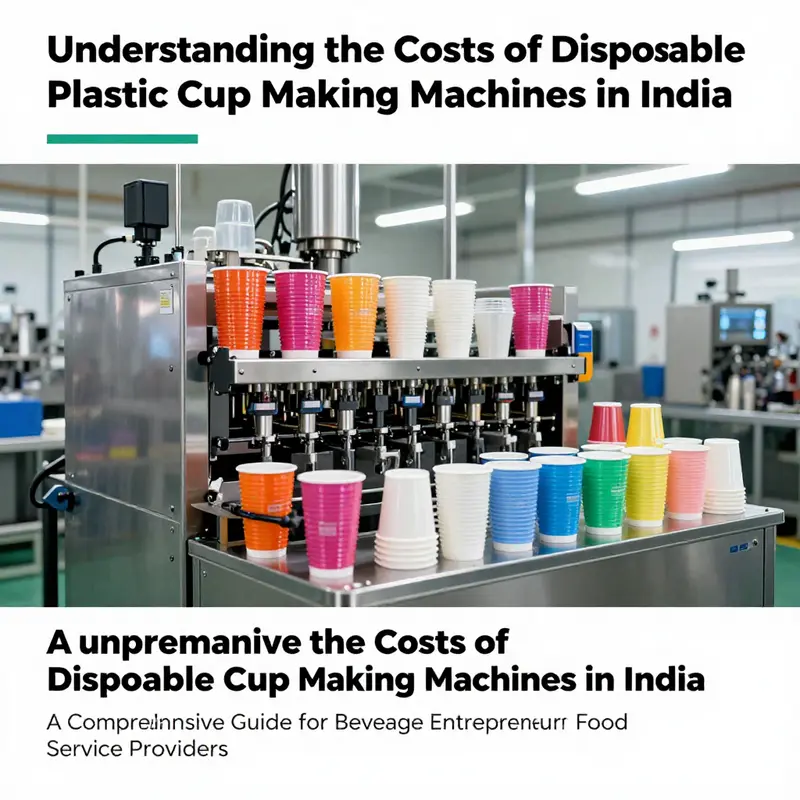
The demand for disposable plastic cups is rising across India, driven by fast-growing beverage segments such as bubble tea, street food vendors, and hospitality services. This guide examines the pricing landscape for disposable plastic cup making machines in India, helping decision-makers compare options, estimate total cost of ownership, and plan investments that align with scale, quality, and sustainability goals.
Budget, Supply Chains, and Local Realities: Mapping the Price Landscape of Disposable Plastic Cup Making Machines in India
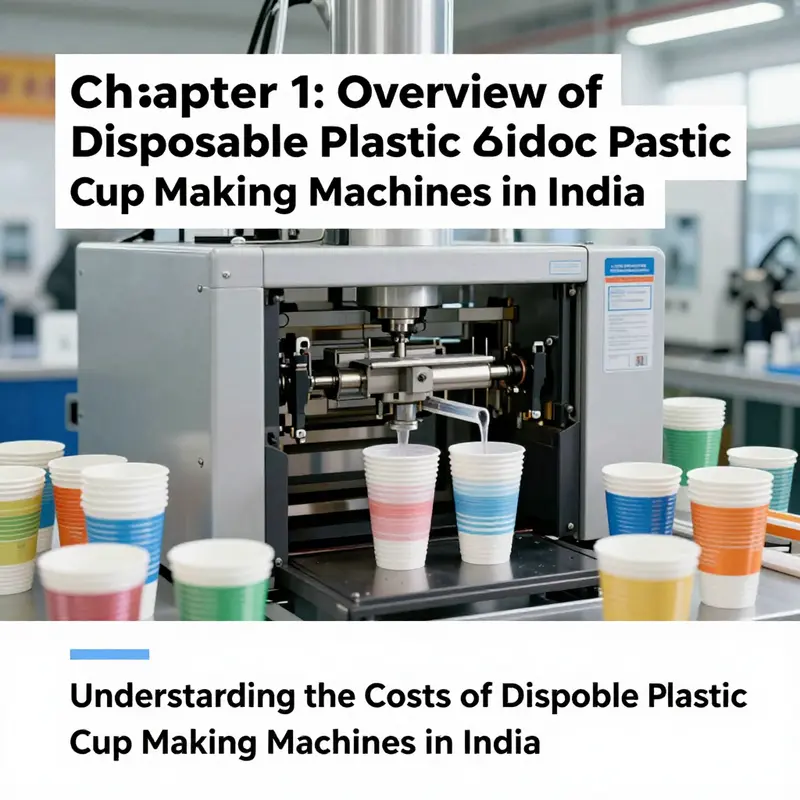
The price landscape for disposable plastic cup making machines in India sits at a crossroads where global manufacturing benchmarks meet local market realities. Buyers in India routinely weigh the allure of turnkey lines from overseas against the realities of import duties, logistics, installation challenges, and after-sales service in a market that still values proximity and local support. What emerges from the available data is not a single price tag but a spectrum of costs shaped by machine capability, automation level, and the degree of integration a buyer seeks. To understand this spectrum, it helps to anchor the discussion in the benchmarks reported by international suppliers, even as Indian buyers adapt those benchmarks to domestic procurement practices.
Across the global supplier landscape, a high-automation, fully integrated forming line for disposable plastic cups—engineered to produce coffee cups and related containers at high speed—has been quoted in a broad band that starts around twenty-six thousand U.S. dollars and tops out near thirty-six thousand dollars per set. This range, published by Chinese manufacturers in late 2025, is not specific to India but serves as a widely cited baseline for automated forming capabilities that Indian buyers frequently compare against when they plan capital expenditure. It reflects the efficiency gains that come with servo controls, precise temperature management, and robust automation that reduces operator intervention and scrap. A second reference point within the same information stream notes a more expansive production system—the entire line for disposable cups and lids—priced around sixty-three thousand U.S. dollars per set. While these numbers are not Indian quotes, they provide essential context for what a fully integrated, end-to-end manufacturing line costs in today’s market and how those costs are likely to translate when imported into India after freight, insurance, duties, and on-site installation are accounted for.
Further granularity comes from additional market benchmarks. A hydraulic thermoforming machine, specifically configured for producing disposable cups and bowls and equipped with servo motors, is described in a price range of roughly forty-two thousand to forty-four thousand dollars per set. This range helps illustrate how relatively modest enhancements in control, speed, and repeatability can push the price up or down within the broader automation spectrum. When these international price bands are juxtaposed with the Indian market, several conclusions become evident: while the raw machine price may align with the low to mid range of global quotes, the total landed cost in India often expands due to shipping, customs duties, inland transportation, installation, and training services that manufacturers must provide to stand behind their equipment.
Analysts and procurement professionals in India often translate these international price points into local currency bands to estimate the capital outlay. A commonly cited approximation places the total investment for disposable plastic cup making equipment—covering semi-automatic lines through to fully automated systems—somewhere in the vicinity of INR 30 lakhs to INR 80 lakhs when measured in typical conversion terms. That currency band roughly corresponds to roughly thirty-six thousand to ninety-six thousand U.S. dollars, acknowledging that the exact conversion is sensitive to the prevailing exchange rate at the time of purchase and the precise configuration of the line. The lower end of the range typically reflects semi-automatic or compact lines with limited automation, while the higher end reflects full-precision, servo-driven systems with higher throughput, broader material compatibility, and extensive on-line quality control features. Yet, even this range should be read with caution, because the true landed cost includes shipping, insurance, import duties, port handling, on-site installation, and after-sales service commitments that are not always visible in base machine price quotes.
The Indian procurement environment also shapes pricing pressure in non-obvious ways. Because the market for plastic cups is anchored in sectors like foodservice, hospitality, and fast-casual dining, the demand dynamics can push buyers to seek shorter lead times and more predictable service networks. International suppliers, in turn, respond with proposals that emphasize not only machine price but also the strength of the service ecosystem—remote monitoring, operator training, available spare parts, and local language support. The presence of suppliers who offer robust Trade Assurance and video demonstrations can be a meaningful differentiator for Indian buyers who may not have immediate access to a wide range of local manufacturers. In the buying process, a supplier’s responsiveness and the perceived reliability of post-purchase support are often as decisive as the quoted machine price.
From a technical perspective, the price differential within any given machine family is driven by several core factors. First, the level of automation is paramount. A semi-automatic line will cost substantially less upfront than a fully automatic system, but the latter delivers higher throughput, lower per-piece labor costs, and more consistent product quality—benefits that can justify the premium over the long run. Second, the degree of servo control, automation of feed and stack, precision temperature control for forming, and the sophistication of the control software contribute to both upfront price and ongoing operating costs, including energy consumption and maintenance. Third, the scope of the line—the extent to which it includes integrated cap or lid forming, cutting, or finishing modules—adds to the price but offers a more compact footprint and better process synchronization. Fourth, design for reliability and ease of maintenance affects not just uptime but also the total cost of ownership, with more modular components and readily available spare parts yielding lower lifecycle costs. Fifth, installed capacity and intended production speed influence price, as lines designed to sustain high throughputs generally command premium pricing to reflect the engineering rigor required to sustain consistent performance under demanding production schedules.
In India’s current landscape, most buyers fall into a pattern of initial market exploration that relies on international suppliers for the core equipment. This is partly pragmatic: the established manufacturing ecosystems for plastic forming technology operate efficiently in several Asian supply chains, and the relative cost advantage of importing from experience-rich sources can more than offset the added complexity of cross-border procurement for many buyers. The decision to import is often reinforced by the availability of detailed technical documentation, remote testing options, and the assurance of after-sales support through global dealer networks. Yet, the choice to import also introduces a cascade of decision points: currency risk during procurement, consignment terms, the logistics of installation and operator training, and the time-to-value horizon, which can be longer than for locally sourced or regionally assembled options.
The strategic calculus becomes even more nuanced when one considers the broader ecosystem in India. Packaging businesses are increasingly mindful of supply chain resilience, energy efficiency, and compliance with evolving packaging guidelines. As a result, buyers may look for lines that offer scalable automation that can be expanded as demand grows, rather than committing to a single fixed capacity in a single location. This approach helps manage capital expenditure and aligns with the capital budgeting cycles of food service and hospitality providers who experience seasonal spikes in demand. It also dovetails with a trend toward modular plant design, where a base line can be augmented with additional modules over time to meet rising output without a complete system replacement. In this context, the price of the core machine is a starting point, not the final value proposition. The total investment also includes site preparation, the electrical and compressed-air infrastructure, machine commissioning, operator training, and robust maintenance contracts that guarantee sustained performance.
For buyers seeking a practical road map, several steps emerge from the current data and purchasing practices. Begin with a clear specification of intended cup formats, including volume, wall thickness, material compatibility (for example, PS, PET, or other thermoformable plastics), and whether the production line must also handle lids or combo-pack finishing. Then assess throughput targets—cups per minute or per hour—and define the required levels of automation, from material feeding to packing. Given the price implications, it is prudent to separate the decision into a staged approach: start with a reliable, scalable base line that can be upgraded with additional modules as demand materializes. This approach helps manage capital risk and keeps options open for later customization.
Another critical step is to evaluate the vendor ecosystem not merely on machine price but on total value. Local serviceability, spare parts availability, and the ability to provide rapid on-site support matter as much as the quoted price, especially in markets where downtime translates directly into lost production. Buyers in India increasingly rely on suppliers that demonstrate strong response rates, transparent terms, and credible warranties. Platforms that showcase verified vendors and offer video demonstrations alongside clear service commitments can create a higher degree of procurement confidence and reduce the risk of escalating maintenance costs after installation. In this context, the role of information transparency becomes central to the buying decision, because high-quality pre-sale and post-sale support can dramatically affect total cost of ownership over the equipment’s life cycle.
To connect these technical and market realities with tangible sourcing options, consider a practical cross-reference. For readers seeking a hands-on sense of related packaging equipment design and customization discussions, an internal resource discusses disposable cup customization and branding options, including logo-enabled cup customization. This resource provides a concrete illustration of how buyers may translate design preferences into manufacturing requirements and, ultimately, into the line configuration. See the related internal resource here: custom-logo disposable kraft coffee cup with lid.
As the Indian packaging industry continues to evolve, the pricing narrative for disposable plastic cup making machines will likely reflect broader shifts in global trade, technology adoption, and domestic policy. While today’s price bands are still anchored by international quotes, a growing appetite for localized after-sales networks, easier access to spare parts, and faster installation timelines could gradually reweight the economics in favor of more localized procurement options. This may manifest as more regional distributors offering standardized lines with modular upgrades or even the emergence of local assembly facilities that reduce landed costs while preserving the core performance characteristics buyers need. In the near term, the most reliable path for many Indian buyers remains careful benchmarking against global price ranges, combined with rigorous total-cost-of-ownership analysis and a structured vendor evaluation process that prioritizes service reliability alongside the initial machine price.
In summary, the price landscape for disposable plastic cup making machines in India is not a fixed figure but a dynamic frame shaped by automation level, line integration, and the broader costs of import and service. The benchmarks from international suppliers illustrate what is technically possible at various levels of sophistication, while Indian buyers translate these benchmarks through currency, logistics, and service considerations into real-world investment decisions. The ongoing dialogue between global price signals and local procurement realities will continue to influence both the appetite for high-speed, automated lines and the strategic emphasis on service networks that can sustain performance over the life of the capital equipment. As the market matures, more localized supply options may emerge, offering Indian buyers a broader spectrum of pricing and service configurations that align with domestic demand for disposable plastic cup production. The chapter on price will extend into these shifts, examining the interplay between capital cost, operating cost, and the reliability of the supply chain that underpins maintaining continuous production at scale.
External reference: https://www.alibaba.com/product-detail/High-Quality-Automatic-Paper-cup-making-machine1600448293588.html?source=productlist&spm=a2700.14336778.0.0.4d8a7c7aZQfW2H
Counting the Cost: Navigating the Price Landscape of Disposable Cup Making Machinery in India and China
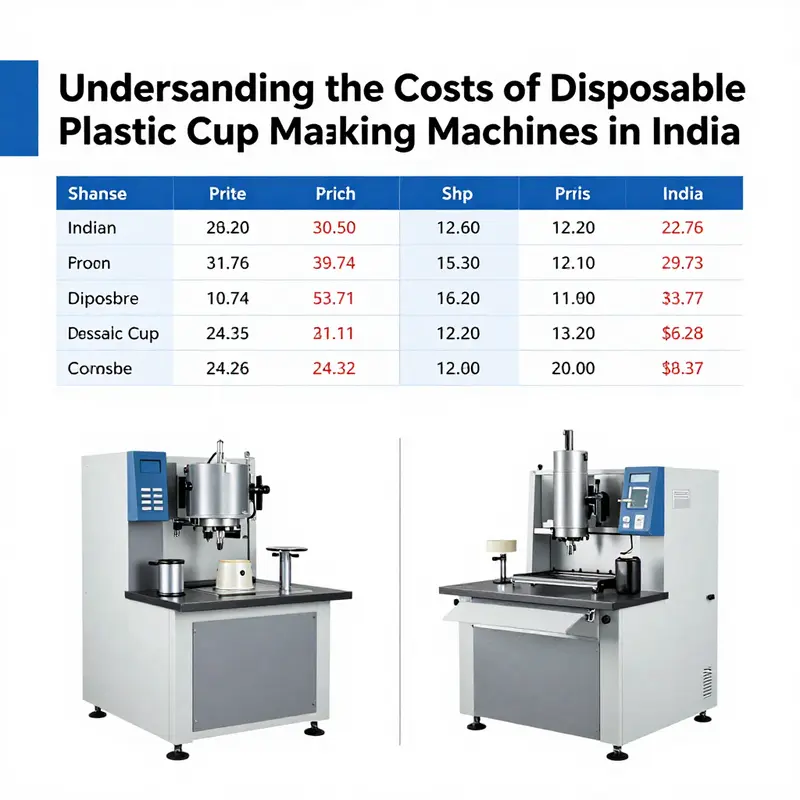
Investing in a disposable cup manufacturing line is as much a strategic decision about cost of ownership as it is about installed capacity. The price tag attached to the machinery is only one part of the equation. In markets as dynamic as India and China, where manufacturing ecosystems, logistics, and after-sales support diverge, buyers must read price in the context of total landed cost, production yield, energy efficiency, and long-term reliability. The decision to acquire a full automation suite for disposable cups cannot be divorced from the broader equipment lifecycle, which includes installation, commissioning, spare parts availability, and technical service. This chapter outlines the price landscape with a focus on how the figures translate into value for Indian buyers, while also contrasting the pricing dynamics seen in China, and it explains why a straightforward sticker price often understates the financial realities of choosing and deploying such plants. It also threads in practical considerations that a serious buyer must weigh before committing to a procurement path, without getting lost in a maze of marketing claims or vague projections. The aim is to anchor the discussion in what the numbers imply for profitability, flexibility, and resilience in a market that regularly wrestles with demand shifts, regulatory changes, and shifting input costs. To connect these ideas with the wider packaging market, a quick glance at related product domains helps illuminate where the price signals come from and how they propagate through a supply chain that serves beverage service, take-away, and on-the-go consumption trends. A suitable entry point for this broader view is to consider how packaging components and ancillary equipment fit into a complete line, including lids, sleeves, and handling systems. See a related packaging product catalog page for more context on how these components are positioned in supplier portfolios.
The public data landscape for disposable cup making machinery clearly shows a price divergence between supplier hubs that centers on automation level, production scale, and the sophistication of the control systems. In China, the market features a broad spectrum of capabilities. A hydraulic thermoforming line, which employs servo-driven stretching and advanced forming controls, typically commands a price in the neighborhood of roughly US$42,000 to US$45,000 per set. The range reflects variations in automaton features, servo drive precision, conditioning systems, and the robustness of the hydraulic platform. In contrast, larger, industrial-grade injection-molding lines aimed at higher tonnage and higher throughput sit at a materially higher price point, often around US$144,000 to US$145,000 per set. The price premium here is a direct reflection of the line’s scale, the rigidity of process control, and the ability to sustain very high cycle rates with tight tolerances. These figures illustrate a market where mid-tier automation offers a compelling balance between cost and output, while high-end systems deliver throughput and control features that align with long-term production objectives and quality consistency.
A different and equally important part of the pricing conversation is the existence of complete lines that bundle everything needed to start a production run, including the cup and lid formation processes in a single, integrated production chain. These complete-line solutions tend to be priced higher than standalone forming units, since they bundle multiple process modules, conveyors, dryers, and sometimes even in-line quality inspection systems. In the data available from Chinese manufacturers, such comprehensive configurations have been quoted in the vicinity of US$63,000 per set for an entire line that covers both cups and associated components. The implication here is clear: buyers paying a premium for a turnkey line may reduce the integration risk and minimize the lead time required to start production, but they must account for the higher initial outlay and the ongoing maintenance needs of a broader system. The price signals from these bundled offerings underscore a strategic decision—whether to prioritize modular, scalable growth with separate purchases over a turnkey approach that accelerates time-to-first-run but binds the buyer to a single supplier ecosystem.
Turning to India, the price landscape presents a notably different frame. Market data indicate a wide dispersion in prices for plastic cup making equipment, driven by the degree of automation, the production capacity, and the specific feature set that a buyer requires. In practical terms, Indian buyers can expect a price spectrum that starts at roughly ₹3 lakh and extends to beyond ₹20 lakh for a single-machine package, translating to approximately US$3,500 on the low end and about US$23,000 for more capable setups. This spread mirrors typical market realities in which local suppliers may offer more accessible entry points for small businesses, while mid-range and higher-end configurations—often imported or assembled with higher local content—command larger price tags. The price range in India reveals a trade-off: smaller, more affordable lines enable entrepreneurs to enter manufacturing with a lighter upfront commitment, but they may encounter constraints on automation, speed, and long-term reliability when compared with higher-end Chinese equipment. The price dynamics reflect broader structural factors such as domestic manufacturing scale, component sourcing, and the relative maturity of the local service and spare-parts networks.
It is important to note that the numbers cited for India and China, though informative, do not capture the full landed cost picture. A true cost of ownership for a disposable cup production line includes the freight and insurance charges to bring the machine to the factory floor, import duties or taxes, the costs of on-site installation and commissioning, training for operators and maintenance staff, and the ongoing expense of parts, energy, and routine servicing. In many cases, buyers in India must add freight costs and potential delays at customs, both of which can shift the total cost by a meaningful margin. In the Chinese market, while the base machine price may be lower for certain mid-range configurations, the total landed cost can escalate if buyers choose high-speed lines with premium control systems or require turnkey installation and remote monitoring services. These variables—logistics, after-sales support, and component availability—are the silent drivers of total cost and, more importantly, of reliability and uptime once the line is in production.
To understand the practicality of these price signals, consider the scale of production and the intended product mix. A shop planning to produce a high volume of single-use cups with relatively tight tolerances would typically favor more automated lines with servo-driven forming and precise cooling cycles. Those capabilities translate into faster cycle times, more consistent weight and wall thickness, and less downtime due to rejects. The corresponding price premium, while nontrivial, can be justified by higher output and lower waste per batch, which in turn reduces unit product cost. On the other hand, a smaller operation or a startup that prioritizes a lean initial investment may opt for a more modest line with simpler automation. In such cases, the decision hinges on expectations for demand growth, the capacity to absorb a gradual ramp-up in production, and the degree to which quality targets can be met without a heavy capital expenditure. In both scenarios, a rigorous total-cost-of-ownership assessment should be front-loaded in the procurement process to prevent misalignment between budgeted capital and actual operating expenditures over the line’s lifecycle.
A practical implication for Indian buyers is that price alone should not drive the selection of a cup-making line. The purchasing decision must weigh the availability of local service networks, the ease of sourcing spare parts, and the likelihood of achieving the promised uptime. In India, the relative underdevelopment of some regional service channels means that a cheaper machine with limited after-sales support may incur higher maintenance costs or longer downtimes, eroding the initial savings. Conversely, a higher upfront investment in a line from a supplier with a robust service footprint can yield steadier production rates and lower risk exposure. This dynamic often makes the economic case for a higher-priced, better-supported option, especially when production is intended to scale or when the business is part of a multi-site operation that benefits from standardization and centralized maintenance planning.
Beyond the sticker price, buyers should also consider the technology trajectory of the market. Automation in the cup-making sector continues to evolve, with greater emphasis on servo control, closed-loop process monitoring, and energy-efficient drive systems. The prospect of integrating Internet of Things (IoT) connectivity, remote diagnostics, and predictive maintenance can shift the calculus in favor of lines that deliver stronger uptime and faster service response times. While these features add cost, they can be pivotal for operations that require consistent output, tight quality control, and rapid troubleshooting in remote locations. Indian buyers, in particular, may find that the long-term savings from reduced downtime and optimized energy use offset the higher initial investment in more advanced equipment, especially when the production volume justifies such capability.
When contemplating the procurement path, it is also essential to think through sourcing strategies and supplier ecosystems. Chinese manufacturers often offer a broad spectrum of configurations and a well-established and export-oriented supply chain. This can translate into competitive pricing, flexible payment terms, and rapid availability for certain standard configurations. Yet, buyers must temper optimism with due diligence around local installation support, warranty coverage, and the availability of skilled technicians for ongoing maintenance. Indian suppliers may offer closer alignment with local regulatory requirements, faster spare parts delivery within the region, and a more accessible service structure, but the range of high-end models may be more limited, and the pace of technological advancement can be slower than in some export-driven markets. The upshot is that buyers should perform a careful, side-by-side comparison that includes not just the base price but also the total cost of ownership, supplier reliability, and the ability to adapt to evolving production needs.
To help anchor these considerations with a practical pathway, buyers should begin with a clear specification of what the line must achieve in terms of output and quality. A well-defined spec helps isolate the most critical cost drivers, such as cycle time, yield, energy intensity, and the required level of automation. It also clarifies the kind of after-sales service and parts availability that will be essential in the first year of operation. With these criteria in hand, procurement teams can solicit formal quotations from multiple suppliers, including local distributors who can provide on-site installation and commissioning, and international manufacturers who offer export-grade support networks. The goal is to compare equivalent configurations, not merely price proxies, so that the total cost of ownership is truly comparable across options.
In this context, the decision framework should also account for the broader market conditions in both countries. Currency fluctuations, import policies, and the risk profile of supply chains can shift the relative attractiveness of a given option over the life of the asset. Given the price ranges discussed—roughly US$42k–US$45k for mid-range hydraulic thermoforming lines in China, around US$144k–US$145k for larger injection-molding configurations, and the Indian price band of ₹3 lakh to ₹20 lakh for single machines—the choice becomes less about the price tag and more about which solution best aligns with expected demand, product mix, and the resilience of the production plan under real-world operating conditions.
For readers seeking a tangible sense of how the price signals translate into procurement strategy, a practical takeaway is to treat the machine price as a starting point rather than a final decision. The next step involves assembling a total-cost-of-ownership model that incorporates installation, commissioning, training, spare parts, energy use, and anticipated maintenance cycles. In many cases, a more expensive line with stronger local support can deliver a lower cost per unit over time, thanks to higher uptime and more predictable maintenance expenses. Conversely, a cheaper entry-level setup may constrain growth and induce higher per-unit costs as volumes rise, necessitating earlier reinvestment or parallel lines. In both cases, buyer expectations about scale, timeliness, and risk tolerance should shape the procurement rubric and the negotiation strategy with suppliers.
The discussion above also points to a broader, often overlooked consideration: how closely the purchase aligns with the business’s downstream packaging needs. A line designed to produce cups for hot beverages may require different quality controls than a line focused on cold beverages, or on containers of varying shapes and sizes. Buyers must confirm whether the equipment can adapt to future packaging formats, or whether a modular approach—starting with a smaller, upgradeable core and expanding with additional modules—offers greater long-term value. This flexibility can be particularly advantageous for Indian manufacturers who foresee diversification into related product lines or who want to hedge against shifts in consumer preferences that favor different cup capacities or lid configurations.
In closing, the price landscape for disposable cup making machinery in India and China reflects a balance between upfront affordability and long-term value. Chinese suppliers often provide competitive pricing across a range of automation levels, with high-end lines delivering superior throughput and control, while Indian buyers benefit from a broader spectrum of entry-level options that lower the initial barrier to market entry. The right choice depends on projected production volumes, the reliability of local service networks, and the ability to secure a favorable total cost of ownership. Buyers should pursue a disciplined evaluation framework that emphasizes not only the immediate purchase price but also the long-term performance, maintenance footprint, energy efficiency, and the flexibility to adapt to evolving market demands. For a broader view of packaging solutions and related product categories, explore a packaging product catalog page that provides context on how adjacent components fit into the overall packaging ecosystem. https://greendispopack.com/product/disposable-700ml-kraft-paper-bowl-take-out-octagonal-rectangle-paper-bowl/
External resource for further context on global pricing dynamics and real-time quotations: https://www.alibaba.com/product-detail/Plastic-Cup-Making-Machine-Price-China_1600585223472.html?src=shop&scm=1007.13001.21004.1600585223472&source=shop
From Throughput to Tariffs: Mapping the Price Landscape of Disposable Plastic Cup Making Machines in India
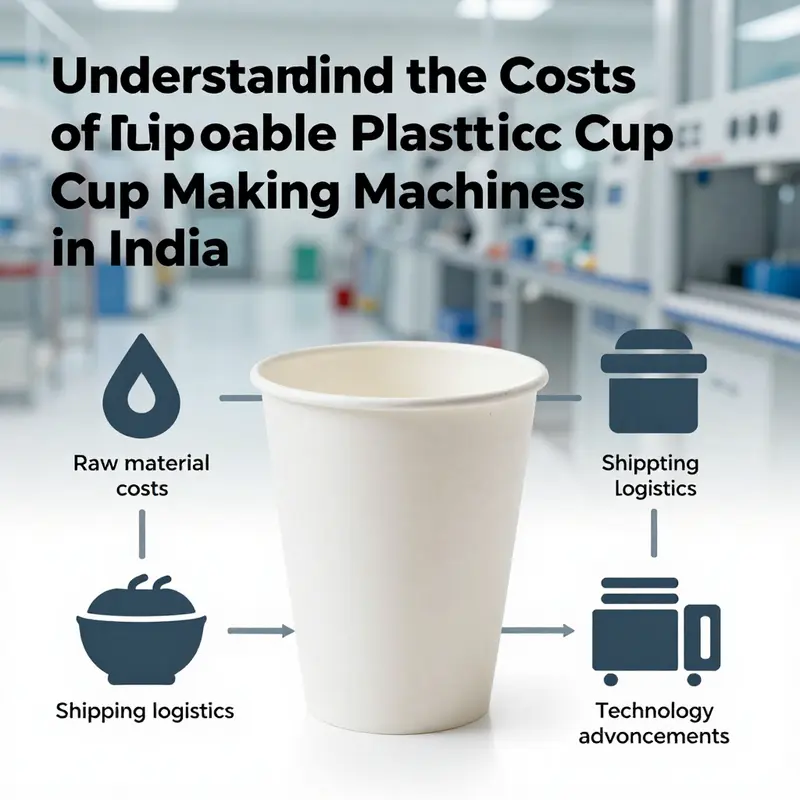
Prices for disposable plastic cup making machines in India sit at the intersection of global supply chains, local demand, and the technical realities of converting plastic resin into finished cups that meet food-safety standards. The available data points, while not exhaustive for the Indian market, reveal a two-layer reality. On one layer, Chinese manufacturers frequently publish price bands for complete lines and fully automatic forming systems intended for disposable cups. On the other layer, buyers in India must reckon with the added costs of import logistics, duties, installation, and local service. The synthesis of these factors yields a price map that is less a single sticker price and more a dynamic range, shifting with capacity, automation level, material choice, and the intended application—cold beverages, hot beverages, or microwavable cups. This complexity matters because decision makers in Indian operations seldom optimize for the upfront price alone. They must weigh that price against throughput targets, energy consumption, downtime costs, and the reliability of after-sales support in a market with a wide spread of supplier networks. In this context, the initial price cues from Chinese equipment vendors provide a baseline, but they are only a starting point for a deeper, more India-centric cost assessment that buyers must perform before committing to a line that will operate for years. The most accessible benchmarks point to two typical configurations: an automatic forming machine for disposable plastic coffee cups and a complete production line that also handles cup lids. The first is a single-asset option designed to convert sheet stock or preformed blanks into cups with minimal manual intervention, while the second represents an end-to-end solution that includes lid fabrication or lid mating in a single facility footprint. The published ranges suggest a substantial premium for the full-line approach, reflecting the added automation, material handling, and process integration required to deliver a turnkey production capability. Specifically, price ranges cited by Chinese suppliers indicate roughly twenty-six thousand to thirty-six thousand U.S. dollars per set for a fully automatic forming machine, with the understanding that the 1-set minimum order quantity applies. A separate offering, a complete line that pairs disposable cups with cup lids, is quoted at around sixty-three thousand U.S. dollars per set. While these numbers provide a directional sense of the capital outlay, they do not capture the full landed cost for an Indian buyer. Transport risk, insurance, port handling, customs duties, and the invoicing currency all contribute to a real-world price that may be markedly higher once these factors are included. In practice, the landed price will differ from the quoted price, and procurement teams should build a budget that accommodates these add-ons, plus on-site installation, staff training, and a period of on-site tuning to achieve acceptable yield and cycle times. For managers seeking a closer approximation to what they will pay in India, it is prudent to contrast these foreign price signals with local supplier offerings and to use India-specific cost modeling that includes taxes, freight, and the cost of downtime during installation. The broader lesson is that price in this sector is not a one-time figure but a spectrum that reflects not only hardware cost but the total cost of ownership over the machine’s lifecycle. When translating the initial price bands into Indian currency terms, buyers should consider that the rupee value will rise or fall with the exchange rate, and that the logistics envelope will include freight insurance, port charges, involvement of clearing agents, and the potential for delay-driven costs. In other words, the headline USD price is a useful anchor, but it should be adjusted to reflect local realities before any budgeting or financing discussions take place. Against this backdrop, buyers should also examine the capacity profile of the equipment in price terms. In India, as in many growing markets, there is a natural alignment between production scale and cost efficiency. Small-scale systems, suited for startups or regional distributors, typically deliver outputs in the range of one thousand to five thousand cups per day. Price-wise, these compact lines tend to be positioned in a bracket roughly between three and six lakh rupees. For a mid-sized operation seeking broader distribution reach, the target production range often falls between five thousand and twenty thousand cups a day, with corresponding price bands in the eight to fifteen lakh rupee area. Large-scale, fully automatic configurations capable of exceeding fifty thousand cups per day start at around fifteen lakh rupees and move upward with the sophistication of controls, the number of stations, and the redundancy built into the line. These numbers illustrate how throughput acts as a direct proxy for capital intensity: higher daily outputs require more robust servo-driven systems, larger clamping units, more powerful heating elements, and longer mold banks. The result is a direct correlation between capacity and upfront investment that is typically visible in the market as a stepped price ladder rather than a flat price. This ladder, however, sits atop another axis: the level of automation. Semi-automatic machines, which demand greater human intervention for loading raw material and removing finished cups, exhibit lower upfront costs. They also introduce higher labor requirements and potential variability in cup consistency, which can lead to higher operating costs over time. Fully automatic machines, by contrast, shift much of the repetitive work to automated feeders, servo-driven axes, PLC-based control logic, and precision ejection. These capabilities yield tighter tolerances, more uniform wall thickness, shorter cycle times, and greater repeatability across shifts. The premium attached to higher automation in India often sits in the eight to fifteen lakh range for mid-to-high-end models, reflecting the economic logic of labor savings, quality consistency, and the ability to scale production without proportionally scaling headcount. In practical terms, a buyer weighing automation levels must consider the trade-off between capital outlay and ongoing labor costs. For a plant designed to run two to three shifts per day, the savings from reduced manual intervention can be substantial over a five-year horizon, particularly when wage growth or labor availability risks are factored in. The type of plastic material processed also plays a non-trivial role in the price architecture. PE, commonly used for cold beverage cups, generally requires lower processing temperatures and simpler molding cycles, which translates to somewhat lower tooling and heating costs. PP, favored for hot beverages due to its higher heat resistance, demands more intense heating, stricter temperature control, and often more robust cooling and cycle management. As a result, PP-oriented machines tend to command a higher base price, reflecting the added energy input and control system sophistication necessary to maintain product integrity under higher thermal stress. The material choice becomes particularly salient for Indian buyers who must decide whether the cups will be used for hot drinks or for cold beverages; the decision will influence not only the component costs but also the maintenance profile and the long-term energy footprint of the line. The technology under the hood—thermoforming versus injection molding—further shapes the price narrative. Thermoforming remains the dominant method for disposable cups in many markets because it offers high production speeds, favorable wall thickness consistency, and quick mold-changeover for size and design variations. Yet thermoforming is energy intensive and may incur higher initial setup costs due to the heater banks and mold arrays. Injection molding clients, while offering superior wall strength for thicker-walled designs, tend to be slower and more expensive, making them a less common choice for standard single-wall or double-wall disposable cups in mass markets. When Indian buyers consider these technology choices, they must balance speed, material thickness, and the flexibility of mold changes against the total cost of ownership. In parallel, compliance with food-grade standards and quality management practices—often articulated through ISO certifications and related certifications—adds to the cost pool. This is not merely a compliance exercise; it is a strategic element that influences reliability, warranty terms, and access to a service network. Reputable brands that maintain strong quality assurance programs ordinarily command premium pricing, but they also bring with them the assurance of easier parts availability, faster diagnosis of faults, and a more predictable maintenance ecosystem. Local support matters deeply in the Indian market, where geographic spread and service-network density vary widely by region. Buyers who anchor their procurement to a vendor with a robust local presence tend to incur lower downtime, faster response times, and a more predictable maintenance cost profile. These advantages, while costing more upfront, can yield a lower total cost of ownership during the machine’s lifetime. The procurement decision, therefore, must integrate not only the headline price but the expected service reliability, the ease of obtaining spare parts, and the vendor’s ability to deploy trained technicians who can calibrate the lines to achieve consistent outputs across multiple shifts. Buyers should also be mindful of the broader commercial terms that accompany the machine price. Import duties and local taxes, value-added tax regimes, and the applicability of GST can significantly affect the final invoice. Currency volatility can alter the relative attractiveness of a vendor’s quote over the course of a multi-year procurement cycle. Financing options, including vendor-backed installment plans or bank credit facilities, can alter the effective price of ownership by distributing payments over several years, thereby changing the economics of capital allocation for a growing food-service or packaging business. In practice, wise buyers structure a total cost of ownership model that accounts for capex, installation, commissioning, energy use, maintenance, spare parts, waste handling, and the cost of downtime due to machine or line failures. A comprehensive model helps ensure that the organization selects a machine that not only fits the current order book but also scales with projected demand, accommodates potential line expansions, and remains compatible with evolving safety and environmental standards. To illustrate how the market conversations unfold, consider the scenario of a mid-sized beverage distributor assessing a two- to four-shift operation. The initial price signals from online catalogs or overseas suppliers may show a usable baseline. Yet the distributor must incorporate imported freight, duties, and possible delays in delivery timeframes. They must also account for installation charges, training for operators and maintenance staff, and potential on-site testing and adjustment of cup geometry to maintain tight tolerances across different cup sizes. With these factors in play, the resultant financial picture is far from a fixed price; it becomes a negotiation surface where technical feasibility, service assurances, and downstream supply chain continuity carry as much weight as the raw price. For readers seeking a direct reference to the Indian landscape, a practical path is to review an official Indian supplier’s catalog, which offers localized quotes and specifications tailored to the Indian market. This resource can serve as a bridge between the general price bands discussed above and the concrete terms a buyer would encounter in a regional procurement process. [disposable single-wall paper cup with lid] is an example of how similar packaging equipment literature is accessible online and can help buyers compare adjacent technology choices. While not a substitute for a focused evaluation of plastic cup making machinery, it provides a contextual reminder that adjacent packaging lines, even those in paper and composite materials, share common cost drivers such as automation, process control, and after-sales support. In the end, arriving at an informed price decision in India requires a careful synthesis of the initial equipment quote, the landed cost of imports, the chosen material system, and the level of automation that best aligns with production goals and labor strategy. The conversation must also factor the expected uptime and the maintenance cadence that a plant can sustain. Buyers who develop a disciplined approach—one that includes scenario planning for two, three, and four-shift operations—stand a higher chance of selecting a line that not only meets the current demand but remains adaptable to changes in cup sizes, wall thickness, and design configurations over time. As the market evolves, a prudent buyer should maintain a living cost model, updating it with real-world data from installation projects, after-sales service experiences, and energy consumption metrics. In doing so, they can identify optimal moments to renegotiate service contracts, order spare parts in bulk, or adjust the automation mix to preserve throughput without incurring unnecessary capital expenditure. For those who want to begin this journey with a concrete reference point, the Indian price ecosystem remains a mosaic, with credible quotes emerging from domestic suppliers and credible estimates from overseas manufacturers. The key for buyers is to anchor their analyses in a robust total-cost-of-ownership framework, recognize the country-specific cost layers, and align the investment with long-term strategic goals—whether that means expanding distribution, entering new markets, or offering hotter beverage cups that require PP-compatible equipment. External resource: https://www.indiamart.com/plastic-cup-making-machine/
Chapter 4: Weighing the Bottom Line — Economic Viability of Disposable Plastic Cup Making Machines in India
The decision to invest in a disposable plastic cup making machine in India sits at the intersection of market momentum, capital discipline, and the realities of a complex supply chain. The country’s fast-moving consumer goods (FMCG) ecosystem continues to expand, urbanization accelerates, and a thriving street food and quick-service restaurant (QSR) landscape keeps disposable packaging in steady demand. In practical terms, this means the market for affordable, hygienic, and convenient cups is not a fringe opportunity but a core operating consideration for many small-to-mid-sized manufacturers and larger packaging integrators. Industry observations point to a disposable packaging market in India growing at a healthy pace, with projections suggesting a compound annual growth rate (CAGR) of around 10% through the next decade. That trajectory, while encouraging, rests on the ability to align production capacity with the rhythm of demand while controlling the costs that determine long-term profitability. The chapter that follows navigates these tensions—the price signals from overseas equipment vendors, the realities of local cost structures, and the strategic choices that turn an upfront capital outlay into durable competitive advantage in a price-sensitive market.
From a price-structure perspective, buyers face a spectrum of options and corresponding cost tiers. For a fully automatic forming machine specifically suitable for manufacturing disposable plastic cups, international suppliers have historically quoted ranges in the vicinity of 26,000 to 36,000 USD per set, with a typical minimum order quantity of one set. This bracket generally captures high-automation equipment designed to deliver consistent cup dimensions, reliable cycle times, and robust downstream compatibility with cup ejection, stacking, and packaging workflows. In some cases, a complete production line that includes both the cups and associated lids can push the investment higher—examples from supplier catalogs show lines in the vicinity of 63,000 USD per set. Notably, these price references originate from Chinese manufacturers, reflecting a global supply dynamic where Indian buyers often weigh the cost advantages of importing equipment against the added layers of import duties, freight, insurance, and after-sales support.
Translating those dollar figures into local currency underscores how capital budgeting must be grounded in the Indian context. Using a practical mid-market assumption for exchange rates, the automatic forming machine might cost roughly INR 2.2 million to INR 3.0 million (about 21–30 lakh rupees) per set, while a full production line that covers cups and lids could amount to roughly INR 5.0 million to INR 6.0 million. These are ballpark figures that illustrate scale rather than precise quotes. The true landed cost—the sum of equipment price, international freight, import duties, port handling, inland transportation, installation, electrical and hydraulic hookups, and on-site training—will deviate based on shipping routes, local duties, and the specifics of the installation site. The implication is clear: the headline price is only the entrance fee to a broader cost of ownership, and successful ventures must model the cascading costs that follow deployment.
Beyond the hardware bill of materials, the operating economics hinge on the production cost per cup, throughput, energy and utility consumption, maintenance, and the strength of after-sales service. Manual or semi-automatic machines, though attractive on upfront cost, typically impose higher labor needs and exhibit limited daily output. In rural or off-grid contexts, where electricity reliability and skilled technicians may be scarce, a simpler, manually driven setup might appear appealing as a pilot or micro-enterprise. Yet the trade-off is a lower and less predictable production volume, higher variable labor costs, and potential quality inconsistencies that can ripple through consumer perception and brand value. For most medium to large-scale producers aiming to compete on price, accuracy, and reliability, semi-automatic or fully automated systems offer superior long-run economics—provided the investment is calibrated against demand, capacity utilization, and the life-cycle costs of the machinery.
A nuanced view of the cost structure also requires considering material and process choices. Polypropylene (PP) and high-density polyethylene (HDPE) remain the dominant resins for disposable cups because of their strength, heat resistance, and relative cost-effectiveness. The choice between a line designed for cold drinks, hot beverages, or both drives design features, cycle times, and material handling requirements. An automation package that can handle multiple cup sizes and shapes adds flexibility and reduces the need for frequent capital refreshment as consumer preferences evolve. This degree of versatility can meaningfully boost throughput and better absorb fluctuations in demand caused by seasonal peaks in street food vending, festival seasons, and school or corporate events. In a market where product differentiation is often achieved through simple but reliable performance, the investment argument strengthens when the equipment can be reconfigured with minimal downtime to address new size formats or packaging requirements.
The ROI calculus in India is inseparable from policy incentives and the evolving regulatory environment. The national push toward Make in India and the promotion of localized manufacturing add layers of potential tax relief and regulatory ease that can tilt the economics in favor of domestic assembly and production. While the precise tax credits, exemptions, and import duty adjustments vary by policy cycles and component classifications, the overarching effect is to reduce the landed cost of machinery and to shorten the payback period for local manufacturers who source critical components domestically or reassemble imported modules locally. A well-planned plant, therefore, can leverage these policy signals not as a one-off subsidy but as a structural improvement in cash flow, lowering the hurdle to scale production and to sustain competitiveness over several business cycles.
An important design consideration for viable setups is the allocation of capacity and the strategy for incremental scaling. A prudent approach often begins with a semi-automated configuration that bridges the gap between manual labor and full automation. This staged path minimizes upfront risk while preserving the option to expand as orders grow. In practice, the initial phase can target a modest daily output—enough to service a few delivery channels, small QSR partners, and local retailers—while preserving a buffer for maintenance and downtime. The more aggressive path—moving directly to a fully automated line—may be justified only when demand signals indicate a clear, sustainable peak in volume and when the marginal cost of additional automation is outweighed by predictable throughput and improved product consistency. The capacity planning must also account for downstream integration: quality inspection, cup stacking, warehousing, and the ability to adapt quickly to new cup sizes or branding requirements demanded by clients.
The strategic decision to invest in disposable plastic cup making equipment also has to address market diversification and risk management. While plastic cups remain the most common packaging choice for many beverages, operators increasingly explore complementary formats to hedge against market shifts, environmental concerns, and regulatory constraints. The broader disposable packaging landscape includes a spectrum of options—from paper and pulp-based cups to compostable and biodegradable alternatives. This diversification is not merely a hedge; it can be a growth pathway. A few producers maintain a mixed portfolio that combines PP/HDPE cup production with contract manufacturing or white-labeling of paper-based cups, or even with specialty lids and closures, to capture opportunities across different consumer segments and price points. Tapping into such adjacent capabilities can improve plant utilization and stabilize revenue during seasonal troughs, while also laying the groundwork for a transition strategy should policy or consumer preferences tilt toward more sustainable options.
Operational realities in India also shape the viability narrative. The cost of electricity, water, compressed air, and waste management services varies region by region, as do the practicalities of installation and commissioning. Local vendors and service networks—whether Indian manufacturers or regional import agents—play a pivotal role in achieving timely maintenance, rapid spare parts turnover, and predictable downtime. This is not simply a service consideration; it directly affects the machine’s uptime and, therefore, the total output achievable in a given shift. A robust after-sales ecosystem reduces the residual risk that otherwise dampens the project’s internal rate of return. For buyers, a careful due diligence process that evaluates not only the machine’s technical specifications but also the quality of training, the availability of spare parts, and the reliability of the service network can be as important as the equipment price itself.
Evaluating the economics also entails looking at the broader ecosystem that supports manufacturing in India. The market’s growth trajectory, the rise of organized and semi-organized packaging players, and the influence of local and regional supply chains contribute to a favorable backdrop for scalable production. Industry analyses indicate that the disposable packaging segment is expanding due to demand for convenience, brand differentiation, and the expansion of modern retail formats. In this context, a plant that can deliver consistent cup quality at scale, with efficient energy use and reliable uptime, stands a better chance of achieving favorable margins even in price-competitive segments. The cost discipline, then, extends beyond the machine price to encompass energy efficiency, material utilization, waste reduction, and maintenance optimization, each of which compounds profitability over the life of the asset.
As a practical blueprint, future investors should treat the machine price as the entrance fee to a broader consideration set: throughput, quality control, and total cost of ownership. A well-articulated plan will specify the expected daily cups, the mix of cup sizes, the anticipated downtime, and the maintenance schedule. It will map out the cash flow timeline, highlighting the payback period under different utilization scenarios and with and without policy incentives. It will also anticipate the potential need to pilot a smaller operation before committing to a larger autonomous line, taking advantage of modular upgrades that align with market growth. The synthesis of demand signals, capital cost, and lifecycle economics creates a robust framework for decision-making that can guide both first-time entrants and established packaging firms seeking to expand capacity in India.
For readers seeking broader context on market dynamics and growth trajectories, relevant industry analyses highlight a resilient path forward for disposable packaging in India, underscoring that the 10% CAGR through 2030 is anchored in practical consumption patterns and urban consumer behavior. To connect with a broader view of the market environment and to situate the investment decision within the wider packaging landscape, see the external resource linked here. In addition, for those exploring adjacent packaging formats and the potential for portfolio diversification, one internal reference provides a practical example of disposable takeaway options that producers may consider alongside plastic cup lines: disposable coffee paper cup with lids.
Ultimately, the economics of disposable plastic cup making in India hinge on translating a potentially favorable price-to-performance equation into durable, scalable operations. The initial price tag represents only one dimension of value. The true test lies in the plant’s ability to convert capacity into consistent throughput, maintain quality across volumes, and manage a total cost of ownership that remains favorable as demand evolves. With a thoughtful deployment plan, an emphasis on modular growth, and engagement with policy and supplier ecosystems that support domestic manufacturing, investors can position a new cup production line to capture growth opportunities while maintaining prudent financial discipline. The stage is set for a productive alignment between market demand, technological capability, and cost management—the core ingredients for economic viability in a market where growth and cost efficiency are inextricably linked.
External resource for broader market context: https://www.indiainfoline.com/industry/indian-disposable-packaging-market-to-grow-at-10-cagr-through-2030-126987.html
Final thoughts
The investment in disposable plastic cup making machines presents a strategic opportunity for businesses seeking to scale efficiently in the beverage sector. By understanding pricing dynamics and the factors that influence costs, you can make informed decisions that align with your operational goals. As demand grows, having reliable, efficient equipment can improve service quality, reduce waste, and support sustainable practices. Consider total cost of ownership, supplier reliability, and after-sales support to maximize return on investment.