
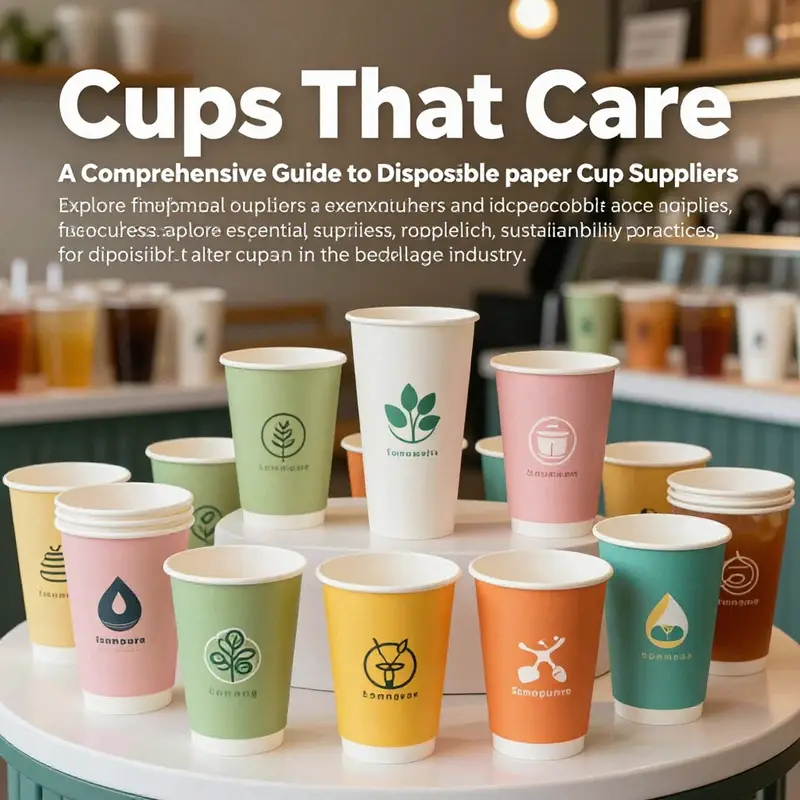
The demand for disposable paper cups has surged, particularly among beverage outlets like bubble tea shops, food trucks, catering services, and restaurants. Finding the right supplier can mean the difference between quality service and disappointment. As you navigate this growing market, the following chapters will dive into key suppliers and marketplaces, specialized manufacturers, insider sourcing advice, current market trends, and sustainability practices within the disposable paper cup industry—equipping you with the knowledge to make informed decisions for your business.
Navigating the Global Network of Disposable Cup Suppliers: From Marketplaces to Custom Solutions
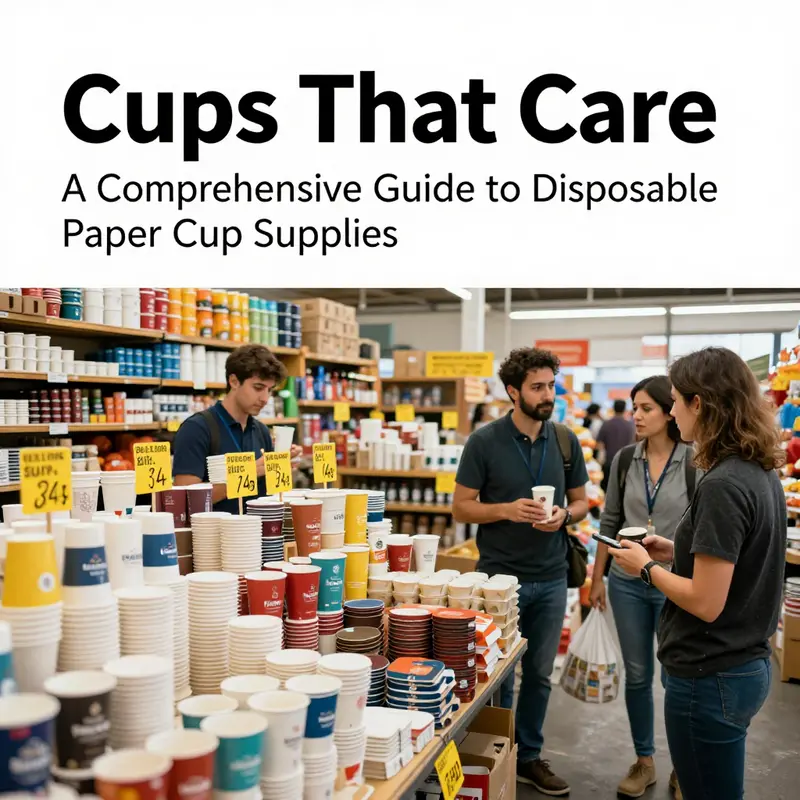
In the hospitality supply chain for disposable paper cups, buyers seek reliability, predictable lead times, and branding options. Marketplaces connect buyers with a broad range of suppliers, standardize product definitions, and present performance data to help compare compatibility with production lines. Beyond platforms, specialized manufacturers offer hot and cold cup designs, grease-resistant linings, and branding capabilities such as logo printing and color matching. A practical sourcing approach combines pilot orders, clear specifications (cup size, temperature range, coating, lid compatibility, and branding), and verifiable certifications to reduce risk. Testing samples and assessing manufacturing capacity are essential steps to ensure scale during peak periods. Standardizing on a core set of sizes and lids simplifies inventory while preserving branding opportunities. A disciplined, multi-channel sourcing strategy that emphasizes supplier relationships and ongoing quality checks yields reliable supply and a consistent guest experience.
From Coating Lines to Custom Logos: The World of Specialized Disposable Paper Cup Manufacturers
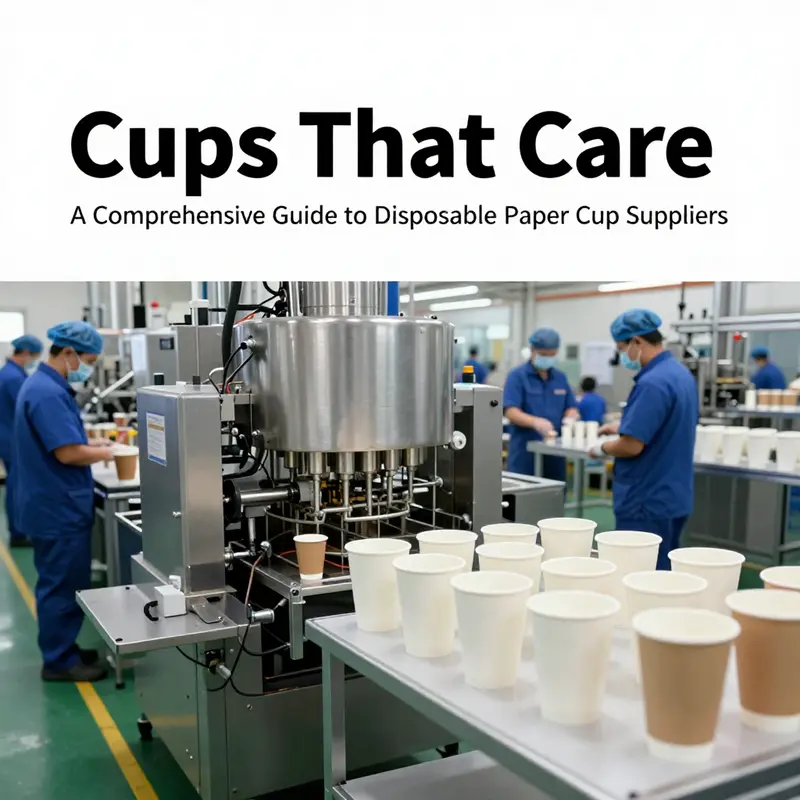
Specialized manufacturers of disposable paper cups sit at the intersection of material science, precision engineering, and brand storytelling. They are not simply vendors of a single commodity; they are partners in a production ecosystem that must deliver reliable performance, food safety, and design flexibility at scale. In this chapter, we trace how these producers move from raw stock to finished cups that meet specific temperature, viscosity, and branding requirements, all while navigating the pressures of rapid order cycles and evolving consumer expectations. What emerges is a narrative of capability: the in-house capabilities that keep production tight, the trade-offs that shape every choice, and the ways buyers can work with these suppliers to unlock value beyond price alone.
At the heart of specialized manufacturing is the ability to control the entire production chain. Some facilities run their own coating lines, printing presses, and cup forming equipment, ensuring that every layer—from liner protection to outer decoration—meets defined safety and performance standards. This vertical integration translates into predictable quality and shorter feedback loops when adjustments are needed. It also supports a broader array of configurations, from different wall constructions to varied lid compatibilities, without forcing buyers to juggle multiple vendors. In practical terms, this means a supplier can tailor a cup’s insulation, rigidity, and surface finish to specific serving contexts—hot beverages that demand heat retention, cold drinks that require moisture resistance, or soups and broths that need sturdy, leak-resistant rims.
Another defining feature is the capability for customization. Printing techniques that couple color fidelity with food-safe inks make it feasible to carry a brand’s visual identity directly onto the cup. Flexo printing, for example, enables multi-color designs on single-wall and double-wall formats, while laser-etched or embossed textures can add tactile cues that enhance grip and perceived quality. The result is not merely a container, but a lightweight marketing channel that travels from cafe counter to consumer’s hand. For buyers who want to test concepts before full-scale production, many manufacturers offer robust sample programs and short-run trials that help verify print durability, adhesion, and color accuracy under typical service conditions. This testing mindset—rooted in practical trial runs rather than theoretical specs—reduces the risk of a costly misfire when large volumes are involved.
With insulation and branding sorted, the choice of cup structure becomes a strategic design decision. Double-wall configurations provide enhanced insulation and a premium feel, while ripple- or wave-wall variants can introduce improved thermal performance and a distinctive aesthetic. The variations extend to lids and liners as well, which must align with the cup’s geometry and with user expectations around spill resistance and ease of use. The ability to converge these elements in a single, coordinated production line is a tangible marker of specialization. It allows manufacturers to offer a spectrum of options—from more economical single-wall formats for cold beverages to premium multi-layer systems that perform under pressure and stay visually consistent across multiple batches. In some cases, manufacturers also explore eco-conscious alternatives, notably paper-based coatings and barrier systems designed to reduce permeability and moisture transfer without compromising recyclability or safety. These considerations matter because consumer preferences are increasingly shaped by sustainability narratives as much as by price and convenience.
Quality systems underpin all of these capabilities. A specialized producer builds quality into every stage—from incoming material checks to in-line process controls and final packaging validation. Raw sheets are examined for uniform thickness and surface integrity; coatings are tested for adhesion and barrier performance; and printed graphics undergo color verification to ensure brand integrity survives the rigors of transport and handling. Temperature cycling, immersion in hot liquids, and mechanical stress tests are common parts of the evaluation protocol. Third-party certifications and internal audits reinforce confidence for buyers who must demonstrate compliance to buyers’ own standards or regulatory requirements. In practice, this means a supplier can stand behind a product with documented evidence of safety, consistency, and traceability, which is especially important when orders scale up or when cups pass through multiple hands on the way to the consumer.
The capacity to deliver at scale is inseparable from reliable logistics and after-sales support. Specialized manufacturers invest in flexible production schedules, redundant equipment, and dimensional tolerances that remain stable across batches. This resilience matters during peak seasons when weeks-long lead times can become bottlenecks. It also matters for customers who require continuity of supply across product families—whether expanding a line with new shapes or adding lids and sleeves that must fit a range of cup sizes. Buyers benefit from clear communication channels, proactive issue resolution, and the ability to adapt specifications as market demands shift. In a landscape where brands increasingly expect speed without sacrificing safety, a supplier’s readiness to respond to design changes, material substitutions, or packaging revisions can be as valuable as unit price.
Beyond the shop floor, a specialized manufacturer often serves as a collaborative partner in product development. Shared ideation around consumer-facing features—such as textured surfaces for grip in wet environments, or heat-shielding designs that mitigate burn risk—can move a project from concept to appliance-grade reliability. This collaborative posture is reinforced by structured design-to-manufacture workflows, which ensure that new ideas are evaluated in terms of manufacturability, cost implications, and lifecycle impact. For buyers, this means that the transition from prototype to production is smoother, and the risk of late-stage design changes is reduced. It also means that a supplier can respond rapidly when a concept demonstrates strong market potential, turning a promising idea into a tested, scalable offering within tight timelines.
The landscape of specialized disposable cup manufacturing is not static. It is continually evolving in response to macro trends—shifts in consumer behavior, developments in packaging regulations, and advances in sustainable materials research. Buyers who understand that a cup is more than a simple shell will be better positioned to select partners who can deliver not only a product but a capable platform for brand storytelling and market differentiation. As demand patterns diversify, manufacturers increasingly emphasize modular design, where every component—cup body, liner, insulation layer, and lid—can be interchanged without compromising performance. This modularity supports customization at scale and reduces the need for bespoke tooling for every new run, preserving both cost and lead time advantages for customers.
For those seeking practical examples of the kind of offerings that a specialized producer can deliver, a closer look at a representative customization option illustrates the point. This particular configuration embodies the integration of design, materials, and process controls that define specialization: a double-wall, ripple-textured cup with a fitted lid, produced with a coordinated surface print and a rigid seating edge to minimize leakage. The design intent is clear—maximize thermal comfort for hot beverages, provide a secure seal, and present a brand message with legible graphics. The path from concept to finished product in this case typically involves a short qualification cycle, sample validation, and a staged rollout that aligns with the buyer’s procurement calendar. Such a workflow underscores why buyers who engage with dedicated manufacturers often secure more reliable performance and more consistent branding than those who rely on generic, non-specialist supply channels. In practical terms, it means a café or foodservice operator can count on identical cup geometry and print quality across multiple locations, a factor that contributes to a cohesive customer experience and fewer quality-control surprises over time.
To illustrate the breadth of available options without naming specific vendors, consider the broader ecosystem of product families that specialized producers support—ranging from simple, economy-oriented variants to premium, feature-rich formats designed for high-traffic environments. The common thread is that each family is the product of careful material selection, process control, and design-for-manufacture thinking. Buyers who understand this nuance appreciate that price alone is not a sufficient proxy for value. The right partner will offer a balanced package: reliable performance, customization flexibility, robust quality assurance, and a development pathway that aligns with brand goals and regulatory obligations. As the market continues to demand more responsible packaging solutions, these manufacturers are expanding their portfolios to include recyclable and compostable options where feasible, without compromising the user experience or safety.
For readers who want a concrete touchpoint within this category, a real-world reference point is available through a detailed product profile that showcases how a customized, double-wall ripple-wall cup with lid can be implemented in a production environment. This example demonstrates how design choices translate into measurable benefits—stability during handling, effective insulation, and on-brand presentation. custom-disposable-double-wall-ripple-wall-paper-cup-with-lid.
As buyers move forward, they should keep in mind that the value of specialized manufacturers extends beyond the immediate product. It encompasses partnerships that help translate a brand’s visual identity into a reliable physical form, with predictable performance across varied service scenarios. The most successful collaborations are characterized by open communication, clear specifications, proactive problem-solving, and a shared commitment to safety and sustainability. In the chapters that follow, we will further explore how marketplaces and verification practices influence supplier selection, and how buyers can leverage these tools to minimize risk while maximizing the alignment between product design and consumer expectations. External resources and industry references provide additional perspectives on materials, coatings, and testing regimes that inform these decisions. External resource: https://www.alibaba.com/product-detail/High-Quality-7oz-Disposable-Paper-Cup-Single-Wall_1600498352577.html
Choosing with Confidence: A Practical Guide to Sourcing Reliable Disposable Paper Cup Suppliers
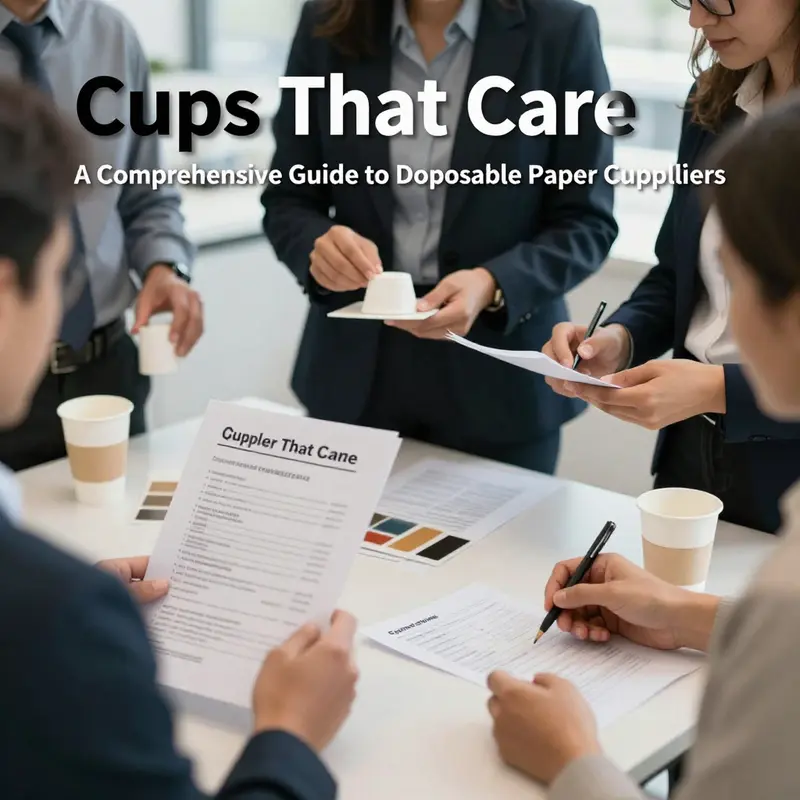
Sourcing disposable paper cup suppliers is less a sprint of price comparisons than a measured, multi-step journey that aligns operational reality with market demand. The landscape spans vast marketplaces and specialized manufacturers, each offering a different balance of price, capability, and risk. The core challenge is not merely finding a supplier who can produce a cup to spec; it is establishing a dependable partnership that keeps lead times predictable, quality consistent, and communication clear across every order cycle. A practical framework emerges when buyers move beyond unit cost and toward a holistic view of capability, reliability, and regional strengths. In this chapter, we explore how a buyer can build that framework, interpret signals of strength, and translate them into sustainable sourcing decisions that withstand demand volatility and supply disruption. The goal is not to force a single choice but to map the network of potential partners into a robust supply chain that supports growth, innovation, and responsible sourcing practices.
Operational reliability is the first pillar in any sound sourcing plan. It functions like a heartbeat for a supplier’s performance. A measured on-time delivery rate, ideally at 98 percent or higher, translates into predictable production scheduling and fewer interruptions in downstream operations. When a supplier can demonstrate a track record of punctual shipments, buyers gain leverage to plan production lines, coordinate downstream tooling, and minimize buffer stock that inflates total cost. Beyond delivery, response time matters just as much. A four-hour or shorter response window for inquiries signals a responsive customer service ecosystem and an organization that can rapidly triage issues, provide technical guidance, and align on changes in demand or specification. The most telling metric, however, is indicators that reveal ongoing demand satisfaction: the reorder frequency. A high, sustained reorder rate—where customers repeatedly return for the same supplier—speaks to product durability, post-sale support, and the durability of the supplier’s process. Taken together, these indicators form a realistic picture of a supplier’s operational discipline rather than a glossy promise.
In supplier conversations, it helps to anchor expectations in clear performance targets and to validate them with data. When possible, request a performance audit or run-rate data over several quarters to account for seasonality. A mature supplier will be able to present a dashboard of metrics—on-time performance, order accuracy, and defect rates—that align with internal manufacturing rhythms and logistics constraints. Even with strong numbers, the prudent buyer plans for contingencies: short-term capacity ramps, raw material fluctuations, and alternate logistics routes. The aim is not to create a fault tree for every risk but to embed resilience into the procurement process through visibility, redundancy, and flexible scheduling.
Technical capability and flexibility form the second pillar, because today’s market consumers demand more than a basic cup. Modern manufacturing must accommodate a spectrum of diameters, thicknesses, and substrates, as well as evolving packaging trends such as embellished branding, linerless designs, and sustainable materials. A capable supplier will articulate how their equipment supports a range of specifications—varying diameters from 60 to 95 millimeters, material thicknesses in the 150–450 gsm band, and the use of sustainable substrates like bagasse or sugarcane fiber. This versatility is not only about meeting existing orders but about enabling product development without costly tooling delays. The right partner should be able to provide efficient mold-making capabilities and the ability to iterate designs quickly when customers seek new formats or branding. In practice, this means machines with advanced control systems, such as frequency converters for stable operation and HMI touch screens for real-time process monitoring, as well as automated stacking and packing modules that reduce manual handling and elevate consistency. A supplier with adaptable packaging lines can respond to seasonal spikes and new market opportunities with minimal disruption.
Beyond hardware, the importance of material science cannot be overstated. The market increasingly rewards suppliers who can work with diverse substrates while maintaining food safety standards. Forward-looking buyers seek assurance that a supplier can handle different material thicknesses and substrates while meeting regulatory expectations for food contact. This involves demonstrating robust internal quality control processes, traceability practices, and the ability to document process controls from raw material receipt through finished product. Certification matters, but it should be viewed as a baseline rather than a guarantee. Real-world performance—what happens in the factory, under the pressure of peak demand and variable feedstock—speaks louder than a certificate alone. A supplier who can pair certifications with strong QC, defect rate controls, and rapid root-cause analysis earns a higher confidence rating.
Regional dynamics also shape the sourcing calculus. China’s manufacturing landscape offers distinct advantages, especially when a buyer accounts for regional capabilities and logistics. In traditional hub clusters, there is often a tightly knit ecosystem of precision engineering and automation, supported by proximity to component suppliers and rich logistics networks. In particular, clusters with deep specialization in servo-driven machines, ultrasonic sealing, and PLC-controlled automation tend to deliver high-precision equipment with reliable uptime. Meanwhile, regions with dense industrial bases can offer cost-effective, fully automatic solutions and strong logistics connectivity, enabling faster turnarounds for standard configurations. Understanding these regional strengths helps buyers tailor their supplier searches: some partners excel at high-precision automation suitable for consistent, high-volume production, while others provide scalable, turnkey lines that balance price with acceptable lead times. The strategic implication is straightforward: leverage regional advantages to optimize total cost of ownership, not merely the unit price.
The marketplaces that connect buyers to suppliers add another layer of complexity—and opportunity. Platforms with robust verification and audit credentials can substantially reduce the risk of procuring from unreliable partners. Buyers should prioritize suppliers who display platform-verified status and who can provide verifiable documentation of capability, such as factory audits, quality management systems, and process certifications. Testing samples remains essential. A large proportion of issues only reveal themselves when a product is put through real-world usage; samples enable practical verification of fit, seal integrity, and consumer safety before committing to mass production. In the sourcing dialogue, it is prudent to request a sample batch with a defined acceptance criteria, followed by a staged qualification process that culminates in a small initial run before full-scale production.
As buyers navigate the supplier landscape, the emphasis should be on building long-term partnerships rather than chasing the lowest price for a single lot. The tempered approach balances cost with capability, reliability, and after-sales support. It also invites consideration of a supplier’s ability to engage in continuous improvement: shared quality improvement plans, responsive post-sale technical service, and collaborative tooling and process development. A truly strategic supplier works with buyers to optimize the entire packaging system, from cup and lid compatibility to printing options, seal technology, and recycling or composting considerations. This collaborative potential is what transforms a transactional relationship into a resilient supply chain that can absorb shocks and adapt to evolving consumer expectations.
To anchor the discussion in practical terms, consider a catalog entry that exemplifies the kind of cross-functional capability buyers should seek—a reference point rather than a prescription. An entry like this illustrates a supplier’s capacity to offer a range of cups with consistent processing quality, a spectrum of branding options, and reliable logistics support. disposable-700ml-kraft-paper-bowl-take-out-octagonal-rectangle-paper-bowl serves as an example of how catalog content can convey diversity in formats and finish while remaining aligned to safety and performance standards. This kind of reference helps buyers validate claims during due-diligence checks and sample testing, translating abstract capabilities into tangible expectations.
In the final analysis, the art of sourcing disposable paper cup suppliers rests on a balanced evaluation framework. It requires measuring operational reliability, technical capability, and quality control with an eye toward regional strengths and the realities of global logistics. It also demands discipline in the early stages: define clear acceptance criteria, request data-driven performance metrics, and stage the engagement from sample validation to pilot production. The process should be iterative rather than linear, with feedback loops that allow buyers to refine specifications and timelines as they learn more about each candidate partner. By prioritizing verifiable performance indicators and cultivating a collaborative mindset, buyers can mitigate risks, shorten time to market for new packaging formats, and maintain a steady flow of compliant, well-made cups. This approach paves the way for durable partnerships that endure beyond the life of a single order and into the sustained success of the packaging program. For readers who want to explore broader catalog examples and related formats, a representative catalog entry can be accessed through the internal link above, and for broader source material on supplier capabilities, the following external reference offers a complementary perspective on manufacturing practices in this sector: https://www.alibaba.com/product-detail/Disposable-Paper-Cup-Machine-Supplier-China-B2B_1600672843764.html?spm=a2700.191079.0.0.4a1b1d3fUqKkHh
Rising Currents in the Supply Chain: Market Trends Redrawing the Disposable Paper Cup Supplier Landscape
Across the global market for disposable paper cups, a set of converging forces is reshaping how buyers discover, evaluate, and engage with suppliers. The narrative today is less about a single breakthrough and more about a coordinated shift in sustainability expectations, supply-chain efficiency, and manufacturing sophistication. In practical terms, the supplier you consider today will likely be different from the one you rely on next year, as regulatory pressures intensify and automation drives capacity and reliability. This evolving landscape places a premium on transparency, certifiable quality, and the ability to scale in tandem with demand, especially for clients that must balance branding goals with stringent environmental and health standards.
Sustainability has transformed from a marketing adjective into a core procurement criterion. The push comes from both consumers and policymakers who want clear, verifiable answers about how disposable cups are made and disposed of. Regulatory frameworks such as the EU Single-Use Plastics Directive and China’s GB/T 18006.1-2009 standards are prompting manufacturers to expand portfolios beyond conventional, non-recyclable coatings toward compostable or recyclable options. In practice, this means more suppliers are offering variants that use plant-based coatings or fiber-based substrates that can be certified through international schemes indicating compostability or responsible sourcing. Procurement teams are urged to demand third-party audits and robust documentation because green claims can be difficult to verify without independent verification. Certifications, test reports, and chain-of-custody records are increasingly treated as non-negotiable prerequisites for large-volume orders, particularly when product safety and uniform performance across batches are essential for foodservice operations.
The current wave of consolidation in the supply chain enhances efficiency and resilience in ways that matter to buyers handling large, time-sensitive orders. Industry clusters in provinces such as Guangdong, Hunan, Hubei, and Anhui form vertically integrated ecosystems where raw material sourcing, coating, printing, forming, and packaging can be synchronized with high discipline. This integration translates into shorter lead times and lower input costs, with reductions often cited in the vicinity of single-digit percentages as compared with more fragmented models. Logistics hubs in Dongguan and Wuhan are becoming strategic nodes for export-oriented production, benefiting from proximity to port facilities, a dense supplier base, and regional pulp-and-coating capabilities. For buyers, this means more predictable schedules and the ability to navigate supply shocks with alternative lines that share common tooling and standards, reducing the risk that a supplier’s failure to deliver will cascade through a multi-month production plan.
Technological innovation sits at the heart of another decisive shift. Modern high-speed production lines can churn out tens of thousands to hundreds of thousands of units per day, a scale that supports both standard formats and customized branding. The machine-building ecosystem in provinces like Zhejiang and Henan continues to advance with servo-driven systems, advanced sealing technologies, programmable logic controllers, and precision die-cut processes. The resulting gains in consistency, waste reduction, and seal integrity are not merely operational niceties; they translate into tangible outcomes for customers who must maintain product performance during transport and in beverage service. For instance, consistent sealing reduces leaks in hot beverages and helps preserve heat and aroma, while precision die-cutting minimizes material waste—an important factor as input costs rise and environmental considerations become more scrutinized.
This combination of sustainability commitments, supply-chain consolidation, and manufacturing prowess is altering how buyers approach supplier selection. The rise of data-driven evaluation frameworks reflects a more sophisticated buyer mindset. Rather than focusing narrowly on price per unit, purchasers increasingly weigh supplier certifications, the rigor of on-site audits, the availability of physical samples for independent testing, and the capacity to scale quickly in response to demand surges. A supplier’s ability to support product development cycles—such as rapid prototyping for custom printing or flexible MOQs to accommodate pilot programs—now matters as much as existing capacity. In this context, procurement professionals emphasize a disciplined, evidence-based approach: verify credentials, validate through samples, and stress-test through pilot orders before committing to long-term commitments. This shift benefits both sides of the marketplace, encouraging better manufacturing practices and more predictable demand signaling.
For buyers who want a practical sense of the market’s breadth without sacrificing focus, it helps to recognize the variety of formats that manufacturers increasingly support. Many suppliers now provide an array of packaging solutions, ranging from single-wall to double-wall cups, with or without lids, and from standard sizes to branding-enabled options. This diversification enables brands to align product design with consumer expectations—whether that means a lighter, recyclable option for cold beverages or a more insulated, heat-retaining cup for hot drinks when branding and user experience are pivotal. Understanding these format families and their relative costs is crucial, because the choice of format often intersects with sustainability claims, compatibility with available lids, and workflow efficiency on the production line. For those evaluating options, a concrete reference point in the current landscape is the wholesale category for take-away cups with lids, which demonstrates typical capacity, customization potential, and pricing dynamics across formats. See this example for context: Wholesale take-away 8oz-12oz disposable coffee cups with lids.
Beyond formats, buyers increasingly expect suppliers to be nimble partners in product development. The ability to test, iterate, and refine cup designs—whether to improve sealing at higher temperatures, optimize coating for specific food types, or tailor logo placement without compromising material integrity—has become a competitive differentiator. Service capabilities such as mold-making, rapid tooling, and post-sale support are becoming key components of supplier value propositions. In markets that rely on seasonal promotions or short-run campaigns, the agility to modify prints, adjust coatings, or swap materials quickly without sacrificing lead times can determine whether a supplier is considered a strategic partner or a supplier of last resort. In this environment, buyers benefit from engaging with suppliers that maintain transparent roadmaps, offer staged deployment options, and provide measurable performance data from ongoing production runs.
For readers seeking broader context on industry dynamics and events that shape these trends, influential industry platforms and trade events continue to serve as barometers of change. These venues bring together buyers, suppliers, and service providers to exchange knowledge, validate capabilities, and align on standards. As a practical example, industry participants often align on shared expectations around certifications and testing protocols through these networks, which helps streamline due diligence for international procurement. External resources of note include industry event pages that highlight future exhibitions and conferences, where suppliers showcase capabilities aligned with sustainability, automation, and large-scale manufacturing.
The pace of change in the disposable paper cup market suggests that procurement teams should maintain a forward-looking perspective. Firms that invest in responsible sourcing, reliable supply chains, and adaptable manufacturing capabilities will be best positioned to meet evolving consumer tastes while navigating regulatory shifts and cost pressures. As the market continues to mature, buyers are likely to favor suppliers who can demonstrate end-to-end traceability, robust quality-control regimes, and the capacity to respond to demand fluctuations with precision. This does not merely reflect a trend in sourcing; it signals a broader shift toward strategic partnerships that support long-term planning, brand consistency, and operational resilience across multiple regions.
Internal link: For readers exploring practical product categories and branding-ready options, see Wholesale take-away 8oz-12oz disposable coffee cups with lids.
External resource: For broader context on industry events and insights shaping the sector, visit the HKTDC event page: https://www.hktdc.com/event/hkce/2026/en/
Greener Cups in the Supply Chain: Redefining Sustainability for Disposable Paper Cup Suppliers
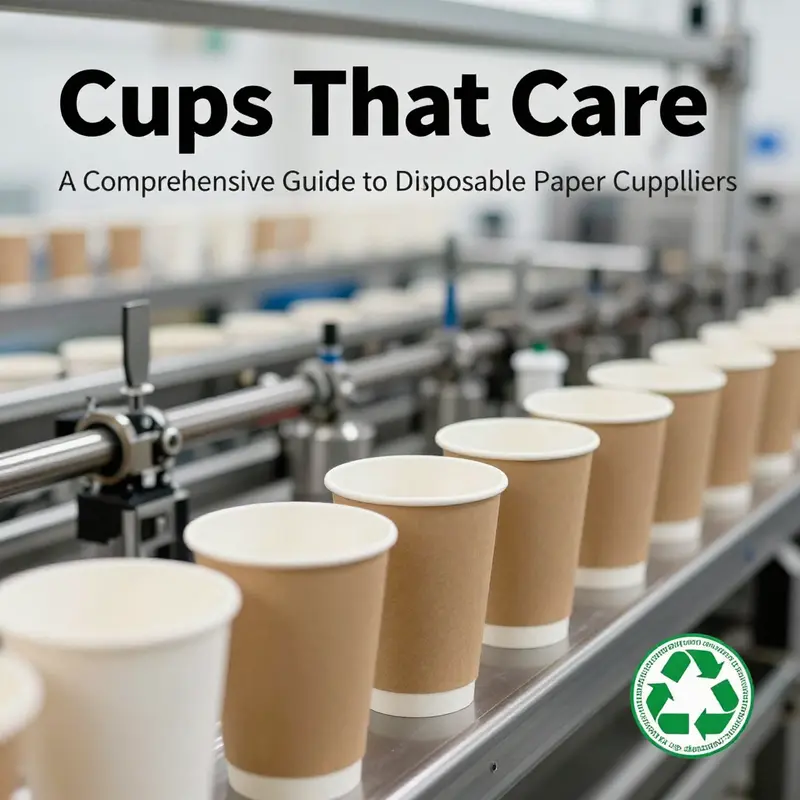
Sustainability in the disposable paper cup sector has evolved from a niche feature to a core capability that shapes sourcing, production, and logistics worldwide. Buyers increasingly demand lower environmental footprints, prompting suppliers to rethink coatings, materials, and end-of-life strategies across the lifecycle of a cup. The result is a supply ecosystem that emphasizes traceability, efficiency, and accountability, while aligning with regulatory expectations and shifting trade dynamics.
A central pillar is the move away from traditional plastic coatings toward eco-friendly options. Polylactic acid (PLA) coatings derived from renewable plant sources offer a robust barrier for hot and cold beverages and can align with industrial composting streams where infrastructure exists. The practical challenge for suppliers is balancing water resistance and mechanical integrity with end-of-life compatibility, which requires close collaboration with customers to tailor coatings to local waste-management capabilities and regulations.
Recyclability remains a critical criterion. Brands favor cups designed for conventional recycling streams or designated for industrial composting, with simplified laminations and clear labeling to minimize contamination and maximize material recovery. Well-executed recyclability can reduce landfill disposal and create potential material-recovery opportunities for buyers.
Production efficiency matters too. Leading manufacturers in China’s hubs—Fujian, Guangdong, and Zhejiang—pursue vertical integration to shorten lead times, reduce waste, and improve quality consistency. An integrated approach minimizes transport between steps and enhances uptime, delivering predictable delivery schedules for customers who depend on reliable packaging for branding and cold-chain integrity.
Innovation clusters around sustainable packaging are thriving in port-adjacent cities such as Quanzhou and Jinjiang, with proximity to Xiamen and Fuzhou facilitating faster export logistics and lower transport emissions. Collaboration between suppliers and brands accelerates testing of coating formulations, barrier performance, and waste-management practices tailored to regional facilities.
For buyers, the practical takeaway is a growing emphasis on supplier capability and transparency. Verified credentials, testing results, and ongoing after-sales support are increasingly important, as is the ability to sample coatings, evaluate performance, and iterate with rapid prototyping and responsive engineering.
The end-of-life conversation intersects with policy trends toward circular economy principles. Suppliers that align product development with regional recycling infrastructure and clear labeling help waste managers route cups correctly and support sustainable consumption without compromising user experience. Businesses that integrate these considerations can maintain competitive pricing through efficiency while delivering durable environmental outcomes.
Examples and further reading can be found in industry resources and supplier case studies at https://greassustainability.org and https://www.papercupexplainer.com/understanding-disposable-paper-cup-technical-specifications.
Final thoughts
Navigating the landscape of disposable paper cup suppliers involves more than just price considerations; it’s about finding reliable partnerships that understand your business needs. As the market evolves, understanding suppliers, manufacturing practices, and sustainable options will empower you to enhance service delivery while minimizing environmental impact. Embrace the opportunity to choose suppliers that align with your values and operational goals.