
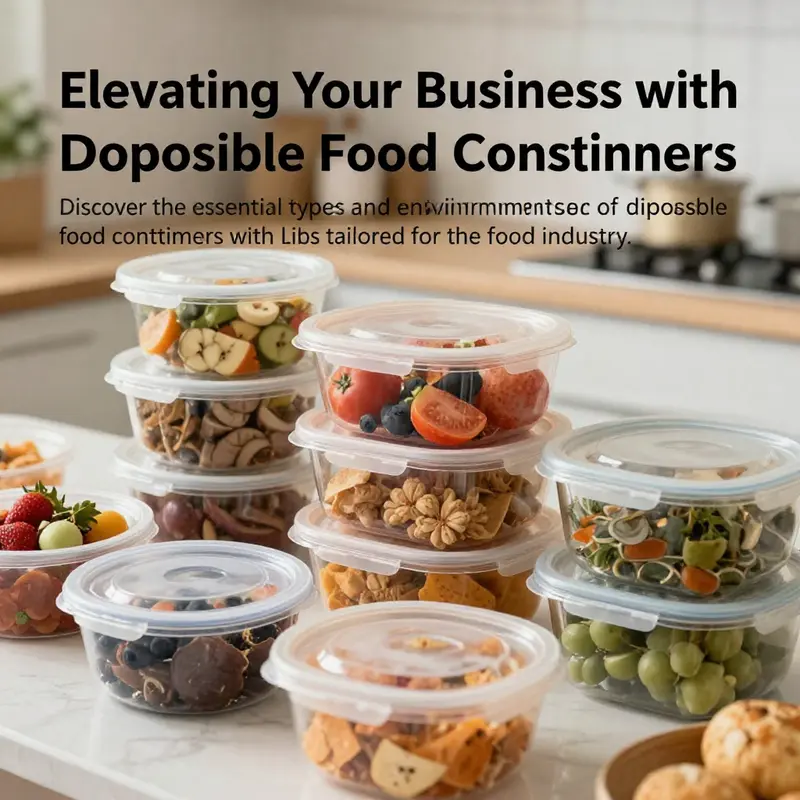
In today’s fast-paced food service sector, disposable food containers with lids have become a cornerstone for businesses seeking efficiency and reliability. From bubble tea shops to catering services, the right packaging is essential for maintaining food quality and enhancing customer experience. This article delves deep into various types of disposable food containers with lids, their materials, applications across industries, environmental impacts, and future market trends. Each chapter will provide you with key insight, enabling you to make informed choices that align with your operational needs and sustainability goals.
Lids, Logistics, and Real-World Efficiency: The Hidden Logic of Disposable Food Containers with Lids
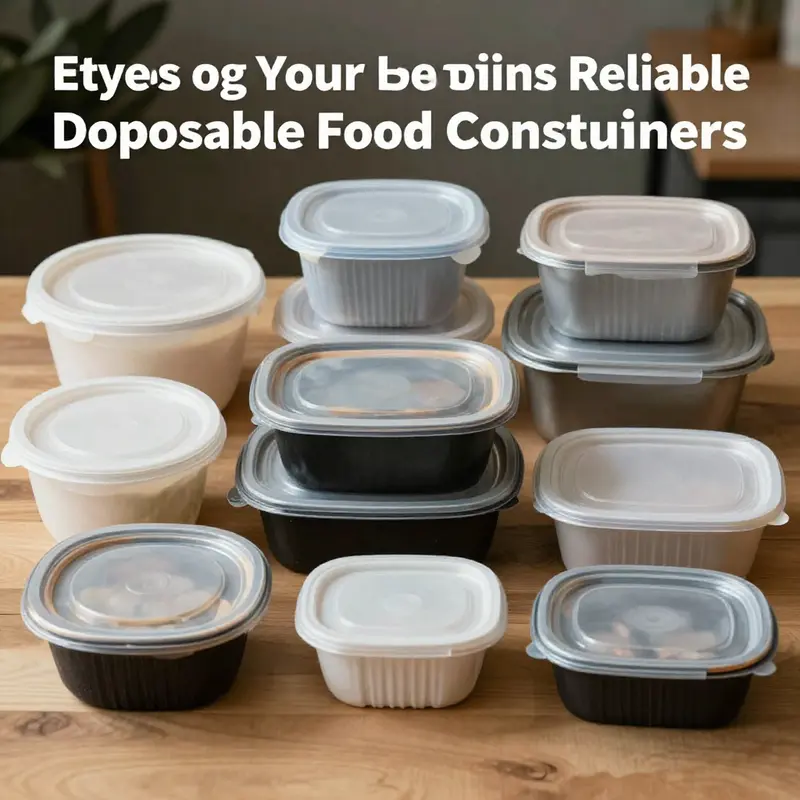
Every day, across kitchens, offices, and street corners, a quiet system moves orchestrated meals from source to suppers. The disposable food container with a lid is a tiny but crucial cog in that mechanism. It must protect the food, enable easy handling, tolerate temperature swings, and fit into tight storage and transport routes. Behind the scenes, designers balance performance with cost, safety with sustainability, and brand expectations with waste realities. This chapter considers how the different materials—plastic, foil, and paper-based options—shape what can be served, how it travels, and what happens after the last bite. It is a story of material science, manufacturing choices, and the everyday decisions that keep food safe, fresh, and convenient from kitchen to consumer, whether the meal is a hot curry, a chilled salad, or a baking sheet’s worth of pastries.
A core distinction in this landscape is material. Thermo-formed polypropylene, often labeled as PP, and polyethylene terephthalate, or PET, dominate many mainstream containers. These plastics are light, relatively durable, and capable of withstanding the temperature range typical of hot and cold foods. Thermo-forming—a process that shapes plastic into uniform shapes with consistent wall thickness—ensures even material distribution and a robust finish. The lids, frequently made from virgin PP or similarly clean, food-grade polymers, are engineered to seal tightly enough to prevent leaks during transit while still allowing quick access at the counter or doorstep. For buyers in food service, this combination offers a practical balance: strength, microwave suitability, freezer tolerance, and dishwasher compatibility, all essential for the churn of busy operations where re-use is usually limited to a single cycle before disposal.
Yet the landscape is more diverse than a single plastic story. Aluminum foil containers—lightweight, heat-conductive, and largely single-use—offer a different value proposition. They excel in oven-to-table scenarios and in environments where heat retention and hygiene are at a premium. Their lids are often foil or cardboard, designed to vent steam and prevent sogginess while preserving the aroma and moisture within. The tradeoff is clear: while metal supports high-heat applications and inert storage without plastic contact, these containers cannot be used in microwaves. They are ideal for takeout during flights, picnics, or events where oven finishing or direct serving is the goal and the meal is intended for immediate consumption.
Paperboard and cardboard options—sometimes bundled with a separate lid or a fiber-based seal—reflect growing consumer and regulatory interest in sustainability. These containers work best for cold foods and lighter meals, where moisture resistance and barrier performance can be tuned through coatings or hybrid constructions. They offer a distinct advantage for brands seeking an eco-conscious narrative, provided the moisture and grease management meet the food’s needs. People often choose these options for deli counters, salad stations, and cold-bare meal kits, where the environmental message can align with branding while still delivering dependable performance.
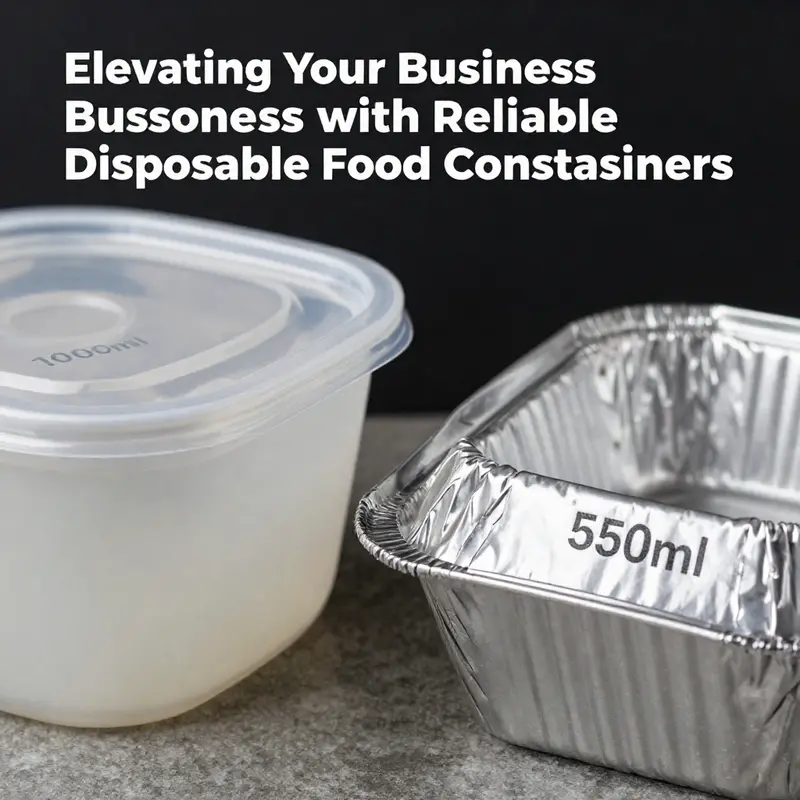
The shape and geometry of containers also matter in practical terms. Rectangular and square forms, compared with rounded alternatives, tend to pack more efficiently in both kitchen storage and delivery boxes. The flat sides reduce shifting during transport and make stacking more reliable, which reduces breakage and minimizes space wasted in transit. This spatial efficiency translates into cost savings, especially for businesses that move thousands of meals daily. In many cases, the 1000ml rectangular disposable container with a lid emerges as a workhorse: it balances volume with ease of handling, supports a wide range of hot and cold dishes, and pairs with a lid that seals without undue effort.
With these material and design choices come questions about safety and regulatory compliance. For hot foods, the container must withstand the temperatures without releasing undesirable compounds, and the lid must provide a secure seal that reduces leakage and odors. For cold foods, the challenge shifts to moisture control and barrier performance so that moisture migration does not compromise texture or integrity. The safety story extends to the ability to use containers in microwaves, ovens, and freezers. The guidance embedded in product standards often emphasizes BPA-free formulations, clean contact surfaces, and traceable material origins. The result is a set of predictable performance benchmarks that food-service operators rely on when selecting packaging for a given menu, service style, and service duration.
A notable dimension of this packaging saga is the environmental footprint. Biodegradable disposable containers, crafted from renewable plant-based materials such as sugarcane bagasse, bamboo, or cornstarch, are gaining momentum. These options aim to reduce plastic waste and offer compostability, aligning with environmental goals and increasingly strict municipal guidelines. However, there are tradeoffs. Heat tolerance can be lower than in plastic or metal, and compostability depends on local waste-processing infrastructure. Moisture resistance and structural integrity under load can also present challenges, especially for heavy, saucy dishes or foods that demand sturdier containment. For brands and operators who want to offer greener choices, the decision often involves a nuanced assessment of the menu, the expected shelf life, and the disposal pathways available to customers. In practice, this means balancing the aspirational eco-label with real-world performance in the kitchen and at the point of sale.
Another layer of the decision-making puzzle concerns customization and branding. Many food-service providers seek containers that carry logos, color schemes, or messaging that reinforce a culinary identity or sustainability stance. The production realities behind these choices are nontrivial: lids must seal reliably, coatings must resist smudges and grease, and the cartons or trays must hold up under the stresses of delivery and storage while still presenting a polished, market-ready appearance. This is where the supply chain must be responsive. Short lead times, scalable production runs, and flexible equipment all matter when operators pivot between menus or launch seasonal offerings. The cost implications are tangible—per-unit prices rise with the addition of specialized coatings, multi-layer structures, or recycled content—and must be weighed against the perceived value of better protection, extended shelf life, or a greener brand story.
For the modern operator, material choice is less about chasing the latest trend and more about fitting the right tool to the right job. The decision will hinge on the type of food, the intended duration of storage, and the expected mode of transport. A hot entrée that travels long distances to a customer’s home may benefit from a robust polypropylene container with a precise seal, while a chilled salad could perform better in a compostable, coated paper-based shell if the disposal pathway is clear and accessible. Even within a single meal category—say, a mid-volume lunch box—there is room for variation: some items demand a rigid panel to prevent squashing; others require a lighter construct that minimizes weight in a delivery rider’s bag. In all cases, the lid is not merely a cover; it is an active component that controls condensation, preserves aroma, and helps manage portion integrity during movement.
The chapter would be incomplete without acknowledging the end of life. Consumers increasingly influence packaging choices through recycling and composting behaviors. Yet recycling streams differ by region, and composting infrastructure varies widely. The best packaging systems recognize these realities and provide clear guidance on disposal while still delivering robust performance during use. In practice, this means labeling with simple, actionable disposal instructions and, where feasible, offering packaging alternatives that align with local waste management capabilities. The future lies in smarter, modular packaging ecosystems where buyers can choose a primary container type and complement it with lid designs and coatings tailored to the expected post-use pathway, rather than one-size-fits-all solutions.
For readers exploring practical options beyond the main narrative, consider the versatility of the kraft paper bowl approach that keeps moisture and contents contained while aligning with an eco-conscious narrative. This option is especially relevant for restaurants and delis that want to emphasize sustainability without sacrificing usability. See more on one such earth-friendly choice here: disposable kraft paper bowl for food package with lid. The link opens a window into how paper-based designs are being integrated into broad packaging strategies, balancing performance with environmental considerations.
As the market evolves, the interplay between material science, manufacturing capabilities, and consumer expectations will continue to shape the options available for disposable containers with lids. The best choices will emerge where food safety, transport efficiency, and sustainability converge, offering operators reliable performance and customers confidence that their meals arrive intact, fresh, and in a manner consistent with evolving waste-management realities. In the end, the lid is more than a seal; it is a facilitator of trust, a facilitator of logistics, and a small but essential enabler of resilience in modern food service. External resources and ongoing standards developments—from regulatory bodies to industry associations—will continue to guide these choices, helping every meal travel from kitchen to curb with dignity and diligence. External resource: https://www.fda.gov/food-safety
Materials Under Pressure: Composition and Responsibility in Disposable Containers with Lids
Disposable food containers with lids are engineered systems that balance heat transfer, moisture control, barrier performance, and end of life considerations. Material choice shapes how a package behaves in delivery and at the table, and it influences recyclability and emissions. Common families include polypropylene PP, polyethylene terephthalate PET, polystyrene PS, and related blends, as well as paper based options and newer silicone based disposables. PP is valued for safety, low odor, and broad heat tolerance, making it common for microwavable and hot takeaway uses, but repeated heating or washing can affect properties. Lids are typically made from virgin PP or PP blends to ensure a snug fit and leak resistance. PS offers clarity and stiffness but can be brittle at low temperatures and may exhibit migration concerns with certain foods. PET provides good barrier properties and clarity but is less tolerant of heating than PP, and its recycling depends on local streams. Paper and bagasse based solutions lower plastic footprints but often rely on coatings that can complicate recycling. Aluminum trays deliver excellent heat conduction and barrier performance but require attention to metal recovery in disposal. Composite constructions blend layers to balance moisture resistance and strength, yet disassembly can hinder recycling. Across options, safety and reuse implications matter, and the best choice depends on food type, service duration, and local waste infrastructure. A practical example is a disposable kraft paper bowl with a lid, which can be branded and sized for different workflows, illustrating how suppliers balance performance, aesthetics, and environmental responsibility in real world menus and retailers.
Between Lid and Lifecycle: How Disposable Containers with Lids Shape Modern Food Service
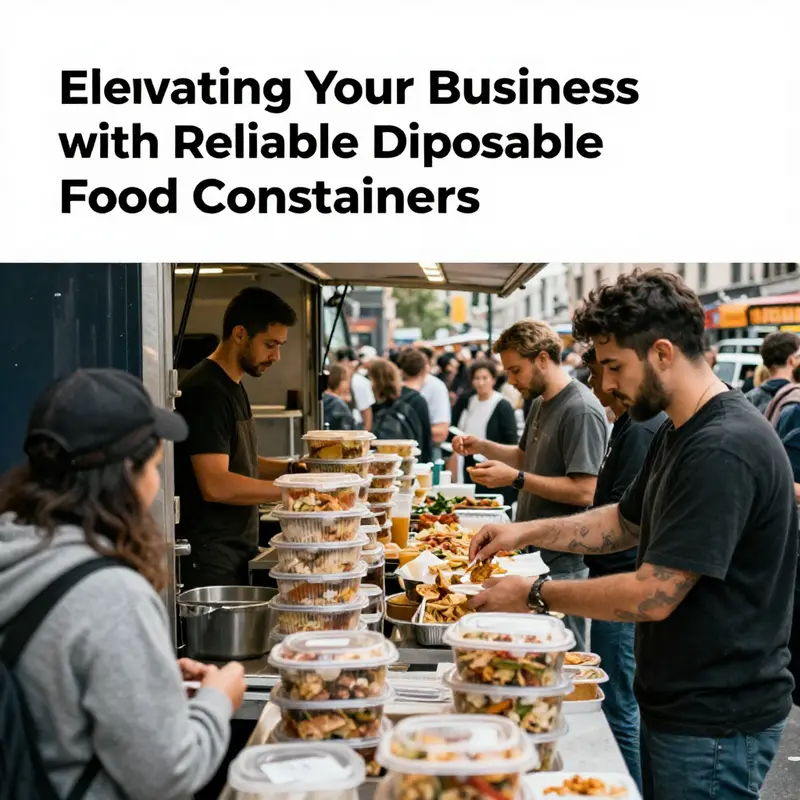
The lid is more than a cap on a container; it is a first line of defense between a meal and the world it enters. In the daily choreography of a food service operation, a lid seals in aroma, safeguards against spills, and preserves temperature as meals travel from kitchen to curbside. When you look closely at the disposable food container with lid, you see a convergence of engineering decisions, material science, and logistical strategy that quietly powers a vast ecosystem. This chapter follows that trajectory, tracing how design choices translate into reliability on delivery bikes, in bustling cafeterias, and at quiet workplaces where lunch is organized with the same care as a well-planned recipe. The most common instrument in this orchestra is the 1000ml rectangular disposable container with lid, frequently crafted from PP or PET. Thermo-formed to achieve uniform material distribution, these trays offer strength and a high-quality finish that endures the rough ride of a delivery route while remaining cost-effective enough for high-volume use across multiple brands. The lids, typically forged from virgin PP, are not merely accessories but crucial components that ensure a secure fit, minimizing leakage and maintaining a neat presentation through hours on the move. The combination is designed for versatility: capable of holding hot dishes, cold salads, or multi-part meals, and poised for the short-term reuse that frames many meal-prep and takeout workflows. The appeal is not only the product’s resilience but also its efficiency. In a market where speed, sanitation, and inventory management define success, having a dependable, lightweight solution reduces the friction of handling, minimizes waste from spills, and keeps operators focused on service quality rather than logistics glitches. The thermo-forming process behind these containers is a quiet workhorse in manufacturing. It ensures even material distribution across the tray and lid, yielding a consistent thickness that translates into predictable performance under heat or cold. This consistency is particularly valuable in delivery services, where a misfit lid can become a mess on a traveler’s lap or a street corner. Lids crafted from virgin PP contribute to a snug seal, resisting warping with temperature fluctuations and helping to maintain the integrity of sauces and gravies. For many operators, the economics of these lids also matter. The cost per unit, when amortized across thousands of meals, becomes part of a broader calculation that balances shelf life, transport safety, and waste minimization. In practice, the result is a packaging solution that is not merely functional but also scalable. It accommodates small-batch orders to reduce lead times and inventory risk, while capable of stepping up to larger runs for peak demand periods. The global dimension of this supply chain is visible in supplier networks that promote customization and fast export cycles. In regions like Gujarat, India, suppliers have built ecosystems around flexible production and rapid prototyping, enabling restaurants and caterers to tailor dimensions, lid designs, or embossing to reinforce brand identity without compromising the core performance criteria. The narrative does not stop with plastic alone. An aluminum foil alternative—550ml, with a lid—offers another path for cooks who want direct oven-to-table usability and robust heat distribution. These boxes, forged from high-quality aluminum, excel at cooking, baking, and serving in settings that bridge kitchen and dining room. They are distinguished by features such as perforated lids for steam release, which helps maintain the texture of roasted vegetables or crisp bottoms on pastries. The combination of aluminum’s conductivity and a thoughtfully perforated top creates an efficient, consumer-friendly experience that reduces the need for secondary serving dishes. Yet, even this highly usable metal option sits within a broader conversation about sustainability and end-of-life. In parallel with plastic-based solutions, there is a growing wave of biodegradable disposable containers. Plant-based materials—sugarcane bagasse, bamboo, cornstarch—offer compostability and a lower environmental footprint when disposed of in appropriate facilities. These options are increasingly pursued by brands that want to demonstrate environmental stewardship without sacrificing performance. However, they carry trade-offs. Heat tolerance can lag behind plastics, and in some contexts, compostability depends on local waste infrastructure. The result is a nuanced deployment: plastic remains favored for high-heat applications and long-haul deliveries, while compostable options thrive in eco-conscious events, corporate cafeterias with green mandates, or regions with robust organic waste streams. Across these material families, the common thread is safety and hygiene. Lids contribute to leak prevention, a critical factor in customer satisfaction during delivery and in the sanitary handling of meals in buffet lines or corporate kitchens. They also support labeling and portion control, enabling operators to maintain consistent servings and to track inventory more efficiently. In meal-prep environments and corporate dining facilities, the ability to pre-portion meals in transparent, stackable containers helps reduce waste and improve scheduling. The transparent design of many 1000ml containers means users can identify contents at a glance without opening the lid, a small but meaningful boost to efficiency during busy service intervals. A well-chosen container with lid reduces cross-contamination risks by preserving the original packaging environment until the moment of consumption, which is especially important in multi-day meal-prep cycles and in settings where multiple cooks contribute to a single tray. For on-the-go service operations—the dance of food trucks, convenience stores, and airport kiosks—the resilience of PP-based containers stands out. PP can endure temperatures up to about 120°C, which makes these containers suitable for hot foods without compromising lid integrity. The choice of material varies with the application: expanded polystyrene or polystyrene may be used for colder, less heat-intensive items, though these materials face scrutiny for environmental reasons and are less favored in eco-conscious markets. The sustainability dialogue intersects with supply-chain realities. As consumer demand for eco-friendly packaging grows, many operators are embracing recyclable or compostable options while continuing to rely on proven plastics for high-heat and long-distance transport. Designers and packaging engineers balance cost, performance, and environmental impact, and the result is a spectrum of solutions rather than a single best option. The practical takeaway for procurement teams is to align material choice with the expected use case—delivery radius, temperature profile, portion size, and waste-management capabilities of the receiving site. Customization remains a powerful lever: by adjusting dimensions, lid snap strength, or printing, brands can preserve identity without sacrificing functional integrity. Such flexibility is often what differentiates a competent packaging choice from a strategic packaging choice that reinforces brand trust and reduces post-delivery complaints. To illustrate a nearby option that complements the conversation about lids and containment, consider the broader family of paper-based packaging that many operators also evaluate. For instance, a disposable kraft paper bowl with lid offers a compostable alternative that can align with more stringent sustainability goals while still delivering reliable performance in takeout and delivery contexts. This complementarity underscores a central theme: the choice is not binary. Brands can blend plastic, metal, and plant-based options to design a packaging portfolio that protects food, fits budget, and meets diverse consumer expectations. For readers seeking a practical reference to a supplier that highlights custom design and quick export cycles, the discourse around such options often points toward adaptable formats and the kinds of lid-fit engineering described above. As packaging strategies evolve, the conversation widens to include labeling, branding, and the micro-logistics of stacking and transporting containers. The lid, then, becomes a symbol of control over the entire meal journey—from kitchen to consumer, to disposal or composting. It is not merely a protective cover but a facilitator of quality and a tangible expression of a brand’s commitment to reliability and sustainability. For those who want to explore further, a closer look at an official product page can illuminate how these dynamics translate into real-world performance and safety certifications that support direct consumer use. For an external reference that expands on the broader category of disposable food containers with lids, see the following resource: https://www.manoharinternational.com/disposable-food-container-with-lid/ . Meanwhile, a concrete example of a market-ready option that integrates design, material choices, and practical use can be found closer to home in regional packaging catalogs and supplier pages that emphasize customizable, fast-delivery capabilities. More context about related packaging formats and their benefits can be found through related industry resources, including options such as disposable kraft paper bowls with lids and other takeout-ready configurations that align with both performance and sustainability goals. For readers who want to explore a direct, context-rich example of a lid-equipped paper solution, you may follow the internal link to a product page detailing a disposable kraft paper bowl with lid. disposable kraft paper bowl with lid. In sum, the lid is a hinge between a meal’s careful preparation and its ultimate journey through consumption, cleanup, and, ideally, responsible disposal. Understanding the material options, the temperatures they tolerate, and the lifecycle implications helps operators assemble a packaging toolkit that supports safety, efficiency, and a sustainable outlook for the broader food service ecosystem.
From Shelf to Soil: Tracing the Real Footprint of Lidded Disposable Food Containers
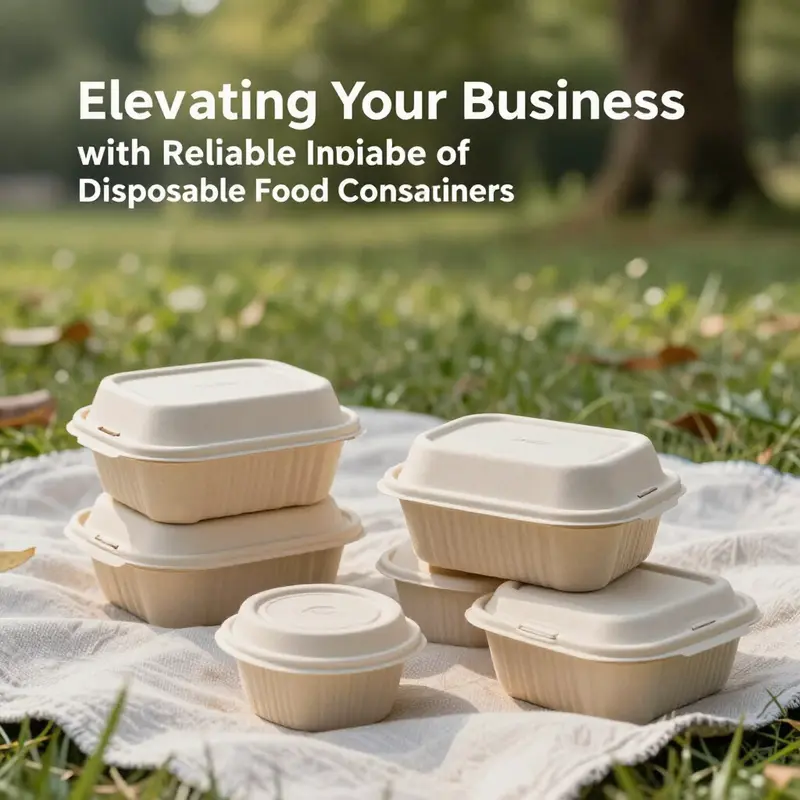
The disposable food container with a lid has become a routine companion of modern eating, from office coffee runs to late-night takeout. Yet the convenience that makes these containers so deeply embedded in foodservice also invites a closer look at what happens after the meal is finished. The environmental impact of these ubiquitous packaging solutions hinges on a chain of decisions that begins with material choice and ends with how waste is managed on the local landscape. Understanding this lifecycle reveals that sustainability is not a single property but a balance among performance, cost, user behavior, and waste infrastructure. In that balance lies the pathway to responsible packaging design and smarter consumer choices.
At the core of the lifecycle is material composition. Plastics, particularly polypropylene and other thermoplastics, provide light weight, strong moisture barriers, and compatibility with automated disposal streams. They perform well in both hot and cold contexts, a key factor for meals that transition from kitchen to commuter to doorstep. Yet the very trait that enables convenience—durability in a thin, disposable form—also complicates end-of-life outcomes. In many places, recycling streams exist for plastics, but success depends on clean separation and low contamination. When these conditions fail, plastics may end up in landfills or informal disposal chains, where they persist for decades and contribute to environmental loading in soils and waterways. These realities render plastics less favorable from a cradle-to-grave perspective, even as they remain popular in foodservice for their cost efficiency and reliability.
Foam containers, typically made from expanded polystyrene, offer outstanding thermal insulation. They can keep hot foods hot and cold foods cold, a practical advantage in delivery settings that require stability across transit times. However, the environmental conversation around foam is more contentious. EPS is notoriously challenging to recycle at scale, and when it escapes collection systems it breaks down into microplastics that can pervade ecosystems. In many jurisdictions, regulatory action has curtailed or banned expanded foam packaging, underscoring a growing policy consensus that insulation alone is not a sufficient justification for a single-use solution if the waste system cannot manage it responsibly.
In response to these concerns, paper-based and plant-derived options have gained attention. Containers made from bagasse, bamboo, or other renewable fibers aim to deliver compostability or recycling compatibility while preserving functional performance. Sugarcane pulp, for example, can yield containers that are 100% compostable under industrial conditions, reducing reliance on fossil fuels and shrinking long-term plastic waste. Yet the compostability story is not a universal remedy. The rate and completeness of biodegradation depend heavily on whether the packaging reaches an industrial composting facility and on how the facility handles fibers mixed with organic waste. Home composting is far less forgiving, and industrial facilities require appropriate feedstock and processing capacity. In some cases, these materials still rely on coatings or adhesives that complicate compostability or recycling, illustrating how even “green” options demand careful design choices and robust waste infrastructure.
Another material option—aluminum—offers high recyclability and mechanical resilience. Aluminum trays and lids can be highly durable, oven-safe, and amenable to repeated recycling loops. When recycled, aluminum requires less energy than mining and processing virgin ore, closing a loop that favors reuse and recovery. Yet mining and fabrication still carry environmental footprints, including energy use and associated emissions. The true sustainability of aluminum hinges on circularity: the proportion of material that is recycled, the ease of collection, and the presence of systems that prevent its mixed with non-recyclables. In practice, aluminum can outperform certain plastics in end-of-life performance if a robust recycling system exists, but this outcome is not guaranteed everywhere.
The regional dimension of end-of-life management cannot be overstated. Waste infrastructure—whether it prioritizes mechanical recycling, chemical recycling, anaerobic digestion, or industrial composting—shapes how each material performs on the sustainability scale. A plastic container may be recyclable in one city but accumulate as waste in another if recycling streams are underdeveloped or overwhelmed by contamination. Similarly, a compostable bagasse cup will be beneficial where industrial composting facilities exist, yet it may contribute to waste streams if facilities are scarce or if composting standards are not clearly enforced. In short, the same packaging choice can have very different environmental outcomes depending on where it ends up after consumption.
This is why the industry increasingly turns to lifecycle thinking when evaluating packaging design. Lifecycle thinking means considering not only the raw materials and manufacturing energy, but also the use phase, the potential for reuse, and the final fate in the waste system. A truly sustainable choice often balances multiple objectives: it may favor a material that offers strong barrier properties for hot foods while also supporting a credible end-of-life option, whether through certified compostability, recyclability, or a well-supported take-back program that enables reusability. The shift toward circular economy models—where packaging is designed for multiple lifecycles and system-level recovery—reflects a growing consensus that end-of-life outcomes must be integral to the design phase, not an afterthought.
In practice, many operators are exploring a portfolio approach to packaging. For routine meals or events with predictable volumes, recycled-content or recyclable plastic options may strike a favorable balance between cost and performance, provided packaging remains clean enough to avoid contaminating recycling streams. For venues with advanced waste management or with customers who value eco-friendly choices, paper-based or bagasse options can deliver improved end-of-life outcomes, especially when paired with clear labeling and consumer education. Aluminum trays may serve high-heat, oven-to-table needs while still supporting a recovery loop if local facilities are geared toward metal recycling. Across these choices, the common thread is transparency about material, disposal guidance, and the real-world capabilities of local waste systems.
The decision landscape is complicated further by consumer expectations and business priorities. Many customers equate biodegradability with instant environmental virtue, yet true environmental performance depends on collection, processing, and the surrounding infrastructure. Packages that claim to be compostable must be paired with accessible industrial composting, or their benefits can be illusory. Conversely, recyclable options require robust facilities and clear separation at the source to avoid contamination and minimize downcycling. For foodservice operators, the challenge is not merely choosing a material but integrating packaging decisions with waste separation cues, customer communications, and supplier partnerships that emphasize end-of-life realities. This integration often calls for a broader strategy, including employee training, consumer education, and, where possible, systems that encourage reuse through returns or deposits that keep containers in circulation longer.
For readers seeking concrete examples of how packaging choices translate into real-world options, several pathways deserve attention. One accessible route is to explore paper-based options that can pair with practical lid designs for take-away contexts. A representative example of this category is the kraft paper bowl with lid, which demonstrates how a simple shape and material can align with both performance needs and end-of-life potential. When considering such options, it is useful to examine supplier designs that emphasize fiber-based integrity, lining chemistry that supports compostability, and labeling that clearly communicates disposal guidance to customers. This kind of design thinking moves sustainability from a theoretical ideal toward actionable practice in everyday dining.
Internal resources can provide a tangible sense of what option sets look like in the market. For instance, readers interested in a practical illustration of a paper-based, lid-equipped container can explore this example: kraft paper bowl with lid. Such pages illustrate how form follows function while hinting at the lifecycle considerations that should accompany any packaging choice. They remind us that material selection is inseparable from the systems that collect, sort, and process packaging waste.
The broader picture remains that sustainability is a moving target shaped by technology, policy, and behavior. Guidance from authorities and ongoing research emphasize the importance of certified compostable or recyclable materials, supported by infrastructure investments and public policy that encourage responsible waste management. Beyond policy, consumer awareness and corporate responsibility must converge to push the market toward packaging that performs well during use and offers credible end-of-life pathways. The rise of circular economy initiatives, including return systems for reusable containers and standardized labeling for disposal, signals a shift away from single-use default toward packaging solutions designed for longevity in the value chain. This shift does not progress in a straight line, but it gains momentum as producers, regulators, and users collaborate to close loops rather than create waste.
For those who want a deeper dive into environmental standards and lifecycle analyses, authoritative resources are available. One widely cited reference is the U.S. Environmental Protection Agency’s discussion of food packaging and sustainability, which outlines how lifecycle thinking applies to packaging choices and waste management. Such resources help connect the dots between material chemistry, energy use, and end-of-life outcomes, anchoring decisions in a broader framework of environmental stewardship. External links to these standards offer a practical lens through which to view the trade-offs involved in choosing a lidded disposable container for food service and consumer use.
External resource: https://www.epa.gov/sustainable-management-food-waste/food-packaging-and-sustainability
Sealing the Future: Market Dynamics, Sustainability, and the Next Generation of Disposable Food Containers with Lids
The lid is more than a cap—it is the first line of defense in a package that travels from kitchen to consumer with speed and reliability. In the broader packaging ecosystem, lids shape not only whether a meal can be transported securely but also how brands communicate quality, safety, and care. This is especially true in the disposable food container category, where the lid must contend with hot, cold, and in-between temperatures, potential leaks, and the need for quick, cost-efficient production. As the market accelerates from 2026 toward 2033, the lid itself becomes a strategic asset. Market analyses point to a robust expansion, with a double-digit compound annual growth rate positioned to reflect both rising demand for convenient, hygienic packaging and a shifting awareness of environmental responsibility. The interplay between performance and sustainability is no longer a trade-off scenario but a design parameter that guides how lids are engineered, sourced, and integrated into end-to-end packaging solutions.
In many regions, urbanisation and a growing preference for on-the-go meals are the motor behind this trend. Takeout, delivery, and meal-prep services rely on containers that keep contents intact during multi-stop journeys while maintaining appropriate temperatures and textures. The result is a market that rewards not just the container body but the integrity of the lid, the seal, and the ease with which a consumer can access the contents without compromising safety or cleanliness. In this context, the forecasted growth—nearly 13 percent annually over the next several years—reflects broad-based demand across foodservice, retail, and home-use segments. The shift toward single-serve, on-demand meals continues to elevate the importance of reliable lids as part of the product’s value proposition.
Sustainability remains a central axis around which lid design and material choice rotate. Traditional plastics, valued for their durability and low cost, still dominate many segments, but a clearly rising tide of eco-conscious preferences is reshaping packaging strategies. Biodegradable and compostable options—derived from renewable feedstocks such as plant-based fibers or starches—are moving from niche demonstrations to mainstream offerings in many markets. Materials like PLA, paper-based composites, and other plant-derived formulations are appearing in packaging lines that must also deliver heat resistance, leak resistance, and mechanical strength. Regions with stringent environmental policies, particularly in Europe and North America, are accelerating the adoption of these greener options, prompting manufacturers to align product development with clear environmental goals and transparent life-cycle claims.
The evolution of the lid is closely linked to advances in sealing technologies. Modern designs favour secure snap-on or twist-lock mechanisms that deliver airtight, leak-resistant performance even under rough handling during transit. Visibility continues to matter too; many lids and containers now incorporate clear or translucent elements that allow consumers to see the meal inside without opening the package. This transparency not only supports branding and consumer confidence but also reduces the chance of returning products due to misperceived contents or spoilage warnings. Yet the move toward more sophisticated lids must reconcile heat transfer properties with sealing efficiency. While some plastics offer robust performance for both hot and cold foods, others are optimized for limited temperature ranges or for short-term storage. The balance between seal integrity, thermal performance, and material costs remains a central design constraint.
Another dimension is the ongoing tension between cost efficiency and the appeal of reusable or semi-durable formats. Reusable containers, while capable of delivering long-term savings and reduced waste, can incur higher upfront costs and the risk of damage during repeated use. For mass-market takeout and delivery operations that depend on predictable, rapid turnover, disposable solutions often win on total cost of ownership, convenience, and compliance with food safety standards. Even so, consumer and regulator expectations for waste reduction are pressing suppliers to offer more compostable or easily recyclable options, along with clear guidance for end-of-life processing. In response, many manufacturers are experimenting with multi-material structures that preserve sealing performance while enabling easier separation in recycling streams or composting facilities. The resulting designs tend to be more complex than single-material lids, but they offer meaningful gains in environmental performance when paired with appropriate waste infrastructure.
From a sourcing perspective, the global supply chain remains highly dynamic. The largest production ecosystems for disposable food containers span several continents, with major clusters in Asia and Europe serving a diverse client base. For lids and their mating containers, the ability to scale production quickly, customize branding, and ensure consistent quality across volumes is a critical differentiator. Supplier networks emphasize end-to-end capabilities—from material processing and thermoforming to precision molding, lid–container fit, and on-time delivery performance. In practice, this means procurement teams increasingly seek transparency around raw material origins, quality assurance protocols, and production lead times, not merely unit price. The result is a market where reliability, traceability, and long-term supplier relationships matter as much as upfront costs.
The future will also be shaped by smarter lid concepts that go beyond containment alone. Innovations in sealing mechanisms may include smarter tamper-evident features and improved venting to manage steam release, especially for hot-ready meals or microwaved dishes. The trend toward transparent design extends beyond aesthetics; it encompasses consumer assurance that the product is safe and fresh. In parallel, there is growing interest in packaging systems that harmonize with sustainability goals, with materials engineered for compostability or recyclability aligned to regional waste-management capabilities. This alignment is critical because the environmental benefits of a lid are realized only when the end-of-life pathway is viable in the consumer’s locale. While not every market has mature composting or recycling infrastructure, brands increasingly tailor packaging solutions to the expected waste streams in their target regions, thereby maximizing environmental impact while maintaining performance.
For practitioners exploring practical examples within this evolving landscape, the question often shifts from “What lid works best?” to “Which lid supports my total packaging system?” A practical reminder is that the design and material choice must harmonize with the container body, the type of food, and the expected delivery or consumption context. For instance, a practical option that balances utility with a kraft-paper aesthetic can be found in disposable container configurations designed for single-serve meals. These combinations underscore how an accessible, cost-conscious choice can still convey a sense of sustainability and care. See an illustrative example here: disposable 700ml kraft paper bowl take-out octagonal rectangle paper bowl.
The dialogue between design, performance, and sustainability will continue to shape procurement strategies. Forward-looking buyers expect more from suppliers than a low per-unit price; they demand robust quality assurance, clear environmental data, and demonstrated performance under real-world conditions. This means longer-term partnerships, shared roadmaps for material substitutions, and collaborative testing to validate that new materials and sealing technologies meet both regulatory requirements and consumer expectations. In this context, the future of disposable food containers with lids is less about a single breakthrough and more about an ecosystem of ongoing improvements—tied together by material science, process engineering, and responsible business practices. As with any packaging evolution, the end goal is a solution that protects food, minimizes waste, delivers reliable performance, and communicates value to both operators and diners. External market analyses reinforce the sense that this is not a fleeting trend but a sustained trajectory toward more resilient, adaptable, and environmentally aligned packaging systems. For readers seeking broader market context, a comprehensive external resource offers deeper insights into lid-centric dynamics and longer-term projections: Global Disposable Lid Market Study 2026-2033.
Final thoughts
In conclusion, disposable food containers with lids are more than just packaging; they are vital tools that enhance operations across various food service platforms. By understanding the types, materials, and applications, coupled with a conscious awareness of their environmental impact, businesses can make more effective and sustainable choices. As we move forward, staying abreast of market trends will ensure that you are equipped to meet evolving consumer expectations while contributing positively to our planet.