
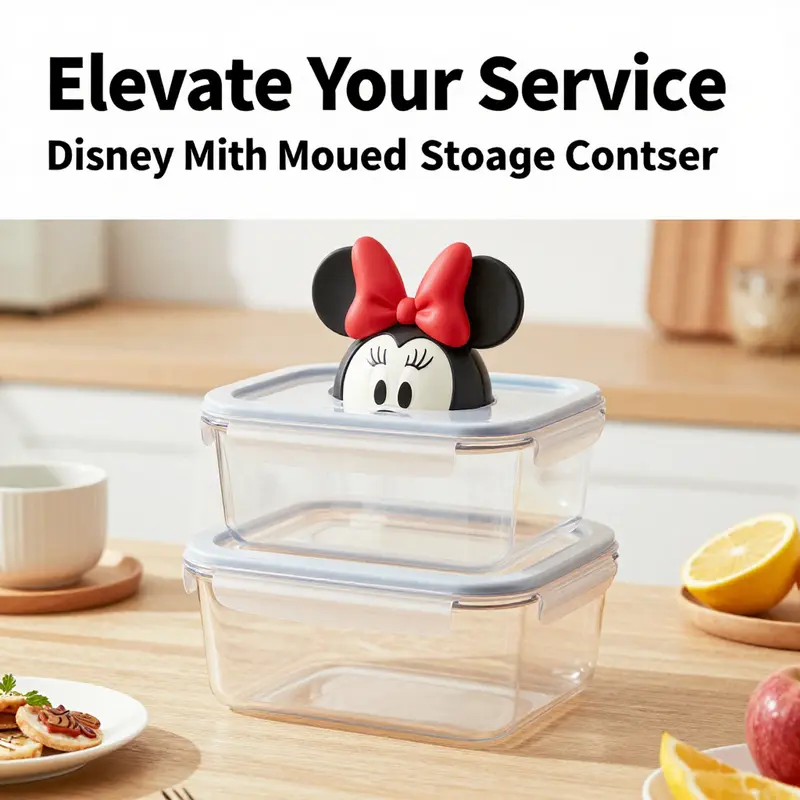
Embracing creativity and functionality is essential for modern businesses in food service, especially for bubble tea shops, restaurants, and catering services. The Disney Minnie Mouse Snap Lock Plastic Food Storage Container offers an appealing way to present food and organize ingredients while brightening the atmosphere with its playful design. From its cleverly designed compartments to its robust construction, this versatile container serves not only practical needs but also fosters a cheerful brand image. Each chapter of this article delves into specific attributes of this storage solution, including its design and functionality, material and construction, ideal uses for various industries, and market availability, giving you a comprehensive understanding of its potential impact on your operations.
Whimsy that Works: How a Character-Inspired Snap-Lock Container Redefines Everyday Kitchen Organization
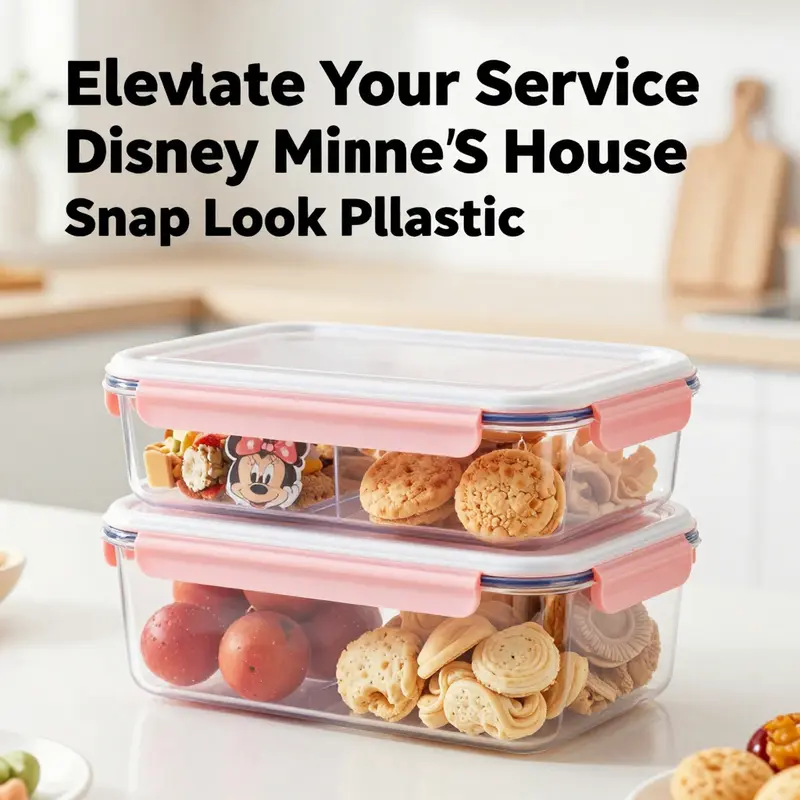
A kitchen that thrives on order can still feel joyful. The presence of a storage solution that looks friendly, even playful, can shift the mood of the entire workflow. This is not a mere vessel for dry goods; it is a well-considered system designed to save time, reduce waste, and invite a sense of delight into daily routines. The design comes from a simple premise: architecture for the kitchen should be practical, but it should also make the task of sorting and storing easier to approach, especially for households with children or a bustling, multi-purpose space. The container in focus embodies this dual aim. It blends a character-inspired aesthetic with a robust, modular approach to storage, providing a model for how form and function can harmonize in everyday life. In this one object, the struggle to keep snacks, baking ingredients, or school supplies neatly separated dissolves into a more intuitive, almost instinctive, habit of organization.
From the outset, the eye is drawn to the visual language of play. The design leans into a bright, cheerful palette—soft pinks and lilac tones that feel both warm and modern. The character motif, while unmistakably friendly, is tempered to suit a variety of kitchen decors and user ages, ensuring that the item remains a practical choice for teens, parents, and anyone who appreciates a touch of whimsy on the countertop. This isn’t a prop for a themed party; it’s a daily-use tool that carries personality without dominating the space. The visual appeal, however, is not a distraction from practicality. It complements the functional core of the container, which is organized around a triad of features that together create a cohesive, time-saving experience.
First, the container’s most conspicuous practical element: three distinct compartments. These are not merely decorative dividers; they are sturdy separators that keep different dry goods—snacks, baking bits, or craft items—neatly separated within a single footprint. The modular layout means users can pre-portion foods for lunches, keep baking ingredients dry and distinct from one another, or curate a tidy supply station for craft materials at a desk or in a classroom. The result is a tactile sense of control. When contents stay separate, the risk of cross-contact, clumping, or flavor mingling diminishes. The compartments also facilitate quick inventory checks. It’s easy to see at a glance what’s running low, what needs to be restocked, and what items are close to their prime for use. This kind of visibility matters, especially in homes where multiple family members share kitchen and storage spaces.
The durability of the separators is a crucial detail. They are designed to be sturdy enough to withstand regular daily use and the occasional rough handling that comes with busy mornings. That sturdiness matters, because it preserves the integrity of the stored contents and keeps the overall system forgiving if someone nicks a corner with a lunch bag or a backpack zipper. In practical terms, the compartments remain intact even when filled to capacity, which means the system remains reliable as a long-term organizational solution rather than a fragile novelty that wears out after a few weeks. The emphasis on strong construction aligns with a broader truth about kitchen storage: the best tools are the ones that disappear into routine, letting the user forget about friction and simply do what needs doing.
Second, the snap-lock lid mechanism is essential. Each compartment is accessible via a secure, easy-to-open lid that snaps firmly into place. The snap-lock feature is not merely a matter of sealing sound or aesthetic; it is a robust barrier against air and moisture, which helps preserve freshness for foods stored inside. For households that pack snackable items for children or for adults who portion out ingredients for later use, this airtight quality translates into longer-lasting flavors and textures. It also minimizes the risk of spills during transport, a common pain point in lunch-packing or on-the-go storage scenarios. The act of opening and closing the lids is designed to be intuitive. A confident snap signals that the container is properly sealed, while the lid’s release is smooth enough to be used by even smaller hands. The design respects varying levels of dexterity among users, making it approachable for kids who take on the responsibility of their own snacks and for adults who appreciate a quick, no-fuss routine.
Linking form to function, the lid design also has an additional, quietly practical feature: inside the lid lie three slots intended for small utensils. These slots provide dedicated spaces for measuring spoons, chopsticks, correspondingly sized markers, or other compact tools that frequently accompany food preparation and portioning. By integrating utensil storage into the container itself, the design reduces clutter on countertops or in drawers. It eliminates one extra container to carry or search for, and it preserves a clean, organized workspace. For a family that moves between kitchen, dining area, and classroom or craft corner, this integrated approach makes sense. It’s a small convenience that compounds over days and weeks, contributing to a broader sense of efficiency and calm in the home.
The material choice further anchors the container in real-world usefulness. Made from BPA-free plastic, the unit is lightweight, durable, and safe for everyday storage. The choice of plastic supports a practical balance of shippability, affordability, and resilience, ensuring that the product remains accessible to a broad range of households while performing well under typical kitchen conditions. The decision to use a material that can be both light and robust serves a dual purpose: it reduces the effort required to move and handle the container and helps keep costs manageable for families on a budget. This water- and moisture-resistance, coupled with a straightforward design, makes the container a dependable option for brimming countertops where space is at a premium.
A noteworthy feature that intersects with how people actually use storage tools is the claimed microwave safety. The ability to reheat food directly in the container can streamline the workflow for families juggling busy schedules. Rather than transferring leftovers to another dish, heating in the same vessel can save minutes and reduce the number of dishes to wash afterward. In practice, this capability supports a more efficient routine, especially for quick lunches and reheated snacks. It also encourages mindful consideration of portion sizes and meal planning, since the container’s capacity is clearly defined and approachable. Speaking of capacity, the unit holds approximately 1.88 quarts, or about 1.78 liters. That size makes it versatile for a range of items—from small meals and snacks to grouped dry ingredients used for baking or crafting. The capacity is designed to be substantial enough to feel useful without becoming bulky, which matters when choosing a solution for compact kitchens or shared storage spaces.
The aesthetic of the container does not exist in isolation; it is intended to evoke a sense of play while reinforcing an orderly approach to food and item organization. The color scheme and character-inspired design are not about branding for its own sake; they are about creating a moment of connection. A design that signals approachability can ease the psychological barrier many people feel about tidying up. When an object feels friendly, it invites use rather than evasion. That invitation is significant because it translates into real behavioral change: more consistent portioning, clearer separation of materials, and a habit of thinking about storage as part of the cooking and lifestyle rhythm rather than as a chore to endure.
All of these features—three distinct compartments, a secure snap-lock lid with air-tight sealing, utensil slots in the lid, BPA-free materials, microwave safety, and a balanced capacity—work in concert to create a cohesive storage solution. It is not a single trick, but a well-constructed system designed to reduce friction. The user can easily switch between a handful of functional modes: a lunchbox-style setup for kids, a compact pantry organizer for dry ingredients, or a small, portable station for arts and crafts supplies. The versatility is as important as the whimsy. A kitchen that can adapt to different needs without requiring a new tool every time is a kitchen that stays organized longer. And because the container’s look is inviting rather than severe, it supports environments where structure and warmth go hand in hand.
In terms of daily use, the container’s layout reduces cross-contamination risks and helps with meal planning. By keeping foods in clearly separated compartments, it is easier to track what has been prepared for the day and what still needs attention. This clarity is especially valuable for households that encourage children to participate in meal prep and snack packing. The size is approachable for little hands to manage, while the durable construction remains reliable for teens and adults who rely on the same system repeatedly. The lid slots for utensils further reduce the number of gadgets that must be hunted down in the kitchen drawer. The overall effect is a more streamlined kitchen routine where the act of packing a snack or portioning ingredients becomes a series of small, confident, repeatable steps rather than a chaotic scramble.
This kind of product prompts a broader reflection on the role of design in everyday living. It speaks to a philosophy that treats storage not as a repository for surplus but as a facilitator of everyday efficiency. When a container is designed to be both visually engaging and functionally robust, it invites households to reimagine how they interact with their food and supplies. It becomes easier to adopt better habits—labeling, portion control, and mindful packing—because the container makes these practices intuitive. It is a reminder that good design can be a gentle driver of healthier routines, especially for families that balance busy calendars and care about both aesthetics and practicality. The knowledge that such a solution exists can also influence how people select other storage tools in the home, guiding choices toward pieces that share a similar ethos: clear segmentation, reliable sealing, and thoughtful integrative features.
For readers who want to explore related storage options that echo this approach—where form supports function without sacrificing simplicity—there is a pathway to broader collections that emphasize food storage, organization, and sustainable design. A practical, flexible storage system aligns with day-to-day needs and supports a household’s broader goals, from reducing waste to simplifying meal prep. The emphasis on modularity and ease of use resonates across many contexts, including school lunches, office snack stations, and craft rooms where tiny components demand careful separation. In each case, the underlying principle remains the same: when storage is designed to be approachable, it is used more consistently, and consistency is the cornerstone of lasting organization.
For readers seeking both inspiration and practical access to related storage concepts, a peer resource offers a window into similar materials and design considerations. The linked resource presents a wholesale, customizable take on a range of Kraft-paper storage solutions that align with the overarching theme of practical, organized, and aesthetically considerate containers. It demonstrates how a family of products can extend a core philosophy into complementary forms, providing options that fit varying spaces, budgets, and usage patterns. This kind of exploration helps illuminate how a single design priority—usability—can ripple outward into a broader assortment of tools that support daily life. Wholesale custom print Kraft paper food storage salad noodle bowl
Beyond the immediate function and aesthetics, the concept invites readers to consider the care and maintenance that keep any storage system performing over time. While the materials are chosen for safety and durability, the long-term experience depends on simple routines: regular cleaning, appropriate drying before assembly, and mindful use to avoid warping or stress on the snap-lock mechanisms. The ease of cleaning is a kind of durability in practice, as a container that is straightforward to clean is also less likely to accumulate residue and odors. When households embrace simple, repeatable care steps, they reinforce a sense of order that becomes a habit rather than a task. That habit, in turn, supports healthier and more sustainable kitchen practices, since items stay in good condition longer and minimize the need for frequent replacements. It is a reminder that design is not just about how something looks or how it performs in the moment, but about how it ages with a family’s routines.
Taken together, the design and functionality of this character-inspired snap-lock container illustrate a broader principle in household goods: the most enduring innovations are not simply clever features, but a thoughtful synthesis of shape, material, and use-case. The three compartments create an immediate sense of organization, while the snap-lock lids guarantee that what is stored stays secure and fresh. The utensil slots, the safe materials, the microwave compatibility, and the carefully chosen capacity all contribute to an object that feels trustworthy and approachable. When such a container is integrated into daily life, it becomes less about keeping things out of sight and more about empowering people to plan, portion, and enjoy their food and supplies with clarity and ease.
For readers who want to see how these principles translate into everyday reality, consider how such a container could anchor a family lunch routine, a classroom activity station, or a craft corner. Visualize a kitchen where the counter space is curated rather than cluttered, where each item has a well-defined purpose, and where the gentle whimsy of the design provides a welcome, non-intimidating touch. The true value of a well-designed storage solution emerges when it ceases to feel like a product and starts to feel like a helpful partner in daily life. That is the promise of a container that blends charm with capability: a reliable, accessible system that supports busy families, organized classrooms, and tidy workspaces alike.
For further context on related resources that explore the broader ecosystem of organized storage solutions, see the official product page from a major themed-collection platform that documents how design can connect with everyday needs. This external resource provides a broader lens on how character-inspired storage concepts travel from concept to practical use, underscoring the idea that thoughtful design can be a steady ally in maintaining an orderly, functional home. Disney Parks Official Store product page
Playful Precision in Everyday Storage: The Material, Mechanism, and Meaning of a Character-Themed Snap-Lock Container
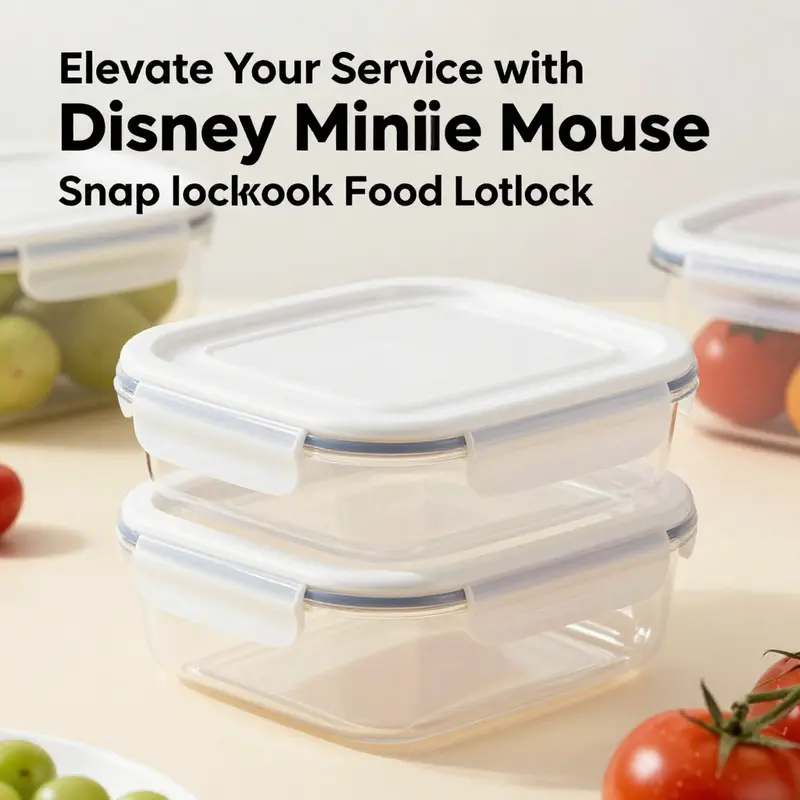
In any home where clutter and chaos seem to accumulate just as quickly as afternoon light, a well-designed storage solution can feel like a small victory. Containers that seal securely, protect their contents, and please the eye don’t just keep food or small items safe; they shape daily routines. A character-themed snap-lock plastic storage option embodies this ideal. It blends practical safety features with a playful aesthetic, inviting both kids and adults to participate in organization. The core idea is straightforward: use a container that is easy to open, easy to clean, and easy to trust with what you store inside. When these elements align, the container becomes more than a utilitarian box. It becomes a dependable companion in morning routines, school corridors, office desks, and weekend picnics alike, helping to reduce waste, save time, and reduce the cognitive load of daily planning. The experience of interacting with such a container—clicking the lid closed, hearing that crisp snap, and seeing the contents stay neatly separated—contributes to a sense of order that is almost tangible. This is not about novelty alone; it is about turning everyday storage into a frictionless, repeatable habit that supports healthier snacking, tidier spaces, and calmer decision-making as life moves at its usual brisk pace.
At the heart of this design is a thoughtful material choice. The container is crafted from BPA-free plastic, a standard that speaks to a growing consumer demand for safer food-contact materials. BPA-free plastics are used widely because they minimize concerns about chemical migration when in contact with foods and beverages. This is especially meaningful for containers that will hold a mix of snacks, cut fruit, or leftovers—items that families reach for often. The assurance of safety does not have to come at the expense of practicality. BPA-free plastic tends to be lightweight and shatter-resistant, which makes it well suited for school lunches, office snacks, or travel. The material’s resilience supports frequent handling by curious hands and busy schedules, while its inert nature helps maintain the flavors and textures of stored items. In a culture increasingly attentive to what touches our food, the material choice becomes part of a larger narrative of responsible use and everyday trust.
Another essential element is the snap-lock lid. The mechanism is simple, yet its reliability is central to the container’s everyday utility. A snap-lock lid offers a tight, leak-resistant seal that helps keep contents fresh and prevents accidental spills. This capability proves especially valuable during commutes, car rides, and gym bags where movement is part of the journey. The tactile cue of a secure seal—the satisfying click when the lid snaps into place—provides reassurance, reducing the chances of mishaps that lead to messy bags or soggy items. The seal’s performance also translates into practical benefits: less waste from spoilage, fewer trips to repackage leftovers, and more confidence when packing meals for children who are on the go between classes and activities. The design thus lines up with the real-world rhythms of modern life, where time and reliability matter as much as style.
Inside, the container makes room for organization through its three compartments and three recesses. This arrangement is not an arbitrary aesthetic choice but a functional plan that supports portion control and mindful packing. With three distinct spaces, it becomes easier to keep different foods separate, which helps maintain texture and flavor integrity. For parents packing a balanced snack, three compartments offer a straightforward way to combine fruit, a grain-based item, and a small treat without resorting to multiple separate containers. For children, the clear divisions can function as gentle teaching tools, reinforcing ideas about healthy variety and the boundaries between different foods. The additional recesses can be used to hold utensils, napkins, or tiny school supplies, extending the container’s utility beyond the kitchen and into study corners and craft nooks. In other words, the design translates elegantly across contexts, enabling a single vessel to support a spectrum of organizational tasks rather than demanding a new solution for every circumstance. This adaptability resonates with households that value simplicity and consistency, where the aim is to reduce the number of separate containers while increasing the reliability of what is stored and transported.
Color and motif also matter, even when they exist as a backdrop to core functionality. A pink-and-lilac palette—a common pairing in character-themed designs—can be more than just decorative. It tends to draw attention in a sea of everyday packaging and can make a storage solution feel approachable and friendly, especially to younger users. The visual language signals that the container is designed to invite use rather than deter it. Aesthetics thus become a practical accelerant for good habits: if the container looks appealing, families may be more inclined to designate it as the home base for snacks and small items, encouraging consistent organization across days and weeks. This is not mere decoration; it is a strategic enhancement that coordinates form with function, ensuring that the container integrates into daily life as a seamless, low-friction tool. The result is a product that is not only safe and sturdy but also enjoyable to handle, which increases the likelihood that it will be used, washed, and repurposed rather than pushed to the back of a cabinet.
The lifecycle of such a container is anchored in its durability and ease of maintenance. BPA-free plastic offered in a robust, smooth finish is easier to wipe clean and less prone to staining than some other materials. The rounder shapes, the absence of hard-to-reach nooks, and the straightforward lid system all contribute to a user experience that minimizes scrubbing and maximizes usability. In homes with young children, ease of cleaning translates into more consistent use, which in turn reinforces organized habits. The container’s strength also matters for those who travel with snacks or leftovers: it resists the everyday bumps and taps of school bags, backpacks, and car seats. Its lightweight yet sturdy construction makes it a practical partner for families seeking to avoid disposable packaging and sustain reusable storage practices. The focus on reusability aligns with broader environmental considerations, turning a simple box into a reliable tool that recycles the energy of daily routines into a lower-waste lifecycle.
It is helpful to situate this container within a broader ecosystem of storage and packaging choices. In spaces where branding and practicality meet, designers often explore how a single product line can convey a consistent story across different formats. While this particular container emphasizes safety, organization, and a touch of whimsy, comparable packaging lines demonstrate how materials and design language can travel from inside the home to the outside world. For readers who want to see how branding can complement function in storage and packaging, there are wholesale options that pair practical durability with printed design across related categories. See the wholesale custom print kraft-paper food storage salad-noodle bowl for an example of how branding and material choices extend beyond a single container into a cohesive line. wholesale-custom-print-kraft-paper-food-storage-salad-noodle-bowl
The thread connecting safety, function, and whimsy in this kind of container is a straightforward truth: everyday life runs more smoothly when the tools we use are reliable, intuitive, and pleasant to handle. A leak-resistant seal, a clear internal organization, and a design language that children naturally respond to do more than about storage; they shape behavior. When a family reaches for a snack or a school snack, the container’s everyday performance informs how meals are planned, how portions are controlled, and how quickly a busy afternoon can be navigated. In this sense, the container becomes a touchstone for consistent postures of care—care for the food, care for the environment through reusability, and care for the routines that anchor days together. The tactile satisfaction of a secure click, the visual clarity of the three-part compartment system, and the gentle warmth of a color palette that feels approachable together reinforce a practical philosophy: design matters when it helps people do the right thing—pack, transport, and store with confidence.
For readers seeking a broader frame on safety and material standards, it is worth consulting external guidelines about plastics in contact with food. These resources help illuminate how regulators and researchers assess and manage concerns related to chemical migration,耐 heat exposure, and overall food safety. One widely used reference is the FDA’s guidance on plastics in contact with food, which provides foundational context for the materials discussed above. https://www.fda.gov/food/food-safety-education
Whimsy Meets Organization: Applications of a Character-Inspired Snap-Lock Container for Everyday Food Storage
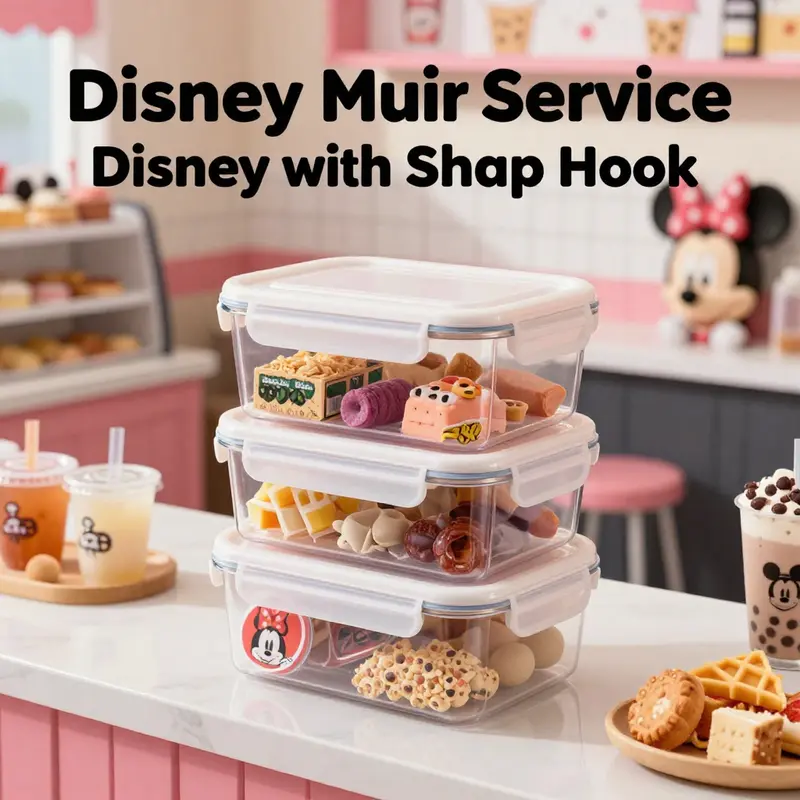
A storage container can be more than a simple box for leftovers; it can be a partner in building healthy routines, a prompt for imaginative play, and a quiet ally in the daily work of keeping a kitchen, a classroom, or an office organized. When the container carries a playful, character-inspired aesthetic, that utility often extends beyond mere practicality. It becomes a tool that invites children to participate in meal planning, encourages portion control without a sense of deprivation, and sparks joy in the ordinary chores of packaging, carrying, and storing food. The subject here—an object built around snap-lock security and cheerful visuals—exemplifies how form and function merge in a way that supports both caregivers and kids. The design is more than skin-deep; it is a practical philosophy embodied in plastic, a small but telling example of how storage can be both reliable and appealing, structured and story-driven at the same time.
At the heart of this container’s appeal is a straightforward principle: airtight, secure storage that respects the freshness of its contents. The snap-lock lid is more than a playful mechanism; it is a real-world solution to moisture, air infiltration, and the odors that often travel from the kitchen to the rest of the house. When meals, snacks, or small treats are portioned into the three separate compartments, the risk of cross-mixing flavors or textures drops significantly. This is especially valuable for families that pack varied items for school lunches or after-school snacks. The individual slots make it easy to keep fruit separated from dairy, nuts from crackers, or yogurt from berries. It is a simple design choice that yields tangible benefits: less sogginess, less mixing of aromas, and more predictable portions. The container’s clear body is an added advantage, offering quick visual checks that reduce the need to rummage through multiple boxes to find a preferred snack.
Safety and durability sit side by side with convenience. The plastic construction is described in many guides as BPA-free, a standard that resonates with parents and educators who want durable, lightweight gear that can withstand daily use. The combination of sturdy walls and a robust lid is essential for a busy household or classroom setting, where containers may be dropped, tossed into backpacks, or stacked in a cabinet. In the context of a character-inspired design, the safety narrative becomes all the more important: not only does the container perform its core job well, but its cheerful exterior helps create a positive association with food storage. Rather than a bland, clinical-looking square, the container becomes something a child looks forward to using, a tiny, familiar anchor in a world of constant change—backpacks, lunch boxes, art supplies, and snack time routines.
This is where the design’s storytelling potential reveals itself. A character-inspired motif—without needing to name the character explicitly—transforms everyday food storage into an imaginative act. Children may begin to see the container as a friendly companion that marks mealtimes or snack breaks as moments of pause and play. The aesthetic is not simply about novelty; it fosters a mindset that food organization can be a positive, even fun, part of daily life. This mindset is especially valuable for younger children who are learning to manage portions and to take ownership of their own meals. When a child takes responsibility for filling and sealing a three-compartment box, they are practicing decision-making, time management, and self-regulation in a setting that feels safe and enjoyable. The container’s design nudges behavior in subtle but meaningful ways: it invites discussion about what to pack, it signals when a meal is ready to go, and it reduces the friction of daily routines by providing clear, predictable compartments for different foods.
Beyond the kitchen, the container demonstrates how a small piece of equipment can travel across contexts with ease. In a daycare or classroom setting, the three-slot configuration supports curriculum-aligned organization. For example, a teacher can reserve one compartment for a fruit portion, another for a small dairy—such as a yogurt cup or cheese cubes—and the third for a healthy starch or a favorite snack. Such an arrangement streamlines distribution, makes it easier for caregivers to monitor variety and balance, and reduces the confusion that often accompanies shared snack times. The lightweight construction supports mobility: containers can be stored in a cubby, placed in a tote bag, or slipped into a backpack with minimal fuss. The same container also suits home office use, where a neat, compact solution to keep afternoon snacks or small office supplies in one place can increase productivity and reduce clutter. The capacity—nearly two quarts spread across multiple compartments—offers enough space for practical portions while still remaining compact enough to fit on a standard shelf or inside a lunchbox.
Care and maintenance are essential to preserving the container’s performance and clarity over time. A critical aspect of ongoing care is ensuring the lid remains airtight after repeated use. The snap-lock mechanism, when engaged correctly, creates a seal that minimizes moisture intrusion and helps preserve the texture of foods like fruits, vegetables, and yogurt. Regular inspection for any hairline cracks or warping is a sensible habit. Warping, especially after heating or dishwasher cycles, can undermine the seal and invite leaks. In terms of heating and reheating, it is important to consult model-specific instructions. Some variants are marked as microwave-safe for reheating, while others may be restricted to cold storage and reheating in separate containers. This distinction matters in households that rely on quick meals after school or after-work routines, where a reheated snack is a common expectation. If a model is microwave-safe, care should still be taken to remove lids before microwaving or to use lid vents if available, as built-up steam can deform plastic over time.
The material’s properties invite thoughtful culinary planning. A clear container not only reveals what is inside but also acts as a gentle nudge toward mindful eating. Seeing all components at a glance supports portion awareness, a skill particularly valuable for children learning to navigate a growing appetite and a changing schedule. The three-compartment design also aligns with dietary guidance that promotes variety in a single meal. Rather than choosing between carrots or crackers, a child can enjoy a balanced mini-meal by selecting a few items from each section. This approach reduces the likelihood of overeating a single item and encourages a more complete, visually varied plate, which can help sustain energy through late afternoons and after-school activities.
The packaging narrative matters as well. A container that is both durable and aesthetically pleasing helps families minimize waste by encouraging reuse rather than discard. In a broader sense, this is not merely about a single product’s longevity; it reflects a larger trend toward practical, durable, kid-friendly storage solutions that travel well. A well-designed container becomes part of a sustainable routine. It travels from home to daycare to school, and back again, carrying items that will become part of meals and snacks in multiple settings. The multi-use capacity supports a philosophy of reuse and repurposing: it can store fruit, nuts, yogurt, or small school supplies like crayons and erasers. In other words, its usefulness extends beyond food, reinforcing a habit of organization that can transcend one particular phase of life.
The social dimension of using a character-inspired container is worth noting. When a family adopts a storage item that sparks conversation and curiosity, fewer items end up misplaced or forgotten in backpacks or on countertops. The container’s familiar shape and friendly exterior act as prompts for kids to help with the routine of packing up after meals. The adult in the home sees fewer stray items in the living room and kitchen—a small but meaningful win for household harmony. In daycare settings, such containers can be part of a standard, predictable routine that helps caregivers manage multiple children with diverse food preferences. The compartments structure daily choices in a way that reduces logistical friction, while the charm of the design elevates the experience of what can otherwise be a mundane chore. The result is a practical tool that also contributes to a positive, inclusive atmosphere where children feel engaged and valued rather than overwhelmed by the logistics of meals and snacks.
From a design perspective, this example illustrates how product developers balance form and function. The visual appeal is not a garnish; it is a deliberate strategy to foster engagement and to support healthy practices. A well-conceived character-inspired motif makes the container visually distinctive in a crowded cabinet or lunchbox lineup. It also creates a sense of continuity across related products, enabling families to expand their collection gradually with compatible pieces such as lids, utensils, or compatible storage options. The sense of coherence that emerges from a family of related items can reduce decision fatigue for caregivers and children alike. In teaching environments, this coherence supports brand-neutral lessons about organization, hygiene, and responsibility: children learn to handle containers with care, to wash them properly, and to return them to the same place each time.
The chapter’s broader resonance lies in recognizing that a single plastic container, modest in size, can embody a spectrum of values: reliability, safety, whimsy, and educational potential. It is a reminder that everyday objects designed with care can quietly shape habits and experiences. The combination of airtight sealing, visual appeal, and practical segmentation makes this container a small but potent instrument for nurturing autonomy in children and efficiency in adults. When seen in this light, the container becomes part of a larger ecosystem of packaging and storage that supports healthier eating patterns, orderly spaces, and more intentional daily routines. It is not merely about keeping food fresh; it is about preserving the dignity of everyday life by providing tools that respect time, appetite, and the needs of growing minds.
For readers seeking to relate these ideas to broader practices of packaging and sustainable consumption, it may help to consider models and products that cross over from food storage to other everyday uses. The same design principles that make a three-compartment food container effective can inform organizational solutions for school projects, art supplies, or travel kits. In classrooms, for instance, similar compact systems can help students manage materials, label items, and maintain an orderly desk. When such solutions are accessible, appealing, and easy to maintain, they are more likely to be adopted and sustained. In households pursuing minimal waste, the durability and reusability of well-made containers encourage fewer trips to the store for disposable alternatives, aligning daily practices with a more thoughtful approach to consumption and waste reduction.
In closing, the character-inspired snap-lock storage container represents more than a playful aesthetic. It embodies a practical philosophy that values airtight freshness, clear organization, and the joy of everyday routines. Its three-compartment architecture supports balanced meals and mindful portions, while its sturdy construction and child-friendly design invite participation from the youngest family members. The result is a product that stands up to the rhythms of family life and remains adaptable across kitchens, classrooms, and travel bags. The container’s appeal lies not only in its charm but in its utility—the rare combination that makes daily habits easier, more enjoyable, and more sustainable over time. As families, schools, and offices continue to search for ways to streamline their routines without sacrificing delight, objects like this offer a compelling example of how design can harmonize whimsy with responsibility, turning ordinary tasks into moments of competence, care, and a little bit of everyday magic.
Internal link note: For a related exploration of sustainable packaging choices in everyday items, you can explore this example of eco-friendly single-wall paper cups with lids, which demonstrates how practical design and environmental considerations can coexist in everyday containers: eco-friendly printed-logo single-wall paper cup with lid.
External reference: For readers seeking a concrete reference to a similar product’s specifications and presentation in a broader marketplace, see the following listing: https://www.ebay.com/itm/354920677243
Whimsy and Organization: Minnie-Themed Snap-Lock Containers
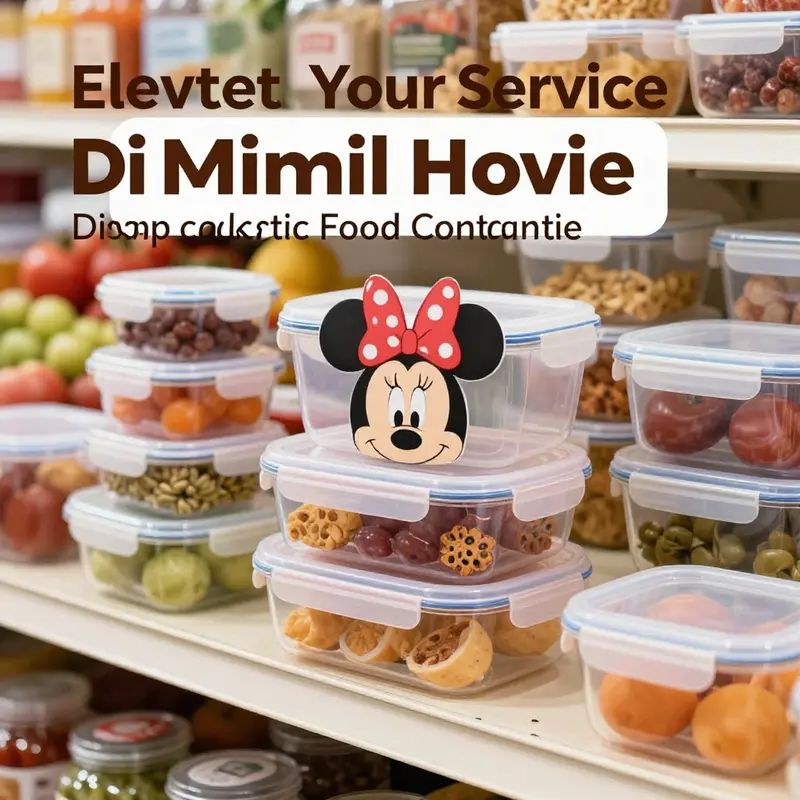
The Minnie-inspired snap lock containers bring a playful note to practical kitchens. They turn a cluttered drawer into a calm display of organization. The charm comes from the cheerful exterior and the smart engineering of the lids, which click into place with a satisfying tap. The clear bodies let you see contents at a glance, reducing rummaging and helping with mindful portioning. For families, these containers make snack time and school lunches a simple, joyful routine.\n\nThe three-compartment design offers practical division for snacks, cereals, and baking ingredients. Each section can hold a distinct category, while the accompanying dividers or recessed slots help keep items tidy within the same footprint. That modular layout supports a family workflow where kids learn to pick safe portions and adults keep pantry math under control.\n\nMaterials are typically BPA-free plastics that balance lightweight handling with durability. The containers are designed to nest for compact storage and stack neatly on a shelf. Care and maintenance are straightforward: dishwasher safe on the top rack and easy hand-washing around seals to prevent clouding and odor retention. When a seal shows wear, replacing the lid preserves performance without sacrificing the look of the set.\n\nBeyond aesthetics, the Minnie motif acts as a friendly cue for daily routines. A consistent, family-friendly look helps create a cohesive kitchen display and signals a habit of tidy storage. In small spaces or busy households, these containers offer a reliable blend of whimsy and practicality that supports reusable, organized living.
Final thoughts
The Disney Minnie Mouse Snap Lock Plastic Food Storage Container is more than just a playful addition to your kitchen or business. Its design and construction provide both aesthetic appeal and practical functionality, making it an ideal choice for diverse applications across various food service environments. By incorporating this fun and reliable storage solution into your operations, you not only optimize your food storage practices but also create a delightful experience for your customers. Don’t wait to elevate your offerings with this charming container!