
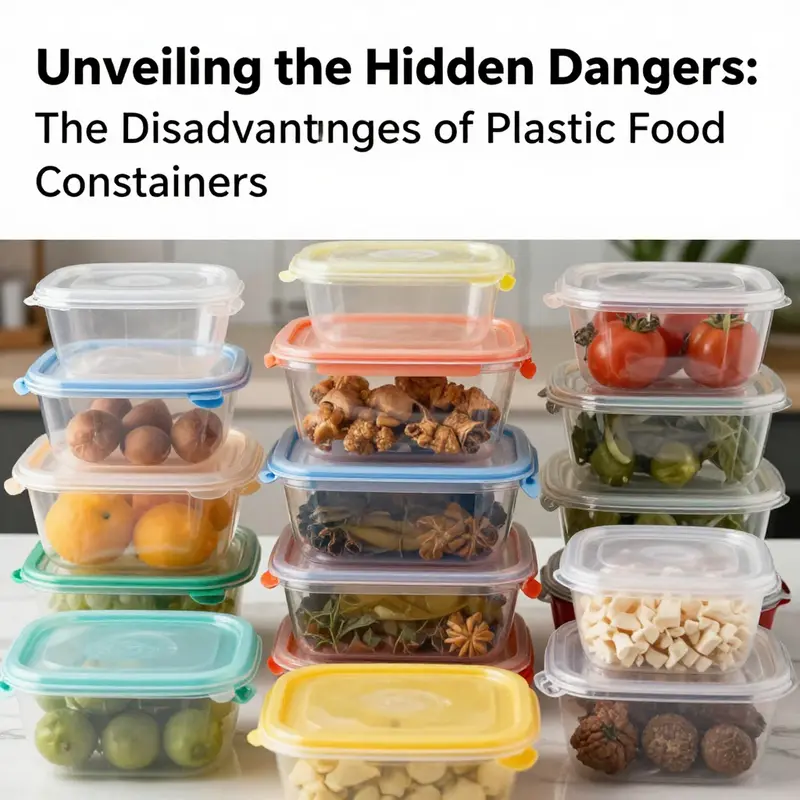
As the food service industry continues to navigate the challenges of delivering quality and convenience, plastic food containers remain a popular choice among bubble tea shops, restaurants, food trucks, and catering services. However, these containers harbor significant hidden dangers that can affect both public health and the environment. In this article, we’ll delve into the critical disadvantages of plastic food containers, particularly focusing on the health risks associated with chemical migrations, the pollution caused by microplastics, and the varying safety levels of materials utilized in their production. Each chapter will explore these issues in depth, providing insights that can help businesses make more informed decisions about their packaging choices.
Migration of Harmful Chemicals: Rethinking Safety and Health Risks in Plastic Food Containers
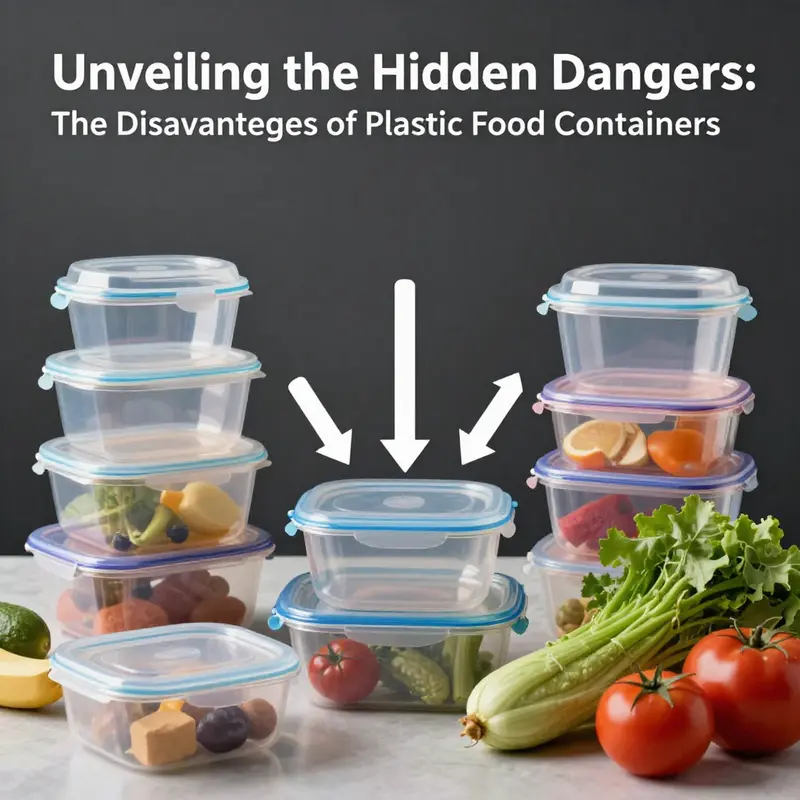
The everyday convenience of plastic food containers hides a more complex and troubling reality. When plastics are heated or come into contact with high-fat or acidic foods, their molecular architecture can shift, allowing chemicals that were once trapped in the polymer matrix to migrate into the food we eat. This is not a single, isolated hazard but a cascade of mechanisms that intersects chemistry, physiology, public health, and consumer behavior. The core concern centers on endocrine-disrupting chemicals (EDCs) that, rather than acting as outright poisons, subtly interfere with hormonal signaling. Among the most discussed are bisphenols—BPA and its replacements like BPS and BPF—and a broad family of plasticizers such as phthalates that loosen plastic chains to improve flexibility. Additives designed to stabilize color, texture, and durability further complicate the risk profile. What makes the issue so persistent is not merely the presence of these substances in a container, but the fact that their release is amplified by common kitchen practices and storage conditions. In other words, everyday use can bring risks into the foreground, even when packaging appears to be “microwave-safe” or labeled as BPA-free.
The most widely cited contemporary finding in this area comes from a 2024 study published in Environmental Health Perspectives. It reported that nearly seven in ten common plastic food containers released detectable levels of endocrine-disrupting chemicals when subjected to heating. The implication is stark: labeling that promises safety under certain conditions does not guarantee protection in real-world practice. The study also highlighted a troubling substitution effect. Even containers marketed as BPA-free can leach other bisphenols such as BPS or BPF, which exhibit endocrine-disrupting properties similar to BPA. This compensatory chemistry undermines consumer confidence in “filler-free” or “chemical-free” claims and underscores a critical gap between regulatory labeling and actual exposure.
The mechanism of chemical migration is not merely a function of the polymer’s chemistry but of its interaction with food matrices. Lipids, for instance, are more efficient vehicles for leaching, so fatty foods—cheeses, oils, and certain meats—can pull more chemicals from the container than watery foods. The fatty nature of many leftovers makes the risk particularly salient in households that regularly heat or reheat meals in plastic containers. Repeated use and aging of containers compound the problem. With wear and microstructural changes over time, microvoids and surface irregularities can become conduits for chemical diffusion, allowing trace levels to accumulate with each use. Even when a container has passed a one-time safety test, it can differ markedly from the long-term reality of household use.
The public health message embedded in these findings is not simply about one compound or one product category. It is about the plausible, low-dose, repeated exposures that can accumulate over years, potentially altering hormonal balance and metabolic regulation. Endocrine disruptors do not necessarily cause immediate, dramatic illness. Instead, they can subtly perturb systems that regulate fat metabolism, glucose homeostasis, and cardiovascular function. In the context of the cardiovascular system, this disruption can translate into endothelial dysfunction, altered lipid handling, and inflammatory processes, which over time contribute to atherogenesis or exacerbate vascular aging. The implications extend beyond individual risk to population-level patterns, especially as the use of disposable plastics in food packaging remains widespread and deeply embedded in modern food systems.
Another layer of complexity arises from the regulatory and quality-control landscape for plastic packaging. While many regions have tightened standards and labeling requirements for food contact materials, the practical reality is nuanced. A national standard implemented in 2024 in a large jurisdiction mandated explicit labeling of maximum use temperatures and ensured that chemical migration complies with established safety limits. Yet, as the literature emphasizes, labeling does not capture all instances of exposure, particularly in consumer practice. Containers sold as “microwave-safe” can, under real-world conditions, fail to prevent migration when subjected to prolonged heating, high-fat foods, or acidic substances. The discrepancy between regulation and everyday behavior is a persistent challenge for public health messaging and risk communication.
Moreover, there is a social and environmental dimension to this issue that intensifies the health concerns. The majority of plastic food containers are designed for single use, contributing to a broader pattern of plastic waste and environmental degradation. Even where recycling streams exist, the return on environmental benefits remains modest, and the contaminant load in recycling systems complicates material reuse. While this environmental context might seem distant from an individual’s health risk, it matters because environmental exposures and social determinants of health often converge. Communities with higher exposure to degraded environments, lower access to safer storage alternatives, or greater reliance on affordable disposable packaging can experience a disproportionate burden of risk. This intersection of chemical migration risk with sustainability concerns pushes the discourse beyond personal behavior to system-level choices about packaging design, material science, and economic incentives.
Against this backdrop, several practical guidance points emerge for households and policymakers. First, labeling alone should not be the sole determinant of safety choices. Even products marketed as BPA-free may carry similar risks due to the presence of bisphenol substitutes. Consumers should be encouraged to consider the broader chemical landscape of plastics and to understand that high-temperature and high-fat contexts amplify migration. Second, the choice of material matters. Polypropylene (PP) and certain grades of polyethylene (PE) are among the more thermally stable options, but even these materials have thresholds. The safe approach is to avoid heating or storing hot, oily, or acidic foods in plastic containers altogether. When possible, transferring hot or fatty foods to glass or ceramic containers for reheating is a prudent step. Third, aging matters. Containers should be scrutinized for wear, scratches, clouding, or visible surface changes, all of which can indicate increased permeability. Replacing old containers and avoiding the reuse of single-use plastics is a defensible precaution in households aiming to minimize exposure.
From a public health perspective, these insights call for a layered mitigation strategy. On one level, there is a need for enhanced detection and monitoring of chemical migration in real-world usage. This includes better simulants that reflect typical meal fats, acids, and reheating times, as well as more representative aging scenarios. On another level, regulatory agencies should consider shifting from a single-label risk paradigm to a more dynamic risk framework that accounts for cumulative exposure, diversity of products, and consumer behavior. Finally, the packaging industry has a persuasive mandate to innovate non-migrating materials that retain the convenience of plastic while eliminating harmful leachables under common kitchen conditions. In this sense, consumer education, regulatory vigilance, and material science must advance in concert to reduce the net risk.
For readers who want a concrete touchpoint that illustrates a broader shift away from conventional plastic reliance, an example in the packaging landscape is the rise of paper-based and pulp-derived alternatives for disposable tableware. While not a panacea, such options demonstrate how design choices can reduce single-use plastic exposure without sacrificing usability. For those curious about practical packaging alternatives, one can explore a product page that showcases disposable kraft paper bowls with take-out capabilities, which signals a preference for fibers over petrochemical polymers in some segments of the market. See the disposable kraft paper bowl product page for a concrete example of the direction some suppliers are taking: disposable kraft paper bowl product page. This reference is included here to illustrate how packaging ecosystems are expanding beyond traditional plastics while remaining attentive to cost and convenience.
The broader takeaway is that chemical migration risks in plastic food containers stem from a confluence of chemistry, heating practices, and product design. While a single study cannot resolve the full scope of exposure, the weight of evidence points to several recurring themes: migration increases with temperature and fat content; substitutes for BPA are not inherently safer; and labeling can obscure real-world risk. The public health implications extend into chronic disease domains, including metabolic disruption and cardiovascular vulnerability, reinforcing the need for informed consumer choices, stronger regulatory enforcement, and ongoing research into safer, non-migrating materials. The research community and policy-makers must continue to confront the reality that the convenience of plastic packaging comes at a potential cost to long-term health and environmental integrity.
External resource for further authoritative insight: Harvard T.H. Chan School of Public Health highlights the leaching risk associated with microwaving plastic containers and provides a detailed scientific context for understanding how heat and contact with food substrates influence chemical release. See: https://www.hsph.harvard.edu/news/press-releases/microwaving-plastic-containers-chemical-leaching-risk
In sum, the chapter you are reading now sits at the intersection of everyday kitchen practices and larger questions about safety, design, and sustainability. The central concern—chemical migration during heating—asks us to re-evaluate the default trust we often place in plastic packaging. It invites a practical, evidence-informed approach to choosing materials, handling food, and balancing the conveniences of modern life with the long-term health of individuals and communities. The nuance lies not in demonizing plastic per se but in recognizing the conditions under which it becomes a health consideration and in seeking alternatives that preserve safety, while still meeting the logistical needs of a fast-paced food system. This nuanced view sets the stage for exploring safer packaging innovations and regulatory advances in the chapters that follow, where we turn from risk assessment to the pathways that can lower exposure without sacrificing accessibility or affordability.
Tiny Threats, Tangible Toll: The Microplastic Footprint of Everyday Plastic Food Containers
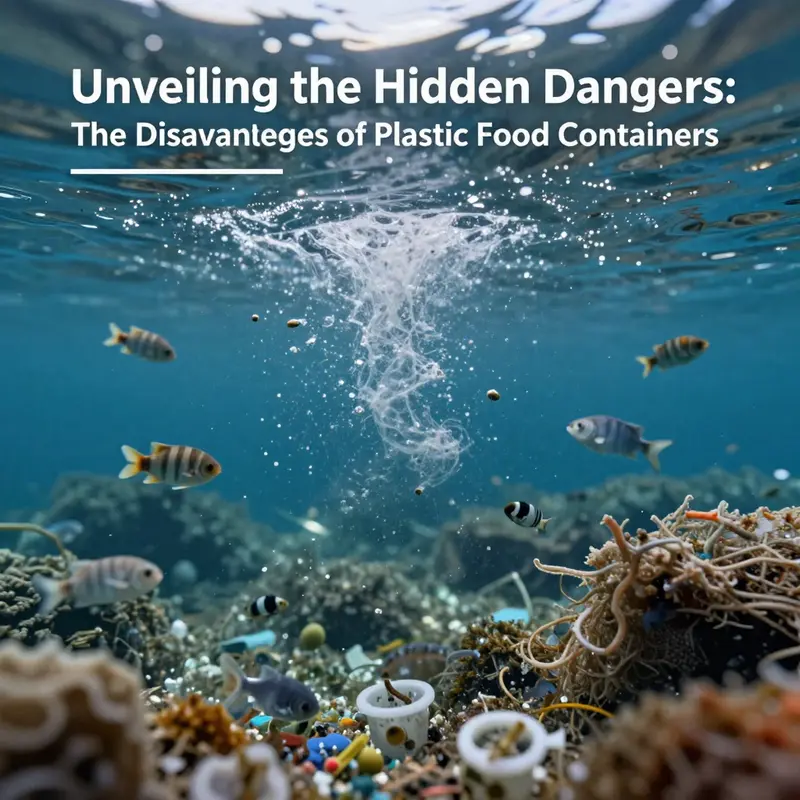
Microplastics have emerged from the shadows of plastic packaging as a persistent fingerprint of modern convenience. In the daily ritual of storing, heating, and transporting food, the tiny fragments that break away from plastic containers accumulate into a measurable, potentially harmful exposure pathway. This chapter follows the thread of microplastics from the moment plastic containers come into contact with food through their life cycle in homes, markets, and the broader environment. It is not merely a matter of distant ocean pollution; it is about minute particles that can accompany meals, ride along in our water, and linger in ecosystems long after the plastic has outlived its usefulness. The lips of a plastic container may seem sealed with safety, but beneath that surface lies a more complicated dynamic—one in which the physics of degradation, the chemistry of additives, and the biology of our bodies converge to reveal a quiet, cumulative risk that deserves careful attention within the broader discussion of plastic food container disadvantages.
To grasp the scope of the issue, it helps to define what microplastics are and how they originate in the context of common food containers. Microplastics are fragments typically ranging from 1 micron to 5 millimeters in size. They can form through physical abrasion, chemical breakdown, or thermal processes that occur during normal use or improper handling of plastic ware. When hot liquids or fatty foods are stored in certain plastics, the heat and chemical environment accelerate the release of polymers, additives, and, crucially, microplastic particles into the food. The danger is not limited to the visible or the obvious; even seemingly inert packaging can shed particles that escape detection yet still enter the human body with meals or sips. The mechanisms of shedding are not trivial. Repeated use, aggressive washing, and exposure to sunlight or UV light can all contribute to fragmentation. In some polymers, the interaction with fatty acids and acidic conditions can further hasten the embrittlement and release of small particles. The result is a continuous, low-level exposure that, over weeks, months, and years, compounds into a measurable burden.
The health implications of ingesting microplastics are complex and still being unraveled, but the literature is converging on several troubling themes. First, the sheer quantity of particles that some individuals may ingest on a weekly basis is striking. Estimates from modern exposure research suggest that people may consume thousands of microplastic particles per week through a combination of drinking water and food stored or served in plastic packaging. A landmark study from 2024, published in the Proceedings of the National Academy of Sciences, documented an astonishing concentration of micro- and nanoplastics in bottled water, with a single liter containing hundreds of thousands of such particles. The composition skews toward nanosized particles, which can pass through biological barriers that larger particles cannot. Once these nano- and micro-particles enter the intestinal lining, they can provoke inflammatory responses and oxidative stress, potentially disturbing cellular homeostasis over time. The smaller the particle, the more easily it can traverse barriers, including the mucosal layer of the gut and, in theory, the blood-brain barrier. While the full health impact on humans remains a field of active research, there is a growing concern that chronic exposure to these particles could contribute to inflammatory states, vascular dysfunction, and cellular stress responses that cumulatively influence metabolic and cardiovascular risk factors.
Beyond the direct effects of the particles themselves, microplastics act as carriers for other hazardous substances. The surfaces of microplastics can adsorb heavy metals and persistent organic pollutants from the surrounding environment. When ingested, these toxins can desorb in the gut and accumulate in tissues, adding a layer of risk that compounds the effects of the particles. This carrier effect is particularly worrisome because it means microplastics are not just inert debris; they can shuttle harmful compounds into the body in a way that might intensify exposure beyond what the polymer itself would deliver. The implications for long-term health are still being explored, but the convergence of particle burden and co-contaminants presents a plausible link to chronic inflammation and metabolic disturbances that resonate with the broader discussion of cardiovascular risk.
The environmental dimension of this narrative amplifies the urgency. Microplastics shed from food containers do not stay within kitchens or homes; they become part of a vast, interconnected cycle that touches soils, rivers, and oceans. When mismanaged or discarded after a single-use life, plastic containers fragment into microplastics and nanoplastics that permeate ecosystems. In marine environments, these particles are readily ingested by plankton, shellfish, and other organisms, entering food webs that can culminate in higher trophic levels, including humans. The bioaccumulation and biomagnification potential of these particles and their associated toxins raise concerns about chronic exposure through seafood and other dietary sources. The environmental persistence of plastics—often lasting for centuries—means that today’s disposal choices echo far into future generations, reinforcing the idea that the microplastic problem is not only a health concern but an ethical and ecological one as well.
What makes this issue especially salient within the broader disadvantages of plastic food containers is that microplastic release is not limited to a single misuse scenario. It occurs across a spectrum of routine use: heating leftovers in polypropylene (PP) or polyethylene (PE) containers, storing acidic or fatty foods at room temperature, or washing and reusing containers many times. The material properties of common packaging—such as limited heat resistance and finite mechanical strength—create a perpetual trade-off between convenience and potential particle shedding. The very materials chosen for their cost-effectiveness and flexibility can, under ordinary conditions, contribute to a microplastic load that compounds over a lifetime of consumption. The narrative is not about a dramatic, one-off exposure; it is about a pervasive, everyday pattern that quietly integrates into dietary habits.
In the context of policy and public health messaging, this microplastic dimension reframes how we think about safety standards and consumer choices. The introduction of newer standards, like temperature labeling and migration limits, is a positive step toward reducing risks. Yet the presence of microplastics as a product of routine use means that even compliant products can contribute to exposure, especially when users heat food directly in containers or store hot, fatty, or acidic foods in plastics for extended periods. The practical implications for consumers involve a combination of better-informed handling and an openness to alternatives. Reducing reliance on single-use plastics, choosing materials that resist degradation under common kitchen conditions, and rethinking the lifecycle of packaging are all part of a broader risk reduction framework.
From a behavioral standpoint, the guidance that emerges is nuanced. It is not enough to focus solely on whether a container is BPA-free or marked with a specific migration level. Consumers must also consider the thermal and chemical context in which containers are used. For example, even “safely labeled” materials can shed particles when subjected to temperatures near or above their tolerance thresholds. This awareness translates into concrete practices: avoid microwaving food in plastic containers, transfer hot contents to heat-resistant glass or ceramic vessels, and refrain from storing highly acidic or fatty foods in plastics for prolonged periods. The practical ethic is to minimize conditions that accelerate material breakdown, even if the container is technically within safety specifications.
Economic realities contribute to the dilemma as well. The allure of inexpensive, disposable containers remains strong in many markets, particularly where takeout and casual dining have become entrenched. The convenience of throwing away a container after a meal often masks the long tail of environmental and health costs. Yet the chapter on microplastics pushes against a simplistic calculus of cost and convenience. It invites a broader valuation of health outcomes, environmental stewardship, and the integrity of food systems. The science suggests a precautionary approach: reduce the use of single-use plastics for hot or fatty foods, favor materials with better thermal stability, and support packaging designs that minimize shedding potential without compromising food safety or practicality.
The cultural dimensions of plastic reliance also shape how microplastics are experienced. In some places, plastic containers are deeply embedded in daily routines—from lunch boxes to food stalls and market stalls. The social acceptability of reusable alternatives varies, influenced by infrastructure, water access for cleaning, and cultural norms around sharing and reuse. These factors matter because even the best scientific guidance can stall if it does not align with everyday realities. Advocacy for safer packaging must be coupled with robust waste management, accessible reuse options, and consumer education that respects local contexts. The goal is to shift systems rather than impose individual blame, recognizing that reducing microplastic exposure requires coordinated action from manufacturers, retailers, policymakers, and communities alike.
If there is a pathway to meaningful change, it lies in offering practical, scalable alternatives that align with consumer needs and environmental goals. The market already presents options beyond traditional plastics: glass, stainless steel, and certain heat-resistant ceramics offer more stable performance under common kitchen use. Yet even here, the narrative must be nuanced. Glass and metal bring their own considerations—weight, breakage risk, and the energy footprint of production—that must be weighed against microplastic risks. A balanced approach emphasizes not simply choosing a new material, but choosing a packaging ecosystem designed to minimize shedding, extend reuse, and facilitate end-of-life recovery. This is where information and design converge; packaging that communicates clear usage guidance, temperature limits, and safe handling practices can empower consumers to make choices that reduce microplastic exposure without sacrificing functionality.
An important aspect of the conversation is the role of dietary patterns in modulating vulnerability to microplastic exposure. Some evidence suggests that lifestyle factors—such as a diet rich in antioxidant-containing foods like cruciferous vegetables and whole grains—may bolster the body’s resilience to oxidative stress and inflammation associated with environmental toxins. While diet cannot cancel the introduction of microplastics, it may influence how our bodies respond to oxidant challenges and inflammatory cues. This intersection of nutrition and exposure highlights a broader principle: health is not determined solely by one factor but by the dynamic interplay of environmental inputs, bodily defenses, and lifestyle choices. In the context of plastic container disadvantages, it reinforces the idea that reducing exposure is a multi-pronged effort that combines safer packaging choices with a nutrition strategy aimed at supporting resilience.
To translate these insights into practical guidance, consumers can adopt a series of simple, evidence-informed steps. First, minimize the use of plastic containers for hot, oily, or acidic foods. When possible, transfer such foods to glass, ceramic, or other heat-stable vessels before reheating. Second, verify that containers carry clear temperature guidance and prefer materials with higher thermal stability, such as certain grades of PP and PE known to resist deformation at typical kitchen temperatures. Third, avoid repeatedly washing and reusing containers that show signs of wear, such as cracking, clouding, or scratching, as these are indicators of increased fragmentation and particle release. Fourth, consider embracing reusable alternatives that are robust and easy to clean, and adopt a routine of proper end-of-life management for plastics to prevent them from entering vulnerable disposal streams. Fifth, when shopping, seek packaging options that prioritize sustainability and reduced shedding potential, including kraft paper-based solutions where appropriate. For those who wish to explore specific packaging options aligned with a more sustainable approach, there are resources such as kraft paper packaging options that showcase designs aimed at mitigating environmental impact while still meeting practical needs.
The broader takeaway is that microplastics from plastic food containers are not a fringe issue but a practical dimension of daily life that intersects with health, environment, and policy. The visibility of microplastics in bottled water and other media has heightened public awareness, yet the path forward requires a combination of safer design, smarter handling, and systemic shifts in packaging culture. It is a reminder that the questions we ask about safety are not static. As standards evolve, so too must consumer behavior and industry practices. The discourse surrounding plastic container disadvantages benefits from this expanded lens: if we can reduce the fragmentation and shedding of particles, we may simultaneously curb exposure and lessen the broader ecological footprint that accompanies disposable plastics. This integrated approach aligns with the overarching aim of reducing health risks while preserving the conveniences that modern food systems provide.
In closing, microplastics associated with plastic food containers illuminate a crucial intersection of science, behavior, and policy. The phenomenon is not just about tiny particles; it is about the cumulative, real-world implications of material choices that touch nearly every household. It invites a reframing of what “safety” means in consumer packaging, from a narrow focus on migration limits to a more holistic understanding of how particles form, travel, and interact with human biology and ecosystems. The evidence accumulated to date underscores the need for precaution, innovation, and public engagement. It also invites us to recognize that the most effective responses may lie in the quiet, practical decisions we make at home—how we heat, store, and dispose of food—and in the systemic changes that incentivize safer, more sustainable packaging designs and waste management practices. The microplastics narrative, therefore, is not a distant environmental tale but a tangible aspect of daily life that challenges us to rethink convenience in light of long-term health and planetary well-being.
External resource: https://www.pnas.org/doi/10.1073/pnas.2318642121
Material Variability and Hidden Risks: How the Safety Profile of Plastic Food Containers Shapes Health and Environment
Plastic food containers offer undeniable convenience, shifting meals from kitchen to palate with minimal friction. Yet beneath their everyday utility lies a layered safety landscape that varies as much as the plastics themselves, from the chemical makeup of the resin to the quality controls of manufacturing and the conditions under which they are used. Consumers perceive plastic containers as a single category, but in reality the health and environmental implications diverge dramatically when you move from a high-grade, properly labeled container to a low-quality, ill-suited one. This chapter traces that variability, connecting the chemistry of materials to the real-world scenarios in which containers are heated, stored, and disposed of. It also places those risks in a broader context of environmental impact and public health, showing how small choices at the point of storage or heating ripple outward into long-term outcomes. In doing so, the discussion remains tightly integrated with practical guidance: how to identify safer options, how to minimize exposure when risks cannot be fully avoided, and how a shift toward safer packaging can align health with sustainable practices. The thread tying these threads together is the simple truth that not all plastics are the same when they contact food, and not every use case is equally safe. The difference between safety and danger hinges on the material, the quality of manufacturing, and the conditions of use. When those elements are misaligned, a chain reaction can begin—from chemical migration to microplastic release, from internal hormonal disruption to inflammatory processes in blood vessels, and from localized risk to broader environmental damage. Understanding this chain helps reframe everyday choices as public health actions rather than isolated consumer preferences. It also clarifies why certain guidelines, such as avoiding high-temperature heating in plastic containers or transferring hot foods to glass or ceramic vessels, are not mere cautions but practical steps grounded in chemistry and biology. The overarching narrative is not simply about avoiding harm; it is about recognizing the specificity of risk. The journey from resin to meal involves multiple decision points, each capable of amplifying or dampening potential harm. In this sense, the safety profile of a plastic container is not a single verdict but a spectrum shaped by resin type, processing quality, and the conditions of use. With this in mind, the subsequent discussion weaves together the core strands of evidence: material safety under typical food contact scenarios, the distinct hazards posed by low-quality or non-food-grade plastics, the consequences of misuse or mislabeling, and the broader environmental costs that accompany the convenience economy of disposable packaging. We begin by clarifying how two widely used plastics in food contact, polypropylene and polyethylene, are generally regarded when used correctly, and how those judgments shift as temperature, food type, and time enter the equation. Polypropylene (PP) is often cited as among the safer options for food contact, owing to its heat resistance and chemical stability. It resists fats, oils, and water, and it maintains integrity at temperatures that would deform other plastics. When used within its rated range, PP containers can tolerate brief microwaving and hot storage, supporting a practical workflow for many households and food service operations. The stability of PP is not merely a matter of consumer comfort; it reflects an underlying polymer architecture that minimizes leaching of additives and migratory compounds under normal use. Yet even with PP, the story lightens only to a point. The safety calculus depends on adhering to the maximum usage temperatures specified by manufacturers and regulatory standards, and on the absence of contaminants introduced during production. Even a well-behaved resin can become problematic if the container is compromised—by heat, grease residue, or repeated use beyond intended life. In parallel, polyethylene, including high-density (HDPE) and low-density (LDPE) variants, is widely employed in food packaging due to its chemical resistance and barrier properties. It resists many oils and some acids, yet its performance under heat and prolonged contact with fatty foods is nuanced. When heated or stored for extended periods with oily or acidic foods, even PE can migrate substances that raise concerns about endocrine disruption or inflammatory responses. The real-world implication is that a container’s safety is not guaranteed by resin type alone; it is conditioned by whether the product is labeled as food-grade, whether its maximum temperature rating is clear, and whether the container is used within those bounds. This nuance often gets lost in everyday shopping, where speed and price compete with safety signals that can feel abstract to the casual consumer. While PP and PE offer a general safety framework, the opposite end of the spectrum—low-quality, non-food-grade plastics—embodies the principal risk most people encounter in daily life. The materials used in such containers may be produced with additives that serve processing needs or performance claims but are not necessarily intended for ingestion. When exposed to high temperatures or long storage times, these additives can migrate into food with greater ease. The risk is not merely hypothetical. Endocrine-disrupting compounds such as phthalates and bisphenols have been detected in associations with certain plastic products when used improperly. Their mechanisms are multifaceted: some mimic hormones that regulate fat metabolism or insulin signaling, while others damage vascular endothelial cells, potentially accelerating the formation of arterial plaques over years of exposure. The theoretical concern translates into possible long-term cardiovascular risks for individuals with persistent exposure, especially when a diet includes frequent takeout meals or hot, greasy foods packed in non-ideal containers. The regulatory landscape has evolved to address these hazards. In many jurisdictions, standards require clearer labeling of maximum usage temperatures and tighter controls on what migrates from plastic into food. A notable advance is the adoption of comprehensive standards that specify both the maximum safe temperature and permissible migration limits, helping to distinguish food-grade products from those that pose higher risk. Still, enforcement gaps persist, and the market continues to feature products that are not optimized for safe food contact. The practical consequence is a dichotomy in consumer experience: some containers that look ordinary may carry different safety implications depending on their underlying material, the fidelity of labeling, and how they are used. This is not merely a technical nuance; it translates into actionable decisions at the kitchen counter. Heating a greasy sauce in a non-heat-resistant container, reusing a single-use takeout tub for days, or storing citrus juice in a bottle not designed for long-term contact with acidic foods can all elevate chemical migration. The same risks apply when containers are subjected to conditions far beyond their design: temperatures approach boiling, grease saturates the polymer matrix, or storage extends far beyond recommended durations. In these scenarios, the container’s material properties degrade, and the barrier effect weakens, creating a pathway for substances to migrate into the food. Beyond chemical migration, a separate but equally important hazard arises from the degradation of plastics under stress: microplastics. When heated or aged, some containers shed small plastic particles that can traverse the intestinal barrier and find their way into the bloodstream. The health science community recognizes that microplastics can elicit chronic inflammatory responses and oxidative stress, and they may contribute to vascular damage over time. The potential link to cardiovascular disease is not a single smoking gun but a convergence of evidence from toxicology and environmental health research. While many questions remain about dose, exposure routes, and individual susceptibility, the trajectory of current findings underscores a precautionary principle: reducing unnecessary exposure to microplastics and ensuring that food contact products meet robust safety standards is prudent for long-term health. The complexity of this landscape is further amplified by the quality and control dimension of manufacturing. The market’s heterogeneity means that even among widely used resins, some products meet or exceed safety expectations while others fall short. The 2024 regulatory milestone, GB4806.7-2023 in a major consumer market, requires explicit maximum usage temperatures and migration limits for food-contact plastics, signaling a systemic shift toward greater transparency and risk mitigation. Yet the presence of non-compliant or counterfeit items in the supply chain remains a challenge. The practical impact for consumers is that a container’s safety cannot be assumed based on appearance or generic material class alone. It must be verified through labeling, certification, and an understanding of the food context in which the container is used. The environmental dimension compounds the health considerations. Most plastic food containers are designed for single-use, and their end-of-life fate often devolves into long-lived waste. Even when recycling is technically possible, the rate of actual recycling remains disappointingly low in many regions. The consequence is a cycle in which high volumes of disposable packaging accumulate in landfills or the environment, contributing to soil, water, and marine ecosystem disruption. Microplastics released during breakdown can persist for years, migrating through ecosystems and potentially entering the food chain. The cumulative effect is that the disadvantages of plastic food containers operate on two fronts: direct human health risks from chemical migration and indirect, long-term environmental harm that can circle back to human well-being through ecosystem services and exposure pathways. In this light, the guidance to minimize risk becomes less about abandoning plastic outright and more about making smarter choices about material, use, and disposal. It means prioritizing containers that are clearly labeled as food-grade with transparent temperature guidelines, avoiding heating or storing hot or greasy foods in containers not designed for that purpose, and reducing reuse of single-use items. It also implies a preference for alternative packaging where feasible, especially for meals that will endure heat or long storage. A practical corollary is to transfer hot meals immediately to inert cookware such as glass or ceramic when possible, or to design handling practices that keep hot foods from remaining in plastic for extended periods. In parallel, the diet carries its own protective potential. Antioxidant-rich vegetables with deep colors, such as leafy greens and cruciferous vegetables, can help counter oxidative stress that may accompany environmental and chemical exposure. While such dietary choices do not neutralize the chemical migration from plastics, they may support the body’s resilience to oxidative damage, complementing preventive measures at the packaging stage. This holistic approach—combining safer material choices, mindful use, proper handling, and supportive nutrition—embeds the chapter’s core idea: risk is not brute prohibition but a spectrum of hazard that can be mitigated with informed decisions over time. The responsibility for managing this spectrum rests with multiple actors. Manufacturers bear the onus of producing consistent, compliant products and clearly communicating their limits. Regulators must close gaps between policy and practice, ensuring robust enforcement and routine verification of labeling and performance. Retailers and food service providers have a duty to stock only food-grade, properly tested items and to educate customers about safe use. Finally, consumers can integrate these insights into daily routines—checking labels, avoiding overheating in plastic, and opting for safer options when available. As a reader, you can translate these principles into concrete habits: read the maximum temperature guidance before microwaving anything in a plastic container; avoid storing highly acidic or fatty foods in non-designated plastics for extended periods; and resist the temptation to reuse containers beyond their intended lifespan. If you are seeking safer packaging options while preserving convenience, consider exploring alternatives that align with both health and environmental goals. For a practical entry point into safer packaging choices, you can explore options like kraft paper-based containers that are designed for takeout and reuse cycles, which can reduce the chemical exposure risks associated with high-temperature contact with plastics. See a representative example here: [disposable 700ml kraft paper bowl take-out]https://greendispopack.com/product/disposable-700ml-kraft-paper-bowl-take-out-octagonal-rectangle-paper-bowl/ and consider how such alternatives might fit into your routines. This integration of safer materials with mindful usage is not a dramatic overhaul but a measured shift that reduces exposure and environmental burden while preserving the benefits of convenient meal handling. To present a broader scientific grounding for these observations, the body of evidence on plastic container safety is extensive and nuanced. A comprehensive examination highlights how chemical migration depends on the resin, the additives used, and the conditions of use, and it documents that microplastic release can occur under stressors like heat and aging. The 2024 regulatory update provides a framework for safer products, yet the real-world impact hinges on adherence throughout the supply chain and careful consumer practice. For a fuller synthesis of these mechanisms and their health implications, see the detailed resource linked here: https://www.ncbi.nlm.nih.gov/pmc/articles/PMC11598454/ The chapter thus returns to a central conclusion: while not all plastics are inherently dangerous, the combination of low-quality materials, improper use, and insufficiently enforced labeling creates meaningful risk. The path forward lies in sharper safety signals, better manufacturing controls, and informed consumer choices that favor materials with clearly defined limits and stable performance under typical food-contact scenarios. As knowledge evolves, so too do practical steps that reduce exposure without sacrificing the benefits that plastic containers have provided for decades. The aim is not to vilify plastic but to insist on responsible use that recognizes the material’s capabilities and its limits. This balanced perspective helps align daily routines with long-term health and environmental goals, turning a routine act—holding and heating food—into a deliberate, health-conscious decision and a small but meaningful contribution to sustainable living.
Final thoughts
In summary, while plastic food containers offer convenience and cost-effectiveness, their disadvantages pose significant health and environmental risks. From chemical migrations that can compromise food safety to the long-lasting impacts of microplastics on our ecosystems, it’s crucial for food service providers to remain informed about the materials they choose. By prioritizing safer alternatives and aligning packaging choices with sustainability goals, businesses can help mitigate these risks and promote a healthier future for both their customers and the planet.