
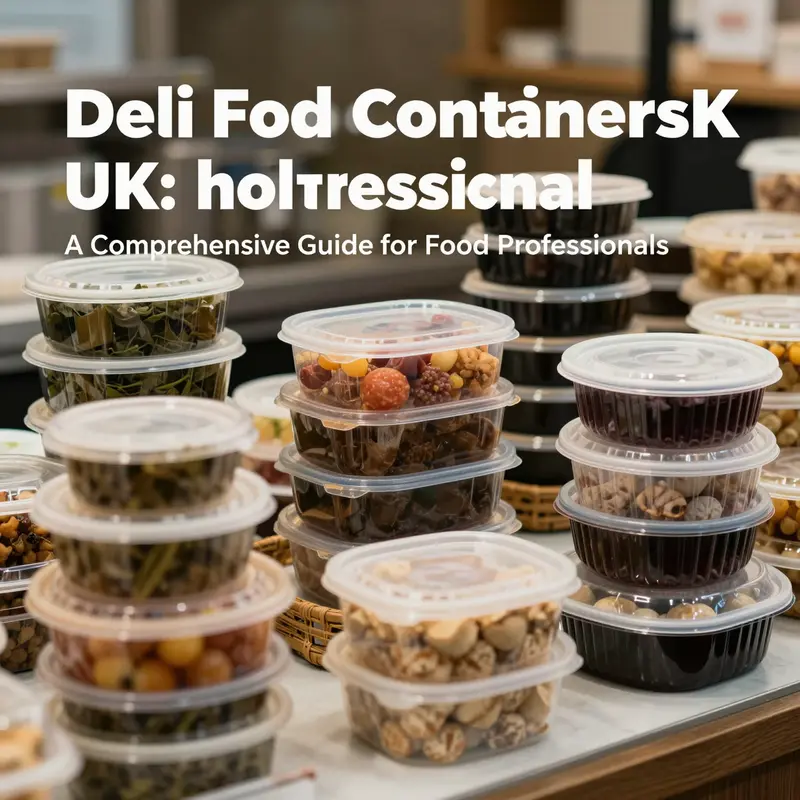
Deli food containers play a pivotal role in the food service industry, especially in the UK where convenience meets quality. From bubble tea shops to catering services, the demand for reliable and efficient packaging is soaring. This article dives into the wholesale market for deli food containers, dissecting key suppliers like Globalink International Limited, the varying trends impacting choices, customization options, sustainability considerations, and the evolving regulatory landscape. Each chapter contributes vital insights for beverage chains, restaurants, food trucks, and corporate teams looking to make informed decisions in a competitive environment.
From Global Sourcing to Local Kitchens: Navigating the UK Deli Food Container Wholesale Landscape
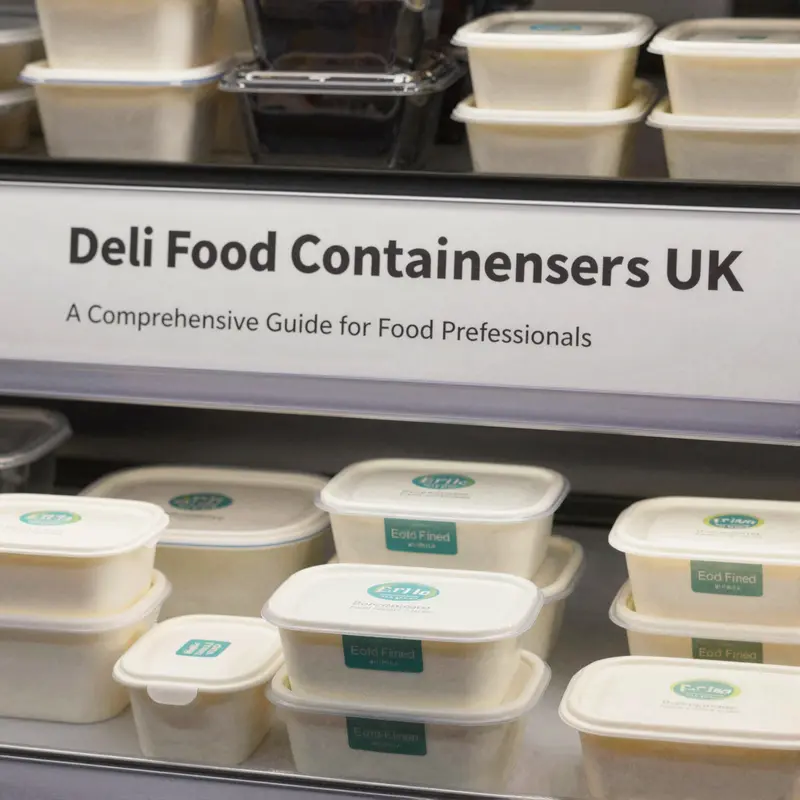
In the fast-moving world of deli food services, the packaging that arrives on a pass-through counter or slips into a bag for takeout is more than a container. It is a bridge between food safety, branding, and the customer experience. The wholesale market for deli containers in the UK has matured beyond simply supplying a box for hot or cold items. It now blends rigorous quality assurance, scalable economies, and purposeful material choices that reflect evolving regulations and rising consumer expectations. As takeout and delivery continue to grow, operators seek packaging that protects quality during transit, withstands reheating when needed, and still aligns with sustainability goals. This landscape rewards buyers who think strategically about supply chain reliability, supplier accountability, and the long-term costs of procurement—including storage, waste, and branding impact. The result is a purchasing culture that treats packaging not as an afterthought but as a core component of the product proposition, a factor that can influence repeat business and perceived value in competitive markets across the UK.
Within this ecosystem, buyers rarely rely on a single supplier or a solitary container style. They instead pursue a mix of dependable options that balance price, performance, and flexibility. A core consideration is material choice. Polypropylene, commonly used for deli containers, offers durability, microwave tolerance, and compatibility with hot and cold foods. The practical benefits are clear in busy kitchens: containers that resist cracking, that tolerate a round of reheating when customers arrive with leftovers, and that keep sauces and contents contained without leakage. For operators managing high volumes, the reliability of a standard size—such as a 16-ounce capacity—becomes indispensable. The approach to sourcing this standard through wholesale channels emphasizes consistency in wall thickness, seal integrity, and lid compatibility. These factors drive fewer returns, smoother service, and less downtime in the back of house.
From a procurement perspective, the UK market presents a mix of domestic suppliers and international manufacturers who service European and global customers. The value proposition of overseas producers often centers on scale, material uniformity, and the capacity to customize packaging with logos or branding elements. Buyers frequently weigh the trade-offs between shorter domestic lead times versus the cost efficiencies that come with larger overseas production runs. The economics include not only the per-unit price, which can shift with order size, but also minimum order quantities, freight costs, and duties. A typical wholesale model rewards higher volumes with lower unit costs, a dynamic particularly attractive to delis, sandwich shops, and ready-to-eat brands eyeing predictable monthly usage. In this setup, an MOQ that runs into the tens of thousands can be common, making supplier selection less about a single purchase and more about a reliable, ongoing relationship.
Quality control and trust are central to wholesale decisions. Buyers seek suppliers who demonstrate a track record of reliability through secure trading platforms and verified audit histories. A supplier that operates as a Diamond Member or similar trusted status often signals adherence to transparent business practices, secure payment ecosystems, and robust documentation. Such credentials reassure purchasers in a market where the cost of packaging is tied not only to the object itself but to the confidence with which businesses can place repeat orders, request samples, and negotiate terms. In practice, this means access to documented product specifications, material safety data, and clear assurances about batches meeting defined standards. The security of the trading channel matters as much as the container’s physical performance, because it underpins the stability of the entire supply chain when delays or disruptions arise. For UK buyers, this kind of reliability translates into fewer surprises when stock levels dip or seasonal promotions demand rapid scaling.
Material science and design choices are the quiet engines behind product performance. A standard deli container made from polypropylene is typically described as durable and microwave-safe, capable of handling a range of temperatures without warping or compromising the seal. In the context of wholesale buying, this translates to predictable behavior across thousands of cycles. The ability to customize—branding on the container or lid, or specific elements that align with store identity—adds another layer of value. Customization allows operators to reinforce brand recognition even when a customer carries a bag through a busy street or park. Such branding, while seemingly cosmetic, can influence customer recall and repeat business, particularly in a sector where visual cues and packaging cues compete for attention in a crowded marketplace. When combined with standardization in sizing and lid compatibility, customization becomes a practical lever for improving service consistency while preserving margins.
Logistics and regulatory considerations shape the day-to-day realities of wholesale buying. The fact that many leading suppliers operate outside the UK does not automatically diminish the appeal of their offerings. Transparent international shipping logistics, clear import documentation, and established compliance with food-contact safety standards can offset the distance between supplier and customer. For UK buyers, the decision often hinges on how well the supplier’s processes integrate with UK customs, VAT regimes, and recycling streams. It also hinges on the ability to obtain samples to verify fit, sealing performance, and user experience before committing to larger orders. A well-structured sourcing plan will include a pre-qualification step with sample requests, followed by a staged rollout that tests performance across peak service windows. In practice, the goal is to minimize stockouts while smoothing cash flow, avoiding excess inventory of slow-moving lines, and ensuring that every container going into circulation reflects the business’s quality commitments.
Sustainability and regulatory evolution are no longer optional considerations; they are critical decision criteria. The UK packaging landscape has become more attentive to recyclability, impact reduction, and end-of-life responsibility. Operators increasingly prefer materials that can be recycled within local streams, or that support compostable or greener waste pathways where feasible. This shift pushes suppliers to explore eco-friendly formulations, alternative barrier materials, and lighter-weight constructions that reduce overall packaging density. At the same time, regulations around food-contact safety and labeling continue to refine what is permissible and how packaging can be marketed. Wholesalers respond by offering a spectrum of options—from traditional durable containers to more sustainable variants—so buyers can align packaging choices with customer expectations and corporate responsibility goals. For takeout-focused brands, packaging becomes a storytelling device: a durable shell that protects the product while signaling a commitment to the planet. The tension between durability, cost, and sustainability is not resolved by a single choice; it is negotiated across product families, supplier relationships, and evolving regulatory horizons.
The market’s growth is closely tied to consumer behavior. Even as dine-in volumes fluctuate, the appetite for convenient, reliable packaging for takeout and delivery remains robust. Deli operators recognize that the packaging must accommodate a range of offerings—from salads and cold sandwiches to hot meals that require microwave reheating—without compromising safety or freshness. The ability to stock up on essentials during periodic promotions or price-competitive cycles offers a meaningful advantage. Wholesale models that enable bulk purchasing with predictable pricing help operators manage budgets in a highly competitive sector. Beyond bare functionality, the packaging also supports branding and perception. A container that feels sturdy during handling reinforces a perception of value, while a well-sealed lid reduces spill risk during transit. In this way, packaging contributes to customer satisfaction in tangible ways, reinforcing trust in both product quality and the brand behind it.
For buyers navigating this landscape, a disciplined approach to supplier selection yields dividends. Begin with a clear specification: size, material, temperature tolerance, lid compatibility, and sealing performance. Request samples to verify fit and user experience, and assess how the container performs under real-world conditions, including stacking, freezing, reheating, and transport. Evaluate the supplier’s traceability, including batch information, quality assurance documentation, and compliant labeling practices. Consider the supplier’s logistics framework: does the vendor offer reliable shipping timelines, accurate lead times, and consistent fulfillment during peak periods? A diverse supplier portfolio can also bolster resilience, ensuring that a single disruption in one region does not fully collapse volume across essential SKUs. Finally, weigh customization capabilities against incremental costs and order lead times. Branding opportunities should be aligned with marketing goals, not merely embellishments. By combining reliability with flexibility, UK buyers can build a portfolio of containers that meets everyday needs while remaining adaptable to seasonal demands and emerging packaging trends.
Within this broader narrative, one notable path for UK buyers is to engage with a prominent international supplier that brings a proven track record of secure trading and long-standing audits to the table. Such a partner can offer a standardized core product—durable, microwave-safe, hot-and-cold compatible containers—while also enabling branding options and bulk purchasing arrangements. The combination of scalability, quality assurance, and customization can translate into smoother operations, stronger brand consistency, and lower total cost of ownership over time. As businesses weigh this option, they should also consider how to integrate packaging decisions with other procurement activities, such as sourcing lids, labels, and compatible waste-management solutions. A cohesive approach reduces fragmentation, improves inventory accuracy, and supports a more predictable cost profile across the year. A practical step is to request access to test batches and to evaluate how well the container ecosystem integrates with existing storage, warehousing, and transport practices.
In closing, the UK deli container wholesale market rests on a balance of performance, reliability, and responsible sourcing. By prioritizing materials that withstand the rigors of daily service, enabling straightforward branding, and aligning with sustainable objectives, operators can strengthen both operational efficiency and customer appeal. The right supplier relationship—one grounded in verified credentials, transparent trading, and a readiness to customize—can become a strategic asset. It is a partnership that supports steady growth, ensures compliance with evolving standards, and helps takeout and deli brands deliver consistently excellent experiences at scale. For readers seeking a concrete example of a sourcing pathway in this space, a representative listing on a major supplier platform provides a practical reference point for specifications, pricing, and the kind of documentation that underpins confident wholesale decisions. As the market continues to evolve, the emphasis remains on container performance, cost discipline, and the confidence that comes from a dependable supply network. For further reading, consider exploring related packaging options in the wider supply ecosystem, which can illuminate complementary choices for bowls, lids, and other takeout essentials. See an external resource here: https://www.alibaba.com/product-detail/16oz-Plastic-PP-Deli-Food-Container_1600385794075.html. For a concrete internal reference that aligns with the packaging category discussed, learn more about durable, ready-to-use wide-mouth bowls at this internal product page: disposable 700ml kraft paper bowl take-out octagonal rectangle paper bowl.
From Transparency to Sustainability: Navigating the UK Wholesale Deli Containers Market in a Changing Era
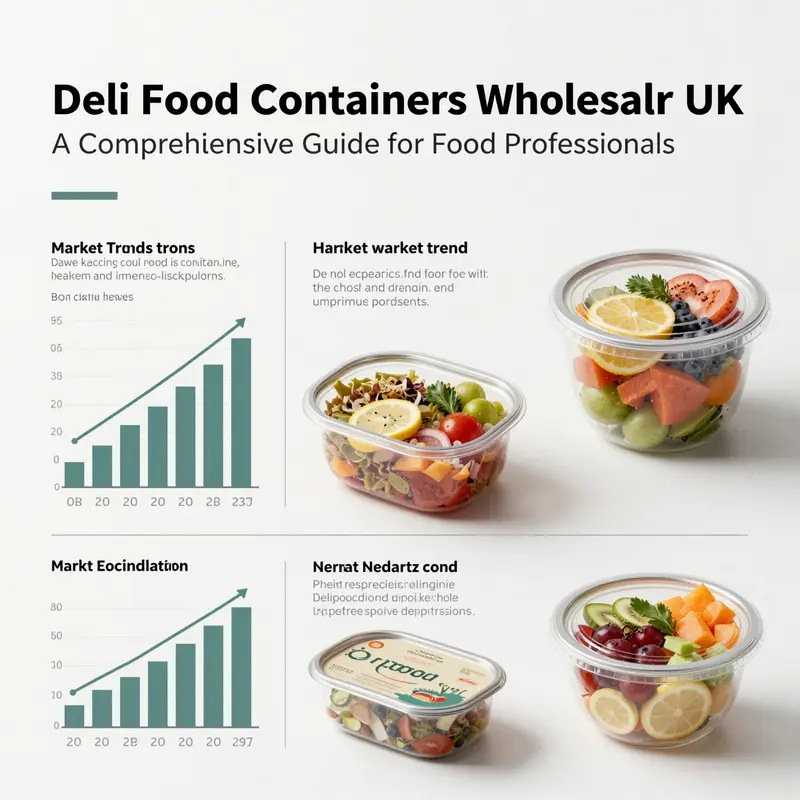
The UK wholesale market for deli containers is no longer a simple supply channel but a frontier where brand storytelling, product integrity, and planetary responsibility intersect. As consumer expectations evolve, the packaging that surrounds deli foods has moved from a mere protective shell to a strategic touchpoint that communicates quality, freshness, and values. This shift is reshaping procurement decisions, supplier relationships, and the very design of the containers that hold everything from cold cuts to ready-to-eat meals. In this environment, the delis and food service operators that prosper are those that read the signals of a changing market and align their packaging choices with both the realities of logistics and the aspirations of modern diners. The arc of these changes is not a temporary fluctuation; it is a durable transformation that touches every corner of wholesale supply, from material selection and manufacturing methods to the way containers perform in transit and on display.
A central driver in this evolution is the rising demand for premium offerings. Consumers are not simply seeking convenient food; they want experiences that feel crafted, even when the meals are taken away. That expectation translates into packaging that supports a premium impression: containers that feel sturdy, materials that convey quality, and designs that reflect the artisanal or health-conscious character of the product inside. For wholesalers, this translates into a catalog strategy that prioritizes high-quality, functional, and aesthetically appealing options. The packaging must be capable of preserving texture, color, and aroma while presenting an intact, unfurled view of the contents when opened by a customer. In practice, this means more than clear plastic or rigid vessels. It means packaging that harmonizes with branding, reduces the perceived risk of spoilage, and reinforces a narrative of care for the product and the consumer.
Transparency has become a defining attribute in consumer perception. People want visibility into what they buy, and this preference has pushed the market toward containers that showcase the product. Transparent or semi-transparent materials enable shoppers to assess freshness at a glance, which is especially important for deli items where appearance often signals quality. In the wholesale ecosystem, this demand has nudged suppliers to offer a spectrum of clear or highly translucent options, even as other considerations like weight, rigidity, and stackability remain crucial for handling and distribution. The result is a more nuanced decision matrix: operators balance the desire for product visibility with practical concerns about durability in transit and the efficiency of warehousing. The emphasis on visibility is not merely about aesthetics; it aligns directly with consumer confidence and perceived freshness, two pillars that influence repeat business in a sector driven by quick turnover.
Sustainability stands as a powerful, non-negotiable axis of change. The market has shifted from “eco-friendly” as a niche benefit to sustainability as a core operational requirement. Wholesalers and retailers alike are adopting materials that are recyclable, compostable, or reusable, and they are seeking suppliers with transparent end-of-life narratives for their packaging. This shift is driven by regulatory pressures, but it is reinforced by consumer values that increasingly favor responsible consumption. In response, packaging ecosystems are diversifying beyond traditional plastics toward options that minimize environmental impact without compromising performance. Recyclability and biodegradability are no longer optional add-ons; they are design criteria that influence resin choices, barrier properties, and the overall lifecycle of the product. For deli items, where shelf life, moisture control, and containment of oils or sauces are critical, sustainable choices must also deliver reliable performance. In practice, this means a portfolio that includes recyclable plastics, bio-based or compostable alternatives where feasible, and reusable container systems that encourage reusability across multiple service cycles.
Technology is quietly reshaping what these containers can do beyond simply protecting contents. Smart packaging concepts are moving from concept to commonplace in many parts of the wholesale chain, bringing features that improve product safety, extend shelf life, and reduce waste. Moisture control technologies help maintain texture and prevent sogginess in imperfect supply chains, while tamper-evident seals provide reassurance to both operators and customers. In some configurations, sensors or indicators embedded in packaging offer real-time or near-real-time cues about temperature exposure, thus helping to prevent compromised products from reaching the consumer. These innovations can dramatically cut food waste, a stubborn problem that imposes costs and reputational risk on food service operators. For wholesalers, the adoption of such features is increasingly a differentiator, signaling a commitment to both quality and responsible stewardship of resources throughout the product’s journey—from manufacturing to kitchen to consumer.
The market landscape is being reshaped by shifts in how people shop and how meals are consumed. Online grocery shopping and meal kit services have become significant channels for deli goods, demanding packaging that is not only robust in transit but also visually appealing on screen and on door-step delivery. Containers must withstand the rigors of parcel delivery, cope with stacking in fulfillment centers, and retain their integrity during multi-stop deliveries. The user experience, therefore, hinges on a container design that balances life in a warehouse with a pristine presentation at delivery, while still fitting into the branding and storytelling surrounding premium deli items. The need for durable, stackable, and visually coherent packaging is pushing wholesalers to expand their ranges beyond basic flats and clamshells toward more sophisticated configurations that optimize space, protect contents, and improve the overall consumer impression.
The supplier ecosystem that underpins these shifts emphasizes reliability, customization, and the ability to scale with demand. A long-standing, reputable supplier in this space often demonstrates a track record of meeting tight lead times, managing fluctuating volumes, and offering customization options that allow businesses to tailor containers to their specific needs. Customization can range from size adaptations and lid configurations to print-free branding or subtle branding elements that align with a retailer’s or operator’s identity. Wholesale purchasers benefit from these capabilities because they can align packaging more closely with product positioning, reducing the gap between product promise and consumer perception. In such relationships, transparency about materials, sourcing, and end-of-life options becomes as important as price and delivery reliability. A supplier with a robust, verifiable trading profile and a commitment to quality can also provide reassurance in a market characterized by regulatory changes and increasing scrutiny of packaging materials.
Within this evolving framework, it is essential to recognize the undercurrents that shape purchasing logic. First, there is a clear move toward premium packaging that reinforces a premium product narrative. Second, there is a steadfast emphasis on visibility and freshness, which pushes container designs toward clarity and strategic use of transparent materials. Third, sustainability is not a marketing afterthought but a core performance criterion that codes every stage of the packaging’s lifecycle. Finally, the operational realities of modern food service—fast delivery times, efficient warehouse handling, and safe, secure transport—demand containers that perform on multiple axes: strength, moisture management, stackability, and tamper resistance. Taken together, these trends create a dynamic where procurement decisions are increasingly about balancing brand storytelling with practical cost-control, risk management, and environmental responsibility.
In practical terms, operators and wholesalers can navigate this landscape by building a packaging portfolio that is flexible yet principled. Flexibility means offering a range of sizes, materials, and configurations that can accommodate different deli items—from lean proteins to ready-to-eat salads—without forcing a one-size-fits-all approach. Principled means selecting options that align with a sustainability roadmap, including clear labeling about recyclability or compostability, and choosing materials with verified performance metrics for moisture, leakage, and temperature stability. Such a portfolio enables a business to respond quickly to shifts in demand, regulatory changes, or shifts in consumer sentiment, all while maintaining a consistent cost structure.
For practitioners seeking tangible examples of sustainable and visually compelling packaging, a practical pathway is to explore categories like kraft paper compositions and other eco-conscious options that balance earth-friendly attributes with the mechanical demands of deli products. These choices often provide the right blend of visibility, structural integrity, and brand narrative that retailers are seeking in a crowded market. And as the portfolio of options expands, the ability to tailor packaging through customization—without sacrificing performance or price stability—becomes a strategic advantage. The wholesale market remains poised to support this evolution, offering not only a broader selection of materials but also the expertise to guide operators through material selection, compliance considerations, and end-of-life planning.
As the industry continues to respond to changing consumer behavior and regulatory expectations, it is worth noting that reliable guidance and market intelligence can help steer decisions. For a comprehensive overview of current market dynamics, trends, and forecasts within the deli food container space in the UK, see the latest industry analysis: https://www.researchandmarkets.com/reports/5987415/united-kingdom-deli-food-container-market-deep-dive-2026-2033. In addition, selecting packaging that supports sustainability while preserving product visibility can be aided by exploring practical examples within our own catalog, such as kraft-based, take-out oriented containers that are designed for both performance and responsible disposal. For instance, a popular option within our sustainable range illustrates how a transparent, sturdy kraft-paper bowl can complement an artisanal or health-focused deli offering, while providing a clear pathway to recycling. kraft paper bowls is one such category that demonstrates the convergence of visibility, durability, and environmental responsibility in a single, market-ready solution.
The evolving UK deli container market is thus best viewed as a coordinated ecosystem where consumer expectations, regulatory pressures, material science, and logistics capabilities converge. The winners will be those who stitch together a clear sustainability story with reliable performance, supported by a supplier network capable of delivering customization at scale. This means investing in containers that not only protect and present but also reduce waste and encourage responsible consumption. It also means embracing a sourcing strategy that recognizes the value of a trustworthy, long-standing supplier capable of navigating the complexities of wholesale procurement, from certification and traceability to quality assurance and after-sales support. If the market continues on its current trajectory, the next few years will likely bring further innovations in moisture control, seal integrity, and end-of-life options, all while the overarching narrative remains consistent: packaging that respects the product, the consumer, and the planet is the essential backbone of a resilient deli business in the UK.
Brand On the Box: How Customization Shapes the Deli Food Containers Wholesale Market in the UK
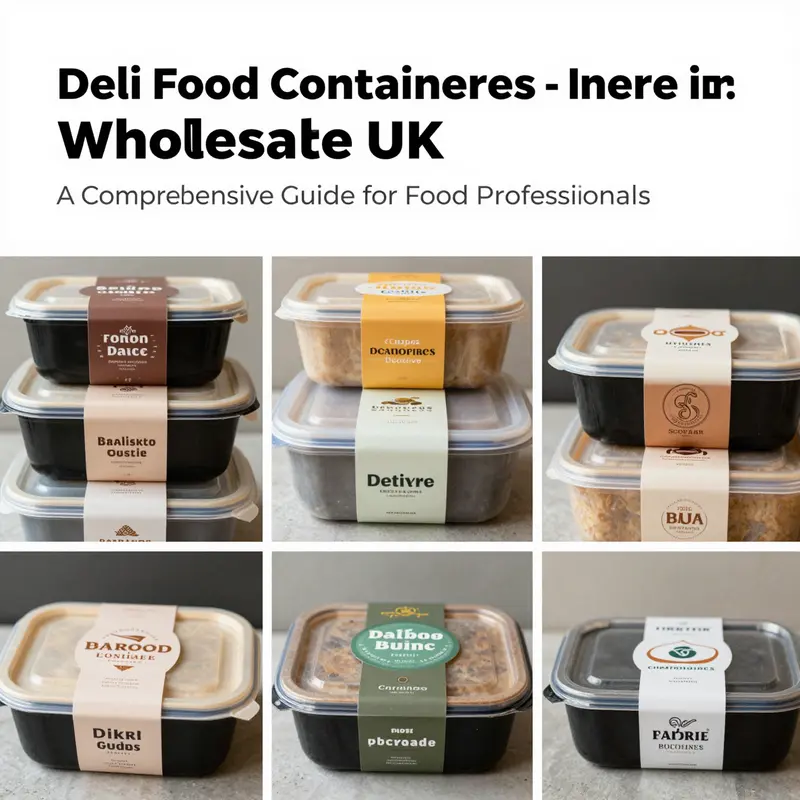
Customization sits at the intersection of function, identity, and cost in the UK deli packaging market. For businesses relying on takeout and delivery, every container is a moving billboard that communicates standards, promises, and values before a single word is spoken. In this space, the shift from generic packaging to branded, tailored solutions is less about vanity and more about control. Customization lets a deli define how customers perceive its standards of hygiene, reliability, and care, while also delivering practical benefits such as improved portion control, easier stacking, and clearer labeling for compliance. The overarching trend toward takeout and delivery has intensified this shift. Stores are no longer judged solely by the taste of their food; the packaging becomes an extension of that experience, shaping perceptions of freshness, safety, and convenience.
To navigate this landscape, buyers in the UK wholesale market are increasingly looking for suppliers who can deliver not just a container, but a packaging ecosystem. The core options span printing logos, incorporating brand colors, and applying tailored labels across both plastic and paper-based formats. Logos and color branding transform plain containers into recognizable touchpoints for customers, reinforcing in-store and online experiences. When a label is properly designed, it reduces the cognitive load on customers and staff alike, making it easier to identify contents, allergies, or temperature guidelines at a glance. For many operators, a modest investment in branding pays off through higher repeat orders and smoother brand recall across multiple channels.
Branding is not simply decorative, either. In fast-paced deli environments, legible, durable branding on the outside of a container can carry the entire marketing message. A consistent color palette or a clearly printed logo can help a brand differentiate itself in a crowded marketplace where dozens of small cues compete for a consumer’s attention. Custom labels extend this advantage beyond the plate. They enable on-pack messaging such as sustainability commitments, origin stories, or allergy notices, without forcing customers to search for information elsewhere. That alignment between packaging and messaging enhances trust, which is especially valuable in the UK market where food regulation and consumer expectations around safety are stringent.
Flexibility is a crucial ingredient in the customization mix. Many suppliers offer a spectrum of branding options, from full-surface logo printing to spot-color branding on specific panels, with additional choices for color-matching and typography. The ability to select coatings or finishes also matters. For environmentally conscious brands, coatings that support recyclability or compostability can be decisive, even if they require careful material choice to maintain barrier properties. In practice, this means evaluating the trade-offs between print quality, moisture resistance, and end-of-life disposal. A package that looks sharp but cannot be recycled after a single use undermines a sustainability narrative. Conversely, a container that is responsibly sourced and easily recyclable may command greater loyalty from customers who prize transparency and stewardship.
The practical side of customization includes the chance to test print quality and fit before committing to bulk orders. Suppliers often facilitate samples, allowing buyers to verify print fidelity, color accuracy, and the compatibility of the lid, sleeve, or inner lining with the chosen container. This step reduces risk and shortens the iteration cycle from concept to market. It also builds confidence that the final product will withstand the rigors of daily use—stacks that don’t deform, lids that seal securely, and prints that resist fading through a full cycle of dishwashing or microwaving when appropriate.
In the wholesale environment, the balance between scale and speed is never far from the surface. Minimum Order Quantities (MOQs) are a practical reality; while many suppliers can accommodate large, multi-thousand-piece runs, smaller operators still require options that fit tight budgets and variable demand. The market tends to offer MOQs in a broad range, with higher thresholds for more complex customization and premium materials. This reality nudges small and medium-sized operators toward blended sourcing strategies: a core line of standard containers for day-to-day operations, combined with a limited set of customized items to support seasonal menus or special promotions. The result is a packaging portfolio that is adaptable, resilient, and aligned with evolving consumer expectations.
From a sourcing standpoint, the UK market benefits from platforms that connect buyers with audited suppliers and offer secure transactions. These platforms provide performance data, buyer ratings, and transaction protection, which are essential for a market where packaging quality directly impacts food safety and customer satisfaction. While the wholesale journey often begins with a broad search for customizable options, it proceeds toward a curated supply chain that emphasizes reliability, traceability, and lead-time clarity. Buyers increasingly expect suppliers to transparently communicate production timelines, storage conditions for sensitive materials, and the environmental implications of their materials, including recyclability, compostability, and any applicable certifications.
A key dimension of customization that blends branding with sustainability is the choice of material and coating. Plastic polypropylene containers remain popular for their durability and moisture resistance, yet many buyers now seek paper-based or hybrid solutions that reduce plastic usage. Kraft paper options, sometimes paired with inner coatings or barrier layers, offer a compelling blend of aesthetics and environmental advantages when designed for performance. The coating choices themselves matter. A thin, food-grade coating can preserve moisture and prevent grease penetration, while still enabling recycling at end-of-life. In some instances, coatings such as plant-based PLA or PE alternatives are explored to signal a commitment to sustainability. The conversation around coatings is a reminder that packaging decisions are rarely about one attribute in isolation; they are about how attributes interact to deliver overall performance, cost, and brand alignment.
The design process for customized deli containers also carries implications for service sectors beyond traditional food service. Airlines, hotels, and institutional cafeterias increasingly demand packaging that not only preserves quality but also supports stringent hygiene protocols and easy handling in variable service environments. In these contexts, the packaging design must accommodate rapid service, minimal contamination risk, and straightforward disposal routines. A structure that favors single-sided printing for branding while maintaining clear, readable labels for contents and allergen information can streamline operations across a dispersed network of outlets. The capacity to tailor containers to different service lines—snack, meal, beverage, or accompaniment packaging—adds a level of operational dexterity that large chains find valuable when launching new menus or testing regional variants.
Among the practical considerations is the option to mix formats within a single wholesale order. A buyer may request a combination of containers that suits different meal types or service contexts, from compact portion cups to larger lunch boxes. This flexibility reduces the need to juggle multiple suppliers and simplifies inventory planning. It also supports cohesive branding, as visuals and labeling systems are designed to carry through across the assortment. In such arrangements, the ability to align color tones, font choices, and label layouts becomes a strategic asset, enabling a consistent customer experience whether a customer purchases in-store, online, or via a catering channel.
For practitioners seeking direct demonstrations of customizable packaging, a tangible example of the concept can be found in the broader ecosystem of eco-conscious, wrap-ready containers. For instance, a disposable kraft-based option in a 700ml size demonstrates how form, function, and branding converge in a single package. The octagonal, take-out shape exemplifies how design decisions can balance ergonomic handling, stackability, and visual impact. It also shows how a single product line can be adapted with branding elements to reinforce a deli’s identity at the point of sale. This type of choice reflects the market’s broader tendency to blend practicality with storytelling in packaging.
To support informed decision-making, buyers often consult samples and confirm print quality and fit before committing to bulk production. This step is particularly important when introducing new branding assets or transitioning to more sustainable materials, where color consistency and surface finish must be verified across batches. The ability to evaluate these aspects in advance reduces the risk of costly missteps and preserves the integrity of a brand’s image across thousands of units.
From a navigational perspective, buyers in the UK frequently engage with wholesale sourcing platforms that facilitate direct communication with audited suppliers, emphasize verified performance data, and secure transactions. These platforms empower small and mid-sized operators to reach scale without compromising governance or control. The upshot is a marketplace where customization is accessible, but not at the expense of reliability or compliance. In this environment, a well-planned customization strategy can become a core differentiator, transforming packaging from a cost center into a critical component of brand experience and customer satisfaction.
A practical takeaway for buyers is to view customization as a layered decision. Start with core container performance—leak resistance, heat tolerance, and safe handling. Add branding elements—logos, colors, and typography—ensuring legibility and durability across the product’s lifecycle. Layer in sustainability considerations—materials, coatings, and end-of-life pathways—so that the packaging supports both brand promises and regulatory expectations. Finally, build in testing and sampling to confirm that the final design performs under real-world conditions and aligns with the business’s scale and budget.
For readers seeking real-world illustrations of customizable options, one accessible example is the disposable kraft paper bowl solution that emphasizes both practicality and branding potential. See more here: disposable-700ml-kraft-paper-bowl-take-out-octagonal-rectangle-paper-bowl. This reference underscores how a simple container decision can carry weight for identity, sustainability messaging, and customer experience across a diverse set of service environments.
In sum, customization in the deli containers wholesale market in the UK is not a boutique add-on but a strategic capability. It enables operators to control how they are perceived, how efficiently they operate, and how responsibly they adapt to shifting consumer expectations. As regulators tighten packaging safety and environmental standards, the ability to tailor both performance and appearance becomes a practical necessity. The future of deli packaging will likely be defined by how well brands can fuse design with function, ensuring that every box, cup, or sleeve reinforces trust, supports sustainability goals, and elevates the consumer experience across the full spectrum of takeout and delivery.
External resource for further reading: https://www.made-in-china.com/products/16oz-Plastic-PP-Deli-Food-Container.html
null
null
null
null
Final thoughts
Understanding the dynamic landscape of deli food containers in wholesale markets is essential for professionals in food services. As trends shift and sustainability becomes paramount, businesses must adapt their sourcing strategies accordingly. Engaging with trusted suppliers like Globalink International Limited, exploring customization, and navigating regulatory guidelines will enhance operational efficiency and customer satisfaction. With the right knowledge, your business can thrive in the ever-evolving food service environment.