
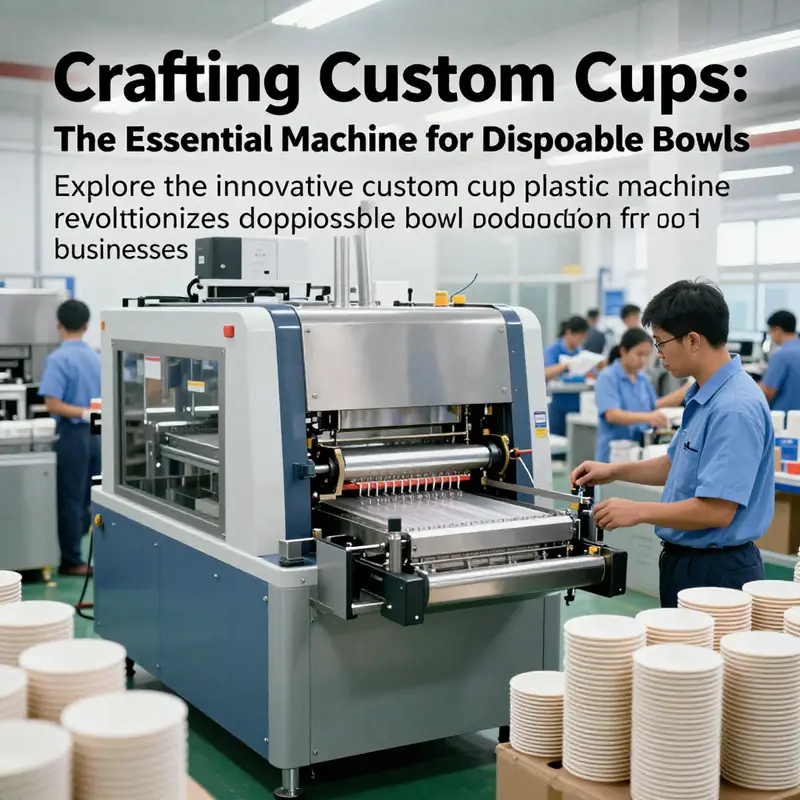
In today’s fast-evolving food service industry, custom disposable bowls play a crucial role in delivering products that enhance customer experience. As bubble tea shops, restaurants, food trucks, catering services, and event planners seek to differentiate their offerings, understanding the potential of custom cup plastic machines becomes essential. This article delves into the key features and specifications of automatic thermoforming machines tailored for disposable bowls. From technical details to environmental impacts, we explore how these machines can elevate your service standards and operational efficiency, ensuring that your business stays ahead of market trends.
Precision in Plastic: How Custom Cup Machines Turn Sheets into Disposable Bowls
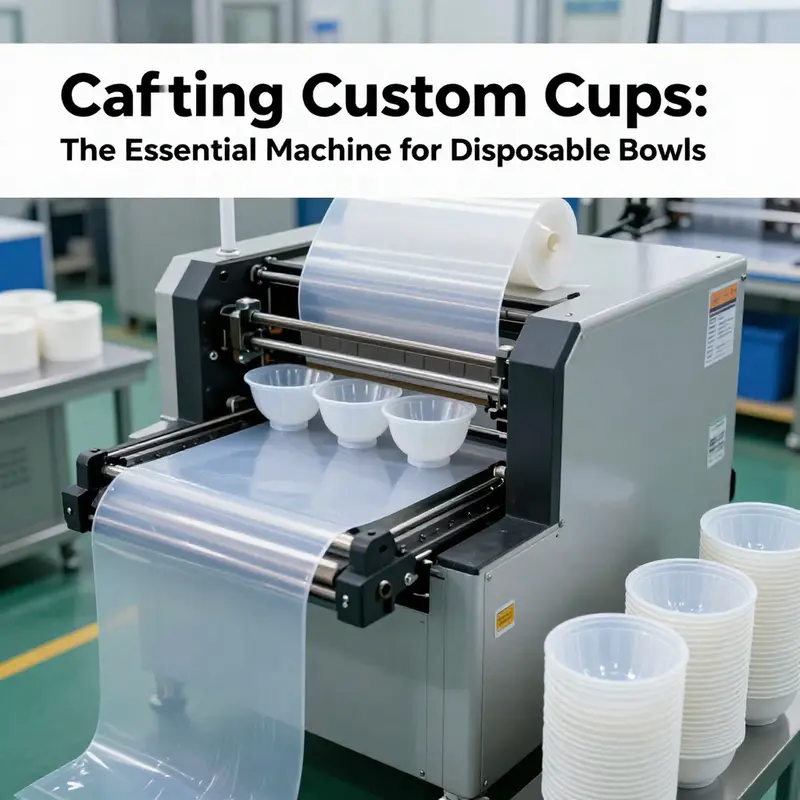
The custom cup plastic machine for disposable bowls sits at the intersection of speed, precision, and versatility. It represents a leap forward in how modern packaging and food service operations convert flat sheets of thermoplastic into a dependable family of containers that people rely on daily. These high-speed, fully automatic thermoforming systems are engineered to handle a broad spectrum of container types—bowls, cups, yogurt cups, meal-portion cups, and even clamshell packaging—crafted from common food-grade plastics such as polypropylene, polystyrene, PET, PVC, and high-impact polystyrene. What makes these machines transformative is not only their raw throughput but the way they integrate heating, forming, trimming, stacking, counting, and conveying into a single, streamlined line. This kind of end-to-end automation reduces manual handling, minimizes human error, and aligns with stringent sanitary and safety standards that modern manufacturers must meet to serve markets worldwide.
At the heart of these systems is a full-automation thermoforming capability. The line concept embraces a continuous sequence: heat the sheet to formable temperatures, stretch and mold it to the desired geometry, trim away excess material, and then stack or convey completed products to downstream packaging or counting operations. A defining strength of this approach is its flexibility. In practice, the forming envelope often centers around a sizable working area in the 750 by 420 millimeter class, a scale that supports large bowls and generously proportioned meal containers while still allowing for compact, efficient tooling. Within the same family of machines, the forming process is controlled by a sophisticated servo-driven system that maintains tight tolerances and repeatable dimensions, even under high-speed operation. The control philosophy relies on precision and stability: servo motors coordinate the material handling and forming motions, while a programmable logic controller (PLC) orchestrates the sequence with real-time feedback. This combination translates into products with consistent wall thickness, precise bottoms, and reliable rim geometry—qualities that matter for stackability, sealing, and consumer usability.
Material versatility is another cornerstone of these systems. They are designed to process several commonly used plastics that meet food-safety requirements and temperature resistance needs. PP and PS are standard choices for many single-serve applications, with PET offering clear clarity and robust strength for hot-fill or chilled products, and PVC sometimes serving as a lower-cost option for specific lines. High-impact polystyrene adds impact resistance for containers that must endure handling and stacking in busy service environments. This material flexibility, coupled with the ability to adjust mold tooling, enables manufacturers to offer a range of shapes and sizes without a complete reconfiguration of the line. The machines are typically equipped to handle sheet thicknesses from about a quarter of a millimeter up to three millimeters, a range that covers diverse product profiles—from slim cups to deeper bowls. The technology is designed to cope with different performance requirements, so a single line can be tuned to produce small 60 millimeter cups or larger 150 millimeter bowls as market demand shifts, without sacrificing accuracy or efficiency.
A defining feature of the thermoforming approach is the molding method itself. These lines can operate under various pressure paradigms to achieve the final geometry. Positive-pressure forming uses air pressure to push the softened sheet into the mold cavity, while negative-pressure forming draws the sheet against the mold via vacuum. Some configurations also fuse both approaches to realize more intricate profiles, including forms that incorporate ripples, flutes, or other texture elements. Such textures can improve grip and stack stability, and they open doors to branding opportunities where tactile differentiation matters. The capability to tailor the forming method to the product geometry is what makes these machines especially valuable to a contract manufacturer that needs to produce multiple SKUs on a single line.
Process monitoring is another area where these machines excel. Transparent acrylic viewing windows allow operators to observe the cycle in real time, assessing material flow, mold filling, and trimming activity without interrupting the line. The frames themselves are typically robust welded steel constructions with integral plates designed to maintain alignment and withstand the stresses of rapid, repeated forming. The combination of rigid mechanical structure and precise pneumatic components supports consistent performance across long production runs, reducing downtime and maintenance events. The end-to-end automation, from material feeding through shaping, cutting, and counting, means the machine can operate with minimal human intervention. In many facilities, the line feeds raw sheets automatically, forms, trims, and deposits finished pieces into a stack or into a counting system ready for packaging. This reduces labor costs and helps ensure a predictable production cadence, which is essential for meeting tight deadlines in high-demand segments such as coffee-to-go or ready-to-eat meals.
The performance envelope of these systems is notable. While individual production lines vary, several standard expectations help manufacturers plan capacity. A typical forming area around 750 by 420 millimeters supports a wide range of container sizes, enabling efficient production of both bowls and larger takeaway containers. Molding speeds can reach tens of cycles per minute, enabling mass production without sacrificing quality. The technology’s accuracy is driven by servo-control systems that maintain stable forming conditions and precise cycle timing, even as tools are swapped for different SKUs. In addition to speed, the technology emphasizes safety and sanitation: the positive/negative pressure formation approach minimizes the risk of secondary pollution and reduces the likelihood of air-born contaminants rejoining the product during forming. This is particularly important for products destined for food service, where sanitation standards and traceability are non-negotiable.
Beyond raw performance, the true value of these systems lies in adaptability. The same base line can be retooled to generate a spectrum of container designs—from compact 60 millimeter cups for espresso servings to deep, 220 millimeter bowls intended for generous portions or hot meals. The forming molds themselves are modular: by swapping out the tool set, manufacturers can create new shapes, patterns, or diameters with relative ease. This capability supports a business model in which a plant can switch between SKUs quickly, aligning production with evolving consumer preferences and seasonal demand without duplicating capital expenditure on separate lines. The molds, when designed with care, can incorporate aesthetic features such as fluted or ripple-wall walls that enhance grip and stability in transport, while also driving functional benefits like improved heat distribution and reduced surface contact with the contents. The ability to customize both the geometry and the surface texturing is a critical advantage in a market that prizes differentiation as much as efficiency.
From an operational perspective, the economics of such a line are compelling. Full automation, including material feeding, forming, trimming, stacking, counting, and automatic conveying, contributes to a lean manufacturing footprint. Labor costs decline as a higher proportion of the cycle is completed by machines rather than hands on the line. Consistency improves across shifts because programmable logic ensures identical cycle timing and tool positions, reducing variance that can lead to rejects. The sanitation profile improves as well, since the closed-line design minimizes manual handling and exposes products to fewer opportunities for contamination. In practice, factories report that high-throughput lines can produce hundreds of thousands of pieces per day when running continuously, a scale that makes even modest efficiency gains meaningful in annual cost savings. The equipment is typically accompanied by safety and quality certifications—such as CE and ISO—that reassure customers and regulators about the reliability and compliance of the manufacturing process.
To illustrate the breadth of applicability, consider how a single line is positioned within cafe chains, fast-service restaurants, and catering operations. The same thermoforming technology can produce branded or color-customized containers, enabling retailers and food-service providers to maintain a cohesive brand experience across packaging and product assortment. The tooling can also accommodate different decorative finishes or coatings that improve product performance under heat or cold storage, further expanding the functional repertoire of the line. In this sense, the custom cup plastic machine becomes more than a mere piece of equipment; it is a strategic asset in a packaging portfolio, capable of supporting sustainable goals through material efficiency and reduced waste when designed with optimized cycle times and recyclability in mind. For practitioners seeking to understand how these systems fit into broader material strategies, it helps to examine adjacent packaging applications, such as disposable kraft paper bowls used for take-away meals. Disposable Kraft Paper Bowl Take Away with PET lid.
The combination of adaptability, throughput, and material flexibility positions the thermoforming line as a practical solution for producers aiming to scale up while preserving product integrity and consumer appeal. It is not merely a question of making more bowls and cups; it is about making the right bowls and cups with precision, repeatability, and responsible use of resources. The best lines in this category are designed to accommodate future needs, whether that means a new size, a custom shape, or a different material family, all without sacrificing performance or requiring a lengthy downtime for retooling. In a supply chain that increasingly prioritizes agility, the ability to pivot quickly to new SKUs—while maintaining the same high standards of cleanliness, consistency, and safety—is a decisive competitive advantage. The big takeaway is that a well-chosen custom cup plastic machine is not just a finite capital asset but a flexible platform for ongoing product development and operational optimization. Its value accrues across product launches, seasonal campaigns, and long-term sustainability goals, making it a central pillar of a modern packaging operation.
External resources provide a window into how these machines are positioned in the market and the breadth of configurations available for high-speed production. For readers seeking a broader understanding of commercial thermoforming capabilities and supplier contexts, the following external reference offers a detailed look at a representative high-speed automatic plastic cup/bowl production system: https://www.alibaba.com/product-detail/High-Speed-Automatic-Plastic-Cup-Bowl-Box_1600394882732.html. This resource illustrates how performance targets—such as cycle rate, forming area, and material handling—translate into real-world production lines and informs considerations when planning a capital investment for a custom container program.
External resource: https://www.alibaba.com/product-detail/High-Speed-Automatic-Plastic-Cup-Bowl-Box_1600394882732.html
Thermoforming Performance and Specs: What to Know About Custom Cup Plastic Machines for Disposable Bowl Production
Thermoforming Performance and Specs: What to Know About Custom Cup Plastic Machines for Disposable Bowl Production
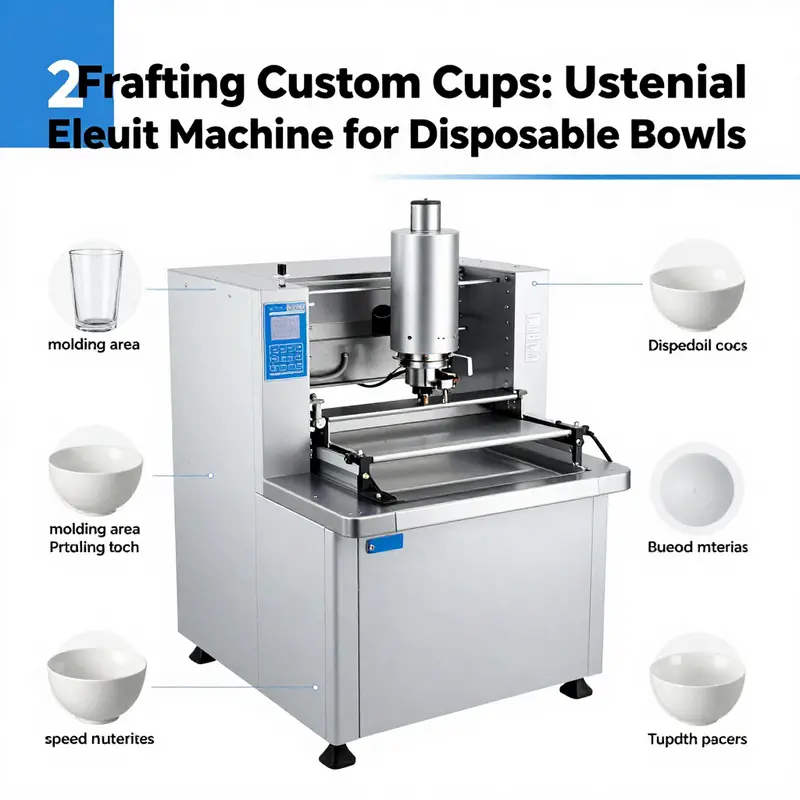
The production of disposable bowls with custom shapes and capacities depends on a small set of decisive technical characteristics. A thermoforming line optimized for cups and bowls must balance speed, material compatibility, and mold flexibility. When these factors align, manufacturers gain consistent product quality, lower operating costs, and the ability to respond to changing market needs. This chapter translates those decisive specifications into practical choices that guide machine selection and process setup.
At the heart of the line is the forming unit. Modern full-automatic thermoforming machines combine sheet feeding, heating, forming, trimming, stacking, and conveying into a single synchronized cycle. The forming method typically uses vacuum or pressure forming, or a combination of both. Vacuum forming draws heated sheet into the mold with negative pressure. Pressure forming adds compressed air to improve replication of fine mold details and to achieve even wall thickness. Machines that switch between these modes deliver greater geometric fidelity for complex bowl profiles and improve repeatability for deep draws.
Sheet thickness and material selection drive many downstream decisions. Typical disposable bowl production accepts sheet gauges from about 0.2 mm up to roughly 3.0 mm, depending on product design and intended use. Thin gauges yield lightweight containers for cold food or short-term hot service. Thicker gauges enable hot-fill resistance and sturdier lids. Machines with adjustable clamping and heating zones accommodate this thickness range. They keep sheet tension uniform and avoid sagging during preheating.
Material compatibility is another critical axis. Production lines must handle a range of food-grade plastics. Polypropylene (PP) offers good heat resistance and recyclability. Polystyrene (PS) provides clarity and rigid walls for presentation. PET gives excellent barrier and mechanical strength. CPET supports high-temperature applications such as ovenable meal trays. Increasingly, biodegradable resins and PLA blends are considered where end-of-life and composting are priorities. Machines designed with flexible temperature control systems and inert forming chambers accept this variety of materials without hardware changes.
Mold size and configuration determine product footprint and line throughput. A molding area on the order of 700 to 750 mm across allows generation of large single cavities or multi-cavity nesting for small bowls and cups. Multi-level stacked molds are an efficient design for high-volume runs. They let a machine produce multiple parts per cycle while occupying minimal floor space. For deep bowls, mold depths reaching 200 mm or more are essential. Deep-draw molds require careful control of sheet temperature and draw ratio, plus servo-driven motion to maintain mold alignment and minimize wrinkling.
Cycle speed, expressed in cycles per minute, is central to capacity planning. A capable thermoforming line will reach speeds up to several dozen cycles each minute for moderate-sized bowls. Faster cycles are feasible with smaller cavities or stacked molds. However, speed must not compromise forming accuracy. Servo motion control systems stabilize carriage movement and pressure timing. They also support faster acceleration and deceleration profiles without inertial damage to molds or sheets. For high-output facilities, machines with servo control and precise timing yield consistent part quality at high speeds.
Heating systems matter for material handling and energy efficiency. Infrared and convection heaters are common. Infrared offers rapid surface heating and reduced warm-up times. Convection systems provide more uniform thickness through the sheet and are gentler on heat-sensitive materials. Advanced lines segment the heating array into independent zones. This zoning enables precision preheating tailored to each sheet area, improving wall distribution in complex-geometry bowls. Automated temperature feedback and PID controllers maintain heater stability, preventing overheating and polymer degradation.
Air and pneumatic systems support clamping, forming, and ejection. Typical air consumption falls into a range that requires robust compressors and filtration. Pneumatic valves must work reliably at operating pressures commonly near 0.5 to 0.8 bar for actuation, while forming pressures may be higher when pressure forming is in use. A well-designed air system includes moisture separators and pressure regulators. It minimizes variability and keeps cycle times stable.
Trimming and secondary operations are integral to finished-part quality. Rotary and stationary trimming stations produce clean, consistent edges. Integrated die-cutters remove flash while preserving part geometry. For applications that require stacking or nesting, automated stackers align bowls and count pieces for packaging. Some lines include in-line inspection systems. Vision sensors verify rim integrity, wall thickness, and correct part presence, issuing reject signals to divert faulty parts. Such inspection lowers returns and maintains customer confidence.
Automation extends beyond forming into material handling. Roll stock feeders and servo-driven unwinders supply sheet precisely and maintain tension. Automatic mold changers reduce downtime between runs. Quick-change tooling systems use indexing plates to swap molds in minutes. For customers who must offer many bowl sizes, this flexibility is essential. Integration with downstream processes such as printing, lid fitting, or packaging conveyors improves overall line efficiency and reduces manual handling.
Controls and safety complete the machine profile. PLCs with touchscreen HMI give operators clear control over cycle parameters. Recipe-driven interfaces let technicians save and recall setups for different bowl geometries or materials. Safety systems with interlocks and light curtains protect personnel and conform to regulatory standards. Machines often arrive with internationally recognized certifications for electrical safety and machine guarding.
Energy and environmental considerations are increasingly important. Machines that reduce material waste and recover scrap for recycling lower production costs. Efficient heaters and optimized air usage reduce power draw. Some forming technologies minimize secondary pollution through closed-loop vacuum systems. For businesses evaluating packaging portfolios, pairing plastic thermoformed bowls with alternative materials can be strategic. For example, manufacturers offering paper-based options can use them in markets focused on compostable packaging; see this example of a disposable kraft paper soup bowl to understand how alternative formats meet different customer needs.
When assessing a thermoforming purchase, consider operating availability and lifecycle costs. Look beyond maximum cycles per minute to evaluate changeover times, spare parts availability, and service support. A machine that hits headline speeds but suffers long downtime will not achieve the required throughput. Evaluate supplier documentation for expected tool life and maintainability. Machines designed for modular upgrades let operators add features without full replacement.
Technical specifications inform expectations but do not replace pilot trials. Running a process development trial with intended sheet materials and molds reveals real-world forming behavior. Trials confirm draw ratios, wall-thickness distribution, and final part tolerance. They also expose issues such as webbing, thinning, or springback that might require mold or cycle adjustments.
The right thermoforming line for custom cup plastic machines targeting disposable bowl production combines wide material compatibility, flexible mold design, robust heating control, and reliable automation. Specifying these features up front reduces surprises during production and allows faster scaling. For a deeper technical reference on machine grades and industry benchmarks, consult the external resource linked below.
For extended technical guidance, see: Understanding Plastic Cup Machine Taiwan: Grades, Technical Specifications, and Uses in Industry
Automation as Advantage: How Custom Cup Plastic Machines Shape Disposable Bowl Production
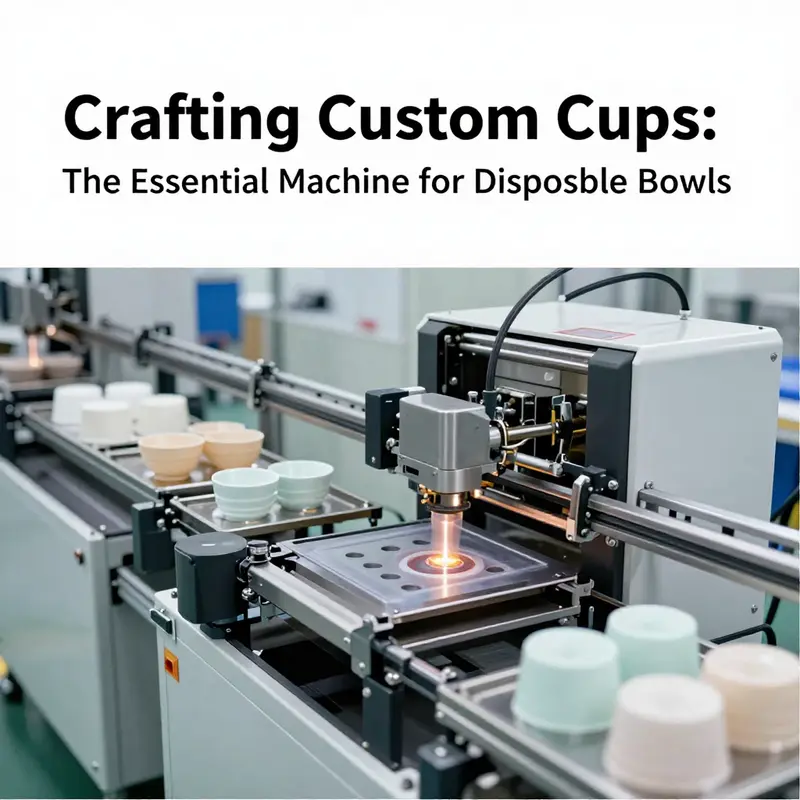
Automation has moved from a luxury feature to the heartbeat of modern disposable bowl production. In a field where margins hinge on speed, consistency, and waste reduction, advanced thermoforming lines for custom cups and bowls orchestrate a precise dance of heating, forming, trimming, and stacking with minimal human intervention. The result is not merely faster production, but a level of repeatability and scalability that unlocks new ranges of design and material efficiency. At the core of these systems is a sophisticated control architecture that coordinates a chorus of moving parts—heaters, clamps, vacuum and pressure circuits, and conveyors—into a single, dependable rhythm. A central element of this orchestration is the Programmable Logic Controller, or PLC, which provides real-time monitoring and control over every stage of the thermoforming cycle. Through the PLC, the machine manages hydraulic and pneumatic subsystems, sequences mold closing and opening, regulates heating profiles, and ensures the correct application of forming pressure. This is more than automation for its own sake; it is a framework that guarantees stable cycle timing, precise dimensions, and reliable wall thickness across a range of products, from shallow bowls for soups to deeper containers designed for meals. The PLC is complemented by a servo-driven control system that keeps mechanical motion precise even under high-speed formation. Servo drives coordinate mold actuation, sheet feeding, and trimming with sub-millimeter accuracy. The result is a formation process that stays within tight tolerances even as cycle times push toward the upper end of commercial throughput. The combination of servo precision and intelligent control reduces variation, minimizes edge defects, and preserves the vertical integrity of sides and bottoms—an essential factor when forming bowls with relatively tall depths or complex rim profiles. In tandem with these control strategies, environmental efficiency is advanced through positive and negative pressure composite formation technology. This approach reduces secondary pollution typically associated with material handling and bouncing pressure during forming, helping meet sanitary production standards and lowering the risk of surface contamination on the finished products. The cumulative effect is a cleaner, safer process that also supports more aggressive production targets without sacrificing quality. The automation suite extends beyond the core forming cycle to encompass material handling and process integration, turning a once-discrete block of equipment into a continuous, high-speed production line. Fully automatic systems now include automated sheet feeding, punching, and stacking mechanisms that synchronize with forming, trimming, and ejecting operations. The sheet feeding stage brings in rolls or sheets of food-grade plastics—PP, PS, PET, or PVC depending on the product’s temperature and strength requirements—and presents them to the heating zone with minimal lag. The punching and trimming stations follow, defining the sheets’ final shapes and detaching any excess material. Stacking and automatic conveying complete the loop, delivering finished bowls to counting or packaging stations without manual handling. In-mold cutting further enhances edge quality by eliminating break points that can occur in post-mold trimming, resulting in seamless rims that resist chipping and provide a clean finish for downstream packaging or lid attachment. The impact of these integrated features is most visible in throughput and reliability. A modern thermoforming line designed for custom disposable bowls can support rapid changeovers between sizes and patterns by adjusting molds rather than re-engineering the entire process. This flexibility is particularly valuable when a producer needs to offer multiple bowl depths or rim shapes for different clients or menus. Operators can swap or modify molds to create variations in diameter, bowl depth, or wall profile, then store the new preset parameters in the control system for fast recall. The ability to switch molds without extensive down time translates into shorter run failures and a smoother schedule across shifts. These capabilities are supported by an operator-friendly human-machine interface, typically a touchscreen panel that presents presets for cycle speed, temperature, and forming pressure. The interface streamlines production, reduces the likelihood of human error during parameter adjustments, and supports multi-material lines where different plastics may be processed in sequence or concurrently. With a well-designed interface, a single operator can monitor a complex line that produces bowls of different thicknesses or radii, adjusting heating segments and mold locking force with a few taps while the system self-checks for anomalies. From the operator’s perspective, this ease of use translates into faster training, less downtime, and a more consistent response to product run changes. The automation stack’s durability and reliability are equally critical. Commercial-grade thermoforming lines are built with corrosion-resistant metal frames and reinforced components designed for continuous operation around the clock. These machines are engineered to run 24/7, with robust cooling and lubrication systems to manage wear and thermal load during long shifts. Energy efficiency is an ongoing consideration; typical lines are designed to minimize waste and optimize power draw, with load management that aligns with factory energy strategies. In practice, this means machines that can sustain a consistent pace while drawing a measured amount of power—often around ten kilowatts per hour under full load—so that energy costs remain predictable as volumes scale. The safety and quality dimensions are reinforced through recognized certifications, such as CE and ISO standards, which ensure that the equipment meets rigorous safety, environmental, and reliability criteria. These certifications provide assurance for manufacturers seeking export markets and for operators who rely on predictable performance and compliance with global best practices. The practical upshot of these automation features is a production environment capable of delivering high-quality bowls at scale while reducing labor burdens and waste. The combination of precision control, intuitive interfaces, and integrated material handling enables a seamless workflow from raw sheet to finished container. In many facilities, the forming line is linked to downstream packaging and conveyance systems, enabling a continuous feed of material to packaging stations and minimizing bottlenecks. The end result is a streamlined operation in which less time is spent on manual handling and more time on optimization—tuning mold shapes, adjusting wall thickness, and refining trim quality to suit new clients or product lines. This optimization is facilitated, in part, by the modularity of modern lines. By swapping molds and adjusting preset parameters, producers can extend their portfolio to cover more sizes and shapes without a complete capital rebuild. That adaptability is essential when responding to shifting consumer preferences, such as a growing demand for bowls with deeper wells to accommodate hearty meals or layered ingredients. The automation features also support quality consistency across products. Since the forming cycle is tightly controlled by PLCs and servo drives, dimensional stability is maintained even when the ambient conditions of the plant vary. The result is a reliable product profile with fewer rejects, lower scrap rates, and a more predictable production yield. For packaging teams, this reliability translates into less surprise during shift handovers and more confidence in planning downstream processes. In the broader packaging ecosystem, such automation interlocks neatly with companion product offerings and materials. For instance, the ecosystem around disposable containers often includes a range of lids, sealing films, and compatible sleeve or lid systems designed for rapid assembly on automated lines. Within this context, one common companion product is a disposable kraft paper bowl for food package with lid. This pairing illustrates how automation in plastic thermoforming dovetails with sustainable packaging choices and diversified product formats; it also highlights the need for process flexibility when interfacing different material streams and design constraints. See more details here: disposable kraft paper bowl for food package with lid. Finally, for readers seeking a deeper technical overview of the thermoforming process and its automation architecture, a broad resource on thermoforming fundamentals is available. This external reference provides context for the principles that underlie the PLC-driven controls, servo synchronization, and in-mold cutting techniques described above: https://en.wikipedia.org/wiki/Thermoforming.
Material Mastery and Eco-Responsibility in Custom Thermoforming for Disposable Bowls
Material compatibility sits at the heart of what makes a custom cup and bowl thermoforming machine truly versatile. In an industry where demand spans hot-fill and cold-fill applications, premium presentation, and evolving regulatory constraints, a single line of equipment must perform across a spectrum of plastics while maintaining sanitary, food-grade standards. Modern full-automation thermoforming platforms are engineered to handle multiple thermoplastics with precision, enabling manufacturers to offer an array of sizes, shapes, and patterns from the same facility without sacrificing consistency or safety. The ability to switch between materials smoothly is not merely a feature; it is a strategic capability that expands product portfolios, reduces changeover times, and future-proof operations as consumer preferences and regulatory landscapes shift. At its core, this capability rests on three intertwined pillars: material properties, machine control, and process integration that keeps waste to a minimum while delivering reliable, high-quality outputs.
From a practical standpoint, the common family of thermoforming materials used for disposable bowls and cups covers polypropylene (PP), polystyrene (PS), polyethylene terephthalate (PET), and high-impact polystyrene (HIPS), with polyvinyl chloride (PVC) still in occasional use in certain regions. Each material brings its own profile of advantages and trade-offs. PP offers robust heat resistance, making it well suited to hot-fill and product lines that can encounter warm contents. Its chemical stability and fatigue resistance help ensure bowls can tolerate repeated handling in fast-paced service environments. PS, particularly in its crystal-clear or foam-backed forms, delivers an economical option with excellent surface quality and clarity for cold beverages and short-dwell applications. PET provides superior clarity and barrier properties, which makes it a natural choice for premium beverages and transparent presentation where product visibility matters, while also aligning with well-established recycling streams. HIPS balances toughness with affordability and good printability, supporting varied shapes and designs in mid-range volumes. PVC, when used, typically serves cost-sensitive segments or specific regulatory contexts; however, environmental considerations and evolving waste management practices continue to temper PVC adoption in many markets.
Beyond these mainstream materials lies the growing attention to alternatives that align with sustainability goals. Bio-based or compostable options, including PLA, have moved from niche demonstrations to more mainstream consideration in thermoforming lines. PLA can offer attractive compostability for certain end-of-life programs, provided industrial composting infrastructure exists and labeling clearly communicates compostability requirements. The ability to process PLA on a thermoforming line, often in conjunction with other materials, reinforces the importance of material compatibility as a design criterion for the equipment itself. The broader ecosystem also includes materials that fall under the BOPS family and other technologically advanced formulations that bring enhanced gloss, barrier performance, or heat resistance while still fitting within modern processing windows. In practice, a versatile machine can be configured to feed sheets of these varied materials, heat and form them with consistent oven temperatures and platen pressures, and trim the formed parts with tight tolerances. The result is a cohesive production line capable of delivering bowls and cups that meet specific brand aesthetics and function without forcing a capital expenditure for a separate line for each material.
A key enabler of this versatility is the machine’s servo-driven control system, which sustains stability through the heating, stretching, and forming sequence. Precise servo control reduces dimensional drift across long production runs, preserving wall thickness uniformity and bottom contours that are critical for stackability and sealing performance. This precision translates into tighter quality control and less scrap, both of which contribute to a more sustainable operation by minimizing wasted resin and trimming waste. The equipment’s ability to accommodate a range of sheet thicknesses—from roughly a quarter of a millimeter up to three millimeters—further extends its adaptability. Lighter gauges may be used for everyday consumer bowls, while thicker gauges can be applied where greater rigidity or heat resistance is required. The molding area, commonly reaching up to 750 by 420 millimeters, and a molding depth up to about 220 millimeters, empower producers to craft bowls with substantial capacity, deep-sided geometry for soups, or flat-bottom profiles for stable stacks. The capacity to maintain up to 35 cycles per minute under optimal conditions ensures that customization does not come at the expense of throughput.
Integrating environmental considerations into the design and operation of these machines is no longer a secondary concern. Energy efficiency is now a baseline expectation, with manufacturers incorporating energy-saving motors, smarter heating strategies, and better insulation to reduce heat loss. Precision in heat delivery is critical; by avoiding excessive preheating and minimizing energy spent during the forming cycle, operators can lower the total energy footprint of each piece produced. The sophistication of positive and negative pressure formation techniques also plays a role in environmental performance. This process can reduce the need for auxiliary molding steps and decrease post-forming cleaning and trimming requirements, thereby cutting both energy use and waste streams. In parallel, reduction of secondary pollutants and improved sanitary control are achieved through closed-loop processes and carefully engineered exhaust systems that capture and manage fumes and particulates in compliance with sanitary production standards.
From a hygienic and regulatory perspective, material choices must align with food-contact safety requirements. Materials intended for direct contact with food must meet international safety benchmarks, be traceable, and offer consistent performance across batches. Certifications such as CE and ISO help verify that the machinery and the processes it enables conform to recognized safety, quality, and environmental standards. In facilities that prioritize supplier reliability and governance, third-party certifications including BV and other recognized schemes provide additional assurance that the equipment and its supply chain meet stringent criteria for environmental and social responsibility. These assurances are essential not only for domestic markets but also for export, where buyers seek demonstrable compliance with international standards.
The practical implication for manufacturers is clear: the right thermoforming platform should not only accommodate a spectrum of materials but also offer straightforward changeovers that preserve product integrity while minimizing downtime. Changeover includes mold swaps, adjustments to forming depth, and recalibration of heating profiles to match the chosen material’s thermal characteristics. A well-configured line allows for quick transitions between a PP hot-fill bowl and a PET-clear packaging option without sacrificing cycle time or geometric precision. The ability to run different materials within the same line also supports a more agile business model, enabling short-run customization for limited editions, promotional packaging, or region-specific offerings without the capital expense of separate lines. In practice, this translates to a manufacturing ethos that emphasizes flexibility, responsiveness to customer demand, and responsible resource use.
For brands and manufacturers focusing on responsible packaging, opportunity lies not only in material diversity but also in communicating the sustainability value of the chosen packaging. Consumers increasingly expect clarity about recyclability and end-of-life pathways. PET’s well-established recycling streams make it a favorable choice for recyclable packaging in many regions, while PLA’s compostability aligns with programs that support organic waste management where industrial composting is accessible. The decision to combine or choose materials should be guided by life-cycle considerations, the availability of recycling or composting infrastructure, and the brand’s environmental commitments. When a thermoforming line can consistently produce containers that are compatible with one or more of these pathways, it becomes a strategic asset rather than a mere production tool.
In the context of ongoing industry progress, it is helpful to consider practical references that illustrate the broad spectrum of multi-material capabilities and the supply ecosystems that support them. For example, suppliers on global platforms emphasize machine configurations capable of handling PET, PP, HIPS, PS, and PVC, alongside emerging materials designed to meet evolving regulatory and consumer expectations. Such platforms underscore how a single line can be tuned to accommodate the changing mix of materials a manufacturer needs to service different customers and markets. The evolving landscape also highlights the importance of reliable certification and traceability in the supplier ecosystem. When choosing a platform, buyers often weigh not just the raw material compatibility but also the machine’s ability to consistently meet hygiene standards, to support clean operation with minimal downtime, and to integrate with downstream packaging and logistics systems that maintain product integrity.
For readers exploring tangible sustainability pathways, consider how a brand might pair a thermoforming line with materials like a high-clarity PET for premium cold beverages and a heat-tolerant PP option for hot soups. The business logic favors the capability to switch materials without costly downtime or quality compromises. This is especially true for operators serving hospitality, retail, and industrial packaging segments where volumes fluctuate and customization is increasingly demanded. The material choices should be viewed not only through the lens of immediate production cost but also through long-term environmental impact, recyclability, and the ability to align with evolving waste-management infrastructure. In this regard, the capability to process recyclable materials and compostable options on the same platform becomes a decisive factor in selecting a thermoforming solution that is both commercially viable and ecologically responsible. If your strategy includes offering eco-conscious packaging, the machine’s material compatibility must be demonstrated alongside documented end-of-life pathways, clear labeling for recyclability, and verified food-contact safety data.
For further reading on multi-material thermoforming platforms and how they enable flexible, eco-aware production, explore an external resource that details contemporary capabilities in this space. Within this broader context, it is also useful to consider how related packaging formats—such as eco-friendly kraft paper bowls and lids—fit within a supplier’s broader sustainability portfolio. You can discover a representative example of such eco-focused packaging solutions here: eco-friendly kraft paper bowls.
External resource: A comprehensive overview of multi-material compatible thermoforming platforms is available from a leading supplier at https://www.alibaba.com/product-detail/Multi-Material-Compatible-Thermoforming-Machine-for_1600578253847.html
Shaping the Future: Market Movement, Investment Logic, and the SustainablePath for Custom Plastic Machines in Disposable Bowls
Shaping the Future: Market Movement, Investment Logic, and the Sustainable Path for Custom Plastic Machines in Disposable Bowls
The market for custom cup plastic machines that produce disposable bowls has entered a phase of rapid evolution, driven not only by the growth of single‑use packaging but by a broader recalibration of manufacturing efficiency, product differentiation, and sustainability. As food service and retail channels expand globally, there is a heightened emphasis on packaging that is not only functional but also adaptable to local regulations, brand storytelling, and evolving consumer expectations around convenience and environmental impact. In this context, the most consequential shifts are not merely about faster machines or bigger sheets, but about how automation is embedded within a modular, data-driven production ecosystem that can respond to shifting demand while maintaining rigorous quality and safety standards.
At the heart of this transformation is automation with architectural clarity. Modern thermoforming lines that focus on full integration—from material feed and heating to forming, trimming, stacking, and conveying—can dramatically reduce manual labor and create dependable throughput. Yet the true value lies in how these lines are designed to be modular: a base architecture that can accept different feeding options, a spectrum of mold configurations, and adaptable automation layers for online quality control and process monitoring. When a production line can switch molds quickly to accommodate variations in bowl shape or depth, and at the same time feed material changes with minimal downtime, manufacturers can transition from a single‑volume, turnkey operation to a flexible, multi‑SKU capability. This is especially relevant for small and mid‑sized players who want to explore niche formats or seasonal branding without investing in entirely new lines, and for large facilities that must respond to major demand surges without sacrificing consistency.
The scale of production is a pivotal factor in the strategic calculus. Across markets, lines capable of delivering tens of thousands of units per day are becoming the standard for mass producers, while compact systems are enabling penetration into regional markets and specialty outlets. The economic logic is straightforward: higher capacity reduces unit costs and strengthens bargaining power with suppliers, but only when the equipment is engineered for reliability, predictable maintenance, and minimal scrap. The cost of downtime on high‑speed lines is not just a budget line item; it is a reputational risk when a batch of products fails to meet dimension tolerances or stacking accuracy. Thus, leading lines emphasize servo‑driven precision, closed‑loop control, and integrated measurement feedback that keeps every cycle aligned with exacting specifications. The result is not merely speed; it is consistent quality, a critical driver of brand trust in a market where visual uniformity communicates reliability across thousands of SKUs and channels.
Material versatility remains central to market adaptability. The repertoire of materials that thermoforming machines can handle—ranging from polypropylene, polystyrene, and polyethylene terephthalate to various chlorinated plastics—reflects a spectrum of performance traits that packaging designers seek. In practice, the choice of material is informed by temperature tolerance, resistance to moisture and fats, microwave suitability, and regulatory alignment for food contact. As brands increasingly emphasize sustainability, equipment that can accommodate recycled content or a transition to more eco‑friendly formulations without sacrificing rigidity or heat resistance becomes particularly valuable. In many regions, circular economy goals press equipment developers toward tooling and process designs that minimize waste, recover trimming scrap where feasible, and enable post‑consumer material streams to be reintroduced with appropriate processing. This environmental dimension is not merely regulatory compliance; it is a competitive differentiator. Firms that demonstrate responsible material stewardship through design choices and production efficiency have clear advantages in tendering processes and long‑term supplier relationships.
A crucial economic implication of these trends is the widening spectrum of investment profiles. For micro‑ and small‑to‑medium enterprises, compact, cost‑effective lines with modular upgrades offer a viable path to niche markets—custom bowls for local cafes, or branded bowls for festivals and pop‑ups. The appeal lies in the ability to begin with a baseline configuration and expand as demand proves. For larger manufacturers, the emphasis shifts to high capacity paired with precision and traceability. Here, the integration of automated feeding systems, high‑precision molds, and real‑time quality control translates into robust production metrics: lower scrap rates, tighter tolerances, and faster changeovers between different bowl formats. In both cases, the total cost of ownership must account for energy efficiency, maintenance, and the potential for digital integration with enterprise resource planning systems, which can enable predictive maintenance and more accurate capacity planning.
Market data underscores the momentum behind disposable bowls and related packaging. The broader disposable cups and bowls market has demonstrated sustained growth as consumer demand for convenient, on‑the‑go food experiences increases. While this expansion encompasses a wide array of products, the underlying drivers—consumer convenience, retailer customization, and brand differentiation—directly elevate the value proposition of flexible forming lines. Importantly, the market trajectory is not a one‑directional climb; it presents a layered landscape where regions with stringent regulatory regimes and clean‑label expectations push for compliance and sustainability features, while other areas push for rapid scalability and cost efficiency. The implication for equipment suppliers is a dual mandate: deliver lines that are not only fast and precise but also adaptable to evolving standards for food safety, material recyclability, and energy use. In this sense, the next generation of custom forming machinery will be judged as much by its ability to adapt to regulatory and environmental requirements as by its nominal speed or capacity.
The sustainability dimension is increasingly a strategic variable in investment decisions. Brands are more inclined to adopt packaging that aligns with their environmental narratives, whether through recycled content, reduced material thickness, or end‑of‑life recyclability. This reality nudges machine builders toward innovations that minimize waste generation, support the integration of automated trimming recovery, and facilitate the use of bio‑based or recyclable polymers where feasible. It also incentivizes the development of process controls that ensure consistent wall thickness and structural integrity even when pro‑environment formulations require different rheological behavior during forming. For customers, the ability to demonstrate sustainability credentials through supply chain transparency, material sourcing, and waste reduction can unlock premium pricing or preferred status in competitive bids. The equipment‑level levers—precision, efficiency, and adaptability—become the tangible means by which sustainability aspirations are realized in everyday production.
From a market intelligence vantage point, the scale and speed characteristics of modern lines interact with global demand forecasts in ways that shape procurement decisions. The consumer‑facing narrative—convenience, safety, and customization—feeds into design choices at the machine level, steering features such as rapid mold change systems, automatic quality sampling, and data logging for traceability. Regions with high regulatory scrutiny tend to reward lines that embed comprehensive sanitation features, closed‑loop material handling, and easy cleaning cycles. In places where regulatory environments are more permissive but labor costs are high, there is a stronger premium on automation and process stability. Across these scenarios, the economic logic remains clear: capital expenditure on flexible, future‑proof machinery can unlock greater operating leverage, shorter payback periods, and more resilient margins as market conditions shift.
Another thread in this evolving tapestry is the strategic role of customization. In a market that prizes brand identity and consumer engagement, the ability to offer bespoke shapes, sizes, and patterns in disposable bowls becomes a meaningful value proposition. Modern forming lines enable mold repositories that can be refreshed with minimal downtime, allowing brands to cycle through seasonal designs or co‑branding with limited assortments. This capability underscores a broader trend toward modular manufacturing ecosystems where equipment, tooling, and digital controls align to reduce the friction of product diversification. The consequence for supply chains is a greater tolerance for on‑demand production and changed packaging configurations without sacrificing throughput or quality. For enterprises, this translates into opportunities to capture niche accounts, experiment with regional flavors, and test new service models such as rapid prototyping for food service partners.
To connect these threads back to the broader market picture, consumer demand for single‑use packaging remains a dominant driver. The projected market expansion, while described in broad terms, reinforces the imperative for manufacturers to select equipment that balances throughput, quality, and adaptability with cost discipline. In other words, the most successful players will be those who invest in lines that are not only capable of producing bowls at scale but are also resilient to shifts in material availability, regulatory expectations, and consumer preferences. The resulting competitive landscape favors operators who view equipment as a strategic asset—one that can evolve with the business, accommodate changing packaging formats, and support a sustainable, compliant, and economically viable operation over the long term.
For readers seeking a broader context on market dynamics and growth projections in disposable packaging, a comprehensive industry report provides detailed market sizing, growth rates, and key drivers that shape investment decisions in this sector. See the external source for deeper quantitative insights: https://www.marketsandmarkets.com/Market-Reports/disposable-cups-market-39732898.html
Internal resource note: as the industry continues to converge on sustainability and customization, many manufacturers look to complementary product offerings to broaden their packaging portfolios. For those exploring paper‑based alternatives or hybrid systems that blend plastic and paper components, a practical starting point is to review existing products in related packaging categories that emphasize take‑away convenience and lid‑enabled designs. A representative example can be found here: disposable kraft paper bowl for food package with lid. This resource showcases how brands package cold or hot foods in a versatile, portable format that can coexist with a family of plastic forming technologies while expanding the conversation around sustainability and lifecycle management of packaging ecosystems.
In sum, the chapter on market trends and economic impacts paints a portrait of an industry in transition rather than a static demand curve. The most successful players will be those who treat custom cup plastic machines not as isolated workhorses but as integrated, adaptable systems capable of delivering mass customization with consistent quality, reinforced by robust data, sustainable material choices, and a strategic view of total cost of ownership. As demand grows and the packaging landscape becomes more complex, these lines will continue to evolve, offering brands a path to scale, differentiate, and meet the expectations of a future where convenience and responsibility go hand in hand.
Final thoughts
In conclusion, the landscape of disposable tableware, particularly custom plastic bowls, is evolving rapidly. The integration of advanced thermoforming machines not only boosts production capacity but also fosters sustainability and customization, positioning businesses to meet modern consumer preferences effectively. As bubble tea shops, catering services, and other food industry players seek reliable solutions, investing in these machines becomes a critical step to ensure quality and efficiency. Embracing these innovations will not only streamline operations but also enhance brand image through environmentally-conscious production practices.