
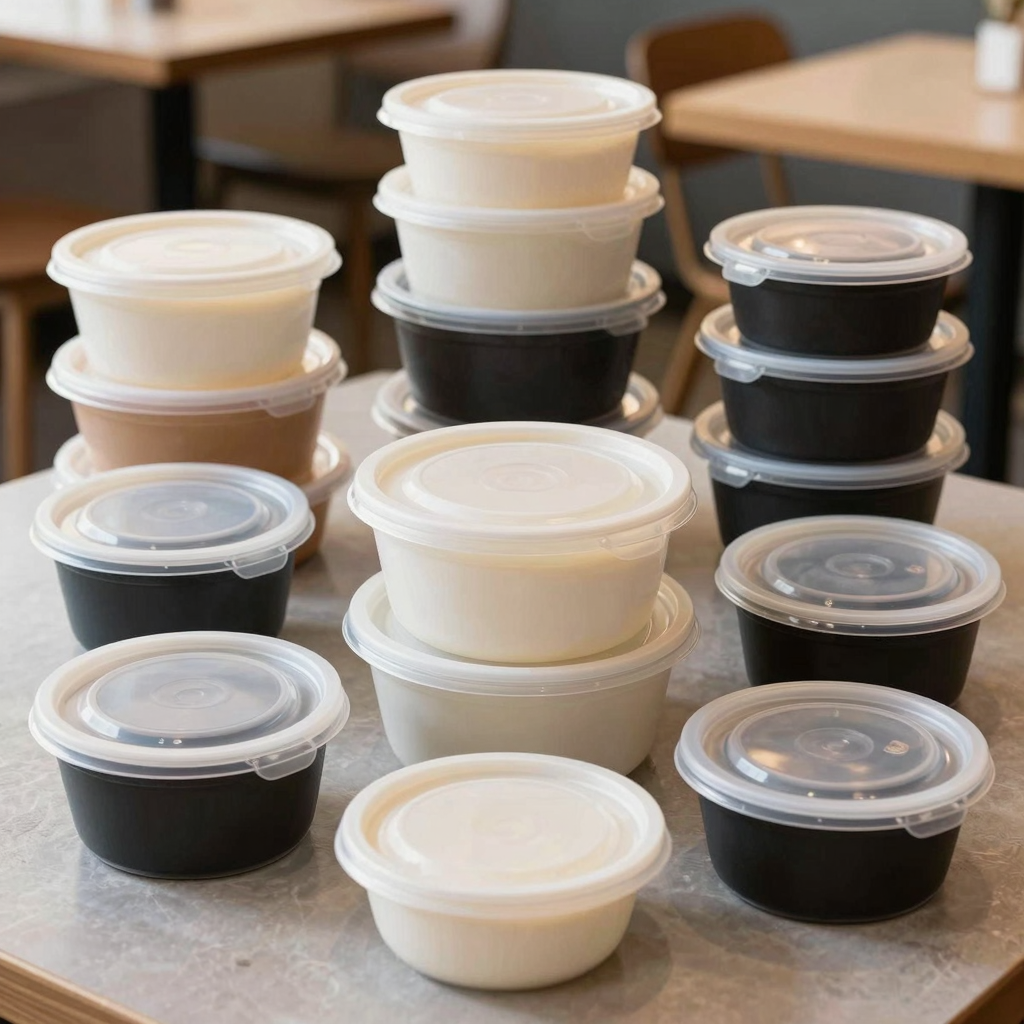
Choosing the Right Commercial Plastic Containers for Food
In the fast-paced world of the beverage and food service industry, the choice of commercial plastic containers for food plays a crucial role in determining both service quality and customer satisfaction. These containers are not mere vessels for transporting food; they represent the very core of a restaurant or catering service’s commitment to safety, efficiency, and aesthetics. High-quality containers ensure that the food remains fresh and visually appealing throughout transit, which is vital in attracting repeat customers.
Moreover, according to an NRA Insights Report, a significant 78% of consumers report higher satisfaction levels when their food is served in clean, leak-proof containers. This correlation highlights the impact of effective packaging solutions on customer experience and perceived food safety. Additionally, the ongoing advancements in disposable tableware ensure a hygienic dining experience while staying compliant with food safety regulations. As businesses strive to create memorable dining experiences, leveraging the right packaging solutions through commercial plastic containers will not only enhance service but also build lasting customer loyalty. Choosing wisely could mean the difference between a one-time customer and a loyal patron.
Types of Commercial Plastic Containers for Food Service
The use of plastic containers in the food service industry is widespread due to their practicality and versatility. Understanding the different types can help businesses make informed decisions aligned with their needs. Here’s an overview of common commercial plastic containers used in food service:
1. Rigid Containers (Tubs and Trays)
- Material: Typically made from HDPE (High-Density Polyethylene) or PP (Polypropylene).
- Advantages:
- Durability: Rigid containers are robust and resistant to breaking or cracking.
- Cost-Effective: Typically cheaper in bulk purchases.
- Stackable: Optimal for storage, maximizing space usage.
- Microwave & Freezer Safe: Suitable for a variety of food temperatures, helping with food storage and preparation.
- Disadvantages:
- Environmental Impact: Non-biodegradable, leading to waste issues.
- Potential Chemical Leaching: Heating can increase risks of harmful substances like BPA migrating into food.
2. Flexible Packaging (Bags and Pouches)
- Material: Common materials include PET (Polyethylene Terephthalate) and PE (Polyethylene).
- Advantages:
- Lightweight: Reduces shipping costs and energy consumption.
- Barrier Properties: Excellent for keeping moisture and air out, thereby prolonging shelf life.
- Customizable: Can be designed for a variety of products and branding options.
- Disadvantages:
- Single-Use: Often not recyclable, contributing to plastic pollution.
- Limited Resealability: Once opened, may not retain freshness effectively.
3. Single-Use Containers (Clamshells and Cups)
- Material: Made from materials like PS (Polystyrene) or PET.
- Advantages:
- Convenient: Ideal for takeout and fast food services, providing quick service options.
- Visual Appeal: Clear containers allow visibility, enticing customers with displayed food.
- Disadvantages:
- Waste Generation: Contributes to increased litter and landfill issues.
- Cost: While affordable, recurring costs can add up over time for businesses.
Conclusion
Choosing the right type of plastic container is crucial for businesses in the food service industry. By weighing the advantages and disadvantages, businesses can select containers that enhance operational efficiency while addressing environmental concerns. Consider exploring eco-friendly options that balance functionality with sustainability.
Comparing Types of Commercial Plastic Containers for Food
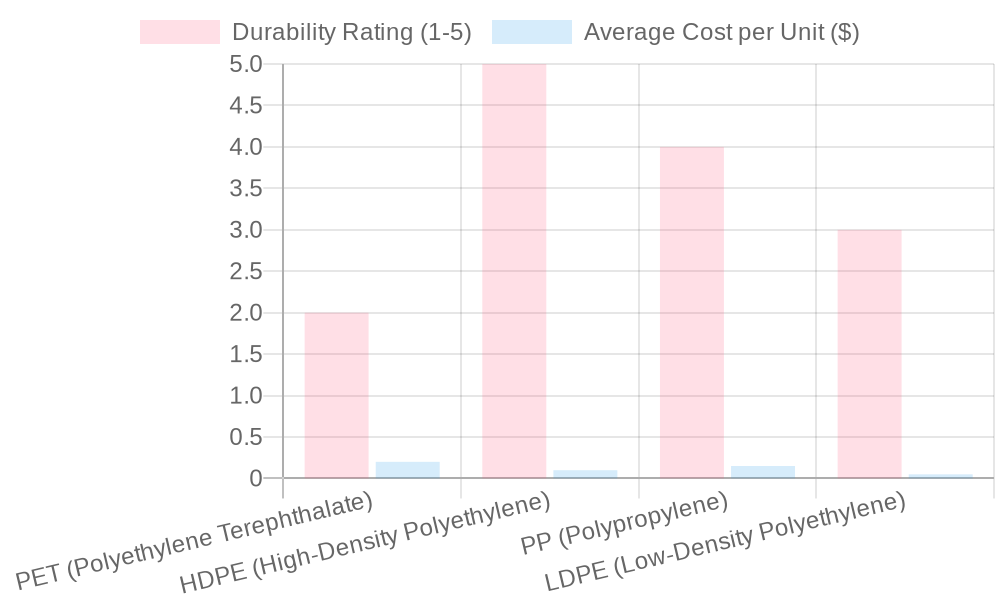
When selecting commercial plastic containers for food, it is essential to understand their features, durability, and cost. Below is a comparison table that highlights some common types of plastic containers used in the food industry, making it easier for businesses like bubble tea shops, restaurants, and catering services to make informed choices.
| Plastic Type | Clarity | Heat Resistance | Flexibility | Durability Rating (1-5) | Average Cost per Unit ($) | Common Uses |
|---|---|---|---|---|---|---|
| PET | High | Limited (up to 70°C), not microwave-safe | Rigid | 2 | $0.20 | Bottles for beverages, sauces, jams, ready-to-eat meals, condiments |
| HDPE | Opaque | High (up to 110°C), microwave/freezer-safe | Rigid | 5 | $0.10 | Dairy products, yogurt, spreads, household chemicals, cleaning agents |
| PP | Moderate | Excellent (up to 160°C), microwave-safe | Semi-rigid | 4 | $0.15 | Food storage containers, microwavable packaging, lids, reusable food boxes |
| LDPE | Low | Low (up to 80°C), not recommended for high heat | Highly flexible | 3 | $0.05 | Plastic bags, wraps, soft food containers, liners |
Summary of Container Types
- PET (Polyethylene Terephthalate): Notable for its clarity and strength but limited in heat tolerance, best for beverages and ready-to-eat meals.
- HDPE (High-Density Polyethylene): Known for its durability and chemical resistance, making it ideal for dairy and household chemical containers.
- PP (Polypropylene): Offers excellent heat resistance, suitable for hot foods and liquid packaging, enhancing versatility in food storage.
- LDPE (Low-Density Polyethylene): The most flexible type, often used for bags and wraps, but less durable than the other types.
For more insights on food packaging solutions, check out our paper packaging options and explore products designed to meet your establishment’s needs!
Safety Standards for Commercial Plastic Containers
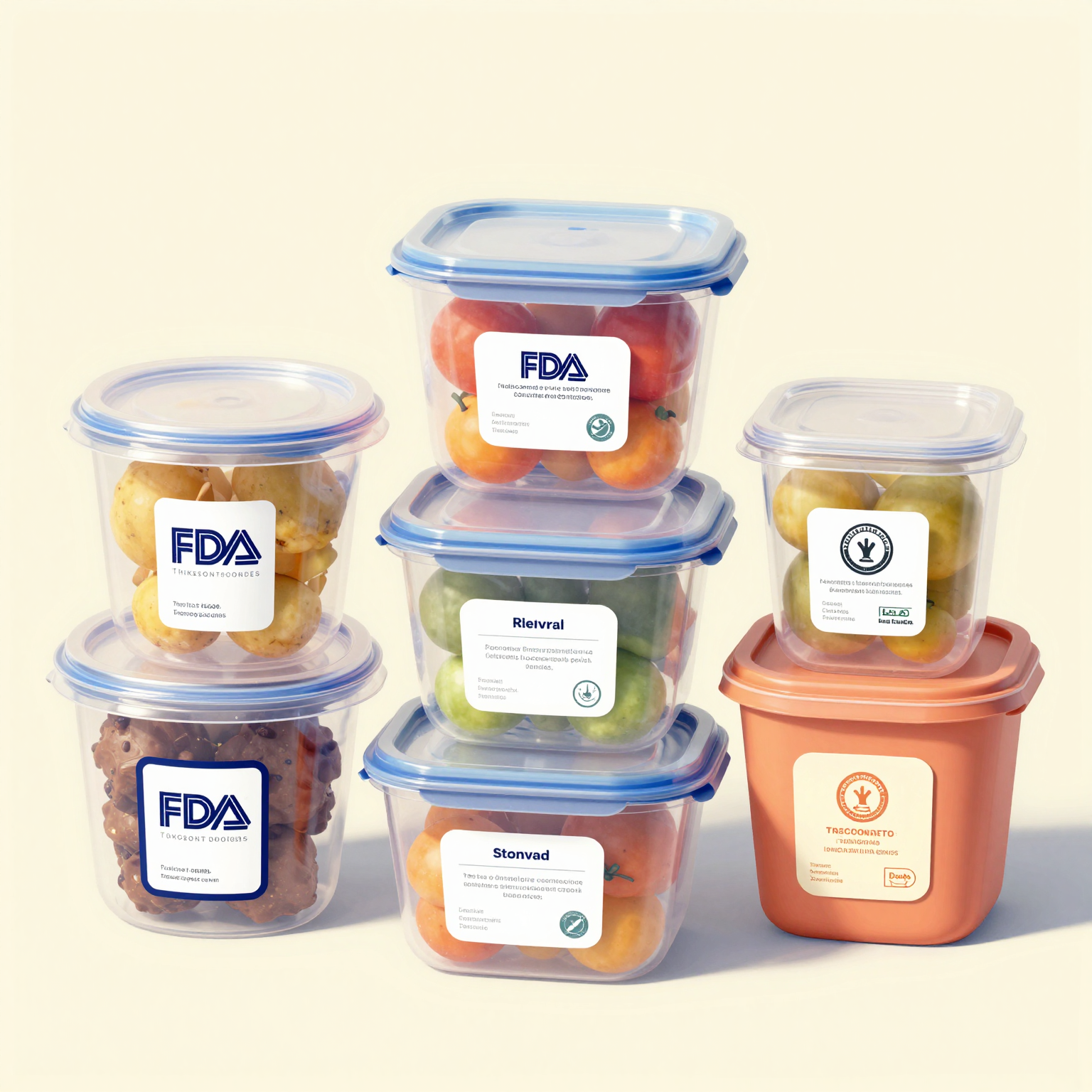
When it comes to commercial plastic containers for food, meeting safety standards is not just a regulatory requirement-it’s essential for ensuring consumer trust and the overall integrity of food safety practices. In the United States, the Food and Drug Administration (FDA) governs the safety standards for plastic materials used in food contact applications through strict regulations. These standards provide a framework that manufacturers must adhere to in order to ensure that their products are safe for consumer use.
Key FDA Regulations
The FDA outlines various requirements for plastic containers that come in contact with food. Key regulations include:
- Compliance with 21 CFR Part 177: This part specifies the safety requirements that polymer resins must meet, including polyethylene (PE), polypropylene (PP), and polyethyleneterephthalate (PET).
- Restrictions on Additives: Manufacturers are prohibited from using certain substances like phthalates and bisphenol A (BPA), which have been linked to health risks.
- Migration Testing: The FDA mandates that plastic containers undergo rigorous testing to check for the migration of harmful chemicals under various conditions (including acidic or fatty foods).
In 2023, the FDA has intensified scrutiny over substances like per- and polyfluoroalkyl substances (PFAS) and expanded restrictions on polystyrene foam (PS) in food packaging. This proactive stance aims to protect consumers from harmful chemical exposures, reinforcing the critical link between safety standards and public health.
Importance of Safety Standards for Businesses
For businesses-ranging from bubble tea shops and restaurants to food trucks and catering services-adhering to safety standards is fundamental to operating within legal frameworks and fostering consumer confidence. Here’s why:
- Consumer Trust: Adherence to safety standards enhances brand reputation. When consumers know that a food business prioritizes safety, they are more likely to trust and choose that brand.
- Market Access: Compliance with FDA regulations can open the door to broader market opportunities, as many retailers and distributors will only work with suppliers who meet safety standards.
- Risk Management: By following the prescribed safety guidelines, businesses can mitigate the risk of recalls and liabilities that may arise from using unsafe products, ultimately protecting their bottom line.
Conclusion
In conclusion, safety standards for commercial plastic containers for food are not merely bureaucratic hurdles; they are essential safeguards that protect both consumers and businesses alike. By ensuring that their products comply with FDA regulations, food-related enterprises can operate effectively, maintain consumer trust, and contribute to a safer food supply chain. Taking this responsibility seriously helps foster a positive image in the competitive landscape of the food industry. To learn more about safe packaging options, check out our wide range of paper packaging products designed with food safety in mind.
The Environmental Benefits of Using Eco-Friendly Containers
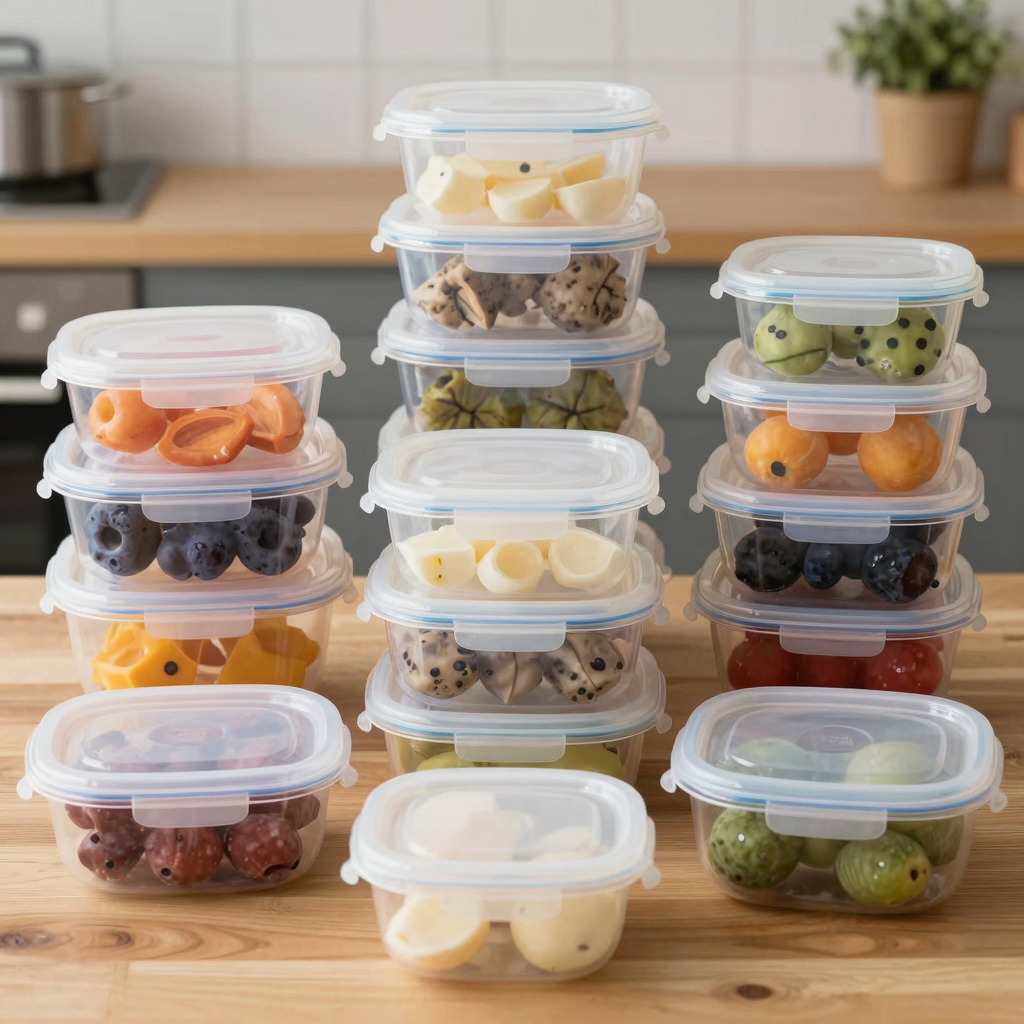
In an era where sustainability is becoming a buzzword, the choice of packaging can have monumental consequences for our planet. Businesses, especially in the food service industry, are increasingly recognizing the numerous benefits of using eco-friendly containers. These innovative solutions not only meet the needs of discerning consumers but also contribute significantly to environmental conservation, making them a smart choice for Bubble Tea Shops & Beverage Chains, Restaurants, Food Trucks & Catering Services, Event Planners, and Corporate Procurement Teams alike.
What Are Eco-Friendly Containers?
Eco-friendly containers are designed from sustainable materials, often including compostable options like sugarcane fiber, bamboo, or recycled paper. These materials are engineered to break down naturally, providing a stark contrast to traditional plastic options that could take centuries to decompose.
Waste Reduction Impact
According to a National Geographic study, if all food service establishments in the U.S. transitioned to compostable containers, we could avert nearly 1.8 million tons of plastic waste annually. This is a staggering statistic that illustrates not only the scale of plastic pollution but also the actionable steps that can be taken to combat it. Furthermore, eco-friendly containers contribute to a reduction in landfill waste, with the Environmental Protection Agency (EPA) noting that food packaging accounts for about 20% of landfill waste in the U.S. By adopting sustainable options, businesses can effectively divert organic waste from landfills, substantially lowering methane emissions-one of the most potent greenhouse gases released in these environments.
Energy Efficiency and Lower Emissions
Not only do eco-friendly containers help in reducing waste, but they are typically produced using less energy compared to their plastic counterparts. For instance, the cultivation and processing of natural materials can emit fewer greenhouse gases, aligning with global efforts towards better carbon management and climate change mitigation.
Conclusion
Choosing eco-friendly containers is clearly a win-win situation. It not only fosters a positive image for your business among eco-conscious consumers but also plays a vital role in promoting sustainability and minimizing environmental impact. As more customers prefer brands that prioritize sustainable packaging, investing in eco-friendly containers is not just good for the planet-it’s smart business. Explore our range of sugarcane tableware and other eco-friendly options to make the switch today!
“Quality packaging is not just about aesthetics; it’s a critical component of food safety, brand integrity, and customer trust. In today’s competitive food service landscape, a well-designed, secure package protects the product from contamination, maintains freshness, and communicates value to consumers. A single failure in packaging can lead to spoilage, recalls, and irreversible damage to a brand’s reputation.”
- Dr. Elena Martinez, Food Safety and Packaging Consultant (source)
Quality packaging serves as an essential element in the food service industry, impacting everything from food safety to brand loyalty. If you’re interested in exploring further into various packaging solutions, check out our paper packaging options for innovative choices.
Choosing the Right Supplier for Commercial Plastic Containers
Selecting a reliable supplier for commercial plastic containers is a pivotal decision for food businesses, including bubble tea shops, restaurants, food trucks, catering services, and corporate procurement teams. The right supplier not only ensures consistent quality and timely delivery but also supports your brand’s commitment to sustainability and food safety. Here are some essential guidelines to consider:
1. Quality Assurance
- Certifications: Always opt for suppliers who have ISO certification and adhere to food safety standards, like the GB 4806 series for food contact materials. This guarantees that the products are safe for food use.
- Material Standards: Ensure the supplier uses food-grade materials, such as polyethylene (PE) and poly(ethylene terephthalate) (PET), which meet safety regulations.
- Testing Reports: Request for testing reports from recognized third parties (e.g., SGS) that validate product quality and safety.
2. Pricing Structure
- Competitive Pricing: Compare quotes from different suppliers to ensure you receive a fair price without compromising quality. However, be wary of prices that seem too good to be true, as they may indicate compromised quality.
- Volume Discounts: Look for suppliers who offer discounts on bulk purchases. This can significantly lower your operational costs while ensuring you have enough inventory.
- Transparency: Ensure that suppliers provide clear pricing models, including hidden costs such as shipping or customization fees.
3. Customer Service
- Communication: A responsive supplier is crucial. Evaluate their communication efforts during the initial contact phase; prompt replies are indicative of their future service levels.
- Support Services: Choose suppliers that offer robust customer support, including assistance with customizations and rapid sampling services. This can be a tremendous asset when variations are needed for seasonal promotions or new menu items.
- Reviews and Reputation: Research customer feedback on platforms like their website, or third-party review sites to assess reliability and service quality.
Conclusion
A reliable supplier is integral to maintaining your business operations. Focus on quality, pricing, and customer service to meet your business’s unique needs. For more options, check out our paper bowls and sugarcane food containers that promote sustainability without compromising quality.
Adoption of Commercial Plastic Containers in the Food Service Industry
The adoption rate of commercial plastic containers in the food service industry has shown a remarkable decline from 2020 to 2023, reflecting changing consumer preferences and regulatory pressures:
| Year | Adoption Rate (%) |
|---|---|
| 2020 | 75 |
| 2021 | 72 |
| 2022 | 68 |
| 2023 | 64 |

Key Insights:
- The decline in the adoption rate underscores a significant trend driven by increasing consumer demand for sustainable packaging solutions.
- Regulatory pressures, including bans on plastic and extended producer responsibility (EPR) policies, have accelerated the transition towards eco-friendly alternatives such as compostable materials and reusable containers.
- Rising awareness about environmental issues has led food service businesses to prioritize sustainable options to maintain brand reputation and customer loyalty.
- While the share of plastic containers remains substantial, innovation in biodegradable and durable packaging solutions is shaping the future of food service.
For more insights about sustainable packaging options, check out our paper packaging options.
Conclusion
In conclusion, the use of commercial plastic containers for food offers a multitude of advantages that are hard to overlook, especially for businesses in the food service industry, such as bubble tea shops, restaurants, food trucks, and catering services. Their lightweight and durable nature, coupled with exceptional leak-proof designs, ensures that your products remain secure and fresh during transport. Plastic containers not only help to maintain food quality but also extend shelf life by acting as a barrier against moisture and contamination. Convenience is another essential factor, as many of these containers are microwave-safe and designed for easy disposal, making them perfect for fast-paced environments.
Moreover, collaborating with a reliable supplier like Green Dispo Pack enables you to access quality products tailored to your specific needs. With our vast array of options ranging from paper bowls to sugarcane tableware, we prioritize both functionality and sustainability, ensuring your packaging solutions not only serve a purpose but also align with current consumer preferences for environmental responsibility.
Are you ready to elevate your brand’s packaging strategy? Contact us today for a tailored quote that meets your unique requirements and sets your business up for success in an increasingly competitive landscape. Our team is here to help you find the perfect solutions that enhance your customer experience while maintaining the efficiency of your operations!