
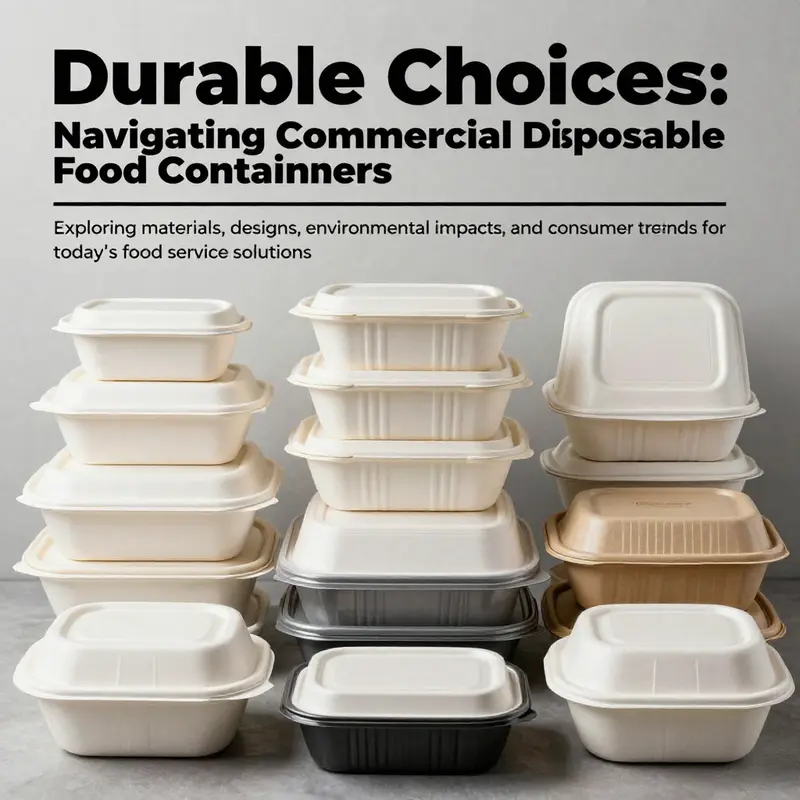
Commercial disposable food containers are vital for food service businesses, ensuring safe, efficient, and appealing food transport. From bubble tea shops to catering services, understanding the range of materials and designs available is crucial for meeting customer expectations and regulatory compliance. Our exploration begins with a deep dive into the materials used, highlighting options like plastics, paperboard, and foam, each chosen for their unique benefits. Next, we’ll guide you through the essential design features that enhance functionality and user experience. Environmental considerations are equally important, so we’ll assess the effects of disposable containers on our planet and how businesses are adapting to sustainable practices. Finally, we’ll examine market trends and consumer preferences shaping the future of disposable food packaging. This comprehensive look will empower your business to make informed choices that enhance service and sustainability.
The Materials Landscape Behind Commercial Disposable Food Containers: Strength, Safety, and Sustainable Choices
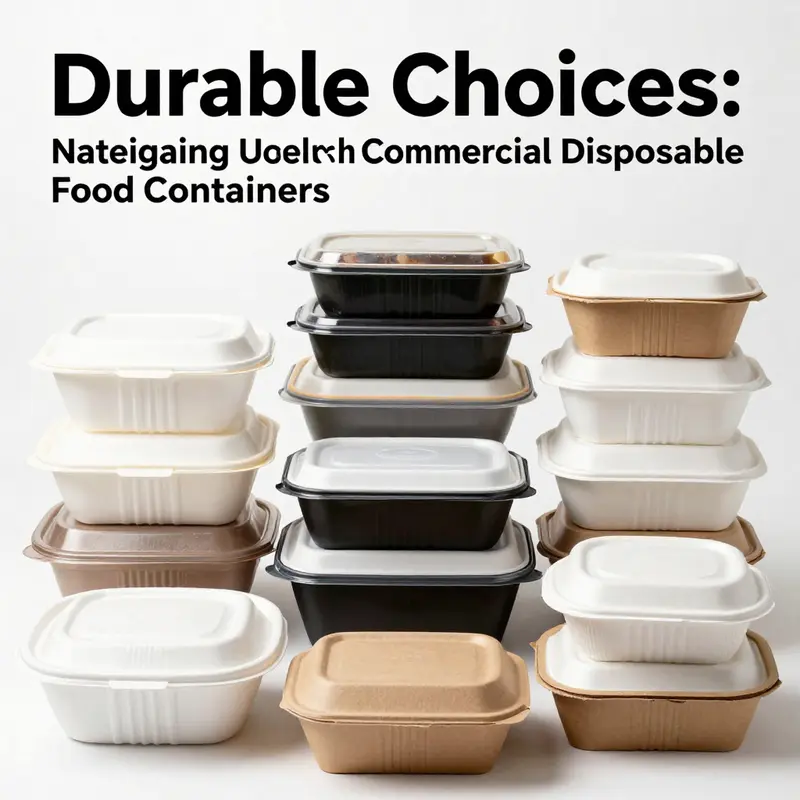
Every time a meal travels from kitchen to customer, a material decision sits at the heart of the container that carries it. The choice is rarely about a single property—durability, heat tolerance, moisture resistance, and end-of-life options must all align with the food type, service model, and brand commitments. The practical math of commercial disposable containers lies in balancing performance with safety, cost, and sustainability. Behind the everyday convenience of takeout and catering, a landscape of materials is selected to meet the specific demands of food, process, and place. A closer look at principal material families—bagasse, bamboo, polypropylene and PET, renewable agricultural waste, and molded fiber—reveals how manufacturers tailor solutions for hot soups and crisp pastries alike, while signaling a broader shift toward responsible packaging that customers and operators increasingly seek.
Bagasse stands out as a compelling example of turning byproducts into front-line packaging. Derived from sugarcane processing, bagasse is a rapidly renewable fiber that blends strength with a natural, neutral scent. Containers made from bagasse withstand heat and grease without warping like some plastics, and they present meals with a clean, rustic aesthetic that resonates with diners who associate natural fibers with purity. Importantly, bagasse is compostable in industrial facilities designed to handle plant fibers, aligning with the push toward circularity. In practice, bagasse can reduce plastic waste while preserving barrier properties needed for soups and sauces. Yet bagasse is not a universal fix; its performance depends on fabrication and fiber refinement, and moisture resistance may rely on coatings that influence end-of-life options. When managed in compatible systems, bagasse offers a compelling balance of function and sustainability.
Bamboo packaging has grown in popularity for its natural strength and renewability. Bamboo fibers form containers with notable rigidity and heat resistance, suitable for dry or semi-moist foods and for branding that emphasizes eco-conscious sourcing. The appeal is partly perceptual: bamboo is renewable and can be produced with relatively low environmental footprint when managed responsibly. For baked goods, salads, or snacks, bamboo adds a tactile, craft-inspired touch that many operators believe enhances the dining experience. However, barrier properties can vary with processing, and moisture management remains a consideration for multipurpose use. As with bagasse, the end-of-life story depends on whether facilities accept it as compostable or recyclable, and under what conditions. The result is a material that blends functional reliability with a sustainability narrative that resonates with customers and operators alike.
Polypropylene (PP) and PET are the workhorses of many disposable container lines, prized for lightness, strength, and predictable performance across high-volume settings. PP and PET can be engineered to tolerate reheating and maintain clarity where needed for presentation. They offer advantages in stackability, seal integrity, and shelf-life, and they map to recycling streams where municipal programs are robust. Yet plastics carry environmental considerations when waste is not recovered or sorted properly. Industry advances include barrier coatings and formulations designed to reduce landfill burden and support reuse or recycling, but the lifecycle impact remains linked to waste infrastructure and consumer behavior. In practice, PP and PET are chosen for performance, with a plan to mitigate environmental burdens through selective recycling and proper disposal.
Renewable agricultural waste—materials derived from cornstarch, wheat straw, or sugarcane byproducts—offers a forward-looking option that aligns with renewability goals. These fibers and biopolymers are increasingly used in molded fiber bowls and plates, multi-compartment trays, and other formats that deliver functional performance with a smaller carbon footprint. The appeal is strongest for operators pursuing compostable or biodegradable options that fit sustainability narratives. Trade-offs include higher production costs and sometimes weaker moisture resistance or shelf-life stability relative to conventional plastics. Ongoing advances in formulation and processing are addressing these gaps, expanding viable use cases for renewable agricultural waste. Buyers must consider whether facilities can support dedicated composting streams and whether supply can meet demand at scale while remaining price-competitive.
Paperboard and molded fiber have become central to many sustainable packaging strategies. Made from recycled content or responsibly sourced pulp, these fibers are often compostable and widely perceived as greener than petroleum-based plastics. The performance envelope can be tuned: grease resistance, moisture tolerance, and temperature resilience are achievable with coatings or internal linings that preserve integrity during transport while enabling industrial composting in many cases. For takeout and catering operations seeking a natural aesthetic or a strong sustainability message, molded fiber and paperboard provide a compelling combination of function and storytelling.
Foam, particularly expanded polystyrene (EPS), remains present in some sectors thanks to insulation and low cost. It can keep foods hot or cold for extended periods, a feature valued in certain settings. Yet foam faces increasing scrutiny as a misaligned option with waste reduction goals, given disposal challenges and limited recycling. This tension has nudged operators toward bagasse, molded fiber, and compostable alternatives that offer similar insulation with better end-of-life options. The shift away from foam is driven by policy, consumer expectations, and practical waste-management realities in urban environments.
Integrated with material choices is a nuanced understanding of safety and quality control. Commercial containers must meet food-safety standards and certifications, governing materials that contact food, additive restrictions, and performance criteria for heat and barrier properties. In busy kitchens and banquet halls, the material choice is inseparable from processes that prevent contamination, leaks, and inconsistent portioning. Multi-compartment designs, for example, support separation of flavors and portion control, while engineered laminates and precise geometry ensure integrity under stacking and transport.
The end-of-life story shapes selection as much as initial performance. Industrial composting facilities offer routes for bagasse, certain molded fibers, and many paper-based solutions where available. In other markets, robust recycling programs favor PET and some coated papers, provided streams can be efficiently recovered. This pushes suppliers to develop coatings and formulations compatible with preferred end-of-life paths and to label products clearly for disposal guidance. The overall success of a material depends on waste infrastructure and consumer behavior as much as laboratory properties.
As the landscape evolves, so do design and manufacturing approaches. Bio-based polymers and green coatings are narrowing the gap between plastic performance and compostable credentials, while new barrier technologies extend the usable range of paper-based systems for hot items, sauces, and multi-item meals. The packaging ecosystem is moving toward materials that deliver dependable performance, support efficient operations, and convey a credible sustainability story to customers who increasingly associate packaging with brand values.
The practical takeaway is to treat material selection as a systems decision. The container must endure prep, storage, transport, and display while aligning with service models and end-of-life options. A bakery may choose bamboo or molded fiber for strength and aesthetics, while a high-volume takeout operation may rely on PP or PET with clear recycling pathways and standardized disposal guidance. In all cases, certifications, traceable sourcing, and transparent lifecycle storytelling help bridge performance and responsibility. The chapter’s arc points toward a future where material choices reinforce brand promises and supply-chain resilience, enabling consistent performance across channels and a credible environmental narrative.
For readers seeking practical references, consider kraft paper bowls with lids as a simple example of sustainable design meeting daily utility. Clear labeling about compostability and local disposal options reinforces brand messaging. And for those who want deeper technical context, industry resources on standards, performance testing, and end-of-life options offer a structured path from material choice to customer impact.
Form, Function, and Footprint: Designing High-Performance Commercial Disposable Food Containers
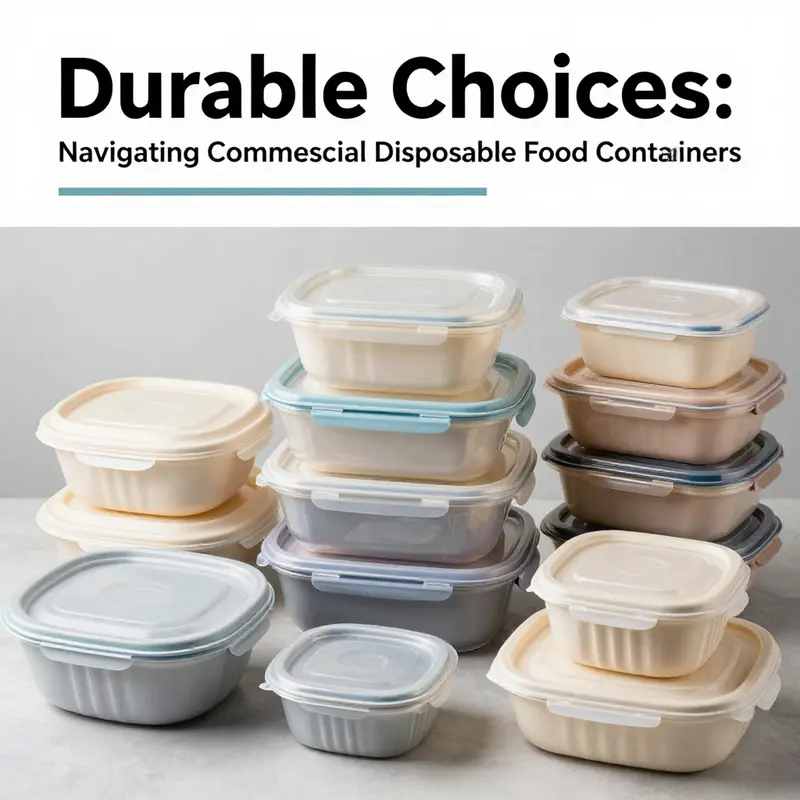
Every portion served in a commercial setting begins its life at the point where utility and reliability intersect: the disposable container. The design language of these containers is less about fashion and more about a disciplined integration of protection, usability, and economics. In a high-volume environment, every millimeter, every material choice, and every closure feature can influence the speed of service, the integrity of the meal, and the perception of a brand. The result is a field where engineering meets hospitality, where shape and seal are not mere aesthetics but crucial determinants of safety, freshness, and the customer experience. Understanding this design philosophy means tracing how form follows function across a spectrum of needs—from hot meals that demand heat resistance and sturdiness to cold, delicate items that require protection from moisture and cross-contamination, all within the constraints of waste streams and sustainability goals. The conversation about disposable food containers therefore sits at the crossroads of performance, safety, and environmental responsibility, a confluence that has only deepened as operators seek to balance speed with stewardship of the planet. A notable example of thoughtful design can be found in modern rectangle and octagonal configurations with integral lids, where the geometry is more than a matter of looks; it is a deliberate decision aimed at optimizing space in stacks, reducing material use without sacrificing strength, and enhancing the customer’s ability to transport meals securely. A notable example of thoughtful design is the New Design Rectangle Takeaway Kraft Octagonal Paper Bowl with Lid. This kind of design, while seemingly straightforward, embodies a convergence of durability, visibility, and ease of use that suppliers increasingly prioritize as they tailor products to different segments of the food service ecosystem. But to truly appreciate the design, one must see how each feature—shape, lid, material, and seam—plays a role in the daily rhythm of a bustling kitchen, a busy catering event, or a delivery cycle that demands both speed and reliability.
Design features sit at the core of these containers’ ability to protect a product from the moment it is sealed until it reaches the consumer’s hands. The physical form is chosen with a clear purpose: rectangular or square shapes maximize space efficiency in storage and during delivery, while round or oval configurations can optimize heat retention or food presentation. Reinforced walls and thicker walls are common in hot-food designs to prevent deformation under heat and to resist accidental spills during handling. The choice of a material—whether a robust plastic such as polypropylene or polyethylene terephthalate, a foam that offers excellent insulation, or a paper-based alternative that leans into sustainability—directly influences how well the container maintains temperature, defends against leaks, and keeps its contents pristine. Built-in handles or ergonomic grips are more than conveniences; they reduce fatigue for staff and minimize the risk of accidental drops during peak service hours. Clear windows or transparent panels have become a subtle but powerful marketing feature, letting consumers preview the meal without opening the lid and thereby preserving presentation and hygiene.
The lid is not a mere cover; it is a critical hinge in the system of containment. Snap-on lids are ubiquitous in plastic and paper-based systems because they deliver quick, reliable seals that can withstand the jolts of a delivery ride. For sauces and dressings that demand a higher degree of seal integrity, screw-top lids or foil-covered options are often employed. In multi-compartment containers, dividers or built-in separators maintain portion integrity and prevent flavor mingling, a capability that supports meal-prep operations and buffet-style service where variety and presentation matter. Some containers adopt a vented lid or venting channels to balance internal pressure during microwave heating, an important feature for avoiding explosive steam buildup and ensuring even reheating. The lid design often includes a secondary role in branding and consumer perception—consistent, clean finishes, smooth edges, and the absence of sharp corners that could irritate a user during handling.
Material choices reflect an ongoing negotiation between performance, safety, and sustainability. Plastics such as PP (polypropylene) and PET (polyethylene terephthalate) are prized for their lightness, cost-effectiveness, and general resistance to moisture and oil. They are frequently engineered to be microwave-safe in a subset of cases, though not all plastics are suitable for oven use. Foam containers, including Styrofoam and EPS (expanded polystyrene), remain favored in some outlets for their excellent insulation properties, especially for hot foods. However, their environmental footprint is a growing concern, prompting an accelerating shift toward paperboard and molded fiber solutions. Paperboard packaging, particularly when molded into fiber-based shapes, offers a balance of rigidity and recyclability, with many products designed to be compostable or biodegradable. The newer generation of plant-based and bagasse (sugarcane pulp) containers represents a response to consumer demand for green packaging, while maintaining the robust containment and insulation properties required by busy kitchens. The modern design language thus often embodies a spectrum: from sturdy, dependable plastics and foams to sustainable fibers that align with waste-stream realities and corporate sustainability goals.
But material selection is not only about environmental impact; it also engages with safety and regulatory expectations. Food-contact regulations—such as those vetted and enforced by FDA standards in many regions or EU frameworks elsewhere—define the thresholds for migration of chemicals from packaging into food, even under elevated temperatures. The engineering teams behind these designs must consider a broad range of operational conditions: exposure to moisture and oils, temperature fluctuations during transit, repeated cold and thaw cycles, and even the potential for mechanical stress during stacking and handling. The goal is to prevent leaching, deformation, or delamination that would compromise food safety or consumer trust. This is why many containers are engineered with multi-layer barriers or coextruded structures that minimize the risk of straining seals or degrading the interior surfaces when faced with heated foods or acidic sauces.
In practice, a multi-compartment container with dividers demonstrates how form and function collaborate to support precise portioning and hygiene. For meal-prep services, dietary plans, and catering menus that include multiple elements—proteins, starches, vegetables, and sauces—the ability to segregate items without cross-contact is essential. The partitions must stay in place even when the container is subjected to the bumps and shakes of transit. This design also helps reduce waste because customers receive a complete, organized meal that retains its intended layout and visual appeal. The lid and the base must work in concert to maintain moisture balance and to prevent the migration of condensation that could saturate a dish and compromise texture. The overall geometry—whether a compact rectangle that fits neatly into a standard delivery box or an octagonal shape that nestles comfortably within a compact carry bag—plays a subtle but important role in how efficiently meals move from kitchen to consumer.
The integration of sustainability into design has become a guiding constraint rather than a trend. The industry increasingly prioritizes compostable or biodegradable alternatives that perform on par with traditional materials during transit and service. Bagasse, bamboo fiber, and other plant-based composites are being developed to withstand the rigors of takeout, while still offering a clearer end-of-life path for users who recycle or compost. That does not mean performance is sacrificed; these materials are engineered for heat resistance, leak protection, and structural integrity. The evolving landscape is also pushing for clearer labeling and simpler disposal instructions to support effective waste sorting, an important step toward maximizing recycling and composting rates in communities around the world.
All these considerations—shape, seal, material, and sustainability—are inseparable from the practical realities of operations. In fast-paced kitchens and high-demand catering environments, a container must be easy to open and close, reseal when needed, stack securely, and resist crushing under a full load. The lid’s fit must be precise enough to prevent leaks but not so tight that it becomes a barrier to quick service. The edges must be smooth to avoid hand fatigue or injury during repetitive handling. The container’s surface contact with the food should discourage condensation buildup that could undermine presentation or texture. These attributes are not simply about consumer satisfaction; they directly influence the efficiency of a kitchen team. A well-designed container reduces the chance of product loss during transportation, minimizes the need for repacking, and speeds up the handing-off process from station to customer, which matters in both dine-in and takeout workflows.
From a supply-chain perspective, design choices also impact bulk purchasing, inventory management, and customization potential. Bulk containers are sold in wholesale quantities, and suppliers routinely offer variants with different lidding solutions, dividers, and bracing to adapt to a wide array of menu items. The ability to customize branding or to select materials that align with a retailer’s sustainability commitments can be decisive for a business weighing cost, environmental impact, and consumer expectations. The exacting nature of modern procurement means that even subtle decisions—such as the thickness of the container wall, the stiffness of the lid, or the presence of a transparent panel—can ripple through to affect warehouse space, loading efficiency, and the speed with which orders are fulfilled.
In this broader context, the design of disposable containers becomes a dialogue among several stakeholders. Operators want protection for food quality, operational simplicity, and predictable costs. Consumers seek convenience, dependable freshness, and a positive unboxing experience. Regulators expect safety and transparency about materials and disposal pathways. Material scientists and product engineers translate these aims into tangible products that can perform across a diverse set of environments, from street-side food trucks to corporate catering venues and multi-site restaurant chains. The result is a landscape of packaging that is increasingly sophisticated in how it manages heat, moisture, and contamination risks, while also embracing a more circular approach to waste. The trend toward compostable and biodegradable options is not merely a niche; it is becoming embedded as a strategic priority for many operators who recognize that sustainability is a value proposition that resonates with customers and aligns with long-term cost management.
The practical effect of these design decisions is felt in everyday operations. Consider the scenario of a busy lunch service for a campus cafeteria or a high-volume takeaway operation near a transportation hub. A container with a robust seal reduces the risk of sauce leakage during delivery, a common cause of messy bags and customer dissatisfaction. A container with an ergonomic grip makes the act of carrying meals less taxing for staff and diners alike, which matters when customers are picking up multiple orders for colleagues. A clear window can aid quick visual checks for accuracy, reducing the need to open containers repeatedly and thereby preserving temperature and moisture. A multi-compartment design helps ensure that sauces remain separate from solids, preserving textures and flavor. In these contexts, the container does not simply hold food; it acts as a small but essential component of the service promise—the assurance that a meal will arrive intact, appetizing, and ready to eat.
As we look toward the future of commercial disposable containers, the guiding thread remains clear: containers must deliver strong performance while supporting responsible stewardship. This means materials that are friendly to recycling streams or compost facilities, seal designs that minimize leaks and maximize freshness, and shapes that support efficient handling and storage. Innovations in barrier coatings, closures, and fiber-based composites continue to push the envelope, offering new ways to extend shelf life and improve user experience without compromising end-of-life options. The best designs anticipate not just the needs of today’s busy kitchens but the evolving expectations of environmentally conscious consumers who expect packaging to be clear about its environmental impact and to offer practical disposal paths.
In short, the modern commercial disposable container is a carefully engineered system. It fuses physics and chemistry with human factors to protect food, simplify operations, and reflect a growing commitment to sustainability. It makes a meal portable without compromising quality and makes a brand promise tangible in the moment a customer receives their lunch. The design choices—shape, lid, material, and partitioning—are not isolated details; they are the architecture of an effective, efficient, and ethical food-service ecosystem that continues to refine itself in response to market demands, regulatory updates, and the ongoing push toward greener, smarter packaging solutions. As the landscape evolves, the conversation will increasingly center on how these containers can be part of a circular economy, where waste is minimized, and the path from production to disposal is as clean and responsible as the meals they help to deliver.
For readers seeking a concrete example of contemporary design in action, the linked product page offers a tangible reference to a design that integrates a rectangular, take-away format with a kraft-based, octagonal aesthetic, illustrating how form can support function while signaling a commitment to sustainability. This kind of design exemplifies how packaging can balance the imperatives of durability, cost-efficiency, and environmental responsibility without sacrificing user experience. Beyond the aesthetics, it reflects the broader shifts in the industry toward containers that perform reliably in real-world conditions while aligning with evolving waste-management infrastructures and consumer expectations.
As the chapter turns toward the next stage of the article, the conversation will pick up on how these design principles translate into measurable performance, how standards and certifications influence material choices, and how the supply chain adapts to the growing demand for compostable and recyclable packaging. The path from concept to consumer is a careful choreography of materials science, engineering judiciousness, and a keen understanding of the daily realities of kitchens, delivery fleets, and dining tables. In this light, the design and functional features of commercial disposable food containers emerge not as isolated gadgets but as essential components of a broader tapestry—the reliability thread that stitches together safety, efficiency, and sustainability in the modern food service ecosystem.
External resource: https://www.alibaba.com
Rethinking Takeout Packaging: Environmental Footprint and Pathways to Sustainability
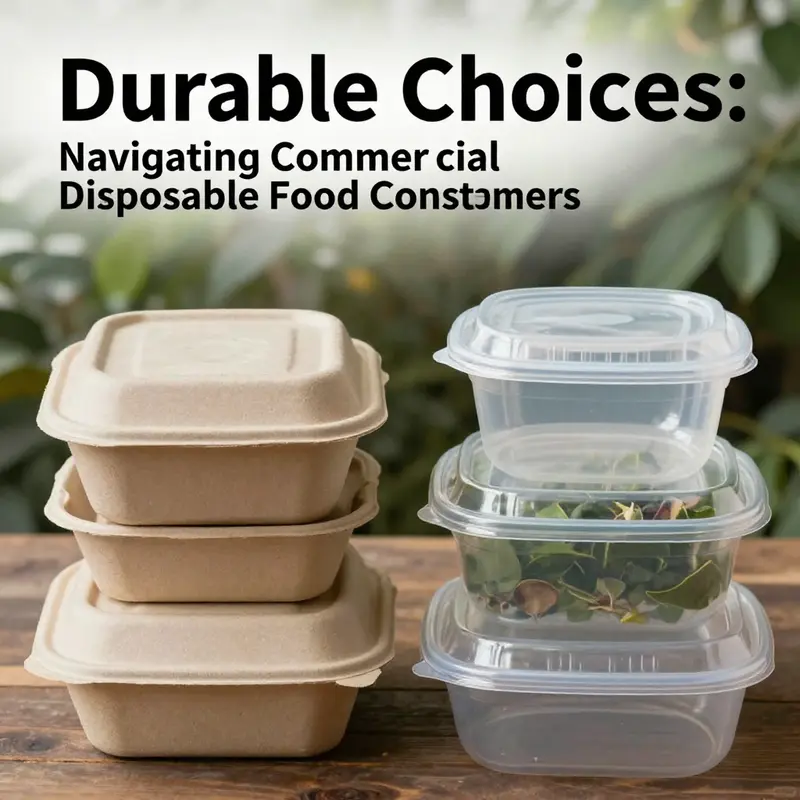
Every day, millions of disposable food containers move through kitchens, takeout windows, and delivery routes. They are engineered for speed and hygiene, yet their environmental footprint depends on far more than handling and shelf life. To understand sustainability in takeout packaging we must look at lifecycle stages from material extraction to end of life, and how local waste systems and consumer behavior shape outcomes.
From a materials perspective, single use plastics have long been favored for low weight and cost, and for the ability to hold heat and moisture. But the overall burden including energy use, emissions, and the challenge of managing contaminated streams can be substantial. Even recyclability is not a panacea when markets are volatile or contamination is high. The picture grows more complex when we consider paper based options, which can save fossil fuel use but often demand large amounts of water and energy in production and can create methane if disposed of in landfills.
Newer plant based designs such as compostable or biodegradable products promise lower fossil fuel dependence, but their benefits hinge on industrial composting infrastructure and disciplined disposal. In places without such facilities, these materials may behave like ordinary waste. Aluminum and other metals are highly recyclable, yet mining, processing, and reprocessing carry climate and resource implications that can offset recycling gains if lifecycle burdens are not accounted for.
Given these realities, successful packaging strategies focus on the whole system. They consider what happens after disposal, alignment with local recycling or composting capabilities, and consumer guidance that reduces contamination. Designers and buyers can reduce complexity by choosing materials with known end-of-life pathways, minimizing multi material laminates, and investing in clear disposal messaging. A portfolio approach that matches local infrastructure, regulatory contexts, and target markets tends to be more resilient than chasing a single best material.
Beyond material choice, the industry is moving toward better waste management and reuse where feasible. This includes improving separation in mixed streams, designing for easier disassembly, and supporting takeback or return programs that close the loop in specific contexts. Policies and incentives at municipal and national levels can accelerate progress by expanding access to effective recycling and composting, improving labeling, and funding infrastructure.
For practitioners, the practical takeaway is lifecycle thinking: request transparent lifecycle data from suppliers, test packaging configurations to measure waste and contamination, and communicate disposal guidance to customers. When end of life realities are understood and prioritized, packaging can support safety and speed without unnecessary ecological costs.
In closing, the environmental story of takeout containers is a systems story. It requires collaboration among manufacturers, distributors, waste managers, policymakers, and consumers. By aligning material choices with end-of-life capabilities and continuously refining procurement and design, the industry can protect the benefits of convenience while reducing harm to the planet.
If readers want to explore further, a practical entry point is to examine case studies of packaging options in real communities, look for clear lifecycle data from suppliers, and engage in field tests that measure end-of-life performance in their locale.
Convenience, Compliance, and Conscious Choice in Commercial Disposable Food Containers
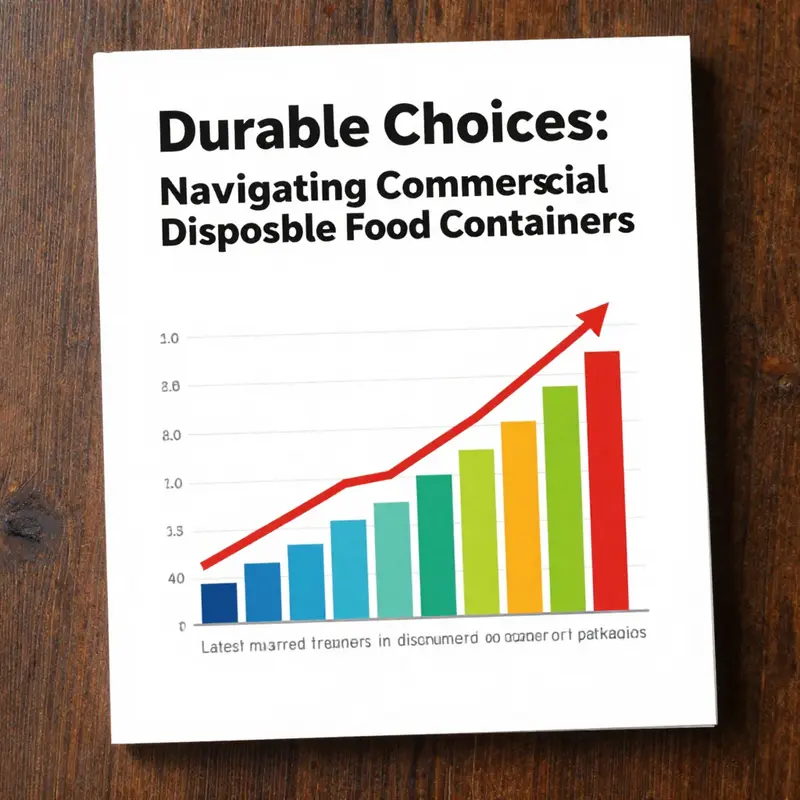
Across kitchens large and small, in delivery hubs and catering operations, the modern disposable food container sits at the intersection of speed, safety, and sustainability. Market dynamics reflect a demand for reliable packaging that protects flavor and texture while aligning with environmental expectations. As takeout and delivery become mainstream, operators seek containers that travel well, stack neatly, and resist leaks, with tamper-evident lids and secure seals often playing a critical role in consumer trust.
The design vocabulary emphasizes functionality: multi-compartment options to separate sauces, dividers to control portions, and lids engineered for easy opening and secure closure. Efficiency in storage and handling reduces labor time and waste, contributing to better operational margins. While aesthetics remain important, the focus is increasingly on performance, durability, and end-of-life compatibility.
Sustainability considerations have moved from a niche concern to a central purchasing criterion. Many operators are exploring molded fiber, recycled paperboard, and other compostable or recycled content materials as alternatives to traditional plastics. Yet the environmental benefit depends on local waste infrastructure and consumer participation in recycling or composting programs. As a result, suppliers emphasize transparent material declarations, third-party certifications, and clear end-of-life guidance to help buyers make informed decisions.
From a business perspective, cost, reliability, and regulatory compliance drive supplier selection. Certifications such as FDA or food safety standards, alongside traceability and consistent performance across product sizes, enable cross-site sourcing and brand consistency. The most successful packaging partners combine technical know-how with collaboration, co-development, and branding support to deliver solutions that work across menus and service models.
Looking ahead, the disposable container market is likely to continue evolving toward materials that balance performance with environmental responsibility, while technology and waste management systems determine the real-world impact of those choices. The result is a dynamic ecosystem in which packaging not only protects food but also reinforces a brand’s commitment to safety, efficiency, and stewardship.
Final thoughts
In today’s food service landscape, selecting the right commercial disposable food containers is more critical than ever. Understanding the materials, designs, and environmental impacts allows businesses to make informed decisions that enhance operations and satisfy customers. As market trends shift towards sustainability and innovative designs, aligning your packaging choices with these trends not only supports environmental responsibility but also elevates your brand image. Embrace these insights to optimize your service, reduce waste, and meet customer expectations decisively.