
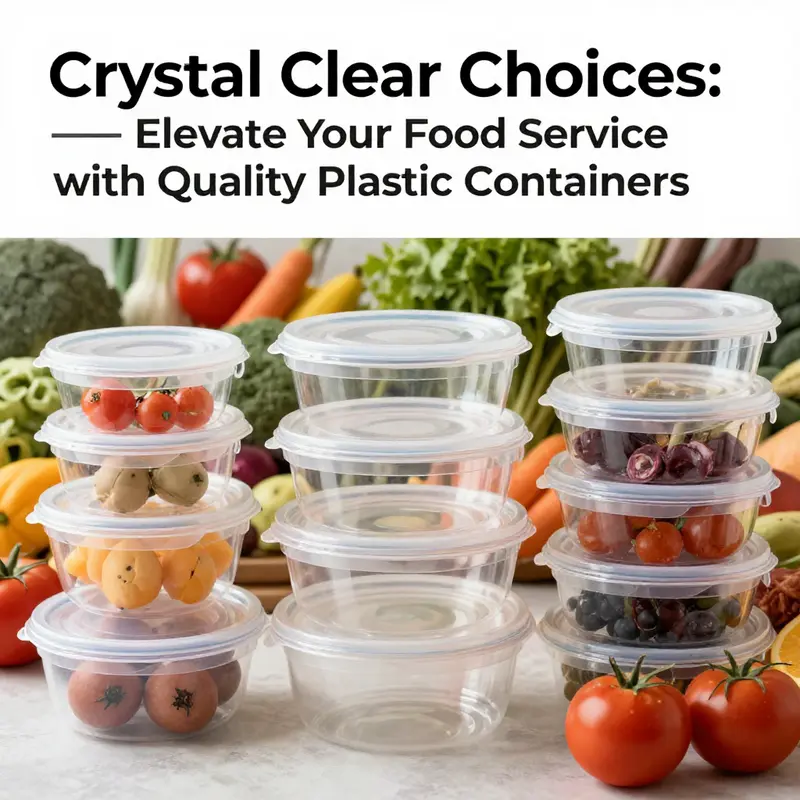
Clear plastic food containers with lids represent a vital tool for food service establishments, from bustling bubble tea shops to efficient catering services. Their transparency allows easy identification of contents, making them ideal for everything from meal prep to transport of beverages. In this article, we’ll explore the material properties, versatile applications, and sustainability considerations associated with these indispensable containers. By diving into each chapter, you’ll gain comprehensive insights into how these products can enhance your operations while meeting customer expectations for safety and eco-friendliness.
Unveiling the Science: How Material Properties Define the Excellence of Clear Plastic Food Containers with Lids
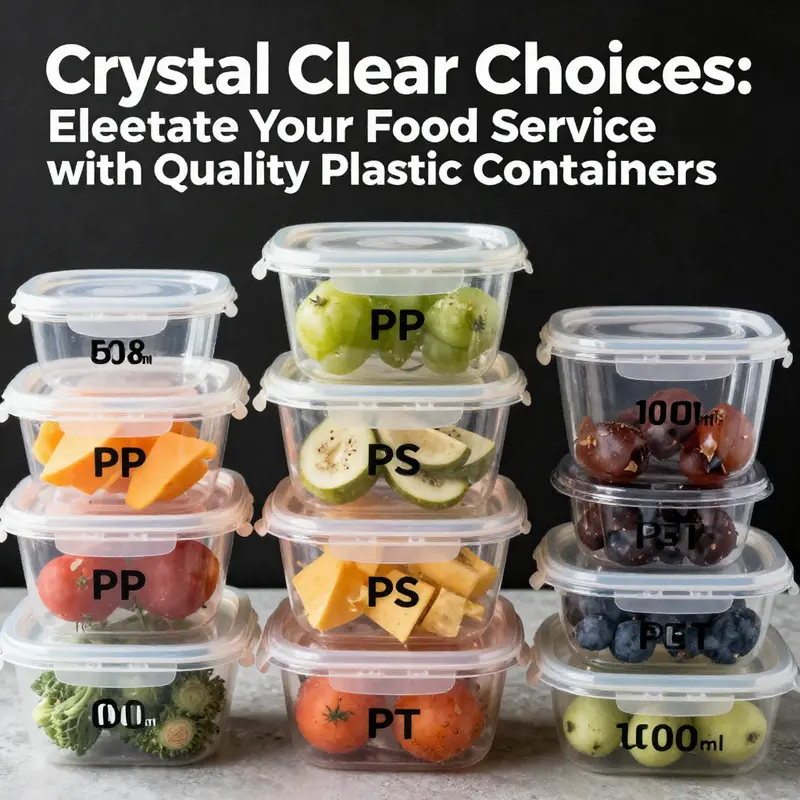
Clear plastic food containers with lids have revolutionized food storage and meal preparation by offering a harmonious blend of durability, functionality, and visual appeal. In this chapter we dive deep into the intricate material properties that define these containers, exploring the polymer characteristics, manufacturing processes, and performance outcomes they deliver. At the heart of these containers is an adherence to food safety, transparency, and strength — qualities that not only meet but often exceed the demands of modern kitchens and commercial food services. Understanding the science behind these materials illuminates why containers made out of food-grade plastics such as high-density polyethylene (HDPE) and polypropylene (PP) have become the preferred solution for many households and businesses. This exploration emphasizes the interplay between material strength, thermal tolerance, clarity, and chemical resistance, casting light on the factors that ultimately ensure food remains safe, fresh, and visually appealing.
When discussing HDPE as a primary material, it becomes clear that its widespread use is due to its impressive resilience and adaptability. HDPE, a polymer known for its excellent strength and chemical resistance, is particularly effective when it comes to storing both liquids and perishable items. Its capacity to withstand impact and prevent cracking makes it a robust option, especially in environments that subject food storage to frequent handling. Although HDPE in its most natural form is opaque, advancements in processing techniques have allowed manufacturers to create modified versions that offer high levels of transparency. Such transparency is critical because it enables users to quickly identify container contents, thereby streamlining culinary operations and reducing the risk of miscommunication in busy kitchens. While HDPE performs admirably under ambient conditions, its thermal sensitivity means that it is best suited for cold storage or room-temperature handling rather than high-heat applications.
Polypropylene (PP) is another superstar in the family of food-safe polymers and is frequently chosen for its superior clarity and notable thermal resistance. One of the key advantages of PP is its ability to remain stable under a wide range of temperatures, which makes it an excellent candidate not only for storing hot foods after microwaving but also for prolonged use in refrigerators and freezers. This versatility is underpinned by PP’s chemically inert characteristics; it resists staining and odor retention more efficiently than many other materials. As a result, food that is stored in polypropylene containers remains untainted by the lingering flavors or residual chemicals that might otherwise affect its quality. Furthermore, PP consistently meets stringent regulatory requirements for food safety, aligning with standards of agencies such as the U.S. FDA and various European bodies. This reliability has ensured that PP remains a popular finish for a variety of containers and lids, helping to maintain the freshness of meals while safeguarding the integrity of the stored food.
The design of clear plastic containers is a carefully engineered balance of form and function. Central to this balance is the transparent nature of the container itself, which allows both consumers and professionals alike to assess contents at a mere glance. This feature, while seemingly simple, is a testament to the advanced polymer formulations that allow for high clarity without compromising on mechanical strength. The ability to see within the container supports meticulous portion control and inventory management, which is essential in both domestic kitchens and high-volume commercial settings. The material’s resistance to various food acids and oils further contributes to its enduring usefulness, ensuring that the container remains stain-resistant and easy to clean. Without the need to constantly replace degraded storage solutions, kitchens can operate more efficiently and sustainably, underscoring the significant role that material choices play in everyday food management.
In addition to the properties of the containers themselves, the performance of their lids is equally critical to the user experience. Lids manufactured using the same or highly compatible materials contribute to the overall efficiency of the container design. Whether through snap-on or press-fit mechanisms, the lids are designed to offer leak-resistant seals that secure the contents against spills and contamination during transportation. The engineering of these sealing systems is essential, as it directly influences the container’s ability to maintain an airtight environment. Such a seal is fundamental in preserving food quality, particularly when the contents include fresh, volatile items that might otherwise be spoiled by exposure to air. Moreover, the same transparent materials used in the container are often applied to the lids, ensuring that the user can verify the sealed integrity and monitor the contents even after the lid is engaged. This synergistic relationship between container and lid not only enhances functionality but also boosts consumer confidence in the safety and reliability of the storage solution.
Beyond their functional attributes, clear plastic food containers with lids are designed with sustainability and safety in mind. As discussions about eco-conscious packaging continue to evolve, manufacturers are increasingly focusing on the recyclability and environmental impact of the polymers used. Both HDPE and PP boast recyclability features that allow for responsible disposal and, in some cases, repurposing into new products. This focus on recyclability is critical in a world where minimizing waste and reducing environmental footprints are paramount. The food-grade nature of these plastics means that each container is not only engineered to perform impeccably in everyday use but also to comply with regulatory frameworks aimed at ensuring public health. By choosing containers that are both durable and recyclable, consumers and businesses alike contribute to a cycle of sustainability that underpins modern packaging solutions.
Manufacturing processes for these clear plastic containers are highly specialized and involve precision molding techniques that ensure uniformity and quality across each batch. Injection molding, one of the most common methods, allows manufacturers to produce containers with consistent thickness, robust construction, and finely detailed transparency. This method enables rapid production without sacrificing the quality of the individual units. The interplay between process parameters such as temperature, pressure, and cooling rates yields containers that are not only resistant to extreme conditions but also aesthetically pleasing. Attention to these details ensures that even minor imperfections are minimized, thereby bolstering the container’s overall reliability and performance. This level of precision manufacturing is particularly evident when containers are produced for high-stakes environments such as commercial kitchens, where consistency and dependability are non-negotiable.
It is important to recognize that the specific properties of clear plastic containers extend well beyond just the material itself. The integration of design elements to accommodate innovative storage needs has led to advancements in container ergonomics. For instance, the incorporation of stackable features and interlocking lids has allowed for optimized storage space in both fridges and pantries. By maximizing vertical space and minimizing individual container footprint, manufacturers have addressed common logistical challenges in food preparation and storage. Such design innovations not only reflect the underlying material properties but also our evolving understanding of how everyday items can be optimized for modern use. In tandem with these design successes, the ease with which these containers are cleaned and maintained speaks to the inert nature of the polymers involved. They do not interact with most food items, ensuring that flavors remain pure and uncontaminated even after repeated use. This is a fundamental quality that reassures consumers and culinary professionals who demand consistency and reliability.
The chemistry inherent in food-grade plastics such as HDPE and PP also warrants a closer look. These polymers are synthesized in controlled environments, ensuring that no extraneous substances that could compromise food safety are present. Through rigorous testing and certification, manufacturers demonstrate that these materials do not leach harmful chemicals into food, even when exposed to a range of temperatures. Techniques such as spectroscopic analysis and controlled stress testing are employed to evaluate the performance of the plastics under various conditions, from the gentle warmth of ambient storage to the high intensity of microwave reheating. The data derived from these tests further affirms the robustness of the materials and provides crucial information for designers and engineers as they refine container features over time. Ultimately, this scientific foundation supports the broader promise of food safety and long-term reliability that has come to be expected from clear plastic food containers with lids.
It is equally instructive to consider the impact that repeated use and everyday wear have on plastic containers. Over time, exposure to different food ingredients, varying temperatures, and mechanical stresses may cause minor degradation; however, leading manufacturers continuously refine their polymer formulations to mitigate these effects. The inclusion of stabilizers and UV inhibitors, for example, helps preserve the clarity and strength of the material under prolonged exposure to sunlight and daylight. Additionally, research into advanced polymer blends has resulted in containers that are resistant to micro-cracking and discoloration. These developments are highly significant in commercial settings, such as in meal preparation services or takeout operations, where reliability during transportation is paramount. A container that retains its form and function over many cycles of use can ultimately lead to cost savings and a reduction in material waste. This focus on durability underscores the field’s responsiveness to both consumer demands and environmental sustainability.
The aesthetics of clear plastic containers are not merely a matter of style but are a direct product of their carefully engineered material properties. The ultra-clear design of these containers allows consumers to appreciate the natural colors and textures of their food, a feature that is both appealing and practical. This visual transparency reduces the need for frequent searching through storage units, thereby streamlining daily routines. It is precisely this kind of thoughtful design that has elevated clear plastic containers to a standard feature in modern kitchens. Unlike more opaque alternatives, these containers resonate with the demands of a society that values immediacy and clarity in visual information. The aesthetic value goes hand in hand with the material’s functional advantages, making the containers preferable for display as well as storage purposes. This dual-purpose nature is one of the many reasons why clear plastic food containers with lids are omnipresent in settings ranging from family kitchens to busy commercial food preparation areas.
In practical applications, the choice between HDPE, PP, or other food-grade plastics often depends on the specific use case at hand. For cold storage or activities that require resistance to chemical interactions with ingredients, HDPE is often the material of choice. However, if a container must endure higher temperatures, such as when used in microwave reheating or for dispensing hot meals at a buffet, polypropylene is typically favored. This choice is not made lightly as it requires an intricate balance of cost, performance, and user safety. Manufacturers often provide explicit guidelines on the temperature ranges and conditions under which each material should be used, ensuring that users can make informed decisions. The careful calibration of these factors highlights the nuanced demands of modern food storage solutions. In professional settings, such as catering or food service operations, these guidelines can be critical to maintaining food quality and reducing the risk of container failure during peak hours of operation.
Beyond the immediate utility of clear plastic food containers, these items contribute to a larger narrative of innovation in food safety and packaging technology. The drive to continuously improve the user experience has led to collaborative efforts between chemists, engineers, and industrial designers. Their combined expertise has resulted in containers that not only safeguard food but also contribute to an overall reduction in packaging waste. For instance, the integration of leak-resistant seals in both the container and its lid reduces food spoilage that may result from inadvertent exposure to atmospheric contaminants. When considering aspects such as chemical resistance and thermal endurance, the research and development in this domain become a cornerstone of modern kitchen technology. The impetus behind these innovations is as much about preserving nutritional value as it is about creating storage solutions that stand the test of time.
In examining the breadth of applications for clear plastic containers, one cannot ignore the role that these products play in the field of meal preparation and portion control. In many households and food service establishments, the ability to pre-portion meals into storage containers that maintain high levels of visibility is invaluable. This facilitates not only better organization but also helps with reducing food waste by ensuring that portions are consistent and easily monitored. Professional chefs often rely on the clear visibility of container contents to manage inventory more accurately and to plan meals with greater precision. The material properties that make this possible — namely high clarity, excellent chemical resistance, and proven durability — are seminal characteristics that have spurred widespread adoption across diverse sectors.
Moreover, the consumer demand for products that are both ergonomic and sustainable has had a pronounced impact on the evolution of container design. Recent trends indicate that modern consumers place considerable emphasis on the full life cycle of the products they use. This includes not only the immediate utility but also the environmental impact associated with production, usage, and disposal. In response, advances in polymer science have allowed for the reduction of chemical additives and the introduction of more environmentally friendly manufacturing practices. These improvements ensure that clear plastic food containers can be easily recycled or repurposed at the end of their useful life. Customers who are conscious of their environmental footprint now view these containers not only as practical everyday tools, but also as contributions toward a more sustainable lifestyle.
A significant aspect of these containers’ success lies in the rigorous testing they undergo before reaching the consumer. As part of the quality assurance process, each batch of containers is subjected to multiple rounds of stress, thermal, and chemical exposure tests. These evaluations help ascertain the long-term performance of the polymers under real-world conditions. Whether it is ensuring that a snap-fit lid remains securely fastened after countless cycles of opening and closing, or verifying that the transparency of the container remains unaltered despite repeated exposure to acidic or oily food components, every step of the process is critically important. The data acquired during these tests feed back into the design cycle, fostering ongoing improvements and innovations. This relentless focus on quality not only highlights the manufacturers’ commitment to food safety, but it also drives confidence among users who rely on these products daily.
In practical everyday use, the resilience of HDPE and PP translates into a user-friendly experience. Consumers appreciate that these containers are lightweight yet robust, accommodating the demands of both busy kitchens and mobile lifestyles. The interplay between transparency and durability is particularly evident when containers are subjected to dynamic environments such as picnics, catered events, or long-term storage in refrigerators and freezers. Withstanding accidental drops and minor impacts without cracking or loss of clarity is crucial for any container that promises long-term reliability. The thoughtful integration of high-impact resistance and chemical inertness demonstrates the careful engineering behind these ubiquitous items. For those who value both aesthetics and function, the seamless union of material properties in clear plastic food containers with lids reassures them that they have chosen a product that aligns with their practical needs and environmental sensibilities.
The science behind these materials has not only been a subject of academic inquiry but has also driven many industry standards. The properties of clarity, chemical resistance, and thermal tolerance are benchmarks that manufacturers continuously strive to exceed. As research evolves and new innovations in polymer technology emerge, it is expected that the efficiency and functionality of clear plastic containers will only improve further. This relentless evolution provides reassurance that these everyday storage solutions remain at the forefront of food safety and convenience. Those who are curious to delve deeper into technical specifics and comparative analysis of material properties can find additional information at external resources such as the comprehensive product details available on Alibaba, which outlines the various advantages of using HDPE and PP in transparent food containers Learn more about these advanced container solutions.
In summary, understanding the material properties of clear plastic food containers with lids provides essential insights into the myriad ways these products enhance everyday life. From the molecular stability of HDPE and the thermal resilience of PP to the thoughtful integration of ergonomic and environmental considerations, every aspect of these containers is designed with precision and care. The science of polymer production, quality control, and user-centric design converges to produce items that are both practical and sustainable in our modern context. This comprehensive overview not only highlights the myriad benefits of these containers but also underscores the sophisticated engineering that ensures food remains safe, appealing, and accessible at all times.
Through this detailed exploration, it becomes abundantly clear that clear plastic food containers with lids represent a pinnacle of functional design in the modern kitchen. Their exceptional properties — ranging from high transparency and durability to robust chemical resistance and thermal stability — make them indispensable tools for the safe storage and presentation of food. As technology advances and environmental awareness continues to shape consumer preferences, the ongoing refinement of these materials will undoubtedly lead to even more innovative and sustainable packaging solutions. The commitment to excellence reflected in every aspect of these containers serves as a reminder of the extraordinary potential that arises when science and design work together for the betterment of everyday life.
Enhancing Food Service Excellence: The Efficiency and Versatility of Clear Plastic Food Containers with Lids
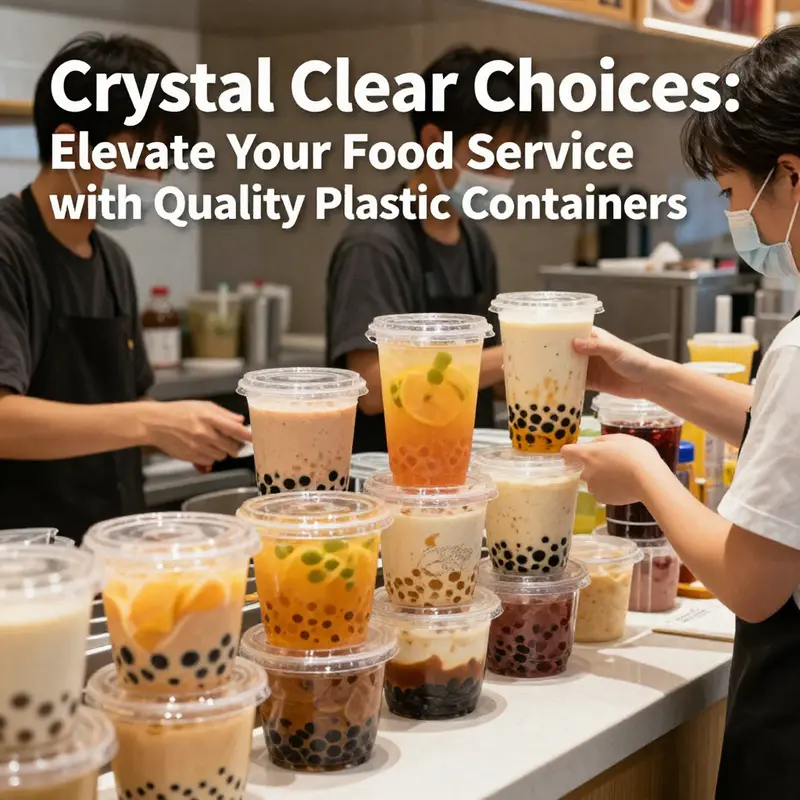
In the dynamic world of food service, clear plastic food containers with lids have become indispensable tools that seamlessly blend functionality, efficiency, and presentation. Throughout busy kitchens, bustling catering events, and modern delis, these containers not only simplify storage and transportation but also contribute to upholding food quality and visual appeal. Thanks to their transparent design, rigorous construction standards, and adaptability to a wide array of culinary environments, they reinforce the operational backbone of food service providers who must continually strive for both safety and aesthetic excellence.
At the heart of their popularity is the remarkable clarity these containers offer. This transparency permits staff and patrons alike to quickly verify contents without the need to open the container, thereby reducing waste from unnecessary handling and helping maintain strict hygiene standards. In a fast-paced service setting, every second saved by simply glancing at a container’s contents translates into enhanced productivity. This visual confirmation system also plays a vital role in inventory management and quality control. When every piece of food is distinctly visible, misplacement or overstocking of ingredients becomes less likely, allowing kitchens to operate with fluid precision.
The design of these containers is as critical as the material itself. Engineered with robust snap-on or press-fit lids, they ensure that leaks and spills are minimized. This leak resistance is particularly beneficial when dealing with meals that contain sauces, dressings, or broths. The lid not only prevents accidental spills during transit but also preserves the delicate balance of flavors and textures by limiting exposure to external contaminants. These benefits are most noticeable in the hospitality industry, where maintaining the integrity of pre-portioned meals, condiments, and side dishes is crucial for both visual presentation and taste.
The materials used in these containers play a significant role in their performance and reliability. Typically, the containers are produced from food-grade plastics such as polypropylene (PP), polystyrene (PS), and polyethylene terephthalate (PET). Each of these plastics exhibits unique properties that cater to different needs. PET, for example, is celebrated for its exceptional clarity and high strength, making it an excellent choice for storage where presentation and a robust physical structure are paramount. On the other hand, polypropylene is favored for its impressive impact resistance and its safe use across a broad temperature spectrum, capable of handling everything from freezing storage to microwave reheating. Polystyrene, while common, offers sufficient durability for standard applications but may not provide the same thermal resilience as its counterparts. By carefully selecting the appropriate plastic grade, food service operators can tailor the containers to meet specific operational challenges and customer expectations.
Another critical factor in the design of these containers is the capacity variety they offer. A standard 500ml container may be ideal for daily meal preparation, while larger sizes, such as 750ml or even 1000ml, find their usage in high-volume settings such as commercial kitchens and catering services. The larger variants offer substantial storage space without compromising the ease of handling. This size diversity ensures that there is an optimal solution regardless of the meal’s portion size or the type of food being stored—from hearty soups to refreshing salads. Additionally, smaller versions, like the 1oz containers, cater to niche applications such as condiments, dressings, and portion control for gourmet presentations. This range allows chefs and food service managers to streamline operations by matching container size with precise culinary needs, thus reducing waste and maximizing efficiency.
Beyond their evident practicality, clear plastic food containers with lids also contribute to operational efficiency in the way they integrate into modern workflows. Many of these containers are designed to be both microwave- and dishwasher-safe. This dual functionality is particularly advantageous in high-frequency use scenarios. When containers can be quickly reheated and subsequently cleaned in dishwashers, they reduce downtime and manual labor, making them ideal for establishments operating under tight schedules. The ease of cleaning is especially relevant in today’s food safety climate, wherein every piece of equipment must be sanitized quickly to prevent contamination. This design consideration not only enhances operational throughput but also helps ensure compliance with local food safety regulations.
In addition to easing daily operations, these containers support more specialized functions within the food service industry. For example, in fast-casual dining and meal-prep services, the efficiency of plating and portioning is paramount. Transparent containers allow chefs to organize ingredients in a way that is immediately apparent, thereby reducing the margin for error during portion control. With the ability to see exactly how the food is arranged, staff can quickly verify whether the correct quantities have been allocated, ensuring consistency in both flavor and appearance. This streamlined process not only improves kitchen productivity but also reinforces customer trust, as patrons receive meals that consistently meet high standards of quality and presentation.
Operational challenges, however, are not solely limited to storage and transport. The inherent characteristics of these plastics necessitate a careful balance between durability and environmental sustainability. Food service operators increasingly face the dual challenge of maintaining operational efficiency while also considering the ecological footprint of their materials. Although plastics such as PET and PP are prized for their performance attributes, they also present challenges in terms of recyclability and long-term environmental impact. As a response, there has been significant investment in the development of recyclable and biodegradable plastic alternatives that retain the necessary structural integrity and clarity. Certain manufacturers are exploring hybrid solutions that combine the best of both worlds: typically, these involve pairing eco-friendly materials with traditional plastics, resulting in containers that are not only sustainable but also highly functional.
The industry’s drive towards sustainability has led to the introduction of innovative hybrid packaging options. For instance, some emerging container designs incorporate paper-based structures with clear plastic lids. This combination leverages the eco-friendly properties of paper—such as biodegradability and recyclability—while still providing the much-needed visibility and protection that only plastic can offer. These hybrid containers are finding favor in environments like food delivery services and retail settings, where aesthetics and environmental responsibility are both key considerations. The use of such packaging underscores a broader shift in the food service industry toward sustainable practices, demonstrating that efficiency and environmental consciousness can indeed go hand in hand.
Considering the vast array of applications these clear plastic containers support, attention must also be paid to some of the subtler operational considerations. For example, while the containers excel in providing visibility and convenience, they are not entirely without drawbacks. Some plastics have a propensity to absorb odors over time, which can be problematic if the same container is used repeatedly for a variety of ingredients. To mitigate this, food service professionals must be vigilant, ensuring that containers are adequately cleaned between uses. The selection process might also involve opting for plastics that have been treated or engineered to be more resistant to odor absorption, thereby preserving the inherent quality of each stored food item.
Another practical consideration is related to the thermal properties of certain plastics. While many clear plastic food containers are designed to withstand a wide range of temperatures, prolonged exposure to high heat or repeated microwave use can sometimes lead to warping or discoloration. This potential for change in physical appearance or performance necessitates regular checks and careful adherence to the manufacturer’s guidelines regarding temperature limits. In environments where containers are subjected to rigorous use, such maintenance and periodic replacement can ensure the safety and efficiency of operations. Even so, the overall benefits of such containers usually far outweigh these concerns, thanks to their inherent design advantages.
The modular nature of clear plastic containers also opens up new possibilities for creative applications within the food service industry. In many busy kitchens, custom food station setups often integrate these containers as multi-purpose units. For instance, during large-scale events or buffets, transparent containers allow for a seamless flow of information: from the chef’s station to the banquet hall, every stakeholder can clearly see what is available, reducing confusion and fostering a sense of organized chaos that actually works in favor of efficiency. Such containers can be easily resealed and even repurposed during an event, making them ideal for serving multiple functions throughout the day. This versatility enables establishments to maximize their equipment while reducing the need for a vast inventory of different container types.
Moreover, the aesthetic appeal of clear plastic containers is a factor that should not be underestimated. In many food service settings, presentation is nearly as important as taste. With their ultra-clear design, these containers allow for an attractive display of food, contributing to the overall dining experience. When meals are presented in transparent vessels, the natural colors and textures of the ingredients become part of the visual allure, enticing customers and enhancing the perceived quality of the food. In a market where consumers are increasingly influenced by visual stimuli, especially in areas where social media plays a strong role in shaping dining trends, this advantage can be a significant differentiator.
The operational implications for areas ranging from small food trucks to large institutional kitchens are profound. Engineers and procurement professionals must carefully evaluate the material properties, performance standards, and cost implications when selecting the appropriate container type. The decision-making process often involves balancing short-term operational needs with long-term sustainability goals. The integration of recyclable materials is a progressively popular strategy, driven by both regulatory pressures and evolving consumer expectations. In this regard, manufacturers that invest in research and development to produce more sustainable, high-performance plastics are likely to see widespread adoption by food service operators.
A further testament to the importance of these containers is reflected in the way they support a transition towards more streamlined digital inventory and ordering systems. With the advent of modern logistics and supply chain technologies, the transparency of these containers is being leveraged to incorporate smart inventory management systems. For instance, some innovative establishments are now using digital tagging systems that work in tandem with the clear design of the containers, allowing for real-time tracking of food items throughout the storage and distribution process. This integration of physical storage solutions with digital technology illustrates a forward-thinking approach to kitchen management that is increasingly prevalent in high-end food service operations.
Alongside operational enhancements, clear plastic containers have impacted training and workplace safety within the food service industry. New employees find it easier to learn portion control and inventory management when they can visually assess the contents of each container. This visual learning curve reduces training time and helps maintain consistency even when there is frequent staff turnover. It also minimizes the risk of cross-contamination, as the need to repeatedly open containers is reduced. In busy kitchens where efficiency and sanitation are critical, these benefits can lead to significant improvements in both workplace safety and overall service quality.
Integration with sustainable practices is another area where these containers shine. Several manufacturers are now offering custom options that integrate recycled plastics with new eco-friendly materials. This innovative approach not only reduces waste but also appeals to environmentally conscious consumers. The modern consumer is often well-informed about the environmental impact of disposable food packaging, and many are willing to support businesses that actively opt for greener alternatives. By incorporating recyclable materials and hybrid designs, food service providers can enjoy the benefits of clear plastic containers while simultaneously advancing their sustainability initiatives. In fact, a growing number of companies have embraced this dual-focus strategy, ensuring that their supply chains are not only efficient but also responsible.
Beyond the immediate logistical functions, clear plastic containers contribute a subtle but important value in marketing and brand differentiation. The ability to present food attractively is a competitive asset in the crowded food service market. Many establishments have started highlighting the transparence and quality of their storage solutions as part of their branding efforts. This narrative of quality and transparency reassures customers that the food has been handled with care from preparation to delivery. Such messaging can be intertwined with the overall company brand, bolstering confidence and encouraging repeat business. In this way, the humble clear plastic container becomes a subtle ambassador of quality within a brand’s operational toolkit.
Another significant trend is the rise of hybrid packaging systems that combine the best traits of multiple materials. For example, some modern food outlets have started using hybrid containers that marry the sustainability of paper-based packaging with the durability and clarity of plastic lids. These containers are designed to offer the assurance of food safety standards while promoting environmental responsibility. An internal example can be observed in the link to a 750ml Disposable Salad Bowl with Lid, which, although not entirely plastic, shows the industry’s willingness to innovate and meet consumer demand for eco-friendly packages. Such products represent a growing trend in the industry where packaging solutions are expected to be as adaptable as they are functional.
This wave of innovation in container design has spurred research into new materials and construction methods. Engineers are continually exploring possibilities such as incorporating UV-resistant coatings and anti-microbial additives into clear plastic formulations. These enhancements ensure that even when containers are used repeatedly, they continue to provide impeccable food safety and maintain a pristine appearance. In a realm where the slightest lapse in quality can have serious repercussions, these technical investments are both strategic and necessary. They not only extend the lifespan of the containers but also contribute to improved overall hygiene across all levels of food service operations.
Even as food service technology continues to march forward, the fundamental attributes of clear plastic food containers with lids remain remarkably resilient. They serve as a bridge between traditional food storage techniques and the modern demands of digital, fast-paced service. The simplicity of their design belies the complexity of the roles they play in maintaining food quality across diverse service environments. Whether used in high-volume catering operations, intimate restaurant settings, or mobile food trucks, their ability to secure, display, and streamline has solidified their status as indispensable assets in the industry.
The future outlook for clear plastic food containers with lids is one of continual innovation. As consumer awareness regarding environmental impact increases, the pressure on manufacturers to develop greener alternatives will only intensify. Already, the shift towards sustainable materials is evident in many parts of the industry. Food service providers are experimenting with bioplastics and other renewable polymers that can deliver the same performance as traditional plastics, without imposing the same environmental burden. This evolution is further complemented by advances in recycling technology, which ensure that even if containers are made from conventional plastics, their reuse and repurposing will become more economically viable and environmentally sustainable over time.
In conclusion, clear plastic food containers with lids represent a unique blend of practicality, innovation, and design sophistication that has reshaped food service operations across the globe. From their role in enhancing inventory management and operational efficiency to their part in supporting marketing strategies and sustainable practices, these containers have proven to be an invaluable asset. With continuous advancements in material science and a growing focus on environmental responsibility, the evolution of these storage solutions is poised to keep pace with the ever-changing demands of the food service industry. For those interested in further exploring the commercial aspects and diversity of these containers, a detailed resource is available at Alibaba.com – Clear Plastic Food Containers With Lid (999+).
This comprehensive integration of material performance, operational efficiency, and forward-thinking design illustrates why clear plastic food containers with lids are more than just storage solutions—they are pivotal contributors to the success and evolution of modern food service. Their transparent nature ensures that quality is visible at every step, while their versatile construction underpins a multitude of applications, from everyday kitchen tasks to complex logistical operations in high-volume food service settings. As culinary trends evolve and operational challenges become increasingly complex, these containers will undoubtedly remain at the forefront of innovation, continually adapting to meet the needs of a diverse and demanding industry.
By focusing on both functionality and sustainability, the industry is setting new benchmarks for operational excellence and environmental stewardship. The ongoing improvements in design and material composition underscore a broader movement within food service—a commitment to excellence that marries convenience with conscience. Clear plastic food containers with lids stand as a testament to how simple designs can lead to profound improvements in efficiency, safety, and overall customer satisfaction. Their evolution encapsulates a journey of continuous improvement, enabling food service professionals to deliver superior products and experiences while addressing the timely issues of waste reduction and environmental conservation. Ultimately, in an industry that thrives on consistency, safety, and impeccable presentation, these containers offer a transparent window into a future where functionality and sustainability coexist harmoniously.
A Sustainable Vision: Innovating Recycling and Renewing Clear Plastic Food Containers with Lids
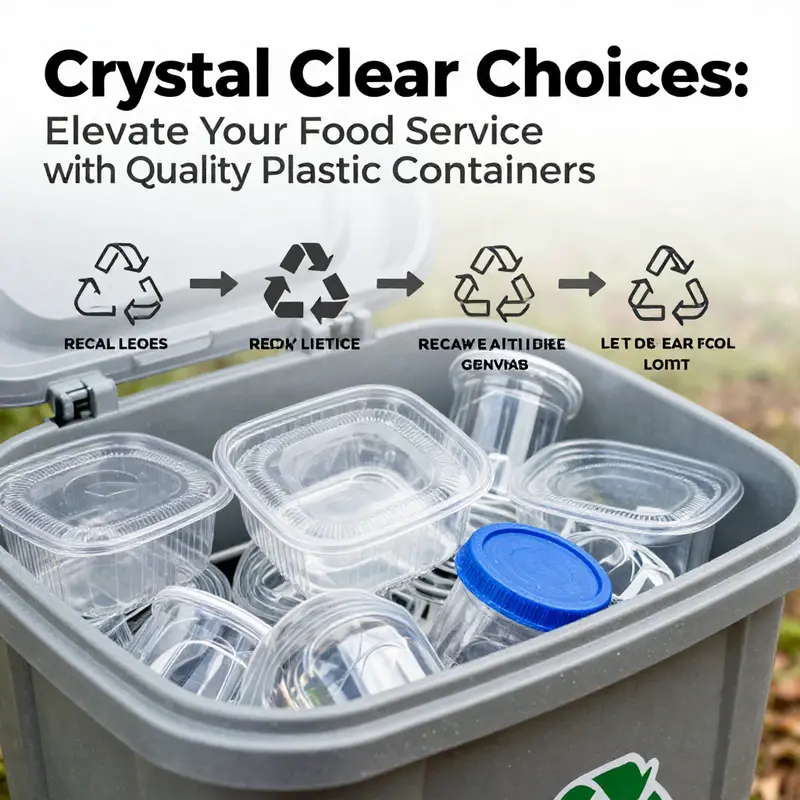
In an era that prizes environmental stewardship, clear plastic food containers with lids have evolved beyond simple storage solutions into models of sustainable design and responsible recycling. These containers, crafted from food‐grade plastics such as polypropylene (PP), polyethylene terephthalate (PET), and in some cases even specialized grades like polystyrene (PS), have become emblematic of a modern shift towards minimizing ecological impact while maximizing functionality. Manufacturers are increasingly incorporating recycled content into their production cycles, sometimes using more than 50% post-consumer recycled materials. This focus, in turn, supports a broader circular economy, where materials are continuously repurposed rather than ending up as single-use waste. The idea of sustainability here is not merely about recycling; it is rooted in every phase of a container’s life, from material sourcing and efficient design to proper usage and eventual reuse or recycling. As production processes mature, the design of these containers highlights durability, lightweight resilience, and even energy-saving transportation due to lower shipping weights. The emphasis on robust construction, leak-resistant features, and even food waste prevention through transparent design demonstrates that sustainability and practicality can coexist. The integration of environmental best practices into clear plastic container manufacturing has also spurred consumer confidence, as buyers come to appreciate products that align with both their health needs and environmental concerns.
Over time, the material composition of clear plastic food containers has come under increasing scrutiny by both consumers and regulatory agencies. Modern containers predominantly use PET and its amorphous variant, APET, due to their excellent clarity, impact resistance, and, importantly, recyclability. Manufacturers now often certify that their products include significant portions of recycled content, aligning with municipal recycling programs that actively support the reprocessing of plastics with minimal degradation of quality. Innovative production methods help maximize yield from recycled plastics while maintaining the food safety standards necessary for daily use. As recycling technology improves, even plastics that were once considered less recyclable are now being reintegrated into the production cycle, further reducing the environmental footprint. This focus on recycled materials is not only a response to consumer demand for greener products; it is also a proactive step by manufacturers to reduce waste and promote sustainability throughout the supply chain. Moreover, the benefits of using recycled plastic extend beyond just resource conservation, as the energy required for reprocessing is often significantly less than that needed to manufacture new, virgin plastic materials. By embracing a high recycled content, the industry contributes to waste reduction, decreases reliance on raw fossil fuels, and ultimately supports a healthier planet.
A key component of the sustainability equation for clear plastic food containers lies in proper recycling practices and responsible disposal. Despite the inherent recyclability of many food-grade plastics, the environmental benefits can only be realized if the containers are disposed of according to local recycling guidelines. Consumers play a vital role in this process by cleaning containers before disposal. Residues left from food items can contaminate recycling streams, ultimately reducing the quality and viability of recycled materials. Efforts to educate the public about proper separation and cleaning techniques have intensified alongside labeling improvements on the containers themselves. Some manufacturers include clear instructions on recycling codes and disposal methods right on the package, ensuring that the end-of-life phase is as thoughtfully designed as the product’s creation. Retailers and recycling centers also invest in technologies to better separate and process mixed plastics, thereby increasing recycling rates and reducing the likelihood that containers will end up in landfills. In this way, every stakeholder in the lifecycle of clear plastic food containers—manufacturers, consumers, and recyclers—must work together to achieve a sustainable future.
Beyond the technicalities of material and end-of-life management, the durability of clear plastic food containers contributes significantly to sustainability. These containers are engineered to endure the rigors of daily use in both residential and commercial settings. Their robust design minimizes breakage, reduces the need for frequent replacements, and effectively prevents food spoilage—a hidden contributor to waste. By allowing users to visually inspect contents without opening the lid, the transparent design enables precise portion control and timely consumption, thereby reducing food waste. When food spoils, it not only represents a loss of nutrition but also places additional strain on waste management systems and releases greenhouse gases during decomposition. In many commercial kitchens, the research supporting the extended durability and resilience of these containers has led to reduced waste and better inventory management. The visible nature of the containers means that even minor lapses in food monitoring can be quickly identified and resolved, emphasizing the device’s role in broader food waste prevention initiatives. Thus, the marriage of durability and design in clear plastic food containers reflects a deep commitment to environmental preservation and efficient resource use.
The drive for a more sustainable future has also elevated the role of consumers and businesses in shaping market trends for clear plastic containers. More than ever, both groups are prioritizing products that offer environmental benefits without compromising on performance. For businesses in the catering and food service industries, reducing waste and meeting green certifications does not merely constitute a marketing edge; it is often a regulatory and ethical imperative. Companies are now sourcing containers that are BPA-free, dishwasher safe, and fully recyclable, thereby aligning their operational goals with broader health and environmental mandates. In many instances, industry leaders even go a step further by selecting products that are certified for high recycled content. This proactive approach not only reduces the ecological footprint but also encourages a shift in consumer perception—viewing sustainability not as a sacrifice in quality, but rather as an essential attribute of innovative, forward-thinking design. In fact, some businesses have embraced even alternative packaging solutions, such as exploring eco-friendly options like the disposable paper bowl for food packaging available from suppliers. These options, while different in material composition, share a similar commitment to reducing the environmental impact of food service operations. Recognizing the multifaceted benefits of sustainable design fosters an entire market ecosystem in which environmental considerations are integrated at every level of production and consumption.
Transportation efficiency is another dimension where clear plastic food containers excel in promoting sustainability. Due to their lightweight and compact design, these containers require less energy during shipping and distribution compared to heavier, less efficient alternatives. Reduced shipping weights not only lower greenhouse gas emissions but also decrease costs for logistics companies and food service providers. A careful analysis of the lifecycle of these containers reveals that energy savings during transportation can be substantial, particularly when containers are designed to be stackable and optimized for space. The cumulative effects of such improvements are significant over time and play an important role in the strategic planning of eco-conscious companies. Distributors and retailers who adopt these containers often see a reduction in their overall carbon footprint and operational costs, supporting a business model that harmonizes profitability with environmental responsibility. In a global market increasingly focused on sustainability, every small efficiency—whether in production, use, or transport—contributes to a larger shift towards responsible consumption and manufacturing practices.
Technological advancements continue to redefine the boundaries of what sustainable packaging can achieve. Manufacturers of clear plastic food containers are pioneering innovative methods to incorporate recycled materials without compromising on the product’s clarity or strength. Advances in polymer science have led to the development of plastics that retain high levels of recycled content while also performing under demanding conditions, such as high-temperature microwave reheating or exposure to varying humidity levels. This leap in technology not only extends the lifespan of the container but also broadens the range of applications it can effectively serve. High-performance clear plastics are now enabling commercial kitchens, catering services, and even households to transition towards eco-friendly products without sacrificing safety or convenience. Moreover, the integration of smart design features—such as enhanced sealing mechanisms and modular shapes—ensures that every component of the container plays a part in reducing potential waste while maximizing usability. As research continues to drive innovation in both material science and design engineering, the future of clear plastic food containers looks increasingly bright and sustainable.
The broader context of sustainability in packaging has spurred collaborative efforts across industries and governments alike. Regulatory bodies are establishing stricter guidelines for waste management, recycling, and the use of recycled materials in manufacturing processes. Simultaneously, research institutions are partnering with industry leaders to develop standardized certification systems that verify recycled content and overall environmental impact. These initiatives help build consumer trust and promote transparency in how products are made and handled across their lifecycle. For instance, consistent definitions of recyclability and clear labeling of recycling codes allow consumers to make informed decisions. In many regions, educational programs and public awareness campaigns emphasize that the role of every consumer is critical in maintaining an efficient recycling loop. Such collaborative efforts underscore that sustainability is not a solitary pursuit but a communal one, where each stakeholder plays a critical role in reducing environmental impact. By embracing these combined strategies, the packaging industry is paving the way for a more sustainable future, where every clear plastic food container not only serves its immediate functional purpose but also contributes to a long-term vision of ecological balance.
Looking ahead, the evolution of clear plastic food containers with lids is likely to be characterized by even greater environmental and technological integration. Researchers are actively exploring bio-based alternatives that could eventually replace petroleum-based plastics without sacrificing clarity, durability, or recyclability. Innovations in chemical recycling processes also promise to further close the loop, transforming materials that were once deemed waste into high-quality feedstock for new products. Such breakthroughs are integral to nurturing a fully circular economy, where the end-of-life phase of every product completes a virtuous cycle of reuse and reinvention. As the market grows and consumer awareness increases, it is likely that we will witness a convergence of design aesthetics with sustainable engineering. The future may well bring forth containers that not only monitor and indicate food freshness through embedded sensors but also actively participate in the recycling process through modular designs that facilitate easier disassembly. In this context, every clear plastic container becomes a testament to human ingenuity and the collective drive towards environmental responsibility.
In the final analysis, the story of clear plastic food containers with lids is deeply intertwined with the narrative of sustainability and recycling. From the initial design incorporating recycled materials to the eventual recycling and repurposing at the end of its life, every stage of the container’s journey is marked by conscious choices aimed at reducing environmental impact. Consumers, industry leaders, researchers, and regulatory agencies each contribute to a system that does not view disposable items simply as waste, but rather as valuable resources that can be reintegrated into the production cycle. By committing to practices that emphasize durability, efficient transportation, proper disposal, and technological innovation, the clear plastic food container has emerged as a model for sustainable product design. This holistic approach sets the stage for a future where convenience and ecological mindfulness coexist harmoniously. For those interested in deepening their understanding of how innovative recycling practices contribute to this vision, additional insights can be found by exploring the EPA Plastics Recycling Guide, which offers an extensive overview of current standards and best practices in the field.
Collectively, these developments illustrate that the evolution of food storage solutions is much more than an improvement in convenience—it represents a fundamental shift towards environmentally responsible innovation. Each container, though small in size, plays a part in a grander tapestry of sustainable progress. The journey from raw material extraction to product manufacture, usage in everyday life, and finally, to responsible recycling, is the hallmark of a resilient and adaptive system that is continually learning from and responding to the challenges of environmental degradation. By reimagining the life cycle of everyday products, industries are not only reducing their environmental impact but are also setting a precedent for future generations. The clear plastic food container with a lid thus symbolizes a commitment to environmental stewardship, a testament to modern recycling technology, and a shared responsibility among all stakeholders to nurture a healthier planet. As society continues to innovate and push the boundaries of what is possible, the lessons learned from the sustainable evolution of these containers will undoubtedly serve as a model for many other industries eager to embrace the principles of sustainability and conservation.
Final thoughts
Clear plastic food containers with lids offer numerous benefits that cater to the needs of various food service operations. From their material properties that provide safety and durability to versatile applications across different settings, these containers represent a cornerstone of efficient food storage and service. Emphasizing sustainability in their production and disposal will undoubtedly enhance your brand’s credibility while catering to eco-conscious consumers. By choosing the right containers today, you are setting the stage for a more organized, recognizable, and sustainable food service future.