
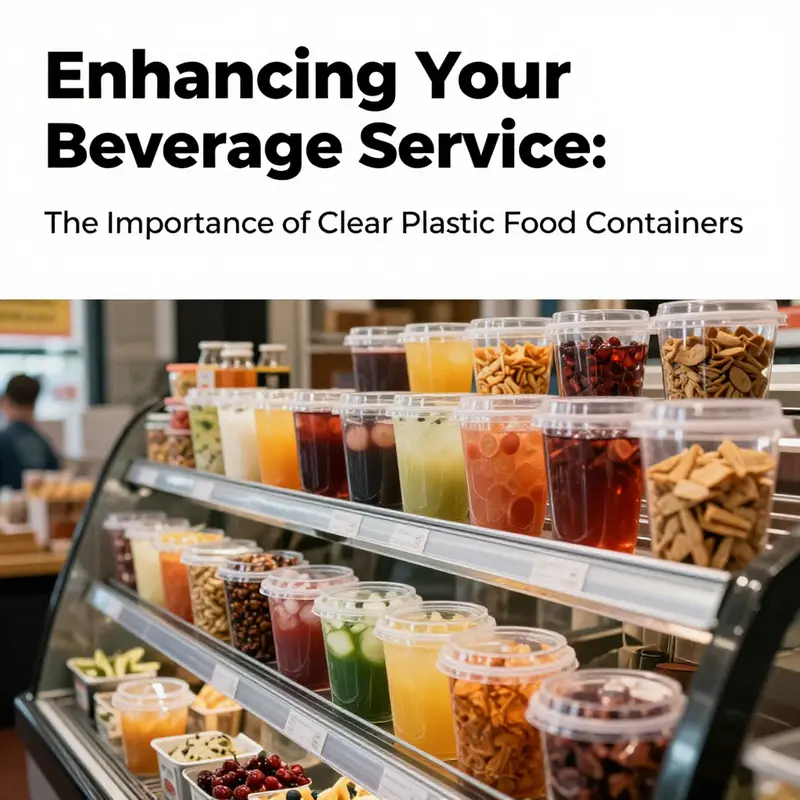
Clear plastic food containers have become an integral part of food storage and presentation, especially in beverage-centric businesses. These containers not only enhance visibility of products but also play a critical role in maintaining freshness and compliance with health standards. Throughout this exploration, we will delve into various types of containers and their materials, uncover safety regulations, analyze economic implications across industries, address environmental considerations, and highlight innovations shaping the future. Each chapter aims to enrich your understanding, helping bubble tea shops, restaurants, food trucks, catering services, event planners, and procurement teams make informed decisions in their operations.
Clarity that Works: The Material Science and Practical Choices Behind Clear Plastic Food Containers
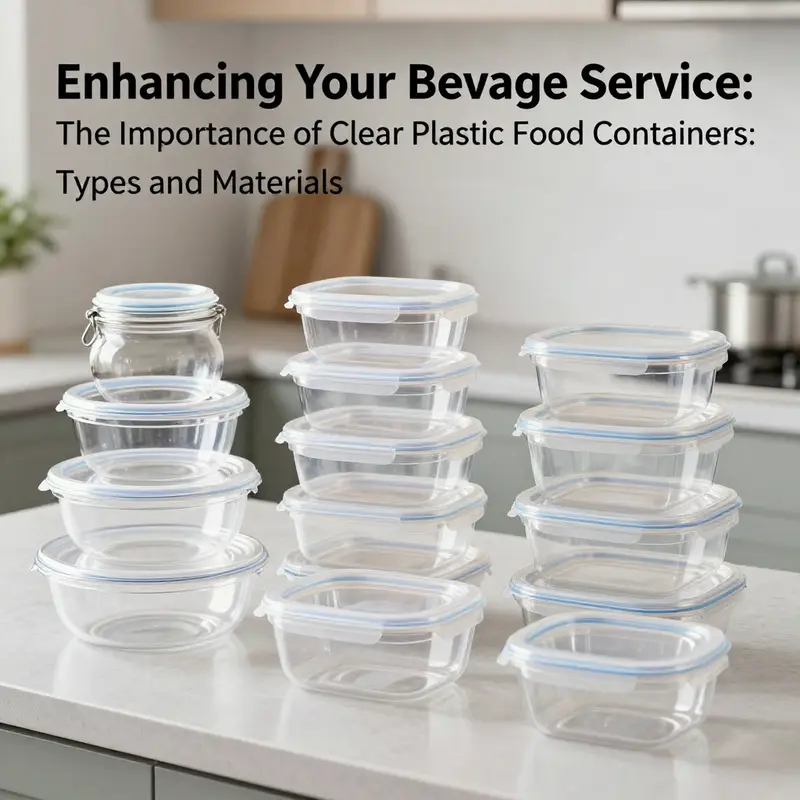
Clear plastic food containers sit at the busy intersection of visibility, convenience, and safety. In kitchens that hum with activity, the simple act of lifting a lid and seeing the contents can save seconds, reduce waste, and prevent guesswork about freshness. Yet behind that transparency lies a spectrum of materials, each with a distinct balance of clarity, strength, temperature tolerance, and compatibility with different foods. Understanding these nuances helps designers, restaurateurs, and home cooks make choices that maximize performance while aligning with safety standards and lifecycle considerations. The story of these containers is not merely about a clear shell for food; it is a story about material science translating into practical reliability in real-world settings.
Among the most common materials, a trio often governs the basic performance envelope: PET, PP, and SAN. PET, or polyethylene terephthalate, is celebrated for its high clarity and gloss, which makes it ideal for display and for takeout packaging where the visual appeal of the product matters as much as the contents. It is lightweight and shatter-resistant, which translates into lower breakage risk during handling and transport. PET’s transparency allows managers to monitor portions, color changes, and even contamination at a glance, reducing the need for unlabeled sensory checks. Recyclability adds an environmental dimension, making PET a practical choice for operations aiming to optimize waste streams as part of broader sustainability goals.
Polypropylene, or PP, brings a different set of strengths to the table. Its temperature tolerance is notably higher than that of PET, which makes PP containers more forgiving in settings where foods transition from cold storage to a brief microwave warm-up, or where hot liquids and sauces are common. PP’s resilience to oils and moisture, paired with a robust heat performance, helps extend the usable life of reusable containers and reduces the risk of deformation under repeated use. While PP generally offers slightly less optical clarity than PET, its translucence is sufficient for content identification without sacrificing structural integrity. In many kitchens, PP serves as a reliable workhorse for everyday storage, meal-prepping, and organization where durability and reusability are prioritized over absolute visibility.
Styrene acrylonitrile, or SAN, offers another blend of clarity and rigidity. Containers made from SAN tend to be clear and crisp, with good surface hardness that resists impacts and provides a crisp visual impression. This makes SAN a solid option for display-oriented storage in which a clean, professional appearance matters. Nevertheless, SAN’s heat resistance is more modest than PP’s, and its performance under high-temperature exposure or prolonged contact with hot, acidic, or fatty foods can be less predictable. For this reason, SAN is typically chosen for applications that emphasize clear presentation and rigidity at room or cool temperatures rather than prolonged thermal exposure.
Beyond these primary plastics, the landscape includes HDPE, PC, and PLA, each contributing additional dimensions to the decision matrix. HDPE containers tend to be tougher and more chemically resistant than PET, which can be advantageous for storing dairy or other products with more aggressive residues. However, HDPE’s clarity is often semi-opaque or translucent rather than fully transparent, which can limit the consumer-facing display value that many operators seek from a clear container. Polycarbonate, with its renowned impact resistance and high transparency, excels in high-traffic environments where breakage risk is a constant concern. Its durability is offset by heavier weight and, in some cases, concerns about chemical leaching when exposed to high heat or certain conditions. Polylactic acid, or PLA, introduces a biodegradable option that’s attractive to eco-conscious operations. PLA can be clear and compostable under industrial conditions, offering a greener end-of-life story, but it typically lacks the durability and high-temperature performance of more conventional plastics, limiting its use in hot-fill or long-term reuse scenarios.
These material choices are not purely about chemistry; they are about fitting a container to a use case. For display and meal-prep contexts, the appeal of transparency is amplified by the design of the lid. Airtight or resealable lids made from the same or compatible materials improve shelf life by minimizing air and moisture ingress. The choice between snap-on and press-fit closures can influence leak resistance, ease of use, and the speed with which kitchens handle volume. In a busy operation, a lid that achieves a reliable seal with a simple action reduces spillage and waste during transport, a factor that translates into cost savings and better customer experiences. The geometry of the container—its walls, rims, and lid interface—also dictates stackability, which becomes particularly important in compact spaces for both retail displays and back-of-house storage.
Temperature performance is another critical axis. Food preservation benefits when containers maintain their shape, integrity, and barrier properties across a typical range from frozen storage to short microwave reheats. PET’s lightness and clarity come with a need to manage temperature exposure carefully, especially for hot or acidic foods. PP’s higher heat tolerance offers a safer baseline for warm dishes, soups, and factory-to-table workflows where reheating in the same container is a frequent operation. SAN, while clear and rigid, is often chosen where the contents are at or near ambient temperatures; its performance under prolonged heat is not the strongest point of the family. The choice thus hinges on what foods are stored, how they will be heated (if at all), and how long they will be kept. For industrial and wholesale applications, the critical dimension is often a documented temperature range and a defined chemical compatibility profile, ensuring that the container’s contact with the product will not compromise either safety or quality.
A separate but closely related dimension is safety assurance and regulatory compliance. Clear plastic containers intended for food contact must meet applicable food safety standards. In many markets, these standards are anchored by recognized authorities that govern materials, additives, and the processes used to manufacture containers. When procurement professionals and engineers evaluate options, the emphasis is on materials that perform reliably across typical use scenarios while carrying verifiable certifications. In addition to the material properties, the design must adhere to general safety considerations—such as avoiding sharp edges, ensuring that lidding mechanisms are secure, and confirming that seams and closures do not introduce contamination pathways. The interplay between material science and compliance is a reminder that performance cannot be divorced from governance; containers must not only perform well but also pass the regulatory tests that keep products safe for consumption.
As with any packaging choice, the tradeoffs extend into maintenance and lifecycle considerations. Repeated washing, especially in high-heat or top-rack dishwasher cycles, can introduce clouding through mechanical abrasion and micro-scratches that scatter light and diminish perceived clarity. The practical implication is straightforward: to preserve optical quality, users should avoid abrasive scrubbers and consider hand washing with mild detergent when possible. Manufacturer recommendations regarding heat exposure and cleaning should be followed closely to minimize wear and extend usable life. Leaching concerns, while often associated with particular materials under extreme conditions, underscore the importance of selecting containers labeled microwave-safe and BPA-free where applicable. Although BPA-free labels are not universal guarantees of safety in all contexts, they do provide an additional layer of consumer protection and regulatory alignment. These considerations remind us that even in seemingly simple items, the lifecycle matters—how the container is used, cleaned, and eventually disposed of can influence its overall environmental footprint.
In discussing sustainability, it is essential to acknowledge the broader packaging ecosystem. PET and other recyclable polymers offer pathways to recover and reuse materials within established recycling streams. For those aiming to minimize environmental impact, PLA presents an appealing option due to its compostability in industrial facilities, even though it may not perform as robustly as fossil-based plastics in high-stress environments. The durability and weight of materials like polycarbonate remind readers that some choices, while offering superior shatter resistance or clarity, carry cost and process implications that affect overall sustainability. The procurement calculus thus becomes a multi-attribute optimization: clarity and visual appeal, barrier performance and temperature tolerance, mechanical durability, safety compliance, and end-of-life considerations. In real-world operations, these factors shape a continuum rather than a single “best” material. The most effective decisions emerge from aligning the container’s material and design with the specific foods, the intended lifecycle, and the operational scale of use.
Operational and design decisions do not occur in a vacuum. Engineers and procurement professionals continually weigh material properties against practical use patterns, considering not only how a container will perform in a lab but how it will behave in a bustling kitchen, on a restaurant line, or in a wholesale distribution center. The most successful packaging solutions balance optical clarity with resilience, ensure safe contact with foods, and align with the store’s or institution’s waste-management and recycling programs. In the end, the value of clear plastic containers lies less in the purity of their transparency than in the reliability of their performance across the full spectrum of everyday use. This reliability—visible, tangible, and measurable—translates into fewer spills, clearer displays, and a smoother workflow from prep to plate.
For readers seeking a deeper dive into standards, testing, and practical performance benchmarks, a technical guide from an industry resource offers a thorough overview of wholesale properties and applications. This external reference provides structured guidance on material selection, safety testing, and best practices for long-term usability in various sectors. As with any packaging decision, the right container is the one that harmonizes material science with the realities of your operation, delivering clarity where it counts and dependable performance when it matters most.
Transparent Safeguards: Navigating Regulations and Best Practices for Clear Plastic Food Containers
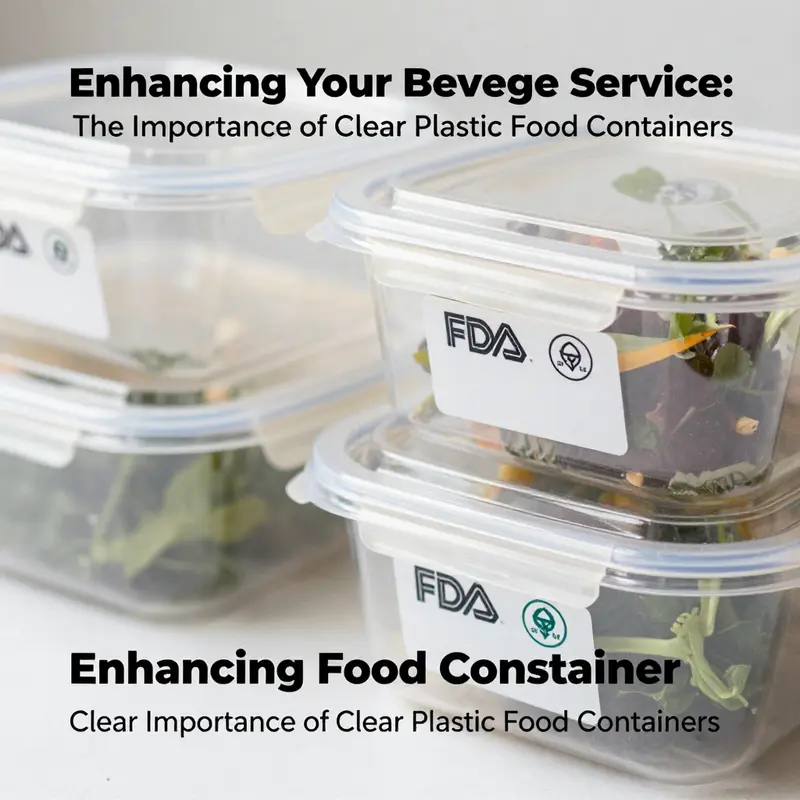
Clear plastic food containers have earned a steady place in kitchens and service environments because their transparency helps with quick content identification, while their rigidity and sealing capabilities support freshness and portion control. Yet the very traits that make them so convenient—clarity, light weight, and flexible design—also demand careful attention to safety and responsible use. The resultant practice is not simply about choosing a plastic with acceptable color and strength; it is a discipline that blends material science, regulatory compliance, and thoughtful handling to protect consumer health without sacrificing operational efficiency. In this space, the dialogue between regulators, manufacturers, and end users centers on migration limits, labeling, and lifecycle stewardship, all of which shape how a container performs from the moment a product is packaged to the moment it is ultimately disposed of or repurposed.
At the core of safety is regulatory oversight that governs materials intended for direct contact with food. In the United States, the framework is anchored in the Federal Food, Drug, and Cosmetic Act (FD&C Act), under which food-contact materials must be food-grade and approved for direct contact. Regulators evaluate these materials through migration testing, which estimates the maximum amount of substances that could move from the container into the food under specified conditions. This approach emphasizes real-world scenarios: how a container behaves when holding a cool salad, a hot soup, or an oily sauce, and whether repeated use or exposure to heat alters the risk profile. The most common plastics in clear food containers—PET, HDPE, PP, and SAN—each bring a distinct balance of clarity, chemical resistance, and thermal tolerance. PET is prized for visibility and moisture resistance but is generally advised for cold or room-temperature applications rather than microwave use. HDPE offers robust chemical resistance and durability, making it a versatile option for storage, though its clarity can be somewhat lower than PET. PP shines in heat resistance and is frequently marketed as microwave-safe, supporting reheating or hot fill applications. SAN and other specialty polymers contribute additional performance characteristics, but all interoperability with food must be validated through appropriate testing and labeling.
On the European side, EFSA governs migration limits and steers toward stricter safety benchmarks, including bans on certain substances such as BPA in food-contact materials, particularly for products aimed at infants and children. This regional emphasis on minimizing migration and eliminating controversial additives echoes a broader, global movement toward safer packaging practices. The upshot for manufacturers and buyers alike is a shared expectation: every container must be fit for its intended use, and its labeling should clearly convey the conditions under which it can safely perform—whether that means microwave suitability, dishwasher compatibility, or avoidance of fatty or acidic foods that might accelerate chemical migration. For users who source containers in wholesale volumes, this regulatory backdrop translates into a need for documented certifications and consistent supply chain traceability, not only to comply with law but to ensure uniform performance across batches.
Beyond the regulatory text, best practices for safe use of clear plastic containers revolve around intelligent material selection and prudent handling. First, always read the labeling. A container stamped with microwave-safe or BPA-free claims provides a quick, practical signal that it has passed tests relevant to consumer heating and chemical migration. It is essential to recognize that labeling is a promise grounded in testing; it does not absolve users from responsible handling. When heating is required, choosing a container with explicit microwave compatibility helps minimize the risk of rapid degradation, warping, or leaching. Likewise, when storing oily or acidic foods, it is wise to consider the material’s tolerance to migration under those conditions. PET, for instance, tends to perform well with many foods at ambient or cool temperatures but can become problematic for hot, fatty foods, depending on the formulation and the presence of any additives.
Another critical axis is the lifecycle of the container. Reusable PP or HDPE options generally offer the most sustainable path, provided they are cared for and maintained properly. Reuse demands attention to wear and tear: repeated washing, especially in hot water or on the top rack of dishwashers, can cause clouding, micro-scratches, and surface abrasion that invite harboring bacteria and diminish clarity. Clouding is not just an aesthetic issue; it is a signal that the surface integrity is compromised, which may affect seal performance and consumer confidence. To protect clarity and cleanliness, avoid abrasive sponges and harsh detergents. Hand washing with a gentle detergent preserves surface integrity longer, while air-drying minimizes water spots and residual odors. In high-volume settings, where staff efficiency and container turnover matter, establishing a routine for inspection and replacement—scratches, clouding, or loss of seal effectiveness are the indicators—helps sustain safety and performance without unexpected downtime.
In the realm of disposable packaging, a different calculus applies. Clear PET or PLA-based disposables can be attractive for events or short-term service because they deliver visibility and convenience with low cleanup costs. However, the safety considerations must not be downgraded. For PET or PS disposable containers, high-heat use is generally discouraged, and fats or oils can accelerate migration in some formulations. PLA-based disposables offer eco-friendly advantages, but their heat resistance is limited; they are not suitable for hot foods or microwave use in most cases. The decision between reusable and disposable options thus hinges on the expected lifespan of the container, the nature of the foods being stored or served, and the environmental goals of the operation. A thoughtful procurement approach balances the material properties with the practical realities of the kitchen workflow and the broader sustainability objectives.
Material choice remains a central lever in safety and performance. PET’s clarity and stiffness are desirable for visibility, but its limitations in high-heat contexts push operators toward PP for reheating scenarios. HDPE’s chemical resilience is a strong point for long-term storage and access to a broad range of foods, while SAN’s enhanced clarity and rigidity offer attractive visuals and durability for display cases and cold-service applications. Nevertheless, the potential for chemical migration, particularly under heat or with highly acidic or fatty foods, calls for careful application design and strict adherence to intended-use guidelines. For industrial and wholesale contexts, the priority shifts toward standardized testing, batch certification, and ongoing quality assurance programs that verify migration thresholds and regulatory compliance across product lines.
Guidance for practitioners inevitably leads to the question of alternatives when the fit between a container and its use-case is imperfect. Safer alternatives gaining traction include tempered glass for reusable storage, which provides excellent thermal stability and a non-absorbent surface, reducing concerns about leaching and staining. Biodegradable options like PLA are increasingly common for disposable formats, particularly in events or catering where compostable pathways are available; however, PLA’s heat limitations mean it is not a universal substitute in hot or oily applications. The strategic takeaway is to select the container that best aligns with the nature of the food, the heating or cooling requirements, and the end-of-life plan. This alignment reduces risk and clarifies expectations for both staff and customers.
For engineers and procurement professionals, the decision process is a balancing act among material properties, performance testing, and regulatory compliance. A sound selection practice begins with a clear specification of the intended use: temperature range, exposure to oils and acids, duration of contact, mode of service (reusable vs. disposable), and the required level of clarity and rigidity. Material properties—clarity, thermal resistance, chemical stability—must be mapped to these needs. Migration testing, compliance with FDA or EFSA guidelines, and certifications such as ISO9001 further anchor this mapping in verifiable standards. In practice, this means engaging suppliers who can provide documentation of material safety data, migration test results, and batch-level certifications. It also means planning for routine performance testing, especially when changes occur in formulations or manufacturing partners. Such diligence minimizes the risk of late-stage safety concerns and helps maintain consistent product performance across distribution networks.
A cohesive approach to safety also encompasses consumer education and practical kitchen routines. Consumers should be cautioned not to assume that “microwave-safe” implies all foods will heat safely in any given container. The type of food—its fat content, acidity, and moisture level—interacts with the container material and can alter migration dynamics. Regular inspection for scratches and clouding, prompt replacement when seals degrade, and careful cleaning using non-abrasive methods all contribute to safer, longer-lasting performance. The goal is not to instill fear but to cultivate habits that preserve the container’s protective functions—visibility, seal integrity, and resistance to moisture and oils—while avoiding conditions that could encourage unwanted migration.
As the packaging landscape evolves, so too does the vocabulary of safety and the discipline of best practice. Standards bodies, manufacturers, and end users share a responsibility to ensure that clear plastic containers perform their indispensable roles without compromising health or trust. The best practice is to view each container as part of an integrated system: a material with specific migration characteristics, a lid and seal engineered for reliable retention of freshness, and a user protocol that respects the limits of heat exposure and storage conditions. By embracing this integrated view, kitchens and facilities can sustain the advantages of clarity and convenience while reinforcing the safety foundation that underpins consumer confidence.
For readers seeking a concrete, ongoing reference to regulatory guidance, authoritative information on FDA regulations regarding food-contact materials can be found here: https://www.fda.gov/food/food-contact-materials. And for practical considerations surrounding lid options and their compatibility with various packaging formats, one example of accessible, real-world resources is the lid-focused guidance available at disposable white paper lids for hot paper coffee cups, which can be explored here: disposable white paper lids for hot paper coffee cups.
Clear Packaging, Clear Economics: The Value of Transparent Plastic Containers Across Industries
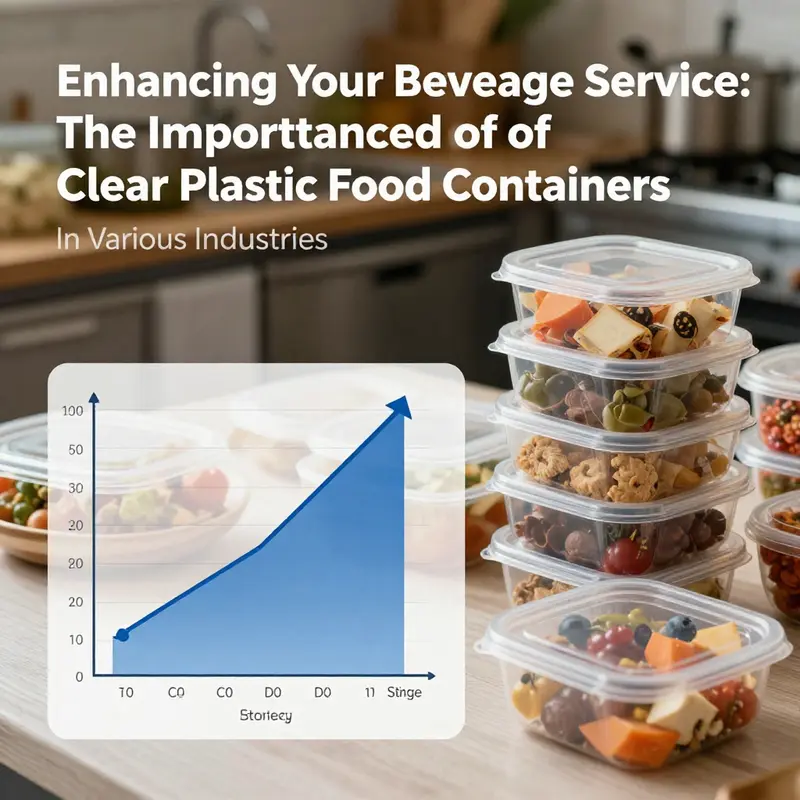
Transparent, see-through plastic food containers do more than showcase contents; they influence procurement, operations, and consumer behavior in measurable ways. By reducing the need to open or handle products to verify quality, these containers lower misidentification costs, speed replenishment, and cut waste. The economics hinge on clarity: when shoppers and operators can quickly assess freshness, portioning, and compatibility with storage and transport, margins improve and errors decline. Across markets, the upfront material choice interacts with design, regulatory compliance, and end-of-life options to shape long-run costs and value.
In food service and takeout, clear containers enable faster service, more accurate order fulfillment, and smoother upsell opportunities because customers can see portions and ingredients. Durable, leak-resistant lids protect product integrity; when reusable variants are employed, long-term savings and sustainability goals can reinforce brand value and drive loyalty. In retail, visibility reduces search time and stockouts, boosting turnover and reducing labor costs at the shelf. The alliance of transparency with recycling and compostability considerations also informs total cost of ownership, since recyclability and waste handling affect disposal expenses and regulatory risk.
Across regulated sectors like pharmaceuticals and cosmetics, legibility, tamper-evidence, and design for safety align with compliance costs and brand trust. Clear labeling, QA-friendly packaging, and compatibility with automation in warehouses improve traceability and reduce returns, contributing to more predictable cash flows. The macro picture shows a growing market for clear packaging, driven by e-commerce and the push to standardize SKUs. When companies balance material properties, reuse potential, and end-of-life strategy, upfront costs are offset by downstream savings in waste, spoilage, and logistics efficiency, delivering a durable competitive advantage.
Transparent Footprints: Environmental Realities and Paths Forward for Clear Plastic Food Containers
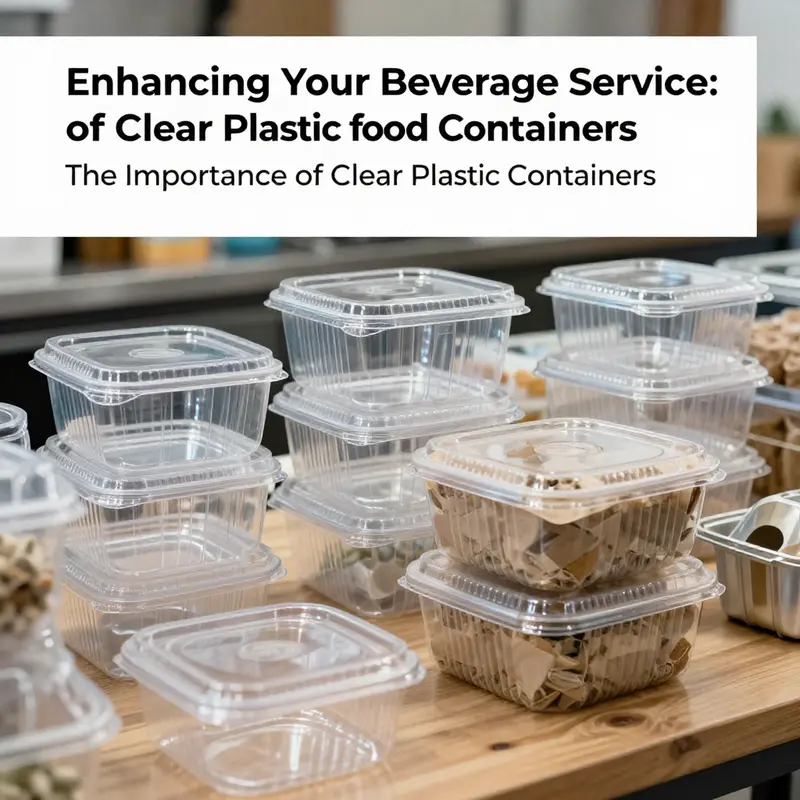
The appeal of clear plastic food containers rests on a simple value proposition: visibility, lightness, and reliability. When a consumer looks into a transparent bowl or tray, the contents present themselves without a lid lifting a veil. For kitchens—whether in homes, cafes, or large-scale operations—this clarity translates into less guesswork, faster stock checks, and streamlined meal prep. Yet beneath that clarity lies a complex set of environmental considerations that must be weighed if the practice of storing, transporting, and serving food in transparent plastic is to align with broader sustainability goals. The materials commonly used—PET, PP, and SAN—offer a mix of advantages and vulnerabilities. PET, prized for its crystal clarity, affords excellent moisture and oxygen barriers, making it a staple for salad containers and ready-meal trays. PP, known for its thermal resistance, supports molds and lids that seal in freshness under a range of temperatures. SAN contributes stiffness and clarity, qualities valued in high-shan plating and display. These properties are not incidental; they shape how containers perform in use and, crucially, how they behave at the end of their life.
The environmental conversation around clear plastic containers must address lifecycle realities. Recyclability is a central thread. PET is widely recognized as 100% recyclable in principle, and it has a long track record in beverage and food-service packaging. However, real-world recycling rates tell a more nuanced story. The EPA has highlighted that, despite the theoretical recyclability of PET, actual recovery depends on robust collection systems, effective sorting, and the avoidance of contamination. In 2024, for example, only about 30% of PET bottles were recycled in the United States, a figure that underscores the gap between material potential and system performance. What happens to the rest? Too often it ends up in landfills or as litter, where the residence time can stretch across centuries. In this sense, the environmental advantage of clear PET as a material is tempered by the infrastructure required to close the loop.
HDPE—another common choice for clear or partially transparent containers—offers superior toughness and chemical resistance, which makes it attractive for durable goods like milk jugs, yogurt tubs, and condiment bottles. But HDPE’s recyclability, while real, is not universal across curbside programs. When it is collected, it contributes to a broader stream of plastics that can be challenging to sort and process consistently. Its durability, while beneficial for reuse in some contexts, can complicate degradation in the environment, contributing to microplastic pollution over extended timelines. The environmental performance of HDPE thus hinges on local waste-management capacity and the willingness of systems to separate and reprocess different resin codes.
A newer frontier in the environmental story is polylactic acid, or PLA, a biodegradable alternative drawn from renewable feedstocks such as corn starch. PLA has gained traction in single-use clear containers, driven by claims of compostability. Yet there is a critical caveat: industrial composting facilities are required to achieve the high temperatures and controlled conditions that enable PLA to break down effectively. Home composting cannot reliably mimic those conditions. As a result, PLA often ends up in landfills where it degrades slowly, potentially releasing methane—the potent greenhouse gas that exacerbates climate change. The European Commission’s Joint Research Centre reported in 2025 that only about 15% of PLA packaging was properly processed in certified facilities across EU member states. This statistic illuminates a fundamental tension: the intention behind PLA’s renewable origin does not automatically translate into a lower environmental footprint without the right composting infrastructure. The durability and compostability questions sit side by side with broader questions about how to design products for end-of-life.
Even when containers are marketed as BPA-free, a separate concern persists: chemical leaching. Heating plastics in microwaves or dishwashers can lead to the migration of substances into food. While protections like BPA-free labeling have become more common, research from bodies such as NIEHS has shown that some BPA substitutes may not be risk-free, exhibiting endocrine-disrupting effects in certain contexts. This reality underscores a broader principle: material safety and environmental sustainability are intertwined, not separate, concerns. The aim is to minimize health risk and environmental impact through a combination of safer formulations, stricter testing, and responsible consumer-use practices.
Against this backdrop, many stakeholders are increasingly evaluating alternatives that reimagine the packaging landscape. Reusable, long-lasting options such as tempered glass or stainless steel containers provide non-toxic, non-porous environments for food—properties that support repeated use and simpler end-of-life pathways. The trade-offs are tangible: greater upfront cost, higher weight, and sometimes reduced convenience compared to disposable plastics. Yet when evaluated over the lifecycle, glass and certain metals can offer clearer long-term benefits by reducing the volume of waste that would otherwise persist in landfills for decades. In this sense, the environmental calculus shifts from “Is this container recyclable?” to “What is the cumulative impact across use, reuse, and disposal?”
Within this broader narrative, the role of policy and system design becomes pivotal. Extended producer responsibility (EPR) policies, for instance, encourage manufacturers to consider end-of-life outcomes during product design. This shifts incentives toward materials that are easier to recycle, toward modular designs that facilitate repair or replacement of components, and toward labeling that helps consumers sort materials accurately. Sorting education and improved infrastructure are essential complements to any design changes. Without reliable collection streams and clear guidance for consumers, even the most well-designed container can underperform in environmental terms. In practice, this means encouraging households and businesses to treat clear plastic containers as part of an integrated waste-management plan, rather than as disposable endpoints in a linear system.
For those exploring alternatives that still meet the functional demands of modern kitchens, the packaging landscape offers options that lean away from conventional plastics. Some packaging providers have expanded into kraft paper-based solutions, balancing aesthetics with performance and end-of-life considerations. This broad family of packaging, including disposable options and reusable designs, can illustrate how a shift toward fiber-based materials can complement or even replace some plastic uses in food service and retail displays. A concrete example of this shift appears in options like disposable-octagonal-box-restaurant-food-kraft-paper-packaging. The emphasis is not simply on being “paper” but on systems that support durability, protection of food quality, and a more transparent signal about end-of-life options to consumers.
What does all this mean for the practical choice of containers in kitchens and storefronts? First, material properties matter, but they must be weighed against lifecycle realities. Clear plastic containers still offer benefits in terms of weight, break resistance, and ease of stacking. They remain attractive for applications that require tight seals to prevent moisture ingress and to maintain product quality during transport. However, today’s decision-makers should demand more than short-term performance. They should seek materials and designs that support longer lifespans, simpler recycling streams, and clearer labeling to guide disposal. This often means prioritizing high-quality, BPA-free formulations and avoiding products that rely on coatings or additives known to complicate recycling. It also means recognizing that not all plastics are equally compatible with every end-of-life pathway; a container that is enormously convenient in the kitchen may falter if the local recycling stream is under-resourced or if the material can only be processed in specialized facilities.
Beyond material selection, a shift toward systems thinking can alter the environmental calculus. If a kitchen can implement a robust reuse program, the benefits of a durable glass or stainless steel option can far outstrip the convenience of a disposable container. In contexts such as cafeterias, catering operations, and wholesale food markets, establishing a coordinated approach to return, wash, and reuse can dramatically reduce waste. This requires investment in logistics, staff training, and a culture that values long-term performance over single-use convenience. It also invites a broader reimagining of how food service businesses present products. Clear display or transparency remains a valuable feature, but the channel for achieving sustainable outcomes may increasingly rely on a diversified packaging strategy that blends reusable containers with carefully selected, recyclable plastics and responsibly managed compostables where the infrastructure exists.
As readers navigate these considerations, it is important to anchor decisions in local realities. Recycling capabilities, composting facilities, and consumer waste behavior vary widely by region. The EPA’s overview of plastic recycling and related resources highlights the complexity of achieving broad-based improvements and the necessity of coordinated actions across manufacturers, municipalities, and households. By grounding choices in up-to-date data, decision-makers can better estimate the true environmental cost of each packaging choice and align procurement with a credible plan for reduction, reuse, and responsible end-of-life management. In practice, this means asking questions such as: How is the container intended to be used—single-use versus reusable—and what is its likely fate at the end of its life? What local recycling or composting options exist, and how reliable are they? Can a design be simplified to minimize contaminants and maximize recyclability? These questions, asked early in the design and procurement process, create a pathway toward packaging decisions that honor both product performance and planetary health.
Ultimately, the environmental footprint of clear plastic food containers is not a single issue but a tapestry of material science, waste-management infrastructure, consumer behavior, and policy design. The choice between continuing to rely on PET, PP, or SAN versus moving toward glass, metal, or fiber-based alternatives depends on a balance of practical needs and environmental consequences. The goal is not to demonize a category of material but to illuminate the trade-offs and to empower stakeholders to pursue strategies that reduce harm while preserving the benefits that plastic packaging has historically delivered in terms of food safety, shelf life, and supply-chain efficiency. By integrating safer formulations, stronger end-of-life pathways, and a willingness to experiment with alternative materials and business models, the industry can move toward a packaging ecosystem that preserves the practical advantages of clarity and convenience while dramatically improving environmental outcomes. The path forward invites collaboration across designers, manufacturers, retailers, policymakers, and consumers, all aligned toward a future where transparency in the product itself is matched by transparency in its sustainability story.
External resource: https://www.epa.gov/sustainable-management-plastics/overview-plastic-recycling
Clarity Reimagined: Trends, Technology, and the Sustainable Path Forward for Clear Plastic Food Containers
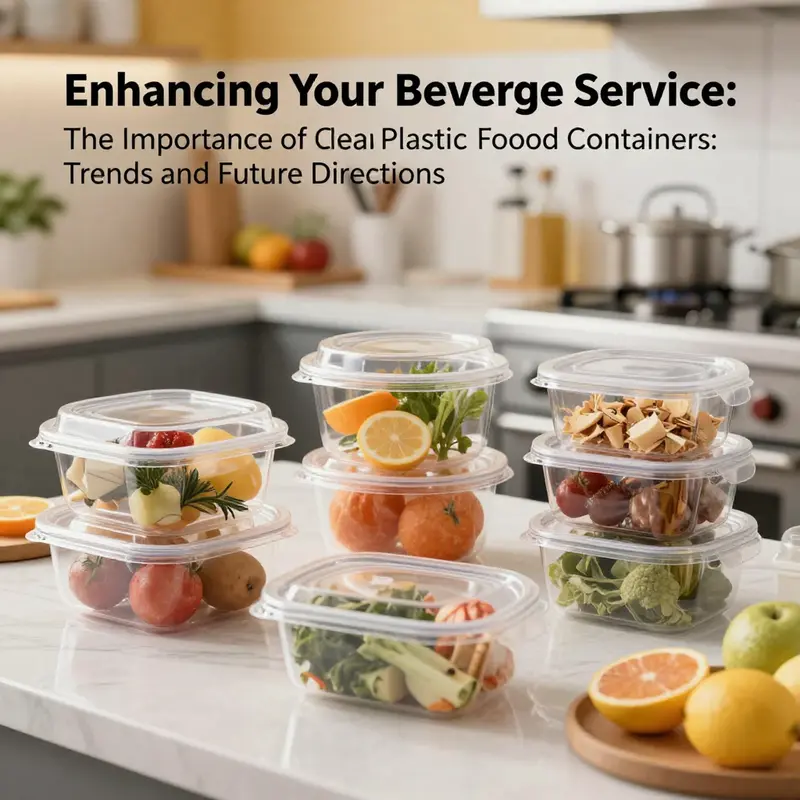
Clear plastic food containers have long been the workhorses of kitchens and cafeterias alike. Their transparent shells let line cooks and shoppers glimpse contents without opening a lid, reducing waste and improving display efficiency. Yet beneath this everyday utility lies a shifting landscape shaped by two converging pressures: demand for better environmental stewardship and a demand for higher performance in how containers protect, preserve, and present food. The current wave of innovations does not merely chase novelty; it redefines what clear means in practice. Clarity is now a function of material science, structural design, and intelligent packaging concepts that aim to sustain freshness, minimize risk, and simplify life for both food service operators and households. From the choice of resin to airtight seals, every detail influences shelf life and user experience.
On the materials front, the search for sustainability is driving a broader palette beyond traditional PET, PP, and SAN. PLA, a bioplastic derived from renewable feedstocks, has begun to appear in clear containers designed to be industrially compostable. The logic is simple: pair transparency and rigidity with a path to at least partial end of life recovery. However, the compostability narrative is nuanced. Industrial facilities, not home composters, typically handle PLA, and the real world benefits depend on collection streams and local infrastructure. Manufacturers are also experimenting with blends that improve heat resistance and clarity while reducing reliance on fossil carbon. The result is a family of containers that maintain the crisp, glass like look customers expect while offering a lower ecological footprint, or at least a different one, relative to conventional plastics.
Another frontier is the intelligent pairing of barrier properties with user friendly designs. Clear containers need to hold moisture and oils without clouding or warping, and they must resist temperature swings from fridge to microwave. Achieving that balance has led to continued refinements in PET, PP, and SAN alloys, including coatings and surface treatments that preserve clarity even after repeated exposure to heat and abrasion. In some cases, manufacturers lean toward lighter, more durable plastics such as polyolefin blends that offer clearer visibility, strong impact resistance, and better chemical stability. At the same time, the value proposition of heavier materials like polycarbonate persists in environments with heavy traffic or high drop risks, where shatter resistance becomes a practical security feature. The choice often hinges on whether the container is intended for reusable industrial use or disposable, single serving needs.
Sealing technology has evolved in tandem with material choices. Modern clear containers often feature lids with integrated gaskets or multi part sealing systems that tighten down with precise tolerances. These innovations dramatically extend shelf life by limiting air ingress and moisture egress, which is crucial for deli displays, meal prep routines, and bulk storage. The improvements reduce odor transfer, minimize leakage, and help kitchens standardize portion control. In retail settings, the reliability of a seal translates into fewer product recalls and higher consumer confidence. The lid design also addresses ergonomics: snap on or click lock mechanisms that are easy to operate with gloves or busy hands, while still maintaining a hermetic seal. Together, materials and sealing geometry create a package that behaves predictably in both cold storage and the heat of service.
Design enhancements go beyond seals and materials. Modern clear containers aim to be microwave safe, dishwasher safe, and even shatterproof, expanding their practicality while maintaining their signature transparency. To preserve optical clarity, manufacturers pursue anti scratch surfaces, reduced light diffusion from edge sections, and coatings that resist fingerprint like oil smudges. These features matter especially in open service points of sale and home kitchens where containers are handled repeatedly. A related development focuses on stackability and space efficiency. Uniform rims and interlocking bottoms reduce bulk and improve inventory management, which matters to both home cooks and large scale food service operations. Yet every added feature carries a trade off: heat tolerance, chemical stability, or recyclability can be affected if the design becomes too complex. The art is to weave functionality into a simple, reliable package that looks as good as it performs.
Whenever possible, the industry is also exploring the integration of smart elements into packaging. Prototypes and pilot programs test indicators that monitor temperature history or detect spoilage cues within the container headspace. The vision is not to replace refrigeration but to supply real time signals when food safety risks emerge. For operators, these ideas promise to cut waste and help with compliance by documenting storage conditions. For consumers, they offer an extra layer of assurance about the freshness of leftovers and meal prep portions. The technical challenge is to maintain clear visibility while embedding sensors and microelectronics in a way that does not compromise safety or increase disposal complexity. Early demonstrations show that minimalistic indicators can be embedded into the lid or cap without sacrificing the clean look that defines clear plastic containers.
Beyond performance, the conversation around safety remains central. While high quality resins labeled microwave safe and BPA free reduce exposure to unwanted chemicals, there is an ongoing need to educate users about heating limits and washing practices. Repeated dishwashing, particularly on the top rack, can introduce micro scratches that diffuse light and cloud transparency, even when the resin itself remains chemically stable. Odor absorption is another observable risk: repeated use for strong smelling foods can impart scents into the plastic, challenging consumers to keep containers neutral. The best practice is to select containers that clearly state compatible use scenarios, avoid abrasive cleaning tools, and choose products sourced from manufacturers who provide full resin specifications and testing data. In other words, consumer education, regulatory clarity, and transparent labeling remain essential complements to material science advances.
Regulatory and quality frameworks guide which innovations can reach kitchens and shoppers. Compliance with standards from bodies like FDA or equivalent authorities, along with quality management schemes, underpins trust across food service channels and retail displays. The designs that survive scrutiny combine clarity with robust barrier performance, chemical stability, and a proven track record of safety testing. For engineers and procurement professionals, this means balancing several objectives: low profile costs, scalable manufacturing, predictable performance across temperature ranges, and verifiable safety data. The interplay between material choice, processing technologies, and supply chain reliability determines not just product performance but the viability of deploying new container families in high demand contexts such as large catering operations and grocery chains. In this light, innovation becomes as much about process and standards as about the resin itself.
Looking forward, the sustainability story commands renewed attention to the broader packaging ecosystem. Closed loop systems promise to recover and reprocess clear containers at scale, reducing virgin material use while keeping products within the visual language of transparency that consumers expect. Yet achieving this requires more than better resins; it calls for expanded recycling infrastructure, collection programs, and incentives that align brand value with circular goals. Manufacturers are testing partnerships with recycling networks, designing for disassembly, and exploring bio based or next generation materials that offer in situ clarity without compromising recyclability or energy use. These strides, taken together, chart a credible path toward more responsible packaging without sacrificing the benefits that have made clear plastic containers such a staple in kitchens and food service.
Ultimately, the future of clear plastic food containers lies in a careful synthesis of performance and responsibility. Clarity will remain a defining feature, but it will be joined by a suite of capabilities that extend shelf life, assure safety, and connect packaging to broader waste reduction goals. From smarter lids to more sustainable resins and optimized life cycles, the next generation of containers will need to perform in a way that aligns with environmental realities and consumer values. The industry watchers who translate lab breakthroughs into scalable products are likely to lead the way, guiding everything from small batch restaurant kits to mass market grocery assortments toward packaging that is both visually appealing and kinder to the planet. For those who plan, procure, and use these containers, the evolving landscape offers a compelling invitation: choose materials and designs that maintain clarity while embracing the circular economy, and look to the ongoing dialogue between science, policy, and practice to shape the days ahead. The conversation continues with resources and case studies that illuminate practical pathways forward.
Internal reference: disposable-700ml-kraft-paper-bowl-take-out-octagonal-rectangle-paper-bowl
External reference: https://www.restaurantsupply.com/blog/top-plastic-food-containers/
Final thoughts
Clear plastic food containers are indispensable tools for enhancing food storage and presentation in various settings, from bustling beverage shops to elegant catering events. By understanding the various types and materials available, adhering to safety regulations, recognizing their economic advantages, and considering environmental impacts, businesses can strategically select containers that not only meet their operational needs but also align with consumer expectations for quality and sustainability. As innovation continues to shape these products, staying ahead of trends will enable food and beverage providers to optimize their services and elevate customer experiences.