
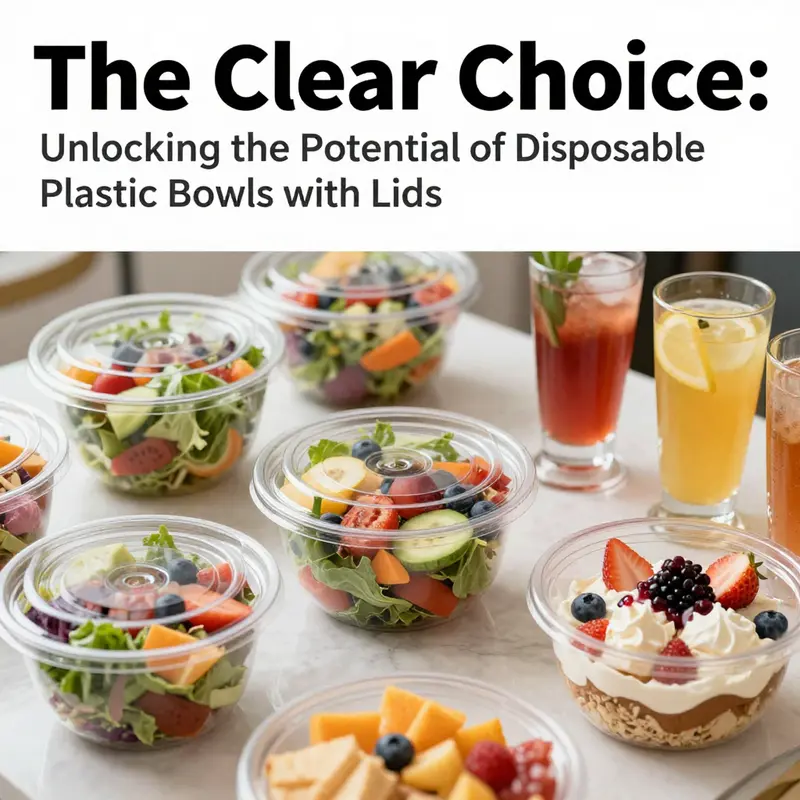
Clear plastic disposable bowls with lids are becoming a staple in the food service landscape, capturing the attention of bubble tea shops, beverage chains, restaurants, food trucks, catering services, and event planners. Their versatility, hygiene, and aesthetic appeal complement a variety of culinary delights, while also providing practicality for transport and serving. The chapters ahead will delve into the science behind these containers, examine their economic implications, discuss environmental concerns, explore health regulations, and highlight the current market trends surrounding these indispensable tools.
Transparent Form, Steady Performance: The Material Science Behind Clear Plastic Disposable Bowls with Lids
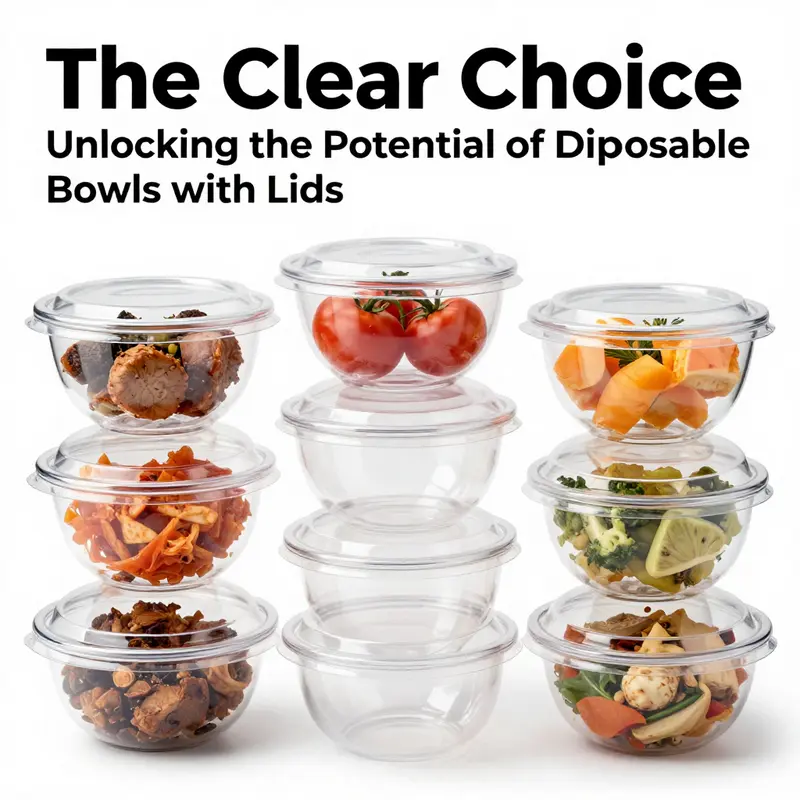
Clear plastic disposable bowls with lids sit at the intersection of visibility, convenience, and reliability. Their transparency is more than a cosmetic feature; it is a practical asset that informs quick visual checks, enhances merchandising, and speeds up service. When a clerk slides a lid onto a bowl, the resulting package must marry two worlds: the aesthetic display of contents and the rugged demands of transport, temperature variation, and occasional reuse cycles that are common in many service environments. The material science behind these bowls is a careful negotiation among three commonly used polymers—polypropylene (PP), polystyrene (PS), and polyethylene terephthalate (PET)—each bringing a distinct profile of clarity, heat tolerance, rigidity, and recyclability. In practice, the choice among them is driven by the intended use: cold foods to be displayed on a counter, hot soups to be transported, or desserts that require a crisp, glass-like appearance while resisting deformation. The design of the lid itself matters almost as much as the base material. Snap-on closures, tamper-evident features, and integrated handles can all influence leak resistance and user experience. In the end, the goal is to deliver a package that is hygienic, economical, and visually appealing, without compromising safety or performance under real-world conditions.
Polypropylene often leads the way for hot foods and microwave-safe use. Its heat resistance is notable, typically withstanding temperatures up to around 160°C (320°F). That upper limit is not a claim of continuous service at that temperature, but a boundary within which the material maintains its shape and integrity long enough to keep food contained during transport or brief reheating. In addition to heat tolerance, PP shows resilience under thermal stress. The polymer’s crystalline structure and molecular orientation contribute to a balance of stiffness and toughness. A bowl made from PP remains relatively rigid under load, resisting deformation that could compromise the seal between bowl and lid. This is a practical advantage when transporting soups, stews, or sauces that require containment without spillage. From a sustainability angle, PP is recyclable, classed as resin code #5, which helps improve the container’s end-of-life prospects in modern recycling streams that increasingly accept this material. Yet recyclability is not merely a property; it is a system-level consideration. The ease with which a restaurant or event planner can recover PP hinges on local infrastructure that can separate it from other plastics and prevent contamination that would otherwise undermine recycling efficiency.
Polystyrene—especially high-impact polystyrene (HIPS)—offers exceptional clarity and rigidity at a substantially lower cost. In a display setting, PS can provide a glass-like transparency that makes colors pop in salads, fruit displays, and dessert presentations. The visual appeal is enhanced by the surface finish and the predictable optical properties of PS, which help the contents look fresh and enticing. However, PS is less forgiving when it comes to heat. Its heat tolerance typically falls in the 70–90°C (158–194°F) range, which makes PS ill-suited for microwaving or serving very hot foods without risking deformation or leaching. PS remains a lightweight, easy-mold material, which explains its ubiquity in many cold-food applications and takeaway containers. Unfortunately, its recycling is more complex in some regions, and the presence of additives or foaming agents can complicate processing streams. While PS can deliver standout clarity, its overall suitability must be weighed against temperature use and end-of-life considerations.
PET is renowned for its impact strength and optical clarity, especially in cold-storage contexts. PET bowls maintain visibility of contents and resist shattering under moderate impact, a desirable trait for display on counters, during transport, or for short-term storage. PET’s recyclability is widely recognized, with resin code #1, and many facilities are equipped to handle PET in both bottle- and container-form. A limitation to note is heat resistance. PET is not generally recommended for hot foods or microwave use, as exposure to elevated temperatures can compromise both the integrity of the material and the safety profile of the container. Nevertheless, for cold salads, desserts, fruit platters, and cold beverages, PET offers a compelling combination of clarity, strength, and recycling opportunities that fit neatly into many food-service workflows.
As markets push toward sustainability, biodegradable and compostable alternatives such as polylactic acid (PLA) have entered the conversation. PLA can provide clear, stiff performance comparable to traditional plastics in some cold applications, but its susceptibility to moisture and lower heat resistance limit its applicability for hot foods or beverages. Industrial composting conditions are often required for PLA to degrade efficiently, which means consumer-level home composting is not a reliable end-of-life option in many regions. The result is a nuanced landscape where clarity and performance must be balanced with temperature requirements and waste-stream realities. In tandem with base materials, the lids deserve attention. Lids made from the same base polymer as the bowl typically ensure a consistent seal and predictable compatibility. Snap-on closures and tamper-evident features contribute to a reliable, leak-proof seal, a crucial factor for transport and takeout. Some lids even incorporate vent mechanisms or durometers designed to maintain pressure balance when hot or carbonated contents are involved. The interplay between bowl and lid is often as important as the material choice itself, because a misfit lid can undermine performance through leaks, fogging of the interior, or compromised stacking and stability on shelves.
Regulatory and safety considerations frame every practical choice. Both PP and PS are widely approved for direct contact with food by regulatory bodies in many jurisdictions. FDA compliance and EU Food Contact Material regulations serve as benchmarks that ensure the materials do not leach harmful substances into food under typical conditions of use. These standards influence not only the selection of base polymers but also the additives, such as colorants or lubricants, used in molding processes. When heat exposure is a factor, the selection becomes even more critical. The recommended service temperatures for hot foods must be considered alongside the intended storage conditions. The ability to withstand some microwaving for PP-based bowls can expand their use cases, yet manufacturers often specify precise tolerances in product data sheets to avoid misapplication.
From an operational standpoint, the clarity of these bowls is a strategic asset. When a chef or caterer arranges a multi-item display, the transparent container allows customers to see the exact portion and color composition of the dish. This visibility reduces the cognitive load on staff who must identify contents quickly, speeding up service lines and improving accuracy in mixed-service environments like buffets, self-serve stations, and grab-and-go displays. It also supports marketing goals: a vibrant, colorful bowl of fruit or a layered salad becomes more inviting when the right light interacts with the clear walls and lid. Yet the decision to choose PP, PS, or PET is not merely about aesthetics. It factors in the anticipated shelf life, the temperature of service, the likelihood of microwaving, and the local recycling ecosystem. For teams weighing these considerations, a practical approach is to map each use case to material attributes: hot or cold applications, display needs, and end-of-life logistics. This mapping drives a cost–benefit analysis that aligns performance with budget and sustainability goals.
In addition to the core material properties, procurement decisions often consider compatibility with branding or packaging systems. For instance, some buyers may opt for a lid and bowl pairing that allows for easy labeling, branding, and secure stacking, while others may explore compatible packaging lines that extend into paper- or pulp-based options for multi-material assemblies. For those weighing options across materials, consider this example of a lid-equipped option such as a disposable kraft paper bowl for food package with lid. It serves as a useful contrast to plastic options and highlights how lids and containment systems are designed to maintain hygiene and presentation across materials. See this example for a sense of how a lid can be integrated with a non-plastic base while preserving the practical needs of transport and display. disposable kraft paper bowl for food package with lid.
The broader design challenge remains managing material performance while meeting evolving consumer expectations and regulatory standards. The optics of transparency must be preserved through the life of the product, which means controlling haze, color stability, and surface finish during molding and subsequent handling. The geometry of the lid—its dome height, rim profile, and snap mechanism—plays a decisive role in spill resistance and stacking stability. The combination of a well-chosen polymer with a thoughtfully engineered lid yields a package that communicates quality through its looks while delivering practical reliability in handling, transport, and display.
As the industry navigates the tension between performance and sustainability, ongoing research continues to refine and optimize base materials and processing techniques. The goal is to deliver clearer, stronger, and more heat-tolerant solutions that maintain safety and compliance while fitting into increasingly complex waste-management systems. The science behind these bowls is not static; it evolves with advances in polymer chemistry, molding technologies, and regulatory expectations. For practitioners, this means staying attuned to material datasheets, testing protocols, and the regulatory landscape to ensure that each packaging decision serves the dual aims of safety and service quality. The integration of technical standards, like the guidelines outlined by the ASTM, provides a backbone for evaluating material properties and performance under real-world conditions. This framework supports consistent decision-making across suppliers, manufacturers, and food-service operations. For readers seeking a deeper technical dive, an external resource offers a comprehensive overview of the testing and performance criteria that shape these packaging solutions: https://www.astm.org/Standards/F2747.htm
Transparent Value: The Economic Mechanics of Clear Plastic Bowls with Lids in Modern Food Service
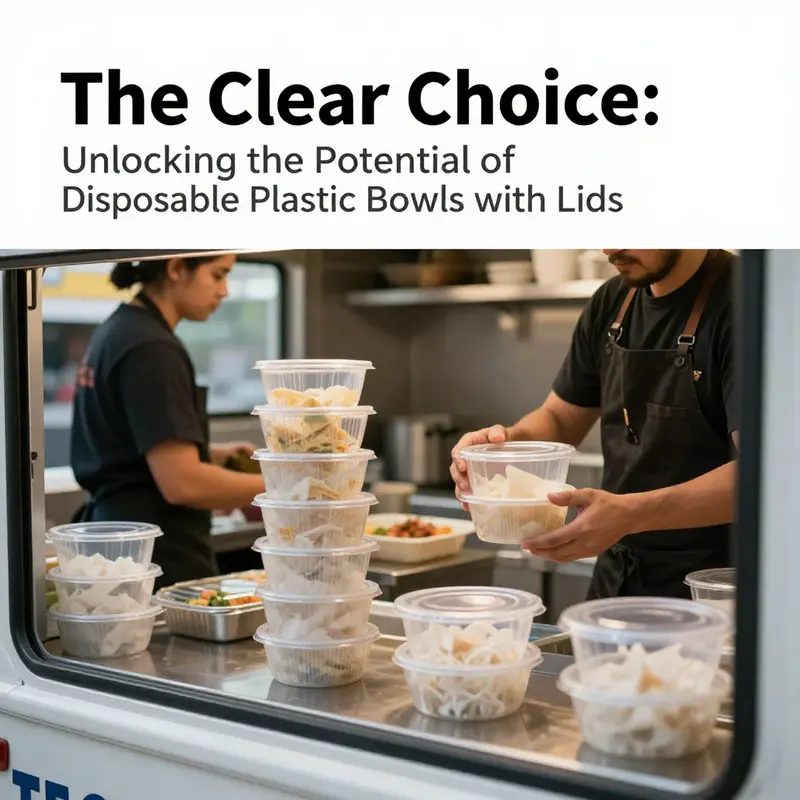
Clear plastic disposable bowls with lids sit at a quiet crossroads of practicality and profit in today’s food service landscape. Their value is not only in what we can see through their transparent walls, but in how those walls accelerate service, stabilize costs, and enable more agile operations. When a restaurant, catering company, or meal-prep service leans on these containers, they are choosing a packaging option that aligns visibility with efficiency, and that alignment often translates into measurable bottom-line gains. The economic story of these bowls begins with material science, travels through the logistics of mass production, and ends in the cash register, where every saved minute and every avoided spill echoes as margin on the daily ledger.
At the core of their appeal is operational efficiency. In high-volume environments, labor is a healthful kind of currency, and anything that reduces handling time compounds into tangible savings. Clear bowls with airtight or leak-proof lids minimize the chaos of service and transport. A well-sealed lid means fewer spills during takeout, delivery, or even intra-restaurant handoffs. That reliability translates into less wasted product and fewer customer complaints, which in turn reduces the cost of returns and reimbursements. The speed gains are most visible in meal-prep workflows and fast-casual theaters where menu items are assembled, portioned, capped, and moved to service areas with minimal delay. In such contexts, a nearly instantaneous lid snap can shave seconds off each order, and those seconds accumulate into a meaningful throughput advantage across dozens or hundreds of daily transactions.
Size variety and standardization further strengthen the economic argument. These bowls range in capacity enough to cover a spectrum of menu needs—from compact 8-ounce portions for single servings to larger sizes that accommodate salads, fruit platters, and dessert assortments. This diversity allows businesses to standardize portioning and pricing in a way that reduces over-portioning and miscounts. When a kitchen can consistently differential-fill bowls that look identical to guests, it reduces waste and improves forecasting accuracy. The predictability supports better inventory management, fewer overages on ingredient orders, and a simpler, more reliable profit equation. The same logic extends to catering and meal-prep models, where the ability to recast a single container into multiple menu formats can reduce the number of SKUs a business tracks while maintaining the flexibility to meet diverse customer demands.
From a procurement perspective, the economics of scale play a decisive role. The bulk nature of packaging—units sold in tens, dozens, or even hundreds—lowers the per-unit cost and supports just-in-time inventory strategies. The economies of scale are most pronounced when demand patterns are steady and predictable, which is often the case in large-scale food service operations. The bowls themselves are typically made from food-grade materials such as PET and PP, both BPA-free and certified for direct contact with food. PET offers exceptional clarity and rigidity, ideal for making vibrant ingredients look appetizing and inviting. PP, with greater heat resistance, expands the range of menu items that can be safely presented in these containers, including warmer dishes and broths. The regulatory assurances—FDA certifications and other food-safety compliance marks—do more than reassure customers; they reduce the risk of compliance-related disruptions and recalls, which can be extraordinarily costly in a high-volume environment.
The global supply chain underpins the affordability and resilience of these bowls. A substantial portion of manufacturing occurs in large-scale hubs in China, where price-competitive production enables broad access to a range of sizes and configurations. This geographic concentration supports robust supply networks that can respond to spikes in demand and enable rapid restocking, essential for restaurants and caterers working on tight service windows. Bulk packaging options, such as 50-pack or 25-pack units, help operators maintain lean inventories and expedite replenishment cycles. The security of these supply chains is not merely a logistical advantage; it is a strategic factor that protects margins when demand swings or when competing products squeeze suppliers in tighter markets. In an industry where the wrong container can derail a delivery or compromise food quality, the reliability of the supply chain becomes a quiet but critical asset.
Consumer preferences have evolved in ways that underscore the value proposition of clear bowls with lids. The transparent presentation of contents—whether a crisp salad, a jewel-toned fruit assortment, or a glossy dessert—creates a perception of freshness and quality that can justify premium pricing. In many cases, the visual appeal of the food inside these containers enhances upsell opportunities, encouraging customers to choose higher-margin items because the product looks more appealing. The same transparency that invites appetite also accelerates decision-making for staff and customers, reducing service frictions. When a guest can clearly see what they are getting, there is less back-and-forth about substitutions or miscommunications, which translates into faster service and improved table turnover.
Portion control is another axis through which these bowls influence economics. The ability to consistently deliver the same volume and presentation across a shift or a week strengthens margin discipline. For operators who rely on standardized recipes, these bowls function as predictable vessels that align with measurement, timing, and labor allocation. This consistency reduces variance in cost of goods sold and simplifies the forecasting process. The result is a more stable operating environment in which pricing can reflect real costs rather than volatile waste or guesswork. Even small improvements in portion accuracy, when scaled across a business, can produce meaningful lift in gross margins over a month or a quarter.
As with any disposable solution, there is a necessary tension with environmental considerations. The economics of clear plastic bowls are inextricably linked to discussions of sustainability, consumer perception, and regulatory expectations around waste. While single-use plastics raise questions about environmental impact, the market has responded with a spectrum of practices designed to balance convenience with responsibility. Some operators embrace biodegradable or recyclable variants, moving toward premium pricing for brands that segment themselves as eco-conscious. Others pursue optimized packaging systems that minimize material use, improve recyclability, or leverage take-back programs with local recyclers. These strategies not only address reputational risk but can also unlock financial incentives, whether through consumer goodwill, government programs, or supplier partnerships that reward sustainable processing. In practice, the most resilient food-service models integrate these concerns without sacrificing the efficiency that makes clear bowls viable. They value the trade-off where a slight premium for eco-friendly options is offset by reduced labor, lower waste, and stronger brand trust.
The broader market dynamics reinforce the durability of this packaging choice. Platforms that connect buyers with bulk supplies report solid demand and healthy retention, reflecting satisfaction with product performance and a willingness to repurchase. The economics of repeat buying—driven by reliability, presentation, and the ability to deliver consistent quality at scale—helps explain why U.S. and global operators continue to invest in these containers even as competition intensifies. In this light, clear disposable bowls with lids function as a strategic enabler: they support efficient service, improve the speed of delivery, and sustain consistent guest experiences across diverse service models—from quick-service kitchens to large catering operations.
To translate these observations into a practical mindset for business leaders, consider how the container choice feeds the core levers of the enterprise: labor, speed, waste, and cost control. In a world where every second saved per order and every gram of waste prevented can influence annual margins, the role of the container becomes a strategic lever. By selecting materials that balance clarity, durability, and heat resistance, by leveraging a mix of size options to align with menu items, and by engaging with suppliers who can deliver reliable, bulk-ready packaging, operators can build a more predictable cost structure. Those decisions ripple outward, affecting kitchen workflows, delivery times, and front-of-house efficiency. The transparent bowl thus becomes a quiet partner in the business’s growth trajectory, a vessel that makes the invisible cost of inefficiency visible and the value of smooth operations tangible.
If we look at the ecosystem as a whole, the economics of clear plastic disposable bowls with lids reveal a layered narrative: a material science backbone that ensures safety and clarity; a manufacturing and procurement engine that leverages scale; a consumer environment that rewards visibility and consistency; and a strategic emphasis on sustainability that aligns with evolving expectations and policy. This is not merely about a disposable container; it is about how such containers enable a business to deliver more with less—faster service, steadier margins, and a more reliable guest experience. In the end, the economic impact stems from a simple truth: when the packaging supports your operation rather than complicates it, profit follows.
For readers seeking a concrete example of how related disposable packaging solutions are positioned in the market, a representative product page demonstrates the breadth of options and the way such items are marketed to bulk buyers disposable-700ml-kraft-paper-bowl-take-out-octagonal-rectangle-paper-bowl. While it highlights a kraft-paper alternative, the underlying business logic—bulk availability, standardized sizing, and the emphasis on efficient take-out packaging—echoes the strategic considerations that make clear plastic bowls with lids a staple in many food-service portfolios. For ongoing industry insights and product context, readers can also explore the broader landscape of disposable food packaging and its regulatory environment through trusted external resources: https://www.alibaba.com/product-detail/Clear-Disposable-Plastic-Bowls-8oz-12oz-16oz_1601279716543.html?spm=a2700.12435592.0.0.5f1c7d8aUqJZmB
Clarity Underfoot: Environmental Realities and Pathways for Clear Plastic Bowls with Lids
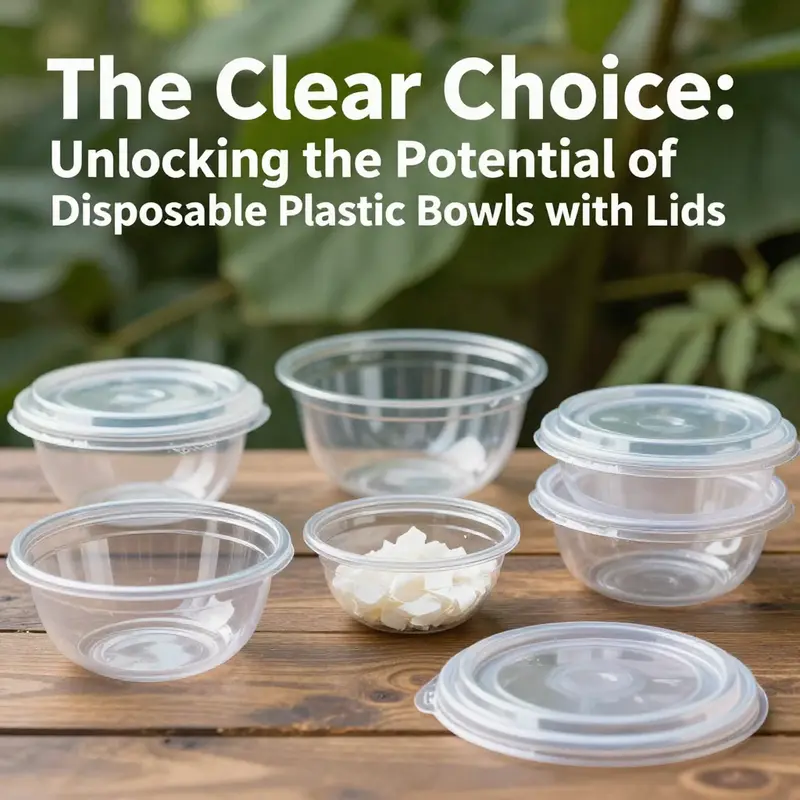
Clear plastic disposable bowls with lids have become a visible symbol of modern takeout, meal prep, and event catering. Their transparent walls showcase the food inside, turning salads, fruit platters, and desserts into bright, market-ready displays. They also offer practical benefits: quick content identification, efficient portioning, and dependable lid seals that reduce spill risk during transport. Yet behind the immediacy of convenience lies a complex environmental footprint that operators, policymakers, and consumers are increasingly compelled to reckon with. This chapter unpacks that footprint in a way that doesn’t merely catalogue worries but invites a more informed approach to choices, waste streams, and the design of better options for a world where plastic use remains high and waste management infrastructure varies widely.
Most clear bowls used in food service are fashioned from either polypropylene (PP) or polyethylene terephthalate (PET). Both materials are widely treated as food-grade and BPA-free in the sense that they are designed for direct contact with consumables, and many carry regulatory assurances from authorities such as the FDA. In practice, this means they perform reliably in the kitchen and during delivery, resisting leaks and maintaining structural integrity from the initial scoop to the final bite. But the environmental implications of those very properties differ in meaningful ways. PET offers excellent clarity and rigidity, which makes it particularly appealing for showing off colorful ingredients and precise portioning. PP, while slightly less transparent in some formulations, excels in heat resistance and durability, making it a practical choice for holding hot soups or broths during service. These material advantages are real, and they help explain why the bowls remain popular. Yet they also frame the core tension: how to balance a strong, clean user experience with the broader need to manage plastic waste effectively.
Recyclability is a central, stubborn hurdle. In many municipal programs, standard clear bowls do not neatly fit the recycling stream. They are typically single-resin items, often yes, but the way they are used—often with residue, sauces, or liner films—can contaminate the stream. In some places, processors require all such plastics to be clean and dry; in others, the resin type alone determines acceptance. For end users who rely on curbside sorting, this creates a disconnect: the same item that delivers convenience in service becomes a candidate for landfill when the local system can’t efficiently separate and recycle it. This difficulty is compounded by the fact that many facilities lack the equipment to handle smaller, lighter items that can easily escape from bin lids and pathways of sorting lines. The result is a paradox where the same bowls that facilitate rapid service contribute to the long tail of plastic pollution if disposal streams are mismanaged or under-resourced.
Another layer of concern centers on microplastics. When plastics degrade in the environment, they fragment into ever-smaller particles. These microplastics can migrate through soil and water, aided by wind, weather, and erosion. Wildlife ingests them, and the potential for entry into the food chain raises questions not only about ecosystems but also about human exposure. Even if a bowl is properly recycled in some contexts, the pathways to proper disposal are not always straightforward. Inaccurate labeling, shared recycling streams, and inconsistent consumer habits can allow these items to become litter—especially in outdoor events, markets, and quick-service settings where bags and containers are carried across varied environments. The lightweight design that makes these bowls easy to transport also makes them easy to lose track of, turning a practical transport solution into an environmental nuisance when misused or discarded carelessly.
The issue of chemical leaching is often framed around more fragile or foamed variants of plastic. Polystyrene (PS) foam, though less common in premium clear bowls, serves as a vivid reminder that not all disposable containers share equal risk profiles. In environments where heat or acidic contents are involved, certain materials can release substances that are undesirable in or near food. Even for the PP and PET options, the broader question remains: what happens after the takeout bag is emptied and the lid is discarded? The safety assurances that apply to food contact do not automatically translate into a benign end-of-life outcome. The lifecycle from production to disposal matters as much as the moment of use, and that lifecycle is shaped by supply chains, manufacturing practices, and the relative ease with which a given item can be diverted from landfill into recycling or, ideally, a circular loop.
Litter is not a merely cosmetic problem. The sheer presence of discarded bowls in streets, waterways, and natural habitats signals the gaps in infrastructure and behavior that allow waste to escape responsible management. When a product is designed for one-time use, the assumption that it will be disposed of in an orderly, well-sorted system becomes a bet on the reliability of downstream waste handling. In many regions, that bet does not pay off. The cumulative impact is not just a tally of discarded items; it is a pattern that reshapes landscapes, affects wildlife, and imposes costs on communities through cleanup, landfill space, and the energy required for disposal. The more visible the product is—clear and bright in color, appealing in a display—the more pronounced the attention its end-of-life phase receives, especially in settings that prioritize speed and low labor costs.
Given these realities, alternatives and complements to single-use clear bowls become important considerations for those who want to preserve the benefits of clear presentation while reducing environmental harm. Where practical, some operators turn toward biodegradable or compostable options. However, the environmental payoffs of these alternatives depend heavily on the local waste management framework. Biodegradable or compostable materials can perform well only when industrial composting facilities are available and properly used. In many communities, such facilities are scarce or distant, and home composting or curbside collection may not meet the required conditions for complete decomposition. This gap is not a minor nuance; it shapes whether an apparently greener alternative actually reduces environmental impact in practice. The consequence is a need for accurate, context-aware decisions about what to replace and where to invest resources in waste infrastructure.
The broader shift toward sustainability also includes rethinking design and packaging ecosystems. If a product is intended to be disposable, designers can aim for the most recyclable form possible, minimize the use of adhesives or coatings that complicate recycling, and optimize lids and bowls for separation after use. In some cases, foodservice operators combine a refined approach to portioning with a robust reuse framework: encouraging customers to return containers for cleaning and reuse, while offering compelling incentives. For many, though, such reuse schemes require logistical coordination, sanitation standards, and reliable retrieval channels, which can be challenging to implement at scale. As a practical compromise, businesses increasingly seek durable but lightweight containers that balance performance with end-of-life practicality, paired with clear customer education about proper disposal streams.
For readers seeking alternatives that prioritize end-of-life clarity, there is a growing field of packaging options that pair function with sustainability. One pathway is to consider compostable or recycled-content materials designed to integrate with specific waste systems. A further step is to explore paper-based or molded-fiber alternatives that deliver the same visual appeal in presentations while offering different disposal dynamics. Consumers and operators alike can benefit from transparent labeling about resin type, recycling options, and recommended disposal methods, which help ensure the item reaches the most appropriate recovery stream. In the end, the decision about whether to use clear plastic bowls with lids, to switch to a compostable option, or to adopt a reuse-first approach is not one choice but a spectrum of choices tailored to local conditions, consumption patterns, and sustainability goals.
For those who want a concrete pointer toward practical, context-sensitive options, it can be helpful to compare the available alternatives in light of both performance and waste management realities. The choice of material, the presence or absence of a lid, the size and form factor, and the likelihood of recycling or composting all interact to shape the environmental footprint. An informed decision considers how the bowls are used—whether for hot liquids, cold salads, or desserts—the typical duration of use, remnants left in the container, and how often the item will re-enter the waste stream. It also means thinking about how easy it is for staff to sort and separate items, and how well customers understand the disposal cues provided by signage and labeling.
In closing, the environmental considerations surrounding clear plastic disposable bowls with lids are not merely about reducing plastic use. They involve recognizing the inherent trade-offs in a highly efficient system and exploring pathways that sustain the benefits of clarity, safety, and convenience while reducing harm to ecosystems. The right approach blends careful material selection, improved disposal habits, and thoughtful adoption of alternatives where the local waste infrastructure supports them. For those drawn to greener options, a tangible step forward is to explore biodegradable or compostable choices, paired with clear information about how to dispose of them in the local context. When combined with ongoing improvements in waste management and consumer education, these strategies create a more resilient food-service ecosystem that respects both visibility and the living environments in which we all depend on food and water. For readers who want a concrete example of sustainable alternatives paired with practical sourcing, see Biodegradable Eco-Friendly Kraft Paper Bowl, which illustrates how a paper-based option can align with responsible disposal choices while maintaining a presentational edge in food service. Biodegradable Eco-Friendly Kraft Paper Bowl. To deepen the broader context of plastic waste management and regulatory guidance, see the Environmental Protection Agency’s plastics resources: https://www.epa.gov/plastics
Between Clarity and Compliance: Navigating Health and Safety Rules for Clear Plastic Bowls with Lids
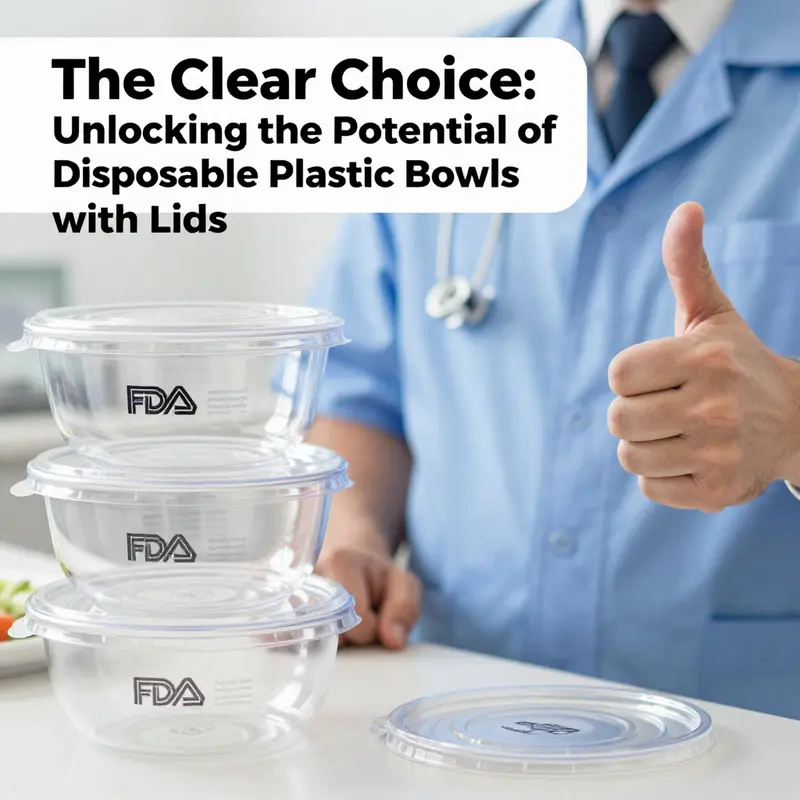
Clear plastic disposable bowls with lids occupy a quiet ubiquity in kitchens, cafeterias, banquets, and home meal-prep alike. They offer a straightforward promise: see what you’re serving, keep it contained, and transport it with minimal fuss. But behind that promise lies a web of health and safety considerations that shapes every step from material selection to lid design, from labeling to end-of-life recycling. The regulatory framework governing these bowls is not a mere checklist; it is a living set of expectations about food contact, chemical migration, mechanical integrity, and environmental responsibility. For designers and buyers alike, understanding this framework is essential to ensure that the convenience these containers provide does not come at the expense of consumer safety or public trust. The conversation around safety begins with materials but does not end there. It travels through manufacturing standards, performance guarantees, and the regulatory attitudes that various regions enforce to limit risk while enabling the speed and efficiency that modern food service demands. In this sense, the clear bowl is not only a vessel for soup or salad but also a site where science, policy, and practice converge to protect the palate and the person who tastes what lies within.
Material safety and certification form the foundation of any discussion about food-contact plastics. The most common materials for clear bowls are specific food-grade plastics such as polypropylene and PET. These polymers are selected for their clarity, rigidity, and general compatibility with direct food contact. A critical aspect of safety in this domain is ensuring that the plastic is BPA-free and free from other substances that could migrate into food. Migration refers to the movement of chemicals from the packaging into the food, a risk that increases with certain conditions such as high fat content, acidic foods, or elevated temperatures. Reputable manufacturers often emphasize BPA-free compositions and compliance with established food-contact standards to reassure buyers that the container is appropriate for everyday use. In regulated markets, guidelines and tests designed to evaluate migration are standard, and evidence of compliance is typically demonstrated through third-party certifications or regulatory markings. For a representative look at certified, food-grade options, consider the kind of listings that emphasize the absence of BPA and the suitability for direct food contact. A practical reminder for buyers is to verify that any claimed certifications align with the certifying body recognized in their region. This diligence helps prevent scenarios where a product is marketed as safe but lacks robust, independent verification.
Beyond the material itself, the physical design of the lid and container interface plays a pivotal role in safety. A well-engineered lid must provide a secure, leak-proof closure to prevent spills during transport and to maintain the product’s integrity during storage. The closure mechanism typically a tight snap-on or a twist-on seal must remain reliable under a range of temperatures and handling conditions. Regulatory and industry references emphasize that packaging must not degrade or fail in a way that could lead to contamination or leakage. In practice, this means that lid rims must be free of sharp edges, the sealing surface must stay intact after repeated use or exposure to typical transport conditions, and the overall assembly must resist minor impacts that could otherwise compromise containment. When these criteria are met, the product supports not only hygiene but also reduces cross-contamination risks in busy service environments.
However, reliability is a two-way street. No matter how robust a lid may be, performance limitations can arise from misapplication or improper use. Not all clear bowls are microwave-safe, and even if a container seems sturdy, heat can cause warping, cracking, or the leaching of substances if the material is stressed beyond its design limits. Internal manufacturing insights consistently warn that repeated heat exposure or strong-smelling foods can stress seals and lids over time, potentially creating avenues for odors to transfer or for micro-leaks to form. The safety takeaway is clear: always check the manufacturer’s guidance about heat tolerance and microwave compatibility, and avoid subjecting non-microwave-safe containers to high heat. Consumers and food-service operators alike should be mindful of contents that might alter the container’s performance, such as highly acidic or fatty foods, which can influence migration behavior or compromise the seal integrity if the container is exposed to heat.
The regulatory landscape adds another layer of complexity, one that increasingly centers on environmental considerations alongside health and safety. In many regions, there is growing scrutiny of single-use plastics, with policymakers steering toward reduced reliance on disposable packaging and toward materials that are recyclable or compostable. While the health and safety outcomes remain the priority, packaging design now also reflects environmental expectations. In this context, it is common to see manufacturers highlighting recyclability or post-consumer content as part of a broader sustainability commitment. Regulations and guidelines in this space encourage product designers to balance performance with environmental responsibility, ensuring that packaging can be recycled where feasible and that its production minimizes environmental impact without compromising safety.
For buyers navigating these waters, the path to safe and compliant choices is anchored in verification and due diligence. Health and safety claims should be supported by credible documentation such as FDA or other regional food-contact approvals, migration testing results, and clear statements about material composition. Consumers and businesses should verify that the product is indeed BPA-free, free from phthalates or other restricted additives, and that it is labeled with appropriate safety marks or certifications. In practice, this means requesting and retaining documentation that verifies material safety, as well as information on heat resistance, compatibility with microwaving, and the intended use scenarios. It also means understanding regional regulations that may affect the product’s acceptance in specific markets. For example, some markets restrict certain additives or impose stringent migration limits for hot foods, requiring more rigorous testing and verification from suppliers. The emphasis is on transparency: claims without supporting data are insufficient, and buyers should expect to see test reports or certifications that can be traced back to a recognized standard or accredited lab.
In the pursuit of safe packaging that also respects consumer expectations for clarity and convenience, many operators look for packaging options that simplify compliance while preserving display quality. This is where design philosophy intersects with regulation. A practical approach is to select containers that clearly communicate their intended use, heat limitations, and recycling capabilities through labeling that is easy to read and consistent with regional requirements. Transparency in labeling helps reduce misuse such as microwaving a non-microwave-safe bowl or storing liquids beyond recommended temperatures which directly relates to consumer safety and satisfaction. As part of a broader design strategy, one can consider packaging choices that integrate with other safe, display-friendly options in your supply chain. For those exploring packaging solutions more broadly, a useful reference point is the discussion of disposable packaging options that balance protection with responsible material choices and practical aesthetics. See disposable octagonal box packaging for an example of how packaging formats can be designed to support safe handling and presentation, even when the content varies from one application to another.
Regulatory compliance does not occur in a vacuum. It persists across the product’s lifecycle from design and manufacturing to transport, storage, and end-of-life management. Regional regulations that govern single-use plastics often framed around environmental impact as well as consumer safety shape what materials may be used, what testing is required, and how readily packaging can be recycled. In practice, this means manufacturers adopt processes that support traceability, consistent quality, and repeatable performance. It also means that buyers must stay informed about evolving standards and emerging certifications that reflect both health and environmental priorities. The goal is to ensure that the packaging protecting the food is not only physically sound but also procedurally sound capable of withstanding recalls, more stringent health checks, and new recycling streams that society is increasingly prioritizing.
For those who want to connect safety with practical procurement, the overarching message is simple: verify materials, confirm performance, and acknowledge regional constraints and opportunities. The most reliable paths are built on verifiable data, transparent labeling, and a supplier willing to furnish technical specifications, test results, and third-party certifications. This approach not only reduces risk but also builds trust with customers who expect that what they see in the bowl is exactly what they get a product that is both visually appealing and rigorously safe. In this sense, the clear plastic bowl with lid becomes more than a convenience; it becomes a vehicle for responsible practices that respect food safety, consumer confidence, and the broader imperative to minimize risk while delivering quality. External resources and regulatory guidance reinforce this discipline, serving as anchors as markets evolve and as new understanding about materials and their interactions with food develops over time.
External resource:
https://www.alibaba.com/product-detail/Clear-Disposable-Plastic-Bowls-8oz-12oz-16oz_1600749228377.html?src=1600749228377&spm=a2700.1.wissu.1
Seeing Through Service: Market Trends in Clear Plastic Disposable Bowls with Lids
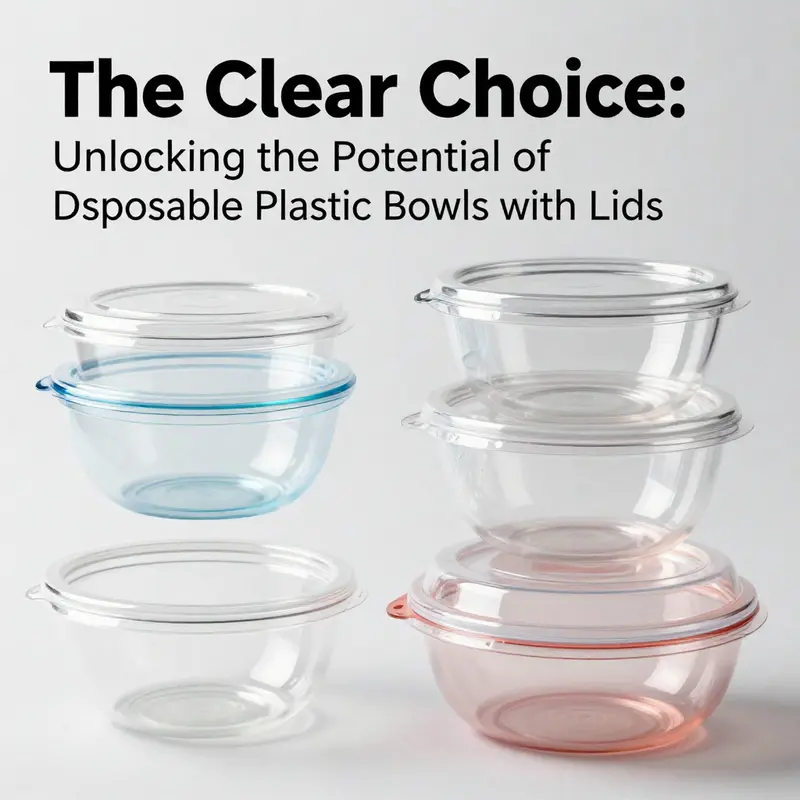
Clear plastic disposable bowls with lids occupy a quiet but essential role in kitchens, catering lines, and grab-and-go counters. Their transparency invites the eye, letting colors and textures speak for themselves, turning a simple bowl into a stage for vibrant greens, golden desserts, and iced treats. This visual clarity isn’t merely aesthetic. It reduces confusion in a fast-paced service environment, enabling staff to verify portions at a glance and guests to identify contents without lifting lids. In many operations, the same container serves multiple roles—from prep containers to customer-ready serving vessels—making reliability and hygiene paramount. As a result, the market for these bowls has become a dynamic storyline of materials science, design ingenuity, and supply-chain strategy, all aimed at balancing performance with cost and environmental responsibility.
Material choices anchor this story. PET offers exceptional clarity and rigidity; PP adds heat resistance and sturdiness. Both are widely used, and both can be certified as food-grade and BPA-free, addressing consumer concerns about safety. In practice, restaurants often choose PET for salads, cold desserts, or fruit trays where appearance matters most, while PP is favored for soups or hot dishes where higher temperature tolerance is necessary. The FDA and similar regulatory bodies provide oversight, ensuring that these containers meet direct-contact food safety standards. The result is a family of products that can be relied upon across a range of menus and service formats. Yet behind the glossy surface lies ongoing innovation aimed at extending shelf life, maintaining clarity, and simplifying handling.
Sustainability is now a central driver of product development. The old dichotomy of convenience vs. environmental impact no longer holds in many markets. Producers and buyers alike are increasingly attracted to compostable or recyclable options, including PLA-based alternatives derived from cornstarch. The challenge is achieving the same level of clarity and durability that consumers expect from traditional PET or PP, while ensuring compostability under realistic conditions. Industrial composting facilities can handle PLA, but home composting is often less reliable. Therefore, the most credible products in this space combine food-grade safety, transparent appearance, and a credible end-of-life path, whether through certified compostability or robust recycling streams. Certification matters: a bowl might carry Food and Drug Administration notices, independent third-party tests, and credible labeling that communicates its end-of-life story to buyers who want to align with sustainability goals. In this context, marketplaces that aggregate verified suppliers—whether on global platforms or regional networks—play a crucial role in building trust and scaling adoption.
Functional innovation has transformed how these bowls perform in the wild. It starts with the seal. Leak-proof, secure-sealing lids, often using threaded or snap-on mechanisms, protect contents during transport and on crowded catering carts. They are designed to resist pressure from stacking, temperature fluctuations, and the jostle of delivery routes. This reliability reduces spills, protects the brand, and lowers waste—an economic and environmental win. Some lids also support tamper-evidence features, which reassure customers about freshness. On the design side, manufacturers have integrated flexible patterns, such as printable stickers or labels, enabling brands to customize the packaging without compromising the container’s practicality. The practical effect is a packaging ecosystem that supports both efficiency and expression: operators can quickly assemble meals, while vendors can convey personality through branding, seasonal promotions, or nutrition information that becomes visible at a glance.
Size and application diversification has followed demand for portion control and event-scale service. Clear bowls range from petite 4–8 ounce servings for desserts or samples, up to large 64-ounce vessels for bulk salads or family-style servings. The appeal of high clarity remains central; vibrant ingredients and layered textures stay visible, inviting appetite and revealing value. For retailers and caterers, the right size also translates into streamlined inventory and reduced waste, as customers select precisely what they want and staff can portion accurately. In a competitive landscape, this flexibility becomes a selling point, especially when paired with reliable lids, clear labeling, and even branded touches that remind customers of a venue’s identity. The trend toward modular sizing is not just about convenience; it reflects a broader philosophy that packaging should adapt to how people eat, where they eat, and how often they reorder.
Delivery platforms have amplified the need for durable, hygienic packaging solutions. The digital food marketplace rewards speed, reliability, and secure handoffs between kitchen and doorstep. A clear plastic bowl with a sturdy lid minimizes leaks during transit, preserves temperature, and reduces the risk of cross-contamination when containers are stacked or nested for shipment. This is especially important for multi-item orders, where different components travel together in a single package. Operationally, distributors and foodservice operators value containers that stack efficiently, saving space in backrooms and during loading. The economic calculus becomes clear: higher initial cost can be offset by lower spoilage, fewer refunds, and better customer satisfaction scores. In markets with high demand for takeout and meal-prep services, the combination of transparency, seal integrity, and size variety makes this family of packaging an enduring solution rather than a passing convenience.
Sourcing and standards are never far from consideration. For buyers, the assurance of food-grade materials and regulatory compliance is essential. PET and PP are well-established in this space, but the market is increasingly attentive to the provenance of every component, from the resin to the lid gasket. Verified suppliers, third-party testing, and clear labeling help reduce risk in large orders and long-term contracts. In many cases, buyers look for bulk packaging options that align with sustainability goals—recyclability in the right streams, clear instructions for disposal, and the possibility of branded customization that reinforces equity and identity without compromising performance. The supply chain reality blends global reach with local compliance: manufacturers source materials that meet safety standards, while distributors ensure packaging solutions integrate smoothly with existing kitchen equipment, labeling systems, and delivery workflows. The result is a balanced ecosystem where cost, safety, and aesthetics converge in a way that supports both everyday meals and special events.
Looking ahead, the outlook for clear plastic disposable bowls with lids remains robust but nuanced. The market is unlikely to swing toward a single material paradigm; instead, it will likely feature a mosaic of options that serve different needs. The most successful products will keep clarity and seal performance high, even as end-of-life pathways evolve. The tension between environmental responsibility and practical performance will continue to push material science forward. Innovations in barrier properties, color stability, and lid geometry will help maintain the appeal of clear bowls for salads and desserts while enabling more ambitious uses, such as piping hot soups or layered cold dishes under chill conditions. In some regions, regulations may tilt toward stricter labeling of recyclability and compostability, nudging producers to design for circularity from the outset. For buyers, that means evaluating not just the container in isolation but the entire packaging system—how the bowl, lid, and any branding elements work together in a single, efficient workflow. As consumer expectations evolve, the role of clear plastic bowls with lids becomes less about a single purchase and more about an integrated packaging solution that travels from kitchen to consumer with minimal waste and maximal presentation.
For those navigating this landscape, the practical takeaway is to balance form and function with responsibility. The bowls’ transparency is a narrative as much as a feature: it communicates freshness, quality, and attention to detail. The lids, seals, and sizes are not merely technical specs; they are signals of reliability and brand care. In a world where delivery is common and on-site service remains essential, these containers provide a reliable backbone for dining experiences that arrive on time, intact, and ready to enjoy. The challenge—and opportunity—lies in selecting a packaging system that aligns with menu requirements, customer expectations, and environmental commitments. The market rewards those who combine credible safety credentials with attractive presentation and practical usability, crafting a packaging story that supports seamless operations and memorable dining moments.
External resource: Alibaba.com
Final thoughts
Clear plastic disposable bowls with lids are not just a practical choice; they are revolutionizing the food service industry by combining functionality with aesthetic appeal. Understanding their material properties, economic advantages, environmental impacts, health regulations, and market trends sheds light on their integral role in modern food service operations. By choosing the right disposable tableware, businesses can enhance their service quality while staying compliant and addressing sustainability concerns, making these bowls a clear choice for success.