
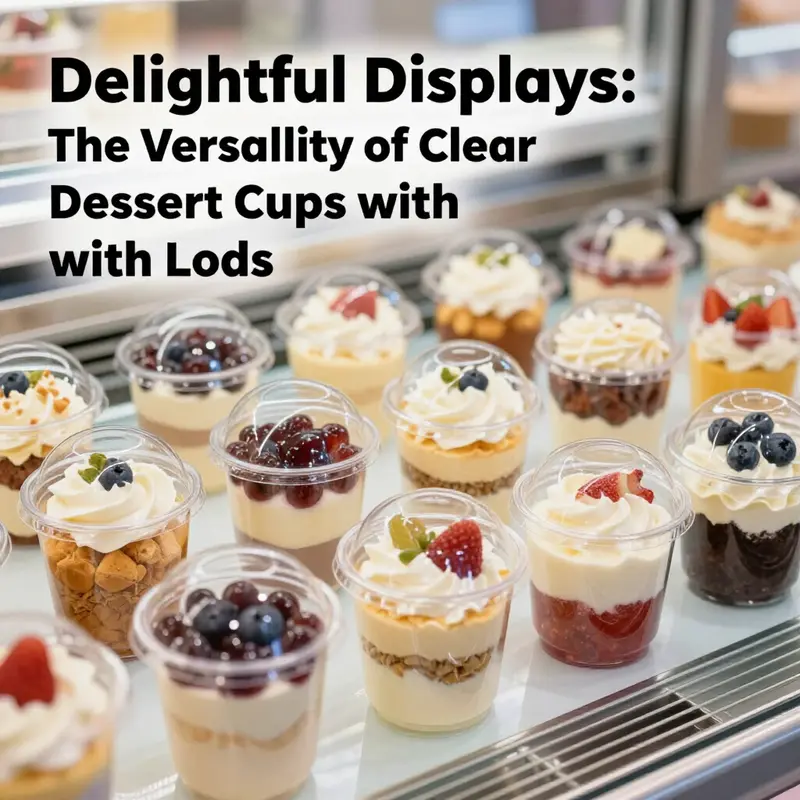
Clear plastic dessert cups with lids have emerged as a game-changing solution for businesses in the food service industry. Whether you’re a bubble tea shop, restaurant, food truck, or catering service, these versatile cups offer unparalleled aesthetic appeal and practicality for serving a wide array of desserts and beverages. Their transparent design not only showcases the vibrant layers and colors of desserts but also meets the functional needs of a variety of service contexts. This article will delve into their numerous applications, the materials and manufacturing processes that ensure their quality, current market trends and consumer preferences, and their environmental impact—a holistic examination of why these cups are an essential addition to your service offering.
Seeing Through Flavor: The Essential Roles of Clear Plastic Dessert Cups with Lids in Modern Food Presentation
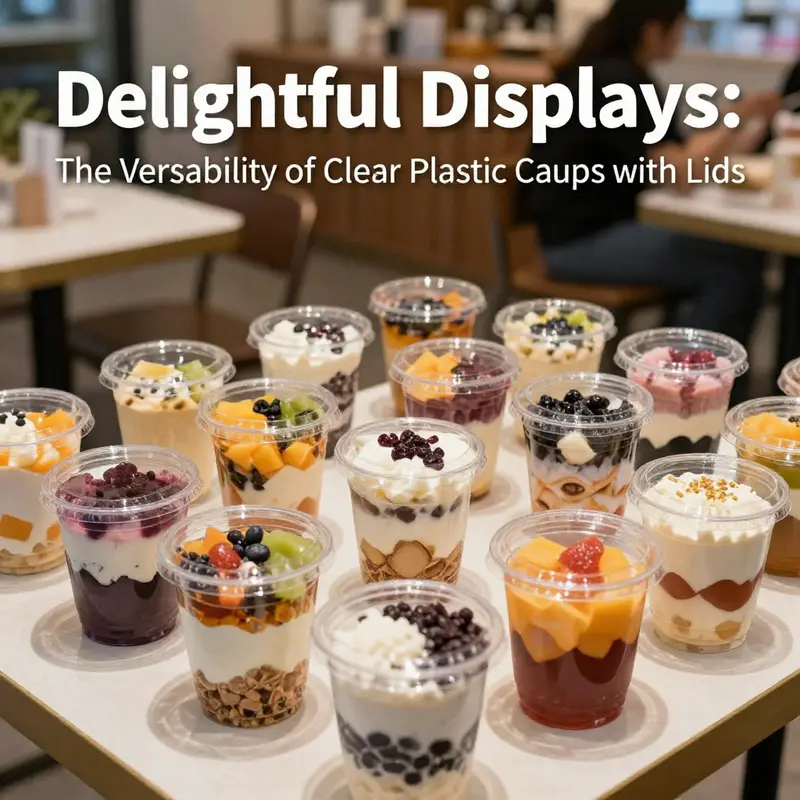
Clear plastic dessert cups with lids offer a balance of visibility and protection that matters in today’s foodservice. The transparency of the cup shows the dessert’s color and texture, inviting the eye before the first bite. A well-sealed lid preserves freshness and minimizes spills during transport, helping to deliver a consistent experience from case to customer.
In bakeries and patisseries, the ability to display layers—cream, fruit, mousse, or jelly—without opening the container is a key selling point. The lid keeps condensation at bay and reduces exposure to air, which helps maintain texture and visual appeal while the dessert travels to display or takeaway locations.
In cafes and fast-casual settings, clear cups enable quick identification of contents for staff and customers alike. The ability to assess toppings and portioning without removing the lid supports speed and accuracy during busy service periods. Sustainability considerations, such as BPA-free plastics and recyclability, also influence procurement decisions, with many operators seeking materials that balance clarity, safety, and environmental responsibility.
Ultimately, the choice of lid type—domed, flat, or tamper-evident—should align with the dessert’s structure and the service context. For layered desserts with toppings, a lid that preserves volume and prevents leakage is ideal; for delicate, single-portion treats, a compact seal with clear visibility may be preferred. Together, the cup and lid form a portable presentation that communicates quality, supports efficient service, and enhances the consumer’s enjoyment.
Clarity, Seal, and Scale: Materials and Manufacturing for Clear Plastic Dessert Cups with Lids
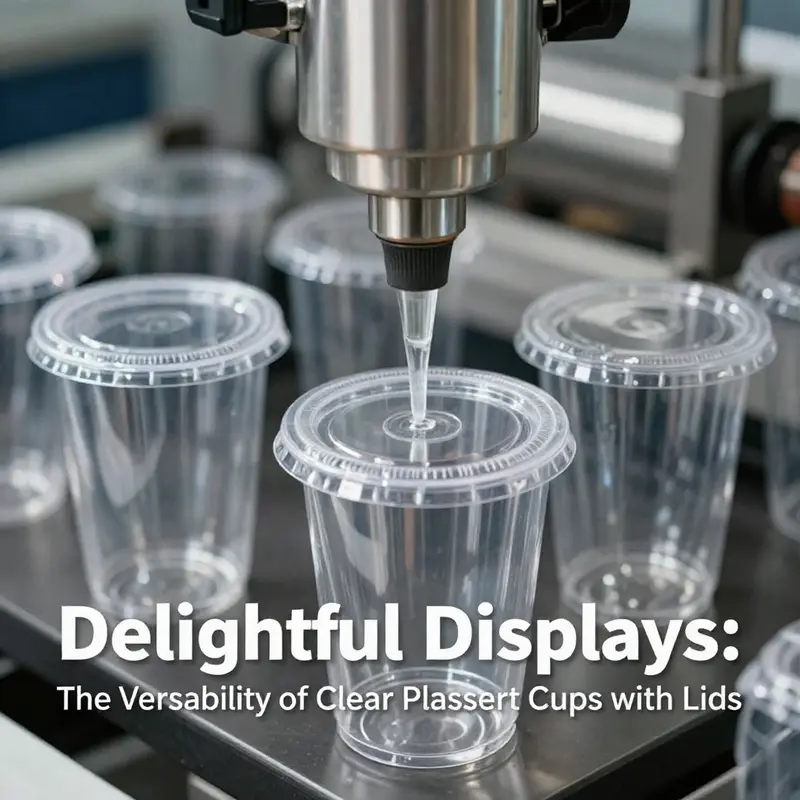
Clear plastic dessert cups with lids sit at the intersection of aesthetics and function. They are not merely containers; they are visual frames for desserts, a practical stage where color, texture, and form are showcased while protection and convenience do the heavy lifting behind the scenes. The journey from raw polymer pellets to a finished, boxed product that can travel from bakery to break room relies on a careful balance of material science, process engineering, and thoughtful design. When done well, the cups become almost invisible—letting the dessert take center stage—yet they perform with reliability, safety, and efficiency that food service operators depend on every day.
At the heart of this balance is material selection. The most common choices—PET, PS, PP, and PLA—each bring a unique set of properties that shape not only the cup’s appearance but its performance across the cold, hot, or celebratory contexts in which it will be used. PET, with its exceptional clarity and rigidity, has long been the favorite for transparent cups that rely on visual appeal. The high level of optical transparency makes the layers of a parfait or the swirls of a gelato sundae vividly legible, inviting immediate consumer engagement. PET is also praised for its cleanliness and relatively straightforward recyclability, reinforcing its position as a packaging option that can align with sustainability goals when the supply chain and end-of-life options are well managed.
Polystyrene offers another route to crisp visibility at a lower cost, particularly in applications where the dessert is not exposed to heat. Its brittleness, however, becomes a limiting factor for hot liquids or for desserts that require more vigorous handling. In this context, the choice of material is not simply about transparency; it is about the entire lifecycle of the product, from the moment the crown of whipped cream is added to the moment the lid is snapped into place for transport. Polypropylene introduces a different set of strengths. PP’s toughness and heat resistance expand the catalog of desserts that can be safely contained in a single cup—from chilled mousse to warm custards—without compromising structural integrity. Its chemical resistance and fatigue tolerance also make it a reliable choice for flat-sealed or snap-fit lids, where repeated opening and closing might be part of a service workflow.
A growing subset of the market leans toward PLA, a biodegradable polymer derived from renewable resources such as corn starch. PLA answers demand for compostable packaging and aligns with sustainability narratives in many markets. Yet its lower heat resistance imposes limits. Desserts served at room temperature or cooler benefit from PLA without sacrificing safety, while hot-fill or long-warm sequences may require a traditional fossil-based polymer to maintain performance and avoid deformation. Each material, then, must be evaluated not only for its appearance but for its end-use profile: how it handles heat, how it preserves shape during transport, how it interacts with the dessert’s components, and how it can be responsibly managed after use.
Lids, the often-overlooked counterpart to the cup body, participate in the same material ecosystem and carry their own design imperatives. For clear cups, dome-shaped lids are popular where light headspace matters for whipped toppings, foam, or fruit pieces that could otherwise press against a flat lid and compromise presentation. Flat, sealed lids, on the other hand, offer maximum protection for more delicate or chunky fillings, where space constraints demand a tighter seal and a sturdier barrier against leakage. The choice of lid material—PET, PP, or HDPE—complements the cup’s material, with injection molding frequently used for precision lids and thermoforming for higher-volume, cost-efficient production. HDPE, in particular, is valued for its strength and chemical resistance, contributing to a robust seal that resists leaks during transport, even when the cup is jostled in transit or stacked with other containers.
The production logic behind these cups and lids is as important as the material choice itself. The manufacturing sequence typically begins with material preparation, where raw polymer pellets are melted and conditioned to a precise viscosity and temperature. The molding stage then shapes the cups through either injection molding or blow molding. Injection molding suits parts with thicker walls or more complex geometry, enabling tight tolerances and consistent surface finish. Blow molding, by contrast, excels in creating hollow, uniform shapes that maximize transparency and minimize wall stress. Lids are produced through injection molding or thermoforming, depending on the desired geometry, wall thickness, and production throughput. Assembly follows, with lids designed to snap-fit or seal over the cup rim. In some designs, a straw hole is integrated into the lid, enabling quick and convenient on-the-go consumption.
Quality control is not an afterthought but a core driver of reliability. Dimensional accuracy, sealing integrity, and food-contact safety compliance are validated through a suite of checks. Dimensional checks ensure rims, lips, and sealing surfaces align tightly enough for a consistent seal. Sealing integrity tests, including leakage and adhesion assessments, certify that once the lid is closed, the contents won’t escape during transport or handling. Safety checks verify that the chosen materials meet food-contact regulations, while compatibility tests confirm the absence of migrations or interactions that could affect flavor or safety. The packaging stage then sorts, stacks, and bags the cups in bulk quantities, ready for distribution to food-service operators, retailers, and event planners.
When the design and manufacturing teams lean into the material properties with a systems mindset, the results are cups that deliver pristine visual appeal without sacrificing durability. The clarity of PET, the resilience of PP, or the compostability of PLA becomes not just a trait but a strategic decision that aligns with a brand’s values, a retailer’s shelf plan, and a consumer’s expectations for hygiene and convenience. The lid then completes the equation, offering a reliable barrier that preserves freshness and reduces spill risk without dulling the cup’s transparency or adding unnecessary weight. In practice, the most successful products come from a deliberate balancing act: the wall thickness of the cup is tuned to resist deformation under load while preserving optical clarity; the lid geometry is engineered to provide a tight seal without requiring excessive force to snap shut; and the overall assembly is designed for clean, efficient automated packaging that minimizes handling and waste.
A broader shift in the packaging landscape also informs this material and process calculus. Sustainability pressures have accelerated the adoption of recyclable polymers such as PET and PP, alongside the exploration of bio-based and compostable options like PLA in contexts where end-of-life management is feasible. Certification programs and recyclability guidelines are increasingly part of product specifications, guiding suppliers toward materials that fit into established recycling streams or composting infrastructure. This isn’t a one-size-fits-all framework; it requires a clear mapping of consumer behavior, waste management capabilities in key markets, and brand commitments to circularity. For some operators, the most responsible choice is a mixed approach: use PET for clarity and recyclability where recycling infrastructure is strong, pair with PP lids for durability and heat resistance, and deploy PLA only where composting facilities exist or where regulatory frameworks encourage compostable packaging.
The precision and care embedded in materials and manufacturing also extend to customization and branding. Many suppliers offer options to brand the cups with logos or color accents, enabling brands to transform a simple dessert cup into a portable advertisement or a distinctive touchpoint at events. Customization may involve not just decorative printing but the integration of branding into the structural design, such as ribbing or texture that supports grip during handling or stackability. In this way, the same material science that optimizes clarity and seal also supports marketing goals by delivering a product that is not only functional but also recognizably aligned with a brand’s identity. A notable aspect of this ecosystem is the potential for collaboration between packaging designers and branding teams to ensure that the final product harmonizes with the dessert’s visual narrative while maintaining the required performance thresholds.
Readers who seek inspiration or further context on sustainable packaging solutions can explore related options that emphasize eco-friendly design in the broader cup and lid landscape. For instance, a resource focusing on eco-friendly printed logo cold beverage cup with lid offers a practical glimpse into how branding and sustainability considerations can be married in a packaging concept. This example underscores how material choices and lid configurations influence branding opportunities and end-user experience, from the moment a consumer spots a cup on a display to the moment they take a first flavorful bite. eco-friendly-printed-logo-cold-beverage-cup-with-lid
The conversation about materials and manufacturing would be incomplete without acknowledging the broader knowledge base that accompanies these design choices. A comprehensive external reference outlines the full spectrum of plastic cup and lid configurations, offering a detailed overview of material behaviors, molding technologies, and performance trade-offs across different use cases. This resource can provide a grounded sense of how a seemingly simple cup behaves under real-world conditions, from stacking loads in a pantry to thermal exposures in a cafe line. External resource: https://www.alibaba.com/product-detail/A-Complete-Guide-to-Plastic-Cups-With-Lids_1600495849877.html
Ultimately, the story of clear plastic dessert cups with lids is a story about how clarity, seal, and scale come together through material science and manufacturing discipline. The choice of polymer sets the stage for visual impact and functional reliability; the molding and forming processes translate raw resin into precise shapes; and the sealing geometry and lid design ensure that what sits inside remains pristine, whether the cup is displayed on a shelf, handed to a customer, or carried across town in a delivery bag. When teams work in concert—engineering, quality control, product development, and sustainability specialists—the resulting packaging not only protects and transports desserts but also elevates the consumer experience. Consumers notice the vivid layers of a parfait first, but they stay for the assurance that the dessert will arrive intact and ready to enjoy.
Seeing Value in Clear, Confident Packaging: Market Pulse, Sustainability, and Branding for Transparent Dessert Cups with Lids
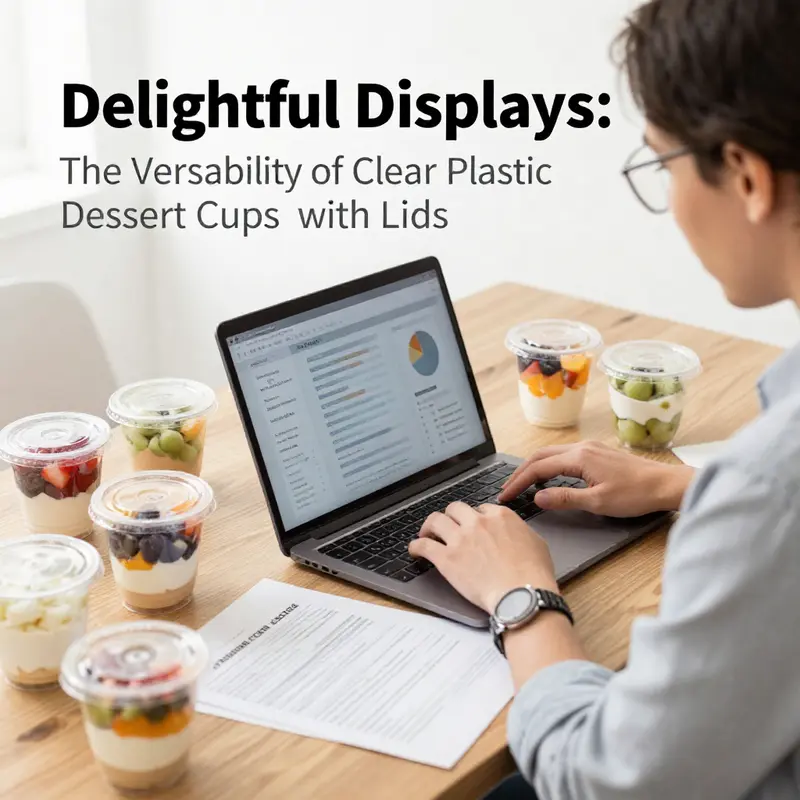
The market for clear plastic dessert cups with lids is not just about storage and portability. It is deeply about how a purchase feels before a single bite is taken. When a customer peers into a cup and sees layers of vibrant fruit, creamy swirls, or perfectly piped mousse, the visual narrative begins long before the dessert is sampled. This is the power of transparency in packaging. The clear walls act like a stage that reveals color, texture, and even the faint sheen of a glaze, allowing the dessert itself to speak to the consumer. In a crowded display, the clarity of the cup becomes a differentiator. It reduces guesswork, speeds decision making, and heightens appetite by inviting a quick, confident assessment of freshness and quality. For retailers and caterers, the benefit extends beyond perception. Clear cups with lids support faster service, smoother takeout, and a more consistent in-store experience. The packaging becomes an extension of the dessert’s story rather than a mere container, and that storytelling is increasingly valued in modern foodservice where visuals can drive impulse purchases and repeat visits alike.
As this visual dynamic gains prominence, lid design emerges as a crucial partner to the cup. A dome-shaped lid introduces precious headspace for whipped cream, foam, or delicate toppings, while still showcasing the dessert beneath. This design choice is particularly influential for layered treats such as parfaits or gel-based explorations where height and composition matter. The dome lid, by accommodating generous toppings, prevents compression and collapse during transport and display, preserving the dessert’s intended texture and appearance. By contrast, flat sealed lids offer a compact, secure seal ideal for chunkier fillings or items that travel in brisk, busy service environments. The lid is not an afterthought; it is a functional, design-driven element that can elevate both the perceived value and the reliability of the product during delivery, pickup, or counter service. Even small accessories, like a straw or a spoon included with the cup, contribute to a seamless on-the-go experience, turning a simple dessert into a complete, ready-to-enjoy package.
The materials that underlie these cups matter as much as the aesthetics. The industry-standard choices—high-quality, food-grade PET or polypropylene—are selected for clarity, safety, and resilience. PET, known for its transparency, helps the dessert’s colors pop while offering a robust barrier against moisture and odors. Polypropylene adds impact resistance and a higher heat tolerance, expanding the range of desserts and serving scenarios that can be confidently carried from kitchen to customer. In a time when health considerations are paramount and consumer trust hinges on material safety, these polymers are typically chosen for their BPA-free profiles and compatibility with common cleaning and production workflows. The result is a container that looks pristine, performs reliably, and supports a hygienic, easy-to-handle product that aligns with safety standards demanded by retailers and consumers alike. The combined effect is a packaging solution that feels premium in the hand while staying affordable for high-volume operations.
Yet the visual and functional attributes alone do not propel growth. Sustainability and safety have become twin lenses through which consumer choices are filtered. The shift toward eco-friendly, BPA-free materials is no longer a niche concern but a market baseline. PET plastic, when sourced responsibly and designed for recyclability, can offer a compelling balance of clarity and environmental responsibility. The emphasis on eco-friendly disposable materials has become a selling point across the supply chain, with suppliers highlighting BPA-free PET variants and recyclable construction as core attributes. In practice, this means that a consumer can view a dessert with confidence and know that the packaging aligns with broader health and environmental values. The conversation around sustainability rarely stops at material selection; it extends to how these cups fit into circular systems. If a cup is designed to be recycled, it invites a second life beyond its moment of use, reinforcing a brand’s commitment to responsible stewardship and reducing the ecological footprint associated with single-use packaging. In this ecosystem, the cup becomes a small, tangible promise to customers that convenience can harmonize with conscience.
Branding and customization have evolved from optional luxuries to core strategies for growth. Modern retailers and food artisans view the clear cup as a canvas for logo, color, and typography that reinforce a brand’s story. Customization options—whether through logo printing, color accents on lids, or even coordinated packaging sets—enable a cohesive consumer experience. A premium dessert offered in a branded cup signals a deliberate, curated approach to product presentation. It transforms ordinary packaging into a miniature billboard that travels with the customer, professionalizing gift sets, event offerings, and premium dessert lines alike. The ability to tailor these cups to corporate identities or seasonal campaigns can help businesses differentiate themselves in a crowded market and build lasting recognition with customers. The emphasis on branding dovetails with the desire for consistency across channels, whether in a bakery, a patisserie, or a catering setting where presentation often determines perceived value.
Beyond aesthetics and ethical considerations, practical design features contribute to a more efficient and scalable operation. The capacity range—from compact 3-ounce servings to substantial multi-portion options up to 32 ounces—addresses a wide spectrum of use cases. Small cups suit single-serve desserts, fashioning elegant giftable portions for offices, events, or shop displays. Medium-sized cups are ideal for parfaits, layered jelly, and fruit-tort style creations that benefit from visible strata. Larger cups accommodate hearty portions and family-style servings at events, retail counters, and deli counters where impulse buys are common. The flexibility to mix sizes within a single product family helps caterers and retailers tailor menus and promotions without sacrificing brand coherence or supply chain simplicity. This versatility aligns with a growing demand for modular packaging that supports both everyday service and special occasions, enabling businesses to respond quickly to seasonal menus, promotions, or volume-driven events.
From a supply-chain perspective, the market is increasingly oriented toward options that support bulk purchasing and customization without compromising quality. Wholesale pathways and bulk quantities are common, providing cost-effective solutions for event planners, bakeries, and food-service operators who face peak periods and high turnover. The appeal of ready-to-ship, standardized formats—paired with the option to personalize via branding—helps operators scale operations while maintaining a consistent customer experience. The combination of durability, clarity, and reliable seals reduces waste and returns, since droppage and leaks during transport are less likely when lids fit precisely and materials resist mishandling. A reliable tray of desserts, transported in a well-fitted, visually compelling container, helps ensure that the dessert looks as intended when it reaches the customer’s hands, preserving the chef’s or baker’s craft through the journey from kitchen to table.
In practice, successful use of clear cups with lids hinges on thoughtful pairing of cup, lid, and fill level with the dessert’s physical characteristics. A whipped-cream topping, for instance, benefits from a lid that provides extra space while safeguarding the topping’s airy texture. A jelly or mousse with delicate fruit garnish demands a lid that seals securely, minimizing the risk of leakage and preserving a clean, appealing presentation for refrigerated displays. These considerations extend to the workflow inside the kitchen or bakery, where the speed and precision of filling, sealing, and labeling become important for maintaining consistency during busy service periods. When all components align—clear glass-like transparency, secure seals, and branding that tells a story—the dessert becomes more than a product; it becomes an experience that customers remember and seek out again.
The market’s current trajectory, as reflected in consumer attitudes and industry responses, suggests that visual appeal, safety, sustainability, customization, and functional design will continue to shape demand. The most successful offerings will balance these elements, delivering packaging that enhances the dessert’s aesthetics while supporting responsible consumption and reliable performance. In this context, packaging decisions extend beyond logistics to become integral to brand identity and consumer trust. As brands navigate this landscape, the choice of a clear cup with a matched lid is more than a packaging decision—it is a strategic position that communicates quality, care, and connection with customers who value both beauty and responsibility in their everyday consumables. For those seeking alternative sustainable options that align with similar branding goals, disposable eco-friendly custom paper coffee cups with lid offer a complementary perspective on how packaging can reinforce a brand’s environmental commitments while maintaining a visually coherent customer experience.
To close this exploration, consider the evolving expectations of the consumer who purchases a dessert for a special occasion or a quick, everyday treat. They are not merely buying sweetness; they are buying a promise of freshness, convenience, and worth. Clear plastic dessert cups with lids deliver on that promise by letting the product speak for itself through transparency, by protecting and preserving the dessert during transport, and by offering customization that makes the packaging feel like part of the dessert’s own craft. The market rewards those who can deliver this triad—clarity, safety, and branding—without sacrificing efficiency or sustainability. As retailers and manufacturers respond to this call, the cups with lids will continue to evolve, integrating improved materials, smarter closures, and more engaging on-pack experiences that keep the focus on the delightful dessert inside while aligning with broader consumer values and industry standards.
External resource: https://www.alibaba.com/product-detail/GF-BDDessert-cup-2-Clear-PET_1600767956532.html
From Clarity to Responsibility: The Sustainability Journey of Clear Plastic Dessert Cups with Lids
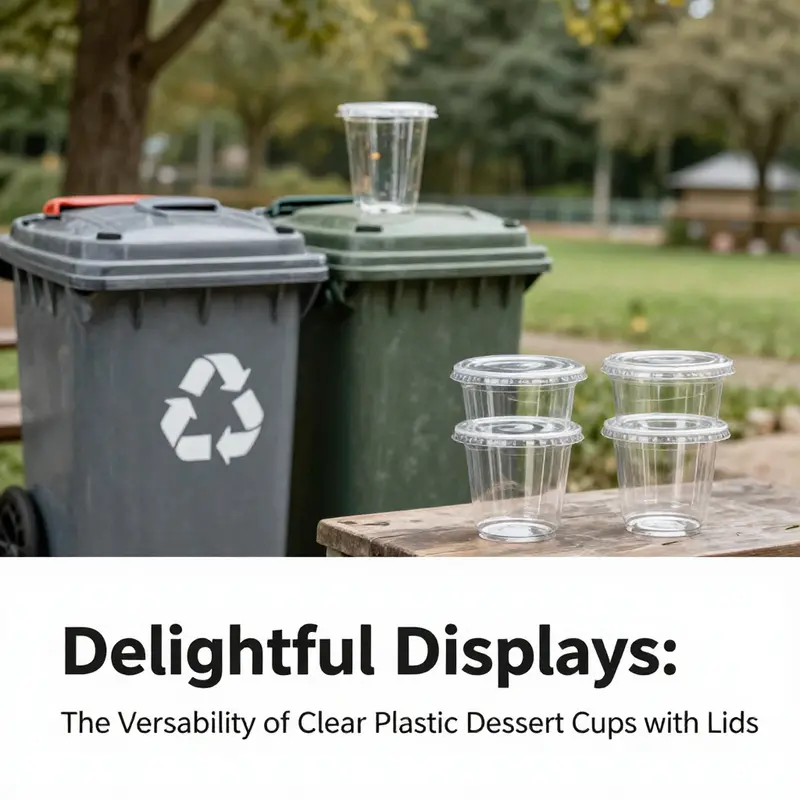
Clear plastic dessert cups with lids are among the most recognizable manifestations of modern food service packaging. Their transparency showcases color, layering, and textures in a way that even the most expert pastry chef would envy. Yet behind that visual appeal lies a complex thread of sustainability considerations that influence how these cups are designed, produced, used, and finally disposed of. The chapter that unfolds here surveys those threads in a way that stays tightly woven with the broader topic of clear plastic dessert cups with lids. Rather than treating materials, recycling, and innovation as isolated topics, this narrative treats them as parts of a circular conversation about how convenience and care can coexist in the realm of single-use packaging. It is a story about choices—choices in material, in design, in end-of-life behavior, and in the broader system that handles discarded cups once their moment in the spotlight has passed. It is a story about responsibility meeting pragmatism, where the urge to keep desserts pristine and portable meets the equally important aim of reducing environmental impact over the long term.
At the core of sustainability in this category is material composition. The most common options—polyethylene terephthalate (PET), polystyrene (PS), and polypropylene (PP)—each bring a distinct set of strengths and challenges. PET is widely regarded as highly recyclable and offers a crystal-clear, rigid form that makes desserts look irresistible. The clarity of PET allows customers to view the layers of a parfait, the swirl of a mousse, or the bright fruit suspended within a jelly. But PET’s performance is optimized for cold or room-temperature usage. Hot fillings can compromise both the physical integrity and the user experience, limiting PET’s suitability for every dessert scenario. This basic trade-off—clarity and rigidity on one hand, heat tolerance on the other—frames many decisions in the design room, where the goal is to preserve visual appeal without compromising safety or practicality.
PS presents a different set of considerations. Polystyrene delivers crisp clarity and a desirable rigidity, which makes it a staple in mini cups and certain decorative applications. However, its recycling landscape is more fragmented, and mismanaged PS often ends up contributing to microplastic pollution if it escapes proper post-consumer streams. The microplastic concern is not merely a distant risk; it translates into real opportunities and challenges for manufacturers, retailers, and municipalities. Consumers may experience this indirectly through contamination in recycling streams or through the perception of plastic as an unsustainable choice. PS’s relatively low recycling rate is a reminder that what is technically recyclable does not automatically translate into high recoveries in practice. This gap between capability and performance drives ongoing efforts to improve separation, sorting, and public awareness about what can and cannot be recycled in local programs.
PP sits in a middle ground that often appeals to brands seeking temperature resilience and durability. Its higher heat tolerance makes PP suitable for both hot and cold applications, expanding the culinary possibilities for dessert cups with lids. PP’s transparency tends to be lower than PET or PS, which some brands trade for the practical benefits of durability and a longer shelf life. Cost considerations also come into play, as PP can be more expensive per unit than PET, a factor that matters when orders scale into thousands of cups for events, cafeterias, or grocery delis. Still, the PP option can be compelling in contexts where the product experience blends with extended warm or cold hold stability. The choice among PET, PS, and PP is rarely a single-factor decision; it is a composite judgment about performance, cost, and the realities of the supply chain, including how end users handle, transport, and dispose of the cups.
Innovations in sustainability are helping to bridge the gaps between performance and responsibility. A notable line of improvements centers on health and safety attributes, such as BPA-free and food-grade assurances. Consumers increasingly expect packaging that aligns with broader wellness and safety values, and manufacturers have responded with certifications and materials that minimize potential risks while maintaining clarity and rigidity where possible. In addition to material purity, there is growing interest in alternative lid concepts. Bioplastic lids, for instance, promise compostability or faster degradation under appropriate conditions. While not a panacea, these innovations contribute to a broader dialogue about what “end of life” can look like for dessert cups. They invite us to consider how lids and cups interact in the lifecycle—from creation through disposal—and how small design choices can yield meaningful environmental dividends when supported by appropriate waste-management infrastructure.
Another dimension of sustainability is design for recyclability and for practical reuse within a circular economy. Even when a cup is designed to be recyclable, the actual recovery rate depends on a host of factors, including contamination, the availability of recycling streams, and consumer disposal behavior. Contamination remains a stubborn barrier to high recycling yields. Food residues from desserts can complicate processing, requiring more stringent cleaning steps or specialized streams. Labeling, adhesives, and printing all influence recyclability, since certain inks and coatings can hinder material separation or contaminate the recycled polymer. Simplifying the material stack—favoring a single polymer or ensuring that components are easily separable—can ease sorting and improve recoveries. In addition, clear labeling and consumer guidance on rinsing and disposing can reduce contamination in the post-consumer phase, translating into better performance for what is technically recyclable.
Design strategies extend beyond material choices. The thickness and geometry of the cup influence both performance and end-of-life outcomes. Thinner walls save material and cost, but they can compromise durability during transport and handling. A robust compromise often involves optimizing wall thickness for the expected use case while maintaining structural integrity for stacking, sealing, and carrying. The lid design matters too. Dome-shaped lids provide extra headspace for whipped toppings, foam, or layered fillings that require air for a dramatic presentation. Flat, sealed lids offer stronger moisture barriers, making them suitable for delicate or chunky fillings that need to stay contained during transport. In every case, the packaging engineer weighs the likelihood of leaks, the risk of breakage, and the ease with which the entire assembly can be recycled after use. The result is a packaging system that aims to protect the product, reduce waste, and still deliver a visually enticing consumer experience.
The social and economic dimensions of sustainability also shape how clear plastic dessert cups with lids are adopted and used. Public education about recycling and sorting is not merely a consumer behavior issue; it is a critical infrastructure challenge. Even highly recyclable materials can fail to realize their potential if plastics end up in the wrong streams. Programs that promote clear, visible disposal instructions, combined with accessible recycling options, can move the needle on recovery rates. The supply chain plays a pivotal role as well. Recyclers, manufacturers, and retailers must coordinate to ensure that the chosen materials and lid configurations align with the capabilities of local facilities. When such alignment exists, more cups can be diverted from landfills and processed into new products, closing the loop in a practical sense.
In practice, sustainable choices in this category are rarely made in isolation. A brand may opt for a PET-based cup for its clarity and cold-use suitability, paired with a recyclable PP lid to improve heat resistance for certain desserts. Simultaneously, the supplier may highlight BPA-free and food-grade assurances to align with consumer expectations about safety and health. The packaging system thus becomes a narrative about responsibility—one that communicates not only the visual appeal of the dessert but also the ethos of how the cup travels from the point of sale to the post-consumer landscape. This narrative is most effective when supported by product stewardship programs, clear labeling, and partnerships that extend the lifecycle of materials through improved recycling processes or even reuse concepts where appropriate.
It is important to acknowledge the limits of current systems. The environmental footprint of disposable cups remains significant, particularly given their single-use nature. Advancements in recycling infrastructure, better consumer education, and more rigorous material design can collectively reduce this footprint. Yet the foundation of meaningful progress often rests on realistic expectations and transparent metrics. Brands, manufacturers, and policymakers need shared benchmarks that track not only material recyclability but also end-of-life outcomes, contamination rates, and the actual recovery of plastics into new products. In the absence of robust data and reliable waste-management pathways, even well-intentioned innovations can underperform. The conversation, therefore, must remain ongoing, data-driven, and collaborative across industries and borders, with the shared goal of ensuring that the sparkle of a clear dessert cup does not come at the expense of the planet.
As the industry experiments with eco-friendly variations and smarter design, it becomes clear that sustainability is not a single feature but a suite of interconnected choices. The move toward BPA-free and food-grade assurances signals a growing consumer demand for safety as part of environmental responsibility. Plant-based or biobased lid options promise faster degradation under appropriate conditions, expanding the toolkit for designers seeking to minimize long-term persistence in ecosystems. At the same time, the practical realities of heat tolerance, transparency, and mechanical performance cannot be ignored. The best path forward weaves together material science, waste-management capability, and behavior change in a way that respects both the dessert’s beauty and the environment’s health. The synergy of these factors creates a packaging ecosystem that supports retail, catering, and take-out settings while moving toward more sustainable norms.
For practitioners in the field, there are concrete steps that can advance sustainability without compromising the consumer experience. Start with a material assessment that weighs clarity, temperature limits, and recyclability in the context of intended use. Consider a uniform approach to labeling and disposal guidance that simplifies sorting for end users. If possible, pilot programs that test alternative lids—such as compostable or recyclable designs—alongside consumer education can reveal practical improvements in end-of-life outcomes. This approach is particularly effective when paired with supplier partnerships that emphasize sustainability certifications and transparent supply-chain practices. The aim is not to replace the familiar feel and reliability of these cups but to augment them with responsible design choices that extend their usefulness beyond a single event or meal.
To illustrate how design and policy can converge, consider the broader implications of sourcing and waste management. When a supplier or brand commits to eco-friendly materials and clear end-of-life messaging, they are participating in a larger dialogue about circularity. The effectiveness of this dialogue depends on the readiness of local recycling streams to accept the chosen materials and the willingness of consumers to follow disposal guidance. By combining clear product design with realistic expectations about recycling performance, the industry can reduce confusion and improve outcomes. The result is a packaging ecosystem that preserves the advantages of clear, durable cups while gradually diminishing their environmental footprint through smarter material choices, improved waste management, and informed consumer participation.
In exploring sustainable packaging options, brands increasingly look for credible indicators that a product aligns with environmental goals. Certifications, third-party testing, and clear disclosures about material composition and end-of-life pathways build trust with customers who want their purchases to reflect their values. This level of transparency helps consumers understand what to do with cups after enjoying their desserts, rather than leaving questions unanswered at the moment of disposal. It also encourages manufacturers to continue refining their designs, exploring alternative polymers, and investing in more efficient manufacturing processes that generate less waste and use fewer energy resources. The journey from clarity to responsibility is ongoing, and every incremental improvement in materials, lids, and disposal practices contributes to a broader environmental benefit that extends well beyond a single cup.
As brands pursue greener packaging, solutions that balance aesthetics and sustainability become essential references for the industry. For example, some menus and retailers now feature packaging options that emphasize recyclability and reuse potential alongside high visual appeal. The goal is to normalize packaging that can be handled responsibly in everyday settings, from cafes to catered events, while maintaining the sensory experience that makes desserts engaging. The chapter’s thread here is straightforward: clarity remains a powerful driver of consumer appeal, but responsibility must accompany it if sustainability is to translate into durable environmental gains. The future of clear plastic dessert cups with lids lies not in a single breakthrough but in a continuum of improvements—material optimization, smarter lid design, better end-of-life management, and a culture of recycling that is visible, practical, and trusted by the people who use these cups every day.
For readers seeking practical avenues to explore these ideas further, one contemporary low-friction example is the adoption of eco-friendly, printed-logo options that maintain the integrity of the packaging while signaling a commitment to responsible design. These options demonstrate how form and function can be aligned with environmental values in ways that are meaningful to customers and feasible for operators. As such, the sustainability journey of clear plastic dessert cups with lids is not purely technical; it is a narrative about how business choices reflect and reinforce shared stewardship of resources. The intertwined destinies of product performance, consumer satisfaction, and environmental health depend on deliberate decisions, measured outcomes, and a willingness to adapt as infrastructure evolves.
External resource: https://www.alibaba.com/product-detail/Custom-Dessert-Cups-Recyclable-PP-Plastic_1600435829877.html
Internal resource for further reading: eco-friendly printed-logo cold beverage paper cup with lid
Final thoughts
The appeal of clear plastic dessert cups with lids transcends their basic function, making them a vital component in the food service industry. From their aesthetic presentation to their practical applications in various business contexts, these cups facilitate enhanced customer experiences while meeting rapidly evolving consumer preferences. As sustainability becomes a critical concern, the use of eco-friendly materials in manufacturing ensures that businesses can adopt environmentally responsible practices without compromising on quality. By understanding the multitude of ways these cups can benefit your operations, you can elevate your service offerings, engage more effectively with your clientele, and contribute positively to the environment. The clear choice for dessert and beverage presentation is clear plastic dessert cups with lids.