
Introduction
In the ever-evolving food industry, the way we present and package our culinary creations can make a world of difference. Plastic food containers have become a staple in fast-paced environments like bubble tea shops, restaurants, and catering services. These versatile containers not only maintain freshness and safety but also enhance the visual appeal of the food, making it more inviting for customers. Imagine the delight of sipping a bubble tea from an aesthetically pleasing container while on the go – it’s a pleasant experience that encourages repeat business and builds brand loyalty. Moreover, as takeout and delivery options become increasingly popular, the importance of reliable and stylish packaging cannot be overstated. In this article, we will explore the innovations and benefits of plastic food containers, especially those well-suited for the specific needs of bubble tea outlets, restaurants, and catering services. Discover our paper packaging options to elevate your food presentation and ensure a delightful dining experience for your customers!
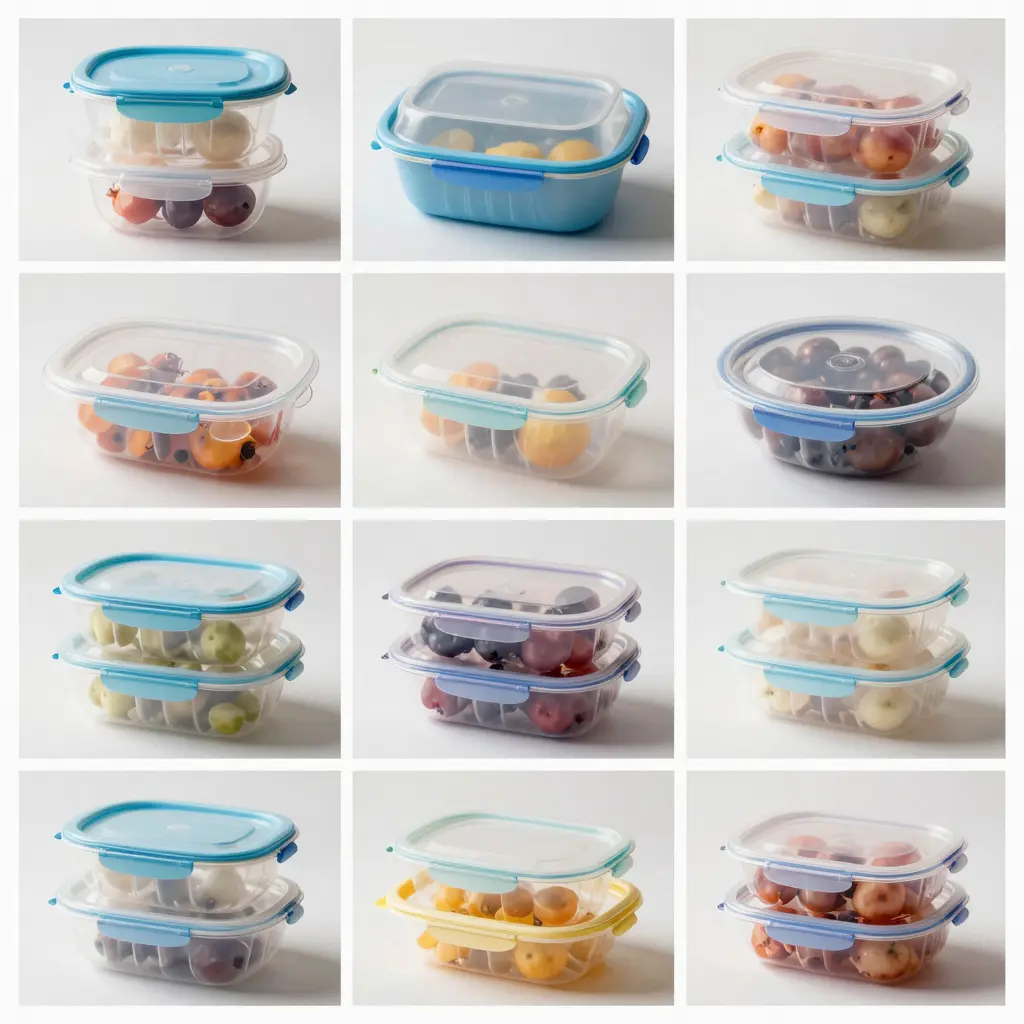
Here is a list of common types of plastic food containers used in food service, along with their uses and target audiences. This comprehensive overview can assist your business in selecting the right containers for various food applications.
Common Types of Plastic Food Containers
-
Clear Plastic Containers
-
Description: These containers are typically made of PET or PP plastic, allowing for easy visibility of contents.
-
Uses: Ideal for salads, sandwiches, and bakery items; great for enhancing presentation.
-
Target Audience: Perfect for cafes, bakeries, and restaurants that want to showcase their products.
-
Locking Lid Containers
-
Description: Featuring airtight seals and locking mechanisms, these containers help maintain freshness and prevent leaks.
-
Uses: Suitable for storing sauces, soups, and marinated items; excellent for take-out meals.
-
Target Audience: Restaurants and food trucks that provide delivery or take-out services.
-
Microwave-Safe Containers
-
Description: Made from heat-resistant plastic, these containers are safe to use in microwaves.
-
Uses: Designed for reheating leftovers or ready-to-eat meals in various establishments.
-
Target Audience: Catering services and meal prep businesses aiming to provide convenient options.
-
Eco-Friendly Containers
-
Description: These are made from biodegradable or compostable materials, appealing to eco-conscious consumers.
-
Uses: Perfect for serving food at events, food trucks, and restaurants committed to sustainability.
-
Target Audience: Ideal for companies looking to enhance their green credentials.
-
Compartment Containers
-
Description: These containers feature separate sections to keep different food items from mixing.
-
Uses: Great for bento boxes, meal kits, and portioned meals.
-
Target Audience: Food delivery services and health-conscious consumers.
-
Bulk Storage Containers
-
Description: Designed for large quantities, these containers help in efficient storage and transport of ingredients.
-
Uses: Ideal for restaurants and catering services needing to store bulk items like grains and sauces.
-
Target Audience: Food manufacturers, hotels, and large catering companies.
-
Ice Cream Containers
-
Description: Specifically designed to hold ice cream at optimal temperatures with insulating properties.
-
Uses: Perfect for ice cream parlors and cafes serving frozen desserts.
-
Target Audience: Businesses focused on dessert offerings.
For further information about various paper packaging solutions, you can explore more here and check out a wide range of paper bowls suitable for your needs.
These containers serve varied functionalities and cater to different customer needs, ensuring that your food service operation runs smoothly while providing quality packaging solutions.
Safety Standards for Plastic Food Containers
In the food service industry, ensuring the safety of plastic food containers is paramount. These containers must adhere to stringent regulations and standards set forth by various health and safety organizations to protect consumers from potential health hazards. Compliance with these safety standards not only safeguards public health but also enhances the credibility and operational longevity of food service businesses.
Key Safety Standards and Regulations
- FDA Regulations: In the United States, the Food and Drug Administration (FDA) oversees the safety of food contact substances, which includes plastic food containers. Manufacturers must ensure that their products do not leach harmful chemicals into food, protecting consumers from potential health risks such as endocrine disruption and other health-related issues.
- EU Standards: In Europe, food contact materials are governed by regulations outlined by the European Food Safety Authority (EFSA). These regulations require thorough testing of plastics to confirm that they are safe for food contact and do not pose a risk to health.
- Compliance with these regulations is critical for businesses exporting products to the European market.
- Certification Processes: Aside from regulatory compliance, many manufacturers pursue additional certifications (like NSF or ISO) that signify adherence to high standards for safety and quality. These certifications can provide an added layer of assurance to both consumers and regulatory bodies.
Importance for Food Service Businesses
- Consumer Trust: Adhering to safety standards builds consumer confidence and trust in a brand. Customers are more likely to choose food service businesses that prioritize food safety and product quality.
- Reduce Liability: Compliance with safety regulations helps mitigate the risk of liability claims due to foodborne illnesses or injuries related to unsafe packaging.
- Market Competitiveness: In a competitive market, businesses that ensure compliance with safety standards are better positioned to attract customers and retain them.
In conclusion, the integrity of food service operations heavily depends on the safety of the materials used. By adhering to established safety standards for plastic food containers, businesses not only safeguard public health but also enhance their reputation and operational success. For more safe packaging options, check out our range of sustainable food containers.
The Environmental Impact of Plastic Food Containers
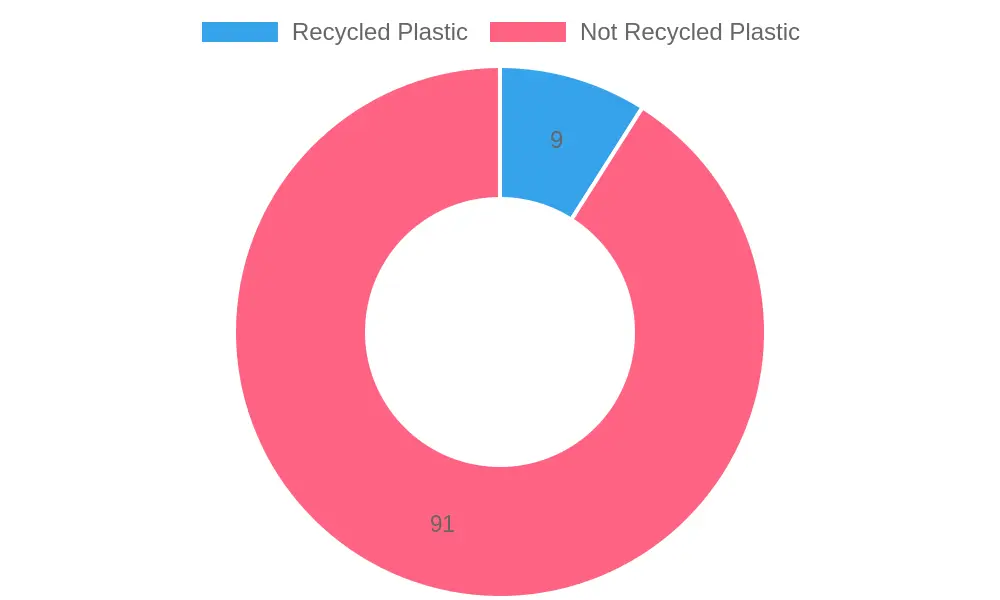
Plastic food containers are widely used in the food industry due to their convenience, durability, and cost-effectiveness. However, their environmental impact is profound and troubling. In 2020, the global production of plastic reached 359 million tons, with only about 9% being recycled. The majority of these plastic containers end up in landfills or the natural environment, posing significant threats to wildlife and ecosystems (see Our World in Data).
Key Environmental Issues
- Pollution: Plastic food containers contribute significantly to the problem of plastic pollution. When disposed of improperly, they can take hundreds to thousands of years to decompose, leaching harmful chemicals into the soil and water systems.
- Wildlife Hazards: Many animals ingest or become entangled in plastic debris, leading to injury or death. This disruption of wildlife not only affects individual species but entire ecosystems.
Recycling Challenges
Despite efforts to improve plastic recycling rates, the reality is stark. In the U.S. alone, as of 2023, only 16% of plastic waste is recycled, largely due to inefficiencies in waste management systems (National Geographic). This indicates that a large portion of plastic food containers remains unrecycled, exacerbating the environmental crisis.
Recyclable Materials and Eco-Friendly Alternatives
As the demand for sustainable solutions grows, many businesses are exploring recyclable materials and eco-friendly alternatives:
- Biodegradable Containers: Many companies are now offering options made from materials like cornstarch, bamboo, or sugarcane. These containers can break down more readily compared to traditional plastics-making them a better choice for the environment.
- Recycled Content Products: Choosing containers made from recycled materials can help reduce the overall demand for new plastic production, positively impacting the environment.
Considering the growing consciousness around these issues, food industry stakeholders such as food trucks and beverage chains should prioritize environmentally friendly options in their packaging through sustainable practices. This will not only help mitigate the negative impacts of plastic but also appeal to eco-conscious consumers who prioritize sustainability in their purchasing decisions.
Engaging with sustainable packaging not only contributes to environmental preservation but can also enhance brand loyalty in today’s market.
| Supplier Name | Price Range | Material Options | Customization Availability | Delivery Speeds |
|---|---|---|---|---|
| Inline Plastics | $0.10 – $2.00 | BPA-free plastic | Yes, various sizes and labels | 5-7 business days |
| ePackageSupply | $0.15 – $1.50 | Polypropylene, PET | Yes, custom labeling available | 1 business day |
| Sourcify China | $0.12 – $3.00 | Compostable, clear plastic | Extensive customization options | 7-10 business days |
Cost-Effectiveness of Using Disposable Packaging for Restaurants and Bubble Tea Shops
In the highly competitive food service industry, especially for businesses like bubble tea shops and restaurants, every decision can significantly affect profitability. One of the areas where cost considerations greatly come into play is packaging. Using plastic food containers has emerged as a cost-effective solution that not only meets operational needs but also enhances customer satisfaction.
Lower Initial Costs
Disposable packaging, particularly plastic food containers, typically bears a lower initial cost compared to their reusable counterparts. For instance, a bubble tea shop can purchase bulk quantities of lightweight plastic cups for a fraction of the price of reusable glass or stainless-steel options. This is especially beneficial in environments with high sales volume where minimizing initial outlays can bolster cash flow.
Reduced Labor Costs
Another financial advantage is the reduction in labor costs. By opting for disposable containers, businesses can eliminate the time and expense associated with washing and sanitizing reusable containers. This operational efficiency is crucial during peak hours; a quick-service restaurant can serve more customers, increasing revenue without the burden of additional labor costs. For example, a bubble tea shop can save approximately 30% in operational costs associated with cleaning when using easily disposable containers.
Waste Management Efficiency
Moreover, disposable packaging helps simplify waste management. Businesses only need to handle waste disposal rather than the complex logistics of returning and cleaning reusable containers. Properly managed, this can lead to improvements in hygiene and overall cleanliness, appealing to health-conscious customers.
Eco-Friendly Alternatives
Many consumers today are also driven by sustainability concerns. While traditional plastic containers have environmental drawbacks, eco-friendly disposable options made from biodegradable materials are becoming popular. Although slightly higher in cost, these alternatives can greatly enhance a brand’s image, attracting a customer base willing to pay a premium for responsible practices. For instance, using sugarcane-based containers can appeal to eco-conscious consumers while maintaining overall cost-effectiveness.
Consumer Preference
Lastly, as the consumer landscape evolves, preferences are shifting towards convenient and hygienic approaches. In a fast-paced industry, the combination of quick service and minimal hassle offered by disposable packaging often translates to a competitive edge.
In conclusion, for bubble tea shops and restaurants, using disposable plastic food containers can lead to significant cost savings, reduced operational burdens, and enhanced customer satisfaction. As these businesses continue navigating economic pressures, strategically investing in disposable packaging can be a smart move that leads to higher profit margins and a positive consumer perception. To explore a variety of packaging options suitable for your needs, check out our paper bowl collection and discover more about eco-friendly sugarcane tableware.
If you have any questions about specific products or need further assistance, feel free to reach out!
Case Studies and Insights on Plastic Food Containers
1. Environmental Impacts of Plastic Packaging
A study published by the UK Parliament reviews the ecological effects of plastic food and drink packaging. It emphasizes the importance of comprehensive assessments of plastic products concerning waste generation and their environmental footprint. The study highlights the role of plastic containers in waste management, urging businesses to consider sustainable alternatives. Read more here.
2. Health Risks Associated with Plastic Packaging
Recent discussions in the Save Our Bones article outline potential health risks linked to using plastic food packaging. The article focuses on chemical leaching, which may occur when food comes in contact with these containers, raising concerns about the implications for consumer health. Food service providers should be aware of these risks when choosing packaging solutions. Explore further.
3. Food Waste Crisis
A study highlighted by Friends of the Earth critiques the effectiveness of plastic packaging in preventing food waste. While marketed as a solution for food preservation, the study questions whether plastic containers fulfil their role in reducing waste effectively, providing businesses with food for thought on their packaging choices. Learn more.
4. Risks from Chemicals in Packaging
Another relevant piece of work discussed by the Pacific Islands News Association raises alarms around chemicals present in plastic food packaging. The potential health hazards of these substances call for a reevaluation of packaging materials used in the food industry, a critical consideration for restaurants and food service businesses. Read the article.
These insights reflect the ongoing discussions and research around the use of plastic food containers in businesses. They underscore the importance of selecting packaging that not only meets operational needs but also considers health and environmental impacts.
With this knowledge, beverage chains, restaurants, food trucks, and catering services can make informed decisions regarding their packaging materials, ensuring they align with sustainability goals and consumer safety standards. For your own containers, consider exploring eco-friendly packaging options to enhance your commitment to quality and responsibility.
Projected Growth of the Plastic Food Container Market
The plastic food container market is showing promising growth from 2023 to 2026. As demand for convenience and takeout options increases, especially in the wake of shifting consumer behaviors post-pandemic, the market is poised for significant expansion.
Market Growth Statistics
Here’s a snapshot of the projected growth of the plastic food container market (in billion USD):
| Year | Market Value (in billion USD) |
|---|---|
| 2023 | 25 |
| 2024 | 28 |
| 2025 | 31 |
| 2026 | 35 |
This growth is driven by factors such as urbanization, rising disposable incomes, and the increasing popularity of food delivery services.
Chart Overview
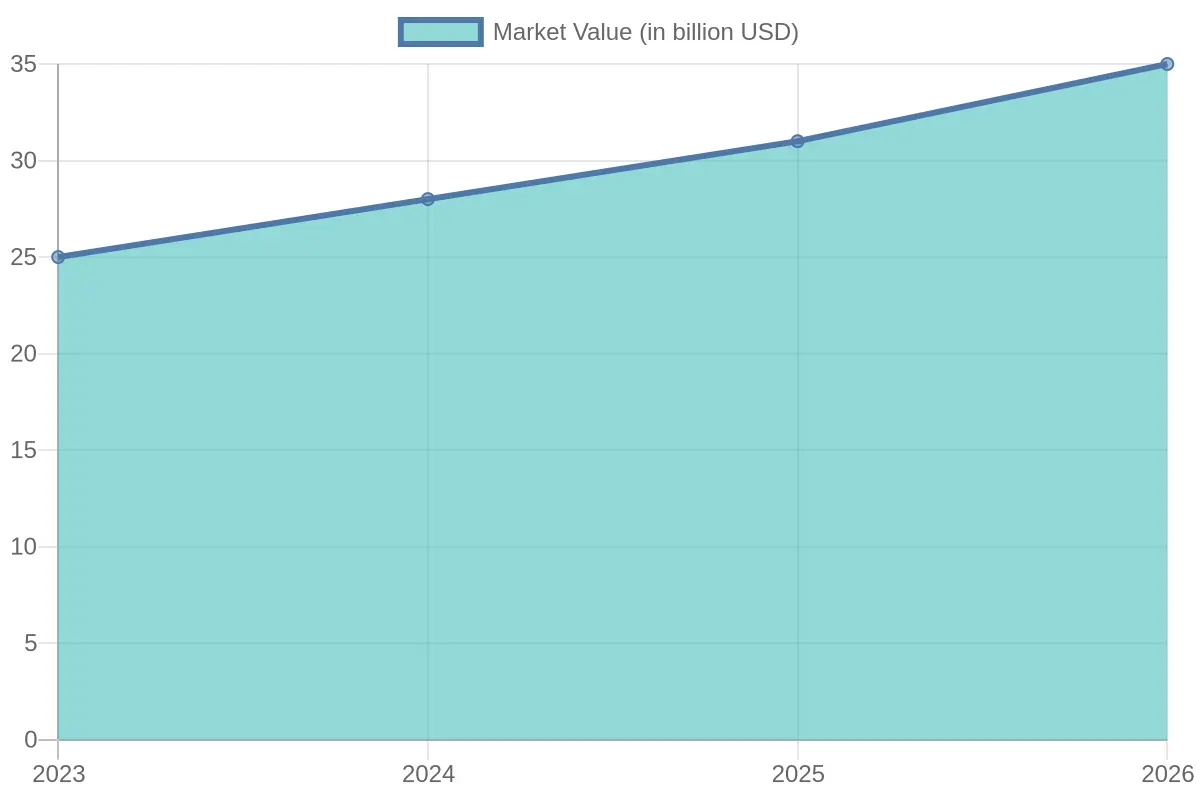
Chart showing the growth of the plastic food container market from 2023 to 2026.
Overall, the upward trajectory shows increasing opportunities for businesses involved in manufacturing and supplying plastic food containers. If you’re interested in exploring eco-friendly container options, check out our sugarcane food containers to meet your needs while being kind to the environment!
Conclusion
In conclusion, investing in high-quality plastic food containers is a smart choice for businesses in the restaurant, catering, and event planning industries. These containers provide numerous advantages, such as enhanced durability, safety, convenience, and cost-effectiveness. Their robust construction ensures that they can withstand the rigors of daily use, while being safe for food storage aligns with health standards crucial for any food business. Additionally, the convenience of their design promotes easy storage and organization, allowing for more efficient kitchen operations.
Choosing eco-friendly options can also lead to improved customer satisfaction, as more consumers are prioritizing sustainability in their purchase decisions. The life cycle assessments of plastic containers show that, when used responsibly, they can be an environmentally friendly option.
Don’t miss the opportunity to elevate your food storage solutions-visit Green Dispo Pack’s product line today! Our team is ready to assist you with a tailored quote to meet your specific needs. Choose quality, choose convenience, and choose sustainability with our premium plastic food containers!