
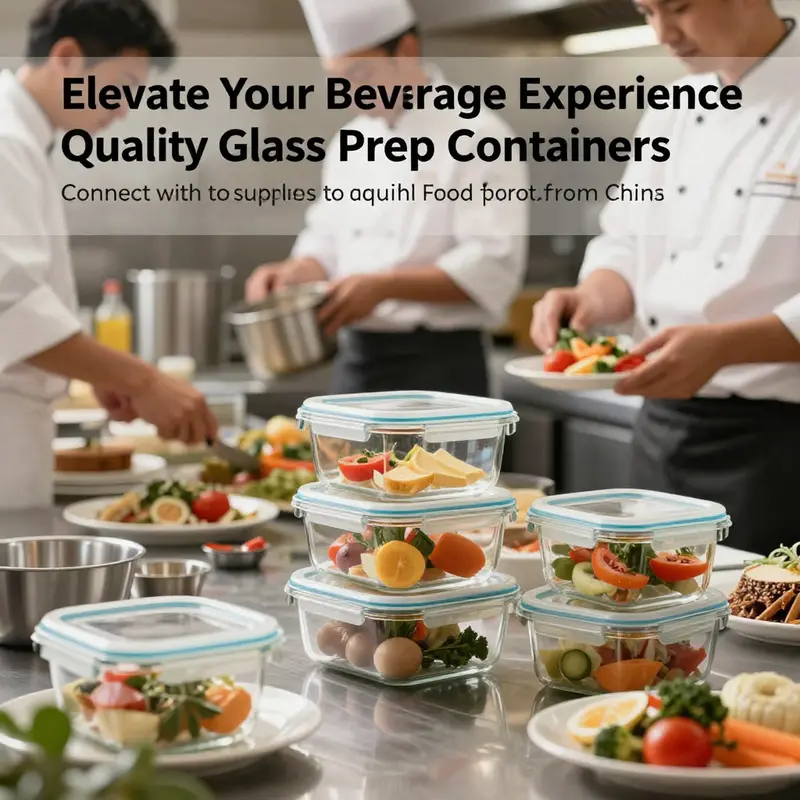
As the demand for quality food preparation and storage increases, glass food prep containers have become essential for various businesses, including bubble tea shops, restaurants, and catering services. Sourced from reliable suppliers in China, these containers cater to both safety and aesthetic needs while aligning with health and sustainability trends. In this guide, we’ll explore an overview of these glass containers, delve into key suppliers in China, and examine market trends that will shape the future of food prep containers.
From Factory Floors to Family Kitchens: The Rise of Glass Food-Prep Containers in China’s Wholesale Market
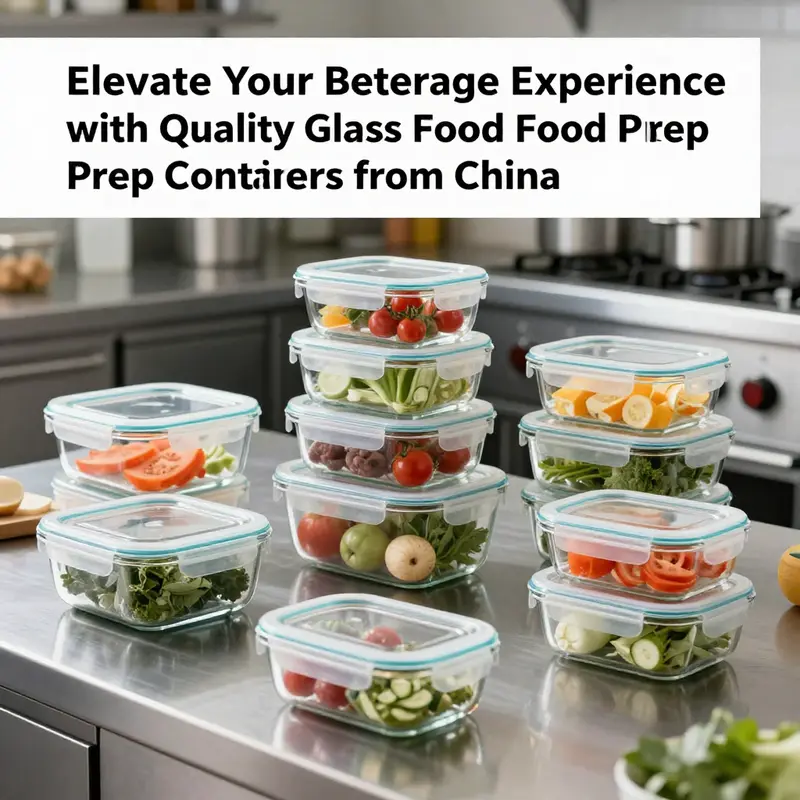
In recent years, the wholesale landscape for glass food-prep containers in China has evolved from a niche supply chain serving local kitchens into a robust, globally attentive sector. The shift is propelled by a convergence of health concerns, sustainability awareness, and the practical demands of modern meal preparation. Buyers—from small bistros to large catering operations and home cooks who value longevity—seek storage and prep solutions that can survive the rigors of daily use without compromising safety. The glass category, long prized for its clarity, inertness, and ability to withstand repeated cycles of heat and cold, now stands at the forefront of a broader movement away from single-use plastics and towards durable, reusable materials. This renewed interest is not only about material choice; it is about a set of design features and process capabilities that Chinese manufacturers increasingly bundle together to create products that feel like long-term investments rather than temporary measures. The market’s trajectory points to a future where glass containers are expected to be more than vessels; they are multi-functional tools in the kitchen, designed to streamline preparation, storage, and reheating in a single, hygienic package.
What makes the glass containers from China particularly compelling is the combination of quality assurance, customization potential, and scalable production capacity that can meet diverse purchasing needs. For buyers, this means access to a wide range of borosilicate or tempered glass options that resist thermal shock and resist chemical leaching. In practical terms, this translates to containers that can safely move from the oven to the table, from freezer to microwave, and back again without compromising integrity. The demand for such versatility has grown as households and professional kitchens increasingly standardize steps in meal prep and food storage, preferring to maintain consistency across large batches while preserving texture, aroma, and nutritional value. The result is a wholesale ecosystem that rewards buyers who think not only about a single container, but about the lifecycle of the product—from manufacturing tolerance to end-of-life recyclability.
At the core of this wholesale ecosystem is a disciplined emphasis on safety and compliance. Glass used for food preparation is typically chosen for its inert properties, and reputable manufacturers in China pursue food-grade status across their lines. This often means adherence to standards that emphasize low risk of leaching, compatibility with common cleaning regimens, and predictable performance under repeated heating and cooling. The emphasis on safety dovetails with a broader narrative about sustainability that has captured consumer and business attention alike. Glass, by its nature, is highly reusable and highly recyclable, a combination that resonates with retailers and institutional buyers who seek to reduce waste and align with circular economy objectives. As a result, manufacturers are not just selling a container; they are offering a durable, reusable tool that complements a consumer’s long-term commitment to healthier, greener kitchens.
Design and functionality play a central role in differentiating wholesale offerings. A significant portion of market appeal rests on multi-functional design features. Many glass containers on offer are oven-safe, microwave-safe, freezer-safe, and dishwasher-safe. This compatibility across heating and cleaning environments ensures that a single container can handle the lifecycle of a meal—from raw prep in a heated environment to refrigeration for later consumption, and finally to reheating when needed. This convenience is particularly valued by meal-prepping households and busy professional kitchens that prize efficiency. A common feature is the ribbed glass design, which combines ergonomic grip with improved sealing performance. The lids themselves often represent a thoughtful blend of materials: airtight configurations paired with lids made from recyclable plastics or silicone. The goal is to achieve a reliable seal that prevents leaks during transport while remaining easy to open and close. The practical upshot for buyers is clear: fewer incidents of spills, better storage fidelity, and longer product lifespans, all of which translate into lower life-cycle costs for end users.
The market also showcases a diverse spectrum of sizes and configurations. Containers are available in compact 100ml jars suitable for spices and condiments, through to larger 500ml and 1000ml options ideal for bulk storage or family meals. Many offerings come in multi-piece kits, sometimes as 18-piece sets with interchangeable lids and stackable shapes that maximize kitchen space. The mix-and-match approach to lids—flip-top or screw-on—adds another layer of practicality, enabling users to tailor sealing strength and ease of use to different foods and usage scenarios. While glass forms the backbone of these products, the lids often introduce a degree of plastic or silicone that is carefully chosen to balance seal integrity with user comfort and environmental considerations. Even these small design decisions matter, since they affect how often a family will reach for a particular container, how reliably it seals during transport, and how easy it is to clean after sauce-heavy meals.
From a sourcing perspective, the wholesale market in China is notable for its customization capabilities. Factories frequently offer processing options that allow clients to request specific designs, dimensions, or functional enhancements aligned with their food preparation and storage needs. This customization may cover aspect such as interior labeling, receptor shapes that reduce residue buildup, or enhanced seal surfaces that improve compatibility with pre-existing kitchen workflows. For institutional buyers, the prospect of co-developing container features with a Chinese manufacturer is particularly appealing because it can shorten lead times while aligning the product with brand aesthetics or procedural requirements. The ability to deliver customized, food-safe glass containers at scale is a defining competitive advantage in a market where tempering capacity, annealing controls, and batch testing are not afterthoughts but core competencies.
Quality assurance remains a strategic pillar across the wholesale landscape. Reputable glass containers in this segment are expected to be food-grade and tested for safety under conditions typical of consumer kitchens. Certifications and standardized quality management practices signal reliability. In this setting, buyers often prioritize suppliers who demonstrate adherence to international standards such as quality management systems and equitable sourcing practices. The emphasis on ethical production and sustainability dovetails with current consumer expectations for transparency. Buyers increasingly seek assurances that the glass itself will perform consistently across batches, particularly when custom shapes or branding are involved. The confidence to place large orders rests on documented performance in terms of thermal stability, chemical inertness, and resilience to mechanical stress. In this context, the wholesale market operates not merely as a supplier channel but as a partner for buyers who need predictable quality, scalable supply, and responsive support.
The wholesale dynamics extend beyond product attributes into the broader supply chain and market access. Chinese manufacturers often leverage direct-to-business platforms that connect them with retailers, hospitality providers, and distributors around the world. This direct-to-market approach enables more competitive pricing and shorter lead times, which is especially valuable for buyers planning seasonal menus, promotional campaigns, or new store openings. It also means that buyers can negotiate terms that reflect bulk requirements and a longer-term sourcing relationship, such as flexible MOQs and tiered pricing. The price architecture in this space tends to be volume-driven, with cost per unit decreasing as order quantities rise and as the design complexity of the container changes. In practice, this means a modest initial investment can unlock access to a broad catalog of glass containers that are built to scale as a business grows. To the buyer, this is not simply a purchase but a strategic choice that supports productivity, consistency, and brand integrity across store locations or service channels.
Sustainability and innovation are particularly influential in shaping the present and future of this market. Sustainability-conscious buyers look for glass containers that can be reused many times, are easy to clean, and contribute to a low-waste kitchen. The glass material itself is a strong selling point here because it is inert and recyclable, reducing the environmental footprint compared with many plastics. Suppliers respond to these preferences by investing in manufacturing technologies that increase efficiency and reduce waste, while also enabling more durable, reusable designs. This includes improvements in forming processes, tempering controls, and coatings that resist scratching and staining—features that extend the usable life of a container and maintain its clarity over time. The market thus rewards a combination of durability, safety, and ecological responsibility, and buyers who prioritize these attributes tend to develop longer-term procurement relationships with suppliers capable of delivering consistent quality at scale.
In terms of market reach, global buyers increasingly look to Chinese wholesalers for comprehensive solutions that go beyond a single container. They want options that fit into a cohesive packaging ecosystem, including sets that can be branded, repackaged, or distributed across multiple channels. This broader perspective means that the opportunity for growth often lies in supplier capabilities that extend to packaging design, labeling, and even logistics support. Such services reduce friction in the procurement process, lower total cost of ownership for buyers, and facilitate faster onboarding of new SKUs. The wholesale market in China thus evolves toward an integrated model where product capability, branding flexibility, and reliable after-sales service cohere into a compelling value proposition for both small retailers and large chains.
From a practical standpoint, buyers navigate this landscape by weighing MOQs, unit pricing, and lead times. MOQs can vary widely, with some buyers able to procure modestly for boutique operations and others requiring thousands of units to meet institutional demand. Basic, small-volume items—such as compact jars and basic storage containers—often come with lower MOQs, while larger sets or more complex designs require higher minimums. Pricing reflects a similar gradient. Wholesale rates can begin in the very low single-digit cents per unit for basic shapes and sizes, but the price per unit increases with capacity, tiered packaging options, and the inclusion of premium features or branding. This pricing structure allows a broad spectrum of buyers to participate in the market, from startups testing a new product line to established distributors expanding their catalog. It also underscores a practical truth about wholesale glass containers: while the upfront investment can be significant, the long-term value comes from durability, reusability, and the ability to deliver consistent performance across many meals and menus.
As the market continues to mature, the importance of credible sourcing and due diligence cannot be overstated. Buyers frequently rely on established certifications and supplier audits to verify that production practices meet international expectations for safety, quality, and ethics. The collaboration between buyer and supplier often extends into product development phases, where prototypes are tested for fit with existing kitchen routines, adherence to performance specs, and compatibility with branding requirements. In this context, the wholesale market is less about a one-time sale and more about building a trusted chain of supply that can adapt to evolving consumer preferences and regulatory landscapes. The result is a dynamic marketplace where glass containers from Chinese manufacturers have earned a reputation for reliability, customization capacity, and a willingness to work closely with buyers to meet specific operational needs.
For readers who are cataloging opportunities or planning a market-entry strategy, there is value in recognizing the broader ecosystem in which these containers live. The glass category sits alongside a growing array of reusable, non-toxic storage options that urban households and professional kitchens alike view as essential tools. The appeal of glass is more than its clarity or its resistance to staining; it is the signal of a deliberate choice toward permanence and safety. This perception aligns with consumer segments that increasingly scrutinize product life cycles, from manufacturing footprint to end-of-life disposal. In turn, manufacturers respond with materials science improvements, more robust sealing systems, and packaging that minimizes waste while preserving product integrity. The outcome is a market that rewards thoughtful design, responsible production, and a narrative that frames glass containers as an enduring component of sustainable kitchens.
For ongoing relevance, buyers should consider how these wholesale options align with their brands and logistics realities. It is not merely about choosing a container but about selecting a partner who can provide consistent supply, customization, and support through the entire procurement journey. The best suppliers will demonstrate robust QA processes, flexible MOQs, and the capacity to deliver on branding, labeling, and packaging needs without compromising performance. In an era when health, sustainability, and operational efficiency are closely intertwined, the wholesale market for glass food-prep containers in China stands as a compelling intersection of manufacturing excellence and practical utility. It invites buyers to think strategically about how a simple storage solution can influence food safety, kitchen efficiency, and consumer perception of a brand—all through a single, well-made container that travels from oven to table and back again with nothing lost in translation.
As markets continue to globalize and consumer expectations continue to rise, the story of glass containers from Chinese wholesalers is not merely about products on shelves. It is about how those products embody a broader commitment to safety, durability, and responsible design. It is about the partnerships that enable a restaurant to scale its prep routines or a family to reduce waste while preserving flavor and freshness. It is about the quiet confidence that comes with choosing a storage system designed to stand the test of time. In this sense, the wholesale landscape is not a static catalog but a living ecosystem that adapts to new materials, new processes, and new ideas about how kitchens should function in a more sustainable world. The chapter remains a lens into how manufacturers, buyers, and end users share a common interest: maximizing safety, minimizing waste, and simplifying everyday tasks through thoughtful, well-crafted glass containers.
For readers seeking a practical touchpoint within this broad canvas, it is useful to keep in mind the value of direct supplier relationships paired with transparent testing and flexible ordering terms. The ability to negotiate MOQs, to customize shapes and lids, and to align branding with a consistent production cadence can transform a routine purchase into a strategic procurement decision. The market rewards buyers who approach sourcing as a collaborative process, inviting feedback, iterating on design, and maintaining performance standards across product lines. As such, the wholesale market for glass food-prep containers in China continues to attract attention from a global audience that demands quality, safety, and sustainability in equal measure—and it does so by offering scalable solutions that seamlessly fit into the rhythms of modern kitchens.
External resource for broader context and current listings: https://www.alibaba.com/product-detail/Wholesale-Glass-Food-Storage-Containers_1600435954175.html
Internal resource for related sustainability packaging options: eco-friendly recyclable pulp take-away cup holder.
Shaping Safe Kitchens: A Comprehensive Look at China’s Glass Food-Prep Container Wholesale Network
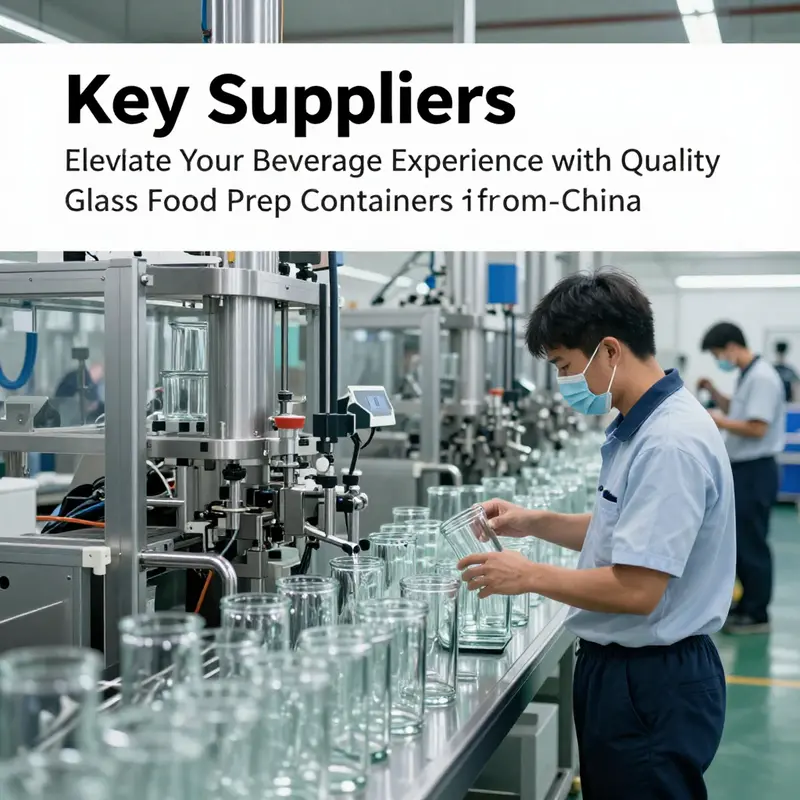
The wholesale landscape for glass food-prep containers in China sits at a compelling intersection of tradition, precision manufacturing, and rapid adaptation to global demand. It is a market built on the long-standing expertise of glassmakers who have refined the craft of producing food-grade vessels, jars, and storage solutions that meet diverse culinary and commercial needs. In a country where kitchens are increasingly central to everyday life and where food service and home cooking intertwine, glass containers are valued not only for their purity and durability but also for their cultural emphasis on cleanliness and transparency. The growth of this sector is propelled by a convergence of factors: rising disposable household incomes that encourage better storage and meal-prep practices, a notable shift away from plastic toward more sustainable materials, and a global appetite for dependable, safe packaging that can withstand the rigors of commercial kitchens and international distribution. Within this broader frame, several manufacturers distinguish themselves through strategic focuses—customization, quality assurance, and the ability to blend traditional glassmaking with modern design and functional innovations.
Among the most telling examples of this dynamic are the glass-focused producers that operate across eastern and central China, with a cluster of facilities in Jiangsu and nearby provinces. These firms emphasize safety and food-grade compliance as non-negotiable cornerstones of their offerings. They understand that glass containers used in food preparation, storage, or serving must not only resist heat and impact but also preserve flavor and aroma without imparting any undesirable substances. The emphasis on customization is particularly salient. In a market where professional kitchens, boutique restaurants, and households demand containers tailored to specific applications, suppliers increasingly offer options that range from precise mouth profiles and neck finishes to sealing options and compatible caps. This trend toward bespoke solutions is not merely a luxury feature; it is a strategic response to a diverse client base that includes home cooks, small eateries, and large-chain operations seeking consistency and brand alignment in their packaging and storage solutions.
Two notable examples from the glass sector illuminate how specialization can shape supply and demand. One producer has carved out a niche around sesame oil and similar culinary staples, delivering specialized glass bottles that combine traditional form with modern safety standards. Their emphasis on customization—allowing clients to request designs and functionalities aligned with specific prep and storage workflows—highlights a broader move in the industry: glass products are increasingly seen as canvases for performance optimization. Another company emphasizes the needs of restaurant kitchens, with high-quality glass packaging containers that perform well in both commercial settings and everyday home cooking. The demand for glass containers in this segment grows as health awareness and sustainability concerns push more consumers away from plastics toward food-safe glass, a shift that also mirrors evolving expectations around recyclability and long-term durability.
What emerges from these patterns is a picture of a market that prizes reliability and adaptability. Suppliers are increasingly judged not only on the aesthetics and strength of their glassware but also on how quickly they can translate customer requirements into production realities. The ability to offer custom processing, whether for shape, capacity, or functional features such as airtight seals, becomes a key differentiator. This capability is complemented by a broader commitment to food-grade safety and compliance with both domestic standards and international protocols. In practical terms, that means rigorous testing, clear labeling, and traceable material sourcing. It also means that suppliers invest in quality systems that can withstand the scrutiny of buyers who must ensure product safety across supply chains spanning multiple countries and regulatory environments. The relationship between supplier and buyer thus evolves from a simple transaction into a collaborative process oriented toward long-term value and trust.
Within this context, the wholesale market for glass food-prep containers in China is not a monolith but a spectrum of capabilities and strengths. Some factories emphasize scale and efficiency, leveraging automation to deliver consistent products at competitive prices. Others focus on the finesse of glassmaking itself, investing in molds, engineers, and artisans who can craft containers with finer tolerances and more precise finishes. Still others excel in post-production services such as customization, packaging design coordination, and logistics arrangements that simplify regional and global distribution. The common thread across these profiles is a sophisticated understanding of the food industry’s needs—know-how about how containers interact with food, how storage conditions influence flavor and safety, and how the end user interacts with the product in real kitchens and service environments.
As the market expands, so does the spectrum of applications for glass containers. Home cooks increasingly rely on glass jars and wide-mouth storage solutions for bulk ingredients, sauces, and layered meals that can be prepared ahead and kept fresh. In professional kitchens, glass containers support the demanding routines of prep stations, recipe organization, and an appealing, transparent presentation that helps chefs monitor contents at a glance. The ability to withstand heat exposure during reheating, to maintain a consistent seal during freezing and chilling, and to resist staining or odor transfer after repeated use are all factors that influence the continued adoption of glass in both household and commercial contexts. These functional expectations are matched by aesthetic and ergonomic considerations. A well-designed glass container can offer smooth pouring, easy grip surfaces, and a clear view of contents, all of which reduce handling errors and improve workflow efficiency in busy kitchens.
A practical reality behind these capabilities is the manufacturing ecosystem that supports glass container production in China. The industry benefits from a deep pool of skilled glassmakers, a well-developed supply chain for raw materials, and a network of contractors and suppliers who can assist with design optimization, mold making, and finishing processes. In many cases, glass is complemented by other packaging materials that serve adjacent roles in the food ecosystem. For instance, aluminum-based solutions and related packaging formats continue to play a critical part in certain segments of the market, highlighting how buyers often seek a coordinated packaging strategy that balances glass for storage and presentation with other materials for lids, liners, and secondary packaging. This broader packaging milieu reflects a mature, integrated approach to food packaging where glass is a central element but not the sole option.
The sustainability narrative surrounding glass is particularly influential. Consumers and regulators alike express concern about the environmental footprint of packaging. Glass is often championed for its recyclability, inertness, and perceived long-term durability, which can translate into lower life-cycle impact when used repeatedly and responsibly. Manufacturers respond by extending warranties on durability, offering containers that are designed for extended reuse, and pursuing process innovations that reduce energy consumption and waste. In turn, buyers, including restaurateurs, educators, and household users, increasingly expect not only safe products but also transparent information about production methods, materials, and end-of-life options. The demand for traceability—knowing where glass originates, how it is fabricated, and how it travels through the supply chain—becomes a meaningful factor in procurement decisions.
The global dimension of this market cannot be overlooked. China’s glass container suppliers are part of a broader international trade landscape in which buyers seek reliable partners capable of meeting quality standards, adapting to evolving regulations, and delivering on aggressive timeframes. The capability to provide small MOQs for testing new concepts is frequently cited as a practical entry point for startups and niche brands exploring glass packaging solutions. Conversely, large-volume buyers rely on robust supply networks, consistent lead times, and after-sales support that helps ensure performance during scale-up. In this way, the Chinese glass container sector embodies a balance between flexibility and reliability, allowing different kinds of buyers to access glass solutions tailored to their particular production realities and market ambitions.
It is important to acknowledge the broader packaging ecosystem in which these glass suppliers operate. While glass holds a distinctive role because of its safety and visibility, it sits alongside alternatives such as aluminum foil products and various paper-based solutions. Large aluminum-foil players in mainland China show how a packaging market can be driven by economies of scale, research and development, and extensive service networks. These players often emphasize their technological edge—whether through patented sealing processes, tight thickness tolerances, or rapid on-site support—as a way to secure loyalty from large food processors and restaurant chains. Although these foil-focused suppliers belong to a separate material family, their presence underscores the dynamism and competitiveness of China’s packaging manufacturing sphere. For buyers of glass containers, understanding this broader context is beneficial because it clarifies the options, price benchmarks, and the kinds of collaboration that enable efficient procurement and reliable delivery across multiple packaging formats.
Within this environment, the glass-focused suppliers cultivate distinctive capabilities that shape market behavior. Custom processing and design flexibility stand out as central differentiators. Clients increasingly request glass vessels with features that reduce handling friction in kitchens, such as user-friendly lids, ergonomic grips, and compatible sealing interfaces that help maintain freshness during prep and service. The ability to align glass packaging with brand identity through precise labeling, color-accent finishes, or subtle form language is another driver of demand, especially among small to mid-sized brands that seek packaging as a part of their storytelling. This alignment is more than cosmetic; it supports marketing consistency, shelf presence, and consumer trust. The supply chain that underpins this flexibility—molds, tempering processes, quality audits, and efficient logistics—requires a level of coordination that is increasingly common in Chinese manufacturing ecosystems, where integrated operations can reduce lead times and enable rapid iterations.
In practice, buyers often begin with a period of supplier exploration characterized by samples, trials, and a careful assessment of compatibility with their cooking and storage workflows. Glass containers must perform in the kitchen’s real-world conditions, tolerating thermal cycling, scrubbing, and repeated opening and closing without compromising seal integrity or clarity. This reality makes the role of quality assurance all the more critical. Chinese glass container manufacturers commonly invest in stringent QC protocols, from raw material verification to final product inspections. They may provide documentation demonstrating compliance with food-contact standards, and they often support customers with batch-level traceability and material declarations. For international buyers, certifying conformity with consumer safety and food-safety regulations is a non-negotiable element of the procurement process. The best partners are those who can translate regulatory expectations into reliable on-ground practices, offering not only products but a reproducible manufacturing environment that reduces risk as orders scale up.
The chapter of this wholesale landscape that follows is anchored by the reality that glass packaging is part of a broader trend toward responsible consumption and culinary clarity. For households, glass embodies transparency—a metaphor for ingredients and freshness. For food-service operations, it represents reliability and ease of audit trails, whether for quality control in a commissary or compliance checks in a regulatory environment. The Chinese market responds to these dimensions with a layered value proposition: a capability to deliver safe, durable glass containers at competitive prices; a willingness to tailor products to specific culinary tasks; and a logistics framework capable of synchronizing with distributors and retailers across regional and international markets. In sum, the wholesalers and manufacturers in this sector are not just suppliers of glass; they are partners in how a kitchen operates, how a menu is executed, and how a brand communicates its commitment to safety and quality through packaging.
To illustrate the practical implications for buyers, consider the following synthesis: first, the demand for glass containers grows alongside the demand for home cooking and organized meal-prep workflows. This trend is reinforced by increasing consumer attention to health, sustainability, and the perceived safety of non-reactive materials. Second, customization emerges as a practical means to differentiate products in a crowded market. When a glass bottle or container is tailored to a particular culinary task—whether it is a specialized sesame oil bottle or a restaurant-grade storage jar—the efficiency and reliability of food preparation improve, and brand messages become more consistent. Third, the supply chain’s resilience is tested by global trade conditions. Buyers seek suppliers with robust manufacturing footprints, clear quality protocols, and the capacity to support small orders as well as large-volume commitments. Fourth, the packaging ecosystem’s breadth—encompassing glass, aluminum, and paper-based options—encourages buyers to pursue integrated packaging strategies that optimize cost, performance, and sustainability across a product line rather than in siloed categories.
A practical takeaway for buyers navigating this space is the value of aligning supplier capabilities with strategic objectives. If a brand’s priority is to establish a consistent production rhythm and ensure rapid fulfillment, a partner with a scalable glass production facility and a well-devised quality-control framework is vital. If, however, a project centers on limited-run, premium glass vessels designed for branding precision and a high-end retail experience, then customization depth and design iteration speed become the decisive factors. In either case, the relationship with the supplier should emphasize transparency, collaborative problem-solving, and a shared commitment to safety and sustainability. The chapter’s synthesis is clear: China’s glass container wholesalers are not merely manufacturers. They are enablers of kitchen workflows, guardians of food safety, and stewards of packaging choices that reflect evolving consumer expectations while remaining adaptable to the world’s varied culinary scenes.
And there is a small, telling nuance in how these relationships develop. The most successful buyers treat supplier selection as a long-term engagement rather than a one-off procurement exercise. They invest in pilot runs that test multiple container formats, assess tolerance to heat and mechanical stress, and evaluate the ease of cleaning and reuse. They negotiate on MOQs with an eye toward test-bedding ideas that could scale later. They ask for material traceability and for documentation that demonstrates alignment with food-contact regulations. They seek suppliers who can provide not just containers but dependable support—assistance with product stabilization during scale-up, co-development opportunities for new shapes, and flexibility around packaging solutions that improve overall efficiency in distribution and use.
In the end, the wholesale market for glass food-prep containers in China navigates a landscape defined by safety, customization, and sustainability, all within a framework of robust manufacturing and global reach. Buyers who understand these dynamics—and who approach supplier relationships as collaborative problem-solving partnerships—stand the best chance of securing glass packaging solutions that perform reliably in kitchens and service environments around the world. The narrative is not merely about glass as a material; it is about glass as a practical tool that helps cooks measure, mix, store, and present food with clarity and care. It is about suppliers who translate artisanal skill into scalable production, while also embracing the ongoing innovations that keep glass containers relevant in a modern, fast-paced culinary world. And it is about a market that, while rooted in centuries-old glassmaking traditions, continues to reinvent itself through customization, quality control, and a shared conviction that safe, well-designed packaging is an essential ingredient in the recipes of today’s kitchens.
For those exploring adjacent packaging formats in the same country, a broader view of the packaging ecosystem reveals how glass sits alongside aluminum and paper-based solutions, each with its own strengths and trade-offs. This awareness helps buyers calibrate expectations and craft procurement strategies that balance performance, cost, and environmental considerations. The conversation about glass containers in China, then, is part of a larger dialogue about how modern supply chains meet the demands of diverse markets while preserving the integrity of the products they touch. It is a narrative of collaboration, precision, and continuous improvement—a story of how small design choices in a container can ripple outward, affecting efficiency, safety, and consumer confidence across worldwide kitchens.
Internal link reference: for readers seeking broader packaging context and eco-friendly options in the same ecosystem, one useful exploration is a recent collection of takeout and packaging solutions available online, including disposable kraft paper bowls designed for lightweight, sustainable service. This example can be browsed here: disposable-700ml-kraft-paper-bowl-take-out-octagonal-rectangle-paper-bowl.
External resource: a comprehensive industry overview and list of key manufacturers can be found on the China Packaging Federation’s PACKCON platform, which hosts an exhibitor directory and ongoing insights into trends and technologies in the packaging industry, including food prep containers. https://www.packcon.com.cn
Glass That Guides a Greener Kitchen: Market Trends and the Future of China’s Glass Food-Prep Container Wholesale
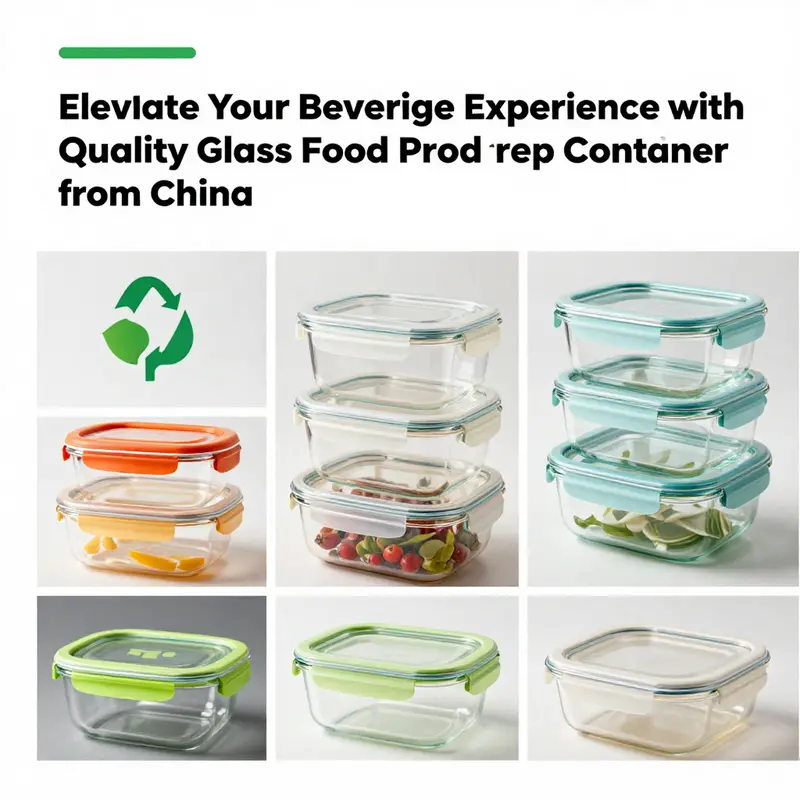
The glass food-prep container market in China is tracing a course from a traditional, commoditized segment toward a more resilient, innovation-driven ecosystem. Across urban manufacturing hubs and regional clusters, wholesalers and producers are recalibrating what counts as value. In this environment, glass is neither a nostalgic nod to the past nor a simple substitute for plastic; it is increasingly positioned as a strategic asset in a kitchen that demands safety, durability, and sustainability. The conversation around glass packaging is converging with broad shifts in consumer behavior, regulatory expectations, and digital-enabled supply chains. Taken together, these forces are not just lifting demand; they are redefining the very shape of product development, customization, and market access for the wholesale segment of China’s glass containers market. In this context, leading wholesalers are learning to blend craftsmanship with data-driven flexibility, offering more than containers and turning themselves into partners who can align design, manufacturing efficiency, and compliance with the evolving ambitions of both local food businesses and international buyers.
A robust driver of this momentum is the sustained growth of the food and beverage sector, which remains the single largest consumer of glass packaging due to its clear advantages in safety, barrier performance, and premium presentation. Glass’s natural barrier properties are hard to match; its inert surface resists interactions with food, helping to preserve flavor and prolong shelf life in ways that plastic packaging sometimes cannot. As a result, many commercial kitchens and retailers are prioritizing glass options for storage, prep, and presentation, especially for products that benefit from a clean, high-end appearance. The wholesale market in China has responded with a widening array of formats,—from wide-mouth jars to tall, slender bottles and nested containers designed for meal prep and organized kitchen storage. This diversification is not only about size and shape; it is about creating containers with thoughtful features such as dual-use lids, measuring indicators, and seal systems that enhance usability in busy commercial environments and at home. This evolution mirrors a broader industry trend toward higher-value, more specialized products that go beyond raw storage to support meal planning, portion control, and organized shelving in both household and professional kitchens.
But the upward trajectory for glass goes beyond practical performance. Sustainability has become a central axis around which market expectations rotate. Environmental regulations, carbon accounting discourse, and consumer demand for greener options collectively compress the appeal of single-use plastics. Glass, with its potential for recyclability and long usable life, is increasingly framed as a green choice—especially when producers and wholesalers highlight the full life cycle of their products, from raw material sourcing to end-of-life recovery. The market narrative has shifted from simply avoiding plastic to confidently choosing materials that fit into circular economy goals. This shift, in turn, is encouraging more holistic product strategies that emphasize durability, refillability, and aesthetic longevity. In practice, this means that wholesalers are increasingly screening their catalog not only for performance and safety, but also for recyclability, weight efficiency, and the ease with which containers can be re-purposed or re-enter the cycle of reuse.
A related dynamic is the transition toward premium and specialized glass solutions. The days when glass was viewed as a basic, utilitarian option are fading. The market now rewards design-driven packaging that blends function with form. This trend encompasses containers engineered for precise portioning, intuitive handling, and attractive presentation in both domestic and international contexts. Manufacturers and wholesalers are embracing new design languages—clean lines, tactile textures, and color accents that elevate the kitchen experience while maintaining strong barrier properties. The emphasis on premiumization aligns with consumer expectations in a growing middle class that seeks quality and durability in everyday tools. In this pursuit, the production base in China is leveraging its strengths in precision glassmaking and R&D to deliver more sophisticated, dependable solutions that can command premium pricing in export markets as well as in higher-end domestic channels.
Technological advancement sits at the heart of this transformation. The glass industry has embraced digitalization and automation in ways that extend beyond simple volume gains. Modern production lines now integrate automated filling, capping, and inspection systems that improve consistency and reduce waste. Quality control is increasingly data-driven, with sensors and analytics enabling real-time monitoring of defects, weight, and sealing integrity. This shift toward smart manufacturing not only boosts efficiency but also supports stringent food-grade compliance by ensuring repeatable performance and traceability. In parallel, lightweighting initiatives—reducing the glass weight without compromising strength—are becoming a central reducer of raw material demand and transportation emissions. These developments are financially meaningful: lighter containers travel with lower energy costs and smaller carbon footprints, a consideration that resonates with global buyers who are balancing sustainability with total cost of ownership.
Within this sophisticated production and quality framework, wholesale players in China are charting new paths through collaboration and customization. The case studies of major manufacturers in the Jiangsu region illustrate a broader capability trend. One company is known for offering custom processing that matches specific client needs, from cavity design to closure mechanisms that facilitate precise pouring or controlled dispensing. Such customization is not merely about appearance; it translates into functional advantages that reduce spillages, improve storage efficiency, and align with particular food preparation workflows. This approach reflects a broader market philosophy: close collaboration with customers to deliver not just a container, but a tailored solution that integrates with existing kitchen operations and supply chains. Another producer has built substantial capacity for high-volume output while maintaining the flexibility to support smaller runs with shorter lead times. This balance of scale and agility helps wholesalers meet diverse demand—from local eateries and mid-sized food manufacturers to overseas buyers seeking reliable supply chains and consistent product quality. The emphasis on custom processing and reliable capacity underscores how the wholesale sector is moving from a focus on price per unit toward a more value-driven proposition that includes design support, branding options, and packaging solutions that align with sustainability targets.
The market context also includes changing expectations around supplier partnerships and ecosystem dynamics. As demand for glass containers grows, buyers are looking for more than a competitive price; they want a dependable pipeline that can accommodate evolving requirements for product formats, regulatory compliance, and certifications. In this sense, wholesale players that invest in traceability, quality management, and supplier development programs are better positioned to attract long-term orders and international customers. The suppliers themselves are increasingly proactive about aligning with global standards and pursuing certifications that reassure buyers about food safety and environmental performance. This alignment helps reduce the perceived risk of adopting glass in applications where previously plastic or metal packaging might have dominated. It also supports exporters seeking to meet the stringent packaging regulations of different markets, a factor that enhances the attractiveness of Chinese glass containers in a crowded global landscape.
The broader export dimension remains a bright spot, with many industry observers predicting sustained growth in international demand for high-quality glass containers. Global buyers are drawn to the combination of safety, barrier properties, and premium aesthetics that glass offers. The opportunity set extends beyond traditional food and beverage applications and points to adjacent sectors where glass packaging holds promise, including high-value cosmetic and pharmaceutical applications. While these latter segments require different processing standards and stricter regulatory compliance, they also offer the potential for higher margins and more stable demand cycles. For Chinese wholesalers, this means not only expanding production capabilities but also cultivating competencies in design validation, regulatory documentation, and market-specific packaging configurations. The net effect is a more diverse, more resilient revenue stream that can weather fluctuations in any single sector and deliver a more robust pathway to internationalization.
One practical implication of these dynamics is the need for a holistic packaging strategy that recognizes the interdependence of product design, manufacturing science, and supply chain transparency. The smart factory narrative is not just about machines; it is about how data flows through every step of the lifecycle. Digital platforms that connect suppliers, manufacturers, and retailers enable more accurate demand forecasting, more rapid iteration of design options, and faster response to quality issues. This digital transformation is particularly relevant for wholesalers who must manage complex inventories of multiple formats and customization options while maintaining consistent safety standards. In practice, this means implementing data-driven workflows that monitor material consistency, control tolerances, and defect rates across batches. It also means building collaborative ecosystems where clients can request, review, and approve design changes quickly, ensuring that new format launches or packaging updates do not disrupt production or compliance timelines. The integration of digital tools with traditional craftsmanship yields a future where glass containers are not only reliable and safe but also increasingly tailored to the precise needs of diverse markets.
Amid these shifts, the market is also watching how consolidation and strategic partnerships will shape competitive dynamics. As demand intensifies, larger players may enhance their market positions through vertical integration, expanding upstream capabilities to secure raw materials and downstream channels to improve distribution. For smaller firms, the path to resilience lies in niche focus and rapid innovation—identifying segments where specialized performance or branding can differentiate offerings. The light-touch advantage here is that niche players can respond more quickly to specific customer requirements, including novel packaging geometries, bespoke labeling, and customized closure systems. This flexibility complements the scale advantages of bigger producers, creating a market environment where collaboration can yield superior outcomes for end users. The long-run outlook suggests a gradual but meaningful consolidation trend, with players who combine advanced manufacturing, strong compliance culture, and customer-centric design emerging as leaders in a more demanding international marketplace.
Another layer of opportunity lies in expanding the functional scope of glass packaging into new applications. While food and beverage remain dominant, there is growing recognition that glass can extend into cosmetics and pharmaceutical packaging under rigorous quality controls. This diversification aligns with a global appetite for premium, inert packaging that preserves product integrity and reduces chemical interactions. It also aligns with sustainability narratives, since high-value glass packaging can support premium branding while contributing to a lower overall waste footprint when reused or recycled thoughtfully. Chinese wholesalers can position themselves to compete in these segments by investing in process controls, cleanroom-like handling for sensitive applications, and certifiable traceability across production lines. In doing so, they add not just capacity, but credibility, which matters when engaging with international buyers who demand consistent performance and transparent standards.
The path forward, then, is not a single road but a network of strategic choices. Wholesalers must continue to invest in durable, safe glass containers while building capabilities in design support, customization, and regulatory compliance. They should pursue efficiency gains through lightweighting and automation, ensuring that sustainability is embedded in both product development and logistics. Simultaneously, they should cultivate a more expansive export mindset, exploring opportunities in cosmetics and pharmaceutical packaging, where the premium value of glass can justify higher price points and longer-term partnerships. In this landscape, digital transformation is not optional—it is essential for managing the complexity of modern packaging ecosystems. The most successful players will be those who fuse the artistry of glassmaking with the science of demand planning and the discipline of sustainability reporting, delivering solutions that satisfy home cooks, professional kitchens, and global buyers alike.
As a practical reflection of these themes, the wholesale sector is increasingly embracing a broader ecosystem approach. The market now recognizes that glass packaging does not exist in isolation but sits at the intersection of design, materials science, and consumer trends. A notable example of sustainability-driven packaging innovation within the broader ecosystem is the emergence of paper-based alternatives and wrap systems that complement glass containers in mixed-material packaging strategies. While not directly replacing glass, these options illustrate how buyers are seeking a coherent, environmentally responsible packaging portfolio rather than a collection of disparate solutions. For wholesalers, this means curating a portfolio that can meet multiple lifecycle considerations—from reusability and recyclability to end-of-life disposal—while maintaining the high performance and aesthetic appeal that glass provides. The result is a more confident narrative for China as a glass container hub: a place where legacy craftsmanship meets modern optimization, and where sustainability is not a marketing claim but a measurable, bankable attribute of product offerings.
In weaving these threads together, it becomes clear that the market’s future trajectory will be defined by how well Chinese wholesalers translate foresight into execution. The capacity to deliver not just containers but coherent packaging systems—aligned with design intent, safety standards, and environmental commitments—will determine who wins in both domestic and international markets. This is not merely about selling more glass; it is about enabling kitchens to operate with greater clarity, efficiency, and confidence. It is about building a supply chain that can respond to evolving health and safety norms while validating the long-term value of a material that remains inherently well-suited to modern sustainable goals. In this sense, China’s glass container wholesale sector is evolving into a dynamic interface—where material science, industrial capability, and market insight converge to guide a season of growth that is both robust and responsible.
Internal link note: as the market broadens toward sustainability across packaging formats, wholesalers may look to complementary packaging options that emphasize eco-friendly design and recycled content. For further reading on how eco-friendly packaging concepts are being presented in commercial packaging lines, consider exploring a resource such as the eco-friendly-printed-logo-single-wall-paper-coffee-cup product page, which demonstrates how sustainability messaging and design can be integrated across packaging families. eco-friendly-printed-logo-single-wall-paper-coffee-cup
External resource for further context on packaging trends: https://www.greenbiz.com/article/packaging-trends-2026
Final thoughts
Understanding the glass food preparation container market helps businesses make informed choices when sourcing materials that enhance safety and sustainability in food and beverage service. As the industry evolves, businesses that prioritize quality from renowned Chinese suppliers will gain a competitive advantage, fostering a more eco-friendly approach to food storage and preparation. Embrace the future of dining and beverage service by investing in quality glass solutions today.