
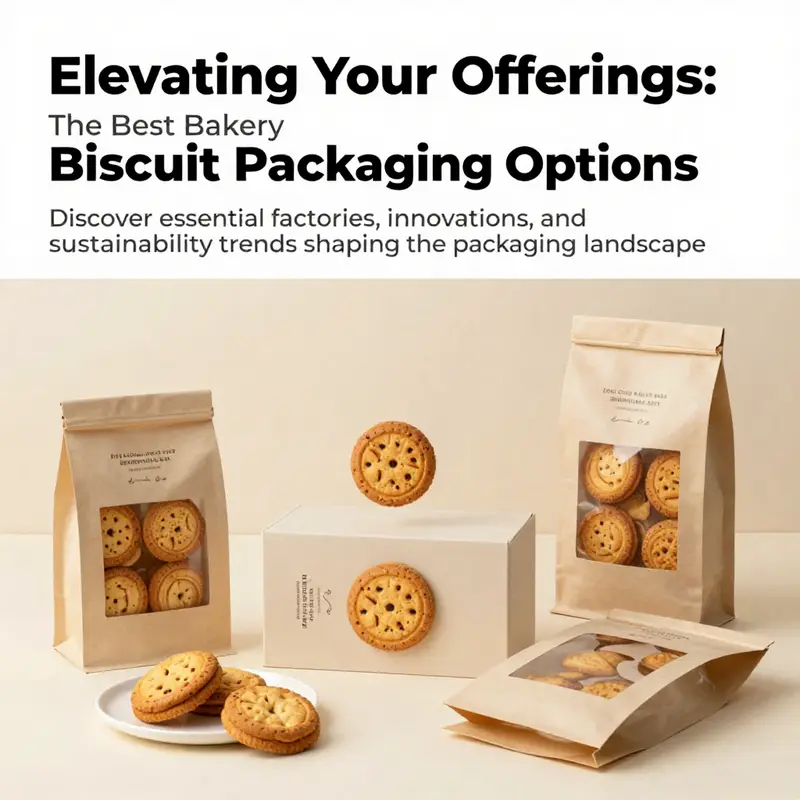
As the demand for baked goods continues to rise, so does the need for quality packaging that not only preserves freshness but also showcases brand identity. Bakery and biscuit packaging boxes play a vital role for businesses like bubble tea shops, catering services, and restaurants by enhancing product presentation and ensuring safe transport. To navigate this dynamic market, it’s essential to understand the leading factories, cutting-edge technologies, and emerging sustainability trends in China. This comprehensive overview highlights top manufacturers that specialize in bakery biscuit packaging, explores technological advancements that streamline production, and discusses sustainability initiatives that resonate with today’s environmentally conscious consumers.
From Workshop Floors to Brand Bandwidth: How China’s Bakery Biscuit Packaging Box Factories Shape Flavor, Style, and Shelf Life
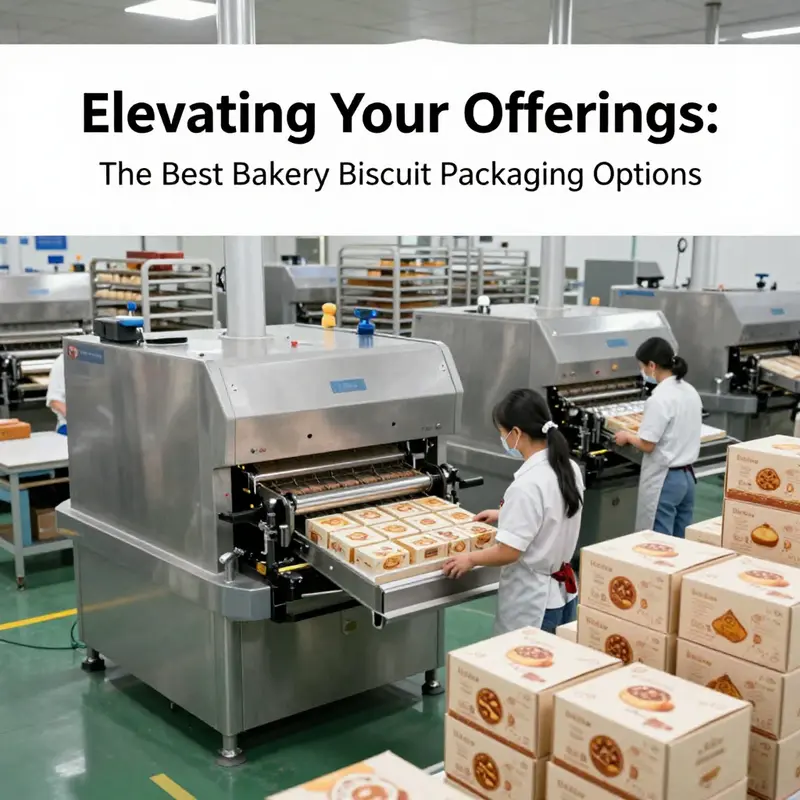
In the realm where bakery meets packaging, the box is more than a container. It is a carrier of aroma, a guardian of freshness, and a silent ambassador for a bakery’s story. Across China, the packaging ecosystem for bakery and biscuit products has matured into a highly integrated network. It blends design intuition with printing precision, sustainable materials, and scalable production. The geography of this industry matters as much as the machinery that runs it. In the south, the Pearl River Delta region’s factories have built reputations on large-scale, automated production and a long history of trust with local cake shops. In the northwest, a different trajectory unfolds: comprehensive design-to-delivery capabilities and a relentless emphasis on quality control, backed by substantial floor space and modern equipment. In the Yangtze River Delta, a cluster of firms blends product breadth with stringent food-safety practices and clean-room environments. And in the expanding belt of eastern and central China, newer entrants bring speed, patents, and a willingness to reimagine the box itself with foldable forms and novel closures. Taken together, these dynamics are not merely about boxes; they are about enabling brands to scale without sacrificing the tactile experience that makes bakery products memorable. The leading players in this landscape each bring a distinctive set of strengths that respond to the varied demands of bakeries, pastry shops, and biscuit brands. One standout in the northwestern corridor operates a true one-stop service, weaving together design, high-quality printing, and efficient manufacturing under a single roof. This integration reduces handoffs and accelerates lead times, a vital advantage when a bakery faces tight deadlines for seasonal launches or regional promotions. The factory’s capability to coordinate color management, die-cutting, and embossing with a robust quality-control framework helps ensure that every box not only catches the eye but also preserves its integrity through distribution, ovens, and warm service counters. The scale is evident in a sizable factory footprint, and the emphasis on end-to-end processes often translates into more predictable timelines for large orders and urgent requests alike. In practice, this translates into a reliable partner for national chains or networks that need consistent packaging across hundreds of locations. In the south, another long-established player emphasizes long-term trust and pioneering efficiency. With decades in the field, this company earned a reputation for pioneering fully automated, eco-friendly production lines, particularly in cake packaging. The emphasis on environmentally friendly processes aligns with a rising consumer preference for sustainability and an industry-wide shift toward recyclable and responsibly sourced materials. Clients in this region often rely on the company’s breadth of offerings—ranging from birthday cake boxes to pastry gift boxes and wedding gift boxes—and on its proven capacity to scale. The sustainability story is not just a marketing line; it is embedded in the choice of materials, the way inks are formulated, and the energy profile of the plant. The practical effect for bakers is a packaging partner that can align with brand values while delivering consistent performance at scale. In the eastern and southern hubs, a cluster of suppliers foregrounds product breadth and food-safety stewardship. A prominent Suzhou-based group has built a reputation for premium, eco-conscious packaging and a versatile product line that includes sophisticated gift boxes suitable for multiple industries. Their certifications—FSC and ISO9001—signal a disciplined approach to materials sourcing and process control. The proximity to major logistics corridors enhances nationwide delivery, making it easier for brands to standardize packaging across distant markets. For bakeries aiming to elevate brand image through packaging, the combination of aesthetics and sustainability offered by such firms is particularly compelling. A clean-room approach and the use of food-grade inks, water-based or soy-based inks, underscore a commitment to hygienic production and safe contact with edible goods. The result is packaging that not only looks refined but also respects stringent food-safety standards throughout the supply chain. Alongside these established profiles, a new wave of specialists has carved out niches that keep the broader packaging ecosystem dynamic. Some firms are leaning into high-performance PET solutions designed to maintain freshness and structural integrity under refrigeration and freezing. These specialized boxes address a common package-palette problem: moisture migration and texture changes that can alter a cake’s perceived freshness. By employing food-grade virgin PET and robust sealing mechanisms, these producers offer solutions that minimize softening and preserve flavor profile across retail cold chains. The emphasis on materials with stable performance across temperature extremes reflects a pragmatic response to bakery realities—from display cases to transport to home storage. At the same time, a new generation of firms is harnessing intellectual property to differentiate themselves. Patents on foldable or modular designs, efficient die-cut patterns, and specialized closure systems signal an industry that is actively reimagining the box as a functional marketing channel rather than a simple wrapper. Another important thread in this landscape is the emergence of all-encompassing design-to-delivery capabilities. The best of these providers shape packaging through a true design-print-manufacture-delivery continuum. They work directly with brands on the concept, translate ideas into production-ready files, and then scale manufacturing across capacity-laden runs. In practice, this means a bakery can hand over a brief and receive a fully realized packaging solution—from prototype to bulk production—without toggling between multiple vendors. The value of such integration is twofold: it accelerates time-to-market and it aligns creative intent with feasible production parameters, ensuring that brand identity translates faithfully from screen to shelf. Quality control remains a central pillar across these leading operations. The most respected factories implement end-to-end checks from raw-material selection to final inspection. The emphasis spans fiber content, ink safety, surface finish, dimensional accuracy, and packing integrity. In many cases, certifications and audits reinforce confidence that packaging will meet food-safety regulations and consumer expectations under typical store and home-use conditions. For brands with ambitious sustainability goals, the ability to trace materials and verify recycled content or FSC certification provides another layer of assurance. The practical impact for bakers is straightforward: fewer defects, fewer returns, and a packaging story that aligns with consumer values around responsible consumption. Beyond the core competencies of design, printing, and quality control, the packaging ecosystem increasingly emphasizes logistics excellence. The presence of well-located production circles near major freight corridors means faster replenishment and reduced risk of stockouts. For bakeries with seasonal surges or regional promotions, the ability to ramp up production quickly is a decisive advantage. In addition, a robust logistics framework helps ensure that fragile boxes arrive in pristine condition, with minimal damage during shipping—a nontrivial consideration for premium cake or pastry packaging that features window cutouts, embossing, or delicate color work. The net effect is a supply chain that behaves like an extension of the bakery’s own operations, enabling brands to respond rapidly to consumer demand without compromising quality or aesthetics. A final thread worth tracing is the breadth of materials offered by industry leaders. Paper-based packaging remains a staple for many bakery product lines, prized for its recyclability and perceived compostability. Yet aluminum foil trays and heat-resistant containers continue to find application in certain segments of the bakery business, particularly where oven-to-table convenience or strict heat tolerance is required. The aluminum segment supports high-end disposable packaging for certain pastry formats, mirroring the growing interest in premium, lab-tested materials that can withstand oven or microwave use. The convergence of paper and foil options within the same provider ecosystem supports bakers seeking singular supply chains for both baked goods and accompanying packaging. This convergence also mitigates supply risk by enabling a single vendor to handle multiple packaging modalities, simplifying procurement and ensuring consistent color and print quality across formats. As this landscape evolves, one observation stands out: the most effective packaging partners are not only capable manufacturers but strategic collaborators who understand a bakery’s brand, shelf strategy, and consumer rituals. They listen to a bakery’s needs, propose design concepts that elevate perceived value, and bridge the gap between culinary craft and consumer-facing presentation. In practice, this means a bakery can lean on a partner for truly holistic packaging—one that protects product integrity, supports brand storytelling, and aligns with sustainability commitments. The result is not just a box, but a platform for flavor, a storytelling vehicle that travels from oven to display, to the consumer’s hands, and finally to memory. To illustrate a practical path through this landscape, consider the broader form of packaging options that many bakers encounter daily. A widely used form—the disposable octagonal box for restaurant food kraft paper packaging—exemplifies how design and material choices respond to taste, texture, and logistics. This option, available through a range of suppliers, demonstrates how a simple geometric choice can influence stacking, display, and even heat management in a retail environment. The box’s geometry supports efficient shelf presentation while its kraft composition conveys a rustic, artisanal vibe that aligns with many bakery brands’ storytelling. The bigger takeaway is that the best factories operate with a customer-first mindset, delivering on both function and story. They understand that a box is a medium, not a motive. It carries the aroma of freshly baked bread, the gleam of a sugar-crystal glaze, and the trust that a brand has earned with its customers. In Chinese manufacturing terms, this translates into a finely tuned balance of large-scale capability and intimate design sensitivity. It is the difference between a supplier who can print and ship and a partner who can co-create a packaging identity that resonates with a bakery’s consumer base. As brands navigate growth—whether expanding regionally, entering new product lines, or launching seasonal promotions—the packaging partner’s ability to anticipate demand, manage risk, and maintain consistency becomes a competitive differentiator. In this sense, the chapter of bakery packaging in China thus reveals a field where craft, engineering, and sustainability converge to shape what consumers taste and remember long after the last bite. For teams looking to align with a capable manufacturing partner, a practical starting point is to evaluate three pillars: customization and design integration, material strategy and sustainability, and production certainty. Customization and design integration mean more than pretty visuals; they require print quality assurance, color management, and the ability to translate design concepts into production-ready workflows. Material strategy and sustainability demand transparent sourcing, compatibility with food safety standards, and a clear path to reducing environmental impact without compromising performance. Production certainty encompasses capacity, lead times, and the resilience of the supply chain to seasonal spikes. In China’s bakery packaging box sector, leaders routinely excel in all three pillars and thus stand out as reliable partners for brands seeking coherence between product and packaging across multiple markets. Looking ahead, the ecosystem’s momentum will likely hinge on how well factories balance heritage and innovation. The established players carry decades of trust and operational discipline, while newer entrants bring patents, foldable designs, and quick-turn capabilities. As brands demand more from their packaging—mixed-material solutions, enhanced shelf-life performance, and turnkey design support—the factories that can deliver across the entire value chain will shape the next wave of bakery packaging. This is not merely about filling a box; it is about engineering a packaging system that amplifies flavor, protects quality, and communicates the bakery’s story with clarity and care. The result is a more connected package ecosystem where a box becomes an extension of the bakery’s craft, and where regional specialization meets global scale in a way that elevates both product and brand. For readers seeking a concrete example of how packaging form and function meet practical bakery needs, consider the broader packaging repertoire available in the market. Among the options that suppliers routinely offer, a disposable octagonal box for restaurant food kraft paper packaging stands out as a flexible, efficient choice for various pastry formats and retail scenarios. It embodies the kind of adaptable design that many bakers prize when planning seasonal assortments or limited-edition boxes. The form supports stable stacking on display and efficient use of shelf space, while the kraft substrate conveys a tactile appeal that resonates with customers who value craft and sustainability. This is the kind of packaging intuition that good factories bring to life—translating a simple geometry into a powerful consumer experience. To explore a current example of this packaging form, you can review industry-related product pages that showcase the practical deployment of such designs in real-world settings. In sum, the leading Chinese factories in bakery and biscuit packaging boxes are not simply suppliers; they are strategic partners who align design, materials, and production to help bakeries grow. By emphasizing one-stop service capabilities, automated and scalable production, rigorous quality control, and a broad materials palette—including paper and high-performance plastics—the best players in this market enable brands to expand with confidence. They enable bakers to tell a more compelling story at the point of sale while maintaining the practical demands of freshness, safety, and logistics. In this light, choosing a factory becomes less about finding a vendor and more about selecting a collaborator who can translate culinary ambition into packaging that travels from oven to consumer with the same care that goes into the recipe itself. The chapter of bakery packaging in China thus reveals a field where craft, engineering, and sustainability converge to shape what consumers taste and remember long after the last bite.
Engineering the Crunch: AI, Automation, and Sustainability Redefine China’s Bakery Biscuit Packaging Box Production
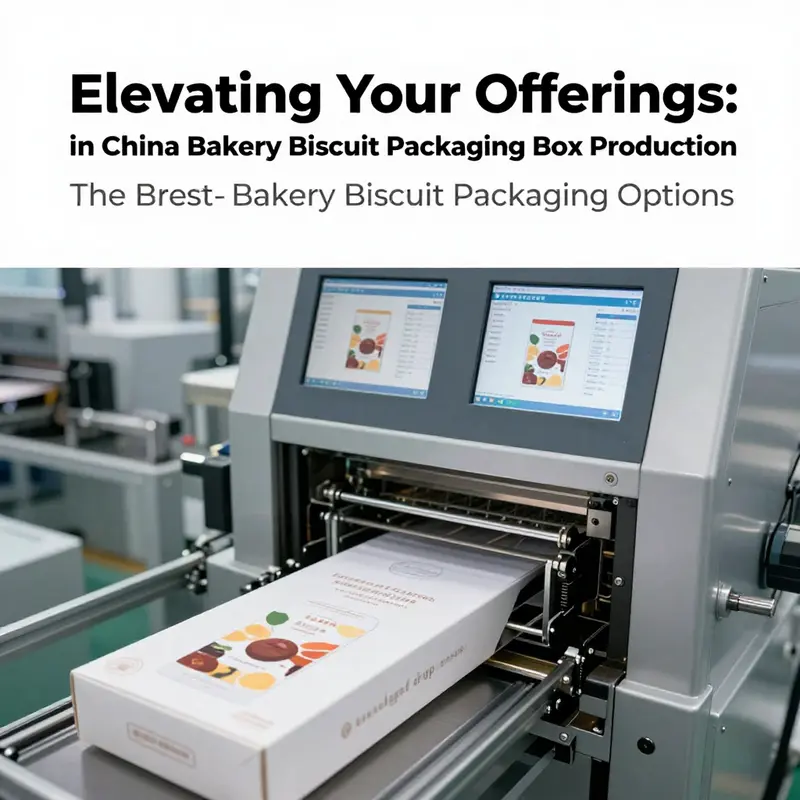
Behind the glossy displays of baked goods, a quiet but consequential transformation is remaking how bakery and biscuit packaging boxes come to life in China. Boxes are no longer mere containers; they are strategic touchpoints that communicate brand values, preserve freshness, and endure the rigors of complex distribution networks. The chapter that follows traces how the country’s packaging ecosystem—centered in busy industrial hubs and energized by automation, data-driven insight, and sustainable materials—has begun to redefine what is possible in scale, precision, and design. The result is a production environment in which uniform quality, rapid customization, and responsible stewardship coexist on a single line, enabling biscuit brands of all sizes to compete on both presentation and performance. In this landscape, technology acts not as a backdrop but as the defining governor of how a simple square of paper becomes a trusted messenger for a cake, a pastry, or a stack of biscuits traveling to consumers around the world.
Automation sits at the core of this evolution. Modern packaging lines integrate forming, cutting, folding, and binding with in-line printing and gluing, all orchestrated by centralized control systems. Each station carries a suite of sensors that monitor alignment, material thickness, color fidelity, and seal reliability. The feedback from these sensors feeds rapid adjustments, producing boxes that maintain consistent dimensions and print quality across thousands of units per hour. For a bakery that introduces a seasonal line or a limited-edition flavor, the ability to reconfigure a line quickly reduces lead times and minimizes downtime, turning what used to be a costly changeover into a routine operation. The effect is a throughput tempo that supports both broad distribution and the nimble responsiveness modern retailers demand.
Artificial intelligence is the hidden accelerant powering this gear. AI-driven vision systems continuously scan sheets for color drift, misregistration, or coating imperfections long before a box leaves the printer. Predictive maintenance analyzes vibration, temperature, and throughput to forecast component wear, scheduling maintenance before a fault disrupts production. AI also optimizes scheduling and material flow, allocating finished boxes to demand signals, curbing waste, and orchestrating multi-line orchestration so urgent orders slip into the plan without triggering bottlenecks. This intelligence translates into a tangible competitive edge, especially for producers serving fast-moving retail channels where uniformity and speed matter as much as the aesthetic appeal of the package. The result is not a single clever trick but a layered capability that makes entire lines more reliable, more adaptable, and more transparent to the brands that rely on them.
At the level of the factory floor, the industry is moving toward a smart factory paradigm. A digital backbone aggregates data from every machine, enabling managers to simulate production scenarios in real time. Before committing resources to a new box size or a different substrate, planners can test impact, anticipate bottlenecks, and confirm feasibility without tying up physical assets. This approach harmonizes well with a global market that increasingly expects Chinese biscuit packaging machinery not only to perform well domestically but to meet international standards for consistency, traceability, and safety. Producers in major hubs combine scale with automation to offer a spectrum of capabilities: large-volume runs for national retailers and agile setups for regional brands seeking rapid experimentation. The payoff is a packaging system that is both predictable and flexible, a critical combination when the confectionery calendar is crowded with promotions, holidays, and shifting consumer tastes.
Material science has kept pace with mechanical ingenuity, expanding the palette of sustainable options available to box makers. There is growing demand for papers certified by independent forestry programs, coatings that are compostable or reclaimable, and adhesives formulated to perform under heat and humidity without compromising recyclability. For bakery packaging, barrier properties matter just as much as beauty; a box must repel grease and moisture while preserving the product’s freshness through transit and shelf life. In response, suppliers are broadening the family of viable materials, offering papers that balance stiffness with flexibility, laminates that preserve barrier performance while enabling recycling streams, and coatings that can be processed in standard pulp mills with minimal contamination. The shift toward renewable and recyclable inputs is not a trend but a structural change that shapes every design choice—from color fidelity to fold strength to end-of-life handling.
Quality assurance has shifted from a final inspection checkpoint to continuous, end-to-end testing. Inline inspection systems blend spectroscopic methods with high-resolution vision and weight sensing to certify every unit as it progresses. In bakery packaging, even small deviations in gloss, edge sharpness, or fold alignment can undermine a brand’s perceived quality and generate waste on a large scale. Modern plants convert these detections into actionable improvements through dashboards that translate measurements into concrete operator and engineer tasks. This emphasis on process transparency aligns naturally with food-safety requirements; the packaging in contact with baked goods must be inert and non-contaminating, while inks, coatings, and adhesives must be food-contact compliant. Striking this balance—keeping performance high and risk low—drives a culture of traceability, enabling a lot to be tracked from raw material origin to finished carton. Such traceability is not merely regulatory theater; it is a practical safeguard that reassures retailers and consumers and supports rapid responses to any quality issues.
The design and production workflow now flow in tighter synchronization with brand strategy and store logistics. Digital printing unlocks high-resolution graphics with minimal setup, while advanced web handling and die-cutting open opportunities for innovative shapes and structures. Boxes with windows, integrated handles, or moisture barriers can be produced with cost discipline and scalable repeatability. Designers and process engineers collaborate in virtual environments to explore form and function before a prototype ever leaves the drawing board. The result is not a race to novelty but a balanced portfolio of formats that deliver shelf appeal without compromising manufacturability or end-user practicality. A growing number of facilities offer integrated design-print-manufacture-delivery services that streamline decision-making for biscuit brands seeking fast, consistent execution across multiple markets. In this context even a seemingly simple seasonal box can become a carefully engineered product that respects brand voice while meeting distribution constraints and consumer expectations for convenience and sustainability.
From a logistics standpoint, packaging production now interlocks more tightly with bakery supply chains. Large-scale plants situated in strategic logistics corridors ensure that finished boxes can be dispatched to contract manufacturers or regional bakeries with minimal delay. This reduces the capital tied up in finished goods inventories and supports just-in-time packaging strategies that align with the volatile cadence of product launches, promotions, and holiday demand. The ability to fulfill small, customized orders without sacrificing efficiency has opened space for boutique bakers and regional brands to experiment with premium presentation without sacrificing supply reliability. Practical formats that can accommodate a wide product range—from single-serve biscuits to premium gift assortments—are becoming the standard, allowing the packaging system to accommodate flavor variations, seasonal themes, and cross-category promotions without a corresponding spike in changeover costs. The net effect is a packaging ecosystem that mirrors the dynamism of modern baking: evolving with season, scale, and consumer sentiment.
Innovation is not limited to the printing press or the cutting die; it extends to the very shapes and surfaces that brands perceive as integral to their story. A notable strand of development explores packaging formats that travel securely, present attractively, and open with intuitive ease. In this context, material choice, surface finish, and structural topology are optimized for longevity in transit and end-of-life recyclability. The packaging family is expanding to include related components such as liners, inserts, and protective sleeves that constrain movement within the carton and minimize product damage during handling. This ecosystem aligns with the broader push toward eco-conscious packaging, where brands seek tangible proof of responsibility in materials sourcing, manufacturing energy use, and waste streams. The outcome is not merely a greener footprint but a stronger narrative of trust with consumers who increasingly demand transparency and accountability from the products they buy. For practitioners curious about a particular packaging shape, see the disposable octagonal box in kraft paper packaging.
Longer-term, the technology story is inseparable from the people who operate these systems. Facilities invest in cross-disciplinary teams that blend mechanical engineering, materials science, data analytics, and quality assurance. Training becomes ongoing rather than episodic, and the cultural shift toward proactive maintenance and continuous improvement becomes visible in reliability metrics and labor efficiency. This is especially important in a sector where the pace of new product introductions is as fast as the pace of flavor trends. Companies that cultivate this blend of technical capability and organizational discipline can sustain rapid change while maintaining the physical integrity of the product and the reliability of the supply chain. The combination of skilled operators, robust machinery, and data-driven oversight creates a virtuous circle: better line performance invites more experimentation; more experimentation yields better packaging designs; better designs demand better manufacturing discipline, and so on.
All of these developments unfold within a broader regulatory and market context that continues to shape adoption. Domestic environmental regulations push for lower emissions, reduced waste, and increased recycling, while international customers increasingly require verifiable sustainability claims and rigorous supply-chain transparency. In practice, this means packaging developers must design with life-cycle thinking from the outset, selecting materials and processes that meet multiple criteria for performance, safety, and end-of-life handling. The pressure is not only to innovate but to evidence impact—whether through quantified reductions in material usage, improvements in recyclability rates, or demonstrable gains in energy efficiency on the line. The industry responds with modular equipment, scalable line configurations, and standardized interfaces that make it easier to upgrade, retrofit, or reconfigure without dismantling established operations. That combination—modularity plus data-driven discipline—appears to be the most durable path forward for a sector tasked with defending product integrity while shrinking its environmental footprint.
As the sector evolves, the interplay between automation, AI, and sustainable materials will likely accelerate. The next phases are expected to push even closer the integration of packaging design with production planning, enabling more brands to push customization without sacrificing the efficiencies of mass production. The implications extend beyond the factory floor: better packaging reduces waste in the supply chain, enhances brand storytelling at the shelf, and supports retailers in delivering consistently high-quality experiences to shoppers. Reflecting on these trajectories, the shop floor emerges not as a static assembly line but as a living ecosystem where software, hardware, and materials coevolve. In this evolving landscape, the biscuit box becomes a showcase of how technology and responsibility can cooperate to elevate a simple consumer good into a marker of quality, trust, and modern manufacturing prowess.
External resource: https://www.marketresearchfuture.com/reports/china-biscuit-packaging-machines-market-1567
Sustainability Trends in China’s Bakery and Biscuit Packaging Boxes: Materials, Minimalism, and Tech-Driven Transformation
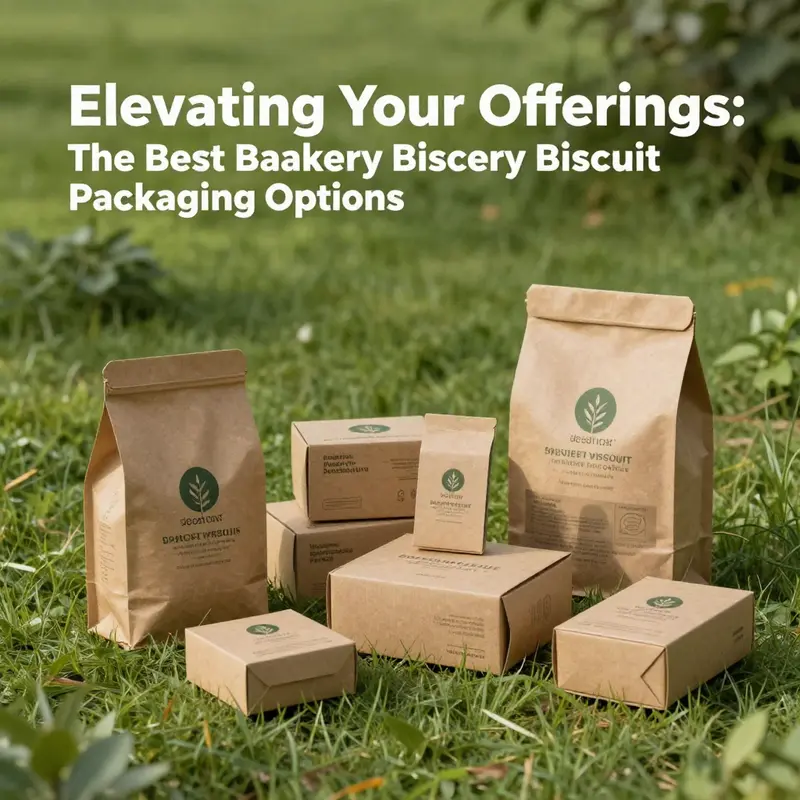
The bakery and biscuit packaging landscape in China is unfolding as a study in balancing centuries of craft with the demands of a climate-aware, digitally connected market. Across cities from coastal hubs to inland manufacturing belts, packaging specialists are reimagining boxes, liners, and containers not as mere vessels but as part of the product experience that can communicate quality, safety, and responsibility in one breath. The chapter that follows treats sustainability not as a marginal consideration but as a core strategy—an operating principle that threads through choice of materials, design language, and the very machinery that stamps, folds, and seals. It is a narrative that ties environmental stewardship to brand value and supply chain resilience, a confluence that positions China as a leading voice in green packaging for baked goods on the global stage.\n\nIn recent years, the shift toward eco-friendly materials has moved from niche to mainstream in the bakery and biscuit space. Recycled papers, kraft boards, and plant-based fibers are no longer exotic options but standard fare that many manufacturers deploy to meet rising consumer expectations and stricter regulatory benchmarks. The logic is simple but powerful: materials that can be recycled at end of life or that originate from rapidly renewable sources reduce the environmental footprint without compromising printability, stacking strength, or shelf appeal. The emphasis on lifecycle thinking means decisions are not about a single box’s appearance, but about how the packaging behaves across stages—from the moment the product is conceived, through production and distribution, to consumer disposal and potential reuse in decorative or storage contexts. This broader view helps explain why so many packaging developers in China are championing FSC-certified papers, responsibly sourced kraft board, and compostable or biodegradable components wherever feasible. The trend is consistently reinforced by market analyses that flag sustainability as a differentiator in crowded retail shelves and a driver of loyalty among eco-conscious buyers.\n\nBiodegradable and compostable solutions are increasingly incorporated where feasible, particularly for premium or specialty baked goods that benefit from a narrative of naturalness and purity. The adoption of materials capable of breaking down in industrial composting streams or in home compost settings is framed not as a radical leap but as a measured progression aligned with regulatory trajectories and consumer behavior. Brands that pair compostable packaging with transparent communication about end-of-life options often report stronger resonance with younger shoppers who value responsibility as a core attribute of their favorite brands. This alignment—the harmony of material choice, messaging, and performance—becomes a critical lever in strengthening market competitiveness. The broader implication for manufacturers is clear: sustainability must be integrated into product development roadmaps, supplier selection, and continuous improvement programs, not treated as an add-on initiative.\n\nMaterial innovation is supported by rigorous testing of barrier properties, mechanical strength, and printability to ensure that functional performance does not lag behind ecological aspirations. Recycled-content papers and kraft boards bring notable environmental benefits, but they require careful formulation to maintain print fidelity, moisture resistance, and stiffness. Plant-based fibers and bio-based coatings offer a path toward lower carbon footprints, yet they must demonstrate compatibility with automated filling and sealing lines and adherence to food-contact safety standards. In practice, this means close collaboration among designers, materials scientists, and process engineers to tailor substrates that can be integrated into high-speed packaging lines while preserving the visual and tactile cues that communicate quality to bakers and shoppers alike. The outcome is a family of packaging solutions that can deliver both brand coherence and supply chain reliability in a competitive landscape.\n\nBeyond the substrate, the trend toward minimalist and Zen-inspired design complements environmental goals. The “Zen-inspired New Chinese Style” emphasizes balance, restraint, and natural beauty, translating into packaging that uses restrained color palettes, clean typography, and deliberate negative space. This design language resonates with premium or artisanal baked goods, where the packaging itself becomes a quiet, authentic extension of the product narrative. A minimalist approach also reduces ink consumption and simplifies production steps, contributing indirectly to environmental performance. Yet minimalism does not mean sparse or dull; rather, it invites a refined visual hierarchy that can enhance perceived freshness and quality while keeping production lean and predictable. In practice, brands leverage windowed panels, board textures, and tactile finishes to evoke natural materials without sacrificing the efficiency of automated print and apply processes. The result is a packaging aesthetic that communicates care for both craft and environment, a synergy that supports higher-value offerings and fosters stronger emotional connections with consumers.\n\nIntegrating smart technologies into packaging design and manufacturing marks another pillar of China’s sustainability trajectory. AI-assisted design tools enable rapid prototyping and market-responsive iterations, helping teams test color schemes, typography, and layout against projected consumer preferences and competitive sets. This data-driven approach reduces the number of full-scale physical prototypes required, cutting material waste and expediting time-to-market. On the production floor, automated high-speed packaging lines equipped with advanced controls ensure consistent quality and efficiency while complying with stringent food-safety standards. The use of CE-certified machinery signals a commitment to safety, reliability, and interoperability across equipment, suppliers, and customers. In effect, technology acts as both a guardrail and an accelerant: it protects product integrity and regulatory compliance while accelerating the adoption of sustainable material and design strategies.\n\nAlongside materials and aesthetics, the supply chain architecture itself has become a critical sustainability lever. Efficient logistics and strategic positioning of factories within transport networks help minimize carbon emissions associated with long-haul shipping and air freight. Being located in logistics hubs enables faster, more predictable deliveries, reducing inventory obsolescence and the energy costs tied to storage. This logistical efficiency aligns with a broader push toward closer collaboration with suppliers who share commitments to responsible sourcing and transparent traceability. When a packaging supplier can demonstrate end-to-end visibility—from pulp or fiber sourcing to finished boxes—it strengthens trust with brands that must meet regulatory and consumer scrutiny. In many cases, this translates into formal certifications, supplier audits, and collaborative improvement plans that keep sustainability at the center of ongoing product development and production planning.\n\nThe push toward sustainability also interlocks with consumer perception in a nuanced way. It is not merely about the materials themselves but about the narratives packaging creates around the baked goods they protect. For younger consumers especially, packaging represents a signal of a brand’s values. A box that communicates environmental stewardship, coupled with a design that feels authentic and culturally resonant, can elevate a product’s story and justify premium pricing. This multi-dimensional value proposition—environmental responsibility, design integrity, and compelling storytelling—helps brands build loyalty in a market that increasingly expects more from the packaging as a product extension. In this sense, sustainability becomes a strategic asset rather than a compliance obligation, shaping product positioning, marketing communications, and even distribution strategies.\n\nThe discussion would be incomplete without acknowledging the role of standards and certification in stabilizing the evolution of greener packaging. Suppliers that earn certifications such as FSC for responsible forestry and ISO 9001 for quality management provide a verifiable basis for customers to trust that the materials and processes meet stated commitments. For many producers, this formal assurance is a prerequisite for sustained business relationships, particularly when serving larger retail or foodservice players that require strict sustainability criteria. Certification also helps reduce uncertainty in supply chain planning. When a plant can demonstrate consistent performance under standardized processes, brands can forecast packaging costs, timelines, and printing quality with greater confidence. All of these elements contribute to a more resilient packaging ecosystem that can weather fluctuations in demand while maintaining an environmentally conscious posture.\n\nThe integration of sustainability into bakery and biscuit packaging in China also intersects with the broader global movement toward circular economies. A growing emphasis on recyclability and reusability means that packaging designs increasingly consider end-of-life pathways. For instance, simpler box structures that facilitate recycling, combined with inks and coatings that do not hinder recyclability, help maintain the integrity of recycling streams. Some manufacturers experiment with modular designs that allow components to be separated easily, improving recyclability rates and reducing contamination. In parallel, the market sees ongoing exploration of compostable liners and inner packaging that can align with municipal or industrial composting infrastructure. These choices are not universal, but they reflect a clear trend toward packaging ecosystems that support circularity and reduce waste. The practical implication for bakers and biscuit brands is that packaging decisions increasingly require cross-functional collaboration among design teams, sustainability officers, procurement, and operations to align product aesthetics with environmental outcomes and regulatory expectations.\n\nFinally, the strategic value of sustainable packaging is reinforced by the growing emphasis on consumer education. Brands that provide clear, accessible explanations of why certain materials are chosen—and how end-of-life options work—empower shoppers to participate in responsible consumption. Transparent labeling, intuitive disposal instructions, and visible environmental certifications can transform packaging from a passive wrapper into an active ambassador for a brand’s values. This educational aspect complements the tactile and visual cues that already shape consumer perception, turning sustainability into a storytelling device as well as a packaging specification. In this way, the packaging box becomes an integrated element of the product’s identity, capable of communicating discipline, care, and respect for the environment while preserving the sensory and gustatory promise that bakers seek to deliver.\n\nTo illustrate how these trends translate into tangible opportunities, consider the growing demand for packaging components that can be integrated with other eco-friendly bakery packaging solutions. For example, an internal (and widely adopted) option within the industry includes disposables that use kraft-based compositions capable of withstanding oven or microwave use when paired with appropriate coatings or metallized finishes. A representative example of such an option can be found at this product page: disposable-700ml-kraft-paper-bowl-take-out-octagonal-rectangle-paper-bowl. This kind of pairing—box plus liner or bowl—demonstrates how sustainable materials can support a complete take-out packaging system for bakery items, enabling brands to deliver warmth, aroma, and freshness with minimal environmental impact. It also underscores the importance of selecting packaging elements that are not only visually aligned with a brand’s story but also technically compatible with production lines, storage conditions, and consumer use scenarios. The broader ecosystem benefits when suppliers can provide integrated, end-to-end packaging solutions that emphasize environmental responsibility, design coherence, and scalable manufacturing—all of which contribute to a more resilient and competitive bakery packaging landscape.\n\nExternal resources and ongoing analyses further illuminate these developments. One widely cited external reference discusses eco-friendly cookie and biscuit packaging on a global platform, offering context for material choices, regulatory expectations, and market dynamics that influence Chinese manufacturers as they design and scale sustainable solutions. External researchers and industry watchers alike emphasize that sustainability is a moving target—advancing with innovations in materials science, coatings, and circular economy models while being anchored by consumer sentiment and policy directions. For readers seeking additional perspectives, an external resource provides a broader lens on eco-friendly packaging trends and supplier capabilities: https://www.alibaba.com/showcase/eco-friendly-cookie-boxes.html?src=1&product_id=123456789.\n\nThe convergence of eco-conscious materials, refined design language, and intelligent production technologies marks a new era for bakery and biscuit packaging in China. It is an era in which packaging is recognized not as a background asset but as a strategic platform that communicates a brand’s commitment to sustainability, supports product differentiation, and reinforces supply chain resilience. As factories continue to invest in automated lines, sustainable substrates, and certification-driven quality controls, the industry is poised to deliver packaging that meets stringent safety standards, delights consumers, and minimizes environmental impact. The narrative is not merely about replacing one material with another; it is about aligning every choice—from fiber source to ink chemistry, from box geometry to disposal guidance—with a coherent, credible sustainability story. When these elements come together, the result is packaging that strengthens trust, reinforces brand identity, and helps establish China’s bakery and biscuit products as credible leaders in responsible, innovative packaging on the global stage.
Final thoughts
The landscape of bakery biscuit packaging in China is evolving, driven by advances in technology and a strong commitment to sustainability. For bubble tea shops, restaurants, food trucks, catering services, event planners, and corporate procurement teams, partnering with the right packaging factory can enhance brand reputation and improve overall customer satisfaction. Embracing quality production, modern innovations, and sustainability can pave the way for a more responsible and successful business model. As consumer preferences continue to shift towards eco-conscious products, investing in high-quality, sustainable packaging solutions is not just a trend—it’s a necessity.