
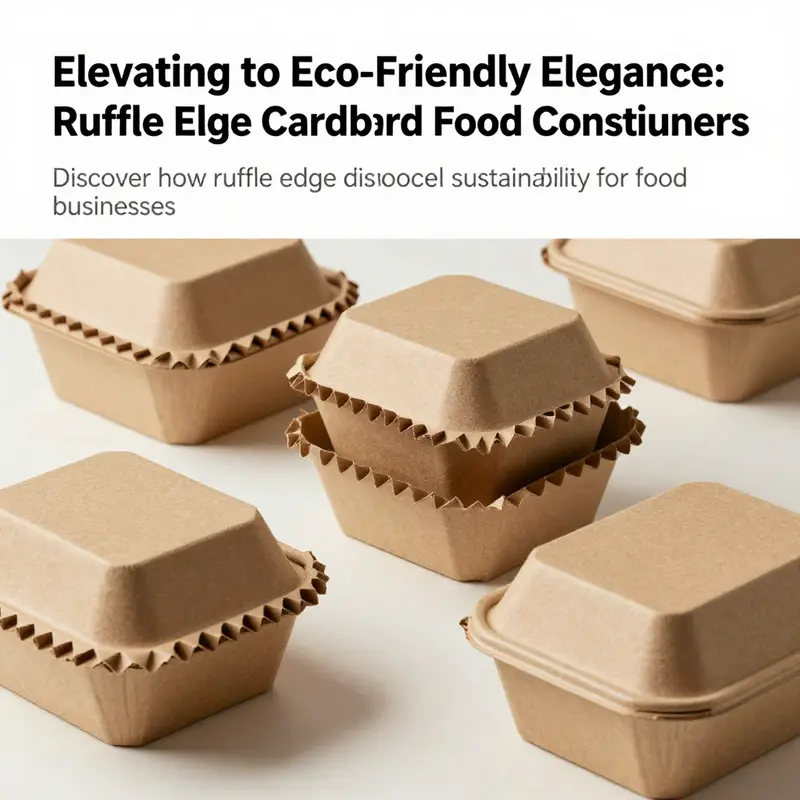
As consumers become increasingly aware of environmental impacts, food businesses are seeking stylish and sustainable packaging solutions. Ruffle edge cardboard disposable food containers represent a perfect blend of beauty and functionality, making them an ideal choice for bubble tea shops, restaurants, food trucks, and event planners. In this article, we explore their materials and eco-friendliness, practical functionality and aesthetic appeal, market trends, diverse applications, and innovative design features. By addressing each of these aspects, we provide a comprehensive understanding of how these containers align with the evolving demands of the food industry and consumer preferences.
null
null
From Edge to Experience: The Ruffled Edge in Cardboard Containers
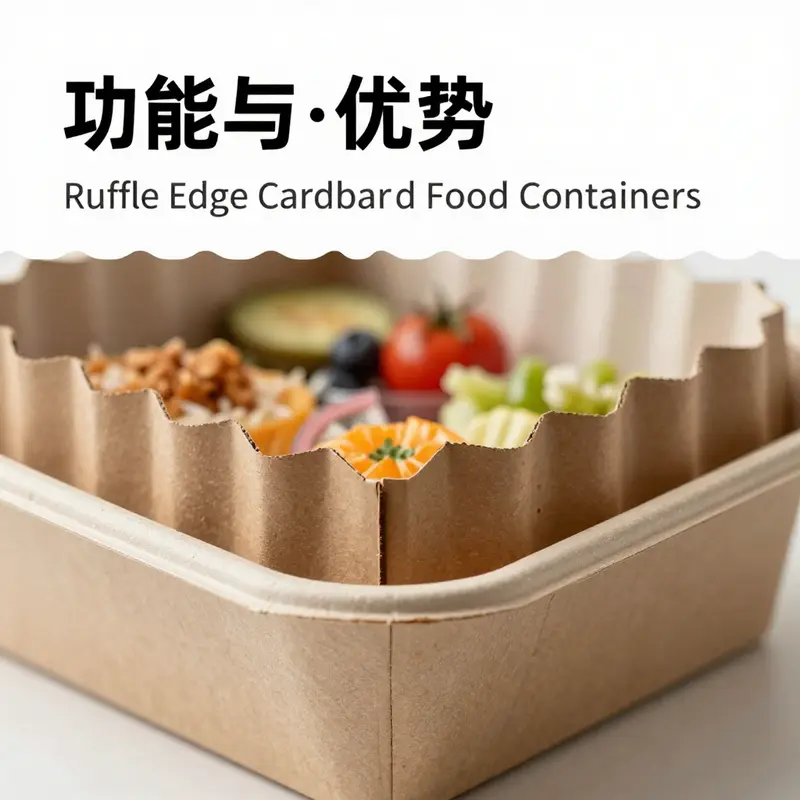
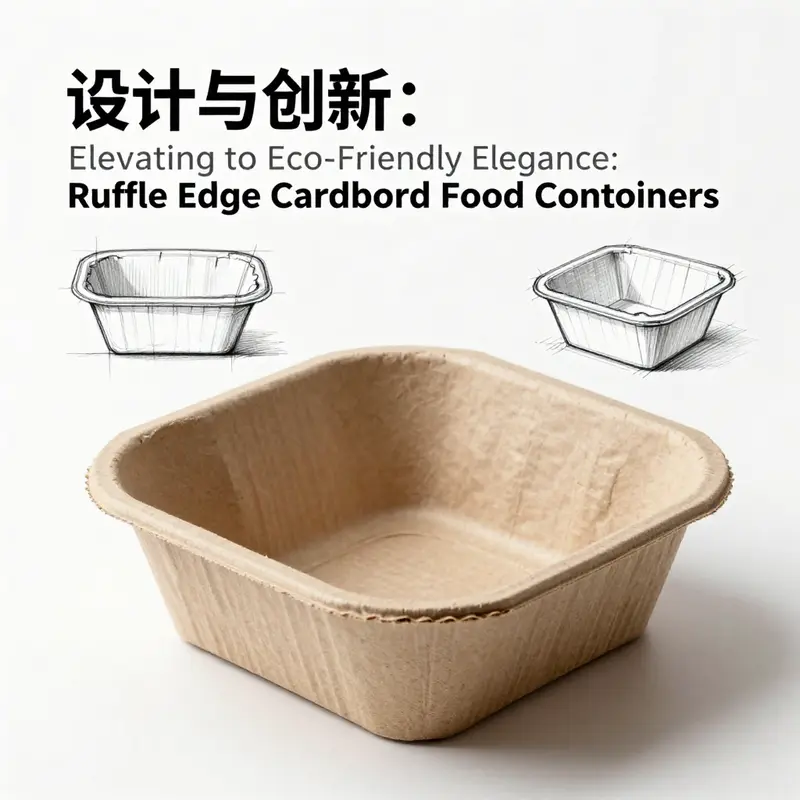
The ruffle edge on a cardboard disposable food container is more than a stylistic flourish; it is a deliberate integration of engineering and aesthetics that speaks to both the practicalities of everyday use and the evolving expectations of sustainability-minded consumers. In many containers, the wave-like rim influences grip, sealing, stability, and the perception of freshness. When filled with popcorn, soup, or salads, the edge becomes a functional extension of the lid that guards against leaks, preserves shape, and adds to the container’s overall rigidity. This is not just about aesthetics; it is about safety, reliability, and user satisfaction in a market where disposable packaging must perform without compromising presentation.
A practical effect of the edge is increased contact along the seal, improving predictability under jostling, stacking, or transfers between hands. The ruffles can distribute stress more evenly along the seam and provide a subtle cushioning against minor impacts. This is especially meaningful for hot contents, where maintaining the inner barrier matters for safety and quality. The edge thus serves as a designed feature that supports packaging integrity throughout transport and use.
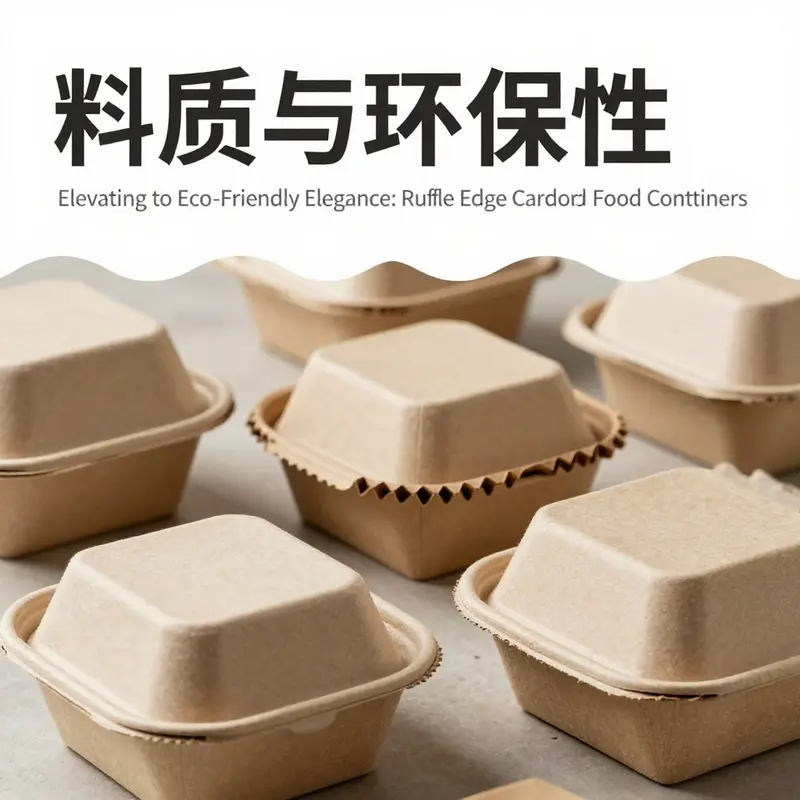
Material choices further sharpen the edge’s impact. Recycled paperboard and molded fiber interact with the edge differently, affecting texture, rigidity, and end-of-life outcomes. The result is a packaging solution that balances handling ease, leak resistance, and environmental considerations, helping brands tell a story of care without sacrificing practicality.
Beyond function, the edge communicates brand values. Its irregular rhythm adds tactile and visual texture that can elevate a takeout experience, especially when combined with branding elements and natural materials. The result is a packaging cue that signals quality and conscientious design, resonating with consumers who expect both performance and responsibility.
In short, the ruffled edge is a micro-innovation with macro implications: it contributes to sealing and strength, enhances the user experience, and reinforces a narrative of sustainability and care.
Ruffle Edge, Real Impact: Market Currents for Cardboard Disposable Food Containers
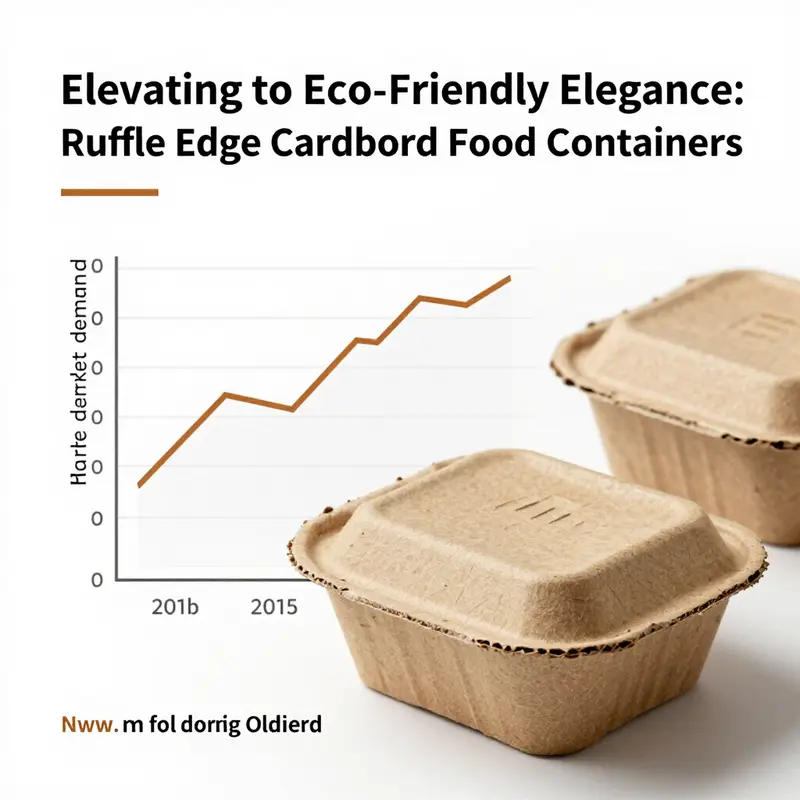
The moment a consumer lifts a takeout box and sees a subtle wave along its rim, a quiet shift is already underway. The ruffle edge, once a decorative flourish on catering trays and boutique packaging, has become a signal of a broader market realignment. Across borders and business models, the cardboard disposable food container with a ruffle edge embodies a convergence of form, function, and responsibility. It is not merely a design cue; it is a response to evolving policy landscapes, shifting consumer expectations, and the relentless pursuit of sustainable operations within fast-casual, convenience-driven food service. As the global push to reduce plastic waste accelerates, paper-based packaging stands at the forefront of the transition. The middle ground between aesthetics and performance—where a container looks inviting on social feeds yet resists heat, leaks, and crushing pressure in real-world use—has become the sweet spot for brands seeking to marry experience with stewardship. In this sense, the wave or ruffle edge is more than a stylistic feature. It is a tangible enhancement to the container’s mechanical profile. The edge design contributes to a more robust fold, improving edge rigidity and reducing deformities during stacking, transit, and handling. For operators juggling high volumes and tight delivery windows, such improvements translate into fewer breakages, less waste from spillage, and more reliable temperature retention. This is particularly important when hot soups, sauces, or oils are involved, where a secure seal and a sturdy lip can minimize leaks and the dreaded “soggy bottom” that erodes perceived quality. The functional benefits thus reinforce environmental aims. When a container manages to keep food intact with less risk of leakage, it reduces the need for secondary packaging or protective liners—a small but meaningful tick in the waste-reduction ledger. The market dynamics driving this trend are grounded in policy, perception, and performance. Governments worldwide have intensified restrictions on single-use plastics, often replacing them with alternatives that look and perform like the familiar plastics but break down more readily in composting streams or recycling processes. In many regions, environmental regulators favor fiber-based packaging because it aligns with established waste management infrastructure and consumer familiarity with paper products. This policy environment creates a predictable demand for paperboard containers that can withstand the rigors of takeout, delivery, and catering while offering end-of-life options that brands can stand behind. Amid these external pressures, consumer perception has shifted decisively toward packaging that communicates responsibility without compromising convenience. The modern consumer expects products that are safe, clean, and trustworthy; packaging that can be composted or recycled after use is increasingly a prerequisite for brand reputation. The ruffle edge helps bridge these expectations by signaling quality at a glance. It conveys attention to detail and durability, traits that reassure customers about the containment of their meals and the integrity of the dining experience, whether the meal is enjoyed on-the-go, at work, or at a casual gathering. Designers and packaging engineers increasingly view the edge not as an ornament but as a performance feature. In advanced materials development, the wave or ripple can be integrated with mulled improvements in grease resistance and oil barrier properties. This is achieved through coordinated material choices and molding techniques that optimize the paperboard’s surface interactions with fats and liquids. As a result, the ruffle edge becomes compatible with a wider range of menu items, from greasy fried foods to delicate salads with dressings, expanding the applicability of disposable containers across foodservice segments. The supply side of this trend has matured as well. A growing ecosystem of manufacturers has adapted production lines to accommodate ornate edge profiles and the precise tolerances required for consistent performance. Process innovations—such as optimized forming, nanocoatings for moisture management, and coatings that maintain printability—allow these containers to achieve better heat resistance and oil repellence without sacrificing recyclability or compostability. The financial incentive for producers and users is tangible: standardized yet stylish packaging that can be produced at scale, with predictable cost structures and easier waste diversion. The market data reflect these developments in a convincing arc. The global paper containers market has shown resilience and growth in the wake of displacing plastics, with projections indicating continued expansion as consumer and commercial buyers intensify their demand for sustainable packaging options. While regional nuances exist, the Asia-Pacific region stands out as a major growth engine, propelled by expanding foodservice networks, rising urbanization, and a growing market for eco-friendly packaging solutions. For operators, the implication is clear: investing in ruffle-edge cardboard containers is not a niche choice but a strategic one that aligns operational resilience with sustainability ambitions. Such containers support differentiated branding while delivering the practical performance that daily service demands. In the daily operations of takeout and delivery, the edge design often interacts with other features—dividers, venting, lids, and stackability—creating a package system that functions as a cohesive unit rather than as a collection of individual parts. A well-conceived divider, for example, can complement the ruffle edge by preserving food integrity and reducing cross-contamination risks in multi-item orders. In settings like food trucks or pop-up events, where space and assembly speed matter, the cohesive package concept matters even more. The ruffle edge can be part of a visual language that communicates modernity and environmental stewardship to curious customers who might otherwise overlook packaging choices in the final moment of decision. This alignment of aesthetics and ethics matters because branding in the post-pandemic hospitality landscape often hinges on subtle signals. Packaging becomes a storytelling device, a portable ambassador for a brand’s values. The rising interest in compostable or recyclable paperboard options lends weight to the choice of a ruffle-edge design, as it signals an investment in end-of-life systems. It reassures partners and customers alike that sustainability is integrated into the entire supply chain, not left as a postscript. In practical terms, brands exploring these options can leverage a continuum of packaging configurations that share a common, environmentally conscious philosophy. A compact, rigid, and aesthetically tuned container can handle a broad spectrum of food types, from dry snacks to soups and salads, with or without sauces, while still fitting into standard insulated bags, reducing the need for bulky secondary packaging. The market conversation is further enriched by a focus on lifecycle considerations. Recycled paperboard, when properly designed and processed, can be fed back into manufacturing cycles, supporting circular economy goals. While compostability in industrial facilities remains a crucial differentiator for many buyers, the compatibility of these containers with existing recycling streams is equally important. Clear communication about end-of-life options—whether compostable, recyclable, or reusable where feasible—enables brands to deliver honest sustainability claims and minimize consumer confusion. The implications for supply chains and procurement are profound. Brands that favor fiber-based packaging must balance material availability, cost volatility, and speed of delivery with the need for consistent quality. Edge designs, like the ruffle, add a layer of complexity to production but also provide a lever for differentiation. As suppliers scale up, the cost per unit can decrease, and the accompanying performance gains can translate into meaningful reductions in waste and spoilage. For buyers, this translates into more predictable packaging behavior in diverse service environments—delivery kitchens, catering events, and street-food incursions alike. In the end, the market momentum behind ruffle-edge cardboard containers is a reflection of a broader systemic shift toward packaging that respects the planet while delivering on consumer expectations. The design language is evolving—from simple, functional boxes to integrated packaging systems that speak to brand values and operational needs. The challenge for brands lies in selecting packaging that harmonizes with their culinary offers, their logistics realities, and their messaging about environmental responsibility. A thoughtful choice, reinforced by credible end-of-life options and supported by reliable suppliers, can yield reputational and operational dividends that extend beyond a single menu cycle. For teams navigating this landscape, a practical takeaway is to explore how a specific packaging concept—embodied by the edge treatment—can create a consistent, scalable platform across product formats. Consider a packaging option that aligns with a brand’s sustainability narrative while remaining adaptable to a diverse range of meals and formats. This approach supports a cohesive consumer experience and fosters trust in a company’s commitment to responsible packaging. For brands exploring a kraft-paper takeout solution, see disposable-octagonal-box-restaurant-food-kraft-paper-packaging, which illustrates how a ruffle-edge design can be paired with kraft paper packaging to balance durability and sustainability. The path ahead appears promising as producers, retailers, and policymakers continue to converge on a shared objective: packaging that protects what we eat, respects the planet, and enhances the everyday moments of consuming a meal. External research also supports this trajectory. For a broader lens on market dynamics and industry growth, see the latest analysis at the Global Paper Containers Market resource, which captures macro trends that underpin the shift toward paper-based solutions in foodservice and retail.
External resource: https://www.grandviewresearch.com/industry-analysis/paper-containers-market
边缘的力量:波浪边纸板一次性容器在餐饮与运输中的多重应用
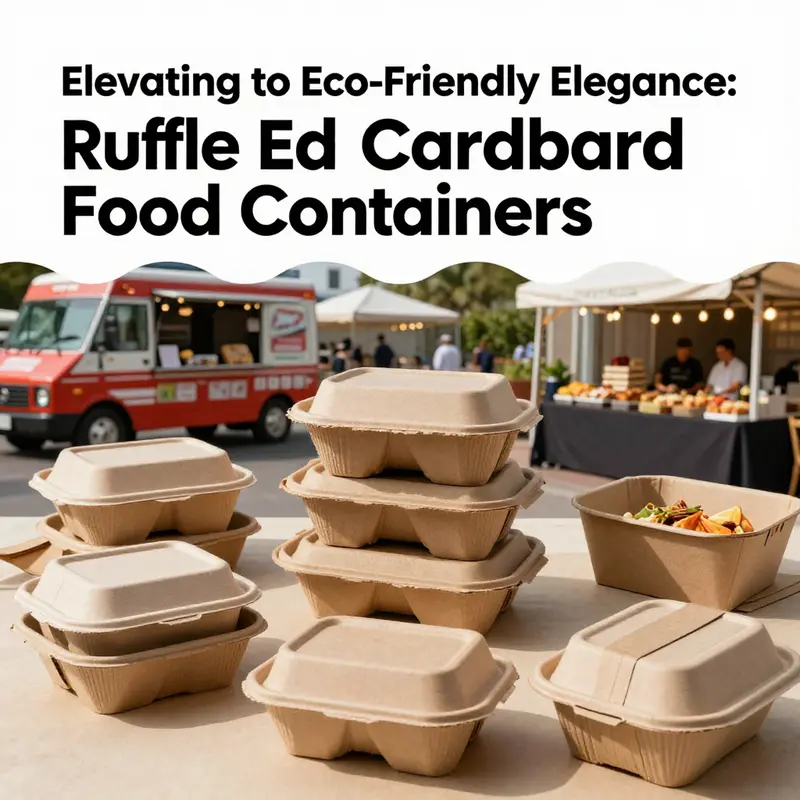
波浪边纸板一次性容器不仅是包装工具,也是材料科学、工程设计与可持续理念的综合体现。通过瓦楞结构的波形与边缘几何,容器在抗压、抗渗透、减重与分区存放方面实现了多重性能提升,适用于外卖、活动餐饮和物流运输。材料选择方面,再生纸板与模压纤维等环保材料在涂层和成型工艺的协同作用下提供缓冲、耐水性与密封性,同时对降低总体运输成本与提升货物完整性有帮助。分隔设计、边缘曲线与品牌纹理共同构成了用户体验与视觉传达的桥梁;在实际场景中,波浪边能够提高叠放稳定性、提升装箱效率,并通过边缘质感与颜色来强化品牌识别。未来趋势包括材料配方的优化、几何细化以实现更强的承载力与灵活分区,以及回收与堆肥基础设施的完善以推动循环经济。波浪边包装因此成为餐饮、零售、活动与运输领域中越来越重要的综合包装系统要素。
null
null
Final thoughts
Ruffle edge cardboard disposable food containers are more than just a packaging choice; they embody a commitment to aesthetics, sustainability, and functionality. As the demand for eco-friendly options surges, adopting these containers can set businesses apart and enhance customer experience. Their diverse applications in various food service settings demonstrate their versatility, and continued innovation in design ensures they remain at the forefront of sustainable packaging solutions.