
Introduction to Plastic Food Storage Deli Containers
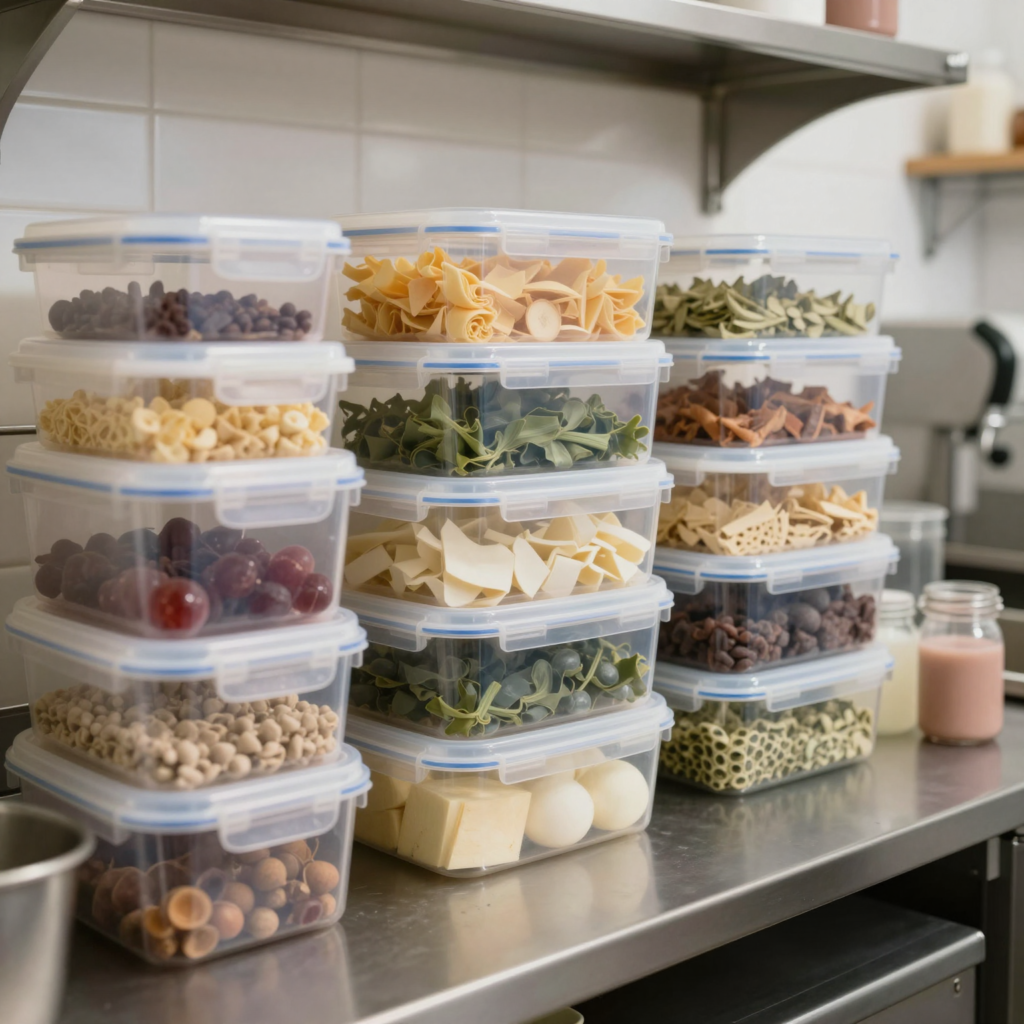
In the fast-paced world of food service, convenience and safety are paramount, especially for businesses like bubble tea shops and catering services. Enter plastic food storage deli containers: the unsung heroes of food packaging. These versatile containers provide a secure and hygienic way to store, transport, and serve food. Not only do they help maintain the freshness of bubble teas and other delectable offerings, but they also comply with safety regulations, ensuring that consumers enjoy their favorite treats without worry. Imagine bustling kitchen staff efficiently organizing ingredients in durable, stackable containers, or event planners easily catering to large gatherings with neatly packed meals. Convenience does not come at the cost of quality; with deli containers, businesses can both streamline their operations and enhance customer experiences. Learn more about food storage solutions to elevate your service today!
Key Benefits of Using Plastic Food Storage Deli Containers
Plastic food storage deli containers offer numerous advantages, especially for businesses like bubble tea shops, restaurants, food trucks, and catering services. Here are five key benefits that highlight their importance:
-
Durability
Made from strong and resilient materials, these containers can withstand daily wear and tear, ensuring that your food remains safe during transport and storage. Their sturdy construction resists breakage better than glass alternatives, providing you peace of mind when handling meals. -
Food Safety Compliance
Many plastic deli containers are manufactured to meet modern safety standards, ensuring they are BPA-free and safe for food contact, as outlined by the European Commission guidelines. This compliance helps maintain food quality and protects customers’ health. -
Versatility
These containers come in various sizes and styles, making them ideal for storing everything from ingredients to prepared dishes. Their convenience allows for easy portion control and efficient storage. -
Eco-Friendliness
Many plastic deli containers are recyclable, supporting sustainability efforts. By choosing recyclable materials, your business can contribute to reducing waste. -
Cost-Effective
Compared to other materials, plastic containers are often more affordable. Their lightweight nature can also save on shipping costs-ideal for any food-related business.
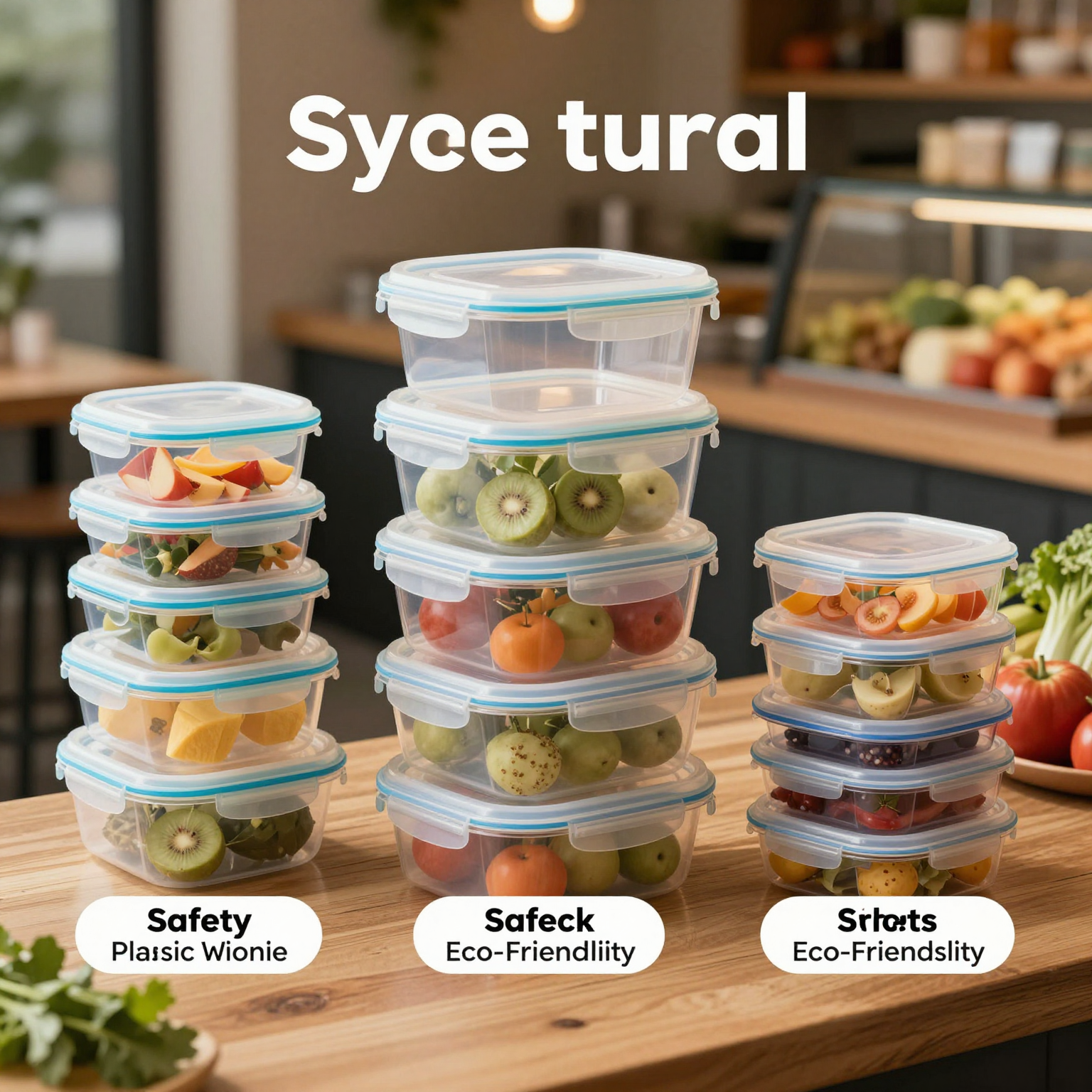
When selecting storage solutions, consider these benefits to ensure efficiency and safety in your food service endeavors.
The Versatility of Plastic Food Storage Deli Containers
Plastic food storage deli containers are essential for various food businesses, including bubble tea shops, restaurants, food trucks, catering services, and event planning. These containers come in a multitude of shapes and sizes, designed to accommodate an array of food items, from sauces and dressings to salads and desserts. Their transparency showcases freshness and enhances the presentation, making them ideal for both serving and storing food.
Why Choose Plastic Deli Containers?
- Durability: They are designed to withstand the rigors of daily use, making them perfect for busy kitchens.
- Versatility: Suitable for both hot and cold foods, these containers can be used for salads, sides, and even desserts.
- Convenience: Many deli containers are microwave-safe, allowing for easy reheating.
- Eco-Friendly Options: As a nod to sustainability, there are biodegradable options available that appeal to environmentally-conscious consumers.
Ideal for Your Business
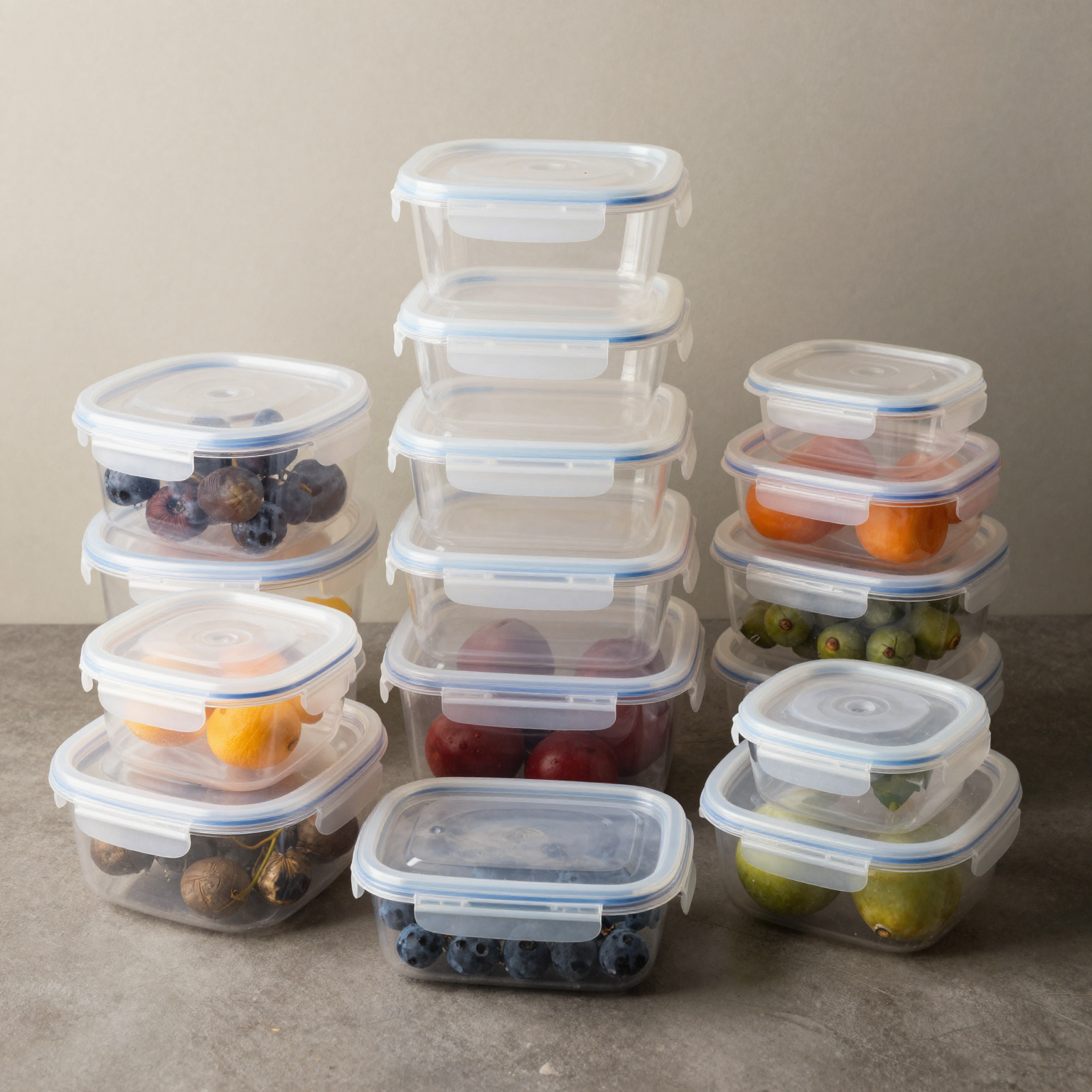
Using plastic food storage deli containers helps streamline food prep and enhance service efficiency, which is crucial for a successful operation. With their ability to stack and minimize space waste, they are perfect for inventory management. Plus, they can be easily labeled to keep everything organized.
Conclusion
Investing in the right storage solutions like plastic food storage deli containers not only helps maintain food quality but also boosts your professional appeal. They are a smart choice for anyone in the food service industry. Learn more about different food storage options and find the right fit for your needs.
Comparing Deli Container Materials: Plastic vs. Glass
When choosing deli containers for your food business, plastic and glass are two of the most commonly considered materials. Each comes with distinct advantages and disadvantages, critical for restaurants, food trucks, beverage chains, and catering services to understand.
Plastic Deli Containers
Pros:
- Lightweight and Durable: Plastic containers are significantly lighter than glass, making them easier to handle and transport. They are less likely to break, which is a major advantage for fast-paced environments.
- Cost-Effective: Generally, plastic containers are less expensive to produce and purchase, making them a practical option for businesses that need to stock up in bulk.
- Variety of Designs: Plastic deli containers come in various shapes and sizes, suitable for different food types. They can also be designed to be stackable, saving storage space.
Cons:
- Health Concerns: Some plastic containers may leach harmful chemicals like BPA, especially when heated or used with acidic foods. Recent studies suggest that even “BPA-free” plastics might contain other harmful substitutes. For safe options, businesses should look for food-safe grades such as HDPE or polypropylene [Consumer Reports].
- Environmental Impact: While recyclable, single-use plastics still contribute to environmental waste, necessitating a focus on sustainable practices in the food industry.
Glass Deli Containers
Pros:
- Safety and Durability: Glass does not leach chemicals into food and is resistant to staining and odors. It can withstand high temperatures, making it ideal for a variety of applications, including heating in the microwave. Glass containers are also typically more durable over time [Healthline].
- Sustainable Options: Glass is reusable and recyclable, presenting a more sustainable choice as compared to plastics. The consumption of glass packaging is on the rise in the industry, aligning with growing consumer demand for eco-friendly solutions [National Restaurant Association].
Cons:
- Weight and Fragility: Glass is heavier and more fragile than plastic, which can pose risks of breakage during transport and handling. This can also complicate inventory management for busy food businesses.
- Higher Initial Cost: Glass containers typically have a higher upfront cost, which might deter smaller businesses or those with tighter budgets from investing in them.
Conclusion
Ultimately, the choice between plastic and glass deli containers will depend on your business needs, budget constraints, and sustainability goals. It’s essential to weigh the pros and cons of each material to determine the best fit for your food storage requirements.
Comparing Vendors of Plastic Food Storage Deli Containers
When it comes to plastic food storage deli containers, selecting the right vendor is crucial for ensuring quality and reliability. Below is a comparison table that highlights several prominent vendors in the market, focusing on their product variety, pricing, safety certifications, and delivery options.
| Vendor | Product Variety (Sizes & Types) | Pricing (USD/Piece, Min. Order) | Safety Certifications | Delivery Options |
|---|---|---|---|---|
| Globalink International Limited | 16oz PP Deli Tray (Disposable), Customizable sizes | $0.12-$0.20 (10,000 pcs MOQ) | BPA-free (implied by material PP), EPR compliant in EU* | Sea freight (25-30 days delivery) |
| Alibaba.com (Various Suppliers) | 8oz, 12oz, 16oz, 24oz, 32oz; 6-compartment, microwave-safe | $0.06-$0.08 (1,000 pcs MOQ); $0.133+ (1M+ pcs) | Food-grade materials; EPR compliance in major European markets* | Sea/air freight; varies by supplier |
| Heavybao Commercial Kitchenware Co., Ltd. | 1L, 2L, 4L, 6L, 10L, 20L (Round PC Containers) | $3.73 (300 pcs MOQ); $7.74/sample | FDA-compliant, BPA-free, withstands -40°C to 99°C | Sea freight; delivery time not specified |
| Made-in-China.com (Supplier) | 32oz Airtight Food Storage Containers (Clear Plastic with Lid) | $0.042/piece | Food-grade plastic; BPA-free (standard for such products) | Varies by supplier and region |
*Note: EPR (Extended Producer Responsibility) certifications are referenced in product descriptions for compliance in France and Germany. Specific certification documents should be requested from suppliers.
This information should help bubble tea shops, restaurants, food trucks, catering services, and corporate procurement teams make informed choices about their deli container needs. For more insights on food storage solutions, check out our guide on plastic packaging for food containers and explore the benefits of compartmentalized containers for different culinary applications!
Eco-Friendly Practices in Plastic Food Storage Deli Containers
In the dynamic food service industry, especially in establishments like bubble tea shops, food trucks, and restaurants, sustainability is becoming a crucial aspect of operations. At Green DispoPack, we understand the importance of eco-friendly practices particularly concerning the production and disposal of plastic food storage deli containers.
Sustainable Production Practices
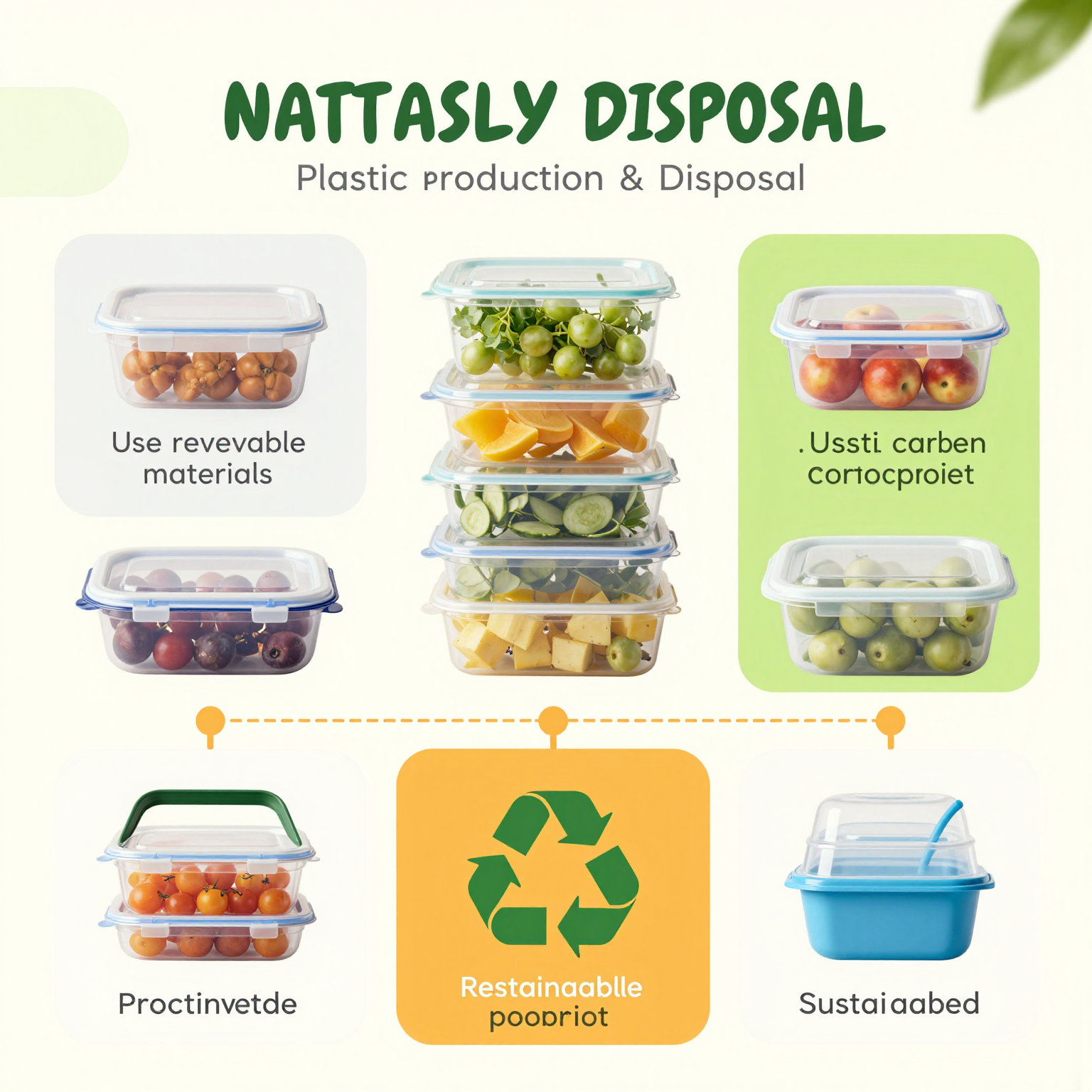
Our commitment starts with the manufacturing process. We prioritize the use of renewable materials such as bio-based plastics derived from plants like corn or sugarcane. These materials significantly reduce our reliance on fossil fuels and decrease greenhouse gas emissions. For instance, our containers made from Polylactic Acid (PLA) not only offer excellent food preservation but also lead to a lower carbon footprint compared to traditional petroleum-based plastics.
Moreover, we are actively involved in recycling initiatives, ensuring that our manufacturing processes minimize waste. By implementing circular economy principles, we recycle plastic waste back into production, contributing to sustainability without compromising quality. In fact, according to industry trends, over 77% of food companies are shifting towards more sustainable packaging solutions, focusing on reusability and recyclability of materials (source).
Responsible Disposal Methods
We encourage our customers to adopt responsible disposal methods. Our deli containers are designed not only to be durable but also recyclable. When disposed of correctly, they can be reprocessed into new products, reducing environmental harm caused by plastic waste. Additionally, we offer education on proper disposal practices, reinforcing the message that every small action counts towards a larger environmental impact.
By choosing our eco-friendly deli containers, you’re not just opting for quality; you’re also joining a movement towards a more sustainable future. We take pride in aligning our production practices with environmentally responsible methods, enabling our clients to serve food while also caring for the planet. Together, we can create a positive change in our industry!
Learn more about our eco-friendly products and their positive impact!
Safety Standards for Plastic Food Storage Containers
When it comes to food storage, plastic containers must adhere to strict safety standards to ensure they are safe for consumers and effective for businesses. Compliance with these standards not only protects the health and safety of customers but also enhances the credibility of businesses in the food industry.
Globally recognized safety standards include regulations established by the U.S. Food and Drug Administration (FDA), the European Union (EU), and various national standards such as Germany’s LFGB. For example, the FDA’s Title 21, CFR Part 177 outlines the types of plastics approved for food contact, including polyethylene and polypropylene. These materials must demonstrate that they do not migrate harmful substances into food, thereby ensuring consumer safety.
On the other hand, the EU regulations emphasize similar protective measures, requiring that plastic containers undergo rigorous testing to check for harmful chemical migrations and overall safety during use. For instance, containers must be tested with various food simulants to demonstrate their compliance with safety measures.
Moreover, as detailed in the Food Packaging Forum, it is essential for the materials used in food contact applications to be explicitly marked as safe for such purposes. Additionally, businesses should obtain and present certifications indicating compliance with applicable safety standards. This transparency can serve as a reassurance to customers about the product quality and safety.
By adhering to these safety standards, businesses not only safeguard their customers but also foster trust and loyalty among consumers. As the food and beverage industry becomes increasingly competitive, the emphasis on safety and quality can be a unique selling point that distinguishes a brand from its competitors. Therefore, investing in compliant plastic food storage containers is not just a regulatory requirement but a strategic advantage.
Market Trends for Plastic Food Storage Containers
The demand for plastic food storage containers has surged significantly over the past few years, reflecting a larger trend in the food industry towards convenience and sustainability. As beverage chains, restaurants, food trucks, and catering services seek efficient ways to manage costs and enhance service delivery, the use of plastic storage containers has become increasingly prevalent.
Growing Market Size
According to recent market research, the global market for plastic food storage containers is projected to grow from approximately $33.5 billion in 2020 to $49.5 billion by 2032, achieving a compound annual growth rate (CAGR) of 4.98% between these years. This growth is largely attributed to the lightweight nature, cost-effectiveness, and versatility of plastic containers, making them an ideal choice for the food service industry.
Visual Representation of Market Trends
The following chart illustrates the anticipated growth of the plastic food storage container market from 2020 to 2032:

| Year | Market Size (Billion USD) |
|---|---|
| 2020 | 33.5 |
| 2021 | 35.1 |
| 2022 | 36.5 |
| 2023 | 38.1 |
| 2024 | 39.5 |
| 2025 | 41.0 |
| 2026 | 42.7 |
| 2027 | 44.0 |
| 2028 | 45.0 |
| 2029 | 46.5 |
| 2030 | 48.0 |
| 2031 | 49.0 |
| 2032 | 49.5 |
Conclusion
As the food industry continues to evolve, the growth of plastic food storage containers remains a pivotal development. Whether for meal prep, service, or delivery, these containers provide a vital resource that meets the increasing demands of modern food service operations. To explore more about sustainable and innovative food packaging solutions, learn more about our products.
The Importance of Reliable Food Storage Solutions in Catering and Food Service
In the catering and food service industry, reliable food storage solutions are essential for maintaining product quality, preventing contamination, and ensuring compliance with health regulations. Proper storage helps to preserve freshness, reduce waste, and protect consumers, particularly when dealing with perishable foods. Industry experts agree on this crucial aspect. As stated by experts from Testo, “Perfect storage and preparation conditions are paramount-ideal temperature control and hygienic containment are not optional but fundamental to delivering safe, high-quality meals.” This highlights the need for effective solutions, such as plastic food storage deli containers, which ensure that food items remain fresh and safe during transportation and daily service operations.
Consider the implications for businesses like bubble tea shops, food trucks, and catering services. An improper food storage method can lead to safety hazards and spoilage that directly impact customer satisfaction and the bottom line. Therefore, investing in quality storage options not only keeps food fresh but also minimizes the risk of cross-contamination, ensuring that your customers receive only the best. Additionally, reliable food storage promotes sustainability practices by reducing food waste in your operation. Whether you’re planning an event or running a daily operation, the integrity of your food storage solutions is crucial for success in the competitive catering landscape.
Conclusion
In conclusion, choosing the right food storage solution is crucial for bubble tea shops, restaurants, food trucks, catering services, event planners, and corporate procurement teams. Plastic food storage deli containers provide countless advantages, such as lightweight durability, resistance to breakage, and cost-effectiveness. They maintain food freshness due to their moisture and air barrier properties, making them ideal for transporting perishable goods without compromising quality. For instance, the National Restaurant Association highlights how plastic containers help prevent contamination, ensuring food safety in commercial kitchens.
Moreover, the 2023 food packaging trends indicate that 72% of consumers consider packaging as a critical factor in their purchasing decisions, with 67% preferring products that are environmentally conscious. This shift towards eco-friendly packaging is a testament to the changing preferences of consumers. As businesses aim to align with consumer expectations, opting for reliable disposable tableware and food packaging is more pertinent than ever.
As you make your purchasing decisions, remember to select the highest quality and most reliable products available. This ensures not only a streamlined operational process but also a positive customer experience. Choose high-quality disposable products that underscore your commitment to safety, quality, and sustainability.
Incorporating reliable disposable tableware and packaging into your business operations will not only enhance your service but also protect the environment. Let’s take this step together towards a more sustainable and efficient food service industry!