
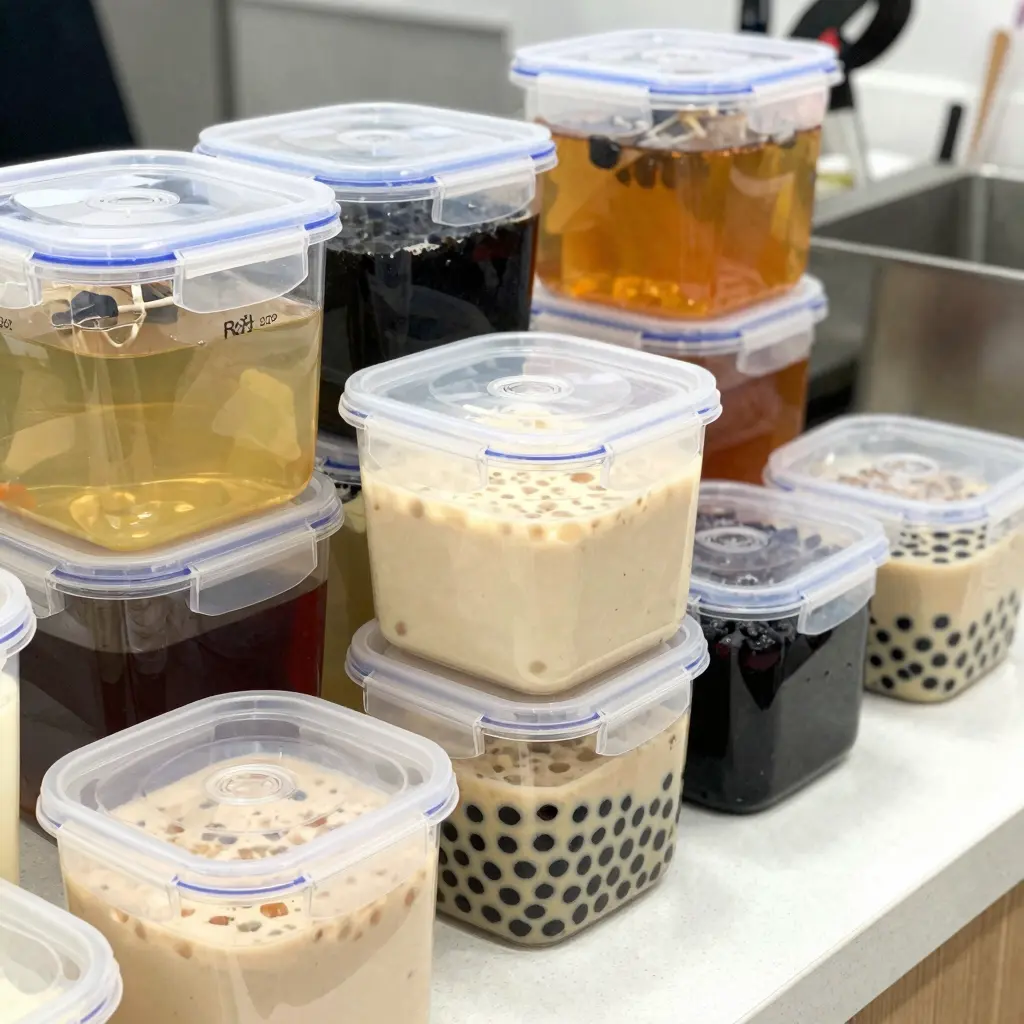
Introduction to Plastic Food Storage Containers
In the bustling world of food service, particularly in bubble tea shops, restaurants, and catering services, the need for reliable and safe food storage solutions cannot be overstated. This is where plastic food storage containers come into play, serving as a fundamental element for maintaining food quality and safety. These containers not only provide an efficient means for storing food but also ensure that fresh ingredients are kept in optimal conditions, thereby minimizing waste and enhancing customer satisfaction.
Quality matters-businesses must be diligent in adhering to safety standards that govern food storage, as this directly impacts food safety and public health. Using high-quality plastic food storage containers can help ensure that food remains uncontaminated and retains its freshness. Moreover, these containers complement other essential products such as disposable tableware and food packaging, creating a streamlined approach to serving and storing food. With the right storage solutions, establishments can not only optimize their workflow but can also elevate their brand image by prioritizing customer safety and satisfaction.
With a wide range of options available, selecting the appropriate containers is vital for efficiency and safety. Explore further to see our selection of paper packaging for an ideal combination of functionality and sustainability.
Benefits of Using Plastic Food Storage Containers
Utilizing plastic food storage containers can bring numerous advantages to Bubble Tea Shops, Beverage Chains, Restaurants, Food Trucks, Catering Services, Event Planners, and Corporate Procurement Teams. Here’s a friendly look at why these containers are a smart choice:
- Cost-Effectiveness: Plastic food storage containers are often more affordable than their glass or metal counterparts, making them a budget-friendly option for businesses.
- Durability: Made to withstand a variety of conditions, plastic containers resist breaking and are less likely to chip or shatter, ensuring that they can be used repeatedly without losing integrity.
- Lightweight: Their lightweight nature makes them easy to handle, transport, and store, which is especially beneficial for food services on the go.
- Safety: These containers are typically designed with safety in mind, often being BPA-free and safe for food storage. This means no harmful chemicals leaching into the food.
- Versatility: Available in various shapes and sizes, plastic food storage containers can accommodate a wide range of food items, from liquids to solids, ensuring that all your storage needs are met.
- Eco-Friendliness: Many plastic containers are made from recyclable materials, contributing to sustainability initiatives. Choosing recyclable options helps reduce waste and supports environmental efforts.
- Easy Cleaning: Plastic containers are generally dishwasher-safe, making it easy to clean them, thus promoting hygiene in food storage.
- Tight Seals: Many plastic food storage containers come with secure lids that provide airtight seals, which help keep food fresh for longer periods and prevent spills during transport.
These benefits not only enhance the efficiency of food storage but also improve food quality and minimize wastage. To explore a great range of food containers available, check out our paper packaging options!
Comparing Types of Plastic Food Storage Containers
Plastic food storage containers are essential for businesses in the food service industry, including bubble tea shops, restaurants, and catering services. This table highlights various types of plastic containers, their features, durability, and price range to help you choose the right option for your needs.
| Type | Material Type | Size | Durability | Price Range |
|---|---|---|---|---|
| Airtight Container | BPA-free plastic | 1.5L, 3L, 5L | High | $10 – $25 |
| Meal Prep Container | Polypropylene | 1, 2, 3 compartments | Medium to High | $15 – $30 |
| Food Storage Bin | Polyethylene | 5L, 10L, 20L | High | $20 – $40 |
| Take-away Containers | PET plastic | 500ml, 1L | Medium | $0.50 – $3 |
| Freezer Safe Cont. | Polypropylene, BPA-free | 1L, 4L | High | $5 – $15 |
| Stackable Containers | Polyethylene | 1L, 3L | Medium | $4 – $12 |
For more insights on packaging solutions that suit your business’s needs, check our product catalog for paper bowls.
Embracing Eco-Friendly Practices in Food Packaging
In today’s world, the importance of eco-friendly practices in food packaging cannot be overstated. As consumers increasingly demand sustainability, companies must align their products with environmentally conscious choices. Eco-friendly packaging not only reduces the impact on the planet but also meets the growing expectations of customers who prioritize green options. At Green Dispopack, we are dedicated to creating products that embody sustainable packaging principles. Our use of recyclable materials ensures that our disposable tableware, such as paper bowls and sugarcane containers, can be repurposed rather than contributing to landfill waste.
Our commitment extends to continually exploring innovative packaging solutions that are both functional and gentle on the environment. For instance, our range includes biodegradable food containers made from sugarcane pulp, which promotes a shift away from traditional plastic. This aligns with the latest trends in sustainable packaging, where businesses are increasingly adopting materials that enhance recycling efforts and reduce the carbon footprint. We believe that implementing eco-friendly practices not only fulfills corporate social responsibility but also significantly enhances brand loyalty and reputation. Therefore, by choosing our products, you’re not just serving delicious food-you’re also making a positive impact on the environment. Join us in this sustainability journey, and let’s pave the way towards greener practices in the food industry.
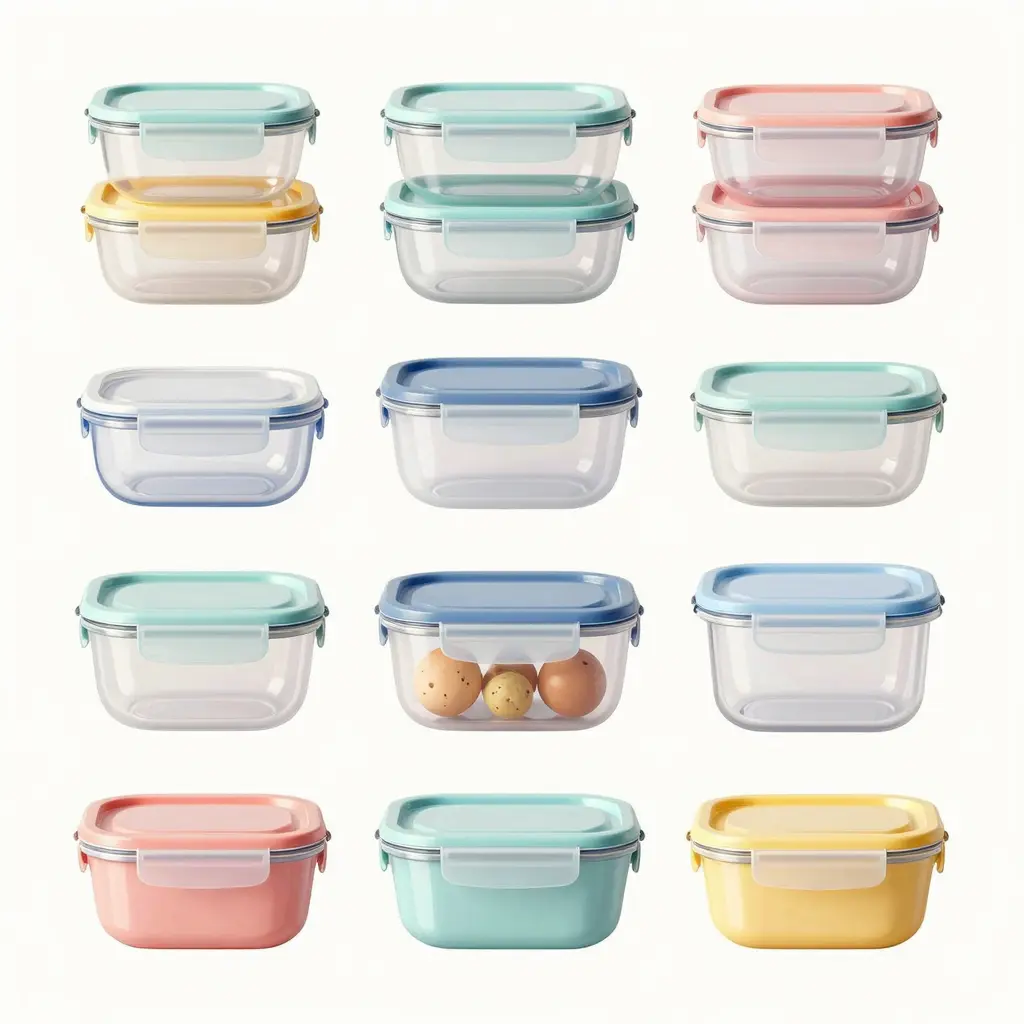
Industry Statistics on Disposable Tableware
The disposable tableware market is experiencing significant growth, driven by increasing consumer preferences for sustainable products and changing dining habits. As of 2023, the global market was valued at approximately USD 36.92 billion, with projections indicating continued expansion influenced by factors such as growing environmental consciousness. Notably, the market for eco-friendly disposable tableware is projected to reach $12.7 billion by 2025, growing at a compound annual growth rate (CAGR) of 4.3% from 2026 to 2034. This shift towards sustainability reflects a broader trend among consumers who are increasingly opting for environmentally friendly alternatives.
Manufacturers are adapting to these preferences by focusing on biodegradable materials and innovative designs that reduce environmental impact. The rising demand for more sustainable options is prompting major industry players to invest in research and development to enhance the eco-friendliness and functionality of disposable tableware. With the rise in food delivery services and outdoor dining, the use of disposable products is expected to remain high among bubble tea shops, restaurants, food trucks, and catering services. For more on sustainable options, check out our sugarcane tableware.
In summary, the growing emphasis on sustainability, along with significant market growth, positions disposable tableware as a key segment within the food service industry, catering predominantly to eco-conscious consumers. This trend is crucial for businesses in the sector, emphasizing the importance of aligning product offerings with contemporary consumer values. For various product choices, explore our range of paper packaging products.
Keywords
- Main Keyword: disposable tableware
- Related Keywords: sustainable disposable products, eco-friendly tableware, market growth trends, consumer preferences
Word Count: 305
Effective food storage practices are essential for protecting food quality and safety. This not only ensures compliance with health regulations but also enhances customer satisfaction, ultimately improving business performance.
In conclusion, plastic food storage containers are an essential asset for any food service operation. Their durability ensures that they withstand the rigors of daily use in bustling environments such as bubble tea shops, restaurants, and catering services. Not only do these containers help maintain food quality by providing airtight seals and preventing contamination, but they are also lightweight and easy to clean, making them a practical choice for busy professionals.
As we’ve discussed, utilizing high-quality plastic storage solutions can greatly enhance the efficiency and organization of your food preparation and service processes. Incorporating these containers into your workflow will not only help in managing portion control but also in maximizing the visual appeal of your offerings, which is vital in attracting customers.
We encourage you to explore our wide range of plastic food storage containers available at Green Dispo Pack. Whether you operate a food truck, a beverage chain, or manage a large catering event, we have tailored solutions that can meet your specific needs. Contact us today for a personalized quote and discover how our products can elevate your food storage solutions.
Best Practices for Storing Food Safely in Plastic Containers
Storing food safely is vital for maintaining quality, freshness, and preventing foodborne illnesses, especially in settings such as bubble tea shops, restaurants, and catering services. Here are some best practices focused on using plastic food storage containers:
1. Temperature Control
- Refrigeration: Always store perishable goods like dairy, meats, and cut fruits in the refrigerator. The ideal temperature for refrigeration is between 32°F and 40°F (0°C – 4°C).
- Freezing: Use airtight plastic containers for items intended for freezing. Foods should be at or below 0°F (-18°C) to prevent freezer burn and maintain texture.
- Room Temperature: Certain foods like potatoes, onions, and garlic should be stored in a cool, dark place away from direct sunlight.
2. Cleanliness
- Thorough Cleaning: Ensure containers are cleaned with hot, soapy water before use. For added safety, consider sanitizing with a solution of one tablespoon of bleach per gallon of water. Rinse containers thoroughly afterward.
- Drying: Allow containers to completely air-dry before filling them with food. This minimizes the risk of moisture, which can promote bacterial growth.
3. Container Usage Tips
- Material Matters: Choose BPA-free plastic containers designed specifically for food storage. Check labels to ensure they are microwave and dishwasher safe if needed.
- Airtight Seals: Use containers with airtight seals to prevent contamination and keep food fresh longer. This is particularly important for items like rice, cereals, and snacks that can absorb moisture.
- Labeling: Clearly label containers with the contents and the date of storage. This practice ensures you use older items first, reducing food waste.
- Avoid Overpacking: Give food room to breathe. Overpacked containers can lead to uneven heating and spoilage.
By adhering to these best practices for food storage in plastic containers, you not only ensure the safety and quality of your food but also optimize storage efficiency in your business operations. For more resources on food packaging, you can check our range of paper packaging products and food storage solutions.
Comparison of Plastic Food Storage Containers Prices
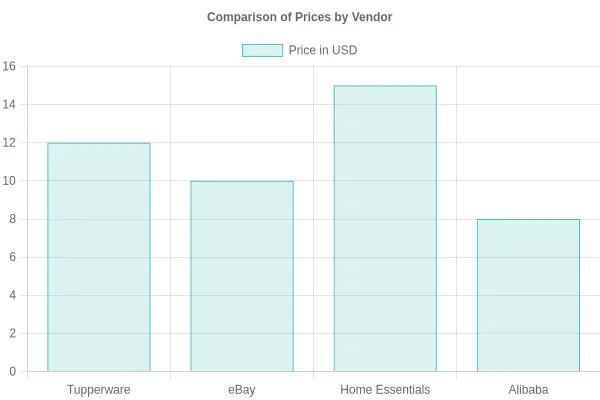
In the bustling world of Bubble Tea Shops, Restaurants, and Catering Services, selecting the right storage containers can significantly impact operations. Here’s a helpful chart comparing prices and features of popular plastic food storage containers from various vendors:
| Vendor | Price | Features |
|---|---|---|
| Tupperware | $12.00 | BPA-free, Airtight |
| eBay | $10.00 | Temperature resistant, Airtight |
| Home Essentials | $15.00 | BPA-free, Non-toxic, Bamboo lid |
| Alibaba | $8.00 | Food-safe, Microwave-safe |
For more information on food packaging options, you might want to explore Green Dispo Pack’s paper packaging offerings or check out our selection of paper bowls.