
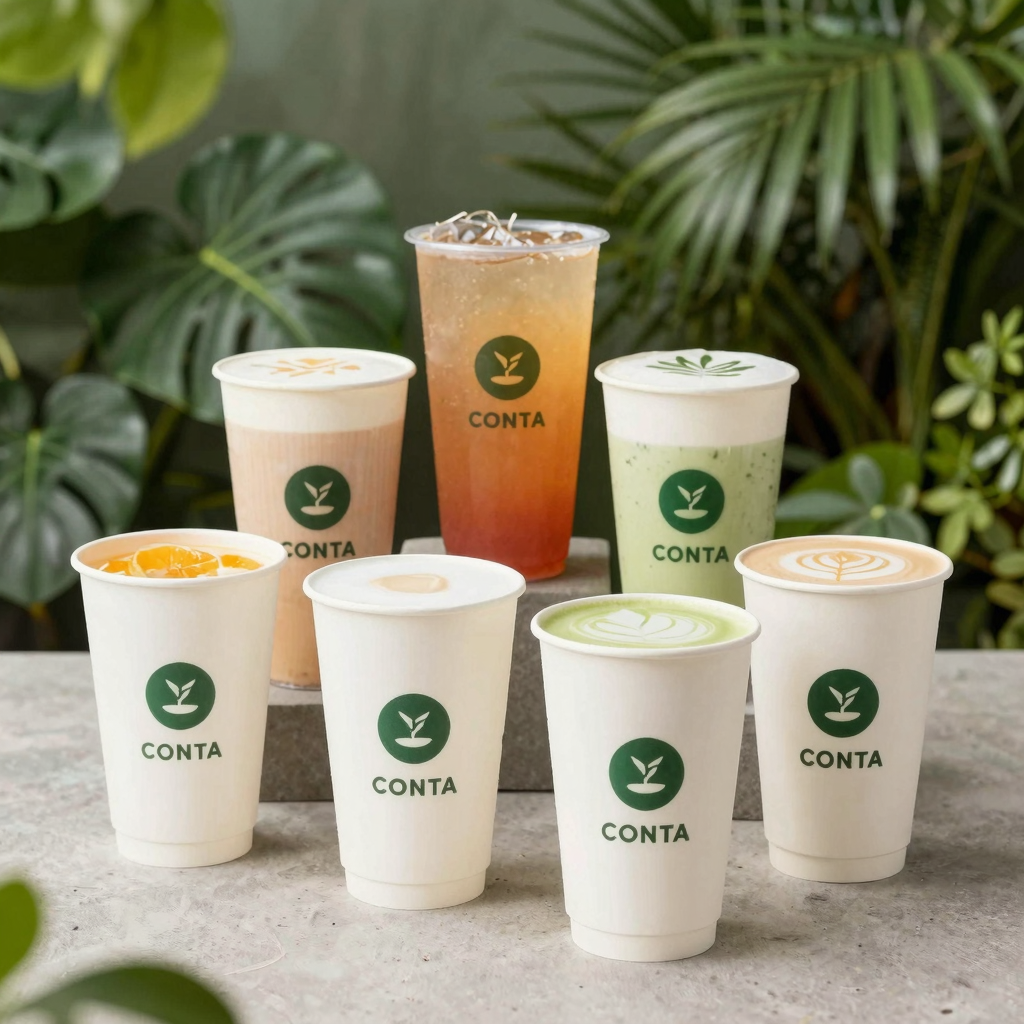
The Growing Importance of Compostable PLA Paper Cups in the Beverage Industry
In an age where sustainability has become a significant concern, the beverage industry is witnessing a transformation, particularly in bubble tea shops and food service businesses. The shift towards eco-friendliness is not just a trend but a necessity, as customers increasingly prefer brands that align with their values of conservation and environmental responsibility. One of the most effective ways to reduce environmental impact is through the use of disposable tableware that is compostable. Among these, PLA paper cups compostable offer a compelling solution. Made from polylactic acid-a bioplastic derived from renewable resources-these cups provide an efficient and elegant way to serve delicious beverages while caring for our planet.
Compostable PLA cups are designed to break down in industrial composting environments, making them an essential choice for operators looking to meet recycling regulations and reduce landfill waste. For bubble tea shops, where vibrant and unique drink presentations are crucial, these cups don’t just preserve aesthetics; they also resonate with environmentally-conscious customers, ensuring that brands are not only serving delicious drinks but also promoting sustainable practices. Adopting PLA paper cups means enhancing brand reputation and staying compliant with tightening regulations against single-use plastics in the food service industry. Transitioning to compostable packaging may seem daunting, but the benefits it brings to both the environment and brand loyalty are undeniable.
Explore more about the necessity of sustainable packaging solutions such as PLA cups by visiting this guide to compostable paper cups.
For a more in-depth look into the eco-friendly materials available for your business, consider learning more about biodegradable vs. compostable cups.
Benefits of PLA Paper Cups for Businesses
Plant-based PLA (Polylactic Acid) paper cups are becoming increasingly popular among bubble tea shops and catering services. Here’s why:
-
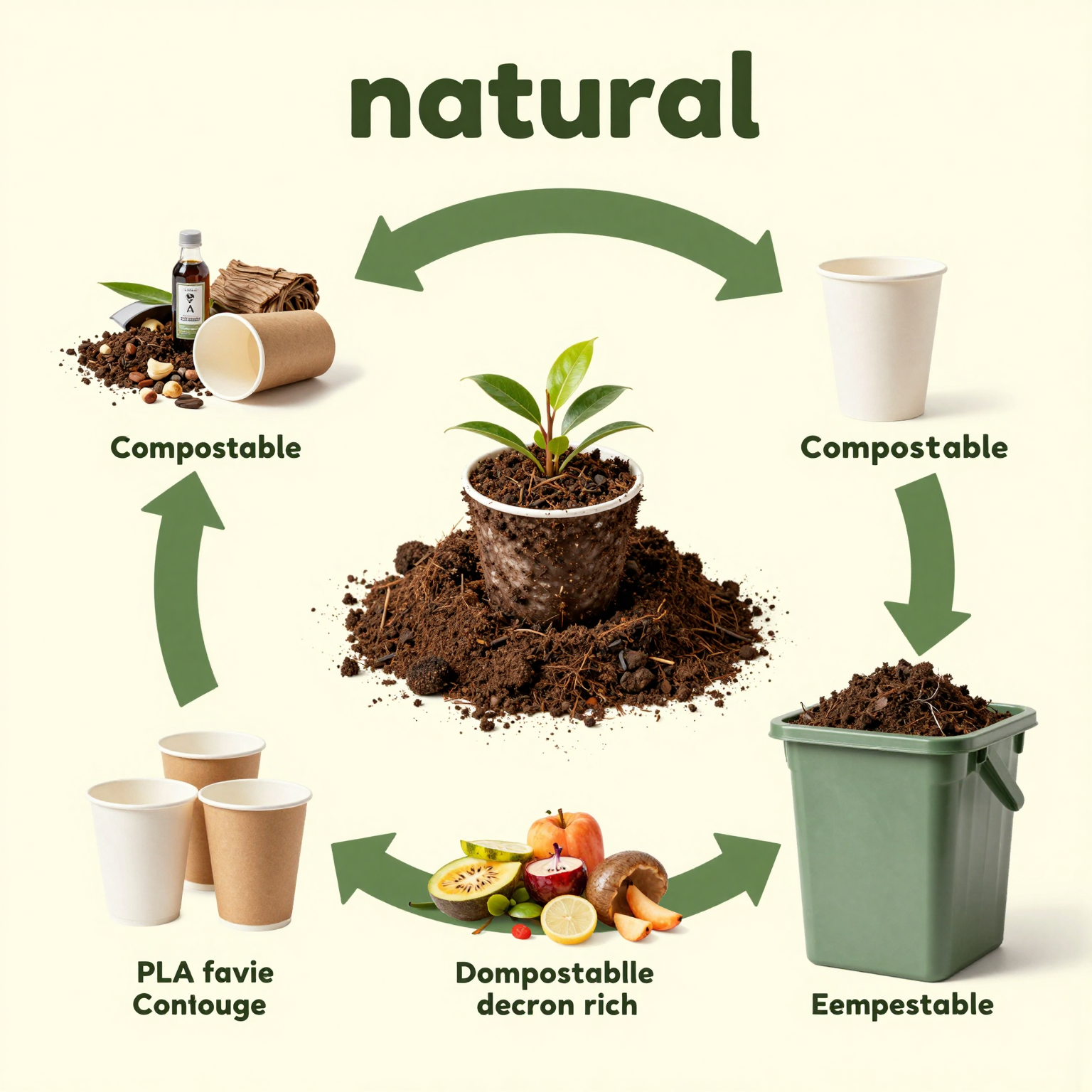
Compostability: PLA paper cups are fully compostable in industrial composting facilities, contributing to a more sustainable waste management system. They break down into natural materials, making them a better alternative than traditional plastic-lined cups that go to landfills.
-
Eco-Friendliness: Made from renewable resources like cornstarch or sugarcane, PLA cups reduce reliance on fossil fuels and are often seen as a greener choice for environmentally-conscious businesses.
-
Customer Appeal: Eco-friendly packaging resonates well with consumers today. Customers are more likely to support businesses that demonstrate commitment to sustainability, enhancing your brand’s image.
-
Durability: PLA cups are designed to hold hot and cold beverages effectively, ensuring quality and reliability without the fear of leaking, perfect for bubble tea and other drinks.
-
Food Safety: PLA is non-toxic and safe for food contact, offering peace of mind for businesses serving customers.
By choosing PLA cups, businesses not only support the environment but also attract a growing demographic of eco-conscious consumers. Learn more about compostable options!
User Adoption of PLA Paper Cups
The adoption of PLA (Polylactic Acid) paper cups in the food and beverage industry has witnessed remarkable growth over the past few years, reflecting a significant shift towards sustainable practices. As consumers become more environmentally conscious, there is a heightened demand for eco-friendly packaging solutions. According to recent market research, the global PLA cup market is projected to reach approximately $299.1 million by 2035, demonstrating a 4.5% compound annual growth rate (CAGR) during the forecast period (2026-2035). This transition underscores a broader trend where businesses seek to eliminate reliance on single-use plastics and embrace more sustainable alternatives.
Moreover, the overall paper cup market is estimated to reach $12.3 billion by 2028, driven by the increasing popularity of eco-friendly alternatives like PLA-coated cups. The food service industry is a significant contributor to this growth, with many beverage chains, bubble tea shops, and restaurants switching to compostable options to align with consumer preferences for environmental responsibility.
The alarming environmental impact of traditional plastic has accelerated this industry shift, prompting more brands to adopt PLA cups and other biodegradable materials. As the demand for sustainability increases, event planners, corporate procurement teams, and food trucks are also adapting their product offerings to include compostable solutions, further supporting the transition towards a greener future.
For more insights into eco-friendly options, explore our blog on compostable paper cups.
Addressing Misconceptions About PLA Paper Cups
PLA (polylactic acid) paper cups are often surrounded by confusion and misconceptions, particularly regarding their compostability and durability compared to traditional plastic cups. One common misconception is that PLA cups can degrade quickly in any compost environment; however, they require industrial composting facilities, which maintain higher temperatures and specific conditions for optimal breakdown. This limitation means that not all municipal composting services can process PLA cups, leading to misconceptions about their overall compostability.
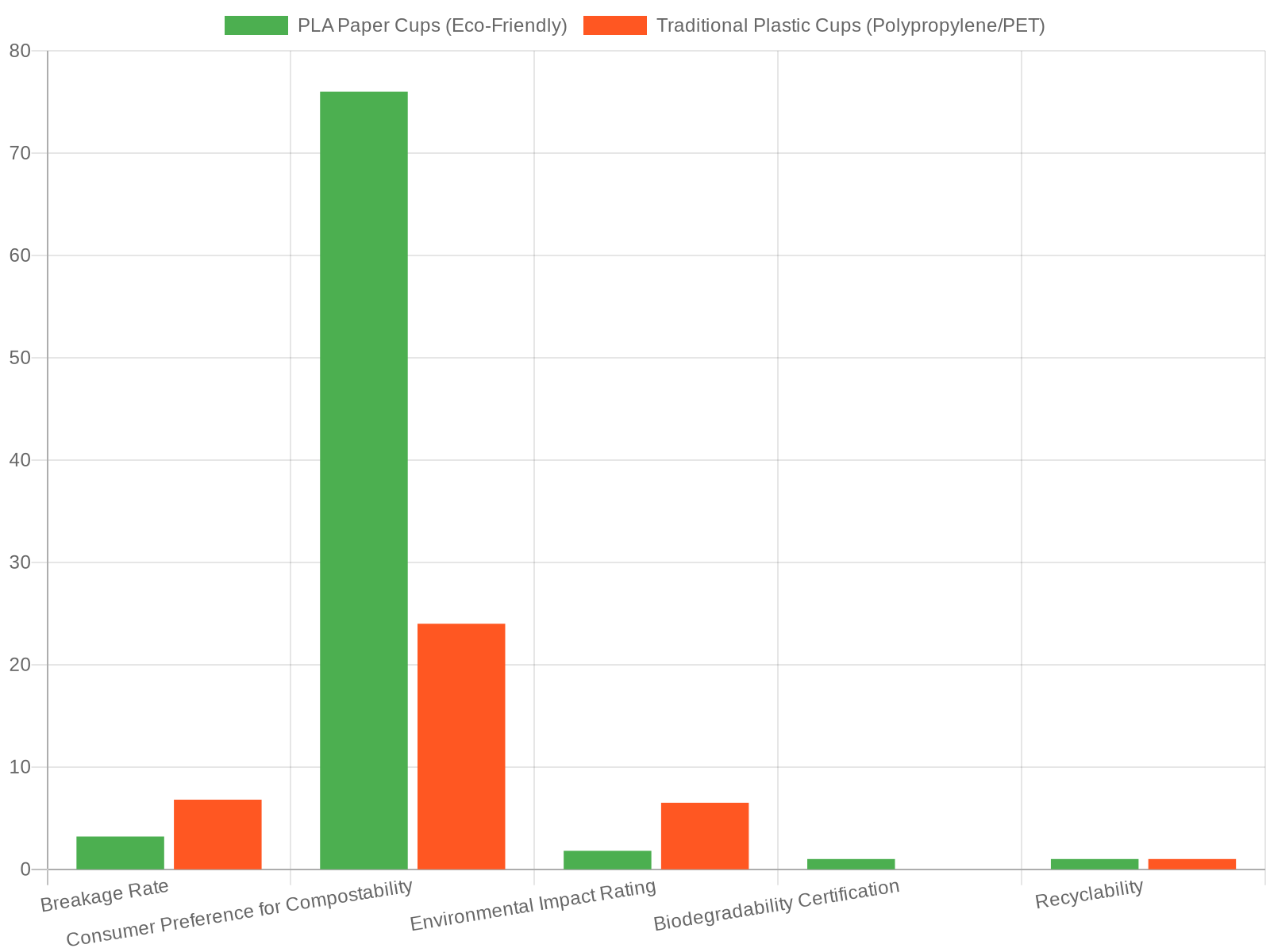
In terms of durability, some users worry that PLA cups won’t hold up as well as their plastic counterparts. In reality, recent studies have shown that the breakage rate for PLA cups in real-world environments is around 3.2%, significantly lower than the 6.8% rate for traditional plastic cups, particularly under thermal stress. Additionally, consumer preferences indicate a strong shift; a NielsenIQ survey revealed that 76% of respondents favor compostable options, showing a clear demand for eco-friendly products. Furthermore, while traditional plastic cups tend to be recyclable only if sorted correctly, PLA cups can be composted in certified facilities, offering a biodegradable option that contributes to a circular economy. Overall, understanding these nuances can help businesses and consumers make informed choices about their beverage containers that align with both environmental sustainability and operational efficiency.
By choosing PLA paper cups, establishments like bubble tea shops, restaurants, and food trucks not only meet consumer preferences but also contribute to reducing plastic waste. For more insights on environmentally friendly packaging, explore our blog on compostable paper cups and the benefits they bring to your business strategies.
Comparing PLA Paper Cups with Traditional Plastic Cups
When considering disposable cups for beverages, especially in the food service industry, it’s essential to understand the key differences between PLA paper cups and traditional plastic cups. Below is a comparative table highlighting their attributes:
| Attribute | PLA Paper Cups | Traditional Plastic Cups |
|---|---|---|
| Compostability | 100% biodegradable and compostable in industrial composting facilities within 60 days (certified by DIN CERTCO). Not reliably compostable at home. | Do not biodegrade; persist for up to 400 years. Not compostable. |
| Durability | High durability with single-wall construction; suitable for hot/cold beverages (-20°C to 50°C). Resistant to leakage and maintains temperature stability. | High durability under similar conditions; resistant to heat and impact, but more prone to degradation over time when exposed to UV light or extreme temperatures. |
| Cost | Higher production cost due to renewable raw materials (corn starch) and certification processes. Price range: $0.15-$0.30 per cup depending on size and customization. | Lower production cost due to mature manufacturing infrastructure and cheap petroleum feedstock. Average price: $0.03-$0.08 per cup. |
| Environmental Impact | Made from renewable resources (corn starch); reduces carbon footprint. However, requires industrial composting to decompose properly; if landfilled, behaves like plastic. | Derived from fossil fuels (petroleum), contributing to greenhouse gas emissions during production. Releases microplastics and toxins upon degradation. High long-term environmental persistence. |
Sources:
Visual Comparison
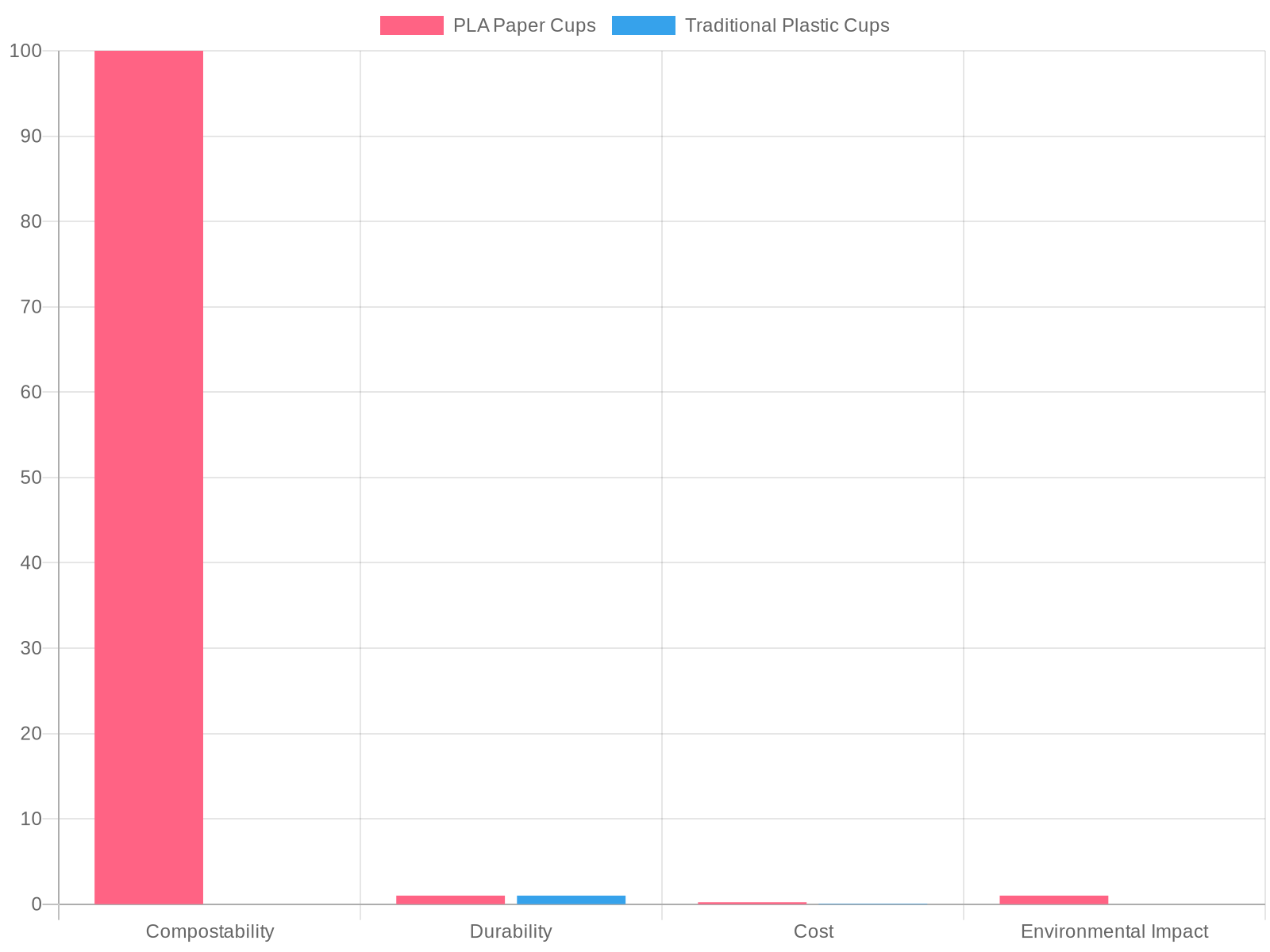
To further illustrate the comparison between PLA paper cups and traditional plastic cups, refer to the chart below:
Conclusion
Choosing the right type of cup is crucial for business sustainability and environmental responsibility. PLA paper cups stand out for their compostability and reduced environmental impact, even though they might come at a higher cost.
Case Study: Green Boba – A Successful Transition to PLA Cups
Introduction
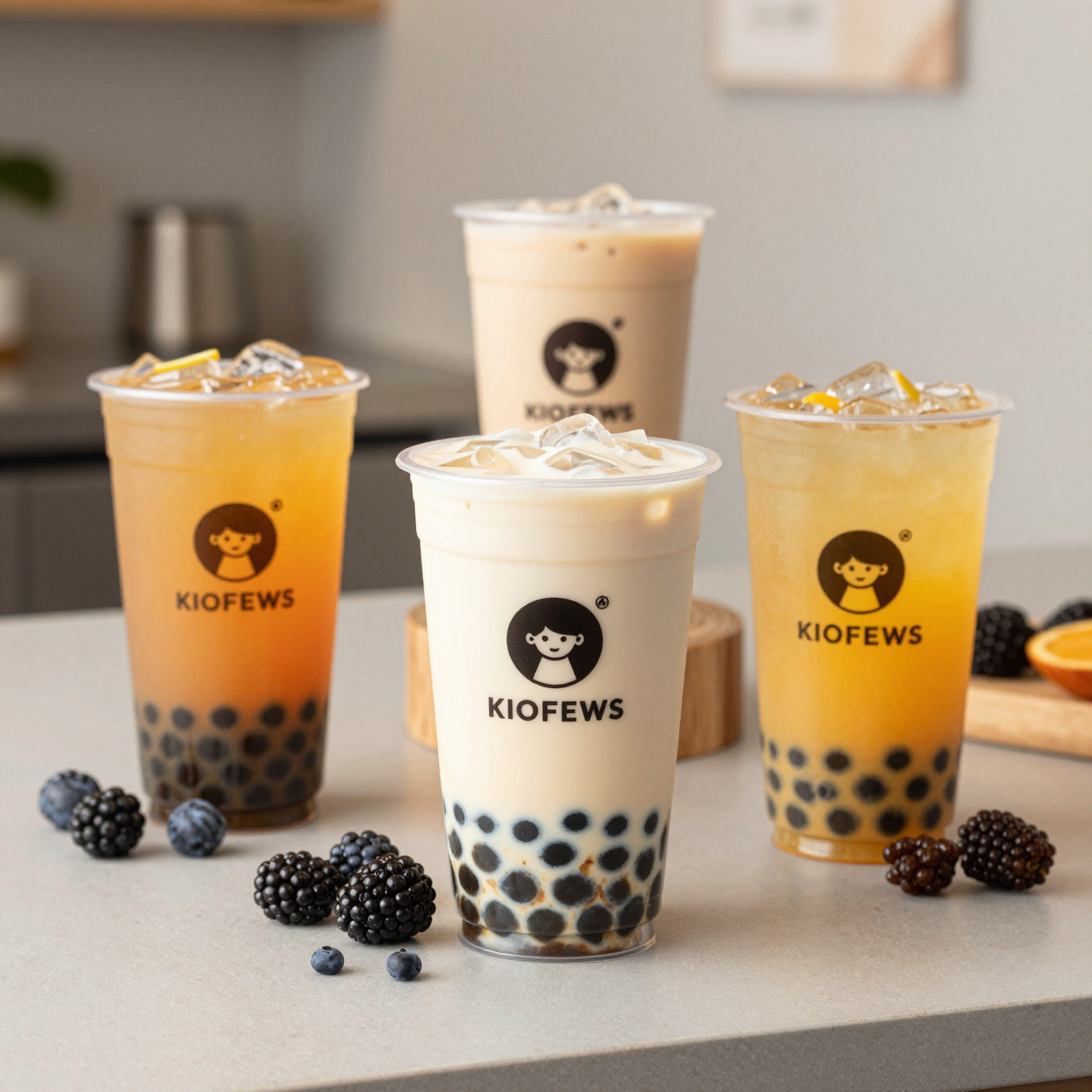
In a world increasingly focused on sustainability, Green Boba, a popular bubble tea shop in downtown Austin, Texas, has embarked on a successful journey toward eco-friendliness by switching to PLA (Polylactic Acid) paper cups. Since the transition, the shop has experienced notable positive changes not only in its environmental footprint but also in customer satisfaction and sales.
Reasons for Choosing PLA Cups
Green Boba made the switch to PLA cups for several reasons:
- Environmental Responsibility: The owners wanted to reduce the amount of plastic waste generated by their business. PLA cups are compostable and derived from renewable resources, making them a great alternative to traditional petroleum-based plastics.
- Customer Demand: As awareness of plastic pollution rises, customers are increasingly drawn to businesses that demonstrate environmental stewardship. Green Boba recognized that their customer base, particularly younger consumers, values sustainable practices.
- Brand Image: By adopting PLA cups, Green Boba aimed to enhance its brand image as an eco-friendly establishment, aligning with broader consumer trends toward sustainability.
Customer Feedback
The response from customers has been overwhelmingly positive. Many patrons have expressed their appreciation for the switch. Some noted:
- “I love that I can enjoy my bubble tea without feeling guilty about the waste!”
- “The cups feel just as good as the plastic ones, and I’m happy to support a sustainable option.”
Implementing a feedback system, Green Boba has found that customer satisfaction ratings increased significantly. A recent survey revealed that 85% of customers prefer drinking from PLA cups over traditional plastic cups.
Impact on Sales
Since the switch, Green Boba has also experienced a noticeable increase in sales. By promoting their use of eco-friendly packaging on social media and in-store signage, they attracted new customers who prioritize sustainability. According to the shop’s sales data, they reported a 20% increase in sales in the first quarter after the switch to PLA cups.
For detailed insights into how Green Boba began their sustainability journey, you can learn more here.
Conclusion
The case of Green Boba demonstrates that small businesses in the beverage industry can effectively transition to sustainable packaging like PLA cups. Not only do these changes contribute positively to the environment, but they also foster customer loyalty and boost sales. As more businesses follow suit, we can hope for a significant reduction in plastic waste and an increase in eco-conscious consumer behavior.
Join the movement towards sustainability today!
Growth of Eco-Friendly Packaging in the Food Industry
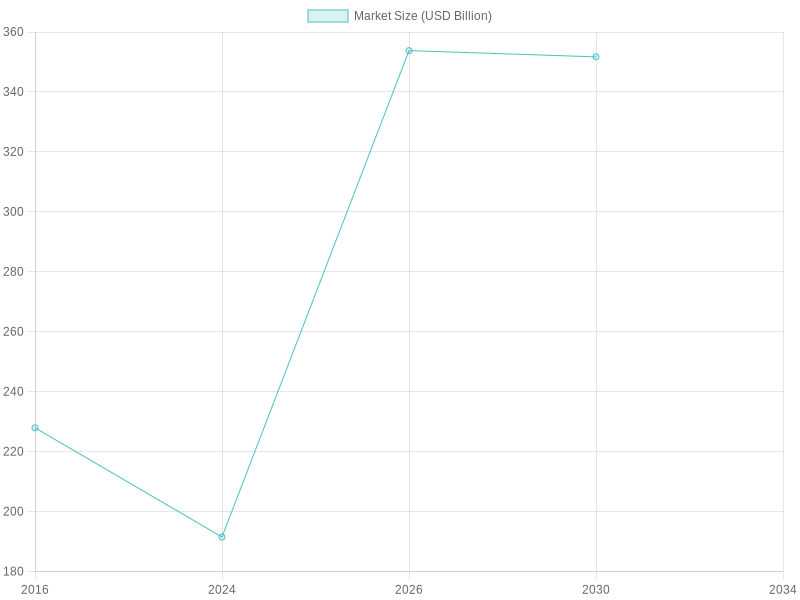
The chart above illustrates the growth trend in the eco-friendly food packaging market, demonstrating significant increases over the years, particularly with the rise of Polylactic Acid (PLA) products.
Key Statistics:
- Market Size by Year:
- 2024: $227.96 billion
- 2026: $191.54 billion
- 2030: $353.78 billion
- 2034: $351.70 billion
- CAGR: 7.89% expected from 2026 to 2034.
This data highlights the increasing investment and preference for sustainable packaging solutions in the food sector. As demand grows for eco-friendly options, the impact on the environment could become significantly positive. learn more about eco-friendly options and the benefits of using products like PLA.
The Importance of Eco-Friendly Solutions
In today’s world, the urgency for sustainable practices has never been clearer. Businesses are increasingly recognizing the necessity of making environmentally conscious choices. According to expert insights, “The packaging industry must evolve towards sustainable solutions to mitigate the environmental crisis. PLA cups offer a practical step in this direction, emphasizing the need for methods that align with ecological sustainability.”
This sentiment echoes strongly among those who advocate for eco-friendly practices, making it evident why using products like PLA paper cups is beneficial not only for businesses but also for the planet. These cups are made from renewable resources and provide an alternative to traditional plastic cups. Their biodegradable properties help reduce landfill waste, making them a popular choice among sustainable packaging advocates in the food service industry. By investing in eco-friendly materials, businesses can take significant strides toward reducing their carbon footprint while appealing to environmentally conscious consumers.
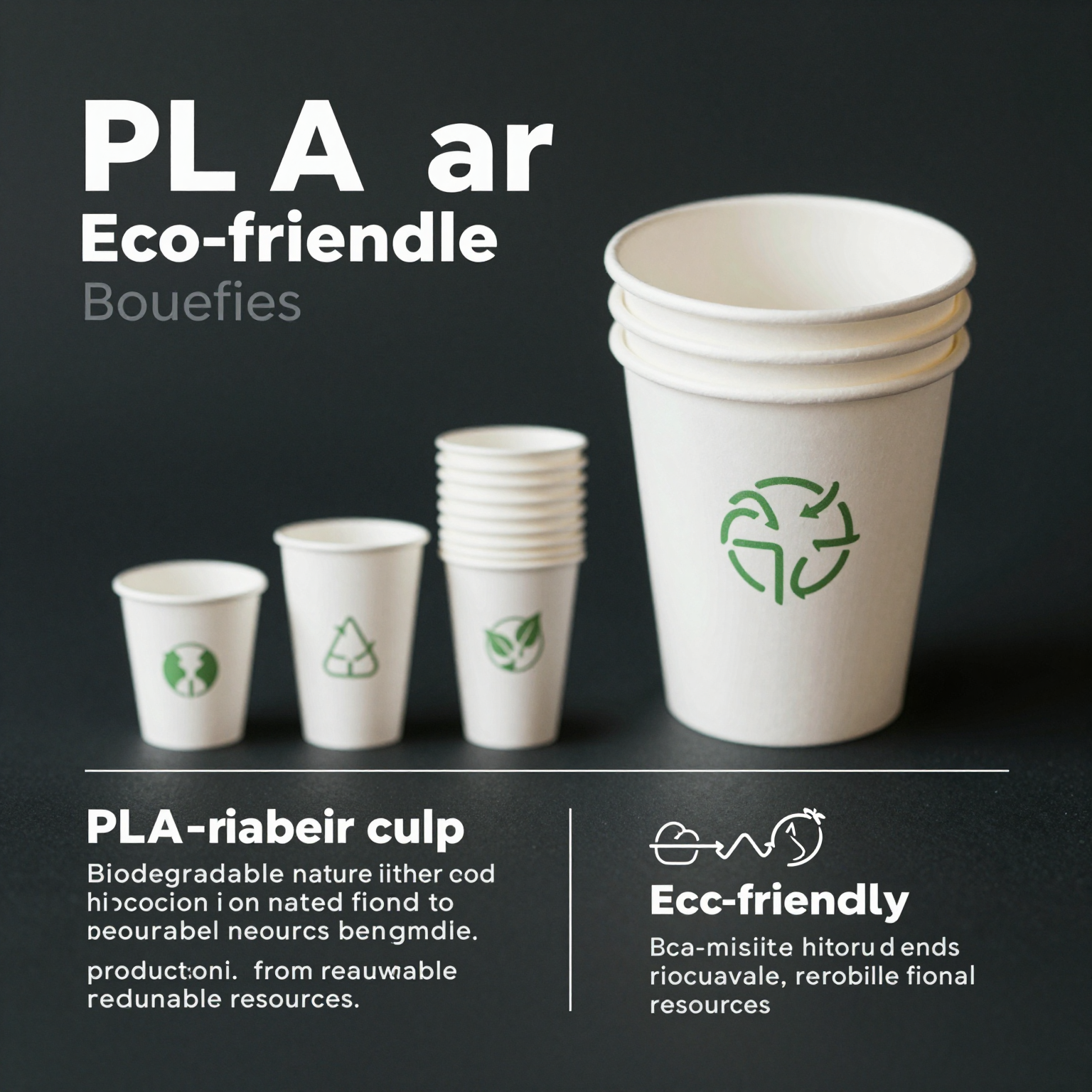
Advocating for the switch to sustainable packaging options like PLA cups is crucial for fostering a greener future and showcasing a commitment to corporate responsibility.
In conclusion, the transition to PLA paper cups represents a significant step toward a sustainable future for the food service industry. These cups, made from renewable plant materials, offer a guilt-free alternative to traditional single-use plastics, promoting responsible waste management and environmental conservation. As discussed, PLA cups are designed to be compostable, breaking down naturally within 90 to 180 days in an industrial composting facility, thus minimizing their ecological footprint. Furthermore, adopting these eco-friendly cups not only aligns with increasing consumer demand for sustainable practices but also enhances your brand’s image, reflecting a commitment to environmental stewardship.
We encourage all bubble tea shops, beverage chains, restaurants, food trucks, and catering services to explore the benefits of switching to PLA paper cups. Not only will this choice help you meet sustainability goals, but it will also attract a growing number of eco-conscious consumers. For those ready to make the leap, discover our range of eco-friendly products and join the movement toward a greener food service experience today!