

The food service industry is always on the lookout for efficient and effective solutions to serve customers. One such solution comes in the form of the Karat 8 oz clear plastic cup, designed to meet the needs of establishments ranging from bubble tea shops to catering services. This article delves into the specifications and features of these reliable cups, the rising market demand, and the wide array of applications they facilitate. Each chapter provides critical insights that can significantly impact your business operations, allowing you to make informed choices in disposable tableware options.
Clarity in Service: The 8-Ounce Clear Plastic Cup and Modern Convenience

In bustling beverage counters, a simple tool organizes the pace of service: the 8-ounce clear plastic cup. It is more than a container; it is a stage on which cold drinks present their first impression. Clarity matters because customers want to see ice, color, and the light catching condensation. In a take-out world, these cups are bought in bulk and shipped to cafes, pop-ups, or events, signaling a philosophy about service: transparency, reliability, and efficiency.
The 8-ounce size fits a practical rhythm: large enough for iced coffee, tea, or soda, yet compact enough to pair with lids and straws without dominating the drink’s balance. The market for these cups grows with take-out and casual dining, where speed and consistency are expected. When a server slides a cup across the counter, the first judgment comes from the rim, the wall, and the mouth. A cup that feels sturdy and returns a crisp impression communicates reliability before the lid arrives. The cup thus becomes a quiet ambassador for a brand’s attention to detail and hygiene.
Material choice underpins this reliability. Clear cups are typically made from a durable polymer that stays strong in cold conditions and preserves optical clarity. Clarity is not a luxury but part of the consumer experience: a translucent wall lets the drink’s character show, whether it is a pale lemon soda or a deep iced tea. The container must resist fogging and clouding, remaining easy to inspect from any angle. In practical terms this means careful design around wall thickness, edge finish, and uniformity of the plastic. A consistently clear cup signals a predictable quality standard and reduces moments of disappointment when appearance does not match the promise.
Crystal Clarity and Bulk Demand: Understanding the Market for 8-Ounce Clear Plastic Cups on the Online Marketplace
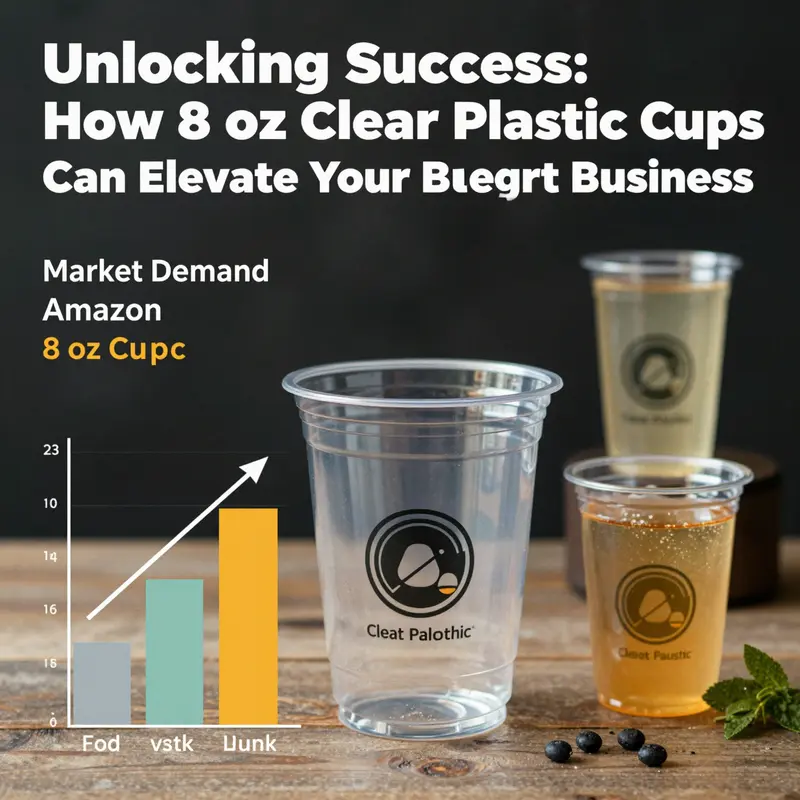
Clear, simple, and almost invisible in the right setting, the 8-ounce clear plastic cup has become more than a mere vessel. It is a quiet workhorse in the bustling ecosystem of cold beverages, grab-and-go service, and event hospitality. In the modern marketplace, where decisions are accelerated by digital catalogs, quick reads, and bulk purchasing logic, the appeal of a transparent cup lies in how effortlessly it serves both function and branding. The capacity, the clarity, and the convenience align with how consumers and businesses think about drinks today: a product that disappears as a barrier between a customer and a moment of refreshment or celebration. The 8-ounce size, in particular, has carved out a stable niche. It is small enough to fit into sampler menus, flight-of-tavorites tastings, and kid-friendly portions, yet sturdy enough to hold iced coffee, fruit juice, soda, and water without the visual distraction of color or opacity. In this sense, the cup becomes a neutral stage upon which color, aroma, texture, and even sound—cups clinking, ice rattling, lids snapping—perform. On the other end of the line, the online marketplace that hosts this category operates with a distinct logic: bulk availability, reliable fulfillment, and consistent consumer feedback. When a product is offered in large quantities and ships with dependable speed, it signals to retailers, caterers, and even home users that this cup can scale with their needs. And when the product is transparent, it reinforces the simple truth that the beverage inside is the hero, while the cup plays a supporting but crucial role in presentation, temperature maintenance, and practical handling. The combination of these factors—capacity, clarity, and scalability—helps explain why clear 8-ounce cups perform well in search results, with strong reviews and high sales velocity that reinforce visibility on the platform. The result is a loop: strong demand drives steady supply, steady supply fuels confidence in large orders, and confidence in bulk availability encourages more experimentation and usage across cafes, catering operations, event planning, and even home gatherings. In such an environment, the 8-ounce clear cup becomes a standard operating tool, not a single-use novelty, trusted for reliability just as a staple plate or a dependable utensil might be in a busy kitchen. The appeal of bulk packaging is inseparable from the economics of running a service operation. For a cafe, for instance, the ability to purchase a thousand cups in one go reduces the per-unit cost and minimizes the administrative overhead associated with frequent restocking. It also stabilizes inventory planning: you can forecast demand more precisely when you know the baseline equipment you have in place and the typical volumes you serve each day. This is not merely a financial comfort; it translates into operational agility. Baristas and counter staff can focus on crafting beverages and delivering friendly service rather than worrying about whether a shipment will arrive on time or whether a pale, scratched surface will disappoint a guest. The wholesale model that accompanies these cups—bulk packaging, standardized dimensions, and predictable shipping weights—becomes a form of supply chain reliability. In markets saturated with options, this reliability is itself a competitive advantage. The large-volume listing dynamics on the online marketplace mirror broader retail patterns. A product that can consistently move off the shelf, receive favorable reviews, and deliver on the promise of performance tends to rise in visibility. That visibility, in turn, fuels more attention from buyers who manage operations at scale: cafes that operate multiple daily sessions, catering teams that handle dozens of events weekly, and corporate environments that host frequent breaks and social gatherings. The 8-ounce clear plastic cup—unassuming in appearance yet pivotal in function—becomes a proxy for a level of operational maturity: a readiness to meet demand without sacrificing simplicity or speed. The material choices behind these cups—polystyrene or polypropylene in common formulations—underscore a narrative about safety and practicality. The cups are designed to be food-grade and to support a broad range of cold beverages with minimal risk of wicking or leaching under typical service conditions. The claim that many of these cups are BPA-free and suitable for cold drinks is reassuring for buyers who must balance cost with consumer expectations around safety. At the same time, the emphasis on clarity is more than cosmetic. A transparent cup allows the beverage to present itself—color, gradient, layers, and the presence of ice—that can influence perceived value and appetite. Wait times, shelf life, and visual appeal all intersect here. For a beverage program, the ability to monitor levels without removing any lid or guessing a fill line reduces waste and improves accuracy during service. The transparency also invites branding opportunities, because the cup can serve as a stage for a logo, a color scheme, or seasonal graphics that reinforce a brand identity or a promotional message. In a crowded catalog, the cups that offer a clean canvas for customization tend to attract interest from businesses seeking to amplify their presence at events, festivals, or retail displays. The design, while simple, becomes a vehicle for marketing; a spring or summer promotion can ride on the visual cue of a chilled drink framed by a crystal-clear vessel. The economics of this category are inextricably linked to consumer behavior around beverages. The rise of home beverage culture, the proliferation of self-serve stations, and the popularity of coffee-shop-style drinks sold in single-serve portions all contribute to sustained demand for a cup that can be used once and disposed of without guilt or heavy logistical burdens. The online marketplace amplifies this behavior by providing a frictionless path from curiosity to purchase: a customer can compare options within minutes, review feedback from other buyers—who often highlight durability, leakage resistance, and ease of stacking—and place a bulk order that arrives with minimal fuss. In this ecosystem, a 1000-count packaging configuration becomes both practical and strategic. It minimizes the risk of stockouts during busy periods and supports long, uninterrupted service cycles. From the supplier’s perspective, bulk sales drive scale economies, which in turn can translate into more stable pricing and consistent product availability. Buyers, especially those managing busy storefronts, food trucks, or event operations, benefit from predictable cost per unit and a clear sense of how many days or events a single case will sustain. The result is a steady demand curve that persists across seasons, even as individual events might spike or wane. Yet the story behind these cups is not simply about price and volume. It is also about the experience of serving a beverage in a way that respects both the consumer’s expectations and the vendor’s operational realities. The transparent cup communicates a straightforward proposition: the beverage is the star, the cup is the facilitator, and the service environment—whether a cafe, a pop-up, or a catered function—must be efficient, clean, and capable of meeting the moment. This is why the category often features reviews that praise not just the aesthetic clarity but also the practical attributes: reliable stacking, sturdy rims that resist cracking during ice-laden pours, and a compatibility with lids and closures that keeps drips contained during transport or in a crowded line. It is a reminder that, in a world of rapid choices, the simplest tools—when well made and well priced—play a pivotal role in shaping customer satisfaction, repeat business, and the confidence with which buyers approach bulk procurement decisions. The broader implication for product strategists, manufacturers, and retailers is to recognize that the appeal of the 8-ounce clear cup transcends its core function. It intersects with branding, logistics, and consumer psychology in ways that are not immediately obvious when examining a single item in isolation. The cup’s transparency reduces the cognitive load for the viewer: you do not have to imagine the beverage’s appearance; you can see it directly. That visibility can translate into faster decision-making for buyers who must assemble an array offood-service components, from lids and straws to beverage napkins and condiment stations. In practice, this means that a successful listing often emphasizes not only the core specifications—size, material, and capacity—but also the practical notes that matter on the front lines of service: how well the cup stacks in a standard beverage rack, how easy it is to fill without causing overflow, how resilient it remains during a busy service window, and how well it holds up during transport in a crowded delivery scenario. The online marketplace rewards clarity in these dimensions. Buyers can quickly evaluate whether a cup will meet their needs and can proceed with confidence to place bulk orders. The range of customer feedback across such listings tends to reflect similar themes: steady performance under cold-drink loads, predictable packaging quality, and a favorable balance between price and value. While the domain is highly standardized, there is room for differentiation. Clear cups that align with common industry practices—such as standard rim diameters, reliable lid compatibility, and stable, leak-resistant designs—tend to outperform those with marginally incompatible lids or fragile rims. Buyers recognize this alignment as a form of risk mitigation: fewer surprises in the supply chain mean more predictable service outcomes and less interruption in daily operations. The interplay between product design and buyer expectations also has implications for branding strategies. Businesses can leverage clear cups as a surface for promotional messages, seasonal artwork, or company logos, turning what looks like a disposable tool into a subtle yet effective marketing channel. On the supply side, this dynamic prompts manufacturers and suppliers to consider variations that support customization while maintaining the efficiency and cost advantages of bulk production. In short, the strong market demand for 8-ounce clear plastic cups on the major online marketplace arises from a convergence of practical utility, economic efficiency, and branding potential. The 8-ounce format satisfies a standard need across food service, events, and home consumption, while the clear design ensures that beverages look as appealing as they taste. The bulk packaging supports operational efficiency for buyers who must maintain service continuity, and the material and safety attributes reassure those who are mindful of food-contact standards. Together, these factors create a virtuous cycle: robust demand encourages reliable supply, dependable supply reinforces buyer confidence, and continued confidence sustains ongoing demand. For anyone analyzing the architecture of modern disposable-service categories, the 8-ounce clear cup offers a compelling case study in how simplicity, when executed well, can underpin a durable market segment. External context from current listings on the online marketplace underscores the point: high-volume, durable, and visually transparent products tend to command sustained attention, especially when they are positioned as reliable workhorses in fast-paced service environments. For a practical example of current market performance, see the leading bulk listing on a major online marketplace: https://www.amazon.com/dp/B09XJ2VZ5P
Clear Vessels, Visible Value: The 8 oz Plastic Cup as a Linchpin of Modern Beverage Service
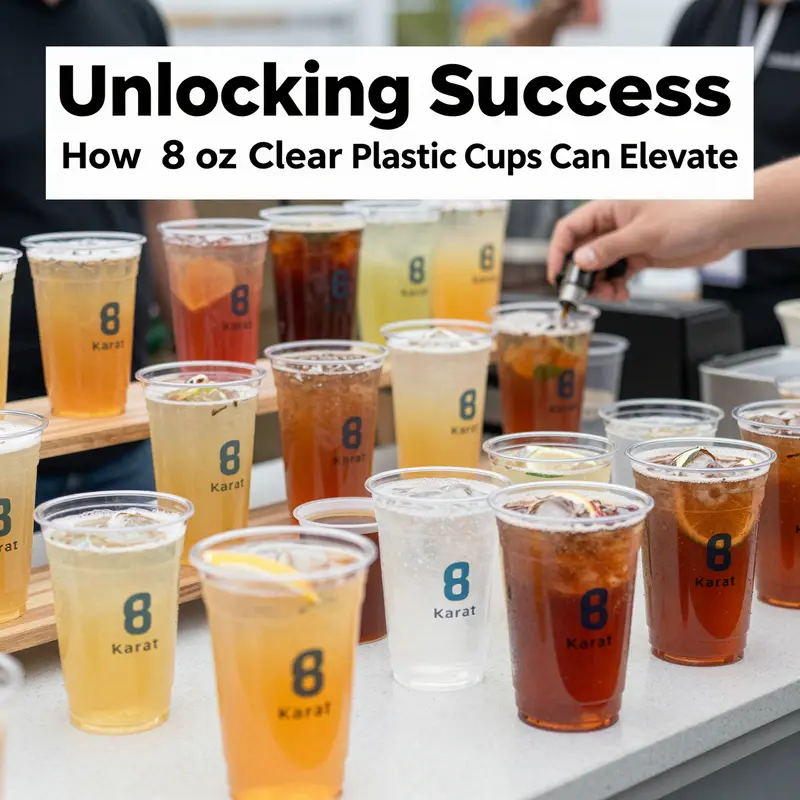
The 8 oz clear plastic cup may seem almost invisible in the choreography of a café, a catering event, or a street-side stand. Yet its role is foundational. In a landscape where speed, consistency, and presentation determine a waterline of customer satisfaction, this unassuming vessel functions as both material and metaphor: a transparent stage upon which beverages, colors, and textures perform. Across markets where bulk procurement is essential, the cup’s ubiquity on major platforms speaks to a simple truth. When a product is reliable, affordable in bulk, and compatible with a wide ecosystem of lids, sleeves, and accessories, it becomes less a disposable item and more a practical standard. The 8 oz cup advertised in bulk runs at the intersection of economy and experience, offering a succinct balance between portion size, handling ease, and visual appeal. Its presence on major e-commerce shelves signals a market that values ready-made solutions for fast-paced service, from the coffee counter to the lemonade stand, and from campus events to corporate receptions. The Karat 8 oz clear cup, a frequent reference point in discussions of bulk beverage packaging, embodies this balance. It is designed for cold beverages, but its sturdy construction encourages a broader range of uses, a versatility that goes beyond the immediate need for a simple single-serve serving. In practice, the product’s strength lies not in novelty but in predictable performance: clear visibility of the drink, reliable containment, and seamless compatibility with a broad family of lids and disposables. The economics of bulk purchasing—how a 1000-count pack translates into lower per-unit costs and simpler inventory planning—holds particular importance for small cafés, mobile beverage vendors, and event organizers who must scale quickly without compromising service speed or brand consistency. The value proposition is straightforward yet powerful: fewer interruptions for restocking, steadier daily throughput, and a predictable experience for guests who expect a clean, crisp presentation every time they lift the cup. This chapter considers not only the mechanics of use but the broader implications for service design, brand perception, and waste management, all of which hinge on the humble cup’s ability to deliver clarity, reliability, and efficiency in equal measure. The visual clarity of the cup matters as soon as a customer glances at the menu or the counter. The transparent walls allow the beverage to tell its own story—the gradient of coffee from dark to light, the ruby glow of a fruit juice, the iridescent sheen of a soda with bubbles catching the light. In a world where beverage aesthetics are part of the product experience, visibility becomes a designed feature. The color of the drink, the presence of whipped toppings, and even the texture of the ice can influence perceived quality and appetite. When service teams present a translucent vessel, they invite the customer to engage more deeply with the offering, as color and clarity become part of the sensory appraisal that begins before the first sip. This effect is amplified by the size itself. Eight ounces is a compact capacity, enough for a controlled tasting, a starter portion, or a quick refreshment, yet large enough to convey substance. For busy venues, the portion control inherent in an 8 oz measure helps staff maintain consistency across dozens or hundreds of daily transactions. Staff can calibrate pour sizes, monitor yield, and minimize waste with a system that relies on uniform cup sizes. It also fosters a straightforward approach to pricing and promotions because customers readily interpret the volume and value they receive. The cup’s design, while simple, is the product of careful engineering. Its walls are clear enough to highlight the beverage’s hue, yet sturdy enough to resist cracking during handling, stacking, and transport. The material must withstand routine temperature variation, from the chill of a refrigerated display to the warmth of a beverage that has just been poured, and it must do so without warping or deforming. In many instances, the 8 oz cup is used for cold drinks—iced coffee, cold brew, smoothies, sodas, and fruit juices—where the beverage’s appearance is integral to presentation. The clear plastic acts as a canvas, transforming ordinary pours into visually engaging experiences. The cup’s compatibility with lids matters almost as much as its clarity. A reliable lid system creates a sealed or semi-sealed environment that preserves temperature, reduces spill risk, and supports a smoother grab-and-go flow for customers. In practice, many venues pair these cups with leak-resistant lids designed for cold beverages, which helps shops maintain service speed during rush hours. The lid also provides an additional surface for branding, reinforceable by the fact that a portion of the total shelf life and customer impression comes from packaging as a whole, not just the liquid inside. This is a crucial point for operators who want to maximize presentation while keeping costs predictable. Even at a glance, the practicalities become evident. The 8 oz cup often appears in bulk packaging formats—such as 1000-count cases—that align with business rhythms that demand reordering less frequently. The economics of scale matter here. When a retailer or food service operation can rely on a single, predictable packaging size, procurement planning becomes simpler, storage space is used more efficiently, and procurement teams can negotiate favorable terms with suppliers. The savings trickle down in subtle but meaningful ways: reduced handling time on the line, fewer frequent supplier interactions, and more stable pricing across weeks and months. Yet bulk purchasing isn’t merely about price. It also serves the operational heartbeat of service. When a wave of customers comes through a café on a weekend morning, the ability to quickly grab a clean cup and a compatible lid translates into faster assembly times, reduced queues, and a smoother, more consistent customer experience. The cup’s versatility extends beyond the beverage bowl. It serves as a compact container for small snacks, toppings, or dessert components in settings that demand fast service with minimal cleanup. Paired with the appropriate lid, it can function as a small takeaway container for sauces, condiments, or bite-sized accompaniments. In such uses, the cup becomes part of a modular system that supports a restaurant’s fast-casual or snack-based offerings, a small but meaningful extension of the brand’s service model. For event planners and catering operators, the 8 oz cup’s role often shifts to that of a handy, disposable vessel for sampling stations, dessert bites, or tasting portions. At weddings, graduations, and holiday gatherings, guests may sample a range of beverages or desserts without committing to a full-size cup. In those contexts, the cup’s compact size helps keep guest flow moving and reduces the risk of over-pouring while maintaining a sense of hospitality and abundance. The disposable nature of the cup is, in many ways, a practical advantage rather than a sign of disposability in value. It reduces post-event labor and the need for extensive washing stations, which is a meaningful consideration in the planning and execution of large gatherings. However, this advantage is offset by the environmental considerations that come with single-use plastics. The conversation around sustainability is increasingly central to packaging decisions. Even though a single bulk order of 1000 cups can offer cost and efficiency benefits, operators must weigh the end-of-life implications. Recycling streams for plastic cups vary by jurisdiction, and not all facilities accept PET or other common cup plastics in curbside programs. This complexity creates a tension between operational efficiency and environmental responsibility. Some venues offset these concerns by selecting suppliers that offer recycled-content or curbside-recyclable options, and by communicating clear disposal instructions to customers at the point of service. The discussion around hot versus cold use also enters the conversation here. While the 8 oz clear cup excels with cold beverages, some product descriptions suggest a broader utility that includes warmer offerings, sauces, or dessert toppings. The practical reality is that hot liquids can stress thin-walled cups, risking deformation or partial collapse under heat. In this sense, operators should apply a cautious approach: reserve the 8 oz clear cup for cooler drinks and cold-till-warm transitions, and consider alternate vessels designed specifically for hot beverages when heat exposure is significant. The design simplicity that makes the cup so widely adaptable can also shape the customer experience in subtle ways. For example, color or texture accents on the drink, when paired with the clear glass-like walls, can amplify perceived quality. A pale latte with a delicate foam, a vibrant fruit-infused beverage, or a soda with an intense hue can all be showcased more dramatically when held in a clear container. This visual synergy matters not only for consumer satisfaction but also for brand storytelling. Retailers and beverage brands that lean into the visual story of their drinks often find that customers are more likely to order again, share images on social media, or recommend the product to friends. It is not merely about selling a drink; it is about offering an experience that begins as soon as the customer reaches for the cup and continues through the moment of consumption. The capacity of the cup, while modest, is also a testing ground for marketing ideas. A cup that is easy to handle encourages impulse purchases and sampling. A cup whose presentation can be captured in a clean photograph becomes a tool for digital engagement. In turn, retailers can leverage these features to design promotions that emphasize portion control, price anchoring, or seasonal flavor offerings without overhauling the packaging portfolio. Supply chain considerations are part of the equation as well. When planners evaluate bulk purchases of 1000 cups, they weigh not only the per-unit price but also the logistics of warehousing, inventory turnover, and compatibility with the broader line of disposables, such as lids, sleeves, and reducers. The right pairing of cup and lid reduces the likelihood of misfits, misorders, or customer complaints. It also accelerates the line work in busy service environments. The relationship between cup and lid is not simply about closure; it is about the integrity of the service experience. A secure seal minimizes spills during transport, while a well-designed sip-through lid supports controlled sipping for customers who are in transit or standing at a crowded counter. This is particularly important in markets with high foot traffic, such as campuses, airports, or festival grounds, where even a small leak can disrupt a crowd and create a negative impression. For businesses evaluating packaging options, the decision space includes considerations around branding. The clear plastic cup offers a canvas for subtle branding opportunities. Some operators print directly on cups to convey logos or graphics, while others lean on branded lids, sleeves, or sleeve inserts to achieve a cohesive brand story without altering the cup itself. The choice between visibility and branding can be driven by cost, speed, and the brand’s visual strategy. For operators focusing on price-sensitive segments, straightforward, unbranded presentation may be favored, while premium outlets might opt for printing options or co-branding with lids and accessories that carry logos or decorative motifs. The bulk quantity of 1000 cups is more than a logistical convenience; it represents a boundary condition for planning. It anchors inventory work, reduces reorder overhead, and often coincides with a supplier’s minimum efficient scale. For a small café, the container size aligns with a single daily revenue stream; for a festival vendor, it ensures that the beverage booth can operate continuously through peak times. The operational discipline required to manage such a large stock turns bulk packaging into a strategic asset. Finally, the landscape of consumer expectations continues to evolve. Customers increasingly seek clarity, both literal and figurative, in their purchases. They want to see the drink, and they want to see consistency in the service they receive. The 8 oz clear plastic cup serves as a tangible instrument of that expectation. It represents a straightforward, reliable means of delivering beverage service that respects speed, portion control, and presentation. Its value is reinforced by the ease with which businesses can purchase it in bulk, the predictability of its performance, and the broad ecosystem of accessories that support it. The cup’s role in modern beverage service is not about novelty but about reliability and flexibility—an everyday object that makes possible a wide range of experiences without demanding a complicated supply chain. In this sense, the 8 oz clear cup is less a single product and more a standard against which quality, efficiency, and design are measured. For readers looking to explore practical sourcing and real-world application, consider how the disposable takeaway paper cup with lid from a related segment of the packaging category complements the broader trend toward streamlined, one-time-use packaging that still carries brand identity and hospitality value. This juxtaposition helps illuminate how suppliers approach the continuum from simple, affordable cups to more feature-rich packaging solutions, and why a seemingly modest item can anchor a resilient and scalable service model. External reference: 8 oz clear plastic cups on Amazon. For a current market reference, you can explore this listing: https://www.amazon.com/8-oz-Plastic-Cups-Disposable-Drinking/dp/B0B7J6Y9QZ
Final thoughts
Incorporating the Karat 8 oz clear plastic cups into your beverage service operations not only caters to customer satisfaction but also addresses growing market demands efficiently. As seen throughout this discussion, these cups offer durable and versatile solutions suited for events, restaurants, and food trucks alike. By choosing these reliable cups, businesses can maintain quality service, enhance product presentation, and streamline their operations, ultimately leading to increased customer loyalty and sales.