
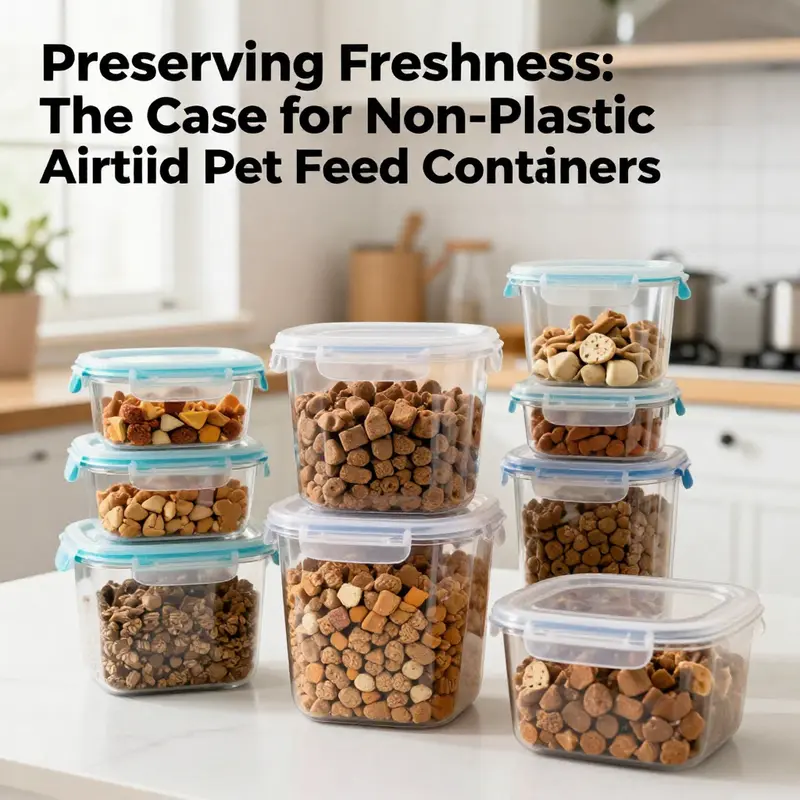
As concerns about health and the environment grow, industries are shifting towards eco-friendly options, including the storage of pet food. Non-plastic airtight pet food containers have emerged as a superior choice, effectively preserving the freshness and nutritional quality of pet food without the harmful effects of plastic. This introduction lays the groundwork for understanding the benefits of these containers, the materials used in their production, how to choose the right one, a comparative analysis with plastic alternatives, and recommendations for reliable brands. By the end of this discussion, beverage chains, restaurants, food trucks, and catering services will have a comprehensive view of how these containers can enhance service quality while addressing sustainability goals.
Sustainable Sealing for Pet Health: The Advantages of Non-Plastic Airtight Food Storage
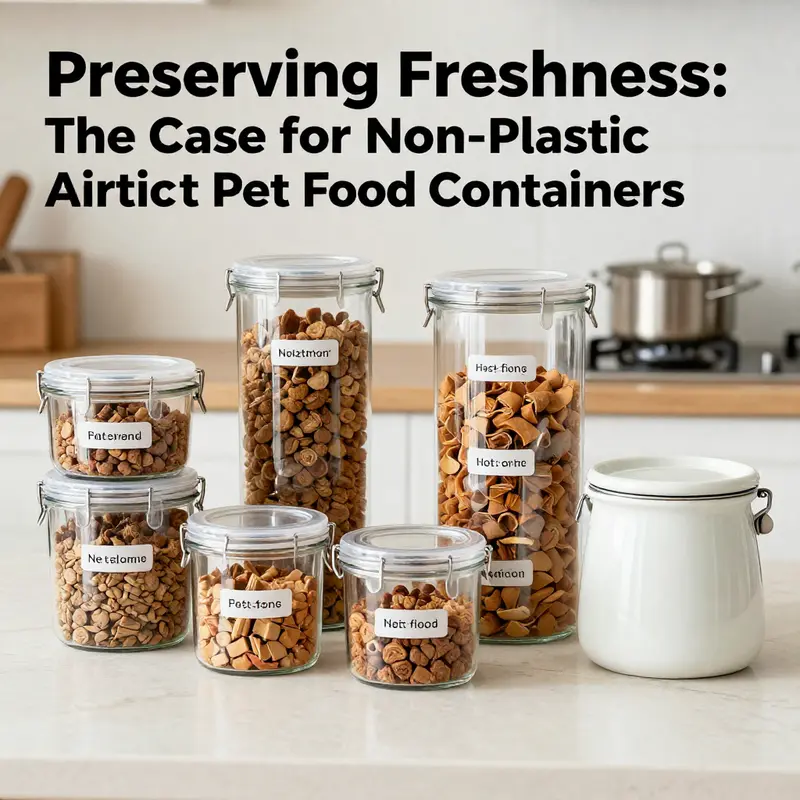
Non-plastic airtight pet food containers represent a thoughtful evolution in pet care and food storage technology. Designed to keep pet food fresh and nutrient-rich, these containers rely on materials such as stainless steel, glass, and ceramic. Each material offers its own set of benefits, ensuring that pet treats, dry kibble, or other formulations remain free from contaminants and chemical leaching. This innovation not only enhances food safety but also supports an environmentally conscious lifestyle, a shift from traditional plastics that pose risks to both pets and the planet.
Understanding the importance of food preservation is essential for any pet owner. Airtight containers play a pivotal role in protecting food from moisture, air, and ambient light—elements that accelerate spoilage and diminish nutritional content. Moisture can decrease the crispness of dry food, while exposure to air can trigger oxidation, leading to a breakdown of essential vitamins and minerals. The materials used in these non-plastic options are inert, meaning they do not interact with the food inside. For instance, stainless steel maintains an uncontaminated environment inside the container, ensuring that pet food tastes as fresh and appealing as when it was first packaged.
Using non-plastic airtight containers also means relying on robust materials that are built to last. Stainless steel is a standout in this regard; its resistance to rust and stains makes it ideal for maintaining long-term hygiene. In addition, the design of these containers often includes silicone gaskets or specialized screw-top lids that guarantee a firm seal. This engineering precision ensures that not only is the food safeguarded from external contaminants like insects or dust, but it also prevents any accidental spills or leakage during transportation. The same holds true for glass and ceramic containers. While glass allows a clear view of the contents, providing an immediate visual cue for inventory, ceramic containers contribute a rustic and natural aesthetic in kitchens and pet feeding areas. The durability of these materials means that pet food remains untouched by the degrading effects of repeated washing or exposure to varied temperatures.
A significant advantage of non-plastic containers is the peace of mind they offer when it comes to chemical safety. Traditional plastics are known to potentially leach harmful chemicals such as BPA, phthalates, and other endocrine disruptors, particularly when in contact with heat or acidic substances. This poses not only a risk to the food’s quality but also to the long-term health of the pet consuming it. By opting for stainless steel, glass, or ceramic products, pet owners avoid these risks altogether. Every meal served in an environment free from volatile compounds contributes to the overall well-being of the animal. Such precautionary measures can be particularly crucial for pets with sensitive digestive systems or those prone to allergies. The absence of chemical leaching encourages a holistic approach to pet health, ensuring that every meal is both safe and nutritious.
Beyond the direct health benefits, these containers promote an eco-friendly ethos. Plastic waste poses a significant environmental threat, as many plastics do not break down easily and can contaminate land and water. By choosing alternatives like stainless steel or glass, consumers contribute to a reduction in single-use plastic waste. These materials are not only recyclable but are often more energy efficient in terms of manufacturing and disposal. The lifecycle of a stainless steel container, for example, spans many years, which minimizes the frequency of replacement and reduces overall waste production. In households where an environmental mindset is a priority, switching to non-plastic containers is a simple yet powerful way to support sustainability initiatives.
The design philosophy behind these containers has also been influenced by ergonomics and user convenience. Many models incorporate features that make food management easier. Integrated measuring scoops, for instance, help regulate portion sizes, ultimately assisting in maintaining a balanced diet for pets. The stackable design of several containers is another convenience that cannot be overlooked, as it optimizes kitchen space—a particular benefit for those living in smaller homes or apartments. Cleaning is also straightforward with most non-plastic materials; stainless steel and glass are generally dishwasher-safe and do not retain odors, eliminating the need for complicated cleaning routines. A well-designed container thus becomes an indispensable part of pet care, combining safety, functionality, and style in one package.
The benefits of airtight containers extend to protection against pests and foreign contaminants. Pets’ food storage areas can sometimes be hotspots for insects and rodents, especially in warmer climates or older homes. With a reliable airtight seal, these containers lock out unwanted visitors and ensure that no trace of pest activity ruins stored pet food. This is particularly important in light of modern concerns regarding invisible hazards that might compromise food quality. An uncompromised seal developed through advanced engineering gives pet owners confidence that every scoop of food is free from contamination.
For many pet owners, peace of mind is closely linked to the container’s durability. Conventional plastic products can warp or degrade over time. Repeated exposure to fluctuating temperatures or cleaning processes may cause cracks or fissures. In contrast, non-plastic containers maintain their integrity over extended periods. High-quality stainless steel, for instance, will not only resist chemical reactions from acidic ingredients but is also designed to withstand daily wear and tear. This resilience reduces the likelihood of needing frequent replacements, thereby offering economic benefits as well as an improved pet feeding experience. The long-term cost savings, coupled with environmental benefits, make non-plastic options a compelling choice.
The benefits of these containers also resonate well when considering hygiene and maintenance. The smooth interior surfaces of stainless steel and glass effectively eliminate the buildup of harmful bacteria, a problem often encountered in porous plastic materials. This clean and non-porous quality ensures that residues do not linger after cleaning, reducing the risk of microbial growth. For pet owners, this translates into fewer incidents of foodborne illness and a general sense of security during feeding times. When every aspect of pet care is geared towards health and safety, even the smallest advantages become significant.
Additionally, the aesthetic value of these containers should not be underestimated. Pet owners increasingly view their pets as family members and often desire products that reflect a conscientious and stylish lifestyle. Contemporary design trends have led to the creation of containers that are not only functional but also visually appealing. Whether placed on a kitchen counter or stored in a dedicated pet feeding station, the clean lines of stainless steel, the clarity of glass, or the earthy tones of ceramic can complement any decor. This blend of form and function reinforces the idea that practical pet care solutions do not have to sacrifice style.
Some pet owners might wonder if non-plastic containers are as versatile as their plastic counterparts. The answer is resoundingly affirmative. Whether you are storing a variety of pet foods or using the container for treats or supplements, the adjustable and secure design ensures compatibility with different types of food. The rigid construction of stainless steel and glass means that these containers can also withstand external pressures, such as being accidentally knocked over or bumped during routine handling. Their resilience is evident in both everyday kitchen use and more demanding scenarios, such as travel or outdoor activities when pet food safety must be ensured under variable conditions.
In today’s market, innovation has led to a convergence of technology, design, and environmental considerations in pet care products. Several high-quality brands now offer non-plastic airtight containers that meet modern standards for safety and efficiency. For pet owners seeking solutions that marry practicality with sustainability, these containers provide an ideal alternative. The combination of airtight sealing and non-reactive materials is especially appealing in preventing chemical contamination, a hidden hazard in many conventional storage options. With each meal stored in a container that protects against both spoilage and environmental toxins, pet owners can feel secure in their choices.
While the advantages are many, it is also essential to consider the best practices in using these containers. For optimal performance, users should ensure that the container is cleaned regularly to avoid the buildup of residues. Best practices include rinsing the container immediately after each use and allowing it to dry completely before storage. This simple routine not only safeguards the flavor and nutritional value of the pet food but also extends the life of the container itself. Pet owners who adhere to these maintenance guidelines often report greater satisfaction and improved hygiene in their pet feeding routines. Established cleaning routines help prevent any subtle buildup of bacteria or contaminants, ensuring that every meal remains as pure as intended.
Beyond the immediate advantages of food preservation and safety, non-plastic airtight containers contribute to long-term health benefits for pets. Consistent access to fresh, uncontaminated food supports the immune system, reduces the risk of digestive issues, and helps maintain an appropriate weight. These benefits are critical, especially for older pets or those with sensitive systems. The correlation between food quality and overall health is well-documented; when pet food is stored correctly, its flavor, aroma, and nutritional profile are preserved, all of which translate to a better dining experience for the pet. Every aspect, from the container’s airtight seal to the non-reactive properties of its material, culminates in a product that actively supports pet health.
In various households, the transition to non-plastic alternatives also signals a deeper commitment to environmental stewardship. The trend toward replacing disposable and single-use plastic items has reached a tipping point. With an increased focus on sustainability, many pet owners are motivated by the dual benefits for their pets and the broader community. The use of recyclable, durable materials in these containers demonstrates an understanding of the importance of reducing one’s environmental footprint. This intersection of safety, functionality, and eco-friendliness is likely to inspire further innovation in pet care products.
It is worth noting that these advantages extend to scenarios outside the home as well. For pet owners who travel or spend significant time outdoors, a robust, non-plastic container becomes indispensable. The design parameters that limit chemical interaction also lend themselves well to rugged use in diverse environments. Whether dining at a park or on a long journey, maintaining the food’s integrity under adverse conditions can be a crucial factor in ensuring that pets remain content and healthy. The adaptability of these containers makes them well-suited for a wide range of lifestyles and settings. Their high performance across varying conditions reaffirms the superior design choices made by manufacturers in this space.
The benefits discussed overlap significantly with broader health and food safety guidelines provided by reputable organizations. For more detailed information on food safety practices—particularly those that emphasize the importance of chemical-free storage—pet owners may refer to guidance available on official platforms such as U.S. Food Safety Administration. This external resource reinforces the value of selecting storage systems that prioritize both health and sustainability.
In summary, non-plastic airtight pet food containers offer a multi-faceted solution for modern pet care needs. They protect against moisture, air, pests, and chemical contamination, while also presenting an environmentally responsible alternative to standard plastic containers. The durability, ease of use, and aesthetic appeal add further dimensions to their appeal. By choosing a container that is engineered to maintain maximum freshness and food safety, pet owners take a proactive stance in promoting the overall health of their beloved companions. With rigorous quality standards and thoughtful design features, these containers ensure that every meal serves as both a nourishing feast and a commitment to a cleaner, more sustainable future.
Materials of Distinction: The Strength and Safety of Non-Plastic Airtight Pet Food Containers
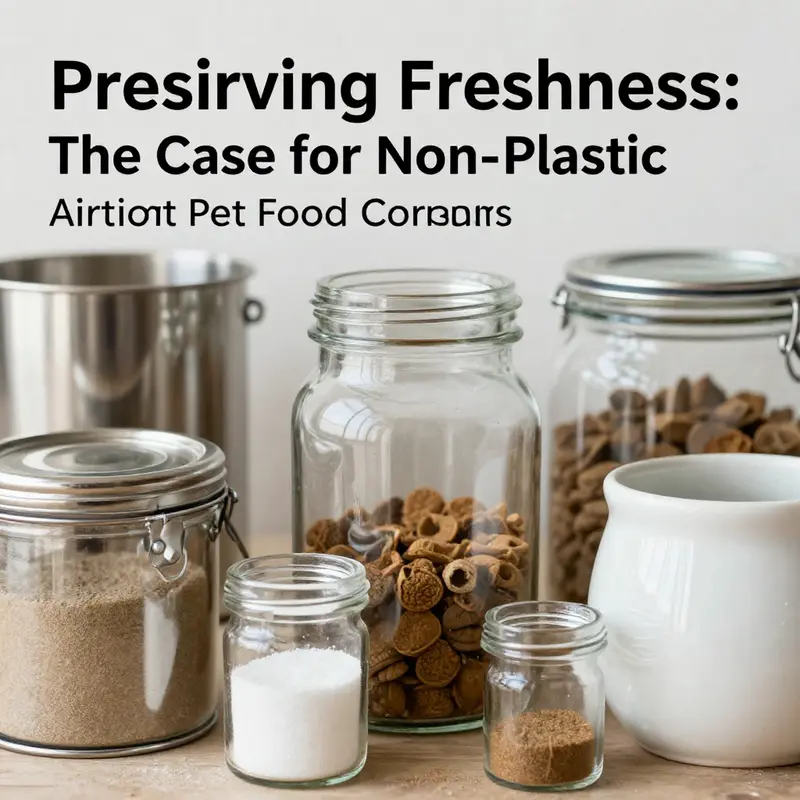
In the quest for preserving the freshness and nutritional quality of pet food, the materials used in storage play a decisive role. As many pet owners look for alternatives to plastic, the appeal of airtight pet food containers made from durable, non-toxic materials becomes ever more clear. Choosing options such as stainless steel, galvanized steel, glass, or innovative hybrid designs offers a natural and effective barrier against moisture, air, and light. These factors are critical in preventing spoilage and degradation of pet food over time. This chapter explores in detail the unique properties of these materials, highlighting how their design and innate qualities contribute to a safer, sturdier environment for pet food storage.
Stainless steel stands out as one of the most popular choices when shifting away from plastic. With its non-reactive surface and resistance to corrosion, stainless steel provides an ideal environment for long-term food storage. Its smooth surface inhibits the buildup of bacteria and odors, ensuring that the container remains hygienic even after repeated use. Additionally, stainless steel does not leach any chemicals, a concern often associated with certain types of plastic materials, especially under conditions of prolonged heat exposure. When a container is made of stainless steel, pet food is protected not only from external contaminants but also from any reactive chemical changes that may occur in other materials. The practicality of stainless steel is further enhanced by its easy-to-clean nature, which makes maintenance straightforward and efficient. Every time the container is washed, the user can be confident that no residual bacteria or food particles remain, thus supporting a consistently healthy storage environment for pets.
Galvanized steel offers another robust alternative for airtight pet food containers. Galvanization involves a protective coating that guards against rust and corrosion, making the material both durable and resilient. This protective layer is particularly advantageous in environments subject to high humidity or fluctuating temperatures. The inherent strength of galvanized steel means that pet owners can expect the container to withstand the rigors of daily use without losing its integrity. Although the surface finish might differ slightly from stainless steel, it still provides a similarly effective barrier against external elements such as moisture and pests. The design of containers fashioned from galvanized steel often includes precision-engineered seals, commonly featuring high-quality silicone gaskets that ensure an air- and moisture-tight closure. Such measures are essential in safeguarding the nutritional properties of pet food over extended periods.
Glass is another material being embraced for its exceptional qualities in pet food storage solutions. Transparent and inert, glass containers do not interact chemically with the food they hold. This inert quality means that there is no risk of flavor alteration or unwanted chemical reactions, ensuring that the food remains in its purest form. The clear nature of glass allows pet owners to quickly assess the amount of food inside, making it easier to monitor levels and plan refills. As with the metal alternatives, glass containers are designed to be airtight, often employing robust lids that secure the contents against moisture and contaminants. Tempered glass, in particular, has been developed to withstand daily handling. Despite its vulnerability to breakage in extreme impact scenarios, when used with care, a glass container can serve as both a practical and an aesthetically pleasing storage option. Its classic appearance and durability combine to offer a balance between functionality and style in a pet-friendly environment.
The exploration of non-plastic materials does not stop at singular element usage. In recent innovations, some manufacturers have embraced hybrid designs, combining the best attributes of different materials for improved performance. In these designs, while the primary storage body may be crafted from a robust metal or glass, certain components like the seal or lid may incorporate elements such as silicone or other durable compounds. This integration of materials seeks to enhance the container’s overall airtight integrity while ensuring that the structural strength remains uncompromised. By using a metal frame reinforced with carefully selected non-plastic elements, these containers achieve a harmonious balance between weight, durability, and effective preservation of the food’s freshness. These hybrid containers illustrate the way advancements in material science can cater directly to the needs of pet owners who are mindful of both health and environmental implications.
A key factor in all these systems is the design of the lid and seal mechanism. For containers made of stainless steel, galvanized steel, or glass, the seals are often constructed using silicone gaskets. Silicone is notable for its flexibility, heat resistance, and non-toxic nature, ensuring that even when the container is subject to temperature variations, it remains secure. The lid design, often employing a screw-top or clamp mechanism, works in tandem with the gasket to create a near-perfect barrier against air and moisture infiltration. Such precision engineering is indispensable when it comes to preserving pet food, as even a minor leak can lead to spoilage or contamination. The importance of selecting containers with proven airtight technologies cannot be understated, especially when it is essential to avoid conditions that may compromise the food’s integrity.
Beyond the obvious functional benefits such as durability and safety, using non-plastic materials for airtight pet food containers also brings about significant environmental advantages. Unlike plastic, which can degrade slowly and potentially leach chemicals into the environment, materials like stainless steel, galvanized steel, and glass are for the most part fully recyclable. Their robust nature means that they can be used repeatedly over many years. The minimized ecological footprint associated with these materials aligns closely with current trends toward sustainability and responsible consumer choices. By investing in a container that is both long-lasting and environmentally friendly, pet owners are able to contribute positively to reducing waste and the broader environmental impact of single-use or disposable plastic products.
An added benefit of these materials is the considerable reduction in risk associated with chemical interactions. Plastic containers, particularly those of lower quality, may contain compounds that can migrate into food during storage; chemicals that have raised health concerns for both pets and humans alike. When containers are crafted entirely from non-plastic materials, the risk of such chemical leaching is effectively eliminated. This gives pet owners and manufacturers alike the confidence that the storage solution is not only effective but also safe for long-term use. The simplicity of a non-plastic composition, free from concerns about harmful additives or contaminants, makes these containers a preferred choice for discerning users who prioritize health in their everyday lives. In this light, the use of stainless steel or glass goes beyond mere function—it represents a commitment to a higher standard of quality and wellbeing for pets and their owners.
Despite the many advantages of these non-plastic materials, choosing the right container does involve weighing some nuances. For example, while glass offers excellent inertness and transparency, it is inherently heavier and more vulnerable to accidental impacts than its metal counterparts. Stainless steel and galvanized steel, by contrast, provide exceptional strength and resilience, but might lack the visual appeal that glass offers when it comes to monitoring food levels. Pet owners with an active lifestyle might lean towards metal containers because of their resistance to damage and the ease with which they can be transported. In contrast, those who appreciate a touch of elegance and clarity might choose glass containers, especially when the container is placed in a controlled home environment where the risk of breakage is minimal.
The engineering behind these innovative airtight pet food containers extends beyond the selection of materials to include design elements that cater specifically to the practical needs of pet food storage. For instance, the dimensions of the container are often carefully chosen to accommodate large quantities of pet food, reducing the frequency of opening and thus minimizing exposure to air. The dual focus on durability and design ensures that the containers maintain a secure seal even when frequently accessed. Features such as recessed grips and textured finishes on metal surfaces help prevent accidental slips while handling, underscoring the importance of user-friendly designs. In many cases, the containers are designed with a balanced weight distribution, ensuring that even when full, they remain stable and easy to move.
One should also consider the long-term cost benefits that arise from investing in non-plastic solutions. While the initial investment in a high-quality stainless steel or glass container may be higher compared to a simple plastic option, the longevity and durability of these materials mean that replacement costs are significantly lower over time. A high-grade stainless steel container, for instance, can endure years of use without showing signs of wear or compromise in functionality. This durability not only translates to fewer replacements but also ensures that the container will continue to protect its contents effectively over an extended period. For an environmentally and economically conscious pet owner, this is a critical consideration that aligns with a broader commitment to sustainability.
As the market responds to increasing demands for sustainable and high-quality pet food storage, manufacturers are continually refining their designs to offer even better performance and aesthetic appeal. Modern manufacturing processes allow for the creation of intricately designed seals and lids that maximize the airtight properties of the container. The integration of advanced materials with precision-engineered components results in containers that consistently meet the rigorous standards expected by today’s pet owners. The evolution of these products is a testament to the balance that technology and design can achieve when focused on quality, safety, and environmental responsibility.
For pet owners seeking additional eco-conscious storage alternatives, exploring eco-friendly paper-based containers might offer some insight into design strategies for sustainable packaging. An interesting example in this space comes from the realm of food packaging solutions, like the one found in this emerging collection of eco-friendly storage solutions. Although this resource focuses on a different application, the underlying environmentally sustainable principles remain the same. By studying innovations in related sectors, consumers can gain a broader perspective on how materials can be optimized to provide both functionality and a reduced environmental footprint.
The holistic approach to developing airtight pet food containers without relying on plastic underlines the importance of material selection and engineering design. Each material – whether stainless steel, galvanized steel, or glass – brings its own set of benefits and challenges to the table. The choice ultimately depends on the balance of properties required by the end user, from durability and ease of cleaning to aesthetic appeal and environmental impact. The tools for preserving the quality of pet food are as diverse as the needs of their users, and the dedicated focus on non-plastic solutions reflects an emerging paradigm in product safety and sustainability.
Recent studies and expert reviews underscore the significance of using materials that inherently avoid the pitfalls of plastic-based containers. By eliminating the risk of chemical leaching and degradation, non-plastic containers provide a more stable and predictable environment for pet food storage. This stability is not just a theoretical advantage—it is practically realized in everyday use. Pet owners report fewer instances of spoiled food, reduced odors, and less frequent need for intensive cleaning routines. Over time, this translates into a more reliable and low-maintenance solution, which is a welcome benefit in a busy household.
In summary, the evolution of non-plastic airtight pet food containers represents a major step forward in both pet care and sustainable living. The strengths of stainless steel, galvanized steel, and glass are harnessed to create products that are both effective and built to last. The meticulous design of seals and lids further enhances the functionality of these containers, ensuring that every meal served to a pet is as fresh and nutritious as possible. The technical innovations and the commitment to quality that drive the development of these products also align with broader environmental objectives, making non-plastic solutions a smart choice for conscientious consumers.
For those seeking additional perspectives on the subject, a detailed overview of container performance and material properties is available at this external resource. This reference provides further insight into product features and user benefits, reinforcing the insights presented in this chapter and helping pet owners make informed decisions about their storage solutions.
Beyond Plastic: Embracing Sustainable, Airtight Containers to Protect Your Pet’s Nutrition
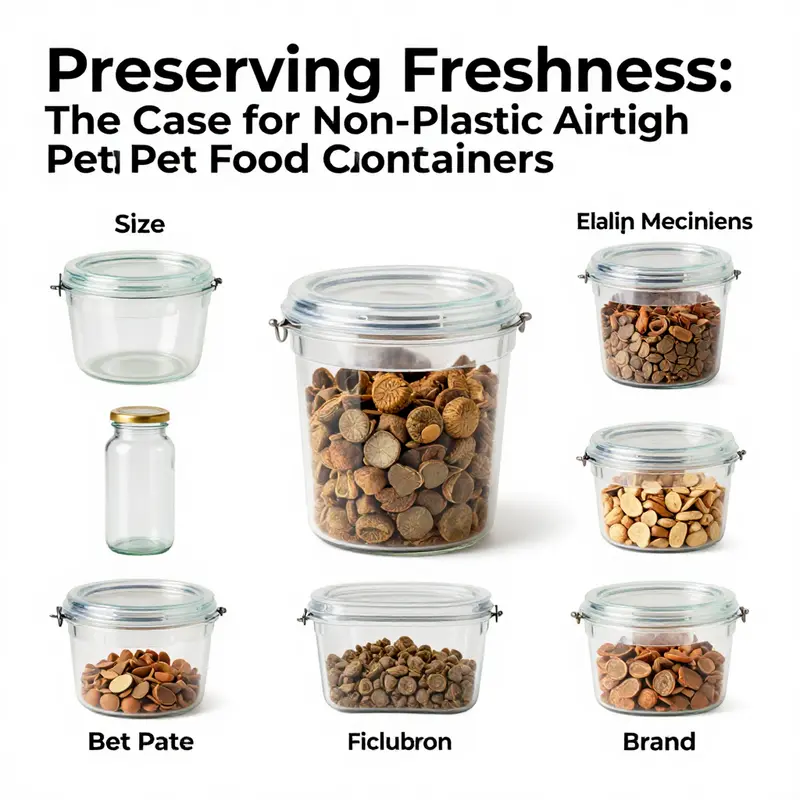
When it comes to preserving your pet’s food, choosing the right container is more than a matter of aesthetics—it is essential to maintaining freshness, nutritional quality, and safety over time. Pet owners have come to realize that traditional plastic containers, though common, present several challenges ranging from chemical leaching to environmental concerns. In contrast, non-plastic options, such as stainless steel, ceramic, and glass, offer a host of benefits. These materials not only help in keeping food fresh by providing an effective barrier against air, moisture, and light, but they also ensure that no harmful contaminants are introduced into your pet’s diet, even when these containers are subjected to heat or long-term usage.
The real advantage of these alternatives lies in their durability and their inherent properties that prevent degradation of pet food. Stainless steel, for example, is renowned for its robustness. It resists dents, scratches, and staining while maintaining an odor-free environment inside the container. The smooth finish of stainless steel makes it simple to clean, and most designs now incorporate silicone gaskets or specially engineered screw-top lids to guarantee an airtight seal. This tight seal is crucial to keeping out unwanted moisture and air, effectively preserving the flavor and nutritional integrity of dry kibble, treats, or any other type of pet food.
Beyond the practical benefits, stainless steel containers also serve as an eco-friendly alternative since they are highly recyclable and have a long lifespan. Their non-reactive nature means that they do not interact with the food stored inside, ensuring that your pet’s meals remain free from chemical contaminants. These features make stainless steel an ideal candidate for pet owners who are increasingly discerning about the quality of products they introduce into their household. The subtle elegance of a stainless steel container also often complements both modern and rustic home decors, merging functionality with aesthetics seamlessly.
Another attractive material option is ceramic. Ceramic containers boast a natural, stylish look that can enhance the visual appeal of any feeding area. The inert nature of ceramic guarantees that there is no risk of it affecting the safety or flavor of your pet’s food. Pet owners who value design and are looking for something that fits with a home’s decor often lean toward ceramic containers for these reasons. However, while aesthetically pleasing, ceramic containers come with their own set of considerations. Their inherent fragility compared to stainless steel means that while they are ideal for indoor use and low-traffic areas, they may not be suitable for households with very active pets or for scenarios that require frequent transportation.
The challenge with ceramic is to ensure that its design compensates for its brittle nature. Manufacturers have responded by integrating secure lids that feature custom-built airtight mechanisms. These lids act as a critical line of defense by preventing humidity and pests from invading, thereby maintaining the quality of the stored pet food. The careful design of these airtight mechanisms is particularly beneficial for pet owners in environments where temperature changes and humidity fluctuations could otherwise accelerate food degradation. Over time, these subtle details matter a great deal when it comes to the overall health and nutrition of your pet.
Glass, the third prominent non-plastic option, offers unique benefits of its own. Glass containers are prized for their transparency, which allows pet owners to easily monitor food levels without having to open the container. This clear view aids in quick checks, ensuring that food supplies are replenished before they run dangerously low. Beyond mere practicality, the non-reactive nature of glass means that it won’t interact with the food compounds. This guarantees that there is no alteration in taste or the formation of potentially harmful substances that might occur with some plastics. Although glass is naturally more fragile compared to its stainless steel counterpart, advancements in design have led to the development of reinforced glass containers. Some models even come with protective silicone grips or sleeves that significantly reduce the risk of breakage during normal use.
The decision between stainless steel, ceramic, and glass largely comes down to lifestyle factors, aesthetic preferences, and the specific needs of one’s pet. Each material brings its own set of benefits and trade-offs. For pet owners who lead a busy lifestyle and require a container that can withstand frequent handling and cleaning, stainless steel appears as the clear frontrunner. Its durability and resistance to wear and tear make it an excellent choice for households where safety and sustainability are paramount. On the other hand, those who prioritize a stylish look and are less concerned about the risk of breakage might prefer ceramic, especially for indoor use where the environment is controlled. Meanwhile, glass strikes a balance by offering non-reactivity and the practical benefit of transparency, although it may require more careful handling.
A crucial element that ties all these benefits together is the design of the airtight seal. For any container to perform its job effectively, it must keep out moisture, air, and pests. Many modern containers incorporate a silicone gasket to enhance the seal. The silicone gasket works by conforming to the container’s shape, thereby eliminating any gaps that might otherwise let in the elements that contribute to spoilage. This level of precision in design is evidence of a growing understanding of how important it is to maintain an optimal environment for pet food. The proper seal not only prevents spoilage but also safeguards the delicate nutritional balance, keeping food fresher for longer periods. It is this commitment to both performance and health safety that makes non-plastic airtight containers a compelling choice for conscientious pet owners.
In today’s market, an increasing number of pet owners are also concerned about the environmental footprint of the products they use. Plastics, which often end up in landfills and oceans, pose a significant environmental threat long after their useful life has ended. Opting for stainless steel, ceramic, or glass can help reduce this impact. These materials are more sustainable in the long run because they are either recyclable or made from abundant natural resources. Furthermore, manufacturers of non-plastic containers typically adhere to higher safety and quality standards, which means that fewer resources are wasted due to recalls or defective products. By choosing a high-quality, non-plastic container, pet owners invest in both their pet’s health and the well-being of the environment.
Apart from the inherent benefits of the materials, it is also important to consider the overall design and usability of the container. While different materials offer distinct advantages, the ability of the container to adapt to the everyday needs of pet care is paramount. For example, a container with a well-designed and easy-to-operate lid can make storing pet food a hassle-free process. Many users appreciate features such as twist-lock lids or secure latch mechanisms that ensure the container remains closed during active play times or when it is jostled around on the kitchen counter. Furthermore, ease of cleaning is another critical factor. Containers that are dishwasher-safe are particularly attractive as they reduce the amount of manual labor needed to maintain a clean and safe storage environment.
Durability and maintenance are two sides of the same coin. Even the most sophisticated airtight container is only as good as its ability to withstand everyday wear. For instance, stainless steel’s rugged design not only protects the contents inside but also guarantees that the container can endure repeated cleaning cycles without degrading. Ceramic may require more careful handling during cleaning, but its resistance to absorbing odors or stains means that it retains its appeal over time. Glass, when reinforced with modern design modifications, stands as a testament to how traditional materials can be reimagined to meet contemporary needs. The importance of maintenance is often understated; however, a container that is both easy to clean and maintain ensures that pet food remains uncontaminated by any residual buildup that might compromise its quality.
Choosing the right container is not a one-size-fits-all decision. It depends significantly on one’s lifestyle, the specific feeding habits of a pet, and even the space available for storage. For pet owners who often travel or need to transport food between various locations, a durable and lightweight container like those made of stainless steel might be ideal. In contrast, for those who prepare pet meals in a stationary setting and enjoy a more refined aesthetic, glass or ceramic options might be more appealing. This variety in choice underscores the beauty of having alternatives to the ubiquitous plastic container. It reflects a broader shift toward more sustainable and health-conscious living, where safety and design are not compromised for convenience.
Beyond the primary function of food preservation, these non-plastic containers can sometimes serve secondary roles. For pet owners who are environmentally conscious, investing in long-lasting, sustainable containers reinforces a commitment to reducing waste and mitigating environmental damage. In some communities, such a choice is celebrated as part of a larger movement toward eco-friendly living. For additional information on sustainable storage solutions that resonate with environmentally conscious consumers, you might find insights in the discussion on eco-friendly disposable packaging available through this resource: custom disposable kraft paper bowl with pet lid. Although this particular link focuses on another segment of eco-friendly storage, the underlying principle of sustainability remains consistent.
It is also imperative to highlight the health benefits associated with selecting non-plastic containers. Studies have shown that plastic can sometimes release microplastics and harmful chemicals into food stores, particularly when exposed to fluctuating temperatures. The long-term ingestion of such particles may pose health risks not just to humans, but to our animal companions as well. In contrast, using materials such as stainless steel, ceramic, or glass ensures that the stored food remains uncontaminated, thereby reducing any potential exposure to toxins. This meticulous attention to material safety translates into improved overall health for pets, who rely on their food for essential nutrients and energy. The idea is simple: when you offer your pet the safest possible food storage option, you are indirectly contributing to its lifelong well-being.
Moreover, the science behind food preservation is straightforward. Any exposure to air or moisture will gradually compromise the integrity of pet food, leading to spoilage and nutrient loss. Non-plastic airtight containers work by creating a controlled environment where air exchange is minimized. This not only staves off the oxidation of fats but also prevents the proliferation of bacteria or mold that can develop in a humid setting. It is this exact science that has driven manufacturers to refine their designs continuously, ensuring that the seal remains uncompromised under various conditions. From the quality of the materials used to the engineering of the sealing mechanism, every aspect is calibrated to support the optimal preservation of pet food.
In conclusion, the shift away from plastic towards more sustainable, non-plastic options is rooted in a desire to protect both our pets and the environment. By choosing airtight pet food containers made from stainless steel, ceramic, or glass, pet owners are embracing innovation that merges functionality, safety, and style. Each material offers a unique set of benefits—stainless steel brings durability and ease of cleaning, ceramic offers aesthetic and natural inertness, and glass provides transparency and non-reactivity. The shared advantage across these materials is their ability to create and maintain a controlled environment that preserves the freshness and nutritional integrity of pet food.
For those seeking a deeper dive into the nuances of pet food preservation, further insights can be found in the comprehensive guide provided by The Spruce Pets: The Spruce Pets guide on airtight pet food containers. This resource explores additional considerations for maintaining food quality over time, reinforcing the importance of choosing the right storage solution.
Ultimately, by moving beyond conventional plastics and opting for containers that safeguard health and the environment, pet owners take a proactive step toward a cleaner, more sustainable future. Every decision, from the choice of material to the design of the airtight mechanism, contributes to a considerate approach to pet care that benefits both our furry companions and the planet.
A Comparative Journey: Why Non-Plastic Airtight Containers Trump Traditional Plastics in Pet Food Safety
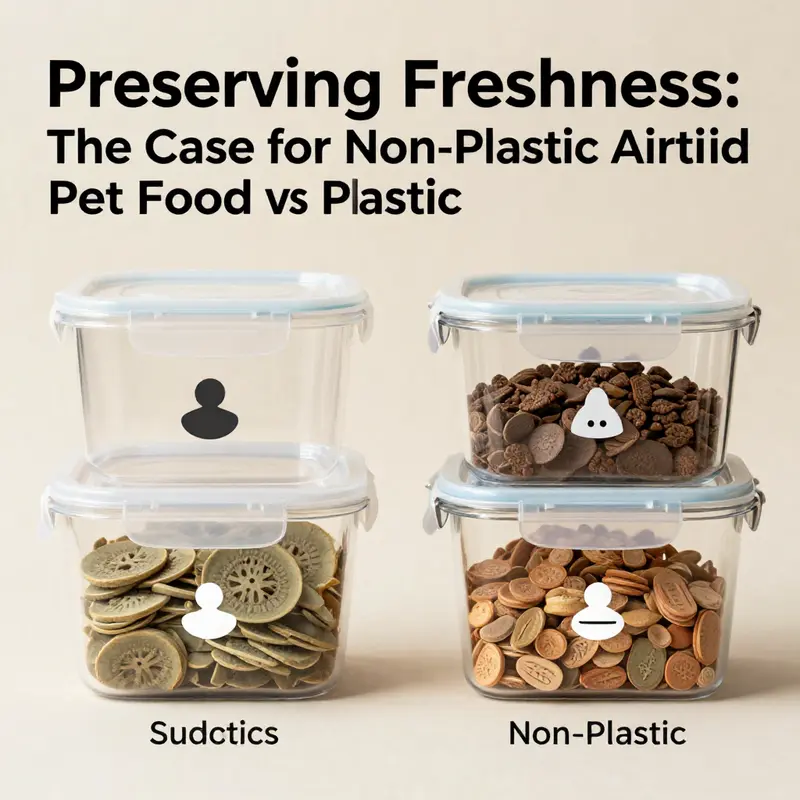
In the quest to preserve the freshness, nutritional integrity, and safety of pet food, the selection of storage containers plays a pivotal role. As pet owners become increasingly aware of the potential risks associated with traditional plastic storage, there is a growing movement toward choosing alternative materials that offer superior protection. This chapter offers an in-depth comparative analysis, examining the crucial differences between plastic and non-plastic airtight pet food containers, particularly those fashioned from glass and metal. In doing so, it explores the broader implications – from chemical safety and durability to environmental responsibility and long-term cost effectiveness – that inevitably influence the decision-making process for those looking to protect both their pets and the planet.
At the heart of the discussion is the reality that pet food is a delicate commodity; it is subject to degradation through exposure to moisture, air, and light. Even the most meticulously prepared pet food can lose its nutritional value if not stored under ideal conditions. Traditional plastic containers, which are often manufactured from polypropylene (PP), polycarbonate (PC), or polyethylene terephthalate (PET), have long been the go-to solution for many pet owners primarily because of their affordability and lightweight convenience. However, even with claims of being BPA-free, these containers often mask a more complicated safety profile. It is widely acknowledged that BPA substitutes, such as bisphenol S (BPS) and bisphenol F (BPF), may exhibit endocrine-disrupting properties similar to their predecessor. This raises important concerns since endocrine disruptors can have subtle yet serious impacts on both pet and human health.
The material integrity of plastic containers is further compromised by their susceptibility to physical and chemical degradation over time. Exposure to heat, sunlight, or acidic ingredients can initiate the breakdown of plastics, resulting in the formation of microplastics and the potential leaching of harmful additives. In everyday use, this degradation not only poses a risk of contaminating pet food with unwanted particulates but also affects the ability of these containers to maintain a reliable, airtight seal. Over time, the seals in plastic containers can weaken, thereby reducing their effectiveness in keeping out moisture, pests, and contaminants. The gradual absorption of odors and persistent stains is another noticeable drawback, particularly when storing strong-smelling pet foods such as those containing fish or garlic extracts. Consequently, what initially appears as a cost-effective storage solution unfolds into a hidden series of risks that compound over time.
In contrast, non-plastic alternatives, specifically those made from high-quality glass and stainless steel, present a host of benefits that address the shortcomings of plastic counterparts. Glass, particularly varieties such as borosilicate or tempered soda-lime, is renowned for its chemical inertness. This inert quality means that glass does not react with the food it stores, regardless of temperature fluctuations. Whether pet food is left in a freezer or exposed to the gentle warmth of a pantry, glass remains unaffected by the process, thus preserving both the taste and nutritional value of the food. Moreover, its clear composition offers an unobstructed view of the contents, simplifying inventory checks and ensuring that no spoilage goes unnoticed. Importantly, glass does not retain flavors or odors from previously stored items, which can be a serious problem with plastic containers that tend to harbor residual smells.
Stainless steel, particularly grades such as 18/8 or 304, encapsulates another superior option for non-plastic airtight pet food containers. This material is lauded for its durability, resistance to corrosion, and strong performance under varying temperature conditions. Stainless steel containers are robust enough to withstand repetitive use without the risk of cracking or breaking, an issue that plagues the more fragile glass options. Additionally, stainless steel inherently resists the growth of bacteria, making it easier to clean and sanitize — a feature that is indispensable for ensuring continued food safety. The natural resistance of stainless steel to odor retention further bolsters its case, ensuring that pet food remains untainted by past uses. With these practical and safety-enhancing features, pet owners can have peace of mind knowing that their pets are consuming food that is both untainted and stored under optimal conditions.
Apart from the tangible health and safety benefits, the sustainability factor associated with non-plastic alternatives must be emphasized. Plastic, as a material, has a notoriously high environmental footprint; it is non-biodegradable and contributes significantly to global pollution. Each discarded plastic container can persist in the environment for hundreds of years, leading to widespread ecological damage and contributing to the broader issue of microplastic contamination in the food chain. In contrast, materials such as glass and stainless steel are not only more durable but also largely recyclable. Their recyclable nature means that once these containers have reached the end of their long service life, the materials can be processed and reused, thus closing the loop in a sustainable fashion. This markedly lower environmental impact aligns well with the rising awareness among pet owners who are increasingly concerned about environmental conservation as part of their overall ethos.
Design considerations further illustrate the benefits of non-plastic pet food storage options. Modern glass and stainless steel containers often incorporate innovative features such as silicone gaskets and precision-engineered screw-top lids that ensure a consistent and reliable seal. Some designs even incorporate clip-on lids that contribute to the user-friendly nature of these containers, allowing for swift access while maintaining airtight integrity. Additionally, many of these containers employ a stackable design that optimizes storage space in pantries and garages—a notable advantage for pet owners who store bulk quantities of food. The functional aesthetics of glass and stainless steel also lend themselves well to contemporary home décor, making these containers not only practical but also visually appealing. Such design innovations reflect a growing trend toward multifunctional storage solutions that underscore both utility and style.
An integral part of the evaluation process for any pet owner involves the assurance of chemical safety. The literature on chemical leaching from plastics is unequivocal in its warning: even low levels of chemicals migrating from plastic containers can pose long-term health risks if ingested over substantial periods. Pet foods, whether dry kibble or specially formulated raw diets, often contain delicate blends of vitamins, minerals, and other nutrients that are easily compromised by slight changes in pH or by contamination. Conversely, glass and stainless steel are recognized by food safety experts for their inert properties, meaning that they do not contribute any extraneous substances to the food, even under sustained exposure to varying environmental conditions. This fundamental chemistry advantage underscores why many pet food safety experts and environmentally minded consumers prefer these alternatives to traditional plastics.
The durability of non-plastic containers is another compelling aspect to consider. A glass container, made from high-quality borosilicate or tempered glass, can typically last for many years without any loss of function. Similarly, a sturdy stainless steel container is capable of enduring the physical wear and tear that comes with frequent openings and closings, drops, or accidental impacts. When economically analyzed over a prolonged period, the durability and longevity of these non-plastic options often outperform that of plastic containers. Even though the initial investment for glass or stainless steel may be higher, the long-term savings derived from their enhanced durability and reduced need for replacement justify the extra expenditure. In many ways, the adoption of these robust materials presents a cost-effective measure in the grand scheme of pet ownership, where the health and safety of a beloved companion are worth any additional expense.
Within the context of today’s consumer demand for sustainable and health-conscious products, the shift away from plastic not only reflects individual safety concerns but also societal trends toward eco-friendly living. Pet owners, much like their broader community, increasingly demand products that do not contribute to environmental degradation. The choice of non-plastic containers is emblematic of a commitment to reducing one’s carbon footprint and supporting a circular economy. In practical terms, this translates to a reduction in waste production, lower reliance on petroleum-based products, and ultimately a decrease in the overall environmental toll. The adoption of glass and stainless steel options by conscientious pet owners echoes a broader movement in society—a movement that champions the well-being of both individuals and the environment.
It is also noteworthy that practical innovations within the storage container market extend beyond just material properties. Manufacturers continuously refine container designs to optimize functionality and user experience. For example, some contemporary designs integrate features that allow for the direct dispensing of food, thereby minimizing the handling of pet food and reducing the risk of contamination. Innovations such as these ensure that the container remains an active part of feeding routines, rather than a passive storage vessel. Moreover, these design enhancements can reduce spillage, ensure portion control, and in some instances even help to maintain the ideal ambient temperature within the container. Such integrative design strategies elevate the container from a simple storage solution to an indispensable tool that enhances the overall pet feeding process.
For pet owners seeking products that meet the rigorous standards of safety, functionality, and environmental responsibility, turning to non-plastic alternatives represents a logical and informed choice. The tangible benefits of glass and stainless steel containers—ranging from airtight seals and chemical inertness to enhanced durability and reduced environmental impact—make them an attractive option for those who prioritize both their pet’s health and their commitment to sustainability. It is worth exploring additional alternatives in the broader spectrum of food-safe containers. For instance, there are eco-friendly storage options available that take cues from modern design to combine functionality with minimal waste, such as eco-friendly, food-safe storage options available through various online platforms eco-friendly, food-safe storage solutions. These products not only emphasize the need to move away from plastics but also highlight a growing ecosystem of sustainable packaging options that further reduce the environmental footprint.
The transition away from plastic storage solutions is emblematic of broader societal shifts toward cleaner, more sustainable lifestyles. It embodies a holistic approach to pet care that encompasses not only the health of the animals but also the well-being of the ecosystems in which they live. As the packaging and pet food industries evolve, innovations in materials and design will continue to push the envelope, ensuring that pet food remains pure and uncontaminated even as storage practices become more sophisticated. With ongoing research into the long-term impacts of chemical exposure and environmental degradation, it is only prudent for pet owners to consider non-plastic alternatives as a precautionary measure for future-proofing their pet care routines.
In summary, when evaluating airtight pet food containers, non-plastic options such as glass and stainless steel offer an array of significant advantages over their plastic counterparts. Their resilience, chemical stability, ability to maintain a consistent seal, and minimal environmental impact make them ideal for the mindful pet owner. While plastic containers may still hold appeal for their initial cost-effectiveness and lightweight properties, the long-term disadvantages cannot be dismissed lightly given the potential risks. Ultimately, a wise investment in a non-plastic container translates to improved food safety, reduced exposure to detrimental chemicals, and a lesser burden on the environment.
For those interested in further reading, a detailed comparison of these materials can be found in this external analysis available for review: Why Switching To Glass Is Healthier.
Exploring the Excellence of Non-Plastic Airtight Pet Food Storage Solutions
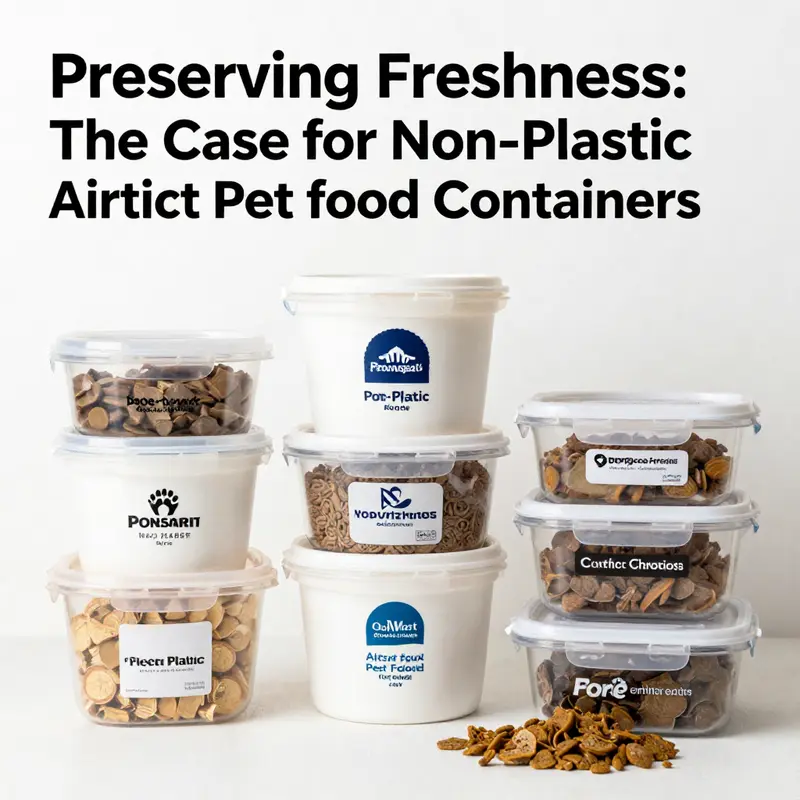
When it comes to preserving your pet’s food without relying on plastic, the choice of a non-plastic airtight container becomes an essential part of a conscientious pet care routine. Pet owners are increasingly aware of the potential hazards associated with plastic alternatives. Non-plastic containers, crafted from materials like durable borosilicate glass, high-quality stainless steel, and even premium ceramics, not only protect against moisture, air, and light but also ensure that harmful chemicals do not leach into the food over time. In this chapter we explore the many advantages of these innovative storage solutions, emphasizing the benefits of longevity, safety, and style that have made them popular among many pet enthusiasts.
The shift away from plastic is prompted by both health and environmental concerns. Many pet owners have discovered that plastic containers can, under certain conditions, release chemicals that have the potential to contaminate food, especially when exposed to heat or prolonged contact with the stored contents. In contrast, alternatives such as glass offer a non-reactive surface, which means that no unwanted interactions occur between the container and its contents. Borosilicate glass, known for its durability and resistance to thermal shock, has become a favored choice for many who require a clear and inert vessel to monitor food levels at a glance. Similarly, stainless steel provides a robust alternative with its resistance to corrosion and odors, ensuring that the container remains fresh and reliable regardless of frequency of use. The modern stainless steel container is engineered with precision, featuring mechanisms such as silicone gaskets and screw-top lids that guarantee an airtight seal, thereby maintaining the integrity of stored pet food even over long periods.
Choosing a container made of these non-plastic materials goes beyond just safety. It reflects an overall commitment to sustainability and responsible consumption. Pet food stored in environments that limit exposure to air and moisture is less likely to degrade in nutrient quality. Over time, oxidation and absorption of moisture can lead to loss of flavor and reduced nutritional benefits. Non-plastic containers help minimize these risks because their superior construction helps maintain consistent temperature and moisture levels. Among the popular choices are glass containers that offer a pristine look and allow pet owners to visually inspect the food levels. The clarity of the glass, while adding a decorative aspect to the pet feeding area, also plays a practical role for those who prefer to monitor food supplies with minimal hassle. Stainless steel containers, in addition to maintaining food quality, boast a sleek design that fits well in various kitchen or pet storage setups.
One of the first features to consider when evaluating these non-plastic solutions is the seal mechanism. A high-quality airtight container typically employs a well-designed silicone gasket or a precision-engineered screw-top lid. These components ensure that air, moisture, and external contaminants are kept at bay. The importance of an effective seal cannot be overstated, because even a minor breach in the barrier can expose pet food to environmental elements, ultimately compromising its freshness. The insulated properties of certain ceramic and stainless steel containers further contribute to temperature retention, which is crucial if the food is exposed to changing ambient conditions. As a result, pet food stored in these containers is more likely to retain its ideal texture and nutritional profile, even if the storage conditions are less than perfect.
Durability stands as another critical factor in the appeal of non-plastic storage options. Glass, particularly when treated or made from borosilicate, resists everyday impacts and temperature variations that could otherwise lead to fragmentation or breakage. Stainless steel, on the other hand, excels in its resistance to denting and rust. Its non-reactive nature also means that it does not develop lingering odors from the food it contains. This durability translates not only into long-term reliability but also into reduced waste, as the containers have a longer lifespan compared to many plastic alternatives that may degrade after months of use. Moreover, the recyclability of stainless steel resonates strongly with environmentally conscious pet owners. By choosing materials that can be reprocessed without compromising their integrity, pet owners contribute to a healthier planet, aligning their purchasing decisions with broader ecological values.
The range of design options available in the non-plastic arena ensures that there is something to suit every pet owner’s taste and need. For instance, traditional mason jars crafted from high-quality glass combine a timeless aesthetic with the modern necessity of an airtight seal, making them an attractive option not only for food storage but also as decorative pieces. Their robust construction and airtight lids provide excellent long-term protection against moisture and pests. Alternatively, containers designed with a utilitarian approach, featuring sleek stainless steel bodies and precision-engineered closures, offer a contemporary look that can seamlessly blend into a kitchen or pantry environment. The industrial simplicity of stainless steel is complemented by its hygienic properties, as it is easy to clean, dishwasher-safe, and resistant to staining. Some containers even come designed with dual functionality in mind, offering versatility that extends from pet food storage to general household food organization.
Maintaining the purity and flavor of pet food is essential for ensuring that pets receive the best possible nutrition. Once stored in an airtight environment, the risk of oxidation and the proliferation of pest infestations diminishes considerably. The superiority of non-plastic, airtight containers is reflected in the way they actively minimize exposure to air; by keeping oxygen at bay, these containers prevent the degradation of fats and preserve essential vitamins. This is particularly critical for pet foods that are rich in nutrients and delicate ingredients which can lose their efficacy when exposed to harsh external conditions. In an environment where freshness is paramount, the container itself becomes as important as the food it encases. Pet owners who opt for high-caliber solutions are often rewarded with food that maintains its integrity and taste for longer periods, ultimately reducing food wastage and saving money over time.
The market has embraced several noteworthy brands that excel in delivering these advanced storage solutions. Among them are well-known glass container manufacturers whose products often feature airtight screw-top lids that have been tested for long-term performance. Their containers are engineered in such a way that they not only secure the pet food but also present a visual appeal that can brighten up any space. Equally commendable are the brands specializing in stainless steel containers. With expert craftsmanship and attention to detail, these containers emphasize robust construction that stands the test of time. Their design often boasts intuitive sealing mechanisms, making them both user-friendly and highly effective. The clean lines of stainless steel—often accompanied by minimalist design cues—offer a modern twist that complements the aesthetic values of contemporary households.
It is also worth appreciating that the efforts to move away from plastic are not confined solely to pet food storage. Many companies have broadened their offerings to include eco-friendly alternatives across a wide range of packaging and storage solutions. For those who wish to explore further eco-conscious ideas, a review of sustainable packaging options, such as certain recyclable, paper-based solutions designed with environmental sustainability in mind, can be immensely enlightening. For example, one innovative alternative that aligns with these sustainable principles is available for pet-related use; more information on similar eco-friendly packaging options can be found by following this link: custom disposable kraft paper bowl with pet lid. While these paper-based alternatives may not offer the same long-term durability as glass or stainless steel, they represent a growing interest in reducing overall plastic usage in products that impact daily life.
Beyond just the physical attributes, the psychological comfort derived from using containers that are safe and sustainable should not be underestimated. Many pet owners find that using non-toxic, non-plastic storage solutions provides peace of mind. Not only are they reducing the risk of chemical exposure, but they are also making a conscientious decision to support products that respect nature and promote wellness. The confidence that comes from knowing that you are providing the best possible care for your pet can enhance daily routines and allow you to focus more on enjoying moments with your companion. It is a small but significant part of a larger movement towards responsible consumption and sustainable living.
The long-term economic implications of opting for premium non-plastic storage options are also noteworthy. While the initial investment in a high-quality glass or stainless steel container might be higher than that of a basic plastic alternative, the durability and lifespan of these containers can save pet owners money over time. The cost-per-use decreases as the container continues to perform reliably year after year. Furthermore, by reducing food waste through more effective storage, pet owners can realize additional savings on pet food costs, reinforcing the notion that smart, sustainable choices can be economically beneficial as well as environmentally responsible.
It is important that potential buyers carefully consider the specific features that will best accommodate their pet food storage needs. For instance, if regular transportation or frequent emptying and refilling are part of your routine, a container that offers ease of handling along with robust sealing technology will be ideal. In addition, certain containers are designed to perform optimally under varying temperature conditions. This capability is particularly valuable in areas where seasonal changes or unexpected ambient temperature fluctuations could otherwise compromise food quality. Choosing a container that performs consistently across these variables is essential for maintaining both the nutritional quality and overall safety of pet food.
Over the years, product innovation in this field has steadily improved, balancing functionality with aesthetic appeal. The modern pet owner no longer needs to sacrifice style for performance. Instead, they can find containers that reflect personal tastes while fulfilling technical requirements with precision. This evolution is evident in the way modern designs blend clean, minimalist forms with highly engineered mechanics to create products that are as fashionable as they are practical.
Furthermore, the emphasis on airtightness in these non-plastic solutions highlights a proactive approach to health and hygiene. Airtight containers prevent the ingress of contaminants that may be present in the surrounding environment, whether they are insects, dust, or even moisture that could trigger mold or spoilage. This not only extends the shelf life and nutritional integrity of the pet food but also creates a safer feeding environment. In turn, this contributes to the overall health and vitality of a pet, ensuring that every meal is consumed under optimal conditions.
Many pet owners have also noted that switching to non-plastic storage offers unexpected benefits when it comes to cleaning and maintenance. Glass and stainless steel surfaces are typically easier to sterilize and do not harbor lingering smells associated with previous contents. A thorough cleaning routine is usually simpler to achieve, as these materials do not absorb residues. This ease of maintenance becomes particularly appealing in busy households and contributes to an overall reduction in health risks associated with poor hygiene in food storage practices.
In summary, the journey toward selecting the right airtight pet food container made from non-plastic materials is one marked by careful consideration of safety, durability, and environmental impact. The quality of the material—from high-grade glass that intuitively displays contents to robust stainless steel that keeps odors at bay—ensures that pet food remains fresh, uncontaminated, and nutritionally intact. This commitment to excellence extends beyond individual purchase decisions and reflects a broader trend toward sustainable, ethical consumption.
For those pet owners who prioritize a high standard of care and wish to minimize their ecological footprint, non-plastic airtight pet food containers offer an ideal solution. They bring together the best in material science, design innovation, and sustainability. With each product meticulously engineered to provide superior sealing and protection, these containers not only keep pet food fresh but also serve as a testament to a commitment to health and the environment. More detailed information on innovative storage designs and consumer feedback on long-lasting, eco-friendly products can be explored further through reviews available on trusted external sites. For example, one can learn more about these advanced airtight solutions by visiting this resource: Purchase Example – Mason Jars.
Ultimately, the evolution of pet food storage to embrace non-plastic materials signifies a positive shift toward safer feeding practices and a cleaner environment. As more pet owners become aware of the tangible benefits—both for their pets and the planet—the market will undoubtedly see continuous improvements in design, functionality, and sustainability. This chapter serves as both an overview and a detailed exploration of why non-plastic, airtight containers have become the preferred choice for those who care deeply about the quality of their pet’s food and the impact of their everyday choices on the environment.
By harmonizing function with eco-friendly design, these storage solutions empower pet owners to make informed decisions, reduce waste, and support a healthier lifestyle for their pets. Every sealed container is not only a safeguard for pet nutrition but also a step toward a more sustainable future, reflecting a mindful journey that begins at mealtime and extends beyond into every aspect of responsible pet care.
Final thoughts
The shift towards non-plastic airtight pet food containers represents a significant advancement in pet care and sustainability. By understanding the benefits of these containers, the materials used in their production, and how to choose the best options, businesses in the food service industry can align their practices with environmentally conscious values. Brands that prioritize quality, safety, and sustainability will not only enhance their reputation but also contribute to a healthier planet for pets and their owners alike.