
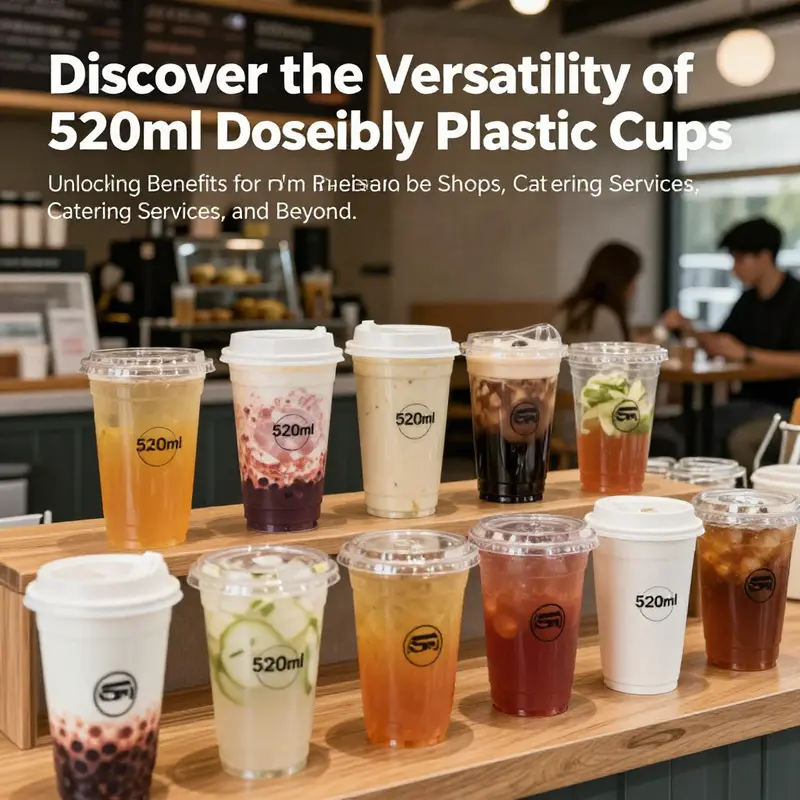
520ml disposable plastic cups are revolutionizing how the food and beverage industry approaches service and packaging. Whether you’re running a bubble tea shop or managing a catering event, these cups offer unique advantages that cater to diverse needs. From their functional design and customizable options to safety standards and economic benefits, each aspect enhances operational efficiency and customer satisfaction. This article unfolds the many layers of 520ml disposable plastic cups, diving deep into their advantages, customization choices, safety certifications, cost-effectiveness, and the latest technological innovations. Understanding these elements will empower you to make informed decisions that elevate your service experience.
The 520ml Edge: How a Simple Cup Redefines Speed, Safety, and Brand Narrative in Modern Food Service
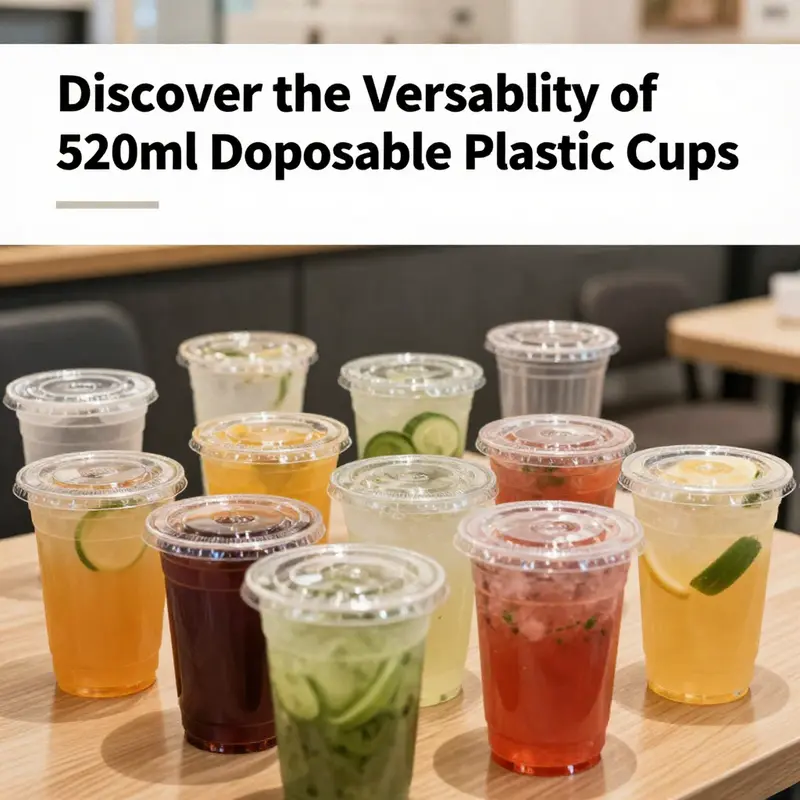
The morning rush in a fast-service setting often reveals the true power of a cup. A customer orders a hot beverage, and within moments a worker slides a 520ml disposable plastic cup from a dispenser, the lid snapping into place with a confident click. The cup feels light yet sturdy in the hand, a paradox that showcases the balance at the heart of this seemingly ordinary packaging. Its capacity, roughly 16 ounces, is not an arbitrary number but a carefully chosen compromise. It accommodates everything from a steaming milk tea to a thick smoothie, without overwhelming the customer or underserving the beverage. In the chorus of fast-service logistics, this single size coordinates with dispensers, lids, and screens, a small but vital axis around which efficiency spins. The value of the 520ml cup emerges not from a single feature but from an integrated performance that touches safety, speed, branding, and sustainability in equal measure.
Safety sits at the core of every decision about disposable cups, and here the material choice matters as much as the design. Crafted from food-grade polypropylene, the cups are BPA-free and FDA-approved, aligning with global food-safety standards that reassure both operators and patrons. PP’s heat resistance means hot drinks—coffee, tea, or milk tea—can be served directly without warping or compromising integrity. Yet the same material performs just as reliably with cold beverages, resisting cracks and leaks that could disrupt a delivery route or a dine-in experience. This dual strength is essential in high-volume environments where fast turnover and consistent quality are non-negotiable. The result is a packaging solution that reduces the chance of spill or contamination during transport, a small but meaningful contributor to customer trust.
The functional performance of the 520ml cup is a study in efficiency. With a single-wall construction, these cups are designed to work seamlessly with automated cup dispensers and beverage machines. In busy hours, that compatibility translates into tangible gains: service speed can improve by as much as 30% compared with bulkier alternatives, a figure that reflects the way streamlined handling reduces steps for staff and speed for customers. The design does not stop at walls alone. Many models incorporate leak-proof lids with secure snap-fit closures and ribbed edges, features that minimize spillage and improve grip during hurried transport. In the realm of drive-thrus and event catering, the combination of a sturdy cup and a reliable lid translates into fewer interruptions and a more predictable flow of beverages from machine to customer. It is not simply a matter of keeping drinks inside the cup; it is about turning moments into dependable experiences where speed, cleanliness, and reliability are the baseline, not the exception.
Branding and marketing flexibility sit alongside safety and speed, turning a disposable cup into a moving advertisement. The 520ml format is compatible with a spectrum of customization methods, from injection printing to In-Mold Labeling (IML). This versatility allows businesses to project a vivid identity on every cup, aligning color, logo, and packaging design with broader brand storytelling. The impact is more than cosmetic. A cup that carries a crisp, consistent mark travels through queues, into customers’ hands, and onto social media, becoming a portable touchpoint that reinforces recognition and recall. The cup’s surface becomes a canvas for narrative—seasonal campaigns, loyalty programs, or message-driven promotions—without altering the core beverage experience. In this sense, a 520ml cup ceases to be a simple containment vessel and becomes a medium for brand visibility, a small but effective facet of a broader marketing strategy.
The conversation around usability extends into hygiene and operational efficiency. Disposables erase the need for on-site cleaning and sanitizing between uses, a benefit that translates to significant labor savings in high-volume settings like cafes, food trucks, and catering events. The hygienic assurance of a boxed, sealed product gives operators confidence that the beverage served is as fresh as the moment it was poured. In practical terms, this means faster turnarounds, tighter service windows, and the capacity to serve more customers with the same footprint. The disposability model reduces not only labor but also downtime, enabling teams to reallocate resources to the customer-facing moments that generate satisfaction and repeat business. In a climate where post-pandemic expectations emphasize hygiene as a baseline standard, the reliability of a single-use cup becomes a strategic advantage rather than a lapse in sustainability.
Sustainability, often framed as a friction point for disposables, finds nuance in the 520ml PP cup. While plastic carries inherent environmental concerns, PP cups are recyclable under resin code #5, a detail that aligns with recycling policies in many regions and supports responsible waste management. The packaging is also notably lightweight—up to 20% lighter than some traditional disposable cups—contributing to lower shipping weights, reduced fuel consumption, and a smaller carbon footprint across the product lifecycle. The lightness should not be mistaken for fragility; the cups retain structural integrity under typical service conditions, maintaining performance while easing logistics. For businesses that want to balance speed with sustainability, these cups can be part of a broader strategy that pairs robust performance with recycling and responsible procurement.
Flexibility remains a defining trait. The 520ml size is versatile enough to accommodate drinks ranging from thin iced beverages to thicker mixtures like milkshakes, and its compatibility with a variety of lids and closures reduces the need to manage multiple packaging formats. Some models even find multi-use applications beyond beverages, offering potential for yogurt, baby food, or salad services in adjacent markets. This adaptability supports cross-functional operations, allowing procurement teams to standardize on a single, capable cup for a wide range of offerings. For brands seeking even more control over their presentation, the ability to customize print and labeling can enforce a consistent look across channels, strengthening returns on branding investments.
Market dynamics often shape the economics behind cup selection. Prices for basic, high-volume PP cups reflect a balance of material cost, manufacturing efficiency, and demand. In many supplier ecosystems, bulk orders unlock favorable pricing, with premium variants that emphasize insulation or durability commanding a modest premium. The economics extend into branding investments as well. Customization—whether through color, logo, or label alignment—can be a differentiator that elevates a cup beyond a mere functional object to a component of the brand experience. The practical implication for operators is clear: a well-executed cup strategy can accelerate service, reinforce brand identity, and support sustainability goals all at once.
To connect these themes to a broader packaging conversation, consider the evolving ecosystem of packaging solutions that straddle speed, safety, and sustainability. In an era when consumers evaluate brands by their environmental stewardship as much as by beverage quality, coupling a reliable hot-and-cold cup with eco-conscious packaging options can reinforce trust and loyalty. For example, packaging ecosystems are increasingly embracing options such as eco-friendly custom paper coffee cups with lids, which can coexist with polypropylene cups in a tiered or complementary system. This approach lets a business curate a portfolio that fits different service contexts while preserving core benefits—speed, hygiene, and brand clarity—across channels. The pairing of materials and printing technologies enables brands to tell a consistent story from the cup’s surface to the cup’s journey through the supply chain. The result is not a choice of one container over another, but a deliberate, intelligent mix that optimizes operations and perception alike.
As the beverage landscape continues to evolve, the 520ml disposable cup stands as a pragmatic hub where safety, performance, brand storytelling, and sustainability converge. Its success does not hinge on a single breakthrough but on the integration of proven materials, thoughtful design, and responsive customization. The cup’s simplicity is its strength: a transparent vessel that delivers a consistent experience, a dependable speed advantage, and a credible path toward responsible disposal. For operators seeking to balance throughput with integrity, this size offers a reliable, scalable foundation upon which to build their service narrative. In the next chapter, we will explore how these cups are selected in real-world menus, how procurement decisions are made in busy operations, and how evolving consumer expectations influence both cup design and supplier partnerships. The conversation strains toward a future where packaging decisions reinforce not only flavor and temperature but also trust, transparency, and the brand promise.
External resource: https://www.alibaba.com/product-detail/FUN-Plus-Film-inner-PP-520ml-Disposable_1600479888223.html
Branding in a 520ml Shell: How Customization Elevates the Everyday Cup
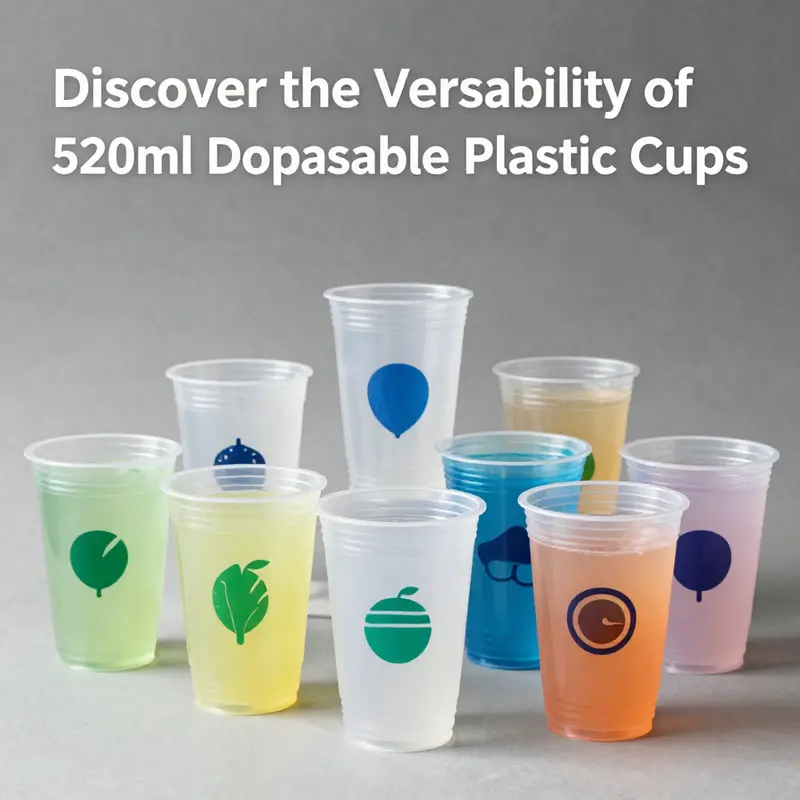
A 520ml disposable plastic cup sits quietly at the front line of modern food service, a vessel whose simplicity belies its power as a branding tool. With a capacity of about 16 ounces, it is large enough to hold a generous hot drink or a thick cold beverage, yet light enough to be carried with ease through crowded pickup lines and crowded events. The choice of material—food-grade polypropylene, a sturdy, BPA-free plastic—matters as much as the design. PP’s heat resistance makes it suitable for hot beverages like coffee or tea, while its lightweight structure helps keep service fast in high-volume environments. The single-wall construction, in particular, aligns well with automated dispensers and vending machines, enabling quick turns and reducing the frictions that slow lines down during peak periods. When a cup can perform its primary function reliably and still act as a moving billboard for a brand, the operational efficiency of a cafe or event space gains a subtle but meaningful lift. The 520ml size is a practical sweet spot: not so large that customers hesitate to order a second drink, yet capacious enough to convey value for thicker beverages like milk-based smoothies or specialty cold brews. That balance between utility and perception helps operators shape expectations as much as they satisfy thirst. The cup’s design, then, becomes a platform for storytelling—its color, finish, and the way ink meets surface all speak to a brand’s personality. The potential for customization grows from this basic premise.
Customization options in this category are not merely cosmetic. They are strategic tools that reinforce brand identity, influence purchase decisions, and extend a company’s reach into seasonal campaigns and local promotions. The core feature set begins with full-color printing directly onto the cup surface. This capability means a logo, a motto, or a promotional motif can travel with the beverage from counter to customer, creating a consistent touchpoint that supports recall and loyalty. In practice, a shop can translate digital branding into a tangible, drinkable canvas, ensuring that every cup serves as a tiny ambassador for the brand. The effect is amplified in beverage-driven businesses—milk tea, bubble tea, coffee concepts, and smoothie bars—where color and imagery resonate with customers as they choose among options. A well-executed print can turn a plain cup into a recognizable part of a brand’s aesthetic, extending the look and feel of the store from interior walls to takeaway cups.
Color variants add another layer of differentiation. Cups can arrive in clear, frosted, or fully opaque finishes, giving operators latitude to coordinate with seasonal menus or color-coded campaigns. A bold palette not only catches the eye but signals categories at a glance. Consider a bright, sunny yellow accent paired with white lids to create a distinctive, energetic impression that stands out in a crowded display. The complementary interaction between cup color and lid shade reinforces brand consistency, ensuring every access point a customer encounters—cup, lid, sleeve, or counter—echoes a unified design language. In addition to color, some suppliers offer custom hues that align with corporate color schemes, enabling a cohesive look across packaging, signage, and promotional materials. The visual continuity supports faster recognition and can even drive impulse purchases as customers associate a particular color story with a trusted storefront.
Lid design is not an afterthought. Custom lids do more than seal the cup; they complete the branding package and contribute to performance. Lid shapes and closures can be color-matched to the cup, turning the lid into an extension of the brand rather than a separate, neutral accessory. Ribbed-edge lids, for example, provide a more secure grip and add a tactile cue that enhances user experience during transport. From a functional standpoint, these lids help prevent leaks and spills, a critical consideration for service operations that juggle multiple orders in high-traffic settings. The ability to tailor lid aesthetics—matching color, finish, and even texture—supports a cohesive look that travels with the beverage, whether it’s handed to a customer at a pickup counter or delivered through a mobile order window. When a business can coordinate lid and cup design, it reduces the cognitive load on customers choosing between options and reinforces a professional, polished brand image.
Beyond color and lids, the physical dimensions of the cup—top diameter, bottom diameter, and height—offer a practical dimension of customization. The standard 520ml size is widely compatible with dispensing systems and standard sleeve formats, but suppliers can provide variations that optimize fit within specific cold- or hot-drink workflows. A top diameter around 89mm, a bottom diameter near 57mm, and a height of roughly 135mm are cited examples that illustrate how size and shape are tuned to balance stability, grip, and stackability. Such variations enable a business to integrate the cup with particular dispensing machines, display configurations, or even cup sleeves that enhance insulation and branding. The flexibility to tailor size and shape means a brand can maintain consistent performance while aligning with equipment layouts and service rituals unique to each location.
Sourcing and ordering pathways for customized cups reflect the growing demand for personalized packaging without sacrificing scalability. Many manufacturers offer Original Equipment Manufacturer (OEM) services, allowing brands to specify print areas, color palettes, and lid configurations in bulk. This kind of arrangement is essential for operators who plan seasonal campaigns or require a consistent supply across multiple outlets. Bulk purchasing, with appropriate minimum order quantities (MOQs), helps keep unit costs predictable and aligns with procurement cycles. The commercial logic is straightforward: the more a brand can standardize a design across channels, the more efficiently it can produce, store, and distribute cups to meet demand. For operators, this means clearer budgeting, reduced lead times, and the ability to steer promotions with confidence, knowing the cup stock will reflect the same brand story from first to last sip.
The promise of customization also carries implications for branding strategy and market differentiation. A cup is a moving advertisement that travels with the drinker through hands, cars, and bus lines. As such, the printing process, color strategy, and lid coordination must be durable enough to withstand the rigors of transport while preserving legibility and color fidelity. Direct full-color printing on PP cups demands inks and coatings that resist wear and resist smudging when exposed to steam and condensation. This durability is crucial for hot beverages, where heat and moisture can challenge color stability. Additionally, the sustainability narrative remains a central consideration. PP cups are food-safe and FDA-approved, with recycling pathways under resin code #5. The industry’s growing emphasis on environmental responsibility makes it important for operators to communicate a commitment to responsible packaging through both design and material choices. Some models are designed not only for beverages but for multi-use scenarios, expanding the cup’s utility across different product categories and service contexts. In practice, this broadens a brand’s potential to reach customers in varied settings—cafes, on-site events, and even in-store sampling programs—without sacrificing the cohesion of the visual identity.
From a cost perspective, the economics of customization balance production complexity with the value of brand differentiation. Baseline unit costs for plain cups can be very competitive when ordered in bulk, while premium variants that emphasize insulation, specialized lids, or extended color palettes naturally command higher prices. For hot drinks, premium versions often incorporate enhanced insulation and durability features that support a clean, stable presentation even when beverages are left to sit. The pricing spectrum thus mirrors the breadth of options: a basic, serviceable cup can be procured at a lower unit cost, while a fully branded, multi-piece solution carries a premium that is justified through heightened brand exposure and improved customer experience. These dynamics—cost, quality, and perception—coexist within a well-structured customization program that aligns with a business’s broader marketing and operations strategy.
The practical takeaway for brands and operators is clear. Customization transforms a plain takeaway cup into a deliberate expression of brand values. It allows a business to speak to customers at the point of sale and during the journey to consumption, reinforcing identity through color, surface treatment, and tactile details. The possibilities extend beyond mere visuals. The strategic alignment of printing capabilities, color variants, lid design, and dimensional options creates a cohesive system that supports consistent messaging across touchpoints. When executed with attention to durability and compliance, customization elevates the everyday cup from a disposable item to a meaningful component of the customer experience. And as shopping and dining environments continue to emphasize speed, convenience, and brand storytelling, the 520ml cup stands as a flexible, scalable platform for bringing those elements together in a single, portable package. For brands intrigued by extending this same branding logic into other disposable formats, see the eco-friendly printed logo single-wall paper cup.
External reference: https://www.alibaba.com
Safe by Design: Safety Standards and the Sustainability Promise of the 520ml Disposable Cup
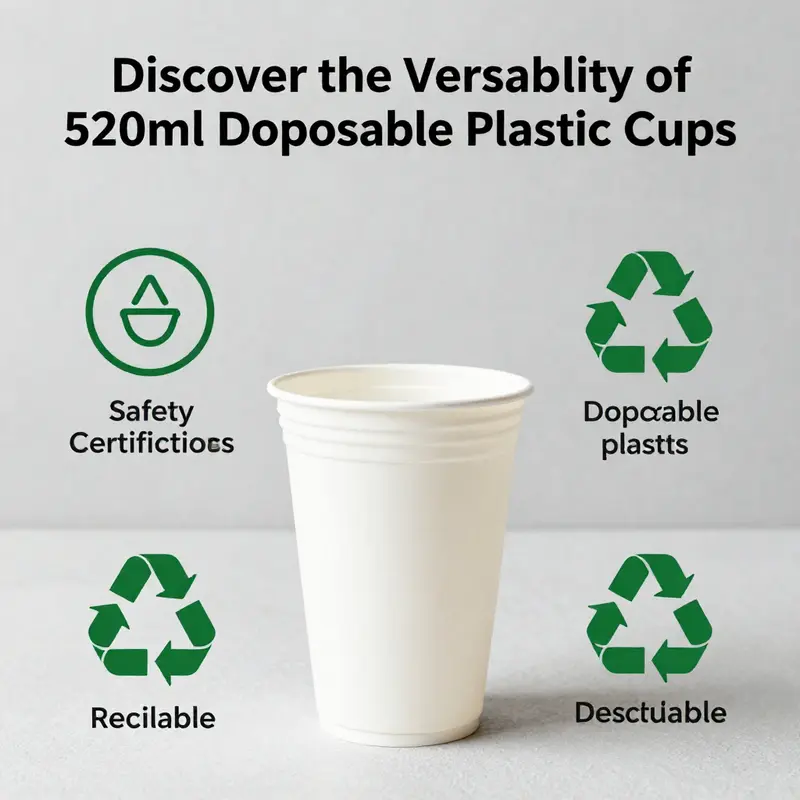
The 520ml disposable cup sits at a critical crossroads where safety, practicality, and responsibility converge. In a world where every container part is scrutinized for human health and environmental impact, these cups must perform without compromising either the drinker’s safety or the planet’s future. The chapter that follows surveys how safety standards are built into the core of a 520ml polypropylene cup and why sustainability is no longer a fringe consideration but a defining feature of modern packaging strategy. It is a story of material choice, rigorous compliance, and design choices that align convenience with responsible stewardship, all anchored to the everyday realities of hot and cold beverage service.
At the heart of safety is the material—the familiar yet versatile polypropylene, or PP. PP has earned broad recognition as a food-grade polymer that works well with hot liquids, resisting warping and deformation while remaining light in weight. This resilience is essential for a cup designed to hold steaming coffee, milk tea, or thick smoothies without compromising integrity. The fact that PP is typically BPA-free adds another layer of consumer protection, addressing concerns about unwanted chemical exposure that have shaped regulatory and consumer attitudes toward disposable packaging. Beyond individual health benefits, PP’s heat resistance supports a practical design ethos: a single-wall cup that can accompany fast service, withstand a range of beverage temperatures, and still be comfortable to hold. That simple combination of safety and practicality underpins the cup’s widespread adoption in quick-service settings and at events where predictable performance matters as much as speed.
Safety standards extend beyond the material’s intrinsic properties. Cups made from PP in this size class are commonly aligned with FDA approvals for food contact and with international food-contact regulations that govern what can touch food and drink. Such certifications reassure operators that the cups meet stringent criteria for hygiene and safe handling from production through service. The compliance framework also recognizes the resin code system, with PP identified as #5, which signals recyclability to material recovery streams and helps waste managers sort and process these cups correctly. In practice, this means a cup can be disposed of in systems that accept PP, provided the stream is clean and free of contaminants. The availability of leak-proof lids with snap-fit or ribbed-edge closures further reinforces safety by delivering a reliable seal that minimizes spills during transport, a crucial feature for consumers on the move and for operators managing large volumes in busy service environments.
From a design perspective, these safety features are not incidental. They are built into choices around a single-wall construction that simplifies production and enhances compatibility with automated cup dispensers and vending machines. The lightweight nature of PP, combined with a robust wall design, reduces the risk of structural failure under typical service conditions, including those that involve rapid filling, heat, and the jostling of delivery or pickup. This practical reliability translates into tangible benefits for operators: fewer breakages, less waste from spills, and a smoother flow in high-demand periods. The result is a packaging solution that does not merely hold a beverage; it protects the consumer experience by preserving temperature, maintaining cleanliness, and preventing leakage.
Sustainability, while sometimes viewed as a conflicting demand, is increasingly integrated into every phase of a 520ml PP cup’s lifecycle. The material itself is recyclable under resin code #5, which aligns with broader moves toward circularity in packaging. Yet, the path from recycling bin to recycled resin is not uniform across markets. Recycling infrastructure varies by region, and the success of recycling PP cups often hinges on the availability of dedicated sorting streams, clean post-consumer waste, and consumer participation in proper disposal. These realities compel brands and manufacturers to design with end-of-life in mind. For instance, minimizing the number of attached components, such as lids that complicate separation, can support more efficient recycling. Where possible, cups are designed to be recyclable while still offering robust performance in hot beverage service.
The sustainability conversation for 520ml cups also encompasses the broader lifecycle components—manufacturing energy use, water consumption, and the environmental footprint of inks and coatings used for branding. In practice, many PP cups are produced with food-safe, non-toxic printing inks and adhesives that meet safety standards for direct contact with beverages and food. This attention to non-toxic printing is crucial because branding should not compromise safety or recyclability. Innovations in design also enable more sustainable branding methods. For example, injection-printed logos can deliver high-quality visual fidelity without adding a heavy, non-recyclable layer that would complicate downstream processing. The goal is to preserve brand visibility while maintaining material purity in the recycling stream. In addition, lid designs that secure a leak-proof seal without creating multi-material assemblies help maintain recyclability, a key consideration as operators balance presentation with environmental responsibility.
Within this sustainability framework, the strategic use of customization becomes relevant. Vendors often offer options for OEM customization with robust control over color, alignment, and print quality. The ability to personalize cups with logos and promotional messages at scale enables brands to differentiate themselves while keeping the packaging’s core materials consistent and recyclable. Modern customization approaches also support sustainability by enabling the use of fewer inks or simpler color schemes that reduce environmental impact during production. A helpful example of the broader ecosystem surrounding 520ml PP cups can be found in supplier platforms that advertise customizable, food-safe packaging options with documentation and compliance information. This ecosystem highlights how brands can align safety and sustainability through careful supplier selection, transparent material certifications, and reliable logistics.
The question of whether disposable cups should be replaced by reusable solutions is not abstract in this context. For many businesses, a pragmatic balance emerges: keep reliable disposable cups for high-volume, on-the-go service where speed and hygiene are paramount, while exploring reusable options for venues or events with lower turnover. The choice is not absolute but strategic, rooted in lifecycle thinking. Reusable systems can dramatically reduce waste if implemented correctly, yet they demand infrastructure for collection, cleaning, and redistribution. In many cases, smart packaging design—low material usage, straightforward recycling, and designs that simplify separation—helps bridge the gap between disposables and reusables. It also aligns with evolving consumer expectations that brands take responsibility for end-of-life outcomes without sacrificing the convenience that makes 520ml cups so effective in busy settings.
To weave these threads together, the safety and sustainability narrative around the 520ml PP cup is not a ledger of trade-offs but a roadmap for design and operations. Safety is not sacrificed for sustainability; rather, both objectives are advanced together through material choice, certification, and thoughtful design that reduces risk while enabling responsible disposal. Customization plays a complementary role, enabling brand expression without compromising recyclability or safety. And while the road to universal recycling remains uneven, the direction is clear: packaging that is clearly identified, easy to recycle, and aligned with health and environmental standards will shape the expectations of both regulators and consumers.
For readers who want to explore concrete examples of compliant and sustainable packaging solutions, supplier databases offer a glimpse into how manufacturers articulate certifications and documentation. This kind of information helps businesses select partners who can deliver PP cups that meet safety standards and offer transparent environmental data, including recyclability and end-of-life guidance. In practice, these factors translate to real-world benefits: safer products for customers, stronger brand trust, and a packaging system that supports broader sustainability goals without compromising performance. In turn, operators can deliver reliable hot and cold beverage service while contributing to a more responsible packaging ecosystem.
External resource for further reading: https://www.alibaba.com/product-detail/FUN-Film-inner-PP-520ml-Disposable-custom_1600483729188.html
Internal resource for broader packaging sustainability considerations: eco-friendly-printed-logo-cold-beverage-cup-paper-cup-with-lid.
Profits in a Small Package: The Economic Impact of 520ml Disposable PP Cups in Modern Food Service
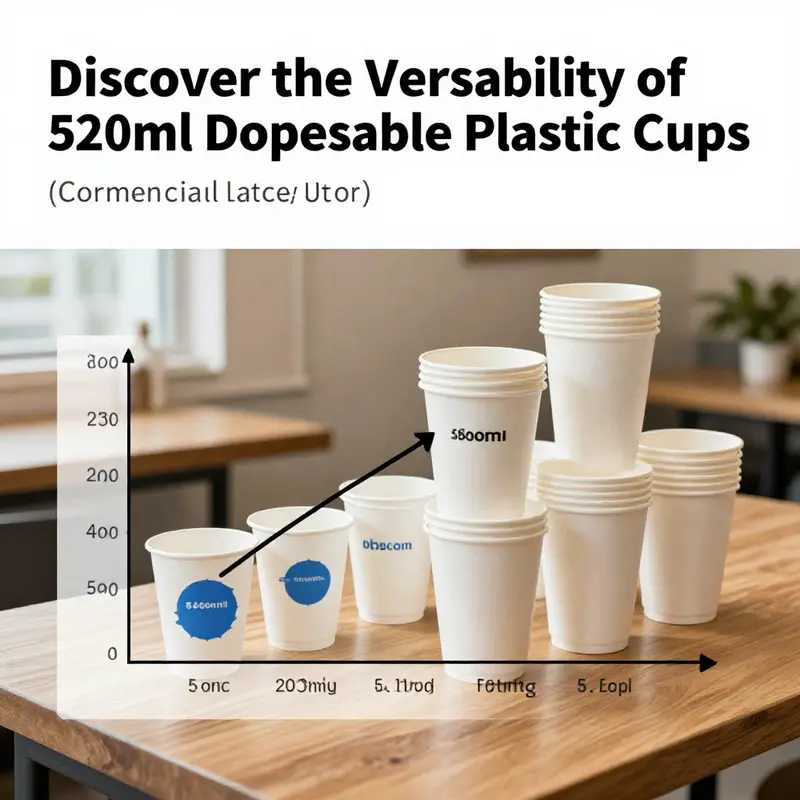
The economics of 520ml disposable polypropylene cups reveal how a seemingly simple packaging choice can ripple through pricing, service speed, labor, and brand perception. Far from being a mere vessel for beverages, these cups function as a strategic node in the operational network of quick-service environments, catering teams, and takeout operations. When a cup is inexpensive to produce, genuinely heat resistant, and compatible with automated dispensers, it reduces a chain’s cost per served drink in several mutually reinforcing ways. The material choice—polypropylene, a durable, BPA-free thermoplastic with high temperature tolerance—yields a product that stays stable under hot beverages and thick fillings without warping. That stability translates into lower returns, fewer spills, and less waste, all of which compound into tangible economic benefits. In practice, the 520ml size, about 16 ounces, optimizes portion control for a broad menu—from iced beverages and smoothies to milk tea and hot drinks. It is large enough to satisfy bigger thirsts and small enough to support quick turnover. This balance is central to the cup’s economic appeal, especially in high-volume settings where throughput, accuracy, and branding converge at the point of sale.
Material advantages are at the core of its cost-effectiveness. The cups are typically lighter—up to 20% lighter than standard disposable cups—while maintaining integrity under heat. Lighter units reduce shipping weight and freight costs, enabling more efficient replenishment cycles and inventory management. In facilities that rely on automated cup dispensers, the reduced weight and consistent geometry help eliminate jams, shorten maintenance windows, and improve the accuracy of dispensers that feed customers in rapid succession. The heat resistance of PP further lowers risk across the service spectrum. Baristas and operators can pour hotter drinks with less concern about plastic deformation, which means fewer customer complaints and returns. From a financial perspective, this reliability reduces the overhead associated with quality control, rejects, and the operational downtime that often follows packaging failures. The single-wall design, common for these cups, is particularly important in deployment scenarios where equipment interfaces expect a simple cup without insulation that could complicate machine alignment or increase maintenance cycles.
From the procurement perspective, these cups are a classic example of scale economics. Bulk purchasing enables the unit price to shrink toward a few tens of a cent per piece. In markets where wholesale pricing exists, a quoted starting point around the US$0.12 range per piece for large-volume orders demonstrates how volume can compress margins while preserving a comfortable profit ceiling. Customization options that support branding—such as injection-printed logos and secure snap-fit lids—unlock an additional dimension of value. Branding in disposable packaging translates into greater customer recall and increased promotional leverage, often tipping a marginal sale into a repeat visit. The ability to align cup design with a store’s color scheme and marketing materials reinforces the retail message and can elevate perceived value. The combination of a predictable, low base cost with optional customization creates a pricing and value ladder that is accessible to both small operators experimenting with menu lines and large multi-unit franchises seeking brand consistency across hundreds of locations. In practice, procurement decisions hinge on a balance between minimum order quantities, lead times, and the ability to coordinate branding across multiple SKUs. While some suppliers offer broad customization, buyers must assess print fidelity, cap compatibility, and the durability of the lid fit to ensure a consistent customer experience.
Operational efficiency is another decisive axis of the economic impact. The cup’s compatibility with automated dispensers and vending machines can lift service speed by as much as 30% relative to bulkier, more cumbersome alternatives. In a drive-thru or a high-turnover cafe, a 30% improvement in cup-handling can translate into meaningful gains in daily throughput, reducing wait times and enabling peak-hour windows to accommodate more orders with the same staffing levels. When service becomes faster, labor can be reallocated to other high-value tasks, such as order assembly, quality checks, and upselling opportunities. The ripple effect extends to customer satisfaction, as quicker service often correlates with higher order accuracy and more predictable waiting times. In a business model focused on volume and consistency, the cup is a facilitator of speed, not merely a passive container. The design also supports reliable branding through lids that snap securely and seal well, minimizing spills during transport and delivery. For operators, this reliability reduces the cost of returns and customer complaints, reinforcing the bottom line by protecting both revenue and reputation.
Labor and maintenance considerations further shape the economic picture. The disposability of these cups reduces cleaning and maintenance labor in high-turnover settings by up to 40%. In places where staff rotations are frequent and shifts are tight, the incremental savings from reduced dishwashing, sanitizing, and cup handling accumulate quickly. Even small reductions in repetitive, high-volume tasks translate into meaningful payroll savings over time, especially in operations that run around the clock. Conversely, the convenience of disposability imposes a cost – waste management and end-of-life considerations. Yet the recyclability of PP (often coded as #5) and the growing emphasis on recovery programs help mitigate environmental expenses and align with regulatory expectations. For many operators, the cost of waste disposal is a fixed expense that can be offset by the labor savings and the higher flow of customers through faster service. In environments where curbside pickup and delivery are central to sales, the streamlined logistics of disposable cups reduce the complexity of packaging optimization and inventory tracking, allowing managers to focus on product mix and customer experience rather than packaging logistics.
Market positioning and regulatory alignment further reinforce the economic case. The predominant value proposition rests on the single-use, scalable model that supports rapid service and consistent portioning. While some brands may market certain disposable cups as reusable tumblers, the real economic strength of the 520ml PP cup lies in its disposability and the ability to scale across networks with predictable costs. Safety certifications—such as compliance with food-safety standards and BPA-free assurances—are essential to maintaining consumer trust and reducing legal exposure. Recyclability, typically associated with resin code #5, helps align operations with waste diversion targets and environmental policies that many jurisdictions increasingly require. These regulatory and sustainability considerations, while sometimes framed as ethical imperatives, translate directly into risk reduction and long-term cost containment. When a business builds its supply chain around a package that is both compliant and adaptable to end-of-life collection systems, it minimizes the likelihood of fines, recalls, or reputational damage. In addition, the branding potential of a well-printed lid and cup can yield incremental marketing benefits without adding precision costs to the unit price. The result is a compelling value proposition that combines a low base cost, speed, and brand visibility—the trifecta that many operators seek when designing a scalable beverage program that can expand across markets and seasons.
In practical terms, the economic case for 520ml PP cups is about balancing a straightforward unit cost with the operational and branding advantages that come with scale. The small unit price enables flexible purchasing strategies, including quarterly refreshes of cup designs or seasonal campaigns, without placing excessive capital burden on a business. The efficiency gains—from better throughput to reduced labor—create a virtuous cycle: faster service lowers wait times, which can raise average check size through improved customer flow and higher fill-per-minute rates. The customization options, while not strictly necessary for every operator, offer a tangible upgrade path for those aiming to maximize brand impact and loyalty. In this sense, the 520ml PP cup functions as a strategic lever rather than a mere consumable, affecting everything from store layout decisions and vendor negotiations to marketing calendars and sustainability milestones. The broader takeaway is clear: the economic effect of this packaging choice is not a single-line figure but a constellation of savings and revenue opportunities that accumulate over time as volumes grow and processes mature.
External resource: For an industry overview and supplier context, see a major online supplier listing for 520ml disposable PP cups. Alibaba listing for 520ml Disposable PP Cups
Internal link: For a discussion of branding and customization options that can complement the economic strategy described here, see a related product page focused on custom-logo take-away cups. custom-logo kraft coffee cup with lid
The 520ml Cup: Material Science, Throughput, and Sustainability in Modern Beverage Packaging
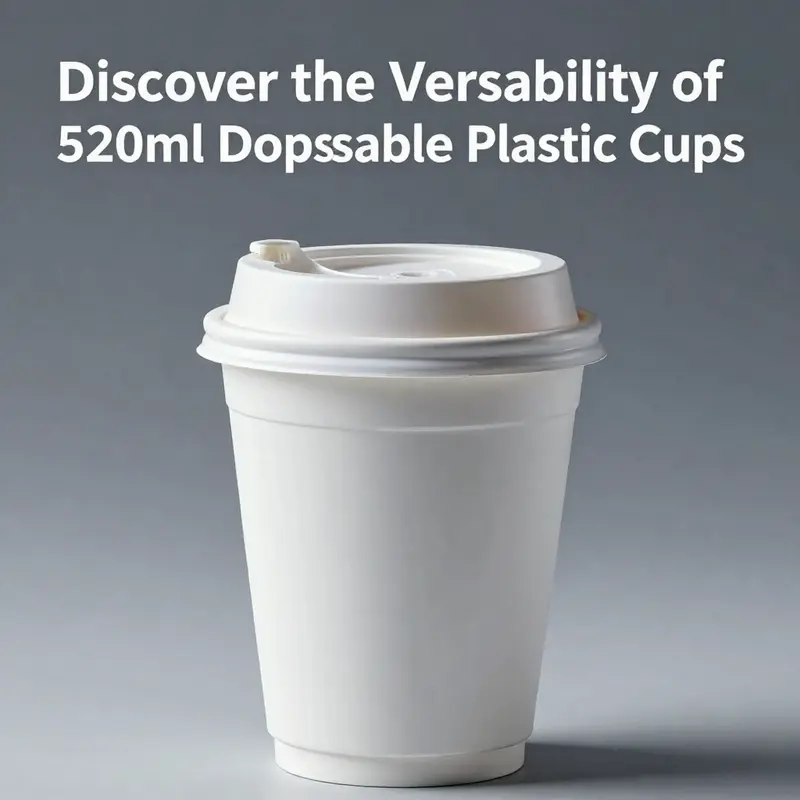
The 520ml disposable cup sits at the intersection of material science, fast-service requirements, and growing sustainability expectations. In high-volume environments, even a single second saved in cup handling can improve queue flow and customer satisfaction. The 520ml size, around 16 ounces, provides a balance between portion control and waste management, a critical trade-off when beverages move quickly from order to pickup.
Material choice centers on polypropylene (PP), a BPA-free, FDA-approved thermoplastic with heat resistance that helps prevent warping when hot drinks are poured. This enables reliable single-wall cups across a range of beverages, with PP’s light weight aiding handling, reducing breakage, and improving stackability in automated dispensers.
The single-wall architecture is complemented by leak-resistant lid designs and grip-enhancing features. Advanced printing and labeling methods, such as in-mold labeling (IML) and injection printing, allow brands to embed logos directly on the cup without compromising strength.
Sustainability considerations emphasize recyclability (resin code #5) and transparency about end-of-life outcomes. Eco-conscious manufacturing practices and regulatory compliance help position the cup as a responsible choice, enabling brands to balance throughput, temperature control, and environmental accountability.
Practical takeaway: standardization at 16 ounces supports compatibility with dispensers and vending machines, enabling faster service while preserving beverage temperature. The cup then serves as a branding surface and a logistics asset in a crowded service environment.
Final thoughts
520ml disposable plastic cups are not just a packaging solution; they are a multifaceted tool that can significantly enhance the customer experience and operational efficiency across various food services. From bubble tea shops to corporate events, understanding their benefits, customization opportunities, safety standards, economic impact, and innovative designs is essential for today’s businesses. By embracing these features, you can elevate your offerings, ensuring satisfaction and loyalty among your customers. Equip your service with the right disposable solutions, and take your business to the next level.