
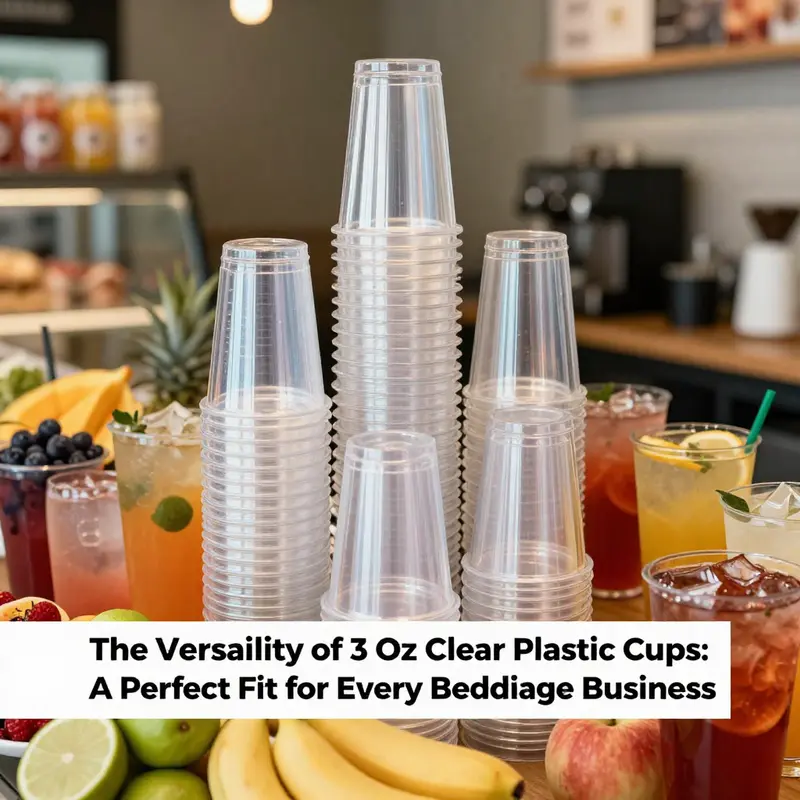
3 oz clear plastic cups have quickly become an essential item for businesses in the food and beverage sector, seamlessly fitting into a multitude of environments—from bustling bubble tea shops and vibrant restaurants to dynamic food trucks and prestigious catering services. Their lightweight, durable design coupled with affordability makes them an ideal choice for serving a wide array of beverages, from refreshing iced teas to medications and cosmetic samples. This article delves into the market applications of these versatile cups, the materials used in their production, their sustainability impact, comparative pricing across e-commerce platforms, and real user reviews that illustrate their performance. Each chapter aims to provide insights that help decision-makers across different sectors recognize the value of integrating 3 oz clear plastic cups into their operations.
Clear, Compact, and Calculated: The Market Reach of 3 oz Clear Plastic Cups
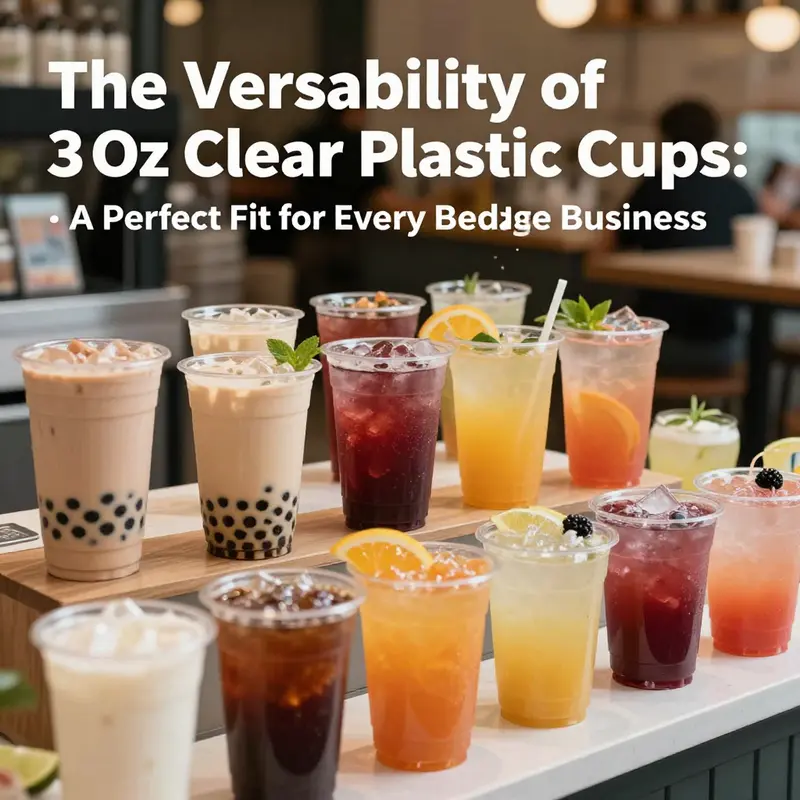
The 3 oz clear plastic cup is a small vessel with outsized implications. Its form—clear, lightweight, stackable—emerges not from novelty but from a precise response to the needs of service, sampling, and quick-turn decisions. In a world where presentation often governs perception, these cups offer a reliable stage for what they hold. Their transparency is not merely a visual feature; it is a functional cue that helps staff confirm portions at a glance and lets customers gauge what they are about to taste, smell, or observe. This simplicity is a strength, because in many settings speed and accuracy trump ornamentation. When a server needs to portion a sauce, a dessert, or a single espresso shot, the cup’s size communicates a consistent expectation and reduces the chances of over- or under-serving. In high-volume environments, such consistency translates into faster service, fewer mistakes, and less waste—an important triad for operators juggling labor costs, inventory turnover, and customer satisfaction.
Market data across foodservice, retail, medical, and event planning show that the appeal of the 3 oz cup is less about novelty and more about the balance it strikes between utility and cost. The cups are typically made from polypropylene (PP) or polystyrene (PS), materials that offer clarity, rigidity, and resistance to cracking under normal handling. They are designed to be food-grade, ensuring safety for a spectrum of uses—from mouthwash rinses to yogurt samples to espresso shots. The transparent material also aids in quality checks: staff can spot separation, sediment, or contamination without lifting a lid or removing a cover. In a cafe line or a catering buffet, that visual verification can be the quiet factor that reduces errors at the point of service and keeps lines moving smoothly.
Within the foodservice and catering sector, 3 oz clear cups have become a go-to for appetizers, desserts, condiments, and single-serve beverages. Their size is particularly well-suited for bite-sized portions that encourage a tasting path for guests or a dessert flight for events. Clear cups enhance the perceived value of the product by providing a direct view of the contents, a factor that influences guest expectations and minimizes ambiguity about what they are sampling. In buffet setups, disposable cups support hygiene and speed: guests can serve themselves with minimal contact, and staff can maintain clean stations with quick disposal. For caterers aiming to deliver high throughput without sacrificing presentation, the small cup becomes a workhorse that aligns with quick-service rhythms and the demand for neat, easy-to-clean setups.
In the retail and specialty goods space, the appeal widens to include product sampling and trial distributions. Brands use these cups to offer small quantities of cosmetics, skincare, and household cleaners, inviting consumers to test textures, scent, or consistency before committing to a larger purchase. The cup’s clarity reinforces the sense of purity and quality—a critical perception when customers are evaluating unfamiliar formulations. The geometry also supports merchandising goals: because the cup is familiar and easy to stack, it integrates neatly with display cases, sampling stations, and shelf-ready packaging that accommodates rapid restocking. This pairing of visibility and simplicity makes the 3 oz cup a versatile tool in shopper marketing, where the aim is to invite trial while sustaining an orderly, hygienic display.
Beyond consumer-facing contexts, medical and laboratory settings have adopted disposable cups for discreet, practical purposes. In point-of-care testing, ovulation or urine sample collection, the ability to observe volume and color changes through a transparent wall helps healthcare workers and patients alike. The disposability of these cups underpins hygiene protocols, enabling single-use practices that minimize cross-contamination risks in clinical or home-testing kits. Clarity supports quick visual checks, reducing the need for additional equipment or time spent verifying samples. In laboratories that emphasize efficiency and accuracy, the small cup becomes a reliable component of workflows, contributing to cleaner sampling routines and reduced handling.
Event and party planning extend the utility of 3 oz cups beyond clinical settings. Weddings, corporate receptions, picnics, and barbecues benefit from compact serving options that still convey elegance when paired with clean, simple presentation. The light weight and ease of transport make bulk storage straightforward, while the straightforward portion control helps minimize waste in settings where guests’ preferences vary and replenishment must be rapid. In these contexts, the cups are less about a single use and more about a reliable, scalable system for distributed serving. They work in tandem with other disposable ware to create cohesive, low-friction service experiences that guest sides beneath a shared aesthetic of simplicity and cleanliness.
The material story behind these cups is evolving, and it speaks to broader shifts in how disposables are conceived. Suppliers describe options in PP and PS as standard, with increasing interest in biodegradable PLA or recycled-content variants. This shift reflects a growing demand for eco-conscious alternatives that maintain clarity and structural integrity. For operators, the choice often hinges on a balance among cost, performance, and sustainability goals. Biodegradable or recycled-content cups may carry a premium or longer lead time, but they align with customer expectations for responsible packaging and can fit into broader waste-stream strategies that separate compostable items from recyclable plastics. The conversation around sustainability is not a rejection of clarity or ease but an invitation to innovate around end-of-life outcomes. In practice, this means menus that clearly indicate whether a cup is intended for composting, recycling, or disposal, and a packaging plan that minimizes mix-ups during sorting and recovery.
From a procurement perspective, the market reveals a spectrum of packaging configurations to meet bulk needs. Several channels offer 3 oz clear cups in varying quantities, designed for different use cases—from small-batch tastings at a boutique event to continuous service during a charity fundraiser. The sheer range of packaging quantities—ranging from hundreds to thousands of cups per order—allows buyers to tailor purchases to project scale and budget. For operators, this flexibility reduces risk: you can match cup allocation to anticipated demand, adjust for seasonal surges, and limit waste by ordering precisely what is needed for a given period. The economics of scale also come into play: bulk purchases can lower per-unit costs, improving margins for high-volume applications without compromising the guest experience that clear cups help enable.
Alongside these practical considerations, the visual and tactile aspects of the cup influence consumer perception. When a beverage or sample is presented in a crystal-clear cup, the color, texture, and surface sheen of the product are on public display. This enhances the consumer’s confidence in the quality of the offering and can subtly elevate the perceived value of a small serving. The clarity also helps staff confirm that a product is correctly portioned, especially in fast-paced environments where lines move quickly and every second counts. The combination of a reliable, simple form with transparent visibility creates a moment of assurance for both server and guest, a moment that matters in the many settings where 3 oz cups are deployed.
For buyers seeking deeper technical or sourcing insights, industry channels highlight the practical realities of material choices, quality controls, and supply logistics. A comprehensive supplier guide outlines variations in materials, minimum order quantities, and pricing that can influence a buy decision, especially when planning for large events or multiple seasonal campaigns. In practice, this means evaluating not only the upfront cost but the total cost of ownership—shipping, handling, potential breakage, and end-of-life considerations. Equally important is understanding packaging integrity in transit: while the cups are designed for durability in everyday use, bulk shipments must maintain rim strength and edge resilience to prevent cracks that spoil presentation or compromise hygiene.
Internal link for broader packaging context can be helpful here: for a look at complementary disposable ware used in take-away and event settings, see this discussion on disposable takeaway paper cup options. It points to design considerations and sustainable configurations that pair well with small cups for cohesive service solutions. disposable takeaway paper cup with lid .
As a closing reflection, the market for 3 oz clear plastic cups is driven by a calculated balance of presentation, portion control, hygiene, and cost. Their success story is not about novelty but about how a simple instrument can undergird a multitude of professional practices—from the back room of a bustling cafe to the quiet, precise workflows of a testing site. The cups’ transparency invites trust, their lightness invites efficiency, and their scalability invites operators to deploy them in ways that align with both customer expectations and business objectives. In a marketplace that rewards clarity of purpose, the 3 oz clear cup remains a dependable, adaptable tool—one whose value emerges when seen clearly through the lens of service, sampling, and sensory experience.
External resource: For a detailed view of current supplier offerings and pricing trends, see the external guide on 3 oz plastic cups here: https://www.alibaba.com/product-detail/3-oz-Plastic-Cups-Supplier-Guide-Material_1600479874411.html?spm=a2700.189042.0.0.1c7d5b1dLZaHvV
Clarity by Design: The Materials Behind 3 oz Clear Plastic Cups
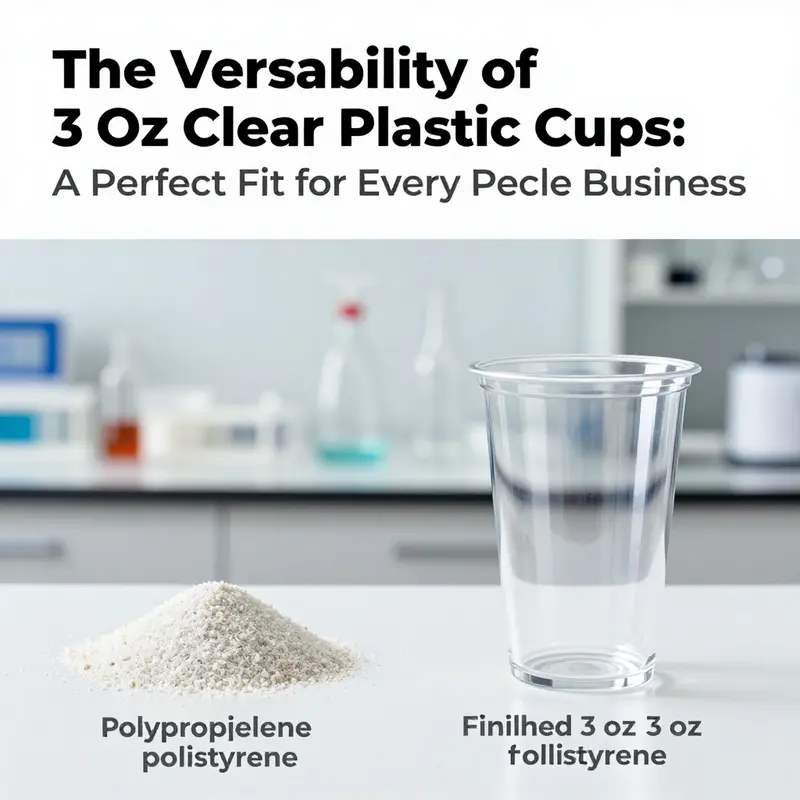
The unassuming 3 oz clear plastic cup sits at the intersection of everyday practicality and material science. Its tiny footprint belies a careful balance of transparency, strength, safety, and cost. Across homes, clinics, hotels, events, and travel scenarios, these cups must perform without calling attention to themselves. To engineers and procurement teams, the choice of material is more than a matter of appearance; it determines how reliably the cup will hold a mouthful of water, a dab of mouthwash, or a small sample, all while meeting strict safety standards and keeping costs predictable. In this light, the materials most commonly used for 3 oz clear cups—polystyrene, polypropylene, polycarbonate, and PET—are not merely raw inputs but design decisions that shape behavior from rim to base. They speak to how clearly liquid content is presented, how the cup tolerates temperature shifts, how it resists cracking, and how it fits into an ecosystem of regulations and supplier reliability. The discussion that follows weaves through the strengths and limitations of each material, highlighting how manufacturers tailor the right combination of properties for specific uses in the 3 oz format.
Polystyrene (PS) remains the workhorse for many disposable cup applications because it delivers exceptional clarity and rigidity. The visible advantage is striking: a crisp, glass-like translucence that makes even a simple beverage look appealing. For products like cold drinks or showcase beverages, PS allows the consumer to evaluate color, sediment, or foam at a glance, which is part of the appeal in many service environments. At the same time, the stiffness of PS helps maintain a comfortable, stable rim—an often overlooked but essential attribute for repeated use during service in a high-traffic setting. Cost efficiency is another white-space advantage; PS affords a low price point per unit when manufactured at scale, enabling large batches to be distributed across venues or households without inflating the overall expenditure. Yet PS is not without caveats. It is comparatively brittle under thermal stress and can crack if subjected to sudden impact or excessive flexing, especially at the edges or near the rim. While not inherently unsafe, PS cups challenge sustainability narratives because their environmental footprint tends to be higher when disposed of in landfills. The material’s recyclability is contingent on local stream capabilities, and consumers often encounter confusion around whether PS cups should be recycled together with plastics or treated differently.
Polypropylene (PP) introduces a different set of design priorities. Where PS leans into clarity and stiffness, PP emphasizes chemical resistance and thermal stability. A 3 oz PP cup can tolerate hotter beverages and harsher rinses without deforming, making it a practical choice for samples that include mildly warm solutions or convenience drinks that travelers might test en route. The clarity of PP is strong but slightly more toned than PS, which means that beverage color and appearance remain visible, though the optical edge may be a touch less crisp. The safety profile of PP in food contact is well established, and many PP formulations are BPA-free, addressing health-conscious concerns that have influenced consumer perceptions and regulatory expectations alike. From a manufacturing perspective, PP’s toughness translates to a more forgiving blow-mold or thermoforming process, allowing for rolled rims and reinforced edges that resist cracking under normal handling. These rims and edges, in turn, improve user experience by smoothing out any rough contact between the cup and the lips, reducing the chance of micro-cracks that could propagate during use. PP’s resilience also makes it a good candidate for environments where beverages are intermittently served in rapid succession, such as busy hotel buffets, clinics, or party settings where throughput matters as much as presentation.
Polycarbonate (PC) occupies a smaller share in the most common disposable cup portfolios, yet its influence is unmistakable where high performance is required. PC is renowned for its exceptional impact resistance and transparency, qualities that serve niche applications where a cup must endure more demanding handling or potential misplacement. Historically, PC offered some of the strongest optical clarity available, which is appealing for premium presentations or demonstrations where the content itself should be visible despite the cup’s thin profile. However, regulatory scrutiny around bisphenol A (BPA) has tempered PC use in consumer food contact applications. The industry has largely steered away from BPA-containing PC formulations in favor of safer alternatives, and many manufacturers opt for materials that achieve similar transparency without BPA-related concerns. As a result, PC remains present in certain high-performance or specialty lines, but it is far less common in mass-market disposable cups than PS or PP. Where PC does appear, it often accompanies rugged rims and reinforced body walls, designed to absorb impact without compromising the glassy clarity that makes the cup attractive for showcasing beverages in controlled settings such as tasting flights or demonstrations.
PET, or polyethylene terephthalate, rounds out the ensemble with a blend of clarity, strength, and recyclability that appeals to careful buyers. PET cups can deliver crystal-clear visuals and impressive rigidity, sometimes rivaling PS in appearance while offering good chemical resistance and moisture barrier properties. In the 3 oz segment, PET provides an appealing middle ground: robust enough for cold liquids and light snacks, yet not as brittle as traditional PS under some drop scenarios. While PET is often associated with lightweight bottles, its application in small cups reflects a broader shift toward versatile packaging that leverages PET’s transparency and durable feel. Temperature tolerance for PET is generally on par with or slightly surpasses PS for room-temperature to cool-range beverages, though extreme heat can challenge PET’s structural integrity in thin-walled forms. The recyclability story for PET is generally favorable, supported by established curbside programs in many regions, which aligns with growing consumer interest in responsible disposal.
Across these materials, a common thread is the insistence on safety and regulatory compliance. All 3 oz clear cups intended for contact with food or beverages must meet the FDA’s standards in the United States, along with corresponding EU or other regional regulations where applicable. Marketers and buyers frequently request documentation that confirms compliance, as well as information on migration limits, surface residues, and approved Food Contact Materials (FCMs). This is not simply bureaucratic diligence; it directly impacts product liability and consumer trust. When a supplier can provide clear specifications, batch test results, and certificates of conformity, buyers gain confidence that the cup will perform as described under real-world conditions. In practice, this means that manufacturers often maintain a chain of custody from resin supplier through the finished cup, with traceability for additives, stabilizers, and processing aids. The emphasis on traceability helps ensure that materials used in 3 oz cups avoid contaminants or unexpected reactions that could compromise safety or flavor, and that any protective coatings or barrier layers do not interfere with the liquid’s taste or aroma.
Design features also play a pivotal role in the real-world performance of these cups. Beyond the material choice, rolled rims and full-edge edging strengthen the cup against accidental cracking and provide a more comfortable seal between the lips and the cup’s edge. In practice, these design elements translate into a more reliable experience for end users who may be holding the cup with wet hands or during active service at a party or event. Anti-crack edge designs, when paired with the right material, create a durable, disposable vessel that remains presentable through multiple rounds of use and handling. This is especially important in settings like clinics or hospitality venues, where even a brief cup failure can disrupt service or compromise hygiene standards. Packaging considerations—such as the availability of various carton quantities (for example, 300, 400, or thousands per case)—are another practical dimension that suppliers address, underscoring the need for consistency in appearance, weight, and defect rates across large orders.
In this context, the material decision for a 3 oz clear cup is rarely about a single attribute in isolation. It is about a carefully tuned balance among optical clarity, thermal behavior, impact resistance, chemical compatibility, and end-of-life considerations. Buyers with a specific use case—whether it is narrow-mouth mouthwash demonstrations, beverage tastings, or sampling in a clinical setting—will weigh the priorities differently. The best outcomes come from a supplier ecosystem that can document material properties and regulatory compliance while offering predictable performance across the life cycle of the product. For instance, a facility that needs to stage quick samples of cold beverages might favor PET or PS for their combination of clarity and stiffness, along with robust edge design. A healthcare setting that requires safe contact with mildly antiseptic solutions might lean toward PP for its chemical resilience and BPA-free profile. A high-end tasting event that values pristine optics might court PC in limited quantities where regulatory clearance is clear and the performance payoff justifies the added considerations. Even as options diversify, the underlying message remains: the cup’s success is built on a deliberate choice of materials, reinforced by thoughtful design and a transparent assurance of safety and compliance.
For readers seeking a practical touchpoint on how packaging choices intersect with broader material standards, a deeper dive into supplier guidance can be illuminating. eco-friendly-printed-logo-cold-beverage-cup-paper-cup-with-lid provides an example of how packaging options extend beyond the clear plastic cup itself, illustrating how branding, printing, and material selection interact to shape perception and usability. This link serves as a reminder that the 3 oz cup is part of a larger ecosystem in which form, function, and sustainability are negotiated together. As buyers and designers navigate this landscape, they continue to evaluate material performance not just in isolation but in concert with regulatory expectations, end-user experience, and lifecycle considerations. The conversation about materials is ongoing, with advances in resin chemistry, processing technologies, and recyclability continuing to influence the options available for small clear cups.
External guidance and industry overviews provide a broader frame for these decisions. The supplier landscape and regulatory environment evolve, so practitioners commonly consult external resources that summarize material compliance, minimum order quantities, and pricing trends for 3 oz plastic cups. A particularly informative reference consolidates these topics, offering market-by-market insight into how material choices translate into practical outcomes. This external perspective helps frame an informed procurement approach, ensuring that the selected cup type aligns with safety requirements, performance expectations, and the logistics of mass distribution. The dialogue between material science and real-world use remains central to why 3 oz clear cups are more than disposable vessels; they are calibrated tools that enable efficient, safe, and appealing presentation of liquids in countless small-scale contexts.
Small Cups, Big Questions: The Sustainability and Environmental Footprint of 3 oz Clear Plastic Cups
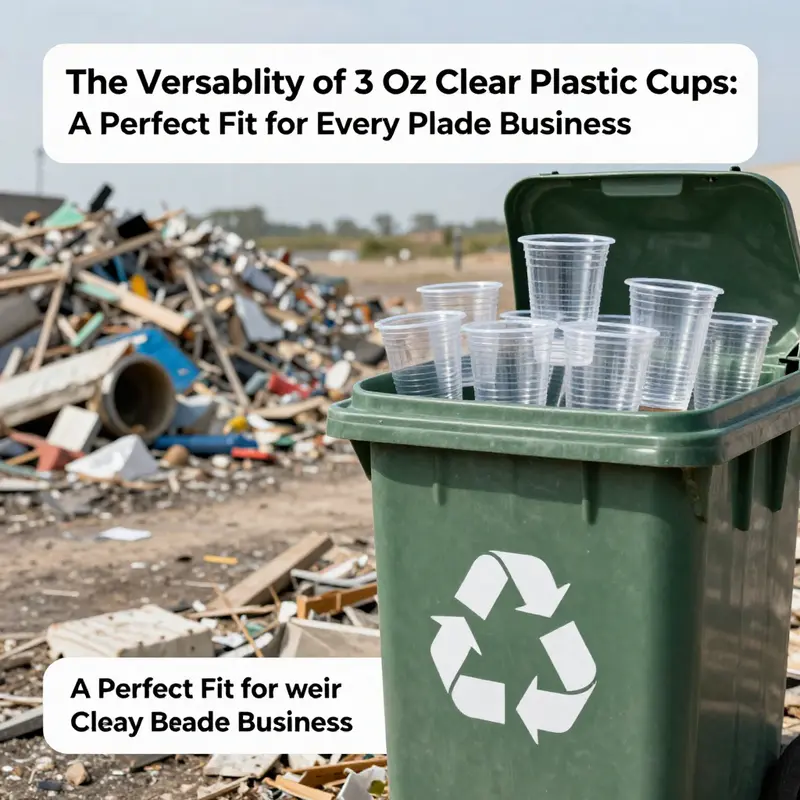
In the quiet moments after a gathering or during a routine visit to a clinic, a tray of 3 oz clear plastic cups often sits within easy reach, quietly fulfilling a hundred tiny jobs. They hold mouthwash, rinse, a measured sip of a sample beverage, or a medicated solution. Their appeal lies in a simple combination of visibility, convenience, and cost: the contents remain visible because the cup is clear, it’s light enough to travel, and it costs so little that a party, a hotel, or a clinical setting can keep shelves stocked without a second thought. Yet this everyday practicality sits atop a complex web of environmental consequences that many users never fully see or consider. The lifecycle of these cups—typically made from polypropylene or polystyrene—begins with raw materials that require energy, water, and synthetic inputs. In production, these materials are heated, melted, formed, and ready to ship, often across long distances, before they reach the point of use. The story, however, does not end there. The same small cups that appear to be almost disposable carry with them the heavier questions of end-of-life management, the realities of recycling infrastructure, and the broader climate implications tied to disposal and recovery.
Polypropylene, a sturdy and heat-resistant plastic, is commonly used for many small, clear cups because it can tolerate the temperature range needed for some beverages and mouthwash, while remaining reasonably durable in everyday handling. In theory, PP is recyclable, and many municipal programs do accept it. In practice, the truth is messier. Recycling streams are shaped by local capabilities, market demand for recycled PP, and the economics of collection and processing. A key friction is that while PP can be recycled, a large portion of small, lightweight items never make it to a recycling facility in a form that is economically viable to process. They often end up as waste through the gaps in the collection and sorting system. The result is a paradox: a material that is technically recyclable is frequently treated as non-recyclable in the day-to-day reality of many communities. The same dilemma applies to polystyrene cups, which are sometimes used for their clarity, but PS recycling programs are uneven and often constrained by facility capabilities and consumer participation in proper sorting.
The lifecycle costs don’t stop at collection. Even when small cups are successfully diverted from landfills through recycling, the process consumes energy and other resources. The energy intensity of transforming virgin resin into a finished cup, transporting it to venues, and then processing the material at end-of-life all adds up. For cups this small, the return on material recovery is limited; the incremental gains from recovering a tiny daily density of plastic can be outweighed by the energy and operational costs required to gather, separate, and reprocess it. When you multiply this across medical travel, events, and everyday use in homes and workplaces, the cumulative footprint becomes substantial. The economics of recycling for such compact items are less favorable, which is one reason many recycling programs have historically deprioritized them in favor of larger, more economically viable streams.
The practical reality of these cups in daily life—particularly in medical travel, events, and casual settings—amplifies the environmental footprint in several ways. First, their sheer ubiquity means that billions of such units circulate globally each year, creating a steady demand for production and disposal. Second, their small size makes them more likely to be treated as disposable, reinforcing a take-and-use pattern that clashes with best-practice waste reduction. Third, even with the label of recyclability, the actual on-the-ground infrastructure to handle small plastic items is uneven. The misalignment between product labeling and local capability can mislead consumers, who may assume that “recyclable” implies that their local recycling bin will take them and that the material will be effectively recovered.
A nuanced consideration is whether the term recyclable is always a guarantee. For many small cups, the ideal recycling scenario requires access to a facility that specifically accepts PP or PS and has a market for the resulting material. Without reliable markets for post-consumer PP or PS pellets, recyclers may struggle to justify the cost of processing, leading to missed opportunities for recovery and a higher likelihood of disposal. In addition, the energy requirements of recycling, while improved over decades, still compete with the production and transport emissions tied to new resin. FACETS such as wash water, sorting, and transportation contribute to a lifecycle that can sometimes yield a marginal—but still real—environmental advantage only when the entire system is efficient and well-coordinated.
Against this backdrop, some manufacturers and retailers have touted biodegradable or compostable alternatives. Biodegradable options, including those based on PLA derived from cornstarch, promise a different end-of-life story. However, these options demand industrial composting facilities to break down effectively. In home environments, or in places lacking industrial composting infrastructure, PLA-based cups behave much like conventional plastics, persisting in the waste stream or failing to disintegrate as expected. Even when such alternatives do succeed in reducing the persistence of waste, they introduce new considerations: the land-use footprint of corn or other feedstocks, the energy inputs of composting facilities, and the potential for contamination of compost streams if not carefully managed.
Labeling matters here. A cup that is marketed as recyclable can be a misnomer if the local system does not accept the material. This is not a simple moral failing of labeling, but a structural mismatch between product design, consumer behavior, and municipal capabilities. The result is a landscape in which true circularity remains elusive for many users simply because the infrastructure to support it is unevenly distributed. The conversation shifts from whether a given cup is technically recyclable to whether the broader system—collection, sortation, processing, and market demand for recyclates—exists and functions in the user’s region. Without this systemic support, even the most well-intentioned disposal choices can fall short of their environmental potential.
In this context, many sustainability-focused discussions emphasize the value of alternatives that reduce reliance on single-use plastic cups altogether. Reusable options—such as stainless steel or glass—offer clear environmental advantages when the lifecycle context is favorable: repeated use, long service life, and proper handling can drastically reduce waste per use. Reusable plastics that are BPA-free and designed for repeated washing are another viable path, particularly in settings where cleanup protocols can be established and where the cups can endure multiple cycles without compromising safety. Yet, the shift toward reusables is not a universal remedy. In fast-paced environments like clinics, travel, or large events, implementing a robust reuse system requires careful planning around sanitation, storage, and logistics that may be costly or impractical in some contexts.
Where disposables still make sense, other strategies can help close the loop. The adoption of paper-based or pulp-based bowls and cups—more readily integrated into existing paper recycling streams in some regions—can be part of a broader strategy that aligns product design with local waste management realities. For readers exploring viable options, there is value in examining a range of materials and configurations that balance function, safety, and environmental impact. A resource on paper-based beverage service, with an emphasis on eco-friendly design, can provide practical insights for organizations considering a transition away from clear plastic cups toward alternatives that better align with local recycling capabilities. eco-friendly-printed-logo-cold-beverage-cup-paper-cup-with-lid
Beyond material choice, the design and packaging ecosystem offer opportunities to improve sustainability. For instance, designing cups with more durable rims, or opting for fully paper or fully plastic streams rather than mixed-material constructs, can influence end-of-life outcomes. Some packaging ecosystems explore bulk packaging strategies that reduce the number of individual items required per shipment, cutting transport emissions and improving logistics efficiency. In addition, recovery programs that partner with event organizers, healthcare providers, and hospitality networks can create pathways to collect used cups for recycling or responsible disposal, though such programs require careful coordination and investment. These approaches do not eliminate the fundamental questions about the sustainability of single-use items; rather, they aim to shift the burden toward a system that values recovery and material stewardship as part of its core operations.
Ultimately, the choice between disposable and reusable drinkware rests on a lifecycle perspective. Production emissions, transportation, usage patterns, cleaning requirements, and end-of-life management all shape the true environmental cost. For stakeholders who need to balance convenience with responsibility, the answer is rarely binary. It involves a thoughtful assessment of local infrastructure, the intended use environment, and the capacity to implement reuse or recycling programs that work in practice, not just in theory. In the short term, that means being honest about the limitations of recycling for small cups, recognizing the energy and resource inputs of production, and embracing a broader toolkit that includes reusable options and compostable alternatives where appropriate. The long-term aim is a packaging ecosystem in which the disposal choice does not squander the opportunity to recover value from the materials we use daily.
External resource: https://www.plasticpollutioncoalition.org/plastic-recycling-truth/
Tiny Yet Telling: The Comparative Pricing Landscape of 3 oz Clear Plastic Cups in E-Commerce
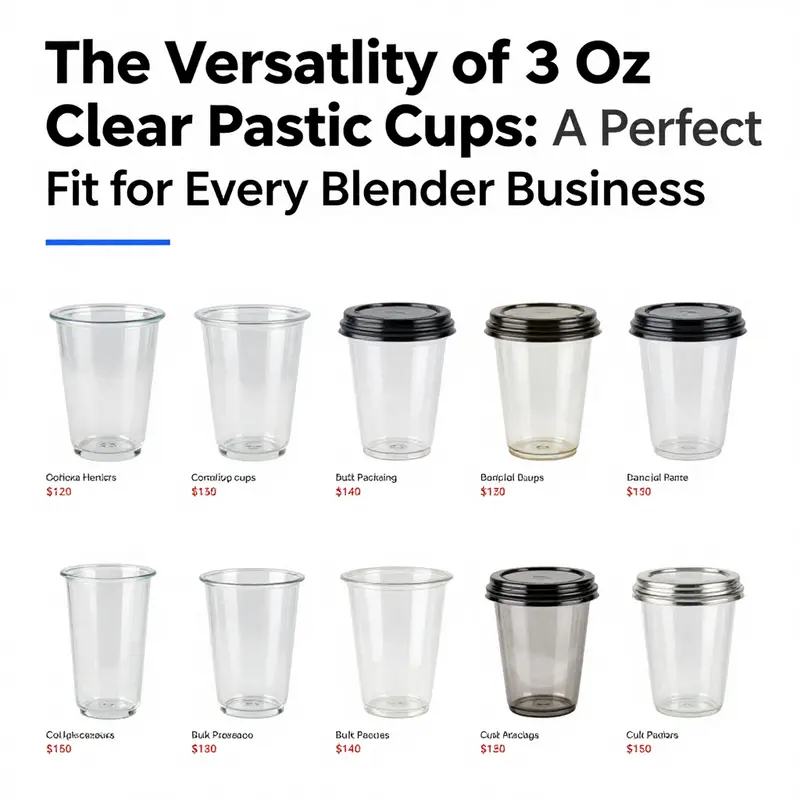
Three ounce clear plastic cups are small in size yet large in influence within the online marketplace. Their transparent shells make contents visible, a feature that matters for medical rinse routines, hotel amenities, party spreads, or any setting where quick quick-glance judgment of a container’s contents matters more than the vessel’s heft. In practice, these cups are usually crafted from透明 or semi透明 plastics such as polypropylene or polystyrene, materials chosen for their balance of clarity, rigidity, and cost. The choice between PP and PS is not purely aesthetic. PP tends to offer better impact resistance and a softer edge, which can be a practical advantage for mouthwash or beverage sampling. PS, while often crisper in appearance, can be more brittle at the rim and may carry different recycling implications depending on local facilities. Some cups even use PET for specific markets, where clarity and barrier properties are prioritized. Across the spectrum, the fundamental tradeoffs are the same: a clear, light, disposable cup that keeps costs down while remaining functional for a wide array of applications.
The pricing story for these 3 oz cups is not a single line but a spectrum that widens as you move from consumer-facing retail listings to bulk procurement channels. On one end, major e-commerce platforms present a mosaic of options that include bulk orders, branded packaging, and occasionally added features such as reinforced rims or rolled edges. On the other end, dedicated industrial and wholesale marketplaces present prices that dip into fractions of a cent when orders cross the thresholds of tens or hundreds of thousands of units. The resulting price curve is a practical guide to procurement strategy, especially for event organizers, clinics, restaurants, or hospitality operators who regularly stock small quantities or who must scale quickly for seasonal spikes.
Data from the comparative pricing landscape shows for bulk buyers a striking minimal unit price on some platforms. In particular, wholesale-focused marketplaces that serve large buyers display clear 3 oz plastic cups at very low unit costs, with prices reported around US$0.0067 per cup when orders are structured in bulk. This figure sits within a tightly clustered range on several supplier sites that specialize in small-format disposables, highlighting the intense competition and the emphasis on low per-unit cost when the order size justifies it. The same price band appears on other platforms that emphasize direct factory-to-business sales, where margins are slim but volumes are substantial enough to drive down unit costs. The economics are straightforward: the more you buy, the less you pay per cup, and the more you can leverage cost savings to undergird a larger event or program without inflating your overall materials budget.
Meanwhile, mainstream consumer retailers and regional marketplaces show a different facet of the pricing spectrum. For standard 3 oz clear cups sold in mid-to-large quantities but not at industrial scale, unit prices typically sit higher than the deepest bulk discounts observed on highly supplier-focused platforms. In some cases, price points as high as US$0.029 per cup emerge for orders in the tens of thousands, where the purchase includes considerations beyond the cup itself—such as a willingness to pay for convenience, faster shipping, or added packaging components like lids or sleeves. The difference often reflects not only the economics of scale but also the value placed on features that accompany the cup in retail settings. Lidded variants, for instance, or cups designed for beverages beyond water or mouthwash, command a premium that mirrors the added convenience and reduced handling requirements in busy service environments.
Another layer in the pricing mosaic is the presence of alternative materials and forms.Paper-based options, especially those certified for food safety and sustainability like FSC-certified disposable paper cups, exist as a competitor to clear plastic. These alternatives often reside at a higher unit price due to material costs and production complexity, and they appeal to operators prioritizing environmental compliance and consumer perception. In contexts where eco-sustainability or compostability is a selling point, the premium is easier to justify, even if the price per cup remains higher than a basic plastic option. The broader takeaway for buyers is that plastic remains the economically dominant choice for low-cost, high-volume needs, while sustainability-focused businesses may trade off price for alignment with their environmental goals.
The price dynamics also reflect practical realities of supply chains and geographic sourcing. Platforms that source directly from manufacturers in high-volume hubs tend to show the steepest unit-cost declines with bulk orders. This is particularly evident on marketplaces that list PS or PP cups in dense catalogues, where MOQs—minimum order quantities—are designed to optimize production planning and freight economics. The result is a purchasing environment where a buyer can move from a handful of cases for events to several pallets for a year-long program with predictable pricing. In this sense, the 3 oz cup becomes more than a disposable item; it is a proxy for efficiency, inventory management, and vendor reliability in the procurement playbook.
In one sense, the market also reveals what buyers value beyond the cup itself. For many clinics and hospitality venues, the predictability of pricing, the reliability of delivery schedules, and the ease of receiving uniform units at scale matter as much as the base cost. When a supplier can guarantee consistent product dimensions, stabilized rim edges, and predictable freight timelines, the perceived value compounds. Conversely, if a buyer faces wide variance in cup thickness, edge integrity, or packaging quality, even a small price advantage can vanish in hidden costs from breakage or repackaging. These nuances remind buyers that the cheapest per-unit rate is not always the most economical choice in the long run.
The discourse around these pricing tiers also intersects with practical use cases. For households or small offices that want to keep a few containers on hand for mouthwash, medication dosing, or tiny beverages during travel, the choice often tilts toward retail-level offerings with no MOQ and clear shelf-ready packaging. In these contexts, the price per unit—while higher than bulk quotations—appears justified by flexibility and immediacy. For larger operations, especially those that require swift replenishment or that stage events with steady demand, the bulk route makes more sense, enabling predictable budgeting and streamlined supplier relationships. In short, the chapter of pricing is not merely about economics; it is a reflection of how a simple, clear container fits into diverse operating rhythms, whether a busy hotel, a hospital ward, or a weekend festival.
For readers who want to explore the broader market and the specific figures behind these tiers, a historically representative listing from a major wholesale platform illustrates the point. The product page shows that disposable 3 oz clear cups can be sourced at very low unit costs when purchased in bulk, underscoring the scale-driven nature of e-commerce pricing. This landscape makes clear that the most economical path depends on purchase scale, delivery timing, and the additional features that accompany the cup in the chosen context.
To ground this discussion in a broader perspective, consider the option of sustainable, alternative disposables as part of the decision matrix. If a buyer seeks to balance cost with environmental responsibility, the relative price of paper versus plastic becomes a strategic calculation. The decision is rarely only about the unit price; it encompasses supplier reliability, end-user preferences, and long-term waste management goals. In practice, a careful assessment of total cost of ownership—covering storage, handling, waste disposal, and potential recycling streams—helps organizations choose the cup that best aligns with their operations and values.
For readers exploring sustainable alternatives to small plastic cups, consider 700ml kraft paper bowls. 700ml kraft paper bowls.
External reference for industry-scale pricing context: https://www.alibaba.com/product-detail/Clear-3-Oz-Plastic-Cups-Disposable-Ps_1600482793147.html
Clear in Form, Clear in Use: The Performance and Practicality of 3 Oz Clear Plastic Cups
The 3 oz clear plastic cup occupies a quiet, indispensable niche in environments that prize speed and clarity. Its compact size makes it a natural choice for fast service, tastings, and clinical touchpoints where form and function must converge without friction.
The appeal begins with visibility: when a cup is nearly transparent, the color and texture of the liquid become the star of the show, shaping perception and taste. Material choices, typically clear PET or PS, help preserve that optical quality and support practical assessment of impurities, sediment, or separation. This is not mere appearance; it aligns with modern service design where presentation and hygiene intersect.
Durability is surprising in a disposable format. These cups resist leaks and maintain shape under normal use, though performance depends on plastic grade and wall features. A common design element is a waved wall rim that guides liquid flow and reduces spills, while a fully rolled, smooth edge contributes to a sturdy feel. Together they enable a steady, predictable user experience across settings from hotel cafes to hospital break rooms.
Cost efficiency drives adoption: bulk purchasing can bring prices down to a few cents per unit, enabling predictable cost-per-use without sacrificing cleanliness. This scalability supports flexible packaging and frequent deliveries, making small cups a dependable component of daily operations.
Environmental considerations matter. Recyclable in properly equipped systems, these cups are part of a broader conversation about plastic sustainability. Buyers seek safety certifications and clear guidance on reuse or recycling pathways, while regulators provide standards to ensure suitability for contact with consumables.
From the user perspective, feedback highlights ease of use, fast portioning, and the benefit of visibility. Occasional concerns focus on environmental impact and minor variations in wall thickness or rim finish that can affect grip. Quality control and supplier selection help mitigate these issues and preserve the utilitarian rationale for small clear cups.
In practice, compatibility with standard supply chains and basic hygienic routines makes 3 oz clear cups a convenient choice for returning volumes of service. Packaging options and bulk availability align with procurement needs, enabling consistent service across shifts while keeping waste manageable.
For readers seeking practical perspectives beyond this chapter, consider eco-conscious disposable options and regulatory resources. See the FDA guidance on food-contact materials for safety and compliance. As a practical example of industry movement, see the eco-friendly printed-logo option linked here: https://greendispopack.com/product/eco-friendly-printed-logo-cold-beverage-cup-paper-cup-with-lid/.
In sum, the 3 oz clear plastic cup is more than a small vessel; it is a carefully designed tool that balances clarity, durability, cost, and sustainability within everyday workflows.
Final thoughts
In conclusion, 3 oz clear plastic cups serve as a multi-functional tool for various industries, combining practicality with affordability. Their applications span from catering to event planning, reinforcing their necessity in everyday operations. As concerns regarding environmental impact grow, understanding the materials and sustainability practices surrounding these cups becomes increasingly crucial. By integrating informed purchasing decisions based on comparative pricing and user experiences, businesses can elevate their service quality while remaining cost-effective. The adaptability of these cups not only streamlines service but also enhances consumer satisfaction across diverse settings.