
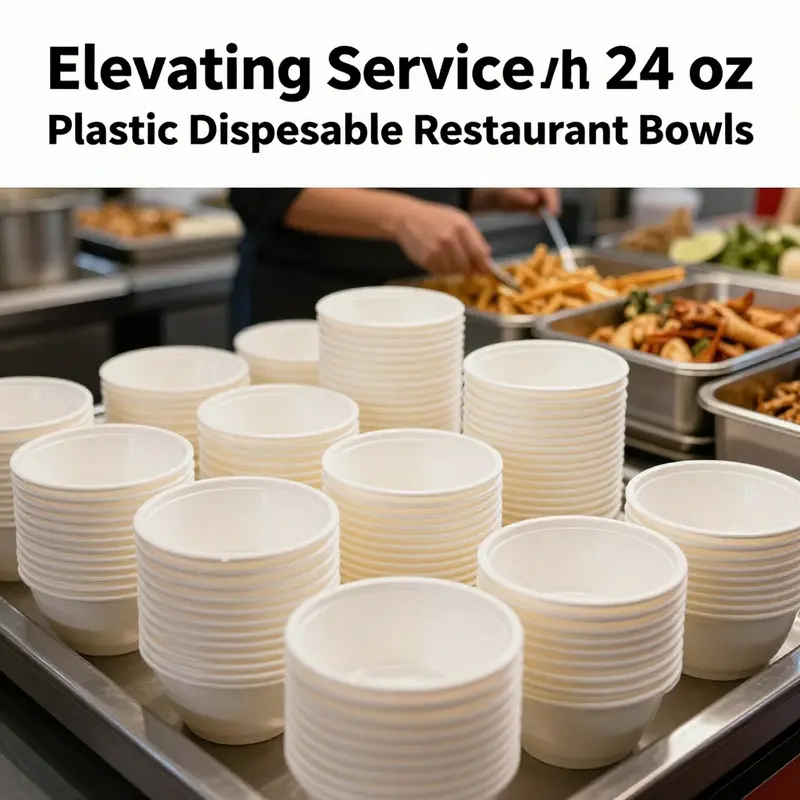
In the dynamic landscape of food service, 24 oz plastic disposable restaurant bowls have emerged as essential tools for businesses ranging from bubble tea shops to catering services. These bowls combine functionality with convenience, making them ideal for serving both hot and cold foods. As we delve deeper into the materials and manufacturing processes, we will uncover the various applications and uses of these bowls, address the pressing environmental considerations surrounding them, and explore market trends that indicate their future trajectory. This comprehensive understanding will equip businesses with the insights necessary to make informed choices about their disposable tableware.
From Resin to Ready-to-Serve: The Making of 24-Ounce Plastic Disposable Bowls for Modern Dining
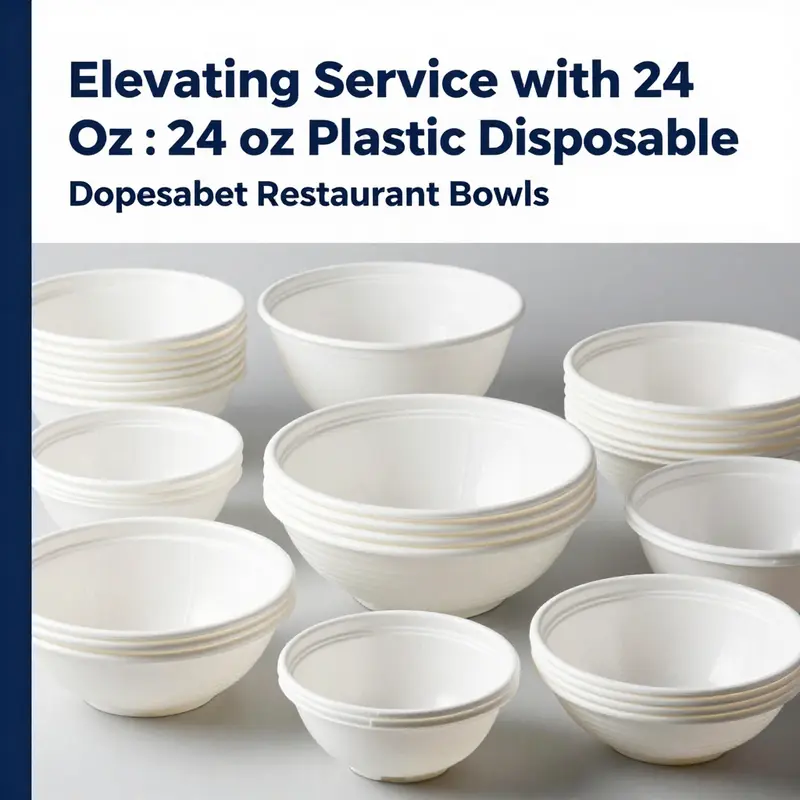
The 24-ounce plastic disposable restaurant bowl sits at a crucial junction in the dining ecosystem. It must withstand heat and cold, be safe for direct contact with food, resist leaks, and survive the rigors of fast-paced service. At the same time, it travels through a supply chain increasingly conscious of sustainability and regulatory compliance. This chapter traces, in a unified narrative, how these bowls are engineered—from the choice of materials to the manufacturing steps that transform resin into a reliable vessel, and how those choices ripple through cost, performance, and environmental impact.
The backbone of a 24-ounce bowl is the resin it is molded from. Polypropylene, known for its strength in hot and cold environments, has become the default material in many applications requiring a balance of durability and light weight. PP’s appeal lies in its high heat resistance, which means it can accommodate hot soups or stews without warping or releasing an unpalatable odor. It is also remarkably resistant to cracking, a trait that supports the rough handling typical in takeout and quick-service settings. From a safety perspective, PP is widely approved for direct contact with food by regulatory authorities, and in many markets it is labeled as BPA-free, addressing consumer concerns about chemical exposure. These attributes converge to create a bowl that maintains its shape under the microwave, survives a dishwasher’s cascade, and endures freezer storage without becoming brittle. In practice, this translates into meaningful operational savings for a restaurant: fewer cracked bowls, less waste, and fewer complaints about compromised meals.
While PP is a mainstay, the conversation about materials has grown more nuanced as operators seek to balance performance with environmental responsibility. Polylactic acid, or PLA, offers an appealing eco-friendly narrative because it is derived from renewable resources such as corn starch. PLA-based containers can be made clear and rigid, closely mimicking the look and feel of traditional plastics while promising compostability under industrial conditions. Yet the real-world deployment of PLA bowls requires careful planning. PLA’s performance in high heat—typical of hot soups or freshly microwaved dishes—can lag behind that of PP. Temperature exposure, duration, and lid design all influence a PLA bowl’s structural integrity over time. For many operations, the decision to adopt PLA hinges not on immediate cost alone but on the lifecycle and end-of-life strategy. Industrial composting infrastructure, regulatory framework, and consumer participation all shape whether PLA becomes a practical substitute or a complementary option in a broader packaging portfolio.
A third, increasingly discussed class of materials comes from plant-based fibers such as bagasse, the fibrous pulp left after sugarcane processing. Bagasse-based bowls are typically marketed as compostable and increasingly positioned as part of a circular economy strategy. The inherent advantage is the absence of chlorine- or PFAS-related concerns in the finished product, appealing to brands seeking to reduce chemical footprints. Bagasse products are often robust enough for salads, grains, and other heavier menu items, and they can perform well in cold scenarios. However, bagasse-based manufacturing presents distinct challenges. The raw material’s behavior during processing—its moisture content, thermal response, and bonding with any coatings—requires careful control. The finished product often relies on thermoforming techniques rather than injection molding, reflecting differences in material rigidity and process economics. The end-of-life story for bagasse is compelling—compostable in appropriate facilities—but it is equally dependent on local infrastructure and consumer habits. Taken together, PP, PLA, and bagasse offer a spectrum of choices, each with its own set of tradeoffs in cost, performance, and sustainability.
The manufacturing processes themselves are the bridge between material science and everyday use. Injection molding is the workhorse for rigid plastics like PP and PLA. In this process, molten resin is injected into a mold, cooled, and ejected as a finished bowl. Injection molding thrives on high-volume production, producing consistent geometry, wall thickness, and surface finish. The efficiencies gained in cycle time and automation help keep unit costs low, which is essential for a category that sees intense price competition in food service. The molds used in injection molding are precision tools. Their design determines not only the bowl’s exterior aesthetics but also its functional features—lip profiles for secure lids, stacking compatibility to save storage space, and compatibility with heat-sealing or snap-on lids that improve leak resistance.
Thermoforming, by contrast, is often favored for bagasse and certain paper-based alternatives, but it also plays a role in plastic applications, especially where material thickness needs to be optimized to balance rigidity with weight. In thermoforming, a sheet of material is heated until pliable and then drawn over a mold using vacuum or pressure to form the final shape. This method yields bowls with smooth interior surfaces and predictable thickness distributions, important for even heat conduction and for resisting deformation under stack or load. For plant-based or coated substrates, thermoforming can integrate with compostable or recyclable coatings while preserving the overall form factor a restaurant expects from a 24-ounce bowl.
A notable thread in contemporary manufacturing is the push toward compatibility with broader sustainability workflows and regulatory expectations. Across borders, manufacturers aim to align with standards that address food safety, recyclability, and end-of-life responsibility. In many regions, this has meant pursuing food-grade certifications and ensuring that materials do not introduce harmful substances during use. Some producers also pursue compliance frameworks that touch on extended producer responsibility, where accountability for packaging extends beyond sale to include recovery and recycling or composting. In practice, this translates to design choices—such as selecting coatings that minimize PFAS or avoiding additives that complicate recycling streams—and to surface finishes that support ease of cleaning and reuse or efficient shredding for recycling.
Where these regulatory and sustainability considerations become visible in the product, they often manifest in practical traits of the bowls themselves. Lids are a frequent area of focus because a leak-proof lid reinforces the integrity of soups and sauces during transport. The lids and bowls are designed to work together in a heat-and-thermal cycle: they must resist leaking when the container is at or near boiling temperatures, and they must remain secure during a brief period of handling between the kitchen and the customer. In many markets, the materials chosen are aligned with recognized food-contact safety standards, reinforcing consumer trust and enabling cross-border distribution. The design intent is not merely to contain food; it is to support a seamless dining experience that preserves flavor and texture from the moment the order is placed to the moment the container is opened at the table.
Against this operational backdrop, the environmental dimension has evolved from a niche concern into a core business consideration. Traditional plastics, for all their cost and performance advantages, face scrutiny for long-term waste, marine debris, and the challenges of end-of-life management. Biodegradable and compostable options, such as PLA and bagasse, offer a pathway to reducing plastic waste streams in contexts where composting infrastructure is accessible. Yet the picture is nuanced. Compostability depends on industrial facilities designed to maintain the temperatures and timeframes required for complete disintegration. Without such facilities, these materials may behave more like conventional plastics in landfill conditions, slowly breaking down into fragments rather than fully composting. In other words, a bowl can be technically compostable in a lab, but its real-world impact depends on the local waste system and consumer behavior. As a result, manufacturers and operators alike must weigh the convenience and reliability of a polypropylene bowl against the aspirational sustainability narrative offered by bio-based options, balancing the bottom line with future-proofing against shifting regulations and consumer expectations.
The practical implications of these material and manufacturing choices ripple through the everyday operations of a restaurant or catering service. A PP bowl, with its heat resilience and mechanical durability, reduces the likelihood of leakage, keeps soups hotter for longer, and tolerates repeated cycles of microwave exposure and washing. This reliability translates into steadier service in busy environments. The trade-off is that PP remains a petroleum-based material with a recycling stream that is not universal and can vary in quality and availability. PLA, with its renewable feedstock and compostability potential, offers a compelling environmental narrative but introduces constraints around processing temperatures, shelf life, and consumer education. Bagasse provides a strong compostability proposition and a natural aesthetic that aligns with certain brand values, yet it can demand different supply chain considerations—moisture management during storage, shelf life extension, and the availability of compatible, certified composting facilities. Across these options, the lifecycle perspective broadens to include sourcing, manufacturing energy, logistics, and disposal.
Economic considerations are inseparable from material science. The cost gaps between PP, PLA, and bagasse often reflect raw material price volatility, processing needs, and the scale of manufacturing. In high-volume operations, injection molding of PP can yield the lowest unit costs, enabling a broader adoption in a price-sensitive market. PLA and bagasse, while offering meaningful sustainability stories, sometimes command a premium that must be justified by alignment with brand goals or consumer demand for greener packaging. The decision matrix becomes more complex as operators add layered packaging—lids, sleeves, and utensils—that must harmonize with the bowl material to prevent delamination, leakage, or compromised heat retention. This is where thoughtful design plays a pivotal role. By engineering bowls and lids as cohesive systems, manufacturers can optimize wall thickness, lid sealing geometry, and join areas that influence both performance and waste.
Beyond the production floor, the chain of custody for these bowls hinges on how well the packaging aligns with the downstream systems that handle them—whether customers recycle, compost, or dispose of them. Standards and certifications help demystify those choices for buyers. In practice, achieving compliance with widely recognized food-safety standards provides a baseline assurance that the product will perform as intended across diverse environments, from fast-casual eateries to hotel banquets. At the same time, adherence to environmental or resource-use regulations can influence material selection and end-of-life strategies. A modern supplier may offer a range of options—PP-based bowls for everyday performance, PLA for sustainability-focused campaigns, and bagasse for menus that emphasize compostable packaging—so operators can tailor packaging to each service context while maintaining consistent service quality.
For readers who want a tangible sense of how these choices translate into a daily operation, consider the broader ecosystem in which a 24-ounce bowl exists. A typical deli, cafe, or food-testaurant setup relies on consistent dimensions so that lids seal without trouble and the containers stack securely, reducing breakage during loading, transport, and storage. The transition from design to production to distribution is continuous: the material chosen influences the tools and processes in the plant, which then determines cycle times, waste streams, and the need for post-processing or quality-control checks. The end result is a reliable workhorse that supports menu versatility—whether the chef is serving hot soups, crisp salads, or chilled desserts—while remaining compatible with the logistics of takeout culture and the broader push toward more sustainable packaging practices.
In sum, the 24-ounce plastic disposable restaurant bowl embodies a set of integrated decisions. Material selection—PP for durability and safety, PLA for renewable-resource credentials, bagasse for compostability—maps directly onto manufacturing methods— injection molding for rigid plastics and thermoforming for plant-based or coated substrates—while simultaneously aligning with food-safety standards and evolving sustainability expectations. The ideal choice is not a single material or process but a coherent packaging strategy that harmonizes performance, cost, and environmental responsibility within the realities of the modern dining landscape. As technology, regulation, and consumer values continue to evolve, the bowl remains a dynamic platform—one that can adapt its composition and form to meet the demands of the moment without compromising the reliability customers expect from their meals.
For those exploring alternatives to traditional plastics, a practical example of how design can reflect a different path is the disposable kraft paper bowl family, which demonstrates how form can be maintained even with a non-plastic base. See this option here: disposable-700ml kraft paper bowl take-out octagonal rectangle paper bowl. While not a direct substitute in every context, it illustrates how packaging ecosystems increasingly offer choices that align with brand values and waste-management capabilities. The dialogue between materials, manufacturing, and environmental stewardship is ongoing, and the 24-ounce bowl serves as a focal point for that conversation.
For a deeper look at compostable alternatives and how they are positioned within broader packaging strategies, see an external resource that surveys the landscape of compostable food containers. This example illustrates how manufacturers and suppliers discuss material choices, certification, and end-of-life pathways in real-world markets: https://www.alibaba.com/product-detail/ZX-PB024-24oz-Compostable-Food-Container_1600589557532.html
null
null
Rethinking the 24-Ounce Bowl: Sustainability, Lifecycle, and the Future of Disposable Food Service Packaging
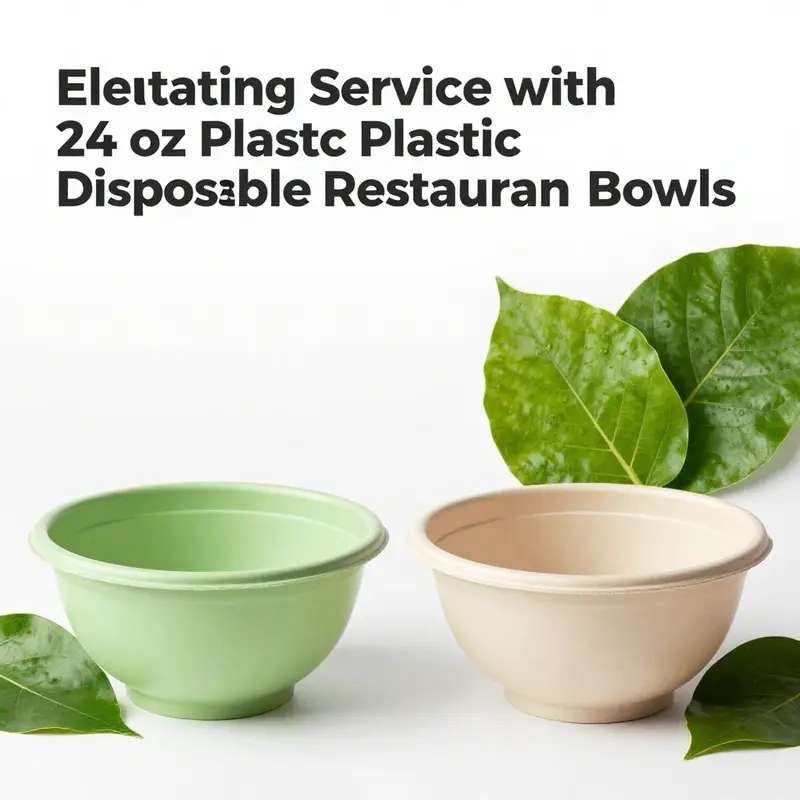
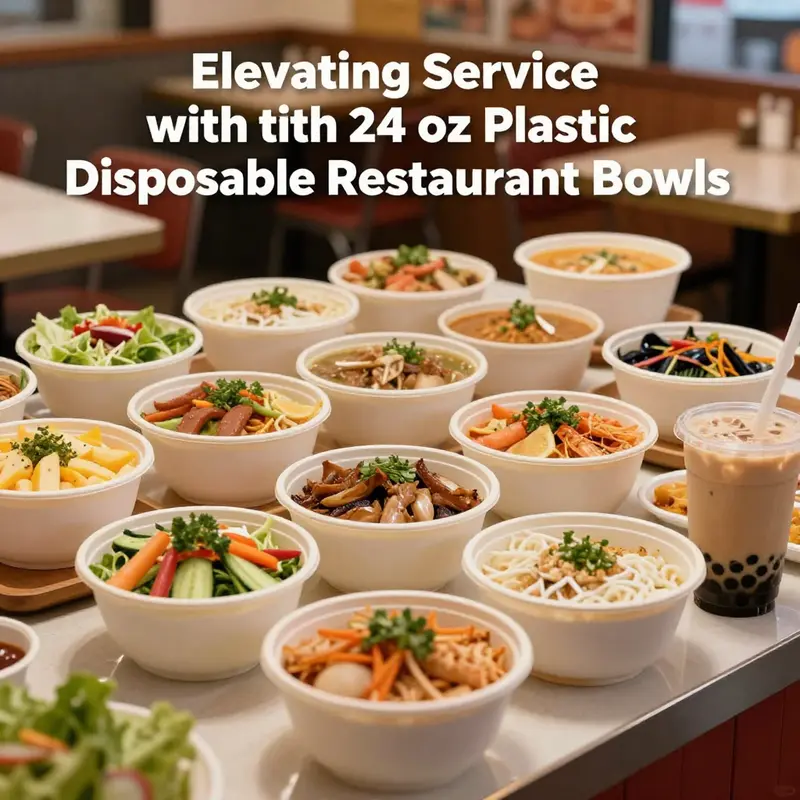
The 24 oz plastic disposable restaurant bowl sits at a crossroads of convenience, performance, and responsibility. In a world where speed, portion control, and presentation shape the customer experience, these bowls deliver reliable insulation, leak resistance, and stackable practicality. They are designed to hold soups, salads, curries, noodles, and a range of other offerings that travel from kitchen to table to takeout bag. Yet every scoop of food carried in a disposable vessel leaves an imprint on the broader environment, prompting restaurateurs and suppliers to weigh the immediacy of service against the longer arc of resource use. This tension is not a call to abandon functionality but an invitation to reimagine what a 24 oz bowl can be, how it is made, how it is used, and how its end of life is handled across diverse retail, hospitality, and street-food environments.
Material choices shape the initial footprint of these bowls and set in motion a cascade of downstream impacts. Traditional options such as petroleum-based plastics, including polypropylene and polystyrene, offer durability and heat stability that align with both hot and cold service. They are often marketed for freezer safety and leak resistance, attributes that matter in the takeout economy where meals must survive unpredictable transit times, chilling, or brief reheating. However, the lifecycle of these materials begins with fossil fuels and ends in landfills or ecosystems where plastics persist for centuries. In between, energy-intensive manufacturing and the risk of microplastic release during degradation or improper disposal accumulate into environmental costs that may not be immediately visible at the point of sale. The real question becomes not just what the bowl does for the customer in a single moment, but what happens to the bowl after the last bite is eaten.
A closer look at the lifecycle reveals how choices at the design and sourcing stage ripple outward. When a bowl is conceived as a single-use item, it triggers a sequence of events: raw material extraction, resin production, extrusion or molding, packaging, distribution, use, and finally disposal or recovery. Each step consumes energy and resources, and each step interacts with local waste streams and recovery infrastructure. In regions with robust recycling programs, recycled content in PET or RPET variants can reduce virgin material demand and lower some emissions. In other regions, acceptable recycling rates for high-density plastics remain limited, and contamination from food waste complicates recovery. The result is a patchwork of outcomes that makes universal conclusions unreliable; instead, progress comes from matching bowl design to local end-of-life options, whether that path is recycling, industrial composting, or a combination of strategies that minimize environmental harm while preserving food safety and convenience.
One meaningful alternative gaining traction is the use of renewable, compostable fibers. Sugarcane bagasse, a byproduct of sugar processing, offers a tree-free, plastic-free pathway for disposable bowls that can be composted under industrial conditions. These bagasse bowls are designed to perform much like their plastic counterparts in terms of heat tolerance and moisture control, while shifting the burden away from fossil fuel dependence. Yet the story does not end with the word compostable. The efficacy of bagasse bowls depends on access to industrial composting facilities capable of handling agricultural fiber. When such facilities are unavailable or inconsistent, bagasse bowls may end up in landfills where composting does not proceed as intended, delaying or preventing degradation and potentially contributing to methane emissions. This caveat emphasizes a central truth: sustainability is as much about local waste infrastructure as it is about material innovation.
A complementary route to reduce the environmental footprint is the use of recyclable plastics that rely on recycled content. PET and RPET systems, when managed effectively, can close loops by re-entering the manufacturing stream after recovery. The advantages include reduced reliance on virgin petroleum-based feedstocks and a potential decrease in lifecycle greenhouse gas emissions, especially when recycled materials are actually diverted from landfill and reprocessed into high-quality feedstock. The challenges, however, are not trivial. Recyclability hinges on the integrity of the local recycling stream, the presence of clear labeling, and consumer participation in proper item separation. Contamination from food residues and the mix of plastics in a single collection stream can undermine the value of recycled content, eroding the environmental benefits that might otherwise accrue from recycling.
In practice, the sustainability of a 24 oz bowl rests on aligning its material choice with the realities of the supply chain and the end user. Restaurants and catering operations increasingly seek packaging that strikes a balance between cost, performance, and environmental responsibility. For some, this means offering a reusable option or a returnable program that reduces waste over time. For others, it means selecting a compostable or recyclable option that aligns with local facilities and consumer expectations. In all cases, the marketing of sustainability must be precise and truthful. Misleading claims about compostability or recyclability can undermine trust and hamper adoption, especially when labeled items require industrial composting that is not readily available near where the product is used.
Beyond material selection, the logistics of disposal infrastructure play a decisive role. The best possible material in theory may fail to deliver real-world benefits if the waste stream cannot handle it. Industrial composting facilities, for instance, offer mechanized processes that can sequester carbon and degrade agricultural fibers efficiently. But these facilities are unevenly distributed and vary in their capacity to process different feedstocks. A sugarcane bagasse bowl may degrade predictably in one city but not in another if composting services are sparse or if programs mislabel bagasse as a standard plastic. Similarly, a PET bowl with a high recycled content can be responsible only if the recycling system can accept and effectively process the material after use. This interplay between product design and waste infrastructure underscores a core insight: the sustainability of disposable bowls is inseparable from the communities and policies that govern waste management.
For buyers and sellers, this means a disciplined approach to procurement. Material declarations should be clear, third-party certifications should be sought, and claims about recyclability or compostability should be vetted against recognized standards. It also means embracing transparency about what happens after consumption. Consumers increasingly want to know not just that a bowl is made from a given material, but how it will be treated after the last bite and what the facility can do with it. A packaging strategy is most effective when it communicates real options and helps customers participate in responsible waste practices. In turn, this encourages a more resilient takeout system where packaging choices are not merely a cost to be minimized but a lever for environmental stewardship that aligns with the restaurant’s broader sustainability ambitions.
To illustrate how these decisions unfold in real-world procurement without dwelling on isolated products, consider how a restaurant might evaluate options for a given 24 oz bowl. The team would first assess local waste streams and recycling capabilities, then examine the performance needs of the menu items served—whether heat stability or moisture resistance is the dominant requirement. They would review material decomposability claims and verify whose standards are being met. They would seek packaging that offers a credible pathway to recovery in their community, whether through recycling, composting, or a downward-spiral-free landfill alternative that minimizes methane release. They would also weigh the financial implications, recognizing that the cheapest option today may incur hidden costs through end-of-life mismanagement or missed regulatory incentives later. The aim is not to chase a single best material but to cultivate a packaging ecosystem that harmonizes performance, cost, and environmental integrity.
In parallel, the role of labeling and consumer communication should not be underestimated. Clear, truthful labeling helps customers understand what to do with a bowl after use and reduces guesswork that often leads to contamination or improper disposal. For a bowl that is marketed as compostable, it is essential to distinguish between home compostability and industrial compostability. Misalignment between consumer expectations and local facilities can erode confidence and reduce participation in sustainable waste practices. In contrast, a well-communicated program that informs customers about where to dispose of their used packaging and how to sort it can improve diversion rates and demonstrate a restaurant’s commitment to responsible stewardship. The cumulative effect of accurate labeling, credible certifications, and active customer education can transform a simple disposable vessel into a meaningful component of a broader sustainability strategy.
The broader industry narrative is moving toward what some describe as a circular economy for packaging. In this framework, the life of a bowl is not a straight line from factory to landfill but a loop that recovers materials for reuse or reintegration into new products. Sugarcane bagasse and recycled PET options represent practical steps along that path, offering tangible ways to reduce fossil fuel dependence and shift toward renewable or recycled inputs. Yet the success of these approaches hinges on collaboration across the value chain—from growers and resin suppliers to packaging manufacturers, waste managers, municipal regulators, and, crucially, the end users who decide how packaging is disposed of. When every participant understands the limits and possibilities of a given material and acts accordingly, the chapter of disposable bowls becomes a case study in how small, everyday choices accumulate into substantive environmental benefits.
In this sense, the choice of a 24 oz bowl is not merely a technical decision about heat resistance or leak prevention. It is a statement about a business’s stance on waste, a reflection of the local waste landscape, and a signal to customers about values and accountability. The most responsible path often combines pragmatic performance with a clear commitment to sustainability: select materials that align with local end-of-life options, verify third-party certifications, invest in staff training on waste sorting, and communicate honestly about what happens after a meal leaves the table. When these elements converge, the 24 oz bowl becomes a conduit for reducing environmental impact without compromising the speed and reliability that customers expect in today’s dining landscape.
For readers seeking a concrete example of how such decisions translate into practical options, consider the broader ecosystem of takeout packaging that emphasizes compostable and recyclable alternatives. These options offer a clearer alignment with waste management systems that already exist in many communities, and they encourage the development of infrastructure needed to support responsible disposal. While no single choice solves every environmental challenge, a deliberate, locally informed approach to material selection can yield meaningful reductions in energy use, emissions, and landfill burden over time. The path forward invites ongoing measurement, learning, and adaptation as communities expand their capacity to manage packaging responsibly rather than simply dispose of it.
One small but meaningful step is to connect with packaging suppliers who can provide transparent material disclosures and practical guidance on end-of-life. For organizations exploring an alternative to traditional plastic bowls, a feasible option is to explore a disposable kraft paper bowl with lid. This internal link points toward a product family that emphasizes fiber-based packaging and a design tailored for takeout, suggesting a pathway to reduce fossil fuel dependency while preserving usability. The broader implication is that choosing a sustainable path is not about a single material gain but about building a flexible packaging strategy that can evolve with waste infrastructure, consumer expectations, and regulatory landscapes. As more communities invest in advanced sorting, composting, and recycling systems, the potential for disposable bowls to align with circular economy goals grows correspondingly stronger and more tangible.
In closing, the sustainability conversation around 24 oz disposable bowls rests on three intertwined pillars: material innovation, end-of-life infrastructure, and honest communication across the supply chain. When these pillars are strengthened together, a seemingly mundane product becomes a catalyst for change, prompting restaurants to rethink not only what they serve but how it travels from kitchen to consumer and back into the system for the next meal. The journey is iterative, never perfectly efficient, but increasingly oriented toward reducing impact while preserving the efficiency the industry and customers depend upon every day. The goal is not to eliminate disposables altogether, but to ensure that when they are used, they fit within a responsible framework that honors both the appetite for convenience and the health of the planet.
External resource for further reading: https://www.amazon.com/EcoQuality-Disposable-Bowls-Sugarcane-Compostable/dp/B0C8Z6QYXK/
Rising Demand, Material Shifts, and the Road Ahead for 24 oz Disposable Restaurant Bowls
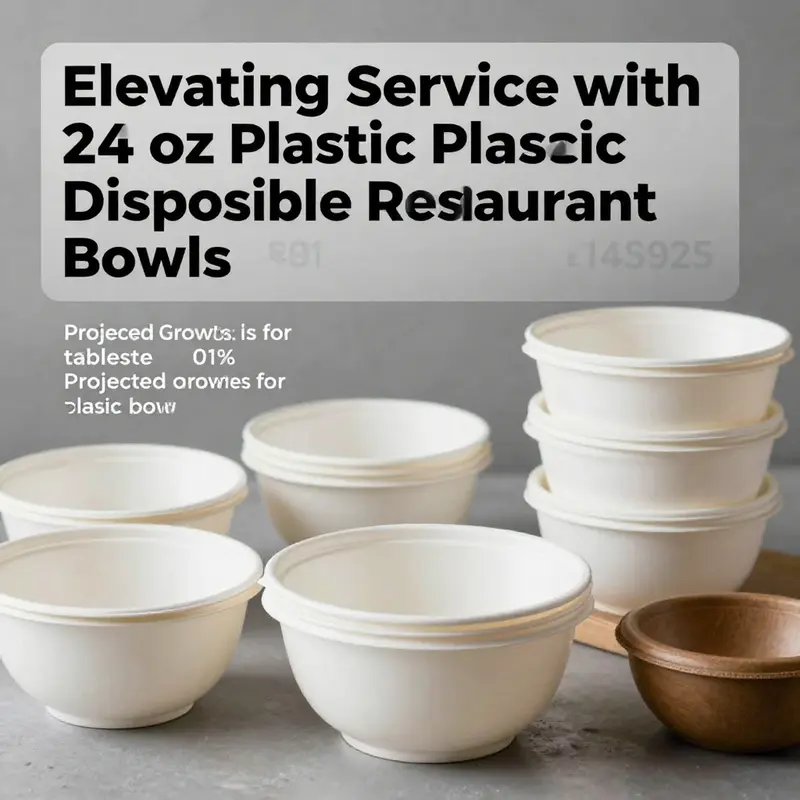
The 24 oz disposable plastic bowl now sits at a strategic crossroads within the foodservice ecosystem. It is neither a mere vessel nor a temporary convenience; it is a barometer of consumer habits, operator needs, and the evolving demands of sustainability. In recent years, the global market for disposable bowls has surged, driven by the explosion of takeout and delivery, the expansion of fast-casual concepts, and the travel and hospitality sectors that rely on dependable portions and portable packaging. The most recent market signals show a global scale approaching significant thresholds: roughly 25 billion dollars in market size in the near term, with projections toward 72 billion dollars by the early 2030s, representing a steady compound annual growth rate around five percent. Within this landscape, North America emerges as a strong engine, with regional figures rising from the mid-40s to the mid-70s in billions of dollars over the same horizon. These numbers reflect not only appetite for convenience but also a complex interplay of costs, regulatory pressures, and evolving consumer expectations about packaging provenance and end-of-life outcomes. The chapter that follows traces how these forces shape the design, materials, and business models surrounding 24 oz bowls, and why the next five to ten years may redefine what counts as “standard” in disposable dining ware.
Material choice remains the most visible axis of change. Traditional workhorses like polypropylene (PP) and PET (polyethylene terephthalate) have earned their staying power through robust heat stability, fridge and freezer resilience, and confident performance under microwaving and transit. They are durable, lightweight, and cost-efficient at scale, which explains their continued dominance in many menus and service formats. Yet the sustainability imperative is reframing the cost-benefit calculus for operators. A growing chorus of suppliers and buyers is exploring biologically based and compostable alternatives. Polylactic acid (PLA), derived from fermented plant sugars, is increasingly pitched as a compostable option that can meet consumer expectations for transparency and safety. Bagasse, the fibrous sugarcane byproduct, is another material of interest. When processed into bowls, bagasse-based products can offer competitive heat resistance and a clean, compostable end-of-life profile under appropriate industrial facilities. The shift toward these materials is not simply about eliminating plastic; it is about reframing the lifecycle narrative so that packaging aligns with a restaurant’s environmental commitments while preserving the performance that guests expect from a hot or cold dish.
This transition is not merely theoretical. Real-world product lines have begun to emphasize the feasibility of 24 oz sizes in more sustainable formats without sacrificing the thermal envelope necessary for soups, stews, or hearty salads. For example, a 24 oz clear, rigid container with a lid demonstrates that high-clarity materials can coexist with secure sealing, which is essential for both hot foods and takeout pockets that must endure transit without spills. The trend toward design that pairs clarity with reliability helps operators manage brand perception while consumers gain a quick, honest view of contents. The ability to showcase color, texture, and ingredients in such a container adds a perceptible value that complements the convenience of a ready-made meal. When the packaging also carries the promise of recyclability or compostability, it becomes a tangible extension of a brand’s sustainability narrative, rather than an afterthought.
The evolving design language around these bowls reveals a thoughtful convergence of form, function, and branding. From a functionality standpoint, the most consequential improvements are in leak resistance and user experience during handling. Innovative lid concepts, such as arching or dome-shaped designs, are engineered to reduce spill risk during transport, which lowers the chance of product loss and customer dissatisfaction. In parallel, the rise of transparent PET designs allows quick visual verification of contents, reducing decision fatigue in busy service environments where customers are scanning a shelf or display. Brand differentiation, meanwhile, is increasingly achieved through customization. Operators can leverage printed or embossed branding on the bowls, creating a subtle but powerful touchpoint that travels with the meal. The capacity range is expanding as well, with 8 to 32-ounce offerings becoming common in many catalogs, enabling operators to normalize packaging across a range of dishes—from small snacks to larger meals and even dessert presentations.
From a sustainability stance, the market’s regulatory and consumer-facing pressures markedly influence material selection and design choices. A broad set of global and regional policies is reshaping how packaging is produced, recycled, and disposed of. Producer responsibility regimes, often referred to as extended producer responsibility (EPR), are compelling manufacturers to internalize the costs of packaging waste and recycling infrastructure. In Europe and parts of Asia and North America, there is a growing expectation that packaging not only perform well but also be aligned with credible end-of-life pathways. While these policies push manufacturers toward more recyclable or compostable materials, they also encourage the industry to invest in traceability and certification to verify performance and safety throughout the product’s life cycle. For operators, the implication is clear: packaging decisions must be made with a view to waste streams, recycling capabilities, and consumer education about disposal, all of which can influence total cost of ownership as well as brand image.
The future development trajectory for 24 oz disposable bowls appears to map a dual path: continue to improve the intrinsic performance of conventional plastics while accelerating a material pivot toward sustainability-centered options. In the near term, improvements in polymer formulations, such as better barrier properties and heat resistance, can enable safer and more energy-efficient handling of hot foods, reducing the need for extra insulation or double-wrapping. At the same time, the industry’s broader push toward compostable and biodegradable alternatives is likely to gain footholds where industrial composting infrastructure is available. This is particularly relevant for institutions and regions that have invested in composting facilities and consumer education around disposal. Brands that can convincingly communicate the environmental advantage, without compromising safety or cost, will be best positioned to gain share in a crowded market where marginal gains in efficiency or image can translate into meaningful revenue.
For operators exploring packaging alternatives within a 24 oz framework, there is a practical path that blends performance with sustainability. The selection of a packaging format—whether a traditional plastic bowl, a PLA-based option, or a bagasse-based alternative—should begin with a rigorous assessment of the entire lifecycle: sourcing, production energy, transport, use, and end-of-life processing. This means considering not only the material’s physical properties but also the local waste management ecosystem. Some markets have robust industrial composting networks, while others rely on recycling streams that may or may not accept certain polymers. In such contexts, a robust labeling and customer education program becomes as critical as the packaging choice itself. The goal is to ensure that a meal delivers on taste and temperature while the packaging reliably performs during transit and aligns with the consumer’s values about waste and sustainability. In practice, this means operators may adopt a hybrid strategy: offer a high-clarity PP or PET option for premium or short-shelf-life foods where the consumer experience is paramount, and simultaneously pilot PLA or bagasse-based bowls in markets with supporting composting infrastructure or consumer demand for greener options.
The dialogue between material science and consumer expectations also intersects with the need for operational simplicity. Businesses want packaging that reduces handling complexity, minimizes breakage risk, and supports efficient logistics. Features like tamper-evident or leak-resistant lids, clear product visibility, and easy stackability can influence worker efficiency and order accuracy. Equally important is the ability to customize packaging for branding and marketing purposes. In a highly competitive market, packaging is not just a container; it is a touchpoint that reinforces a restaurant’s message about convenience, quality, and responsibility. As such, the 24 oz format serves as a flexible platform for both functional performance and storytelling, allowing operators to communicate their commitment to sustainability without compromising the guest experience.
From a supply chain perspective, regional manufacturing clusters are likely to intensify in the coming years. Countries with established plastics processing ecosystems, paired with growing demand for sustainable packaging, are well-positioned to scale quickly. This regionalization can reduce lead times, lower transportation emissions, and help operators respond more rapidly to changing consumer tastes and regulatory requirements. It also means that the availability of alternative materials, such as bagasse or PLA, will expand in tandem with the development of more efficient recycling and composting networks. The consequence for product developers is clear: packaging must be designed with both regional waste realities and global branding ambitions in mind. A well-structured portfolio may include a core line built on proven plastics for reliability, complemented by smaller runs of biodegradable or recycled-content bowls that meet evolving consumer expectations and regulatory guidelines.
A final but essential thread in the conversation is the consumer’s perception of value. The market’s growth reflects not only price and convenience but also trust. When diners see packaging that aligns with their values—whether through material choices, clear disposal guidance, or transparent labeling about end-of-life options—brands can cultivate loyalty that extends beyond the meal. This is particularly important in competitive segments like deli, takeout, and catering, where packaging becomes a continuing reminder of the brand long after the meal has been consumed. In that sense, the 24 oz disposable bowl is more than a container; it is a communications medium, a reputational lever, and a logistical tool wrapped into a single, portable unit.
Within this framework, a single, practical recommendation emerges for operators aiming to navigate the near future: lean into informed material choices and reliable design upgrades while embracing transparency around end-of-life options. This requires collaboration across the supply chain—from raw material suppliers to packaging converters to waste-management partners. For those seeking to explore durable packaging options with a sustainability-forward mindset, one relevant resource highlights the availability of compostable and eco-friendly bagasse bowls in sizes that include the 24 oz class, underscoring the feasibility of aligning performance with environmental goals. As the market evolves, the most resilient players will be those that balance efficiency, safety, and responsible storytelling in equal measure, ensuring that the humble 24 oz bowl continues to serve as a dependable backbone of the dining-out experience while adapting to a world that increasingly prizes circularity and accountability.
External resource link for broader context: https://www.alibaba.com/product-detail/Compostable-Eco-Friendly-Bagasse-Bowls-24oz_1600588882572.html
Internal link for related packaging options: disposable kraft paper bowl for food package with lid.
Final thoughts
As food service providers strive to meet the demands of a diverse clientele while navigating environmental concerns, 24 oz plastic disposable restaurant bowls stand out as versatile and practical solutions. Their durability, range of applications, and evolving sustainable alternatives cater to the needs of various businesses from bubble tea shops to catering services. Understanding their materials, uses, and the impact of current market trends can significantly enhance operational efficiency and align with sustainability goals. In a world where convenience meets responsibility, these bowls are shaping the future of dining.