
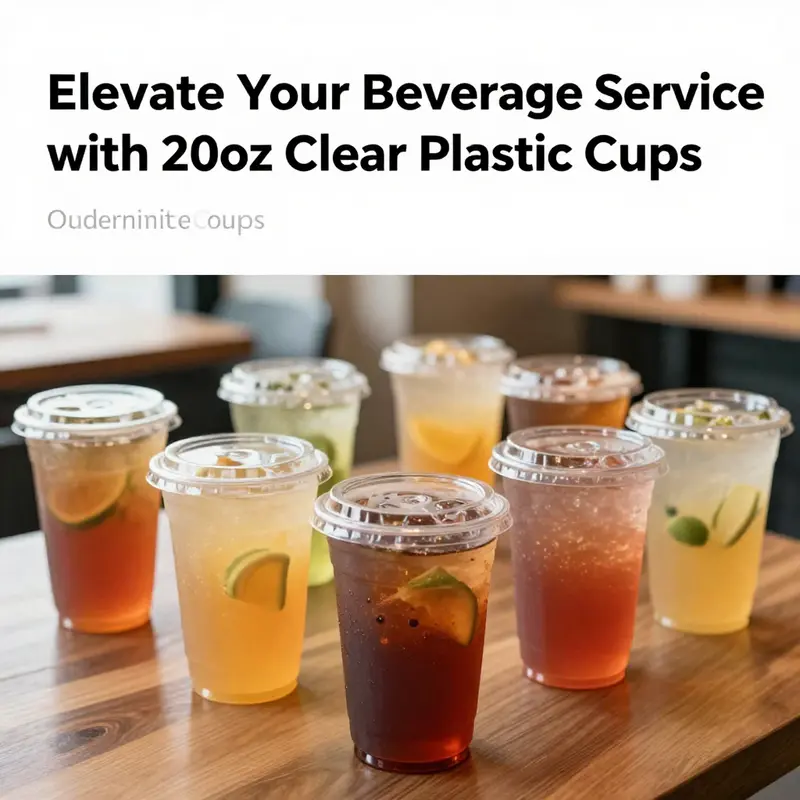
In today’s competitive beverage market, it’s essential for bubble tea shops, restaurants, and catering services to find solutions that not only meet their operational needs but also resonate with their customers. One standout option is the 20oz clear plastic cup with lids, which is increasingly becoming the go-to choice for beverage service. In this exploration, we’ll delve into the durability and safety these cups offer, their economic advantages in purchasing, and the unique marketing opportunities they provide. By understanding how these elements work together, businesses can make informed decisions that enhance their service and brand presence.
Crystal Confidence: Durability, Safety, and Everyday Reliability of 20oz Clear Plastic Cups with Lids

The humble 20oz clear plastic cup with a lid often arrives on the service counter as if it were a sideline player—unassuming, practical, and ready for the daily grind. Yet for cafés, event catering, mobile bars, and homes alike, this cup stands as a quietly indispensable workhorse. Read closely, and you’ll see that its success rests on a careful blend of material science, thoughtful design, and an understanding of how beverages move through space and time—from the moment a hot batch of ice-cold drinks is poured to the moment a customer sets the cup down at a park bench, or tucks it into a car cup holder on a crowded commute. The durability and safety of these cups are not accidents of manufacturing but outcomes of deliberate choices about material, structure, and the simple physics of liquids in motion.
At the core of durability is a material choice that balances clarity, strength, and lightness. The majority of 20oz clear cups with lids are molded from a clear, food-grade plastic that is known for rigidity and resilience under normal handling. This material is selected specifically for its ability to resist shattering or cracking when subjected to the bumps, drops, and jostling that come with daily service, outdoor events, and the rough-and-tumble nature of takeaway commerce. In practice, that means a cup can bear the weight of ice and a full serving without surrendering to stress fractures after a quick tumble or a nervy grab from a crowded counter. It also means the cup remains visually appealing long enough for customers to appreciate the drink’s color, layering, and level—an important factor in consumer perception when the beverage is being compared, by sight alone, across a crowded tray or display.
This durability is not tied to a single property but to a combination of rigidity, elasticity, and surface quality. The wall thickness is often calibrated to resist deformation when a cold liquid is introduced and when a consumer tightens their grip on a moving cup. The geometry—slightly tapered sides that promote even stacking, a rim shape that accommodates lids without warping, and a base that remains stable on various surfaces—reduces the risks of tipping and spilling, even on uneven pavements or in a swaying vehicle. In the field, that translates to fewer incidents of leaks on the move and fewer cups cracked by accidental knocks. It also means a smoother customer experience, because the cup’s integrity remains intact long enough for a sip, a quick photo, or a hand-off to a companion, all of which contribute to a perception of reliability.
Alongside material strength, safety is a central pillar of the design philosophy. The cups are manufactured to meet food-contact safety standards, with an emphasis on avoiding chemicals that could migrate into beverages. A common and reassuring attribute is BPA-free construction. In practice, this designation signals to buyers that the cup is designed to minimize exposure to bisphenol A, a compound historically linked with health concerns in some plastic applications. While the science navigating long-term exposure is nuanced, the presence of BPA-free materials is a meaningful criterion for many buyers who seek to minimize risk, particularly when serving children, families, or a broad cross-section of customers who may have heightened sensitivity to chemicals in consumer products.
The safety story extends beyond the material itself to the way the cup interacts with its lid. The lid is more than a spill-preventer; it is a partner in maintaining drink quality during transport and service. The lid typically provides a snug seal that reduces air exchange, slows down oxidation for certain beverages, and curtails contamination from dust or splashes during movement. The sip-friendly lid design—often a small, well-positioned opening that can be covered by a finger or a straw when needed—minimizes the exposure of the beverage to air while keeping hands clean and fingers free from drips. In moments of high throughput, such a lid design can mean faster service, because staff can cap drinks quickly and customers can pick up a cup with less concern about spills on the way to a table or a vehicle.
In addition to preventing spills and preserving beverage integrity, the lid-and-cup system supports hygiene in a way that is particularly relevant for takeout and delivery. The combination reduces the risk of cross-contamination as drinks traverse kitchens, warming shelves, delivery bags, and sometimes communal coolers. The lid also provides a barrier against environmental factors—dust, pollen, and incidental splashes—during outdoor events where wind, moisture, or crowded spaces can otherwise disrupt a serving flow. The resulting experience—clean seals, a crisp silhouette, and a beverage that looks as appealing in transit as it did at the point of fill—contributes to a sense of trust between brand and customer. In such contexts, the equipment becomes part of a broader system that includes staff training, handling procedures, and packaging that speaks to the consumer’s sense of safety and reliability.
Durability also has an operational dimension that businesses cannot overlook: compatibility with handling, storage, and display workflows. Stackability matters, especially in high-volume environments where space is at a premium. A well-designed cup nests consistently, reducing the volume needed for storage in trays, cabinets, or backstage shelves. The lids add to this efficiency: they are designed to sit securely on the rim and to be removed and replaced without compromising the seal, enabling quick beverage assembly or reassembly during busy shifts. In bulk orders, this stack-and-seal dynamic translates into fewer misplacing incidents, lighter handling, and a more streamlined kitchen-to-customer handoff. The cumulative effect is a more predictable service timeline, which matters when speed is a differentiator—whether in a drive-thru rush, a busy café morning, or a mobile pop-up where every minute counts.
Beyond physical property and process efficiency, the 20oz clear cup with lid communicates a brand’s attention to quality and care. Clear cups are a stage for color and texture—the deep brown of iced coffee, the emerald tint of a lime-infused beverage, the pink and purple bands of a berry smoothie. When customers can visually gauge the drink level and color, their confidence in the product often increases. The lid, with its snug-fit and controlled access, reinforces this sense of care by offering a practical means to preserve the drink while minimizing spillage. This is where the cup transcends its functional role and becomes part of a consumer experience that can influence repeat visits and word-of-mouth recommendations. For operators, this is not mere aesthetics; it is a tangible tool for shaping perceived value and quality in a crowded market where first impressions are shaped by the simplest of cues—the cup you choose, the lid you seal, and the way a drink meets a customer’s expectations on sight and touch.
A practical point for procurement teams concerns the range of sizes and the associated safety considerations. While the core 20oz size serves a broad spectrum of beverages—from iced coffee to fruit-forward refreshments and yogurt-parfait-inspired drinks—the market often offers larger options, such as 30oz, 40oz, and even 50oz variants. These larger vessels deliver more value per serving for those customers who want more without requesting a separate tray. They converge with the same safety and durability standards, maintaining robust performance under transport and service while still preserving the drink’s appearance and accessibility. The larger formats are not a substitute for the smaller standard cups in every scenario, but they provide a flexible ladder for menu design and portion control. For example, a café might pair a 20oz cup for most beverages with a larger option for customers seeking extended refreshment, while catering events could leverage the larger sizes for self-serve beverage stations where efficiency and spill prevention are paramount.
From a supply-chain perspective, the reliability of these cups is intimately tied to quality controls and safety certifications that suppliers typically communicate to buyers. Reputable manufacturers often provide certifications or documentation that attest to food-grade status, absence of harmful migration, and compliance with relevant safety standards. For buyers, this can translate into peace of mind when selecting a supplier for high-volume orders. It also informs the practice of using these cups in both consistent and time-sensitive environments where staff need to trust that each unit will perform as expected. In practice, this means that orders can be planned with confidence, reducing the likelihood of last-minute substitutions that could disrupt the service flow or risk safety concerns. The result is a smoother operation and a clearer focus on delivering a satisfying beverage experience without the distraction of equipment-related issues.
One practical dimension to consider, especially for operators who routinely customize and brand their packaging, concerns aesthetics and branding potential. Many manufacturers—and even some suppliers—offer customization options, enabling businesses to imprint logos, colors, or slogans onto the cups themselves. This can deepen brand recognition and convey consistency across multiple channels, whether a customer is ordering at a café counter, grabbing a takeout cup at a festival, or receiving a delivery via courier. The customization itself does not inherently alter the core durability or safety properties of the cup, but it does place additional emphasis on maintaining surface integrity and ensuring that printed designs remain legible and vibrant under cold beverage exposure and typical handling. For brands that value a cohesive shopping experience—from the moment a customer lifts a cup to the first sip of a beverage—the option to personalize a clear cup with lids adds an important layer of brand storytelling and identity. It makes the practical product a vehicle for connection, reinforcing the brand’s presence in the customer’s daily routine.
From the consumer’s perspective, the practical benefits of durability and safety coalesce into confidence. When a customer encounters a cup that feels sturdy, seals cleanly, and presents a clear view of the drink, trust builds. That trust begins a chain reaction: satisfied customers are more likely to return, to order again, and to recommend the product to others. The transparent nature of the cup—allowing beverage color, level, and texture to be appreciated—also invites curiosity and engagement around the beverage itself. A well-designed cup with a secure lid can encourage customers to carry the drink through a workplace, a campus, or a social event with less concern about spillage, which in turn can influence the overall enjoyment and perceived value of the beverage. And while the eco-footprint of disposable cups remains a topic of public conversation, it is important to acknowledge that durability paired with appropriate disposal or recycling practices can mitigate waste and support responsible consumption. The conversation about safety and durability thus sits at the intersection of user experience, operational efficiency, and environmental stewardship.
In closing, the durability and safety of 20oz clear plastic cups with lids are the outcomes of deliberate design choices, careful material selection, and a practical orientation toward the realities of on-the-go beverage service. They are built to withstand the bumps, shakes, and quick handoffs that define modern food and beverage operations, all while keeping the beverage safe, fresh, and visually appealing. Though they exist within a broader landscape of packaging options—from larger sizes to custom branding—the core attributes remain consistent: a sturdy, transparent vessel that respects the needs of servers and customers alike, a lid that guards spill and contamination, and an overall system that supports efficient operations without compromising drink integrity. For operators, that translates into fewer service disruptions, more consistent customer satisfaction, and a reliable, scalable solution for a wide range of cold beverages. For consumers, it means a clear window into the drink’s appearance and a dependable, spill-minimized experience that makes enjoying a beverage away from the home feel just a bit easier and a little more carefree.
Internal link: For brands exploring branded solutions on cold beverage cups with lids, consider eco-friendly-printed-logo-cold-beverage-cup-paper-cup-with-lid, a resource that highlights how printing can be integrated without compromising the cup’s performance and safety. eco-friendly-printed-logo-cold-beverage-cup-paper-cup-with-lid
External reference: While product specifics can vary by manufacturer, general industry practice supports the use of BPA-free, food-grade materials that maintain clarity and strength under typical forecasted service conditions. For a concrete example of the durability standards and material choices used in similar cups, see the supplier’s product listing that highlights clear, disposable coffee cups with safety and durability credentials: https://www.alibaba.com/product-detail/GUSTO-Clear-Plastic-Cups-20-Oz-Disposable_625987767659.html?spm=a2700.1.w100001.1.3a3c3f3dQoKjRl&productId=625987767659
Clear Value in Bulk: Navigating the Economics of 20oz Clear Plastic Cups with Lids
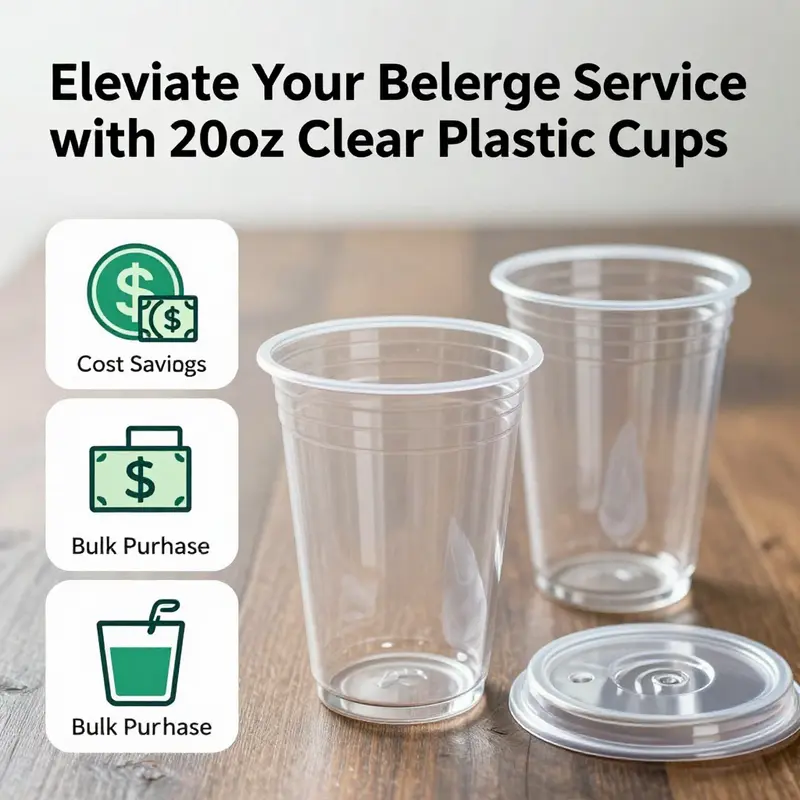
In the rhythm of a busy beverage service, the choice of a cup can feel like a quiet but consequential decision. A 20oz clear plastic cup with a lid is more than a simple vessel; it is a hinge between efficiency, experience, and economics. From a sunlit cafe that serves iced coffee to a bustling event where cold drinks flow freely, the economics of these cups shape how a business scales, how margins hold, and how consistent the customer experience remains across dozens or even thousands of servings in a single day. The story of 20oz clear cups with lids is not a single price tag or a single material choice. It is a weave of bulk pricing, material science, supplier capability, and market demand that together determine the true cost and value of serving a cold beverage in a crystal-clear, spill-resistant package. To understand why these cups have become a mainstay in many service contexts, it is essential to trace how costs accumulate and how those costs are mitigated through scale, design, and supply network structure. The conversation begins with price but moves quickly into the material logic and service infrastructure that keep prices low enough to justify large orders, while still delivering clarity, safety, and reliability to the end consumer.
Pricing in bulk is the most visible thread of this tapestry. When buyers look to purchase disposable 20oz clear cups with lids in large quantities, the per-unit price can drop dramatically as volume increases. Industry listings from large-scale suppliers show a range that, at first glance, can seem astonishingly low. For orders in the tens of thousands of pieces, the unit price can fall into the range of a few tenths of a cent to just over a cent per cup, depending on the exact configuration, the presence or absence of a strawless lid option, and the degree of customization. In practical terms, a buyer moving from a small, grab-and-go purchase to a bulk procurement can realize a meaningful jump in profitability or a significant reduction in the cost of goods sold per beverage. The economics here are not simply about the raw price per piece; they hinge on how those pieces fit into a broader procurement strategy that includes freight, handling, storage, and the cost of failed shipments. The bulk pricing narrative is reinforced by the reality that large quantities reduce the relative impact of warehousing and shipping overhead per unit. When a supplier can spread fixed costs across tens or hundreds of thousands of cups, the incremental cost of adding another 50,000 units is far less than in smaller purchases. In the end, the math is straightforward: larger orders reduce the unit cost, and that reduction compounds across the entire supply chain, from procurement to point of sale.
The material composition of these cups is another layer of the economic equation. PET and PP dominate because they strike a balance between clarity, rigidity, and cost. PET, in particular, offers crystal clarity that showcases the beverage, a factor that can elevate perceived quality and entice customers to choose a particular drink over competitors. PP contributes to durability and heat resistance suitable for cold beverages, and it generally maintains its form under the routine stresses of transport and handling. The material choice is also driven by safety and regulatory considerations. Many suppliers emphasize BPA-free formulations, addressing consumer concerns about chemical exposure and aligning with evolving safety standards. From a cost perspective, PET and PP are highly available polymers with established supply chains, which helps keep prices predictable and helps buyers forecast procurement budgets. The predictable behavior of these materials under normal usage—resistance to cracking, low moisture absorption, and strong barrier properties against minor contaminants—reduces the risk of waste from defective products. When a cup remains clear and sturdy from production through disposal or recycling, the implied value to the buyer increases. Clarity is not merely cosmetic; it reduces the need for over-supplementary inventory such as extra cups to compensate for breakage or yellowing that undermines customer perception. In a world of tight margins, the ability to present a beverage that looks as good as it tastes, without the fear of drift in performance, becomes a meaningful contributor to profitability.
The lid, as a functional companion to the clear cup, channels a different set of costs and benefits. A lid designed to minimize exposure to air and contaminants helps preserve beverage quality and minimize waste from leaks during transport. The addition of a strawless sip lid option, increasingly popular for both hygiene and convenience, further reduces the risk of spills in crowded settings and during takeaway. Economically, lids add incremental costs, but this is often offset by the higher willingness of customers to purchase beverages when spill risk is mitigated. The consumer experience improves as well: a clean, accessible sipping mechanism enhances the on-the-go experience and can influence repetition of purchases. For operators, this translates into fewer damaged drinks, less soggy packaging, and a more reliable preparation-and-served workflow. In practice, the cost-benefit balance of lids becomes a question of event type, service style, and the typical handling scenario from counter to consumer. A venue with brisk takeaway traffic may justify superior lid design as a training and loss-prevention investment, while a cafe with a dine-in flow may prioritize different lid features, color-match to branding, or compatibility with specific strawless systems.
Customization and branding form another dimension of the economic equation. Many suppliers offer branding options that allow a business to imprint logo, color schemes, or custom messaging directly on the cup or lid. The incremental cost of branding, particularly when spread across large orders, often becomes marginal on a per-unit basis. The marketing payoff, however, can be substantial. A branded cup increases brand visibility every time a customer carries a drink through the space or into the street. Even for venues that price match or compete on value, the ability to leave a lasting impression with the consumer—without adding complexity at the point of sale—can translate into higher repeat rates and stronger word-of-mouth recommendations. Customization costs can include initial setup and color matching, but the ongoing per-unit burden can be minimized when orders are large enough to amortize these fixed costs, and when the branding is designed for compatibility with the chosen cup-and-lid system. The practical takeaway for buyers is to plan procurement around a branding strategy that aligns with event calendars, seasonal promotions, and store branding guidelines. By coordinating design work with bulk orders, a shop can realize branding advantages without destabilizing cash flow.
Beyond the price per unit, the overall cost of ownership for 20oz cups with lids includes ancillary factors that become meaningful at scale. Operational efficiency is a major lever. On the production side, standardized cups and lids that fit typical beverage formats reduce the need for specialized handling or extra inventory. This standardization translates into faster restocking cycles, lower labor costs, and fewer mix-ups in the prep area. The ease of washing and reusing certain components, where allowed by safety guidelines, can also influence total cost of ownership. Even though the cups themselves are disposable, the decision calculus often involves contemplating the lifecycle costs of the packaging ecosystem—from the moment the supplier ships the order to the moment the last cup is discarded or recycled after use. In some markets, these considerations are increasingly balanced by environmental and sustainability commitments, which can govern supplier incentives, return programs, and waste-management partnerships. The result is a more resilient procurement approach that favors reliably sourced products with clear supply-chain visibility and straightforward dispute resolution processes. In practice, this means buyers are drawn to suppliers who not only offer low unit prices but also demonstrate supply reliability, consistent quality, and transparent refund or replacement policies in the event of shipping damage or defects. The ability to track shipments, understand lead times, and anticipate delays becomes a business capability rather than a mere administrative task. Transparent pricing, clear terms, and predictable delivery windows provide financial predictability that supports budgeting and long-range planning. These supply-chain attributes are often as valuable as the unit price themselves, particularly for operators who manage multiple locations, seasonal peaks, or large catering events.
The market dynamics behind these cups also reflect broader demand trends in the single-use container space. Global demand for disposable beverage containers has continued to grow as consumer patterns shift toward convenience and on-the-go consumption. This rise in demand incentivizes suppliers to optimize both product design and manufacturing processes. The outcome is not just cheaper cups; it is cups that are more reliable in performance, more consistent in shape and size, and more adaptable to branding and service needs. In such a market, innovations in lid geometry, enhanced sealing technologies, and improved clarity remain ongoing, albeit gradual, improvements. This continuous innovation helps suppliers differentiate themselves in crowded marketplaces without forcing dramatic price increases. For buyers, the effect is a broader array of choices that can be matched to specific use cases, whether that is a high-volume quick-service setting, a premium coffee shop that emphasizes presentation, or a catered outdoor event where reliability and spill control are paramount. The interplay between demand, design, and price is thus a dynamic that rewards strategic procurement that aligns product specifications with the intended use, storage realities, and distribution logistics.
From a supply-chain perspective, the paths these cups travel are as important as the cups themselves. Platforms that emphasize competitive pricing, fast shipping, and reliable customer service become important enablers for both small and large buyers. The availability of price-clarity, refund policies, and shipping guarantees adds a layer of financial security that helps buyers forecast expenses and manage cash flow with greater confidence. A procurement strategy built around these elements looks beyond the headline unit price to the total landed cost, which includes freight, duties where applicable, and the risk-adjusted costs of stockouts or damaged shipments. In the real world, a buyer who integrates supplier performance metrics, such as on-time delivery, quality consistency, and responsive customer service, into the decision framework gains a more sustainable competitive advantage. This is especially true in high-volume environments where even small delays or quality deviations can cascade into lost sales and dissatisfied customers. The economic benefit, then, is not simply about paying less per piece but about reducing variability and ensuring a more predictable service level for the end consumer.
Supplier services are another piece of the economics puzzle. Many suppliers offer value-added options that extend beyond the cup and lid themselves. For example, some providers can accommodate branding needs while also providing guidance on packaging and shipping optimization, helping buyers reduce waste and improve handling efficiency. Customization is not purely aesthetic; it can be a logistical advantage when designed as part of a broader packaging strategy. For instance, when branding is paired with lid color coordination or a consistent shape and size family, operators can standardize entire service lines across menus and events. This standardization lowers training costs for staff, reduces the likelihood of errors, and shortens order preparation times, all of which contribute to a lower overall cost per serving. In a marketplace where margins are razor-thin, these ancillary services can tilt the balance in favor of a particular supplier who offers not just product but a reliable, end-to-end solution. An important implication for buyers is to view customization and supplier services as investments that, when aligned with procurement and branding goals, yield a more streamlined operation and a stronger, more cohesive brand presence.
The procurement journey for 20oz clear cups with lids is thus a blended story of price, material science, and supply-chain capability. The straightforward math of bulk discounts is tempered by the realities of product performance, vendor reliability, and the strategic value of branding. The total cost that a cafe, restaurant, or event organizer incurs is a composite of the unit price, the cost of lids and associated components, the freight and handling charges, the costs of branding and setup, and the efficiency gains or losses tied to supplier service levels. In practice, the most successful buyers approach purchasing as a coordinated process, aligning menu design, seasonal promotions, and marketing objectives with the procurement plan. They map out peak periods, build in buffer stock to protect against supply chain volatility, and negotiate terms that reward robust supplier performance with favorable lead times and clear return policies. This approach does more than save money; it stabilizes operations, enhances customer satisfaction, and preserves brand integrity in the face of variable demand.
For readers exploring related product categories and seeking practical examples of how these dynamics play out in a nearby domain, consider a related product page that discusses disposable single-wall paper cups with lids. This resource demonstrates how a slightly different packaging configuration can be positioned in the market, how branding elements can be integrated, and how the total cost of ownership can be affected by lid design and material choices. It is a useful reference point for thinking through how to tailor packaging decisions to specific beverage offerings, service formats, and customer expectations. disposable-single-wall-paper-cup-12oz-16oz-kraft-coffee-cup-with-lid.
In contemplating the economic landscape of 20oz clear cups with lids, it is also instructive to acknowledge the broader platform ecosystem that supports these purchases. Buyers increasingly rely on marketplaces and direct-to-buyer suppliers that offer bulk pricing, transparent terms, and robust customer service. The presence of refunds for damaged shipments and clear policies around returns add a safety net that reduces financial risk and improves the predictability of procurement outcomes. This safety net is particularly important for operators who rely on tight schedules or who manage multiple venues across a region. When the system works as it should, a restaurant chain or event operator can maintain service levels even as demand spikes, knowing that the supply side has built-in resilience and clear expectations. The end result is a purchasing dynamic that rewards preparedness, consistency, and a willingness to invest in efficiency that compounds over time. It is not merely about finding the lowest price at moment one; it is about cultivating a dependable supply ecosystem that supports growth, quality, and reliable customer experiences. The practical implication for managers and buyers is clear: invest in strategic supplier relationships, plan for scale, and treat the cup as a strategic packaging decision rather than a mere cost driver.
External resource for further context and data on large-volume cup procurement can be found here: https://www.alibaba.com/product-detail/Disposable-20oz-Cold-Drink-Coffee-Crystal_1600734988825.html?spm=a2700.189083.0.0
Clear Advantage: Building Brand Presence and Customer Experience with 20oz Clear Plastic Cups with Lids
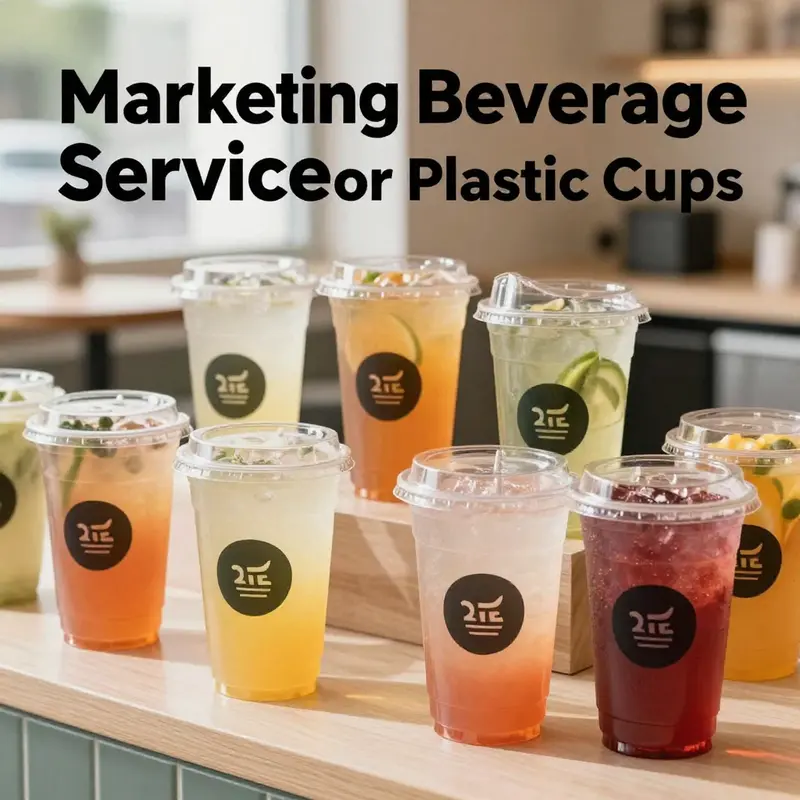
Every time a customer lifts a 20-ounce clear plastic cup with lid, they engage with more than a drink; they encounter a surface that can carry color, texture, and brand narrative. In busy cafes, festivals, or office gatherings, the cup serves as a mobile storytelling canvas, turning a simple beverage into a moment of perception that travels with the customer from service to street.
Material choices matter: PET and PP are common due to safety, clarity, and durability. PET delivers optical punch for fruit layers and color, while PP offers impact resistance and reliable performance with certain lid styles. Clarity is not just aesthetics—it’s a stage for branding, where color and ingredients appear vibrant and inviting, reinforcing a premium impression even at a quick service pace. Packaging decisions touch sustainability, recyclability, and cost, guiding what brands signal about their values.
The lid completes the experience: leak-resistance, spill prevention, and compatibility with strawless sip designs matter for on-the-go consumption. A well-designed lid reduces spills, speeds service, and enables clean photography for social media moments, while minimizing waste. Aligning lid performance with the cup’s transparency supports a cohesive brand image, from in-store display to curbside pickup to post-event afterglow.
Brand customization turns a standard vessel into a portable billboard. Logo placement, color matching, and readable typography on the cup surface create recall as drinks are carried through crowds. Extending customization to lids or printing under the rim can deliver a cohesive identity. When a brand can tell a story across thousands of cups, the effect compounds through repeated exposure and social sharing, elevating the perceived value of both product and experience.
Operational realities and sustainability remain central. Bulk purchasing reduces per-unit cost and simplifies promotions at scale, but brands must coordinate lead times and verify print quality. Recyclability varies by region, so communicating material safety and recycling instructions builds consumer trust. The right balance of aesthetics and practicality yields a consistent customer journey—from the moment the order is placed to the last sip and post-consumption reflection.
Ultimately, the 20oz clear cup with lid offers more than packaging; it enables brand storytelling, customer convenience, and experiential marketing across channels. When clarity, protection, and branding work in harmony, the cup becomes a durable extension of the brand—supporting recognition, engagement, and growth, sip after sip.
Final thoughts
In summary, the 20oz clear plastic cups with lids offer a winning combination of durability, economic advantages, and marketing opportunities. These aspects not only meet the needs of businesses in the beverage service industry but also enhance the overall customer experience. By investing in these versatile cups, bubble tea shops, restaurants, event planners, and catering services can ensure their beverages are served safely and stylishly, all while capitalizing on effective branding. It’s time to make the smart choice for your business.