
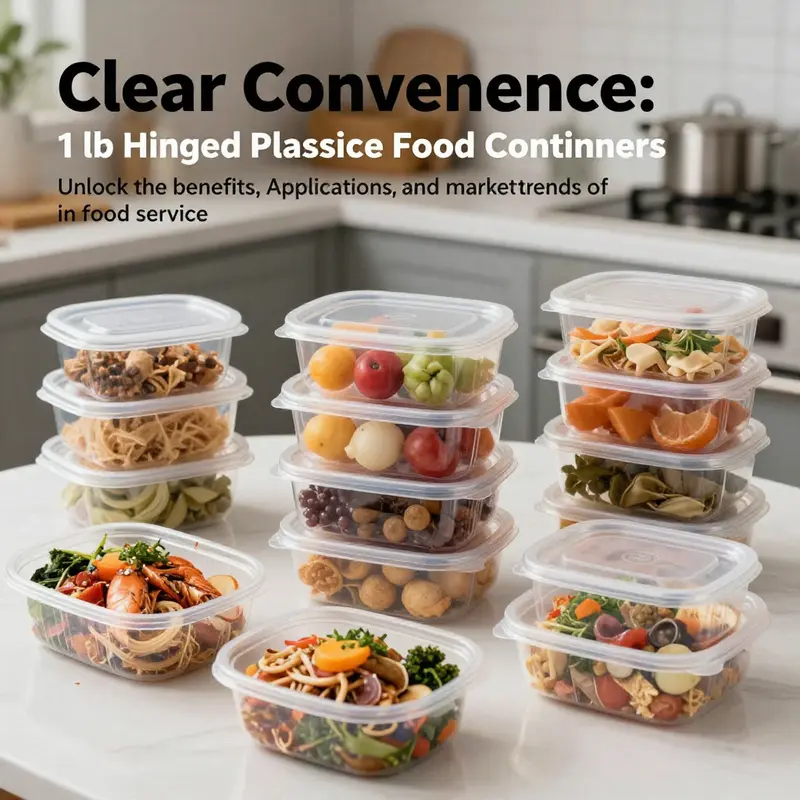
Disposable food containers have become essential fixtures in our food service and catering landscape, especially in a post-pandemic world where hygiene and convenience stand paramount. The 1 lb clear hinged plastic disposable food containers have gained particular attention, serving as an optimal solution for various food service organizations. Lightweight yet durable, these containers not only maintain food freshness but also enhance visibility for customers. This article will delve into the material properties that make these containers a favorite, explore their diverse applications across the food industry, and look at emerging market trends and environmental considerations that accompany their usage. Together, these chapters will illuminate how both businesses and consumers can embrace this practical yet eco-friendly packaging solution.
Seeing Through Strength: The Material DNA of 1-Pound Clear Hinged Plastic Food Containers
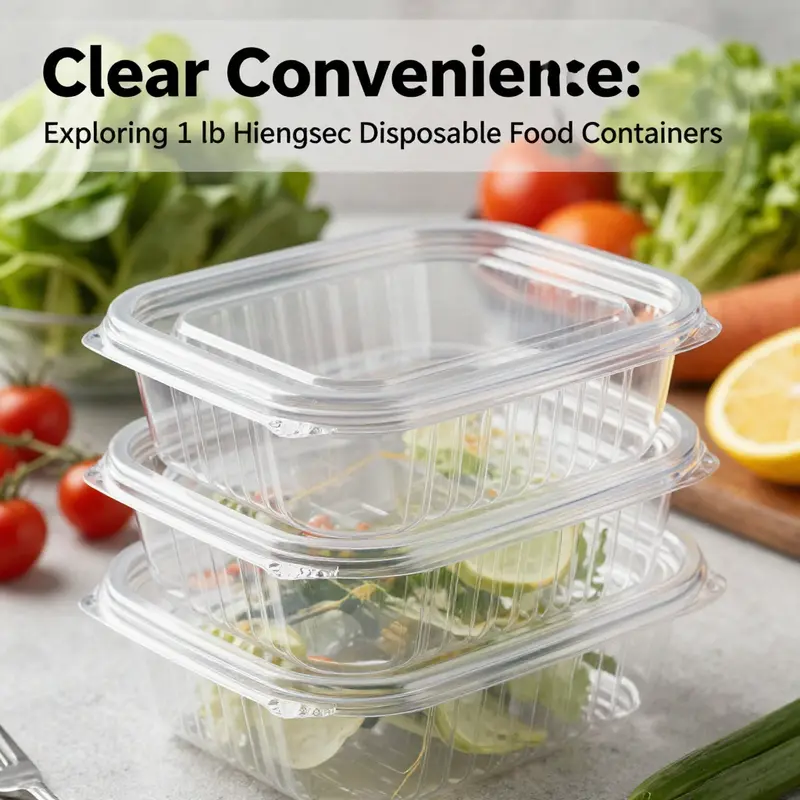
Clarity, strength, and hygienic certainty are the quiet commitments behind a 1 lb clear hinged plastic disposable food container. When a customer peels back the plastic wrap of a familiar takeout or prep-for-the-day box, what they’re really encountering is a careful balance of material science and practical design. The container must stay faithful to what it promises: a transparent window into the food’s freshness, a secure seal that prevents leaks, and a form that travels well from kitchen to consumer without demanding extra effort or energy from the user. This combination is not accidental. It rests on a spectrum of polymer choices, molding technologies, and an understanding of how a single-serving package performs in the real world—from the line at the restaurant pass-through to the crowded shelves of a prepared-meals boutique and, finally, into a home refrigerator or lunch bag.
At the core of this class of containers is a material story driven by the demands of weight, visibility, durability, and safety. The material properties of 1 lb clear hinged containers are shaped by the type of plastic used, with polypropylene (PP) and polyethylene (PE)—especially high-density polyethylene (HDPE)—as the most common players. The landscape is nuanced: some designs rely on clear PET to maximize optic clarity, while others lean into PP’s heat resistance or HDPE’s impact strength. Each material brings a distinct set of performance envelopes, and the choice often reflects a balance between cost, processing ease, and the required use-case: cold or room-temperature storage, potential brief reheating, or simply hygienic transport.
One of the most visible attributes is, of course, clarity. The clear window is not merely aesthetic; it is a functional feature that supports efficient portioning, accurate meal planning, and eye-catching retail presentation. When a consumer can instantly identify a salad’s layers, a fruit mix, or a dessert’s toppings, the likelihood of a purchase or a quick grab increases. Clarity arises from the material’s inherent refractive properties and the absence of interior surface haze. PET, with its well-known optical clarity, often underpins containers designed for premium presentation. PP can also achieve impressive transparency, though it is frequently paired with glossy finishes or specific processing conditions to optimize visibility. In practice, manufacturers may select PET for the base body due to its superior clarity and rigidity, and reserve PP or HDPE for lids or liners where heat resistance and resilience during shipping are prioritized.
Durability and strength complete the triad of visible qualities. A single-serving container must withstand the rigors of handling, stacking, and incidental impacts without cracking or deforming. Food-grade plastics are engineered to offer a robust combination of impact resistance and stiffness that keeps the container rigid when filled with items that may be dense or have added sauces. The hinge and lid must maintain alignment through repeated openings and close firmly to reduce the risk of mis-seal. This is where the design of a hinged container earns its keep. A properly engineered hinge distributes stress evenly along the lid, allowing repeated use in a disposable format while maintaining the integrity of the seal during transport. Even when the container holds liquids or semi-liquids, the lid’s locking mechanism contributes to a leak-resistant profile. The goal is to prevent seepage during transit, so a customer does not encounter a soggy bag or a messy interior upon arrival.
From a chemistry standpoint, material resistance to chemicals and temperature fluctuations matters as well. HDPE’s chemical resistance complements its mechanical toughness, enabling safe contact with a wide range of food products, including sauces and syrups. PP’s higher heat tolerance expands the potential for short-duration reheating or hot-food storage scenarios, provided the packaging is explicitly labeled for microwave use. This labeling is not merely a convenience; it’s a critical safety instruction that aligns with regulatory expectations and consumer safety. The practical takeaway is that the same container can perform in multiple contexts if its material system is designed with the intended use in mind. The choice between PP and PET, or the inclusion of HDPE elements, is therefore a deliberate decision about how the container will live in a multi-environment lifecycle—from prep to plate to pickup.
The lightweight nature of plastics used in these containers is not just a convenience for shipping costs and consumer portability. It is a strategic advantage in the broader logistics chain. When a container is lighter, more units can be shipped per pallet, reducing freight weight and energy consumption. In a market where delivery and takeout volumes have surged, even modest gains in packaging weight can translate into meaningful savings and environmental benefits. Yet weight is not sacrificed at the altar of performance. The materials selected are engineered to achieve a durable, sturdy feel that reassures the user of the container’s reliability. The result is a package that feels robust in hand, with a clearly defined lid and a hinge that inspires confidence in its sealing capability.
Hygiene is another core attribute that informs both material choice and design features. Disposable packaging is valued for its single-use nature, which helps mitigate cross-contamination risks in fast-paced food service environments. The innate sanitary advantage lies in the absence of cleaning and the avoidance of residual residue that can harbor bacteria. The material’s resistance to staining and chemical interaction with common food items further reinforces its suitability for daily use. In addition, the transparent body helps staff verify the contents at a glance, reducing handling and reducing the chance of cross-contact with other foods. When the lid is closed, the container offers a protective barrier against external contaminants, an essential feature for transit and retail displays.
A crucial operational dimension concerns temperature range and stability. The practical reality is that many 1 lb clear hinged containers are designed for cold storage and short-term cold-to-warm transitions. While some designs can tolerate brief reheating when explicitly labeled, manufacturers must clearly communicate these capabilities to avoid misuse. Heat exposure can affect dimensional stability and barrier properties, so the material system is selected with the expected temperature profile in mind. The most common configurations employ materials with proven heat resistance—PP in particular offers a higher heat tolerance than many other plastics—while PET-based bodies emphasize optical clarity and rigidity, with careful attention to mold design and wall thickness to avoid warping under pressure.
The influence of these material choices extends into the realm of recycling and sustainability. The modern market is steeped in a conversation about circularity: how to reduce environmental impact without compromising safety and performance. PET is widely recyclable, and many recyclers actively accept it in curbside streams. PP also enjoys strong recycling pathways in many regions, though recovery rates can vary by locale and infrastructure. HDPE is frequently recycled and can contribute to a range of post-consumer products. The interplay between recyclability and food-contact safety creates a dynamic design space. For many manufacturers, the objective is to maximize recyclability while preserving the integrity of the packaging system across its life cycle—from raw material sourcing to end-of-life processing. This often means selecting plastics that are not only safe for food contact but also align with local recycling capabilities and consumer expectations for responsible disposal.
In practice, the sleek, transparent profile of a 1 lb hinged container is inseparable from the user experience it enables. The design must eloquently express the contents while providing a reliable seal that protects texture, aroma, and freshness during transit. The lid’s hinge and locking mechanism are more than hardware; they are a statement about hygiene, reliability, and convenience. A meal prepped with such a container can be portioned with precision, displayed with clarity, and delivered with confidence that the product inside remains as intended. The convergence of material properties—clarity, durability, chemical resistance, and temperature tolerance—with thoughtful design creates a packaging solution that performs across multiple channels. It supports restaurant kitchens, catering operations, and retail grab-and-go corners alike, all while supporting a consumer habit that values immediacy without sacrificing safety.
As market dynamics push toward greater convenience and hygiene, manufacturers are also mindful of the bigger picture: the packaging’s role within a broader sustainability narrative. Consumers increasingly seek packaging that looks good and aligns with environmental values. In this context, the conversation expands beyond the container’s shelves-and-kegs appeal to include how materials are sourced, how much recycled content can be incorporated, and how easily the container can be recycled after use. Designers and engineers respond by exploring blends that maintain optical clarity and stiffness while enabling higher recycled-content levels, and by optimizing wall thickness to reduce material use without compromising strength. The result is a spectrum of 1 lb clear hinged containers that can accommodate diverse food items—from fibrous salads to juicy desserts—without surrendering the clarity or the protective barrier that the lid must provide.
A broader organizational approach to these containers also reflects regulatory realities and consumer expectations. Compliance with food-contact regulations requires that materials meet safety standards, be manufactured under appropriate hygienic controls, and be properly labeled with usage instructions, including any microwave or freezer suitability. Materials such as PP, PET, and HDPE typically have established compliance pathways in many jurisdictions, with evidence of migration limits and safe contact with common food acids and bases. Suppliers often provide documentation about resin codes, compatibility testing, and certifications that reassure food-service operators and retailers about the safety of their products. This regulatory framework reinforces the practical design decisions that influence what goes into a 1 lb clear hinged container, how it performs in a busy service environment, and how it can be responsibly disposed of after use.
In the end, the material properties of these containers are not abstract numbers but a narrative about how a single-use item can support a sustainable, hygienic, and efficient food ecosystem. The emphasis on clarity sends a clear message to the consumer: what you see is what you get, and what you get is protected. The emphasis on durability and leak resistance translates into trust—trust that a meal will arrive intact, a sauce will stay put, and a dessert will remain pristine. The emphasis on temperature and chemical resistance ensures versatility, letting kitchens store, display, and even briefly reheat items without compromising safety. And the emphasis on recyclability and responsible design ties the meal experience into a broader commitment to reducing waste and promoting a circular economy.
To illustrate how these properties translate into real-world utility, consider the typical use cases across food-service and consumer channels. For meal-prep services, the ability to portion out salads or grain bowls with a transparent vessel supports accurate inventory and quick assembly lines. In catering settings, a leak-resistant seal reduces the risk of cross-contamination and keeps surfaces clean. In restaurant takeout, customers appreciate the reliable lid and clear container that keeps items intact from kitchen to curbside pickup. Even in medical or pharmaceutical storage where visibility and sterility are paramount, the same principles apply: a clean, unambiguous package that protects the contents and communicates integrity to caregivers and patients alike. The material choices and the design consequences described above are embedded in every successful implementation, creating a dependable platform for a broad range of food and health-related applications.
Embedded in this discussion is a practical awareness of the broader packaging landscape. The trend toward eco-conscious packaging is not a marketing line but a design constraint that shapes future iterations. Containers may incorporate higher percentages of post-consumer content, or be engineered to be more compatible with extended recycling streams. The pursuit of eco-friendliness does not erase the need for the clear, reliable, and hygienic performance that customers expect; rather, it challenges designers to achieve sustainability without compromising safety or function. This balancing act—between clarity, strength, and environmental stewardship—defines the ongoing evolution of 1 lb clear hinged plastic disposable food containers. It is a reminder that in packaging, as in service, visible promises must align with material reality, and that the most successful containers are those that manage to be both simple in appearance and sophisticated in operation.
For readers seeking a related avenue of packaging sustainability in a broader sense, consider exploring resources that discuss eco-friendly, recyclable packaging options across different material families. This can illuminate how the plastic segment sits within a larger ecosystem of sustainable takeout and retail solutions, and how choices in one format influence feasibility and acceptance in others. External readers may find regulatory context and best-practice guidance in established food-safety and packaging bodies, which provide frameworks for evaluating materials, processing methods, and end-of-life options. As the industry continues to innovate, the conversation around 1 lb clear hinged containers remains a living one—one that invites designers, operators, and consumers to consider how a simple packaging choice can embody efficiency, trust, and responsibility in equal measure.
External resource: For regulatory and safety considerations surrounding food-contact materials, see the FDA’s guidance on food-contact substances and related FAQs, which helps illuminate how modern packaging designs must be evaluated and labeled for consumer use. https://www.fda.gov/food/packaging-labeling-food-contact-substances/food-contact-substances-faqs
Internal resource note: For a perspective on eco-friendly packaging options in related take-out formats, see discussions of recyclable and environmentally conscious packaging solutions in the broader supply chain, such as the option described at this related GreenDispotion resource: eco-friendly recyclable pulp cup holder.
Seeing the Contents Clearly: How 1 lb Clear Hinged Plastic Disposable Food Containers Shape Visibility, Hygiene, and Efficiency in Food Service
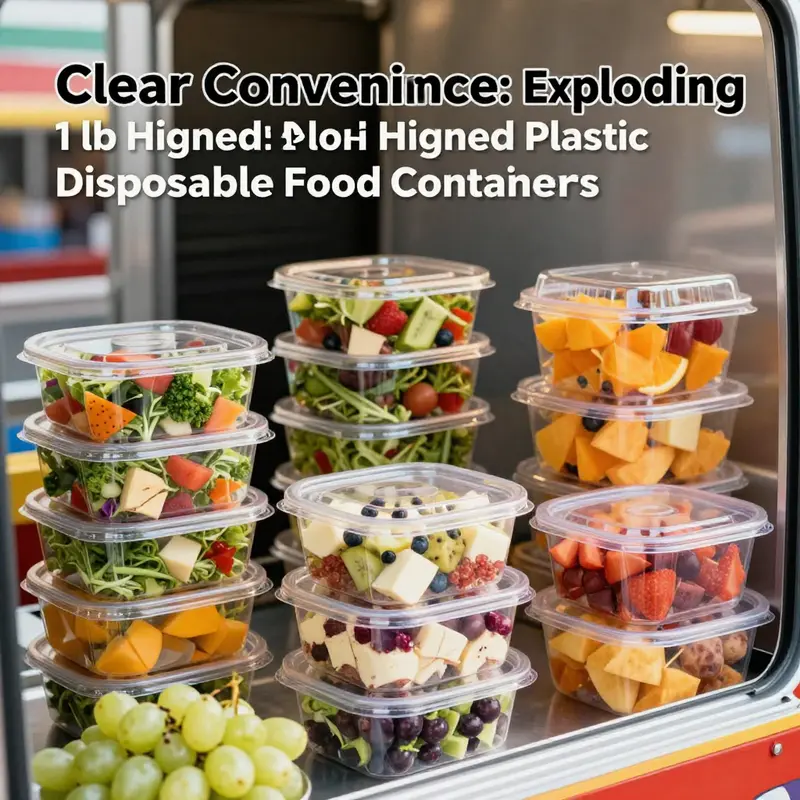
In the fast-moving world of food service, the containers that carry meals from kitchen to customer often do more than simply hold food. They shape perception, influence handling, and affect the pace of service. The 1 lb clear hinged plastic disposable food container stands at a crossroads of practicality and presentation. Its transparency invites the eye to linger on the contents, turning a simple take-out moment into an experience of freshness and quality. When a customer can see the greens glistening with moisture, the fruit glinting with natural color, or a dessert arranged with careful layering, trust is built even before the first bite. That visibility is not merely aesthetic; it is a functional advantage that helps staff manage orders with speed and confidence. In a busy dining environment, where multiple items travel through the same service line and onto the same pickup shelf, being able to confirm at a glance that a container is sealed, undamaged, and holding the right item reduces mis-picks and returns. The practical effect is a smoother customer journey, from order placement to delivery, with fewer interruptions and less waste.
Material choice is central to this balance of visibility and performance. The majority of these containers are manufactured from food-grade PET, a polymer celebrated for its clarity, strength, and compatibility with a broad range of foods. PET’s glass-like transparency is not merely a visual feature; it preserves the appearance of the product inside, even after chilling, warming, or transportation. This clarity also reduces the need for additional labeling or elaborate décor to communicate the item inside, since the contents themselves tell the story. Importantly, PET is lightweight, which translates into lower energy and freight costs for operators and a more convenient experience for customers carrying take-out through crowded streets or transit environments. The material’s resilience under cold and moderate warm conditions helps maintain integrity for salads, fruit cups, yogurt parfaits, bakery slices, and other perishables that rely on kept cold or cool temperatures to retain texture and freshness.
Beyond aesthetics, safety and regulatory compliance anchor the technology beneath the surface. These containers are designed to be direct-contact safe for food, addressing regulatory frameworks that govern what can touch edible items. In many markets, the food-contact use of PET underlines compliance with standards akin to FDA guidelines and regulations such as 21 CFR 177.1630, which governs polyesters used in contact with food. When a restaurant or caterer selects a disposable container built around such standards, they are choosing a packaging solution that minimizes risks associated with migration of materials, unwanted odors, or flavor interference. This is not a peripheral concern; it is a core requirement for operators who serve a wide range of items—from acidic dressings to dairy-based desserts—where compatibility with the food matrix matters as much as the container’s ability to seal and protect.
One of the more tangible design advantages of the hinged lid system is how it changes the user experience in both the kitchen and the consumer’s hands. The secure hinge and locking mechanism deliver a dependable seal that resists leaks and drips during transit. This is especially valuable for items like fruit salads with juice, moist baked goods layered with cream, or dressings that accompany a leafy base. The one-handed operation, common to many hinged designs, streamlines the pickup and hand-off process for busy staff and travelers who often walk while juggling multiple items. In practice, that small ergonomic feature reduces the cognitive load on employees who must assemble meals quickly and consistently, while simultaneously lowering the risk of accidental spills that could disrupt service or compromise product quality.
The dimensional logic behind these containers also supports efficient storage and handling. A typical 1 lb container tends to be rectangular or slightly curved to maximize surface area without expanding footprint. The dimensions—often around 5 inches to 6 inches in length, a few inches in width, and a modest height—are selected to balance capacity with stackability. When stacked, containers occupy less vertical space in cabinets, coolers, and on display shelves, enabling operators to stock more items in the same footprint. The stackability also reduces warehouse and transport costs, a practical benefit for distributors who move large quantities to restaurants, cafeterias, convenience stores, and catering operations. From a logistical perspective, these features translate into more predictable handling, simpler inventory management, and improved space utilization in both back-of-house and front-of-house environments.
In terms of capacity and application, the 1 lb metric aligns with common portion expectations in many food-service settings. For instance, a container in the same size family is well-suited for single-serving salads, fruit bowls, baked goods, or small dessert assortments. The clear wall provides an unobstructed view of the item, which helps staff verify portioning and presentation during packaging and as items move through the service flow. This is particularly relevant in fast-casual and quick-service contexts where customer expectations hinge on visible freshness and consistent portioning. The design also accommodates a range of ingredients with varying moisture levels, from crisp greens to juicy fruits and cream-based toppings. When the lid closes, the seal maintains product integrity during short trips to curbside pickup spots, to-go counters, or even curbside parking lots where weather and incidental handling could otherwise compromise quality.
The interplay between visibility, hygiene, and efficiency manifests most clearly in the container’s impact on the customer experience. People often decide what to order based on what they see, and a well-packaged item that presents clearly can nudge the purchase decision in favor of a healthier choice, a delicately prepared dessert, or a snack that looks freshly assembled. The clarity of the container is, therefore, a direct contributor to perceived quality and value. Consumers appreciate seeing each ingredient and the overall composition of the dish, which can reinforce trust in the seller’s standards for sanitation and freshness. In a world where presentation is closely tied to perceived quality, the container’s ability to showcase the product inside becomes nearly as important as the product inside itself. This synergy between container and content is at the heart of contemporary food packaging, where aesthetics and practicality converge to support both brand perception and operational performance.
The market dynamics surrounding these containers reflect broader shifts in consumer behavior and the packaging industry. Post-pandemic consumer preferences have placed a premium on convenience and hygiene, with a noticeable uptick in take-out and delivery as enduring channels for meals. The demand for quick-service packaging that can withstand the rigors of transit without compromising safety or integrity has grown, pushing manufacturers to refine the materials, closures, and overall ergonomics of these solutions. Clear, sturdy plastics such as PET offer a practical path forward because they can be manufactured at scale, recycled where infrastructure supports it, and adapted to a variety of shapes and sizes that align with different menu items. In parallel, there is rising interest in sustainability and recyclability, with operators seeking packaging choices that reduce waste and offer end-of-life options that align with corporate responsibility goals. While plastic packaging often faces scrutiny for waste issues, PET’s recyclability and compatibility with existing recycling streams provide a route for responsible stewardship when end-of-life programs are in place. The industry’s attention to recyclability is not merely about compliance; it is a strategic differentiator. Businesses that communicate a clear recycling option and invest in appropriate collection streams can enhance customer goodwill and align with consumer expectations for sustainable packaging.
In practice, many operators view the 1 lb clear hinged container as a versatile workhorse. It is robust enough to withstand daily service demands yet flexible enough to accommodate a spectrum of menu items. For example, a single container can securely hold a small salad kit with dressing on the side, a fruit cup with a protective liner, or a compact dessert assortment, all while offering quick access to the contents for customers who are on foot or in transit. This versatility reduces the need for multiple SKUs, simplifying inventory and procurement while maintaining high standards of food safety and presentation. The ability to stack and compress for storage translates into tangible savings in cold storage space and shelving, enabling facilities to scale operations without a corresponding increase in footprint. In catering scenarios, pre-portioned meals can be prepared, sealed, and transported with confidence, ensuring that clients receive consistent, inspectable portions that meet dietary guidelines or event-specific requirements. The hinge and seal are not only a convenience feature; they become a critical control point that helps preserve product integrity across the supply chain.
As operators consider where to invest in packaging that supports both performance and sustainability, the choice of container design extends beyond the container itself to how it integrates with display, handling, and waste streams. A well-chosen container can support efficient line flow in a kitchen, reduce the time spent managing leaks or mis-labeled items, and offer a convenient user experience for customers who value speed and clarity. Moreover, the ability to nest or stack assistance with space planning during high-volume periods, such as lunch rushes or catering turnovers, can have a measurable impact on service tempo. In an environment where margins are sensitive to labor costs, breakage, and waste, the packaging choice becomes a strategic lever—one that can improve throughput, protect product quality, and align with sustainability commitments without sacrificing safety or performance.
To illustrate the broader context, consider how packaging choices interact with retail and grocery settings. Ready-to-eat items displayed in clear clamshell-style packaging can attract shopper attention and expedite decision-making at the shelf. The transparency of the container supports visual merchandising, letting color, texture, and ingredient variety do the talking. At the same time, the reliability of the hinged lid and its locking mechanism ensures that once the item leaves the kitchen, it remains intact and consumable through checkout to the consumer’s home or office. The same design principles apply to food-service operations that deliver meals to offices, schools, or event venues, where the reliability of a single-use container reduces the risk of contamination or leakage during transport and handling. In all these contexts, the container’s role extends beyond a simple vessel; it becomes a component of a coordinated system that includes food safety, supply chain efficiency, and customer satisfaction.
In writing about the strategic value of these containers, it is essential to acknowledge the regulatory and environmental considerations that shape supplier behavior. Manufacturers are increasingly asked to demonstrate compliance with food-contact safety standards, provide documentation about material composition, and articulate end-of-life options. The trend toward eco-friendly options has accelerated, with many suppliers offering recyclable or recyclable-ready PET formulations and laminated designs that facilitate recycling streams or compostable alternatives where feasible. While plastics cannot be forgotten in the sustainability conversation, its responsible use—paired with robust recycling infrastructure and consumer education about disposal—can help reconcile the demand for convenience with the need to minimize environmental impact. The packaging choice becomes a statement about how a business balances operational practicality with social responsibility, a balance that customers increasingly expect as they engage with brands across a growing range of channels.
In closing, the 1 lb clear hinged plastic disposable food container represents more than a packaging option. It embodies a design philosophy that emphasizes visibility, safety, efficiency, and adaptability. Its clarity showcases the product inside, its hinge and seal protect the contents under various transit conditions, and its form supports streamlined workflows from kitchen prep to consumer pickup. The ongoing evolution of this packaging format—whether through material advances, closure innovations, or improved end-of-life solutions—will continue to influence how food service operators craft experiences that are reliable, appealing, and responsible. For those who manage the delicate balance of quality, speed, and sustainability, these containers offer a practical, scalable, and customer-friendly option that remains central to contemporary food service.
For operators exploring alternatives that maximize visibility and handling in a sustainable, recyclable format, see the disposable-octagonal-box-restaurant-food-kraft-paper-packaging.
External resource for further context on PET clamshell packaging materials and regulatory considerations: FDA-certified PET clamshell containers on Alibaba
Clear, Convenient, and Conscious: Navigating Market Trends and Environmental Demands for 1 lb Clear Hinged Plastic Disposable Food Containers
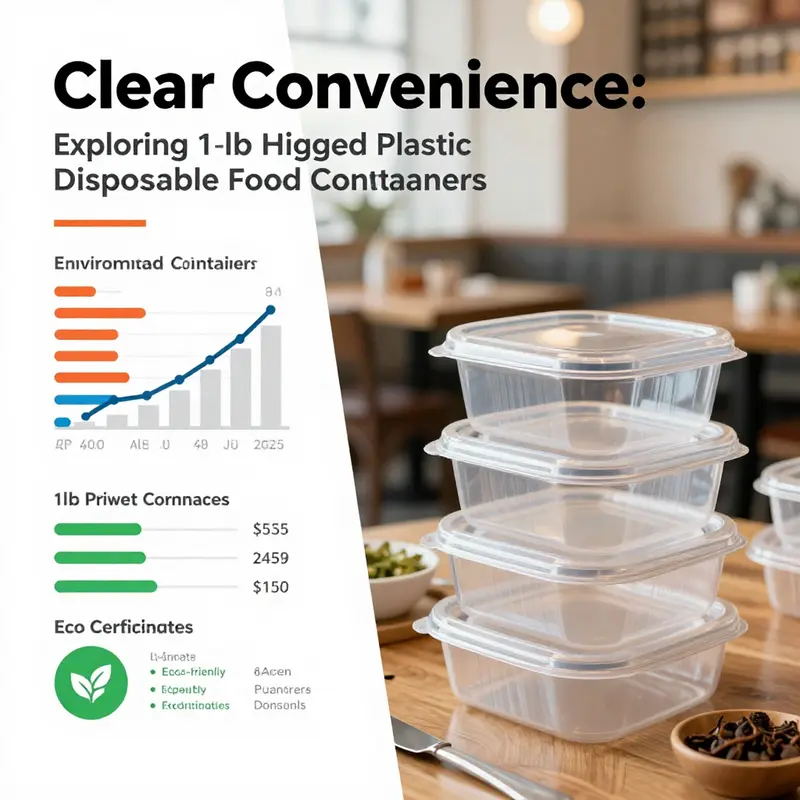
A one‑pound, clear hinged plastic disposable container sits at a quiet crossroads of practicality and responsibility. It is simple in form yet complex in its implications for food service, consumer experience, and environmental stewardship. The basic appeal is unmistakable: a transparent shell that lets the contents speak for themselves, a secure hinged lid that protects freshness during transit, and a size that aligns neatly with single‑serve portions. In commercial kitchens and delivery networks, this class of container has become a staple because it balances mass production efficiency with the need to maintain presentation. The material most commonly employed is a food‑grade form of PET, prized for its light weight, strength, and printability. PET’s transparency makes salads gleaming and fruits inviting, while the lid’s hinge and locking mechanism reduce spillage and contamination, enabling a smooth handoff from kitchen to customer. Yet beneath these straightforward merits lies a spectrum of regulatory, environmental, and market dynamics that shape the trajectory of 1 lb clear hinged containers now and in the years ahead. As consumer expectations evolve toward both convenience and accountability, producers and buyers alike must navigate a shifting landscape of materials, design optimizations, and end‑of‑life considerations without compromising the core benefits that keep these containers in steady use across food service channels.
The appeal of a 1 lb capacity rests on a precise calibration of portion size, weight, and handling. For operations that deliver meals, snacks, or side items, a one‑pound portion represents a practical unit of sale and transport. The clear body of the container makes the product instantly identifiable, reducing perceived friction for customers who might otherwise hesitate at a glance. In a retail display or takeout line, a transparent container allows the eye to assess color, texture, and portioning—attributes closely tied to appetite and perceived value. The hinged lid, often with a secure locking edge, contributes to commuter‑friendly usability. It protects against leaks and splashes, maintains integrity through stacking and shipping, and minimizes the risk of accidental openings that could compromise sanitation. Collectively, these design features explain why the 1 lb format persists as a reliable workhorse for salads, fruit cups, desserts, and other single‑serve items in diverse food service contexts.
Beneath the familiar form, material choice plays a decisive role in how these containers perform and how they are perceived by regulators, retailers, and end consumers. Food‑grade PET offers a combination of clarity, impact resistance, and recyclability that aligns with many sustainability goals. The polymer’s crystallinity and molecular structure are tuned to resist cracking during handling, yet remain lightweight enough to optimize shipping costs and energy use. From a safety standpoint, PET is well understood in terms of food contact compliance, migration limits, and compatibility with common cold foods. The transparency that makes the container attractive is not simply cosmetic; it is a functional attribute that reduces the need for secondary packaging to highlight the product inside. In a world where shelf appeal translates into point‑of‑sale conversion, clarity becomes an active component of the consumer experience rather than a mere convenience.
However, the push for sustainability has intensified scrutiny of any disposable packaging choice. While PET and other plastics deliver practical advantages, they also contribute to the broader challenge of waste management. The market is increasingly shaped by regulatory expectations, corporate commitments, and consumer attitudes that favor reduced environmental footprints. In response, manufacturers are exploring several avenues. One approach is to reduce material thickness—from around 0.20 mm to up to 0.70 mm in some variants—without sacrificing structural integrity. Thinner walls can lower material use and energy demand in both production and transport, but they must be engineered to resist flexing, deformation, and thermal stress during holding, stacking, and transit. A second avenue is to improve recyclability through design for recycling, which may involve minimizing mixed materials, simplifying closures, and ensuring the container remains compatible with widely available recycling streams. A third avenue, increasingly visible in the market, is the integration of recycled content where feasible, as well as exploration of bio‑based or compostable alternatives for certain product lines. Each of these paths carries tradeoffs: cost, compatibility with existing waste streams, consumer acceptance, and the potential for introducing new regulatory requirements. The result is a dynamic balance among performance, affordability, and environmental responsibility.
Consumer demand has evolved in parallel with these material considerations. Across regions, shoppers now expect packaging that is not only safe and convenient but also aligned with broader sustainability goals. A notable trend is the rising preference for BPA‑free materials, a response to health concerns and regulatory signals in many markets. Consumers associate BPA‑free claims with safer products and are more likely to purchase items that promise reduced chemical risk. For manufacturers, this shifts sourcing decisions and supplier relationships, as they seek materials and processes that can deliver the same level of performance without sacrificing regulatory compliance. The market’s attention to health and safety is also mirrored in labeling and branding practices. Clear containers that communicate compliance through accessible labeling tend to perform more consistently at retail and in delivery networks where transparency matters as much as presentation.
At a broader level, the post‑pandemic emphasis on hygiene and convenience has accelerated demand for single‑use packaging in many segments of the food industry. On the surface, disposable containers appear to favor speed and simplicity. Yet the industry is mindful that waste considerations cannot be ignored, especially as municipalities tighten restrictions on single‑use plastics and consumers demand clearer stewardship of resources. In response, manufacturers are actively pursuing packaging ecosystems that emphasize not just finish and form, but also lifecycle thinking. The concept of a circular economy—where materials are recovered, remanufactured, or recycled at high rates—has moved from a theoretical ideal to a practical objective that informs product development, supplier selection, and end‑of‑life strategies.
From a design perspective, the clear hinged container remains favored for its display advantages and its reliable seal. The combination of a transparent body and a mechanically secure lid helps preserve meal quality without requiring heavy secondary packaging. The ability to stack containers efficiently supports both retail displays and warehouse storage, enabling operators to maximize space and reduce handling time. This stacking efficiency translates to tangible cost savings, especially for food service providers with high volumes of meal kits, salads, or fruit assortments. While the everyday value of the container is evident, there is an ongoing commitment to refine these products in ways that do not erode the essentials of safety, performance, or cost competitiveness.
In practice, brands and manufacturers are exploring the interplay between aesthetics and sustainability. The market often reflects a balancing act: how to preserve the visual appeal and robust handling of a clear container while embracing eco‑friendly practices and materials. The use of spot UV or flexo printing techniques can enhance shelf impact without adding significant material weight or compromising recyclability. Such printing approaches enable vibrant branding, informative labeling, and recognition cues that help products stand out on crowded shelves or in takeout bags. The environmental dimension comes into sharper focus when packaging decisions align with responsible printing techniques that minimize ink usage and facilitate recycling streams. In short, presenting a product attractively should not come at the expense of end‑of‑life outcomes; the most forward‑looking packaging programs integrate both strengths into a cohesive value proposition.
An emerging strand in the environmental conversation is the careful consideration of end‑of‑life pathways. For many operators, the ideal is not merely a container that performs well in the kitchen and on the plate but one that participates in a coherent waste management system. This requires awareness of local recycling policies, the availability of collection streams, and the presence of municipal or private programs that can handle PET and related materials efficiently. The challenge is not only technical but logistical: even well‑designed packaging can end up in landfills if the waste system cannot effectively separate or process it. As a result, businesses increasingly evaluate suppliers not only on product specs but also on the transparency of their supply chains and the robustness of their commitments to recycling infrastructure and waste reduction. In this environment, the environmental credentials of 1 lb clear hinged containers are measured not just by their physical performance but by how they fit into broader sustainability goals, supplier partnerships, and consumer expectations about responsibility.
From a policy and market‑level perspective, the trajectory of these containers reflects a developing convergence of standards, incentives, and consumer values. Regulatory compliance remains foundational: materials must meet food contact regulations, and labeling must communicate safety, recyclability, and any composition disclosures that are relevant to regulators and to conscientious buyers. Beyond formal compliance, there is active interest in design choices that facilitate better waste separation, reduce contamination during recycling, and support more efficient processing in recycling facilities. Some producers experiment with material thickness optimization as a direct line of defense against waste—lowering weight while maintaining impact resistance and leak prevention. Others explore the possibility of incorporating recycled content that does not compromise clarity or performance. The aim is to keep the container affordable and reliable while contributing to a more sustainable packaging ecosystem.
The practical implications for buyers and operators are clear. When selecting a 1 lb clear hinged container, it is prudent to consider not only the immediate performance metrics—clear visibility, secure seal, stackability—but also the container’s alignment with environmental goals, regulatory compliance, and the capacity to adapt to evolving consumer preferences. This holistic view helps ensure that packaging decisions contribute to a brand’s credibility and to a sustainable supply chain. The market’s direction toward more transparent and sustainable supply chains signals that today’s packaging choices will increasingly be judged by life cycle thinking, not just by a product’s form or price. In this light, the 1 lb clear hinged container remains a robust tool, but one whose enduring value is linked to responsible sourcing, thoughtful design, and associations with credible environmental practices that customers can trust.
Internal link embedded for context and practical illustration: packaging ecosystems are increasingly seen as integrated systems rather than isolated components. Some producers now combine clear containers with eco‑friendly accessories to create greener packaging bundles. For example, a recyclable pulp cup holder can accompany a takeout meal, reinforcing a message of minimal waste while preserving the consumer experience. This approach demonstrates how even small design choices can reinforce sustainability while maintaining the advantages of clarity and security in the container itself. See more on this concept here: eco-friendly recyclable pulp cup holder.
To summarize, the market for 1 lb clear hinged plastic disposable food containers is navigating a landscape shaped by convenience, safety, and accountability. The technology and design remain stable enough to support high‑volume use in food service and delivery, yet the environmental expectations are reshaping the value proposition. The industry’s response—thinner walls, improved recyclability, smarter material choices, and sustainable branding—reflects a broader industry pattern: packing choices must perform reliably in the short term while enabling more sustainable outcomes over the longer term. The smart operators will balance cost, performance, and environmental considerations with a clear sense of consumer values and regulatory trajectories. In doing so, they will not only meet current demand but also position themselves to respond nimbly to future shifts in packaging policy, waste management infrastructure, and the evolving definition of responsible consumption.
External resource for technical context: a concise technical overview of clear disposable PP food containers, including specifications, standards, and uses, provides a foundational reference for the regulatory and material considerations discussed above. See here: https://www.supplyon.com/learn/clear-disposable-pp-food-container-technical-specifications-standards-and-uses/.
Final thoughts
1 lb clear hinged plastic disposable food containers represent a forward-thinking choice for food service businesses, marrying practicality with environmental awareness. Their appealing design, alongside growing consumer demand for convenience and sustainable options, places them at the forefront of packaging innovation. By understanding their material properties, applications, and the market trends influencing their design and use, businesses can ensure they make informed choices that meet customer expectations while also contributing positively to the environment. Embracing these containers is not just a savvy move; it’s part of a larger commitment to quality and sustainability in the food service industry.