
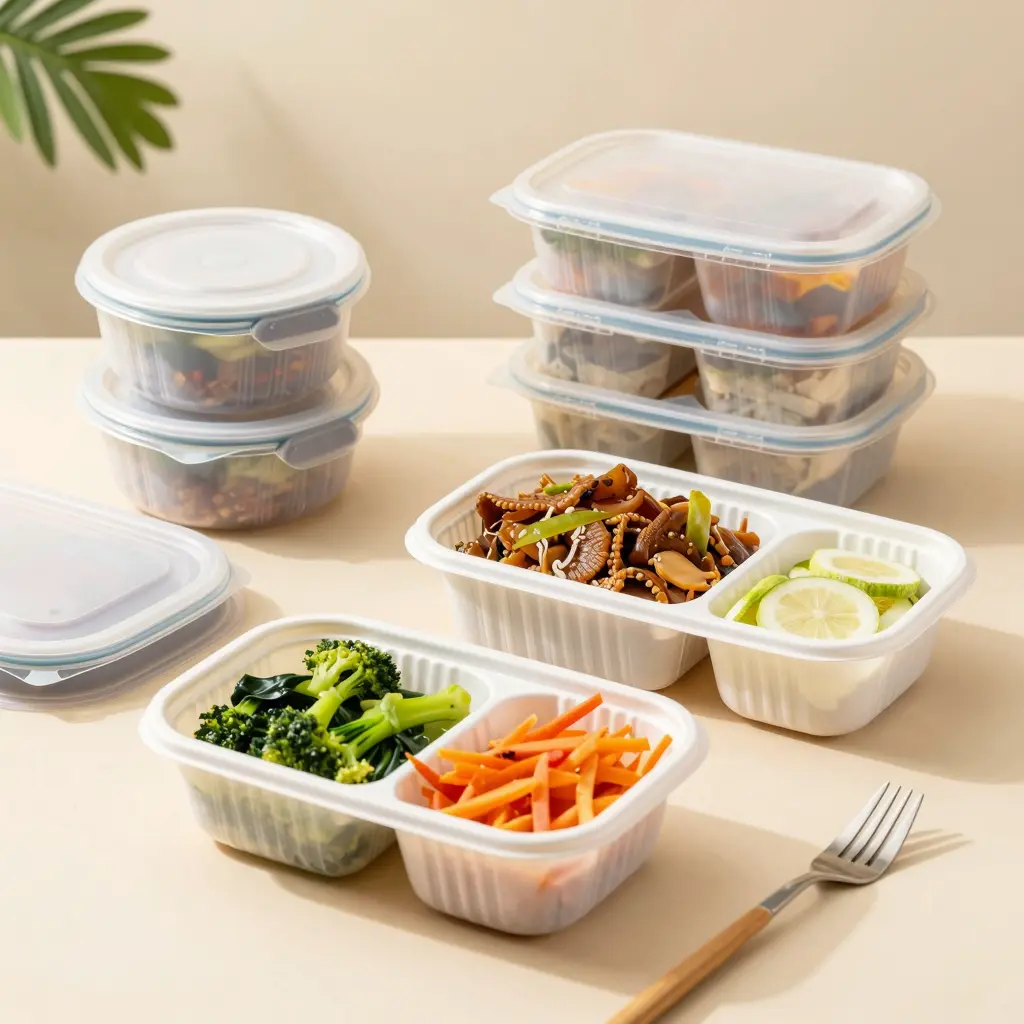
In the fast-paced world of food service, presentation and organization are vital components of success, especially for businesses like bubble tea shops, restaurants, food trucks, and catering services. Through the use of disposable to-go food containers with extra dividers, you can effortlessly elevate your takeaway meals, keeping ingredients separate and ensuring a visually appealing presentation. These containers not only cater to the aesthetic needs of your customers but also enhance the functional aspects of food packaging. With a diverse range of sizes and designs available, they can accommodate various dishes, making them an ideal choice for serving everything from exquisite main courses to delectable desserts. As you strive to offer the best possible dining experience, investing in high-quality disposable containers can significantly contribute to operational efficiency and customer satisfaction. Explore our variety of options, including sugarcane food containers and paper packaging solutions, designed to meet the demands of today’s dynamic food service landscape.
The Benefits of Using Extra Dividers in Food Containers
In the bustling world of food service, especially for businesses like bubble tea shops, food trucks, and catering services, presentation and functionality are key to creating a delightful customer experience. One effective way to enhance both aspects is by incorporating extra dividers in disposable food containers. Here are several benefits that resonate particularly with food service professionals:
Enhanced Presentation
Customers eat with their eyes first, and attractive presentation can significantly influence purchasing decisions. Utilizing extra dividers can create a visually appealing layout, showcasing each food item in its dedicated space without confusing colors or textures. By creating distinct sections, you can highlight gourmet items or specialty ingredients, making the meal not only more enticing but also emphasizing freshness and quality.
Food Separation
One of the primary advantages of using extra dividers is the ability to keep different foods separate. This is particularly essential for dishes with multiple components or when serving sauces and dips. By preventing cross-contamination, extra dividers help maintain the integrity of each food item while enhancing flavor profiles. This practice not only improves food safety but also elevates the overall dining experience by allowing customers to enjoy each component’s taste distinctly.
Improved Customer Satisfaction
Modern consumers are increasingly concerned about their food’s presentation, quality, and cleanliness. By using food containers that feature extra dividers, businesses can demonstrate attention to detail, which often translates into higher customer satisfaction. When customers receive neatly packaged meals where ingredients are thoughtfully separated, they’ll appreciate the effort taken to ensure their dining experience is top-notch. Happy customers are more likely to return and recommend your services to others.
Versatility in Serving Options
Extra dividers offer flexibility for various types of cuisine and meal compositions. Whether you’re serving a hearty salad, a bento box, or a selection of desserts, dividers can accommodate a wide variety of portions, ensuring that meals are not only appealing but also practical. This adaptability can make your offerings stand out in a competitive market and cater to diverse customer preferences, from vegan options to gourmet treats.
Conclusion
Incorporating extra dividers in disposable food containers is an investment that pays off in enhanced presentation, food separation, and improved customer satisfaction. For food service professionals looking to improve their takeaway offerings, explore our range of paper bowls and sugarcane food containers designed for versatility and freshness. Implementing these features can not only elevate your brand’s image but also foster customer loyalty through memorable dining experiences.
Comparative Table of Disposable To-Go Food Containers with Extra Dividers
When it comes to serving food on the go, choosing the right disposable food container is essential. Different types cater to various needs and food items, especially with the incorporation of extra dividers. Below is a table comparing various types of disposable containers, detailing their materials, sizes, and suitable food types.
| Product Type | Material | Size (oz) | Suitable Food Types |
|---|---|---|---|
| Kraft Paper Box with Divider | Kraft Paper | 32 | Salads, Pasta, Bowls |
| Sugarcane Food Container | Sugarcane Fiber | 24 | Rice Dishes, Stir-fried Items |
| Plastic Container with Compartment | Recyclable Plastic | 16 | Sauces, Side Dishes, Snacks |
Overview of Products
- Kraft Paper Box with Divider: Ideal for food items that require separation to maintain presentation and taste, such as salads and pasta. Made from eco-friendly kraft paper, these containers are sturdy and appealing.
- Sugarcane Food Container: A biodegradable option made from sugarcane fiber, perfect for rice dishes and stir-fried items. It has excellent structural integrity and is compatible with hot foods.
- Plastic Container with Compartment: A versatile container that can be used for various foods, especially sides and dips. Made from recyclable plastic, it is lightweight and seals well to prevent spills.
These options cater primarily to the needs of Bubble Tea Shops, Food Trucks, and catering services, providing environmentally-friendly yet convenient solutions for take-out dining.
As the demand for sustainable products continues to rise, eco-friendly disposable containers have become a vital option for environmentally conscious businesses, particularly in the food industry. Below, we explore several eco-friendly disposable container options that include extra dividers, highlighting their sustainable materials and benefits.
1. Sugarcane Containers
Made from the fibrous residue of sugarcane, these containers are fully biodegradable and compostable. Sugarcane containers often come with added dividers, making them ideal for meal boxes or mixed items.
- Benefits:
- Lightweight yet sturdy, preventing leaks.
- Suitable for both hot and cold foods.
- Compostable within 90 days in commercial composting facilities.
Explore sugarcane food containers for more options.
2. Bamboo Containers
Bamboo is a rapidly renewable resource, making it an excellent choice for eco-conscious brands. Bamboo containers can feature dividers for separating different food items, perfect for salads or rice dishes.
- Benefits:
- Durable and moisture-resistant.
- Stylish and enhances food presentation.
- Completely biodegradable.
Bamboo containers are perfect for engaging customers looking for stylish, sustainable options.
3. Recycled Paper Containers
Recycled paper containers are crafted from post-consumer paper waste. Many designs incorporate dividers, especially in bowls and boxes, catering to the need for portion control in takeout.
- Benefits:
- Fully recyclable and often compostable.
- Lightweight and cost-effective.
- Versatile designs suitable for various cuisines.
Advanced paper options can be explored at our paper packaging section.
4. PLA Containers
Polylactic Acid (PLA) containers are made from renewable resources like corn starch and can come with divider options for varied food types. They offer a clear view of the contents, ensuring food visibility for consumers.
- Benefits:
- Clear containers offer an attractive display.
- Compostable in industrial composting facilities.
- Excellent thermal properties for hot or cold food items.
Consider PLA options to offer your customers transparency combined with sustainability.
The Importance of Eco-Friendly Containers
Using eco-friendly disposable containers with extra dividers is not just a trend; it’s a necessity for businesses that prioritize environmental responsibility. These containers help reduce waste, align with sustainability goals, and attract a growing demographic of eco-conscious consumers. As studies indicate, around 70% of consumers prefer brands that utilize eco-friendly packaging options, making the switch not only beneficial for the planet but also for business growth.
Conclusion
Adopting eco-friendly disposable container options that feature extra dividers is a step towards sustainability that can benefit your brand. By choosing materials like sugarcane, bamboo, recycled paper, or PLA, your establishment can minimize its environmental impact while meeting customer expectations for convenience and style. For more sustainable products, check out our range of paper bowls and sugarcane products.
By integrating these innovative containers into your business model, you’re not just serving food; you’re serving a cause-one that makes the world a cleaner, greener place.
“Using the extra dividers in our to-go food containers has transformed how we serve our customers. Not only does it keep different items separated and fresh, but it also enhances the overall presentation of our dishes. Our customers love the neat packaging, and it makes portion control easy for us! We couldn’t be happier with the results.”
- Emily, Owner of FreshEats Food Truck
Safety and Compliance Standards for Disposable Containers
When it comes to disposable food containers, especially those designed for bubble tea, fast food, and other on-the-go meals, complying with safety and industry standards is of utmost importance. Ensuring that your packaging meets these regulations is crucial for maintaining customer trust and ensuring health safety.
Food Safety Certifications
Disposable food containers should adhere to a range of certifications recognized by industry standards. Although specific details on certifications may vary by region, the following are commonly accepted standards across the food packaging industry:
-
FDA Approval: In the United States, the Food and Drug Administration (FDA) ensures that materials used in food contact containers are safe for consumers. This includes regulations on materials that can leach chemicals into food.
-
USDA Guidelines: The United States Department of Agriculture (USDA) provides guidelines for food safety which include standards for packaging materials, particularly those used in the storage and transportation of food products.
-
ISO Standards: The International Organization for Standardization (ISO) provides several certifications relevant to food safety. ISO 22000, for example, deals with food safety management systems, ensuring businesses meet rigorous food safety and hygiene standards.
-
BRC Global Standards: The British Retail Consortium (BRC) certification outlines requirements for food suppliers, including those who produce food packaging. This certification ensures that products are safe, legal, and of high quality.
Importance of Compliance
-
Consumer Trust: Compliance with safety standards reassures customers that the products they receive are safe. For businesses like bubble tea shops and food trucks, consumer trust can significantly impact sales and reputation.
-
Legal Requirements: Failing to comply with food safety regulations can lead to significant legal repercussions, including fines and shutdowns. It’s essential to stay updated on regulations that might affect your business.
-
Quality Assurance: Meeting safety standards is not just about compliance; it reflects a commitment to quality. Consumers increasingly favor businesses that demonstrate responsibility in their sourcing and packaging techniques.
Practical Applications in Your Operations
For businesses involved in food production and service, it is essential to source disposable containers from reputable suppliers who prioritize safety standards. Products such as sugarcane tableware or paper packaging should meet these qualifications.
By using compliant containers, you can enhance your brand’s reputation while ensuring that your customers receive products that are not just appealing but safe for consumption. It’s always advisable to check the certification of any packaging you plan to use, thereby protecting your business and your clientele.
In conclusion, strict adherence to safety and compliance standards in the packaging of food can go a long way in fostering trust and sustaining your food service business’s growth. Always prioritize quality and safety for the benefit of your customers and your enterprise.
Market Trends in Disposable Food Container Usage
The disposable food container market is witnessing significant growth, driven by increasing consumer demand for convenience and accessibility. This trend is particularly evident in the food service industry where extra dividers in food containers are becoming more popular for their ability to separate different food items, maintaining presentation and freshness.
Key Market Insights:
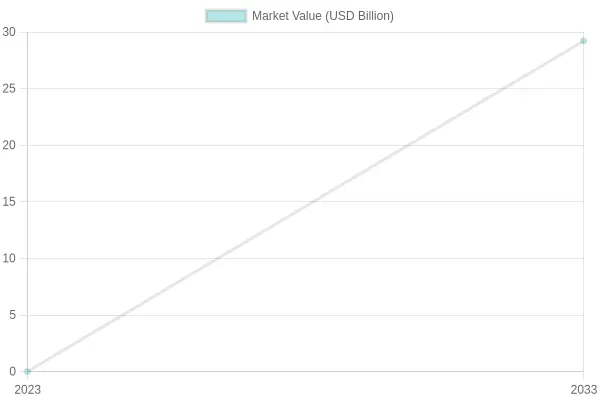
- Market Value Projections: The disposable food containers market is projected to reach $29.21 billion by 2033, growing at a compound annual growth rate (CAGR) of 5.1% from 2023.
- Plastic Containers Dominance: In 2023, plastic disposable food containers hold over 55% of the market share due to their lightweight and cost-effectiveness.
- Driving Factors: The demand for convenient food packaging solutions continues to surge, especially among busy consumers and within sectors like food trucks, restaurants, and catering services.
Chart: Projected Growth in Disposable Food Container Market
| Year | Market Value (USD Billion) | CAGR (%) | Plastic Container Market Share % | Key Factors Driving Demand |
|---|---|---|---|---|
| 2023 | N/A | 5.1 | 55 | Busy lifestyles, convenience |
| 2033 | 29.21 | N/A | N/A | N/A |
For suppliers and businesses looking to capitalize on this trend, offering adaptable and sustainable solutions like those available in our paper bowl selection or paper packaging category can meet the growing consumer demands effectively.
In today’s fast-paced culinary landscape, the choice of food packaging can significantly impact your business’s efficiency and customer satisfaction. Disposable food containers with extra dividers offer a multitude of benefits that are particularly advantageous for bubble tea shops, restaurants, food trucks, catering services, and event planners.
Key Benefits of Disposable Food Containers with Extra Dividers
- Organization: The extra dividers allow you to separate different food items, preventing them from mixing and ensuring that each retains its unique flavor and texture.
- Portion Control: These containers help manage serving sizes effectively, which is invaluable for those focused on dietary needs or meal planning.
- Convenience: Disposable containers eliminate cleaning hassles, making them perfect for on-the-go meals or meal preps. You can simply use, dispose, and streamline your service process.
- Aesthetic Presentation: With divided containers, you can elevate the presentation of your meals, making them not only tastier but visually appealing for customers.
- Hygiene: Using disposable containers mitigates the risk of cross-contamination, enhancing food safety-a crucial aspect for all food service providers.
Given these advantages, choosing the right disposable food container is crucial for enhancing your service and customer experience.
Ready to Enhance Your Food Service?
We invite you to explore our extensive range of disposable food containers, including options with extra dividers. For personalized solutions tailored to your needs, don’t hesitate to contact us for a quote. Let us help you elevate your packaging solutions and ensure your food stands out!
FAQ Section: Disposable Food Containers with Extra Dividers
1. What are disposable food containers made of?
Disposable food containers are made from various materials including plastic, paper, aluminum, and foam. The choice of material impacts insulation, durability, and recyclability. For example, paper food containers are eco-friendly and often used for takeout.
2. Are disposable food containers safe for food?
Yes, most disposable food containers are manufactured using food-grade materials that ensure safety. It’s advisable to check for BPA-free labels and usage guidelines, especially if you plan on microwaving or baking food in them.
3. Can I customize my order of disposable food containers?
Absolutely! Many manufacturers offer customization options including printing your logo or selecting specific sizes and dividers. Customization allows your brand to stand out, especially in a competitive market. If you need specific designs, you might want to explore options at Green Dispo Pack.
4. What is the pricing for disposable food containers?
Pricing can vary based on material, size, and customization. Generally, bulk orders allow for significant savings. It’s best to request a quote from your supplier to get the most accurate pricing for your specific needs.
5. How quickly can I expect my order to be fulfilled?
Order fulfillment timelines depend on the supplier and your order size. Typically, small orders may be shipped within a few days, while larger custom orders could take several weeks. Check with your supplier for exact shipping and fulfillment times to ensure your event planning goes smoothly.
6. Are disposable food containers recyclable?
Recyclability depends on the material used. Many plastic and paper containers can be recycled if cleaned properly. It’s important to consult local recycling guidelines to see what’s accepted in your area.
If you have further questions or need more information, feel free to contact us. We’re here to help!