
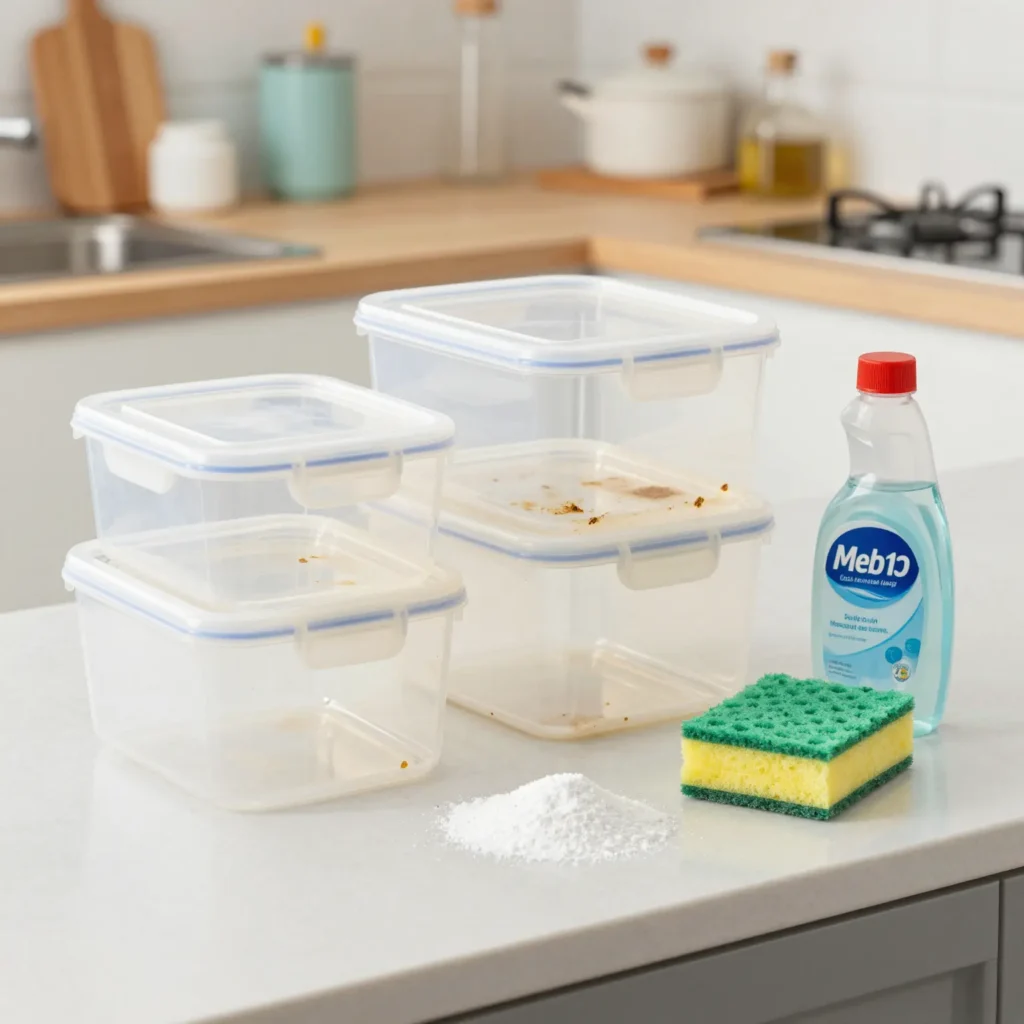
Battling Food Stains: A Common Woe for Food Services
If you’ve ever run a bustling bubble tea shop or managed a food truck, you know the struggle all too well: food stains that stubbornly cling to your plastic containers. Imagine preparing a vibrant mango smoothie, only to find that a deep orange stain has taken residence in your once-pristine storage container. This not only affects the aesthetic appeal but also raises concerns about hygiene and safety. According to a recent survey, over 60% of food service operators report dealing with tough stains in their kitchenware, which can impact their overall image and customer satisfaction.
But fear not! In this guide, we’ll explore tried-and-true methods for removing those pesky food stains from your plastic storage containers, helping you keep them looking and smelling fresh. With a few simple steps, you can ensure that your containers remain as appealing as the delicious beverages and meals you serve. And while you’re at it, check out our range of eco-friendly packaging options that are not only sustainable but also designed to keep your food fresh and stain-free!
Let’s dive into the best practices for maintaining your kitchen tools and ensuring your food service maintains a spotless reputation.
Common Food Stains Found in Plastic Storage Containers
In bubble tea shops, restaurants, and catering services, several types of food stains frequently occur in plastic storage containers. Below is a list of common stains and the types of food products that often leave them:
- Tomato-Based Sauces: These can leave stubborn red stains that are tough to remove and often require special cleaning methods.
- Soy Sauce: This dark sauce can discolor plastic, particularly if spillage occurs.
- Curries: Vibrant yellow, green, or red curry stains can be significant challenges to clean.
- Beet Juice: This deep-colored liquid from beets leaves bright, noticeable stains that are difficult to remove.
- Food Dyes: Common in desserts and beverages, these dyes can cling to plastic surfaces, leaving behind vivid colors.
- Olive Oil: While not a dye, oil can leave greasy residues that can be problematic for cleaning.
- Coffee and Tea: Darker beverages can stain plastic containers, especially those that are porous or scratched.
Maintaining the cleanliness and appearance of plastic storage containers is crucial for food safety and customer satisfaction. For tips on how to effectively remove these stains, consider following professional cleaning advice like those found in resources such as Hunker and AllRecipes.
Effective Cleaning Methods for Removing Food Stains from Plastic Containers
Cleaning and maintaining the appearance of plastic storage containers is crucial for businesses in the food industry, such as bubble tea shops, restaurants, and catering services. Stains can be stubborn, but employing effective cleaning techniques can make your plastic containers look new again. Here are three reliable methods to remove food stains from plastic containers.
Method 1: Baking Soda Paste
Ingredients Needed:
- Baking soda
- Water
- Soft cloth or sponge
Steps:
- Create the Paste: In a bowl, mix 3 tablespoons of baking soda with 1 tablespoon of water to create a thick paste.
- Apply the Paste: Use a soft cloth or sponge to apply the paste generously to the stained areas of the plastic container.
- Let it Sit: Allow the paste to sit for at least 30 minutes to an hour; this helps to break down the stains.
- Scrub Gently: After letting it sit, scrub the stained area gently with the sponge or cloth.
- Rinse: Rinse the container thoroughly with warm water.
- Check for Remaining Stains: If any stains remain, repeat the process until clean.
Baking soda is an excellent natural abrasive and deodorizer, making it ideal for removing persistent food stains.
Method 2: Vinegar and Water Solution
Ingredients Needed:
- White vinegar
- Water
- Spray bottle
- Soft cloth
Steps:
- Prepare the Solution: In a spray bottle, mix equal parts white vinegar and water.
- Spray the Stains: Spray the solution directly onto the stained areas of the plastic container.
- Let it Soak: Allow the vinegar solution to sit for about 15 to 20 minutes.
- Wipe with a Cloth: Use a soft cloth to wipe away the stains; you might need to scrub a little for stubborn spots.
- Rinse Thoroughly: Rinse the container with warm water to remove all vinegar residue.
Vinegar acts as a natural solvent, making it effective for breaking down certain types of food stains.
Method 3: Oxygen Bleach Treatment
Ingredients Needed:
- Oxygen bleach (like OxiClean)
- Hot water
- Soft sponge
Steps:
- Mix the Solution: Dissolve oxygen bleach in hot water following the package instructions (usually about 1 scoop per gallon of water).
- Soak the Containers: Submerge the stained plastic containers in the solution, ensuring they are fully covered.
- Soak Time: Allow the containers to soak for at least 30 minutes; for tough stains, you may soak longer.
- Scrub if Necessary: If stains persist, scrub gently with a soft sponge, focusing on the stained areas.
- Rinse Well: Rinse the containers thoroughly with running warm water.
Oxygen bleach is effective for removing stains without the harshness of chlorine bleach, making it safer for various food storage applications.
Conclusion
By incorporating these cleaning methods into your routine, you can effectively maintain the cleanliness and longevity of your plastic containers, ensuring they remain in top condition for food service. Regular maintenance not only enhances the appearance but also complies with hygiene standards essential for food safety.
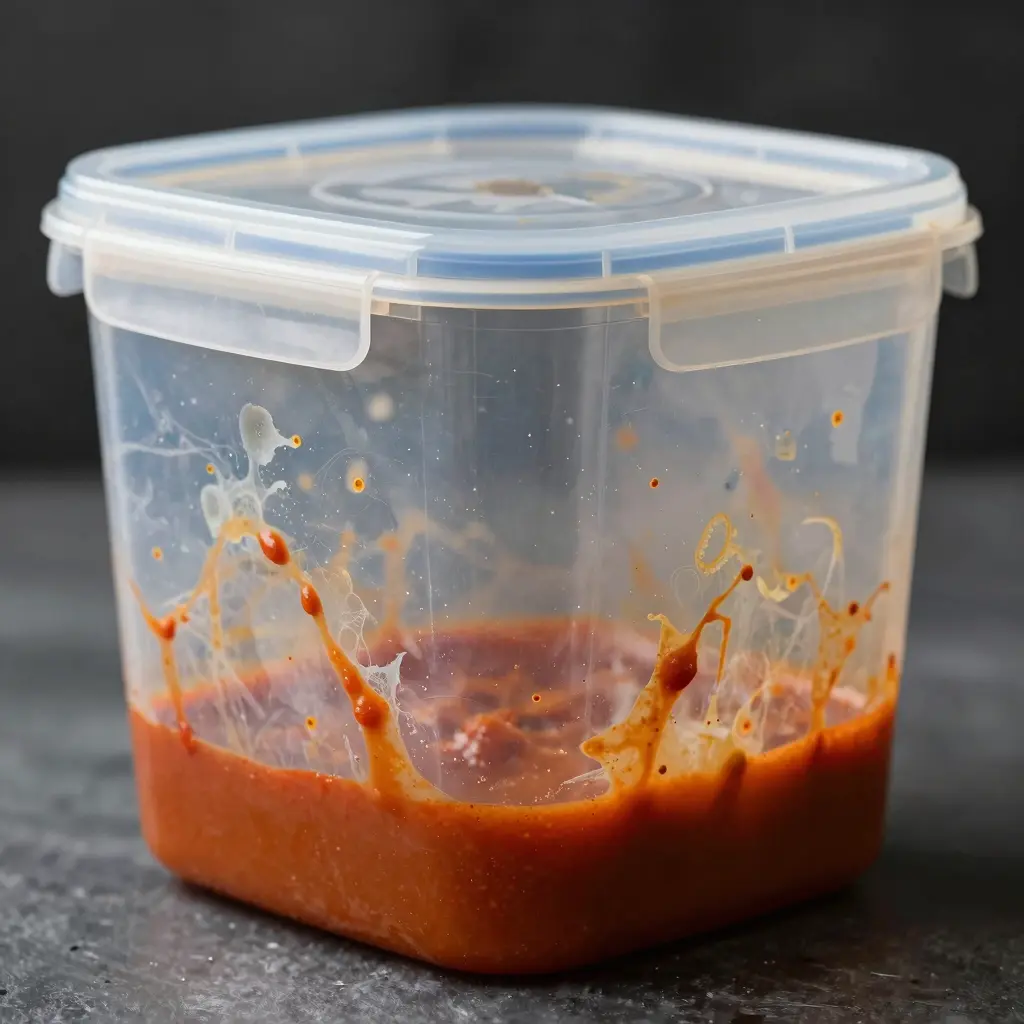
Benefits of Eco-Friendly Cleaning Materials for Food Stains in Plastic Containers
Using eco-friendly cleaning materials offers numerous benefits, particularly when it comes to ensuring safety and effectiveness in removing food stains from plastic containers. Here’s why these green alternatives are an excellent choice for businesses in the food service industry, such as bubble tea shops, restaurants, and catering services.
Safety for Human Health and Environment
-
Non-Toxic Ingredients: Eco-friendly cleaning products are primarily made from non-toxic and biodegradable ingredients. This reduces the risk of allergic reactions and accidental poisoning, making them a safer choice for food establishments that cater to children and families. According to Life Cleaning Services, these products enhance the safety of your workplace by eliminating harmful chemicals found in conventional cleaners.
-
Fresher Indoor Air Quality: By avoiding harsh chemicals, eco-friendly products contribute to better indoor air quality. They help maintain a healthier environment for staff and customers, aligning with the values of safety and well-being in the food service sector.
Effectiveness in Cleaning
-
Gentler on Surfaces: Eco-friendly cleaners are generally formulated to be less abrasive than traditional cleaners. This gentleness makes them suitable for delicate surfaces, including plastic containers, which can become discolored or damaged using harsh chemical cleaners. As per Keepers Clean USA, they effectively break down food stains without compromising the integrity of the plastic.
-
Reduce Residues: Products designed with natural ingredients often leave fewer residues compared to their chemical counterparts. This is crucial for food-related environments where cleanliness is paramount. The minimal residue helps ensure that food remains uncontaminated and safe for consumption, according to insights from Lion CCL.
Environmental Responsibility
- Sustainable Packaging: Many eco-friendly cleaning products come in recyclable or biodegradable packaging, which adds to their environmental benefits. This aligns well with sustainable practices in the food service industry, where waste reduction is a critical concern.
In conclusion, utilizing eco-friendly cleaning materials not only enhances safety for your clientele and staff but also ensures the effective cleaning of food stains from plastic containers while being environmentally responsible. As eco-conscious practices become more pivotal in the food industry, switching to green cleaning options can significantly impact your operational processes and brand reputation.
Comparison Table of Cleaning Agents for Food Stains on Plastic Containers
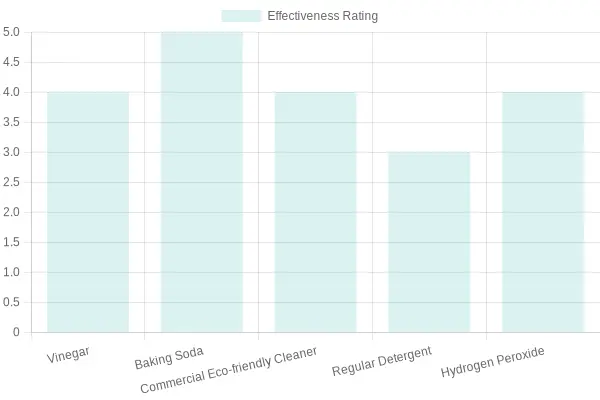
When it comes to removing stubborn food stains from plastic containers, various cleaning agents can be used. Below is a comparison of different cleaning agents, focusing on their effectiveness, eco-friendliness, and price range.
| Cleaning Agent | Effectiveness Rating (1-5) | Eco-Friendliness | Price Range |
|---|---|---|---|
| Vinegar | 4 | High | $ |
| Baking Soda | 5 | High | $ |
| Commercial Eco-friendly Cleaner | 4 | Medium | $-$$ |
| Regular Detergent | 3 | Low | $$ |
| Hydrogen Peroxide | 4 | Medium | $ |
This table presents an overview of the agents you can consider. For a more detailed approach, you can explore specific products on Green Dispo Pack.
Additionally, here’s a visual representation of their effectiveness rating:
Using eco-friendly cleaners not only helps in maintaining the cleanliness of your containers but also promotes a healthier environment. You can explore more options for eco-friendly packaging solutions at Green Dispo Pack.
Preventive Measures for Avoiding Stains in Plastic Containers
Food service businesses, such as bubble tea shops, restaurants, and catering services, often rely on plastic containers for storage and transport of food items. These containers, while useful, can become stained over time, affecting both appearance and hygiene. Here are three actionable tips to prevent staining and maintain your plastic containers:
1. Use a Barrier
Spraying a thin layer of non-stick cooking spray in your plastic containers before adding food can create a protective barrier. This is particularly effective for sauces or foods that are prone to staining, such as tomato-based sauces or colorful beverages. Moreover, this prevents food from sticking to the container, making it easier to clean afterward. For an in-depth look at related tips, check out this guide on preventing food from staining plastic containers.
2. Choose Appropriate Plastics
Not all plastics are created equal. Some types can stain more easily than others. Opt for high-quality, stain-resistant plastics when selecting containers for your food service operations. Many modern plastics offer enhanced durability and resistance to discoloration, thus prolonging the life of your containers. Regularly check the resin identification codes on your containers to ensure they’re suitable for your intended use. For safety guidelines, visit this resource on storing food safely.
3. Promptly Clean After Use
Cleaning containers right after they’ve been emptied will significantly reduce the chances of stains setting in. Use warm soapy water for immediate washing or consider using a mixture of vinegar and baking soda for tougher stains. This proactive approach is not only essential for maintaining cleanliness but also for ensuring that your containers don’t retain any strong odors or discoloration. An organized cleaning schedule can help streamline this process across your food service team.
By implementing these preventive measures, food service businesses can effectively minimize staining in their plastic containers, maintaining both visual appeal and functional utility in everyday operations. Remember, taking a few extra steps can save both time and resources in the long run!
For more insights on food service packaging, explore our paper bowl offerings.
Cleaning Efficacy Chart
Understanding the effectiveness of various cleaning methods against common food stains can greatly improve your cleaning strategies. Below is a chart that summarizes the efficacy of three popular cleaning agents-vinegar, baking soda, and commercial cleaners-when tackling different stains such as tomato sauce, curry, and grease.
| Stain Type | Vinegar | Baking Soda | Commercial Cleaners |
|---|---|---|---|
| Tomato Sauce | Medium | High | High |
| Curry | Low | Medium | High |
| Grease | High | Medium | High |
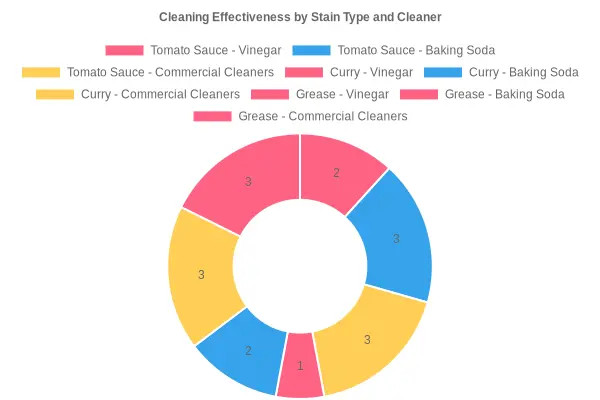
This chart provides a clear visual representation of how effective each method is against these stains, helping you choose the right cleaning strategy for your plastic containers. For more insights on removing stains effectively, check out our blog.
Effective Cleaning Techniques for Plastic Food Containers
Proper cleaning techniques are essential for maintaining the integrity and safety of plastic food containers. According to Good Housekeeping, using mild dish soap and warm water is generally the best method for removing stains and lingering odors. They state:
“Cleaning plastic food containers effectively requires the right techniques to ensure they come out fresh and stain-free, emphasizing the importance of cleaning solutions like vinegar and baking soda in tackling stubborn food residues.”
To achieve the best results:
- Soak containers in a warm soapy solution for at least 10-15 minutes.
- Scrub with a soft sponge to avoid scratching.
- For tough stains, use a paste made from baking soda and water.
Using these methods will help keep your containers clean and safe for repeated use, ensuring that your food storage solutions remain hygienic and effective. These practices are particularly important for businesses that rely heavily on maintaining food quality, such as Bubble Tea Shops and restaurants.
Conclusion
In conclusion, keeping your plastic storage containers stain-free is essential for maintaining their utility and appearance, especially in the fast-paced environments found in bubble tea shops, restaurants, food trucks, and catering services. By following the effective methods we’ve discussed-from using baking soda and vinegar to leveraging the power of sunlight-you can easily eliminate stubborn food stains without resorting to harsh chemicals. Maintaining your kitchen tools not only enhances your food presentation but also ensures that your service remains hygienic and professional.
As you consider the various aspects of your food service operations, remember that the quality of your packaging plays an equally critical role. Investing in disposable tableware and packaging solutions ensures that you uphold the highest standards of cleanliness and efficiency in your establishment. These solutions are designed with sustainability in mind, helping you minimize your environmental footprint while providing your customers with convenient and hygienic options.
Explore our extensive range of paper bowls and sustainable packaging solutions that cater specifically to your needs. Don’t just enhance how you store food-revolutionize how you serve it! Choose Green Dispo Pack for high-quality, eco-friendly tableware and packaging solutions that align with modern dining standards. Make the smart switch today and witness the difference in your operations!