
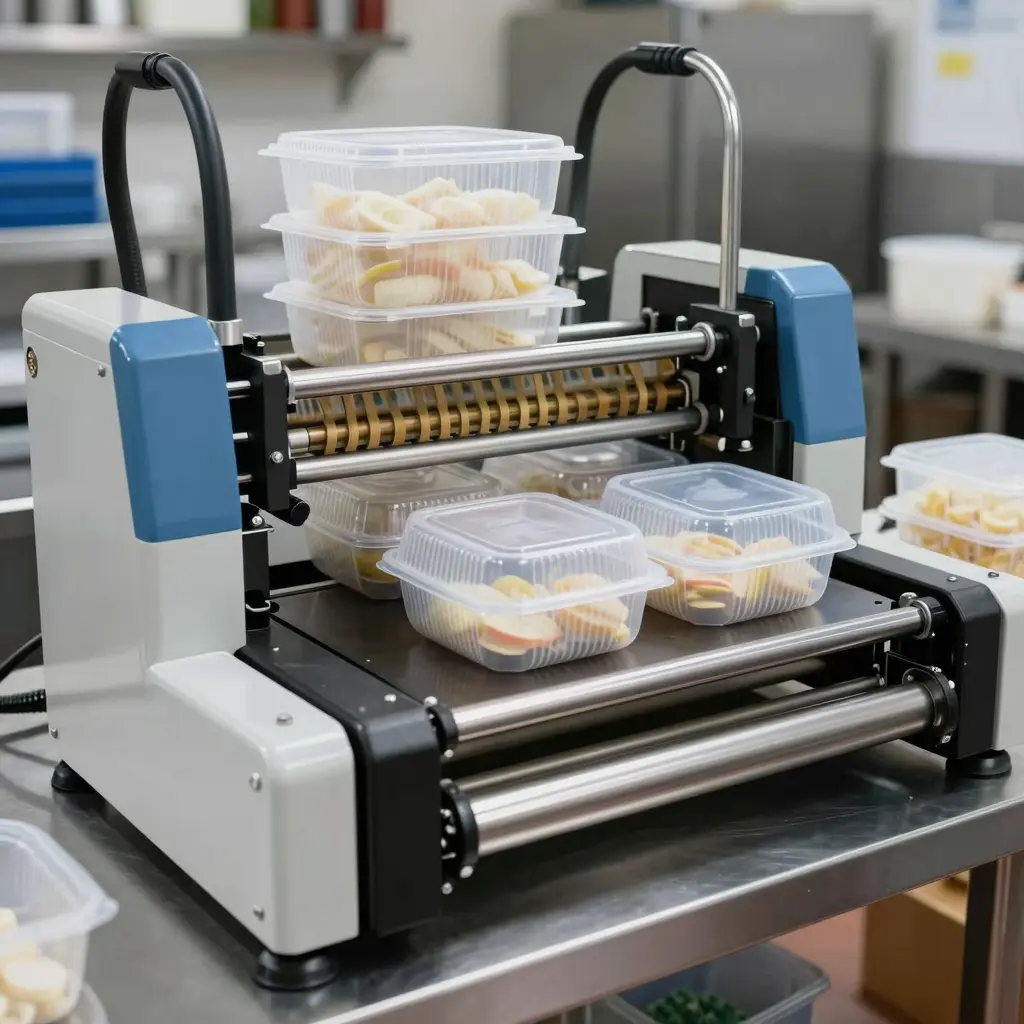
In today’s fast-paced food service and catering industry, the role of the plastic food container thermoforming machine cannot be overstated. These innovative machines are revolutionizing how businesses, from bustling restaurants to food trucks, package their offerings, thereby enhancing efficiency and sustainability. By producing durable and customizable packaging solutions, thermoforming technology meets the growing consumer demand for flexible packaging solutions that not only preserve food quality but also minimize waste.
Take, for example, a recent success story where a large meal service provider transitioned from manual production to automation, significantly boosting their output while slashing labor costs. This change not only streamlined operations but also supported sustainability goals by allowing the production of eco-friendly containers. As the food service sector evolves, investing in a reliable plastic food container thermoforming machine is essential for businesses aiming to stay competitive and responsive to consumer needs. Learn more about our sustainable packaging options here and explore how these machines can transform your operations.
Key Benefits of Thermoforming Machines
Using plastic food container thermoforming machines presents several distinct advantages, especially for target audiences like restaurants and food trucks:
- Efficiency: These machines produce containers quickly, which is crucial during peak service hours. This helps food service businesses keep pace with customer demand without sacrificing quality.
- Cost-effectiveness: By creating containers in-house, restaurants and food trucks can significantly reduce their long-term packaging costs compared to purchasing pre-made options.
- Variety in design: Thermoforming allows for customization, enabling the production of unique shapes and sizes that can enhance brand visibility.
- Improved food safety: Containers can be manufactured to meet specific safety standards, ensuring that food remains fresh and secure during transport.
- Reduced material waste: Modern thermoforming machinery utilizes precise cutting techniques, minimizing leftover material and enhancing sustainability.
For further insights on eco-friendly packaging solutions, check out our paper packaging selection.
Safety Standards in Disposable Tableware Production
The adoption of safety standards in the production of disposable tableware and packaging is vital to ensuring both consumer safety and environmental sustainability. These standards not only regulate the materials used but also ensure that manufacturing processes are safe for workers and environmentally friendly. Thermoforming machines, widely used in the production of plastic and eco-friendly alternatives, must comply with these safety norms to minimize the risks of contamination and mechanical failures. By employing certified thermoforming techniques, manufacturers can guarantee that the products remain safe for food contact and are free from harmful substances. Furthermore, integrating eco-friendly practices into these processes not only adheres to safety standards but also addresses growing consumer demands for sustainable options. As businesses like bubble tea shops, restaurants, and event planners increasingly shift towards sustainability, selecting disposable tableware that meets these standards becomes paramount. This commitment to safety and responsibility can enhance brand reputation, attract eco-conscious customers, and ultimately contribute to a healthier planet. For those looking to explore the range of eco-friendly packaging options, check out our sugarcane tableware and paper packaging options.
Comparison of Thermoforming Machines for Plastic Food Containers
To help you navigate the various options available for plastic food container thermoforming machines, we have created a comparison chart detailing their key features. This chart highlights production speed, material compatibility, and energy efficiency, ensuring you can make an informed decision that aligns with your specific business needs.
| Machine Model | Production Speed | Material Compatibility | Energy Efficiency |
|---|---|---|---|
| Three Stations Thermoforming Machine | ~30% faster than single-station models* | PP, HIPS, PS, PET, PVC | High (up to 50% energy savings with new quartz oven technology) |
| PP/PET Machine | 20 molds per minute | PP, PET | High |
| 20 Times/Min Thermoforming Machine | 1,200 units/hour | PP, PS, HIPS, PET | Integrated automation (energy-saving design) |
| Full Automatic Hot Food Container Machine | Not specified (automated process) | Not specified (typically PP, PS, PET) | Energy-efficient (designed for low energy consumption) |
*Note: “30% faster” refers to comparative speed improvement over single-station machines.
You can explore more about our paper bowl products to complement your food containers.
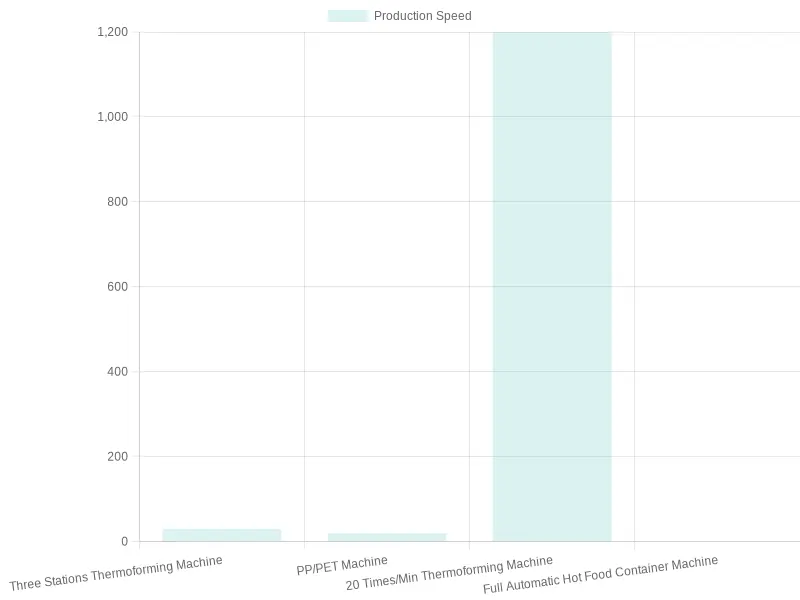
To visualize the differences in production speed among these machines, refer to the chart below:
These machines are designed to cater to the needs of a variety of industries, from bubble tea shops and catering services to restaurants and food trucks, facilitating efficient food packaging solutions.
Case Studies of Success Using Thermoforming Machines in Bubble Tea and Food Trucks
1. Bubble Tea Chain Case Study
A recent case study from the FoodService Tech Journal highlights the impressive journey of a national bubble tea franchise that adopted a fully automatic polypropylene (PP) thermoforming machine for its packaging needs. This technological shift allowed the franchise to produce custom disposable cups and lids in-house, leading to a remarkable 38% reduction in packaging costs. Additionally, the delivery lead times were significantly shortened from 14 days to under 48 hours, enhancing responsiveness to market demands. The machine, which can produce up to 45 containers per hour, also facilitated real-time customization, enabling seasonal promotions with unique cup designs. Furthermore, the improved material efficiency led to a 22% reduction in waste. Read more here.
2. Food Truck Case Study
Another compelling case study found in the Mobile Food Business Magazine details how a mobile dessert food truck in California incorporated a semi-automatic thermoforming machine into its operations. This machine, compatible with both PP and PET materials, enabled the food truck to produce custom boba drink cups and snack containers on demand. As a result, the operator was able to eliminate dependency on external suppliers and slash their single-use plastic inventory costs by 45%. The compact design of the machine perfectly suited the limited space within the truck, while its user-friendly touchscreen interface allowed for quick changes in cup sizes and styles, proving extremely beneficial during high-demand events such as festivals and farmers’ markets. Learn more here.
Conclusion
The integration of thermoforming machines into the operations of bubble tea shops and food trucks has proven advantageous, leading to significant cost savings, enhanced product customization, and improved operational efficiency. These case studies underline the value of adopting modern manufacturing technologies in the competitive food service landscape.
“The quality has been consistently excellent, and the delivery times are reliable. We’ve seen a significant increase in customer satisfaction since switching to this supplier. Their team is also very responsive when we need custom designs or urgent orders.”
- Restaurant Chain Owner, Guangzhou
This quote highlights the importance of choosing the right supplier for your disposable tableware needs. Quick and reliable service can greatly enhance customer satisfaction, especially for businesses such as bubble tea shops, restaurants, and catering services. If you’re interested in exploring high-quality disposable options, consider checking our paper bowl offerings or sugarcane tableware.
Eco-Friendly Practices in Thermoforming
In today’s environmentally conscious world, adopting eco-friendly practices is essential for businesses, particularly in the food service industry. The use of plastic food container thermoforming machines aligns seamlessly with sustainability goals by incorporating recyclable materials and minimizing waste during production. For instance, these advanced machines can utilize biodegradable materials like sugarcane bagasse and post-consumer recycled (PCR) plastics, significantly reducing plastic waste and carbon emissions. Contrary to traditional methods, modern thermoforming technologies produce food containers with up to 30% less material usage, enhancing efficiency and promoting a circular economy.
Furthermore, advancements in quality control, including AI-driven systems, ensure that defective units are minimized, thus further reducing material waste. Companies are now also implementing closed-loop systems where used containers are collected, cleaned, and reprocessed into new packaging, effectively cutting down landfill contributions by 60%. By investing in eco-friendly thermoforming solutions, businesses not only adhere to sustainability practices but also appeal to an increasingly responsible consumer base that seeks greener choices. For further insights on eco-friendly packaging, you can check our sugarcane tableware options.
Conclusion
In conclusion, the adoption of thermoforming machines in the food service industry represents a transformative step in enhancing efficiency and sustainability. These machines not only facilitate the rapid production of diverse and customizable food containers but also significantly cut down on tooling costs-by up to 70% as noted in industry reports. This cost efficiency is critical for food businesses, from bubble tea shops to large restaurants and food trucks, especially in a competitive market.
As trends evolve towards biodegradable materials and eco-friendly packaging solutions, such as sugarcane-derived products, partnering with a reliable supplier like Green Dispo Pack can ensure that your business stays ahead of the curve. With the rise of environmentally conscious consumers and stricter regulations against plastic use, businesses must adapt by choosing sustainable packaging options. Furthermore, as highlighted, the demand for disposable tableware is projected to grow, making it the perfect time to invest.
For companies looking for dependable disposable tableware and packaging solutions, Green Dispo Pack offers a range of products that’s designed to meet the needs of modern food service operations. Let’s collaborate to enhance your service offerings and reduce the environmental impact of your packaging today!
Frequently Asked Questions about Plastic Food Container Thermoforming Machines
1. What is a thermoforming machine, and how does it work?
A thermoforming machine molds plastic sheets into specific shapes using heat. The process involves heating a plastic sheet until it becomes pliable, then forming it over a mold to create items like food containers. This technology is ideal for producing a variety of containers efficiently and cost-effectively.
2. What materials can be used with thermoforming machines?
Thermoforming machines can work with several types of plastic materials, including:
- Polyethylene (PE)
- Polypropylene (PP)
- Polyethylene Terephthalate (PET)
- Polystyrene (PS)
- Polyvinyl Chloride (PVC)
These materials are commonly used for producing food-safe containers suitable for various applications in the food industry.
3. How much does a plastic thermoforming machine cost?
The price of plastic thermoforming machines varies significantly based on their capabilities and production speeds. On average, prices can range from $70,000 to over $114,000 per unit depending on the specifications and manufacturer. For instance, high-efficiency models designed for mass production can be on the higher end of the spectrum learn more about our options.
4. What are the maintenance requirements for these machines?
Maintaining a thermoforming machine is essential for optimal performance. Here are key maintenance tips:
- Daily inspections of the cooling system to prevent blockages.
- Regular lubrication of moving parts, especially guide rods and push/pull rods every 8 hours.
- Ensure that the mold temperature is maintained between 16-18°C to avoid condensation that could lead to rust.
- For long-term storage, molds should be cleaned and stored vertically with spacers to prevent deformation.
For more detailed maintenance tips, refer to guides like Plastic Machinery Experts.
5. What production capabilities should I expect from a thermoforming machine?
Production speeds can vary significantly based on the machine model but typically range from 600 to 1400 cycles per hour. The efficiency boosts productivity, making them suitable for mid- to large-scale manufacturing within bubble tea shops, restaurants, and catering services.
6. How can I choose the right thermoforming machine for my business?
Consider your production volume, the types of containers you want to produce, energy efficiency, and your budget. Additionally, you should assess whether you need customization options to match specific production requirements. For assistance with selecting a machine that fits your needs, explore our extensive range at Green Dispo Pack.