
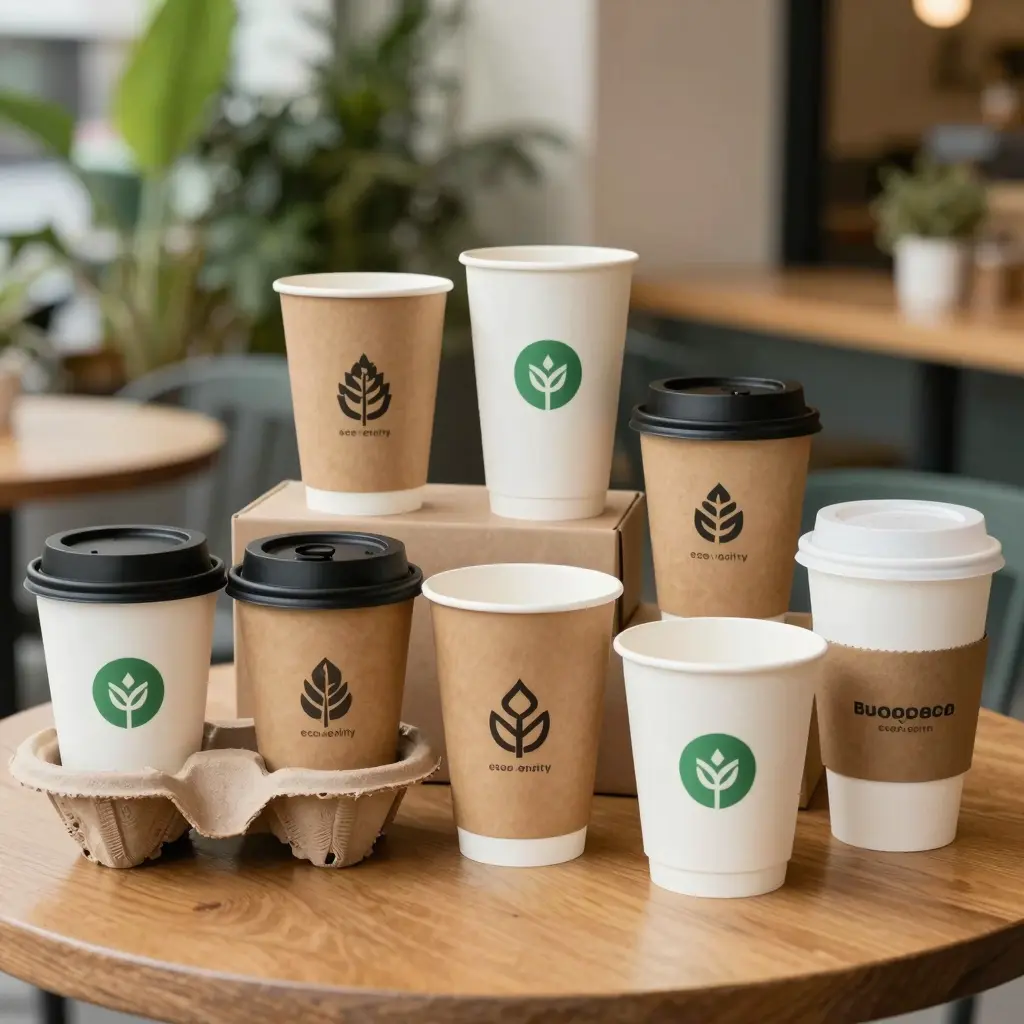
In the bustling world of modern food and beverage industries, the use of plastic disposable cups has become both essential and controversial. Businesses like bubble tea shops and catering services thrive on the convenience these items provide. However, the increasing environmental concerns surrounding plastic use have prompted discussions about sustainability and eco-friendly alternatives. As consumers become more environmentally conscious, businesses are challenged to balance convenience with responsibility. The industry is now under pressure to meet not only customer expectations but also evolving industry standards that promote reduced plastic waste. Understanding this complex landscape is vital for businesses aiming to succeed while being mindful of their environmental impact. By exploring innovations in packaging, such as those offered in our sugarcane tableware and paper cup solutions, companies can align their operations with a more sustainable future. In this way, they not only cater to the needs of their clientele but also play a pivotal role in protecting our planet.
Types of Plastics Used in Disposable Cups
When it comes to disposable cups, several types of plastics are commonly utilized, each with its unique properties, benefits, and drawbacks. Understanding these types of plastic is crucial for businesses like bubble tea shops, restaurants, and event planners, as they must consider safety, durability, and environmental impact when selecting packaging options.
1. Polyethylene Terephthalate (PET)
- Properties: PET is renowned for its high transparency, lightweight nature, and excellent strength. It boasts good chemical resistance but has low heat tolerance, which means it is not suitable for hot liquids.
- Benefits: PET cups are ideal for cold beverages, offering a perfect seal, preventing leaks, and maintaining product freshness. Additionally, they have great recycling potential; in fact, about 97.6% of PET bottles are recycled in Germany, showcasing its sustainability credentials.
- Drawbacks: A significant concern is PET’s environmental impact, as it can take anywhere from 10 to 20 years to decompose in nature. Also, PET should only be used for single-use applications to prevent safety issues with heat exposure.
2. Polylactic Acid (PLA)
- Properties: PLA is a biodegradable plastic made from renewable resources like corn starch. It is known for its clean appearance and high transparency.
- Benefits: The primary advantage of PLA is its environmental friendliness; it can decompose under industrial composting conditions, thus reducing landfill waste. It is a popular choice for eco-conscious businesses.
- Drawbacks: However, PLA is sensitive to heat and is not suitable for hot liquids, as it starts degrading at about 60°C, leading to safety risks if not handled correctly.
3. Polystyrene (PS)
- Properties: Available in both solid and foamed forms, PS is often used in fast-food containers. It is lightweight and offers good insulative properties.
- Benefits: PS cups can be cost-effective and provide decent insulation for cold drinks.
- Drawbacks: The key drawback is that PS can release harmful chemicals when exposed to high temperatures, making it unsafe for hot food or drinks. Also, it is not biodegradable and poses significant environmental challenges when disposed of improperly.
In summary, when choosing plastics for disposable cups, businesses should weigh the properties, safety, and durability of each material to select the best option for their needs. For those looking for eco-friendly choices, sugarcane tableware provides an excellent alternative that balances sustainability and performance.
Comparison of Plastic Types for Disposable Cups
When selecting the right disposable cup for your business, understanding the type of plastic used is crucial. Below is a comparison table that outlines the key differences between PET, PLA, and PS plastics-three commonly used materials in the beverage industry.
| Feature | PET (Polyethylene Terephthalate) | PLA (Polylactic Acid) | PS (Polystyrene) |
|---|---|---|---|
| Biodegradability | Not Biodegradable (persists in environment; requires mechanical recycling or energy recovery) | Requires industrial composting (degrades under high-heat, high-humidity conditions; not in home compost or natural environments) | Not Biodegradable (commonly found in landfills and oceans; can break into microplastics) |
| Safety Ratings | Generally recognized as safe (GRAS) for food contact by FDA and EFSA; widely used in beverage bottles and food packaging. No significant health risks under normal use. Certified for food-grade applications. | Approved by FDA and EFSA for food contact; biocompatible and non-toxic. However, may leach lactide at high temperatures (>60°C). Safe for short-term food storage. | Generally safe for food contact when used properly. However, concerns about styrene migration, especially with hot or fatty foods. Some studies suggest potential neurotoxicity; classified as a possible human carcinogen (IARC Group 2B). Limited certifications due to safety concerns. |
| Cost (per kg) | ~$1.80-$2.50 USD (as of Q2 2026, based on global market trends) | ~$3.00-$4.50 USD (higher due to limited production scale and feedstock costs; prices fluctuate with corn-based raw material availability) | ~$1.20-$1.80 USD (lowest among the three due to mature production and low raw material cost) |
As you can see, each type of plastic has its pros and cons. PET is known for its safety and economic advantage, making it a preferred choice for many beverage vendors. PLA offers environmentally friendly features at a higher cost, while PS is the most affordable but has significant environmental impacts.
For more about eco-friendly disposable options, check out our paper bowl selections or explore our sugarcane tableware.
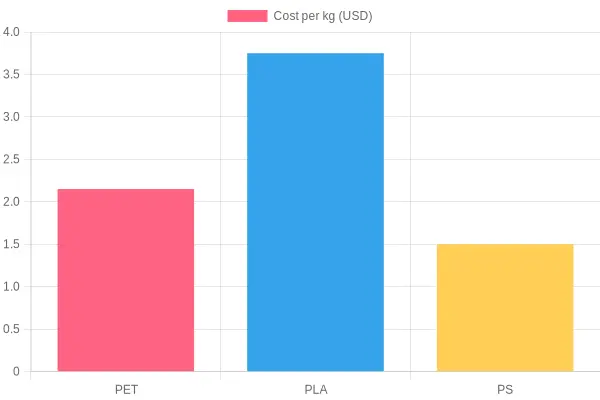
This graph visually represents the cost comparison of different plastics in the market, highlighting the cost-effectiveness of each type.
The Environmental Impact of Disposable Plastics
Disposable plastics have become an integral part of our daily lives, particularly in the food and beverage sectors, thanks to their convenience and low cost. However, this convenience comes at a significant environmental cost. The environmental impact of disposable plastics, especially in terms of plastic waste management and recycling capabilities, is profound and increasingly unsustainable.
Statistics on Plastic Waste
According to data from 2023, global plastic production has exceeded 400 million tons, with disposable items like cups and containers being a significant contributor. An alarming 20 million tons of plastic waste leaked into the environment in 2020, with projections showing that this number could rise to 30 million tons by 2040 as more plastic is produced. This is illustrated in the chart below:

Despite efforts to increase recycling rates, only 9% of plastic waste is effectively recycled. The majority of the plastics end up in landfills, incinerators, or worse, in our oceans, contributing to severe pollution and ecological harm. This situation highlights significant inefficiencies in our current waste management systems.
Recycling Capabilities
The recycling landscape is marked by significant challenges. In 2023, only 3,700 thousand tons of plastics were recycled, while 9,700 thousand tons were sent to landfills, and a staggering 8,700 thousand tons were mismanaged through burning or illegal dumping. This data can be summarized in the following table:
| Disposal Method | Volume (Thousand Tons) | Percentage (%) |
|---|---|---|
| Recycled | 3,700 | 9% |
| Energy Recovery (Incineration) | 6,400 | 19% |
| Sanitary Landfill | 9,700 | 29% |
| Mismanaged (Open burning, dumping, leakage) | 8,700 | 26% |
| Total | 30,000 | 100% |
Source:
UN Environment Programme
Weber Consulting – Global Plastic Flow Panoramic Report (2023)
Implications for Businesses
For businesses in the food and beverage industry-like bubble tea shops and catering services-the implications are significant. As consumers increasingly demand sustainability, businesses are seeking to replace disposable plastics with alternatives such as biodegradable containers and reusable options.
Adopting sustainable packaging not only aligns with environmental responsibility but can also enhance brand loyalty among consumers who prefer eco-friendly practices. Companies can choose sustainable options from Green Dispopack’s paper packaging range or sugarcane tableware.
Furthermore, transitioning to sustainable practices can open new market opportunities, allowing businesses to cater to an environmentally-conscious consumer base, which is already becoming a prominent trend.
Conclusion
The plastic waste crisis is a global challenge that requires immediate attention from both individuals and businesses. With only a small fraction of disposable plastics being recycled, the need for alternative, sustainable solutions is more pressing than ever. By understanding the environmental impact of disposable plastics and actively seeking sustainable choices, businesses not only contribute to environmental preservation but also align themselves with a future where sustainability is paramount.
Importance of Choosing Eco-Friendly Disposable Cups
With the rising concerns about environmental sustainability, choosing the right disposable cups for your business not only enhances customer satisfaction but also aligns with eco-friendly standards. As a bubble tea shop or food service provider, selecting quality disposable cups can significantly impact your brand perception and commitment to the environment.
“These cups are exactly what I needed for my wedding reception-eco-friendly, sturdy, and look great with any drink. I appreciate that they’re marketed as eco-friendly, but I wish there was more transparency about how they’re made and whether they’re truly recyclable or compostable.”
- Customer Review from Walmart about EcoQuality 10oz Clear Tumbler
This testimonial highlights the importance of both functionality and transparency in eco-friendly products. Customers today are not just looking for quality; they also want assurance that their choices contribute positively to the planet.
For a range of environmentally-responsible disposable cup options, check out our collection of paper cups which meet these ecological standards and ensure you provide a quality experience for your customers.
By making informed choices about your products, you not only serve your customers better but also uphold your responsibilities as a business towards reliable environmental practices.
When it comes to selecting disposable cups, businesses such as bubble tea shops, restaurants, and event planners should consider several key factors to make informed decisions. Here’s a prioritized list of considerations:
- Material Composition
- Polyethylene Terephthalate (PET): Ideal for cold beverages because of its clarity and recyclability. However, PET is unsuitable for hot liquids.
- Polypropylene (PP): Offers heat resistance up to 100°C, making it suitable for hot drinks but generally comes at a higher cost.
- Polystyrene (PS): These cups are low-cost but can pose environmental hazards and potential health risks due to their long decomposition times and leaching of chemicals.
-
Cost: Evaluate the price per unit while balancing quality. While cheaper options might seem appealing, they may compromise durability or environmental impact.
-
Health Standards: Ensure all cups meet local health regulations and safety standards. This is crucial for maintaining customer trust and adhering to legal requirements.
-
Branding Options: Customization can enhance brand identity. Look for suppliers that offer customizable print options on cups to promote your brand effectively.
-
Sustainability: Consider the environmental impact of your choices. Opting for recyclable or biodegradable materials can appeal to eco-conscious consumers. Explore eco-friendly packaging options here and learn about sustainable paper cups.
-
Waste Management: Assess local waste management systems and recycling capabilities to determine the best materials that align with your operational needs.
Compliance and Regulation in Disposable Cups
As the demand for disposable cups continues to rise, the importance of understanding the regulations and safety standards surrounding their use cannot be overstated. Various governmental and health organizations regulate the materials and manufacturing processes of disposable cups to ensure that they are safe for consumers. In the USA, the Food and Drug Administration (FDA) plays a significant role in establishing criteria that manufacturers must meet, focusing on food safety and the prevention of chemical migration into food and beverages. Similar regulatory bodies exist in other regions, ensuring compliance with local safety standards.
Key Safety Standards for Disposable Cups
- Material Safety: Disposable cups should be made from food-grade materials that do not leach harmful substances. For instance, products manufactured under the guidelines set forth by organizations like the FDA, EU regulations, and ISO standards are crucial. This ensures that harmful chemicals, such as BPA or phthalates, are not present in the final product.
- Hygiene Standards: The manufacturing of disposable cups must adhere to stringent hygiene protocols to prevent contamination. These regulations often dictate the cleanliness of production facilities and the sanitation of equipment used during manufacturing.
- Physical Standards: Cups must be designed to withstand heat and pressure, especially for those intended for hot beverages. Regulatory compliance can assure that cups will not deform or leak under normal usage conditions.
Impact on Purchasing Decisions
Compliance with these regulations is not just a legal requirement but also influences purchasing decisions in significant ways. Businesses, especially bubble tea shops, restaurants, and food trucks, often prioritize suppliers who adhere to these standards. When consumers are aware of safety standards, they tend to favor brands that emphasize compliance, loyalty, and transparency regarding their product sourcing.
Purchasing from compliant suppliers can also mitigate potential liabilities, such as lawsuits or recalls, which can severely impact profits and brand reputation. This shift towards compliance and safety is driving businesses to re-evaluate their sourcing criteria, leading to an increased demand for sustainable disposable products.
Explore our range of eco-friendly disposable cups that meet safety standards while supporting your commitment to sustainability.
Market Trends in the Disposable Cup Industry
The disposable cup industry is currently experiencing significant growth, with projections indicating that the global market will reach approximately $27.38 billion by 2035. This growth reflects a compound annual growth rate (CAGR) of around 5.6% from 2025 to 2035.
Key Market Insights:
- In 2024, the market value is estimated at $17.41 billion.
- In 2025, a slight decrease to $15.88 billion has been reported due to various economic factors.
- The market is expected to rebound and reach $24 billion by 2030.
Sustainability Shift:
The industry is undergoing a notable shift towards sustainable materials, with businesses increasingly favoring biodegradable and compostable options to meet rising consumer demands and regulatory pressures. This includes:
- The use of plant-based materials like PLA and sugarcane fiber.
- Innovations in paper cup manufacturing, focusing on water-resistant coatings and alternative materials to traditional plastic linings.
The chart below illustrates the market value trends and reflects the trajectory towards sustainable practices.

Source References:
- Global Disposable Cups Market Industry Report 2025-2035
- Disposable Cups Market Size, Share, Growth & Trends Analysis 2035
In conclusion, as the demand for disposable cups rises, the importance of making informed and sustainable choices cannot be overstated. The impact of plastic waste from these products is significant, affecting not just our environment but also the corporate image of businesses that continue to rely on materials that harm our planet. By choosing environmentally-friendly disposable options, businesses not only promote sustainability but can also attract eco-conscious consumers who value responsible practices.
For operators in the bubble tea, food service, and event planning sectors, the time to act is now. Transitioning to alternatives like sugarcane tableware or paper packaging solutions provides a dual advantage-reducing waste and enhancing your brand’s appeal. The right choices in disposable cups and packaging can significantly impact your operational footprint while supporting a greener future.
Don’t wait until regulations force your hand or until your customers demand change. Take initiative today! Reach out to us for tailored solutions that meet your business needs while prioritizing environmental responsibility. Let’s work together to find effective ways to implement eco-friendly practices into your operations and make a positive impact on our planet.