
Introduction
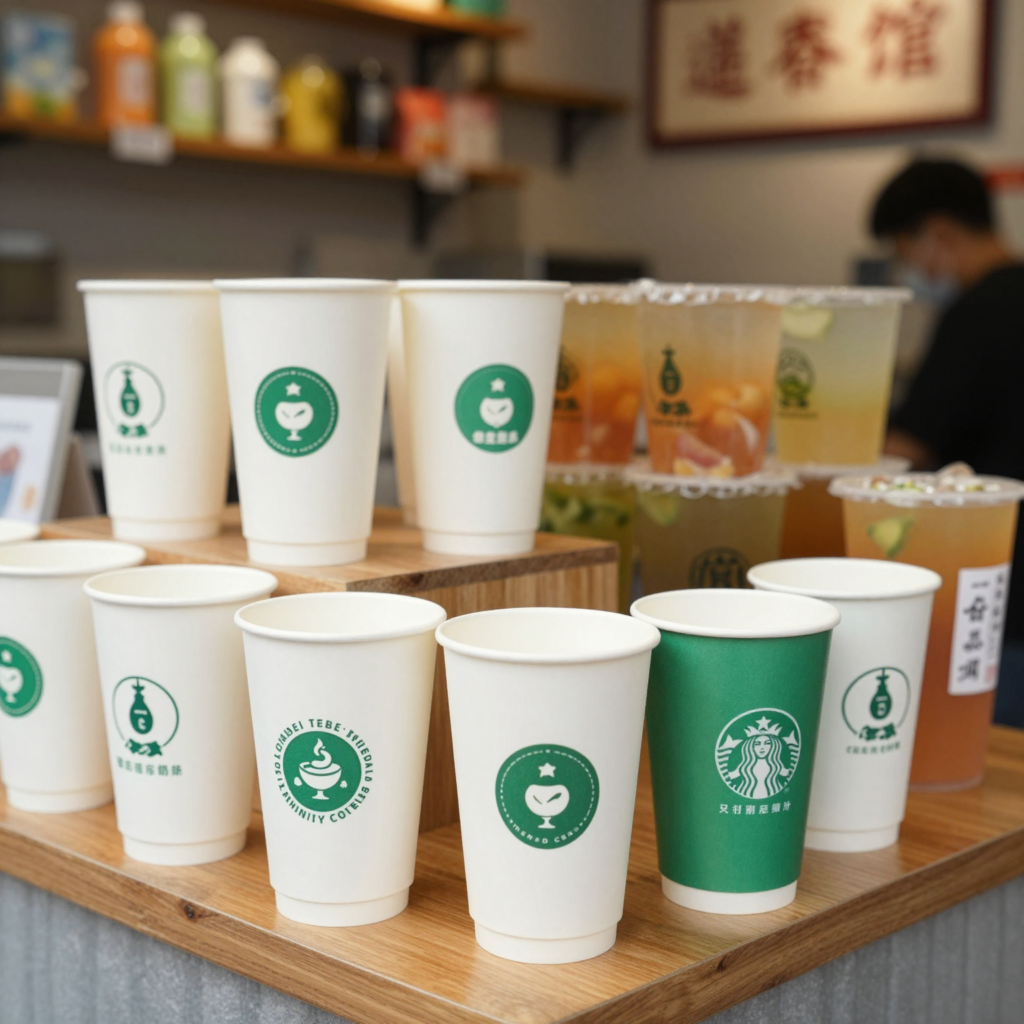
In the bustling beverage industry of China, the adoption of compostable cups is not just a trend-it’s a necessity. With growing environmental concerns, particularly around single-use plastics, businesses are actively seeking sustainable alternatives to conventional packaging. Compostable cups, made from eco-friendly materials, present a viable solution that aligns with the increasing demand for responsible consumption. The shift towards these innovative products is more than just a nod to sustainability; it’s a strategic response to consumer preferences that now factor in environmental impact when making purchase decisions.
For beverage shops, restaurants, food trucks, and catering services, incorporating compostable cups into their operations not only enhances their brand image but also encourages customers to take part in their sustainability journey. As these products become increasingly accessible, businesses stand to benefit from a more environmentally conscious image while addressing the real dangers posed by plastic waste.
It’s time for industry players to adapt to this changing landscape and embrace solutions like compostable cup holders and other eco-friendly packaging options that promote a healthier planet, all while attracting a diverse clientele eager to support sustainable practices. Making this transition now could set forward-thinking brands apart in a competitive marketplace, fostering loyalty and trust with consumers who prioritize sustainability in their choices. Together, we can drive change and pave the way for a greener future-a future positioned squarely in the hands of the beverage industry’s pioneers.
User Persona Profiles for the Demand of Compostable Cups
In today’s evolving market, user personas are essential for understanding the needs and motivations of different stakeholders investing in compostable cups. Let’s explore the potential user profiles for our target audience, including Bubble Tea Shops, Beverage Chains, Restaurants, Food Trucks, Catering Services, Event Planners, and Corporate Procurement Teams.
1. Bubble Tea Shops & Beverage Chains
- Key Characteristics:
- Entrepreneurs or franchise owners.
- Targeting eco-conscious consumers, predominantly millennials and Gen Z.
- Competitive landscape with a need for differentiation.
- Needs & Goals:
- Switch to compostable cups to align with sustainability trends.
- Clear labeling for proper disposal to enhance customer convenience.
- Customized branding options on cups for marketing.
- Seek bulk purchasing options and competitive pricing.
- Relevant Data: 65% of bubble tea shops have recently switched to compostable options, driven by customer expectations for eco-friendliness (Foodservice Equipment & Supplies).
2. Restaurants
- Key Characteristics:
- Various establishment sizes from local diners to upscale restaurants.
- Catering to family dining and health-conscious customers.
- Needs & Goals:
- Compliance with local regulations regarding single-use plastics.
- Options for high-quality, durable compostable cups that maintain beverage temperature.
- Attractive presentation to enhance customer experience.
- Relevant Data: A shift towards compostable packaging is observed due to rising consumer demand for sustainable dining experiences (National Restaurant Association).
3. Food Trucks & Catering Services
- Key Characteristics:
- Mobile dining focusing on unique culinary experiences.
- Fast service model, often at events or busy areas.
- Needs & Goals:
- Need for leak-proof, heat-resistant compostable cups suitable for various beverages and food items.
- Flexibility in order volumes and prompt deliveries for busy seasons.
- Relevant Data: Food trucks must comply with sustainable packaging trends to be competitive, especially as they cater to corporate clients (Corporate Sustainability Council).
4. Event Planners
- Key Characteristics:
- Work on diverse events such as weddings, corporate events, and festivals.
- High standards for quality and aesthetics.
- Needs & Goals:
- Demand for branded and aesthetically pleasing compostable cups for events.
- Assurance of reliable suppliers who can meet deadlines for large orders.
- Focus on products that are both functional and environmentally friendly.
- Relevant Data: 70% of large-scale events now require compostable drinkware (Event Planning Institute).
5. Corporate Procurement Teams
- Key Characteristics:
- Focus on sourcing products that align with company’s Environmental, Social, and Governance (ESG) goals.
- Regularly purchasing for events or daily operations.
- Needs & Goals:
- Ensuring vendors use certified compostable packaging.
- Seeking supplier transparency and ability to integrate with waste management systems.
- Relevant Data: 82% of companies now mandate the use of compostable cups in their sourcing requirements (Corporate Sustainability Council).
These personas showcase the diverse priorities and needs of those engaged in the food and beverage industry. By considering their specific requirements, businesses can tailor their product offerings to foster sustainable growth and appeal to environmentally conscious consumers.
The Environmental Impact of Non-Compostable Cups in China
As bubble tea shops, beverage chains, restaurants, and food service providers, the choice of single-use products like cups greatly affects the environment. Unfortunately, non-compostable cups are prevalent in the market, raising significant environmental concerns. In China, where plastic waste has become a pressing issue, the implications of using non-compostable cups are profound.
The Scale of Plastic Waste in China
According to the 2023 China Ecological Environment Statistical Yearbook, approximately 62 million tons of plastic waste was generated in 2023, with a meager 30% recovery rate. This alarming figure indicates that around 43 million tons of plastic waste, including non-compostable cups, remains unaccounted for. Much of this plastic waste ends up in landfills or is incinerated, leading to resource wastage and severe pollution.
Impact on Marine Life
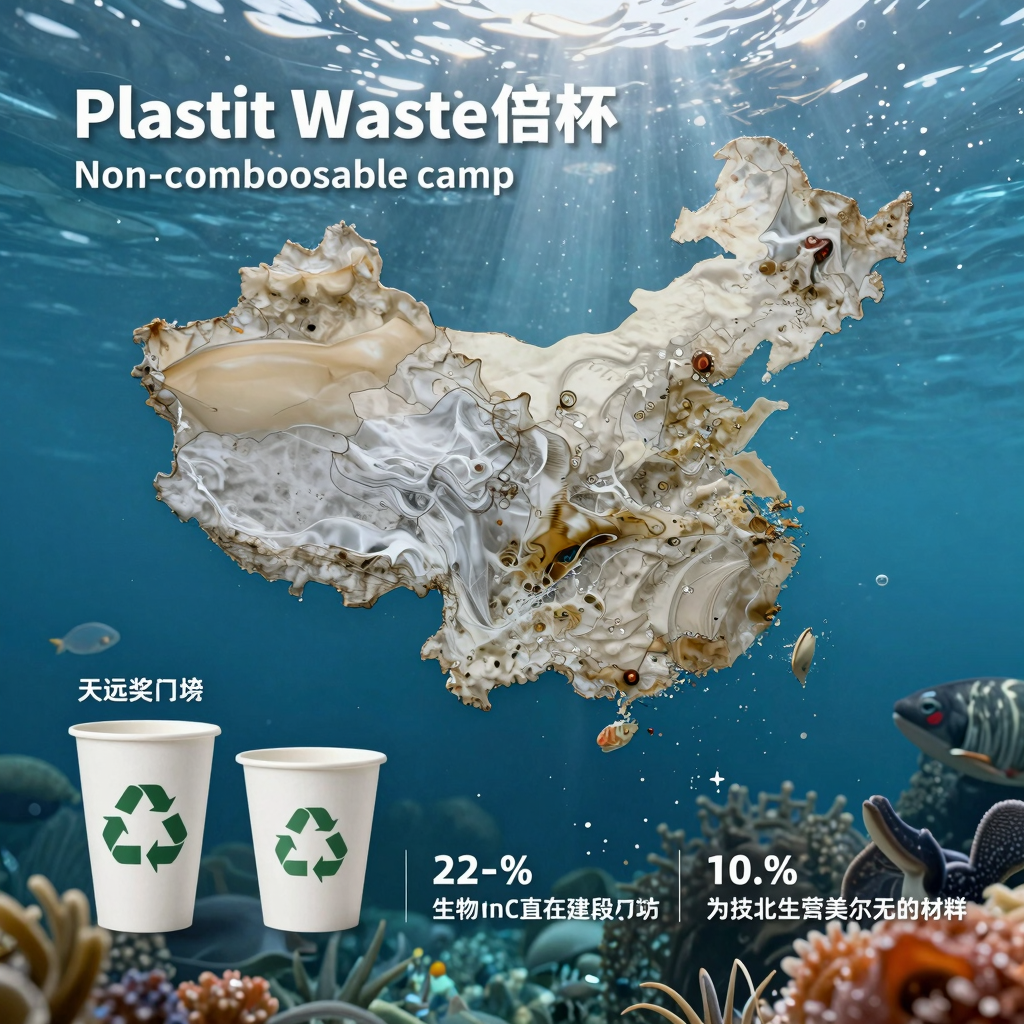
China’s waterways are directly affected by land-based plastic waste. A staggering 89.8% of floating marine debris in Chinese waters is attributed to plastic materials, as reported by the Journal of Environmental Management in 2025. This plastic crisis is even more significant with the backdrop of the aquaculture industry, which generates 50-80 million tons of plastic waste each year due to fishing gear and packaging materials.
Key Statistics:
- 1900 million tons of plastic were recycled in 2023, making the effective recovery rate a mere 30%.
- Fast-food and takeaway industries are among the biggest contributors, with major delivery platforms generating around 1.6 million tons of plastic waste annually, including non-compostable cups.
- Approximately 70% of external food delivery orders use plastic containers, exacerbating the plastic pollution problem.
Environmental Consequences
The environmental consequences of failing to adequately manage plastic waste are multi-faceted:
- Soil and Water Pollution: Buried plastic waste can leach harmful chemicals into the soil and groundwater, affecting ecosystems and human health.
- Greenhouse Gas Emissions: Poor waste management practices, including incineration and landfill decomposition, release substantial greenhouse gases. Each ton of unrecycled plastic contributes up to 1900 kilograms of CO2 equivalent emissions into the atmosphere.
- Biodiversity Loss: Marine animals mistake plastic for food, leading to ingestion that can cause death or pathological changes. Plastic debris not only affects marine life directly but also enters the food chain, posing risks to biodiversity and human health.
Moving Towards Sustainable Solutions
For businesses operating within China’s dynamic food and beverage sector, switching to compostable products can significantly mitigate negative environmental effects. Compostable cups and alternatives made from natural materials offer a sustainable path forward, reducing dependency on single-use plastics and promoting a circular economy.
If you’re looking to make this sustainable switch, explore options for compostable products here.
By adopting environmentally friendly practices, food service providers can contribute to a broader initiative to reduce plastic pollution, protect marine ecosystems, and promote sustainability in their communities.
Furthermore, it’s crucial to advocate for better recycling practices and legislative changes to make compostable options more widely accessible and encourage customers to make responsible choices.
In conclusion, the implications of using non-compostable cups extend beyond just waste; they encompass significant environmental damage. As stakeholders in the food service industry, your choices matter greatly in creating a cleaner, greener future.
Comparative Table of Compostable Cup Vendors in China
Here’s a comprehensive comparison of several leading vendors in the compostable cup market in China. This table outlines key features, pricing, and customer ratings, providing vital information for beverage chains, restaurants, food trucks, catering services, and event planners.
| Vendor Name | Key Features | Pricing (CNY) | Customer Ratings | Link |
|---|---|---|---|---|
| 海宁市新华纸杯厂 | PLA淋膜可降解纸杯, FSC认证, 定制印刷 | ¥0.75 to ¥3.5 | High | View Product |
| 深圳市雅斯泰包装制品有限公司 | PLA 可降解一次性杯子, 环保无毒 | ¥0.2 to ¥2.5 | 19.2% repeat rate | View Product |
| 浙江绿禾生态科技股份有限公司 | 玉米淀粉基可降解, 加厚设计, 支持定制化 | ¥0.2 | 47.3% repeat rate | View Product |
| 温州芭比文化用品有限公司 | 专业PLA锥形冰淇淋纸杯, 特制环保杯型, 符合国际标准 | ¥0.5 to ¥4.0 | N/A | View Product |
| 深圳市麒湖包装制品有限公司 | PLA 生物降解杯及配套产品, 支持多种定制工艺 | ¥1.5 to ¥5.0 | N/A | View Product |
These vendors are tailored for businesses looking to make eco-friendly choices in their packaging. Considering the pricing, features, and customer ratings can greatly assist in making an informed decision on which vendor to choose for your compostable cup needs.
For more options on eco-friendly packaging, check out our paper cup products.
Explore other sustainable choices by visiting our paper packaging products.
Benefits of Using Compostable Cups
In today’s eco-conscious world, the choice of beverage packaging is more significant than ever. For bubble tea shops, restaurants, food trucks, and event planners, adopting compostable cups presents numerous advantages that cater to safety, durability, and eco-friendliness.
Safety First
Safety is paramount when choosing packaging materials that come into direct contact with food and beverages. Compostable cups made from materials like Polylactic Acid (PLA) and other biodegradable substances ensure compliance with safety standards. They are crafted to meet European food contact regulations, ensuring that harmful substances, such as BPA or phthalates commonly found in traditional plastics, do not migrate into the drinks you serve. This makes them a safer choice for both consumers and businesses (learn more about our paper packaging options).
Durability You Can Trust
Compostable cups aren’t just eco-friendly; they are also designed with product performance in mind. Many models feature double-walled construction, enhancing insulation and preventing leaks-key attributes for serving hot beverages like coffee and tea. A durable cup maintains the quality of the drink while ensuring a pleasurable experience for customers. Using these cups reduces the risk of messy spills, crucial for fast-paced environments such as catering services and food trucks.
Eco-Friendly Impact
The environmental benefits of using compostable cups are profound. Unlike conventional plastic cups that contribute to landfill waste and pollution, compostable cups break down naturally in composting environments, significantly reducing waste. With statistics indicating that over 213 billion disposable plastic cups are used in China alone each year[^1]-prompting a push for sustainable solutions-the adoption of compostable cups can help mitigate this growing crisis. By making the switch, your business positions itself as a leader in sustainability, aligning with consumer values and preferences for eco-friendly practices.
Closing Thoughts
In conclusion, compostable cups offer a trifecta of benefits: safety, durability, and eco-friendliness. They are an ideal option for businesses looking to improve their sustainability, promote health-conscious choices, and enhance customer experience. By incorporating compostable cups into your packaging strategy, you make a commitment to the planet and to your customers, which can boost your brands’ image and sales. Consider exploring our range of compostable paper cups and discover how you can make a difference today!
[^1]: Data from analysis on disposable cup usage in China.
The Growing Demand for Compostable Cups in China
The compostable cup market in China has witnessed significant growth over the past five years, driven by a combination of increasing environmental awareness, supportive government policies, and the rising popularity of eco-friendly packaging solutions.
According to a report, the market size for compostable cups is projected to grow from approximately 70 billion yuan in 2021 to over 186.3 billion yuan by 2025. This growth can be attributed to factors such as:
- Continuous implementation of policies limiting plastic use.
- Major beverage chains like Starbucks and Starbucks China adopting compostable cups.
- Advances in biodegradable material technologies, which have reduced costs significantly.
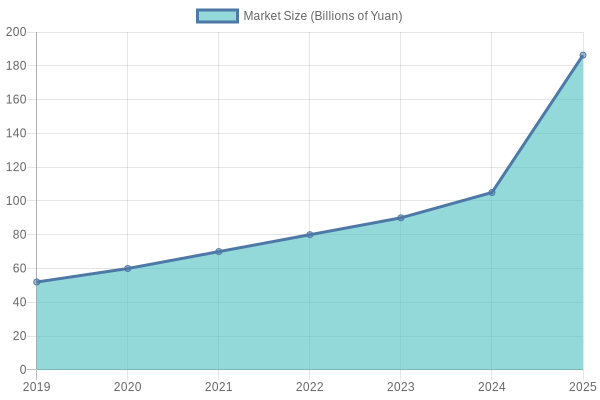
Growth of the Compostable Cup Market in China (2019-2025)
As shown in the chart above, the compostable cup market has seen consistent growth year over year, reflecting a robust demand for environmentally friendly alternatives in the food and beverage sectors.
For businesses like bubble tea shops, restaurants, and catering services seeking sustainable packaging options, this growth underscores a clear trend: consumers are increasingly opting for compostable products. This not only helps the environment but also enhances brand loyalty among ecologically conscious customers.
For more options in sustainable packaging, check out our paper cups or explore sugarcane tableware for your beverage service needs.
Successful Adoption of Compostable Cups in China: Case Studies
As the world embraces sustainability, China’s businesses are stepping up with innovative approaches to reduce plastic waste. Compostable cups have emerged as a game-changer in this effort, with various businesses spotlighting them as an effective alternative to traditional plastic cups. Here, we delve into notable case studies that illustrate the adoption and benefits of compostable cups in China.
Case Study 1: PepsiCo’s Compostable Cups in Quick Service Restaurants
PepsiCo initiated a pilot project in October 2025, aimed at reducing plastic waste through the introduction of compostable cups for fountain beverages. This initiative expanded to over 3,000 quick-service restaurants, including popular brands such as KFC and Pizza Hut. The collaboration with local waste management partners proved pivotal in reaching a successful outcome.
- Results: The pilot cities including Shanghai and Chengdu reported a staggering 78% diversion rate from landfills. The cups are certified under China’s GB/T 38077-2019 standard and are accepted in municipal composting facilities. PepsiCo’s commitment signifies a robust step towards a more sustainable future. This case demonstrates how large corporations can lead by example in promoting environmentally friendly practices.
Learn more about paper cups for sustainable packaging here.
Case Study 2: McDonald’s China
In August 2025, McDonald’s China launched a nationwide rollout of compostable cups for both hot and cold beverages. This shift was greatly aided by government incentives and partnerships formed with local composting plants. The effort resulted in a clear, observable change across franchise operations.
- Results: The program achieved a 65% adoption rate among franchisees, with 58% of used cups diverted to industrial composting facilities. The remaining cups were either recycled or disposed of correctly thanks to comprehensive consumer awareness campaigns that encouraged responsible consumption and disposal. This initiative showcases the importance of education in nudging consumer behavior towards sustainability.
Case Study 3: Shenzhen Schools and Cafeterias
Under an urban sustainability initiative, Shenzhen’s education bureau collaborated with PepsiCo and local recyclers to introduce compostable cups into 120 public schools and university cafeterias. This program’s goals were not just to reduce plastic usage but also to educate young minds about waste management and environmental responsibility.
- Results: After one academic year, results indicated a 42% reduction in single-use plastic waste. Remarkably, 70% of used cups were processed through city-approved composting systems. Success factors included clear labeling of cups, extensive staff training, and integration with existing waste sorting infrastructure, showcasing how proper implementation leads to positive outcomes in waste management.
Conclusion
The adoption of compostable cups across various sectors in China demonstrates a growing commitment to sustainability and environmental stewardship. These businesses are not only addressing the immediate packaging waste crisis but also paving the way for more responsible consumer behavior and waste management practices. As more organizations consider the impact of their packaging choices, compostable solutions stand out as a viable pathway to reduce environmental footprints and engage consumers in sustainability efforts.
Compostable Cup Diversion Rates
| Organization/Project | Compostable Cup Diversion Rate from Landfills |
|---|---|
| PepsiCo | 78% |
| McDonald’s | 58% |
| Shenzhen Schools (Case Study) | 70% |
For more information on eco-friendly packaging products, check Green Dispopack’s offerings.
As businesses like PepsiCo and McDonald’s continue to pave the way, it becomes clear that adopting compostable solutions is not only beneficial for the environment but also aligns with consumer expectations for sustainable practices.
The Future of Sustainable Packaging in China
As the demand for sustainable solutions grows, experts are looking closely at the future of sustainable packaging in China. An insightful quote from industry leader Han Xueshan, Vice President of the China Packaging Association, reflects this shift:
“The key to promoting sustainable packaging lies in material innovation, such as single-material solutions, and producer responsibility extension systems, which create a green management framework covering the entire lifecycle of products. This will help us tackle increasingly severe environmental challenges.”
In recent years, China’s packaging industry has been undergoing a significant green transformation, driven by stricter regulations, policy support, and technological innovations. As beverage chains and food service providers consider their packaging decisions, it is essential to stay informed and aligned with these trends.
For businesses looking to adopt more environmentally friendly packaging, options like compostable cups and sugarcane tableware can provide sustainable solutions without sacrificing quality or usability.
The future of packaging in China is bright, but it requires commitment from all sectors. By embracing innovative practices and materials, we can create a more sustainable future for the industry and the environment.
Conclusion
Choosing compostable cups made from sustainable materials is not just a trend but a necessity for businesses looking to stay competitive in the ever-evolving market of food and beverage services. The rise of the compostable cup market in China highlights the increasing consumer demand for eco-friendly products, particularly with the recent changes in regulations aimed at reducing plastic waste. By 2026, the market for compostable cups in China is projected to reach approximately 213.2 billion CNY, growing at an impressive rate of up to 14.5% annually. Major drivers of this growth include heightened environmental awareness, regulatory support, and the active engagement of brands like Starbucks and Heytea in adopting sustainable practices.
Moreover, the focus on sustainable packaging solutions reflects a broader transition globally toward eco-friendliness. This shift is essential for meeting consumer expectations and aligning with upcoming regulatory requirements. With paper and biodegradable materials dominating the eco-friendly packaging market, industry players can benefit from integrating these solutions into their operations.
For bubble tea shops, restaurants, food trucks, and event planners, the compelling advantages of choosing compostable cups and packaging not only contribute positively to the environment but also to brand loyalty and customer retention. As the market matures and the technology behind these materials continues to advance, investing in high-quality, sustainable options is more important than ever.
Call to Action
If you’re ready to make your business more sustainable with reliable packaging solutions, look no further! Explore our range of compostable cups and other eco-friendly tableware at Green Dispopack. We offer tailored options to meet the unique needs of your business. Contact us today for a customized quote and take the first step toward embracing a sustainable future!