
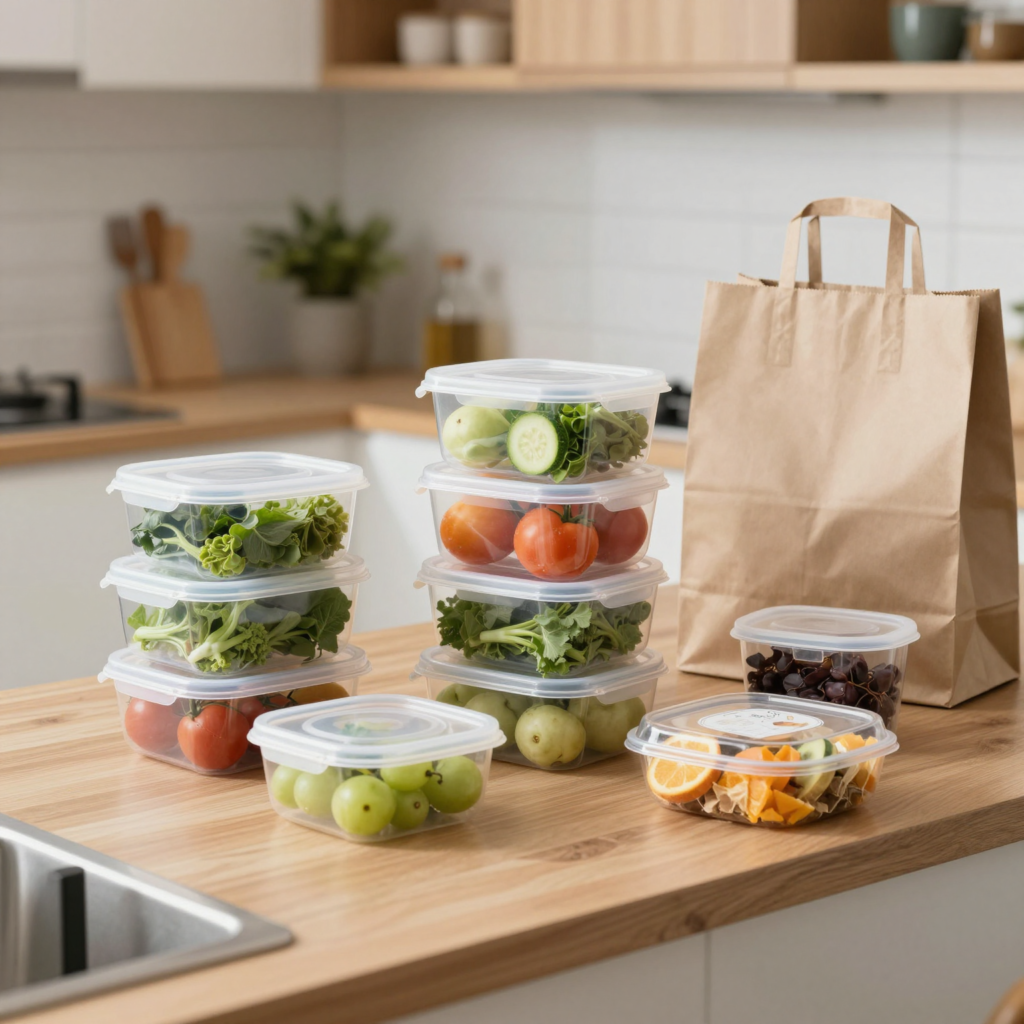
Introduction
In the fast-paced world of food service, convenience and efficiency are paramount. For businesses such as bubble tea shops, restaurants, food trucks, catering services, event planners, and corporate procurement teams, finding effective packaging solutions can often be a challenge. Enter flat plastic containers with lids, a revolutionary option that streamlines food packaging while ensuring freshness and safety. These versatile containers are not only lightweight and durable but also remarkably user-friendly, allowing for quick assembly and effortless transportation. With the prevalence of takeout and delivery services skyrocketing, these containers help businesses meet customer demands with ease and style. No longer do you have to compromise between quality and practicality; flat plastic containers strike the perfect balance, catering to a variety of culinary needs. Whether you’re serving savory dishes or sweet treats, these containers offer a reliable solution, keeping food secure, fresh, and visually appealing. Discover more about how packaging can elevate your business by exploring our paper packaging options today!
Benefits of Using Flat Plastic Containers with Lids for Food Packaging
Flat plastic containers with lids offer a multitude of benefits that cater specifically to the needs of bubble tea shops, restaurants, and catering services. Here is a friendly yet professional overview of their key advantages:
-
Durability: Made from high-quality food-grade polypropylene, these containers provide excellent resistance to impacts, ensuring your food items remain secure and intact during transit.
-
Leak-Resistant: The secure locking lids prevent spills and leaks, maintaining the integrity of your food products and enhancing customer satisfaction.
-
Space-Efficient Design: Their flat shape allows for efficient stacking, saving up to 40% more storage space compared to traditional round containers. This is particularly beneficial for high-volume operations.
-
Cost-Effective: With lightweight materials that reduce shipping costs and durability that minimizes breakage, these containers can significantly lower overall packaging expenses for food businesses.
-
Convenient Handling: They are easy to open and close, making them user-friendly for both staff and customers. The clear design also allows for quick visibility of contents, improving order accuracy.
-
Temperature Retention: Many flat plastic containers can naturally retain temperature, making them suitable for both hot and cold food items common in bubble tea and restaurant menus.
-
Sustainability Options: Increasingly, these containers are available in recyclable or compostable materials, helping businesses meet eco-friendly goals without sacrificing quality. Learn more about eco-friendly packaging options here.
For an in-depth look at specific products, you can explore our flat plastic container options.
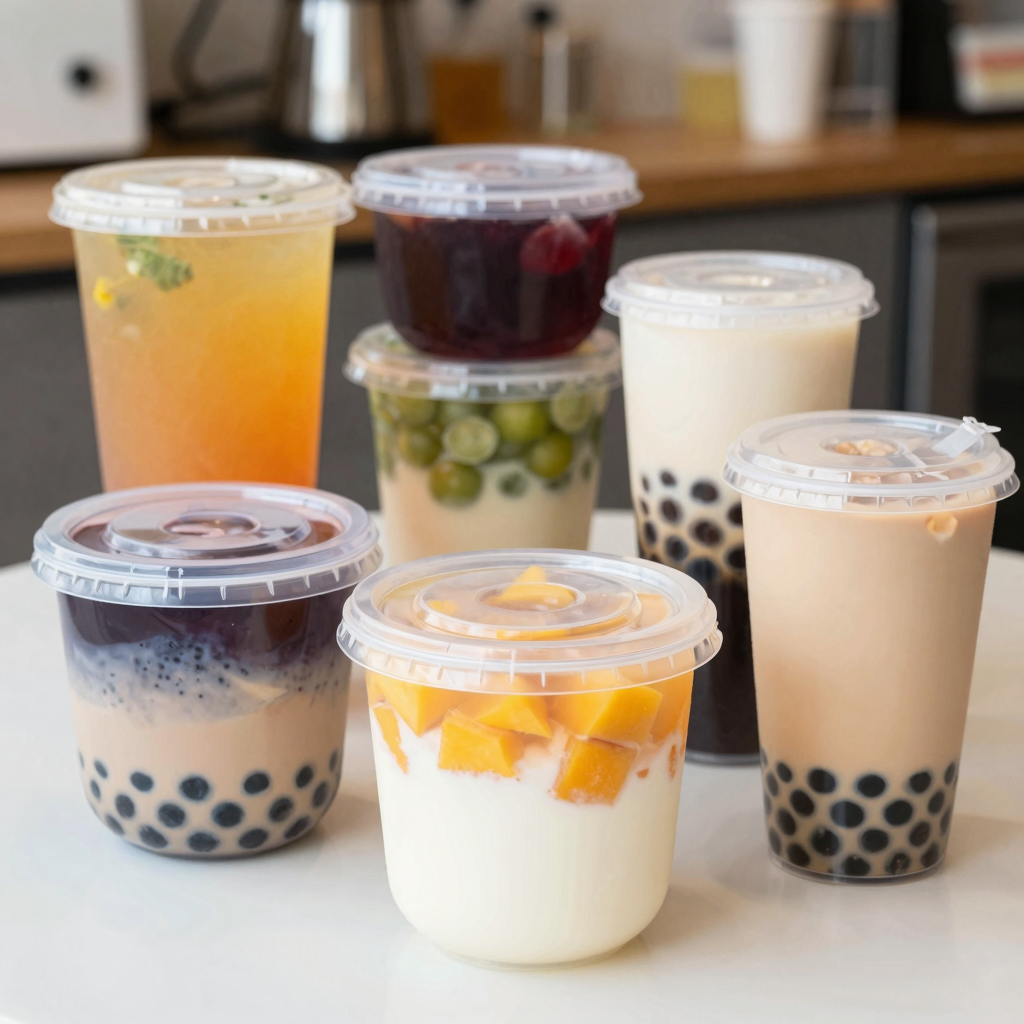
Comparing Flat Plastic Containers for Food Packaging
When it comes to food packaging, choosing the right flat plastic containers can significantly impact your business efficiency and customer satisfaction. Below is a comparison table of various types of containers that highlight their features and potential uses in the food industry.
| Material Type | Common Sizes | Lid Options | Features | Potential Uses |
|---|---|---|---|---|
| Polypropylene (PP) | 16 oz, 24 oz, 32 oz | Snap-on, Tamper-evident | Lightweight, Durable, Recyclable | Restaurants, Meal Prep, Catering |
| Polyethylene Terephthalate (PET) | 16 oz, 24 oz, 32 oz | Hinged, Snap-on | Crystal clear, Moisture-resistant | Grocery Stores, Event Catering |
| Bio-based Plastics (PLA) | 16 oz, 24 oz | Snap-on, Tamper-evident | Made from renewable resources, Compostable | Eco-friendly Brands, Organic Shops |
| High-Density Polyethylene (HDPE) | 24 oz, 32 oz | Hinged, Screw-on | Impact-strong, Chemical-resistant | Food Trucks, Delivery Services |
Key Points:
- Material Types: Each material offers unique benefits, with PP and PET being widely used due to their durability and recyclability.
- Lid Options: Different lid types enhance the usability and security of containers, crucial for maintaining food freshness.
- Features: Focus on sustainability with bio-based options aligns with growing consumer preferences for eco-friendly choices.
These containers cater to diverse needs, making them suitable for various applications across the food industry. Learn more about our range of food packaging products. For more details on eco-friendly options, check our sugarcane tableware.
Eco-Friendly Options for Food Packaging
In the ever-evolving food packaging industry, the importance of sustainability has become more paramount than ever. Conventional plastic containers pose significant environmental challenges, including pollution and degradation of ecosystems. Fortunately, innovative eco-friendly alternatives are emerging to address these issues while meeting safety standards essential for food packaging.
Biodegradable Materials
One promising category encompasses biodegradable food containers, primarily made from natural resources like sugarcane pulp, bamboo, and recycled paper. Studies have shown that containers derived from sugarcane waste can decompose in as little as 30 to 45 days, offering a rapid solution to plastic pollution (ScienceDaily). Likewise, pulp molding utilizes recycled paper to create moisture- and oil-resistant containers, ensuring safety for food contact (Pulp Molding World). These materials not only contribute to a greener planet but also comply with strict safety regulations enforced by authorities such as the FDA and the European Commission, ensuring they do not transfer harmful substances to food (FDA Food Contact Substances).
Functionality and Safety
Eco-friendly containers are designed to maintain product integrity and safety in various applications, from hot dishes to delicate items. They often undergo rigorous testing to meet safety standards, similar to their plastic counterparts, thereby assuring consumers and businesses of their reliability (Global Food Safety Initiative). As such, businesses can transition to these sustainable options without compromising on quality or safety.
Conclusion
Considering the environmental effects of plastic pollution and the evolving consumer demand for sustainable practices, transitioning to eco-friendly packaging options is not only a matter of ethical responsibility but also a market necessity. Retailers, restaurants, and food service providers must embrace these innovations to drive positive change in the food packaging sector and promote sustainability effectively.
By choosing eco-friendly solutions, industry players can not only enhance their brand image but also actively participate in fostering a healthier planet for future generations.
User Testimonials on Flat Plastic Containers
“How Flat Plastic Containers Revolutionized Food Packaging for Small Businesses” – Packaging Digest
A small organic snack brand in California improved its packaging efficiency by 40% after switching to flat, stackable plastic containers. Customers reported enhanced product freshness and clearer labels, leading to an 87% repurchase likelihood.“Flat Plastic Food Containers Boost Retailer Efficiency: Real-World Results from a Midwest Grocery Chain” – Supermarket News
A grocery chain using flat containers for salads saw a 30% reduction in waste and a 92% satisfaction rate. The professional look and airtight seals contributed to increased repeat purchases.“Higher Customer Retention Using Eco-Friendly Flat Plastic” – GreenBiz
A B2B food supplier noted a 25% rise in client retention and reported fewer complaints regarding food quality and packaging issues with their new eco-friendly containers.
Food Safety Standards for Plastic Containers
Ensuring the safety and quality of food packaging is paramount, particularly for businesses such as bubble tea shops, restaurants, and food trucks. Flat plastic containers with lids are a popular choice for these businesses, but they must comply with stringent food safety standards to protect consumer health.
One significant standard is GB 4806.7-2016, a Chinese national standard for plastic materials intended for food contact. This standard outlines requirements for total migration limits, which cannot exceed 10mg/dm², and prohibits harmful additives. This regulation ensures that no toxic substances leach into food, thereby safeguarding public health. Effective as of 2026, it mandates rigorous testing of materials against various food simulants, including water, alcohol, and acidic substances, to assess safety in real-world conditions. Learn more about compliant food packaging options here.
The importance of these food safety standards extends beyond regulatory compliance. They provide customers with confidence in the products they consume. When consumers know that food packaging meets established safety criteria, their trust in that brand strengthens. This trust can lead to increased loyalty and repeat business-a critical factor in the highly competitive food industry.
Additionally, adhering to stringent food safety certifications can enhance a business’s reputation. Customers are increasingly aware of food safety issues and expect transparency regarding the materials and processes involved in their meals. Businesses that prioritize safety standards demonstrate a commitment to quality and health, differentiating themselves from competitors who may not meet these standards.
In summary, flat plastic containers must comply with rigorous food safety standards to ensure food quality and protect consumer health. By investing in certified packaging solutions, businesses not only adhere to regulations but also build trust and loyalty among their customers. Properly certified containers thus serve as both a quality guarantee and a marketing advantage.
Market Trends in Food Packaging: Demand for Flat Plastic Containers
The demand for flat plastic containers in the food and beverage industry is experiencing significant growth, driven by various market trends.
Rising Demand for Flat Plastic Containers
According to recent data, the global market for flat plastic food containers is projected to reach approximately $395 billion by 2026, exhibiting a compound annual growth rate (CAGR) of over 4.5%. This growth trend is influenced by a combination of factors:
- Rise of Food Delivery Services: The surge in online food ordering has increased the need for durable and leak-proof containers that maintain food integrity during transit.
- Trend Towards Sustainable Packaging: Consumers are increasingly favoring recyclable and biodegradable materials, prompting manufacturers to innovate.
- Growing Preference for Reusable Containers: Flat plastic containers designed for meal prep and storage have become popular, catering to consumers’ need for convenience.
Market Value Trends
Here is a detailed overview of the projected market value trends for flat plastic containers from 2021 to 2026:
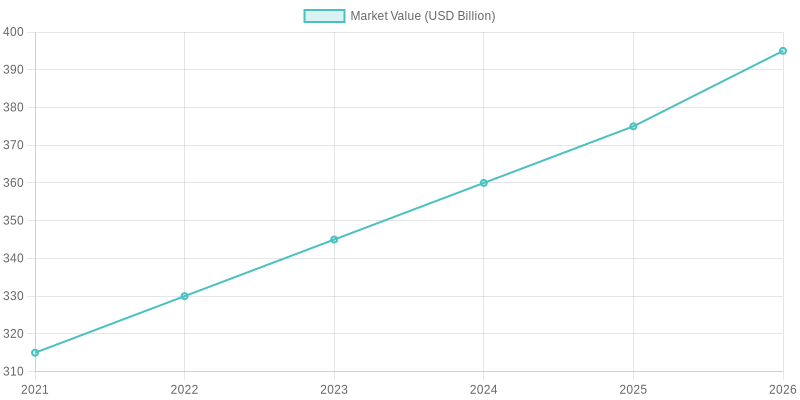
| Year | Market Value (USD Billion) |
|---|---|
| 2021 | 315 |
| 2022 | 330 |
| 2023 | 345 |
| 2024 | 360 |
| 2025 | 375 |
| 2026 | 395 |
These trends reflect the increasing emphasis on both functionality and sustainability in the food packaging sector. To explore more about our food packaging solutions, check our range of paper bowls and sugarcane food containers.
Conclusion
In conclusion, flat plastic containers with lids present numerous advantages for food packaging, making them an ideal choice for various businesses in the food and beverage industry. Their lightweight, stackable design not only optimizes storage space but also enhances convenience for your customers. The secure sealing capability of these containers ensures that food remains fresh and appealing, reducing the risk of spillage or contamination. Additionally, many flat plastic options available today are made from recyclable materials, aligning with sustainability goals that are becoming increasingly important in our industry.
By choosing flat plastic containers from Green Dispo Pack, you’re investing in quality, convenience, and responsible packaging solutions that cater to your specific needs, whether you’re running a bubble tea shop, a food truck, or a catering service. Don’t miss out on the opportunity to elevate your food presentation and customer satisfaction. Explore our range of flat plastic containers today and transform the way you package food!
FAQs About Flat Plastic Containers in Food Packaging
1. What are flat plastic containers used for in food packaging?
Flat plastic containers are widely utilized for storing, transporting, and serving a variety of food items. Their design is particularly effective for items like salads, sushi, and grab-and-go meals, making them popular in restaurants, food trucks, and catering services.
2. Are flat plastic containers safe for food storage?
Yes, flat plastic containers are made from food-grade materials such as polypropylene (PP) and polyethylene (PE), ensuring they meet FDA standards for food safety. They are designed to minimize contamination and preserve food quality.
3. How do flat plastic containers help in food preservation?
These containers are excellent barriers against moisture, oxygen, and light, which helps in maintaining the freshness of food for a longer duration. Their airtight seals also prevent spills and spoilage during transportation.
4. Can flat plastic containers be recycled?
Many flat plastic containers are made from recyclable materials like PET or HDPE. You can support sustainability efforts by recycling them properly. Check local guidelines for recycling practices.
5. Where can I buy flat plastic containers for my business?
You can explore various options at Green Dispo Pack’s product category for a selection of quality flat plastic containers and other packaging solutions.