
Introduction
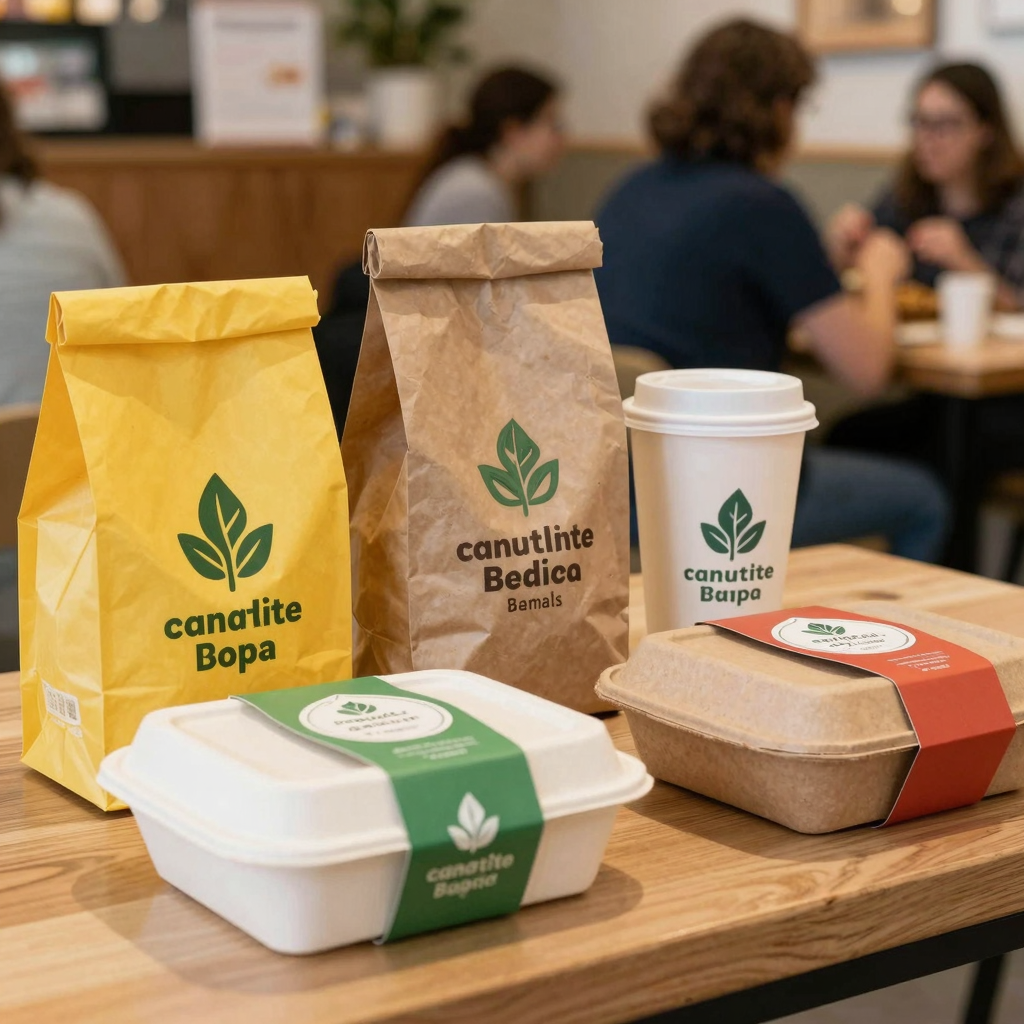
In today’s eco-conscious society, the demand for sustainable solutions has surged, making recycled paper packaging products more relevant than ever. For bubble tea shops, restaurants, and event planners, adopting eco-friendly packaging is not just about compliance but about setting a standard for environmental responsibility. Choosing recycled paper packaging helps to significantly reduce plastic waste, contributes to resource conservation, and supports a circular economy. Moreover, these products are often more appealing to consumers who are increasingly making choices based on environmental impact. As businesses strive to meet the expectations of a growing base of sustainable consumers, implementing recycled packaging options becomes a crucial strategy. Learn more about eco-friendly packaging options that can cater to your customers’ tastes while also protecting our planet.
Benefits of Using Recycled Paper Packaging Products
Recycled paper packaging products provide numerous advantages that impact both the environment and business sustainability. Here’s a friendly yet professional breakdown of these benefits:
- Reduced Environmental Impact: By opting for recycled paper, businesses contribute to less deforestation as the demand for virgin wood pulp decreases. It requires up to 60% less energy to produce compared to virgin paper, resulting in lower greenhouse gas emissions.
- Lower Pollution Generation: The production process of recycled paper generates significantly less water and air pollution, making it a cleaner alternative for the environment.
- Waste Diversion: Utilizing recycled materials helps divert waste from landfills, promoting a circular economy and minimizing the environmental footprint of packaging materials.
- Biodegradable and Recyclable: Recycled paper packaging is fully biodegradable and recyclable, meaning it can return to the earth without leaving harmful residues, further supporting sustainability efforts.
- Enhanced Brand Image: Businesses can improve their brand image by showcasing their commitment to sustainability. This resonates well with consumers who are increasingly demanding eco-friendly products.
- Cost-Effective: Recycled paper packaging can often be more cost-effective than conventional options, allowing businesses to save money while also contributing positively to the environment.
Using recycled paper packaging products not only promotes environmental sustainability but also aligns with growing consumer expectations for responsible and ethical business practices. Learn more about eco-friendly packaging options or explore custom plastic forming machines to further enhance your sustainability initiatives!
Eco-Friendly Practices in Manufacturing Recycled Paper Packaging
In today’s environmentally conscious marketplace, using recycled paper packaging is not only beneficial for the planet, but it’s also a smart business strategy. Eco-friendly practices in this sector focus on sustainable sourcing, minimizing waste, and using technology that reduces the carbon footprint of production.
The Process of Manufacturing Recycled Paper Packaging
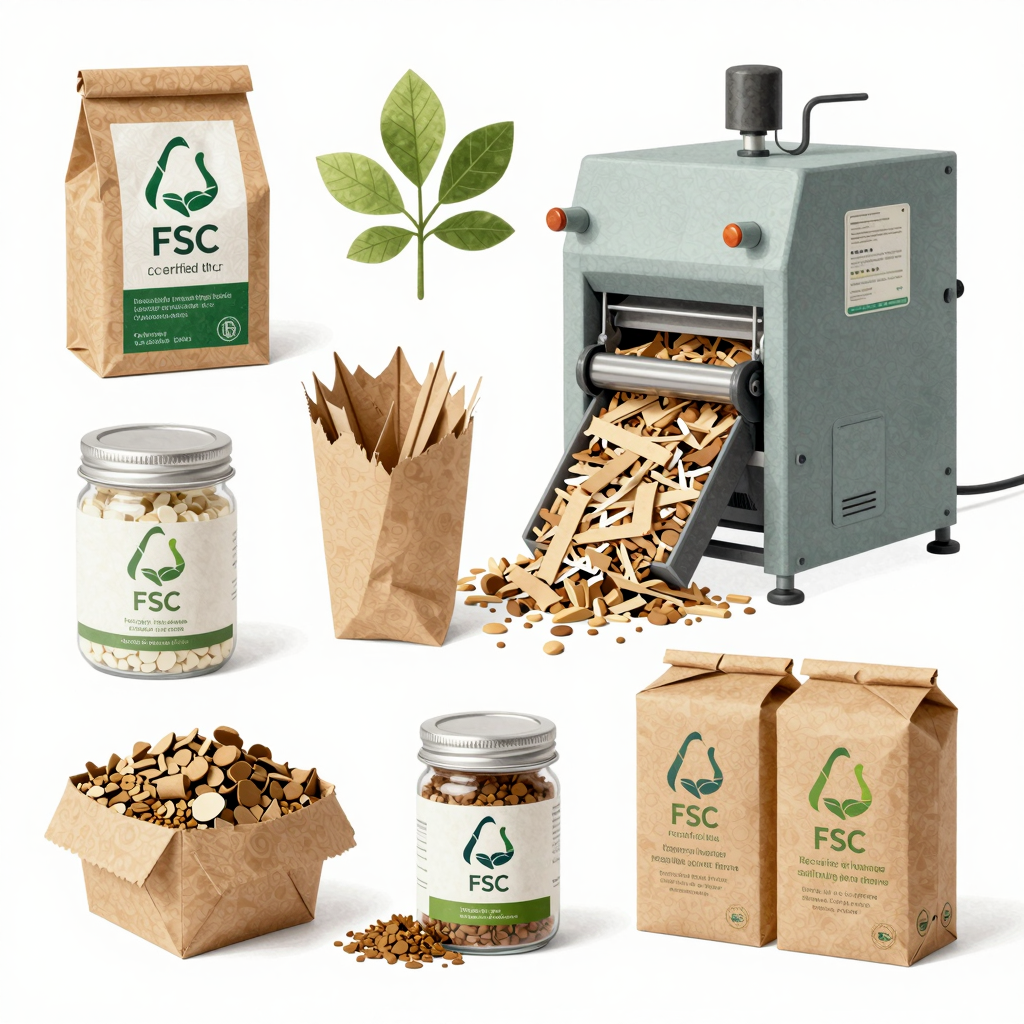
The process begins with sourcing raw materials, mainly consisting of 100% recycled paper, which can include waste from newspapers, magazines, cardboard, and office paper. Manufacturers often seek materials with an FSC certification, ensuring the paper is derived from responsibly managed forests. This step is crucial as it promotes sustainable forestry practices.
Once the recycled paper is sourced, it undergoes several processing steps:
- Collection and Sorting: Recyclables are collected and sorted to remove contaminants such as plastics or metals.
- Pulping: The sorted paper is then pulped, a process that breaks down the paper fibers. Chemicals and water are used here, but manufacturers are now leaning towards using environmentally friendly additives, like chitosan, which not only enhance the packaging’s strength and barrier properties but also improve biodegradability.
- Forming: Once pulped, the paper is transformed into various types of packaging, such as boxes, bags, or cups. Here, the design is critical, as innovative styles can promote durability while being environmentally friendly. The use of techniques like magnetic closures and sliding drawer designs can further enhance user experience while maintaining sustainability.
Materials Used
The materials for eco-friendly recycled paper packaging are specifically chosen to ensure both functionality and sustainability:
- FSC Certified Paper: As mentioned, this paper supports responsible forestry.
- Natural Additives: By incorporating natural additives like chitosan, manufacturers can enhance protective qualities without relying on harmful chemicals.
- 100% Recyclable Structures: All components used in the packaging are designed to be recycled again after use.
These practices not only lead to high-quality packaging solutions but also help businesses meet both regulatory requirements and consumer demands for sustainability.
Industry Trends and Market Growth
The recycled paper packaging market is thriving, with a forecasted growth rate of approximately 6.0% from 2026 to 2033. In 2023, the market share of recycled paper materials reached an impressive 63%, illustrating the significant shift towards eco-friendly options in packaging. Learn more about the growth of recycled paper packaging by checking the latest insights.
Conclusion
Implementing eco-friendly practices in the manufacturing of recycled paper packaging not only aligns with global sustainability goals but also enhances brand reputation and customer loyalty. Companies like yours can capitalize on this trend by embracing sustainable packaging solutions, ensuring they remain competitive while contributing positively to the environment.
Comparison Table of Recycled Paper Packaging Products
| Product Type | Features | Sizes Available | Suitable Applications |
|---|---|---|---|
| Craft Paper Box | – Lightweight, biodegradable | Custom sizes available | Retail, food, gifts; not water-resistant |
| Recyclable Paper Box | – Customizable, sturdy, laminated cardboard | Shape and size options | Skincare, cosmetics, perfumes, gifts |
| Corrugated Shipping Boxes | – Durable, eco-friendly | Standard sizes | Shipping, retail, large item storage |
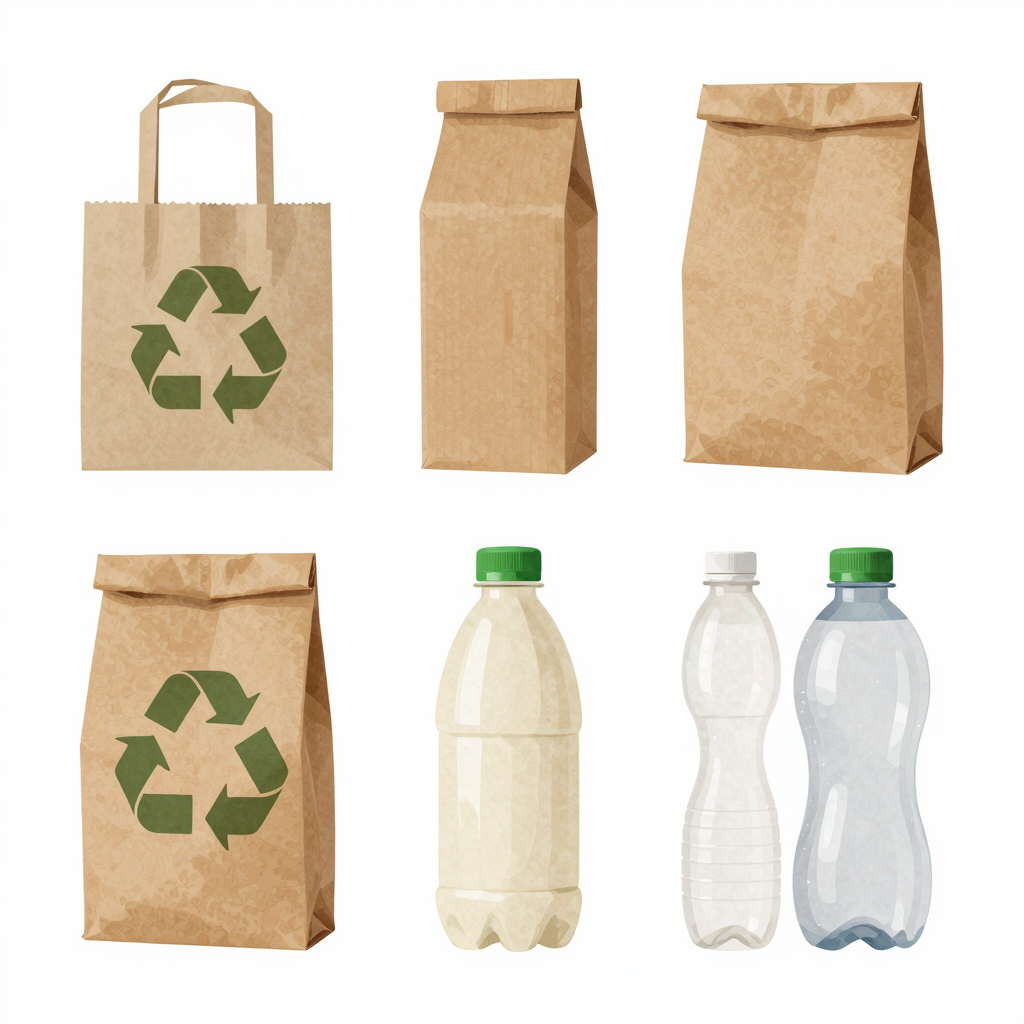
| Kraft Paper Bags | – Reusable, recyclable | Various sizes (small to large) | Takeaway, catering, events |
| Paper Cushioning Material | – Soft, protective | Rolls or sheets | Packaging fragile items, shipping |
| Compostable Paper Cups | – Suitable for hot and cold beverages | Standard cup sizes | Beverage service at events, food trucks |
Key Highlights
- Craft Paper Box: Ideal for shops wanting eco-friendly branding, suitable for gift packaging but not for wet items.
- Recyclable Paper Box: Great for premium products, customizable with logos, perfect for luxury gift items.
- Corrugated Shipping Boxes: Widely adopted by large retailers for shipping due to their durability.
This table provides useful insights for businesses considering various eco-friendly options as they strive for sustainability in packaging. For a deeper understanding of specific packaging solutions, you can learn more about recycled paper options or explore sustainable takeaway solutions.
Case Studies: Successful Implementation of Recycled Paper Packaging in Bubble Tea Shops
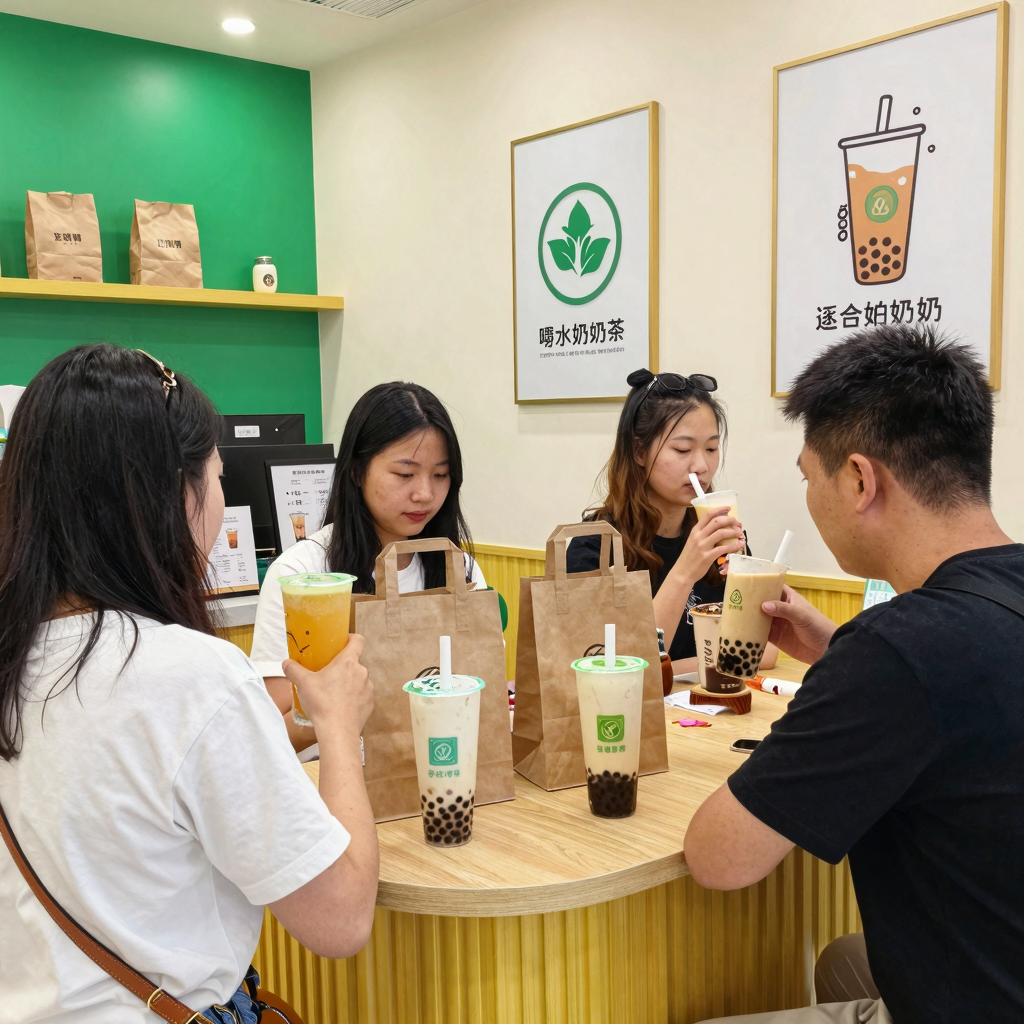
As sustainable practices gain momentum in the food and beverage industry, many bubble tea shops are leading the way by adopting recycled paper packaging. Here are some inspiring mini case studies highlighting their efforts and the positive outcomes that followed.
1. Kung Fu Tea’s Sustainable Packaging Initiative
Kung Fu Tea, a major U.S.-based bubble tea chain, launched a comprehensive sustainability program in 2023. This initiative involved replacing all single-use plastic straws and lids with compostable alternatives made from recycled paper. Each cup features a unique ‘Green Leaf’ certification label to verify the use of post-consumer recycled materials.
Outcome: Within the first year, Kung Fu Tea reported a 78% reduction in plastic waste across its 150 locations. Customer feedback was overwhelmingly positive, with 65% of surveyed customers stating they would return more often to stores using sustainable packaging, reinforcing the idea that eco-conscious choices attract loyal clientele.
2. Lush Teahouse: Zero-Waste Packaging
Lush Teahouse, a boutique bubble tea shop in Portland, Oregon, has set a stellar example of sustainability. The shop created a closed-loop packaging system with 100% post-consumer recycled paper for cups and sleeves. Their initiative not only involved creating innovative packaging but also included a loyalty rewards program encouraging customers to return used packaging for reuse.
Outcome: This program drastically reduced landfill waste by 95%, significantly improving their brand image. Additionally, within six months, Lush Teahouse experienced a 30% increase in repeat customers, showcasing how environmentally friendly practices can lead to customer retention.
3. An Eco-Friendly Approach in Taipei
A bubble tea chain in Taipei adopted a life-cycle assessment approach to design their eco-packaging. They shifted to biodegradable, single-wall paper cups made from locally sourced recycled pulp, undertaking extensive research to balance performance with sustainability.
Outcome: The implementation of this eco-friendly packaging approach resulted in a remarkable 60% reduction in the carbon footprint per cup. Customers were pleased with the taste and thermal properties of the beverages served in the new cups, proving that sustainable packaging doesn’t compromise quality.
The Benefits of Transitioning to Recycled Paper Packaging
These case studies illustrate that the adoption of recycled paper packaging not only supports environmental sustainability but also enhances customer loyalty and overall business growth. By investing in eco-friendly practices, bubble tea shops can tap into a market increasingly driven by sustainability.
For more information on sustainable packaging options, check out our recycled kraft paper packaging and best compostable paper cups.
“Utilizing recycled paper packaging has been a game changer for our business. Not only do we enhance our brand image, but we also contribute positively to the environment. Our customers appreciate knowing that we care about sustainable practices, and it truly reflects in their loyalty to us.
- Sarah Green, Owner of Eco-Friendly Café”
Compliance and Safety Standards for Recycled Paper Packaging
In the food industry, ensuring compliance with safety and quality standards is paramount, especially when using packaging solutions like recycled paper. Recycled paper packaging products are subjected to strict regulations to guarantee they meet necessary safety criteria before reaching consumers. Here’s an in-depth look at the compliance and safety standards that these products adhere to:
Key Compliance Standards
- FDA Compliance (USA): In the United States, the Food and Drug Administration (FDA) closely regulates food packaging materials. Products made from recycled paper must comply with the FDA’s guidelines to avoid any contamination of food. The FDA emphasizes that materials used for food contact must be safe and properly labeled to inform consumers of their safety. This guidance also covers any potential harmful substances that may leach into food from the packaging.
- Global Harmonization: The Joint FAO/WHO Food Standards Programme works toward establishing globally harmonized standards for food contact materials. These standards facilitate international trade while ensuring that safety and quality are not compromised. The goal is to enforce stringent guidelines that cover various aspects of recycled materials used in food packaging.
Safety Standards
-
Chemical Safety: Recycled paper food packaging must undergo rigorous testing to ensure it does not contain harmful chemicals. For instance, the European Council Standard stipulates that various tests must be conducted to assess exposure to substances that could potentially migrate from the packaging to the food itself. These tests analyze factors such as chemical composition and physical attributes to ensure safety.
-
Material Requirements: In countries like China, the National Food Safety Standard for paper and paperboard restricts the use of hazardous materials to ensure that products made from recycled paper provide safe contact with food. Changes in these standards occur periodically to adapt to new research findings and technological advancements in material safety.
- For instance, the GB 4806.8-2022 standard in China specifies the conditions under which recycled paper can be used for food-related products, restricting certain materials that may pose health risks.
- Temperature Resistance: Recycled paper packaging is also evaluated for high-temperature stability, ensuring it can safely hold hot items without degrading. Guidelines are established to clarify the maximum temperature limits that these materials can withstand, further emphasizing their reliability in food service applications.
Overall, the framing of compliance and safety standards surrounding recycled paper packaging not only reflects a commitment to consumer safety but also underscores the packaging’s reliability for businesses, especially in the food service sector. Adhering to these standards ensures that businesses can confidently use recycled paper packaging without worrying about product safety.
By choosing compliant materials, businesses enhance their product offerings while supporting sustainable practices, a crucial factor for today’s environmentally-conscious consumers.
User Adoption Trends of Recycled Paper Packaging
In recent years, the food service industry has seen a significant shift towards sustainable practices, particularly in the adoption of recycled paper packaging. This trend aligns with growing consumer demands for environmentally friendly options, leading to better engagement and brand loyalty, especially among younger demographics.
The following chart illustrates the user adoption trends of recycled paper packaging among various food service sectors, such as restaurants and food trucks, over the past few years:
This data highlights the gradual increase in adoption rates, reflecting an industry-wide commitment to sustainability and eco-friendly practices. By prioritizing recycled materials, businesses not only meet regulatory requirements but also cater to customer preferences for low-carbon materials.
For more information on eco-friendly packaging solutions, you can read more about recycled kraft paper packaging or check out our compostable paper cups.
Conclusion
As the demand for eco-friendly products continues to rise, businesses in the food and beverage industry must start considering recycled paper packaging products. Not only do these materials significantly reduce environmental impact by lowering carbon emissions and conserving natural resources, but they also appeal to an increasingly eco-conscious consumer base-85% of consumers report that sustainable packaging influences their purchasing decisions. Brands like Starbucks and McDonald’s have set notable examples by transitioning to 100% recycled paper products, demonstrating that sustainability can go hand-in-hand with quality and efficiency.
Investing in recycled paper packaging can enhance your brand reputation, foster customer loyalty, and ensure compliance with ever-tightening environmental regulations. The global market for recycled paper packaging is projected to expand at a CAGR of 7% through 2033, signaling a massive economic opportunity for forward-thinking businesses.
Now is the time to embrace sustainability and make the switch to recycled paper packaging. Contact us today at Green Dispo Pack for a tailored quote and take your first step towards a greener future.