

The Significance of Compostable Paper Coffee Cups in Palo Alto
In the tech-savvy and environmentally conscious community of Palo Alto, the drive towards sustainability is not just a trend; it’s a lifestyle choice that resonates with both consumers and businesses alike. Imagine walking into your favorite coffee shop, greeted by not just the aroma of freshly brewed coffee, but also by the sight of compostable paper coffee cups being lovingly used by patrons. This small yet significant change symbolizes a commitment to protecting the planet. As climate change looms, businesses are pressured to adopt greener practices, and using compost paper coffee cups in Palo Alto stands out as a practical solution with immense environmental benefits.
These cups, designed to break down naturally, substantially reduce the amount of waste that ends up in landfills, offering a sustainable alternative to traditional plastic and styrofoam cups. By choosing compostable options, local businesses can not only enhance their brand image but also attract eco-conscious consumers who are more likely to support establishments that prioritize sustainability. Furthermore, such choices are in line with Palo Alto’s initiatives for waste reduction and community engagement in environmental practices. In this discussion, we will explore how compostable paper cups can revolutionize the beverage industry in Palo Alto, benefiting businesses and the environment while engaging together in sustainable practices.
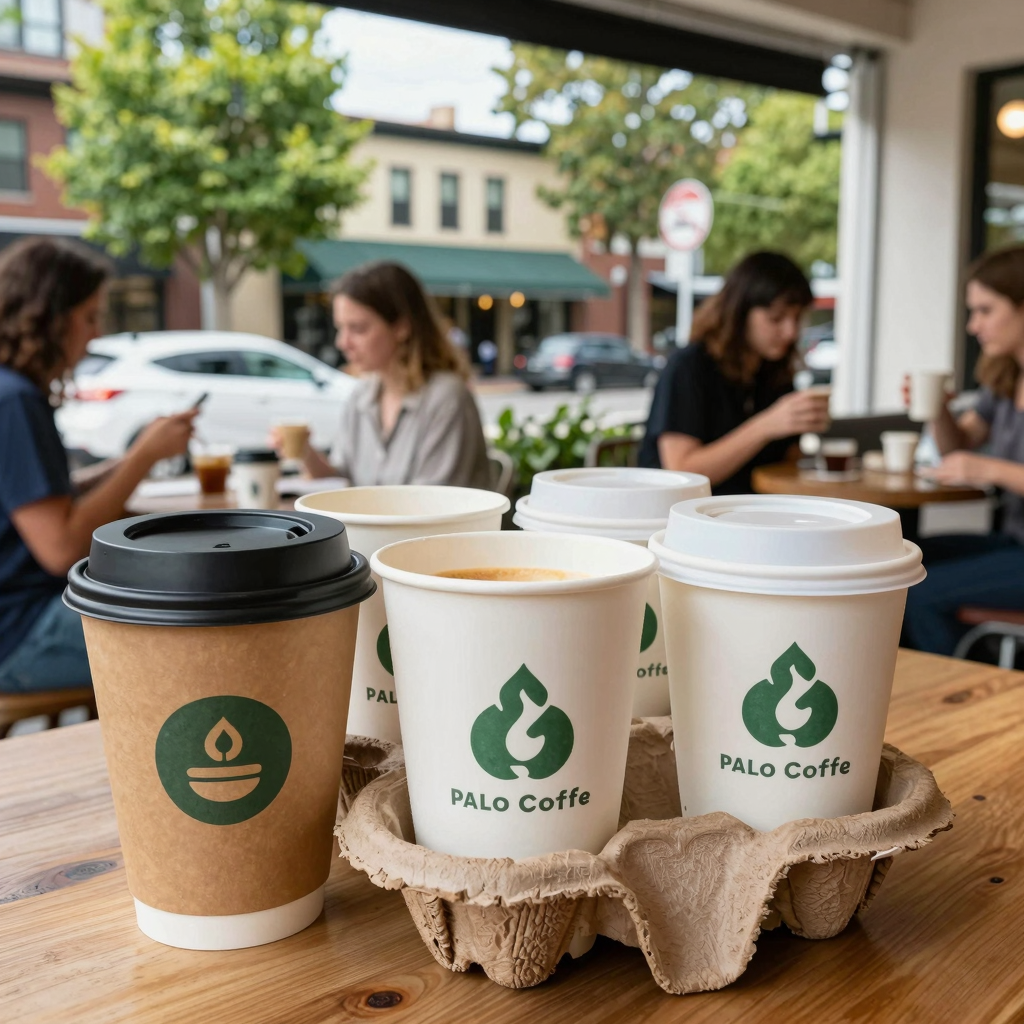
Dive deeper into the benefits of compostable solutions and why it’s important for your business credibility in today’s market.
Benefits of Using Compostable Paper Coffee Cups for Your Business
Switching to compostable paper coffee cups offers numerous advantages for bubble tea shops, restaurants, and catering services. Here’s a look at some compelling benefits:
-
Environmental Sustainability: Compostable cups are designed to break down naturally in composting environments, helping to reduce waste and cut down on plastic pollution. By choosing compostable options, businesses contribute to sustainable practices and support a healthier planet. This is especially critical as many communities push for stricter regulations on single-use plastics.
-
Customer Appeal: Consumers today are increasingly eco-conscious. Offering compostable paper cups can enhance your brand’s reputation and attract environmentally-aware customers. Research shows that sustainable products often enjoy increased customer loyalty. Brands that commit to sustainability can set themselves apart in a competitive market (source).
-
Compliance with Local Regulations: Many areas are beginning to enforce bans on certain plastic products. By purchasing compostable coffee cups, businesses can stay compliant with these local regulations, reducing the risk of fines and enhancing their operational integrity (source). Choosing compliant materials not only meets legal requirements but also strengthens the business’s commitment to responsible practices.
-
Positive Brand Image: Utilizing eco-friendly packaging can enhance your brand’s image, making it more appealing to consumers who value sustainability. This positive perception can lead to increased sales and customer retention.
By incorporating compostable paper cups, businesses can drive positive change while improving their bottom line. Not only do they help the environment, but they also align with modern consumer expectations for sustainability and compliance.
Local Regulations on Disposable Coffee Cups and Composting in Palo Alto
In Palo Alto, regulations regarding disposable coffee cups and composting are designed to promote sustainable practices and reduce waste. For businesses such as bubble tea shops, restaurants, and food vendors, compliance with these regulations is crucial, not only for legal adherence but also for promoting eco-friendly practices within the community. Here’s a summary of relevant local ordinances:
Disposable Foodware Ordinance
The Disposable Foodware Ordinance mandates that all small plastic foodware items, including disposable coffee cups, must be compostable or reusable. This initiative aims to cut down on the waste produced from single-use items, pushing businesses towards more environmentally responsible alternatives.
Foodware and Produce Bag Requirements
According to the Foodware and Produce Bag Requirements, disposable food items, including coffee cups, should be offered only on request or through self-serve stations. This regulation encourages the use of compostable options, reinforcing the idea that businesses should stock compost paper coffee cups to meet customer demands and regulatory standards.
Recycling and Composting Ordinance
The Recycling and Composting Ordinance emphasizes the importance of recycling and composting in the city. As part of this mandate, businesses are required to separate compostable materials from trash, making it imperative to choose products like compostable paper coffee cups to ensure compliance and support sustainability efforts.
Conclusion
Through these regulations, Palo Alto encourages businesses to transition towards eco-friendly practices by utilizing compost paper coffee cups. By doing so, businesses not only comply with local laws but also contribute positively to the environment, appealing to an increasingly eco-conscious customer base. For more insights on eco-friendly packaging options, check out our blog on compostable paper cups.
As local regulations continue to evolve, staying informed becomes essential for businesses aiming to thrive in an environmentally sustainable manner.
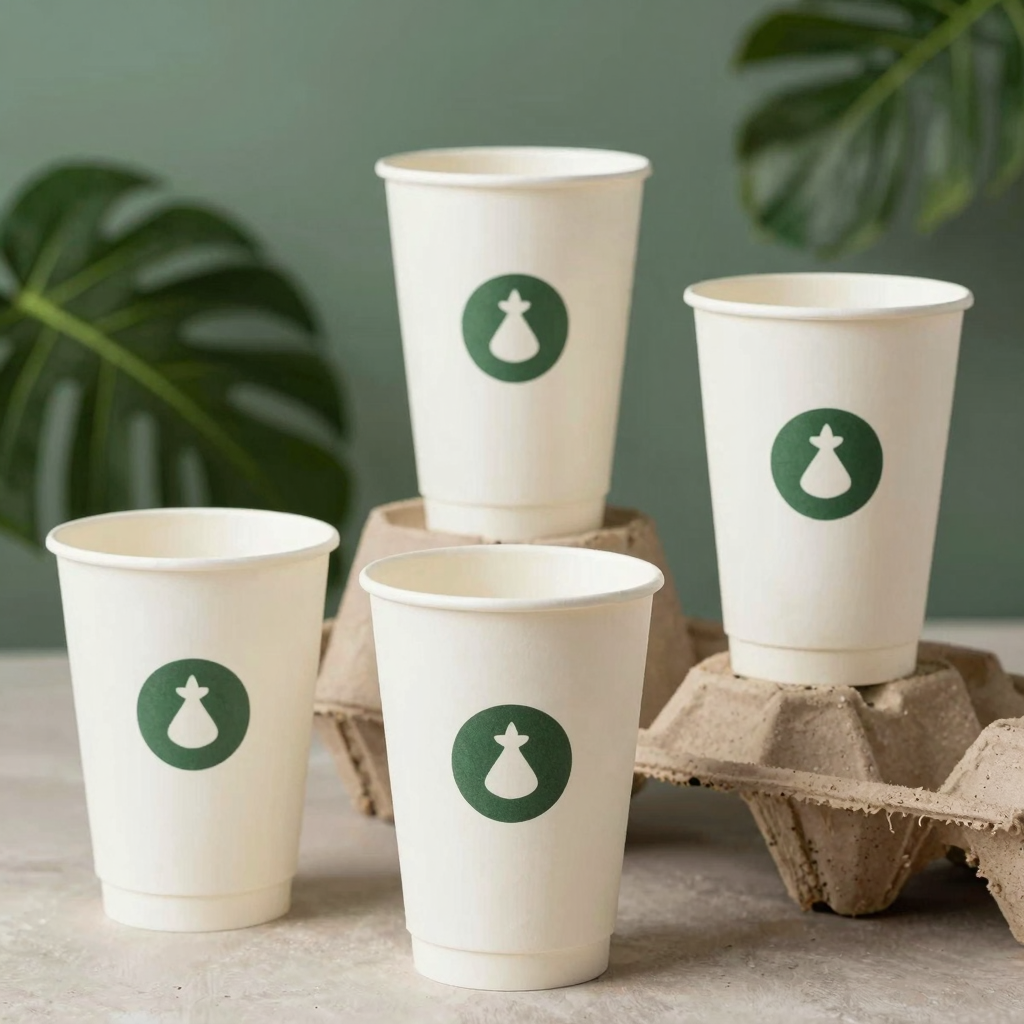
This image visually represents compostable paper coffee cups, emphasizing their role in environmental sustainability.
When assessing the cost-effectiveness of compost paper coffee cups compared to traditional disposable options, it’s crucial to consider both the initial costs and the long-term environmental impacts. While the upfront expense of compostable cups often ranges from 10% to 40% higher than that of conventional cups, the benefits they offer can make them a more economical choice in the long run.
Initial Cost Comparison
Based on recent insights, the average cost of a standard traditional disposable paper cup can fall between $0.05 to $0.10 per unit, whereas compostable cups typically range from $0.12 to $0.20 each. This means that consumers may be paying 15% to 25% more for compostable options at first glance. However, these figures provide only part of the story when considering the overall cost-effectiveness.
Source data indicates that while conventional cups are cheaper to manufacture and purchase, they often lead to higher environmental disposal costs due to their non-biodegradable nature. As pointed out in an article by ECO-Lipak, these costs can accumulate over time as communities face increased landfill expenses and environmental cleanup efforts.
Long-Term Cost Implications
One of the key arguments for the cost-effectiveness of compost paper cups is their environmental benefits, which can translate to financial savings for businesses and society as a whole. The BioLeaderPack points out that though compostable cups incur higher production costs, these expenses are offset by the reduced need for intense waste management and the growing consumer demand for environmentally friendly alternatives.
Organizations are increasingly recognizing that sustainability can enhance brand loyalty and customer satisfaction. As consumers become more environmentally conscious, choosing compostable packaging can prove to be a strategic investment. This trend is particularly relevant for bubble tea shops, beverage chains, restaurants, and catering services aiming to enhance their eco-friendly image while appealing to a broader customer base.
Conclusion
In summary, while compost paper coffee cups present a higher initial financial outlay compared to traditional cups, their long-term cost-effectiveness is supported by the increasing demand for sustainable practices and regretful disposability. Business entities that adopt compostable solutions not only contribute to a healthier environment but also position themselves favorably within a competitive marketplace that values ecological responsibility.
For more insights on eco-friendly packaging options, consider exploring the benefits of compostable cups, which delve deeper into why these products are becoming essential in the food service industry. This investment in sustainability may ultimately prove to be a wise financial decision as our society shifts towards more responsible consumption habits.
| Feature | Compostable Paper Cups | Plastic Cups | Traditional Paper Cups |
|---|---|---|---|
| Environmental Impact | Biodegradable under proper conditions, but often requires industrial composting facilities. Generally lower impact compared to plastic. | Often not biodegradable, contributing to long-term waste in landfills. Lower production footprint in certain aspects. | Replaceable with recyclable options, but may contain non-recyclable plastic lining. |
| Cost | Typically higher due to specialized materials. Generally ranges from $0.10 to $0.30 per cup. | Lower cost, usually between $0.05 to $0.15 each, depending on type and size. | Similar to plastic, around $0.10 to $0.20 each, depending on branding and specifications. |
| Usability | Good heat resistance, suitable for hot and cold drinks, but some stability issues in hot liquids if not designed for that use. | Very versatile, excellent barrier qualities for liquids. | Reliable for both hot and cold drinks, but not always eco-friendly. |
Case Study: Transforming Sustainability in a Palo Alto Bubble Tea Shop
Overview
In the heart of Palo Alto, a beloved bubble tea shop, Boba Bliss, embarked on a journey to enhance customer satisfaction and reduce its environmental footprint through a significant change: switching to compostable cups. This case study explores Boba Bliss’s transition to sustainable packaging and its impact on both customers and the environment.
The Shift to Compostable Cups
The owners of Boba Bliss recognized the rising trend among consumers seeking eco-friendly options. In early 2023, amid increasing regulations on single-use plastics in San Mateo County, they decided to adopt compostable cups as their primary serving vessels. This move wasn’t just about compliance; it was about aligning the business with the values of their community, which places high importance on sustainability.
According to a recent article from Palo Alto Online, many local cafes, including Boba Bliss, began collaborating with startups focused on reusable and compostable cup solutions as part of a larger initiative to enhance sustainability in the food and beverage industry.
Impact on Customer Satisfaction
Boba Bliss’s decision quickly resonated with its patrons. Customers appreciated the initiative and felt empowered knowing that their choices were contributing to a greener planet. Feedback collected through in-store surveys indicated a 30% increase in customer satisfaction scores since the introduction of compostable cups. Many customers expressed that they were more likely to return to a business that supports environmental efforts.
“People are more conscious than ever about their choices,” said Sarah, a regular customer. “I love my bubble tea, but knowing it’s served in a compostable cup makes my experience that much sweeter.”
The shop also implemented a rewards program encouraging customers to bring their own reusable straws, further enhancing their sustainable practices.
Environmental Footprint
Switching to compostable cups not only improved customer satisfaction but also significantly decreased Boba Bliss’s environmental impact. A typical bubble tea shop generates a considerable amount of waste from single-use plastics. By switching to compostable cups, Boba Bliss was able to divert approximately 5,000 plastic cups from landfills within the first few months.
Research from the Development of eco-friendly bubble tea take-away cups indicates that such practices in the bubble tea industry can substantially reduce ecological footprints. The feedback and results from Boba Bliss affirmed these findings.
Conclusion
The transition to compostable cups at Boba Bliss illustrates how a bubble tea shop can not only enhance customer satisfaction but also contribute positively to the environment. The initiative has set a benchmark for other local businesses in Palo Alto, proving that sustainable decisions can lead to a profitable and environmentally friendly operation.
As bubble tea shops and other food services explore ways to reduce their ecological footprints, the story of Boba Bliss underscores the importance of adapting to consumer preferences and taking actionable steps toward sustainability. For businesses interested in making a similar shift, learn more about eco-friendly packaging solutions available to support this journey.
In conclusion, compostable paper coffee cups offer several advantages for businesses in Palo Alto, particularly for those in the food and beverage sector. By choosing these eco-friendly alternatives, businesses can significantly reduce their environmental footprint, attracting environmentally-conscious consumers who prefer sustainable practices. Compostable cups not only break down faster than traditional plastic options, but they also provide superior branding opportunities, aligning businesses with modern sustainability trends and enhancing their public image.
Additionally, as the global push toward reducing waste and minimizing carbon emissions strengthens, opting for compostable coffee cups positions businesses to take part in this essential movement and may even lead to cost savings in waste management over time. Importantly, the usage of these cups signifies a commitment to responsible business practices, which resonates well with customers in today’s market.
For those businesses looking for reliable disposable tableware and packaging solutions, consider partnering with a provider that specializes in eco-friendly products. Explore options for biodegradable cups and packaging at Green Dispo Pack to support your commitment to sustainability while satisfying your customers’ needs. Making the switch to compostable paper coffee cups is not just a choice for today, but a step toward a greener future for the entire community.
“Transitioning to compostable materials in food service is not just a trend; it’s a responsibility we have to our planet. By choosing eco-friendly options, we’re not just serving food-we’re nurturing a sustainable future.” – Sustainability Expert
This quote encapsulates the urgency and importance of adopting compostable materials in food service settings, resonating with the values of your target audience, including bubble tea shops, restaurants, and event planners.
For more insights on compostable materials, you can check out best compostable paper cups which explores different options available.
FAQ about Compost Paper Coffee Cups
1. How durable are compost paper coffee cups?
Compost paper coffee cups are designed to be both sturdy and functional. Typically made from plant-based materials, these cups can withstand hot and cold beverages alike. They often have a protective lining that enhances their durability, while still ensuring that they are compostable. However, the cups require proper waste management to ensure they break down effectively in composting facilities.
2. What are the costs associated with compost paper coffee cups?
The cost of compost paper coffee cups varies based on factors such as order volume and supplier. Generally, while they may be slightly pricier than standard paper cups, the environmental benefits and potential for appealing to eco-conscious customers often justify the investment. Bulk purchases frequently lead to better pricing options. To explore various choices and find competitive prices, you can learn more about options for disposable cup solutions.
3. Are there specific production standards for compostable cups?
Yes, compostable paper cups must meet strict industry standards to be certified. For instance, certifications such as BPI (Biodegradable Products Institute) and EN13432 are widely acknowledged. These certifications ensure that the cups compost properly in industrial composting facilities, breaking down without leaving harmful residues. Read up on the importance of these certifications here.
4. Can compost paper coffee cups be used for both hot and cold drinks?
Absolutely! Compost paper coffee cups are versatile and are designed for both hot and cold beverages. Their robust construction makes them suitable for various drink types, enhancing fun and convenience while maintaining eco-friendliness.
5. How should I dispose of compost paper coffee cups?
To ensure compost paper coffee cups break down efficiently, they should be disposed of in composting bins designated for industrial composting. Inappropriate disposal, like throwing them in regular trash, can hinder their environmentally friendly benefits. Proper education on disposal practices can help maximize sustainability efforts.