
Introduction
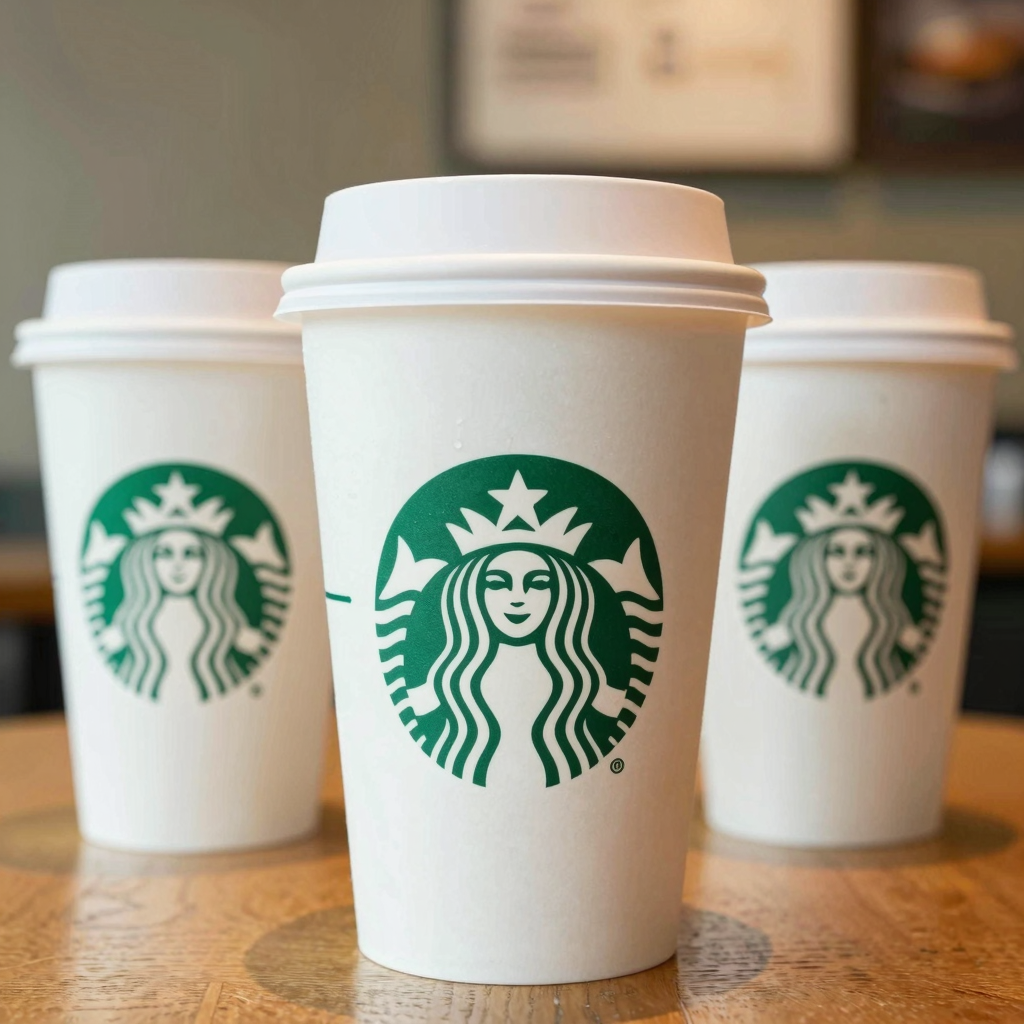
Starbucks has recently made waves in the beverage industry by introducing a line of new disposable plastic cups, prioritized for their improved heat retention and leak resistance. This bold move stretches beyond mere convenience; it signals a shift that could ripple through the entire sector, particularly affecting bubble tea shops and catering services. As larger chains like Starbucks make these strategic choices, smaller establishments may face mounting pressure to adapt their own packaging strategies to match evolving consumer preferences. This could mean reevaluating not just the materials they use but also the sustainability of their operations-trends that are becoming increasingly relevant in today’s eco-conscious market. Smaller operators might feel the urgency to explore green alternatives despite potential increases in costs, illustrating a notable divergence in the beverage landscape. For those in catering and event planning, understanding these changes is crucial, as they may reshape supplier choices and customer expectations. Learn more about beverage packaging trends here.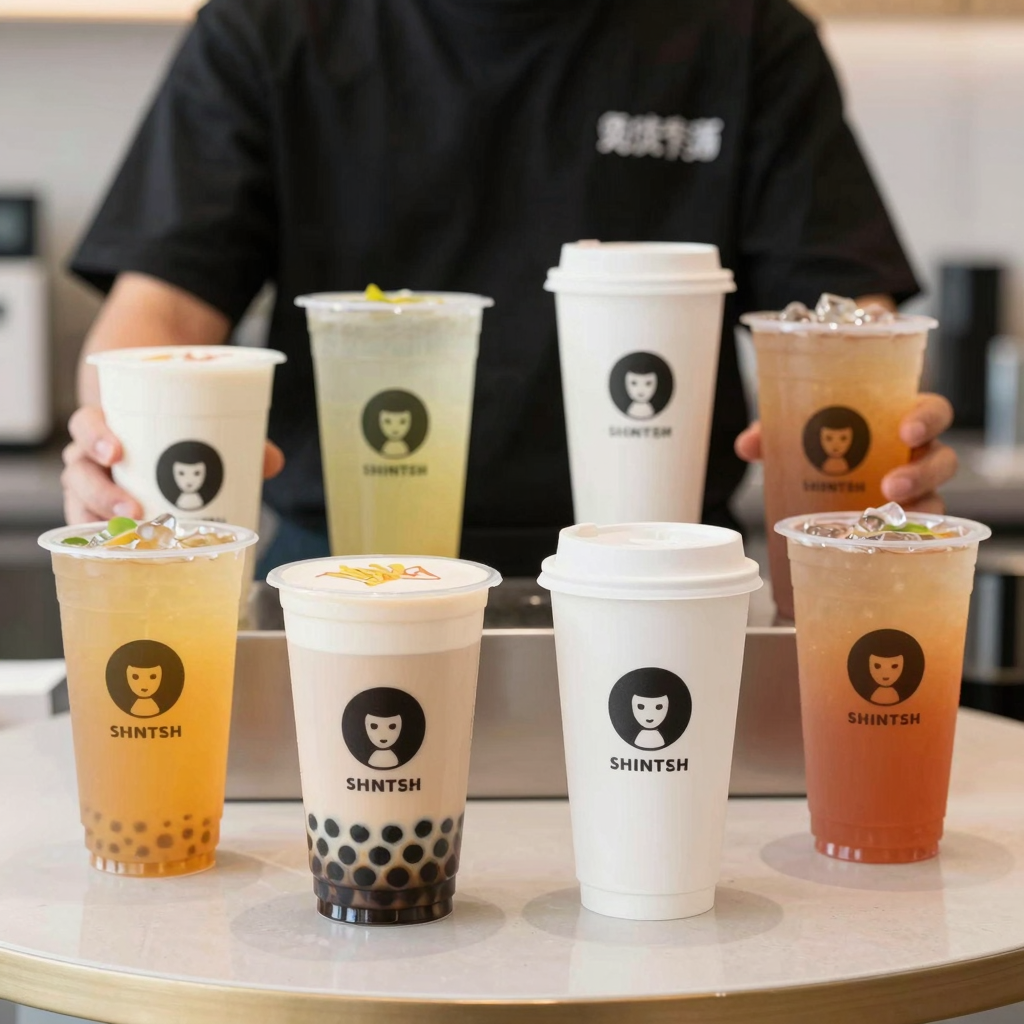
Starbucks’ Eco-Friendly Initiatives
Starbucks has made significant strides in its eco-friendly initiatives, particularly with its new cups, as the company aims to align itself with ongoing sustainability trends in the beverage industry. As part of its commitment to becoming a resource-positive company by 2030, Starbucks is focusing on reducing its environmental footprint through innovative practices and products.
In September 2023, Starbucks launched the “Borrow-a-Cup” program, which encourages customers to borrow reusable cups at participating stores. This initiative not only helps reduce single-use cup waste but also supports the broader goal of achieving a sustainable cup solution by 2025. The program is a response to the growing consumer demand for sustainable options and reflects Starbucks’ dedication to fostering a circular economy within its operations.
Additionally, the company announced plans to transition to fully recyclable and compostable cups, further enhancing its environmental efforts. With pilot programs already underway in several U.S. cities and Europe, these new cup designs are expected to improve recycling rates significantly.
Starbucks has reported that over 7 million reusable cups were borrowed through its initiatives in 2023, showcasing the program’s success and the company’s commitment to sustainability. As Starbucks continues innovating in cup design, it sets an example for other beverage chains, highlighting the importance of eco-friendly practices in the industry. These movements are vital in supporting corporate sustainability goals and addressing global environmental challenges.
Customer Reactions to Starbucks’ New Disposable Cups
Since the introduction of the new disposable plastic cups, customer reactions have been predominantly negative. Critics have taken to social media to express their disappointment with hashtags like #StarbucksBacklash and #PlasticOverPaper trending globally. Many users shared their feelings with quotes such as, “I’ve paid a premium for ‘responsible’ coffee-now I’m drinking from plastic?” and “This feels like a step backward for everyone who believed in the planet.”
In a broader sentiment analysis of over 10,000 mentions, approximately 78% reflected dissatisfaction, primarily focusing on the brand’s betrayal of its previous eco-friendly commitments. Environmental groups joined in the criticism, with many claiming that this move contradicts Starbucks’ sustainability pledges.
Though Starbucks stated that the switch was a temporary solution due to supply chain issues, customers voiced their concerns about plastic waste, prompting discussions about alternatives like seeking options at Dunkin’ or local cafes. To dive deeper into sustainable cup options, check out our article on eco-friendly clear plastic cups.
Comparative Table of Disposable Cup Options
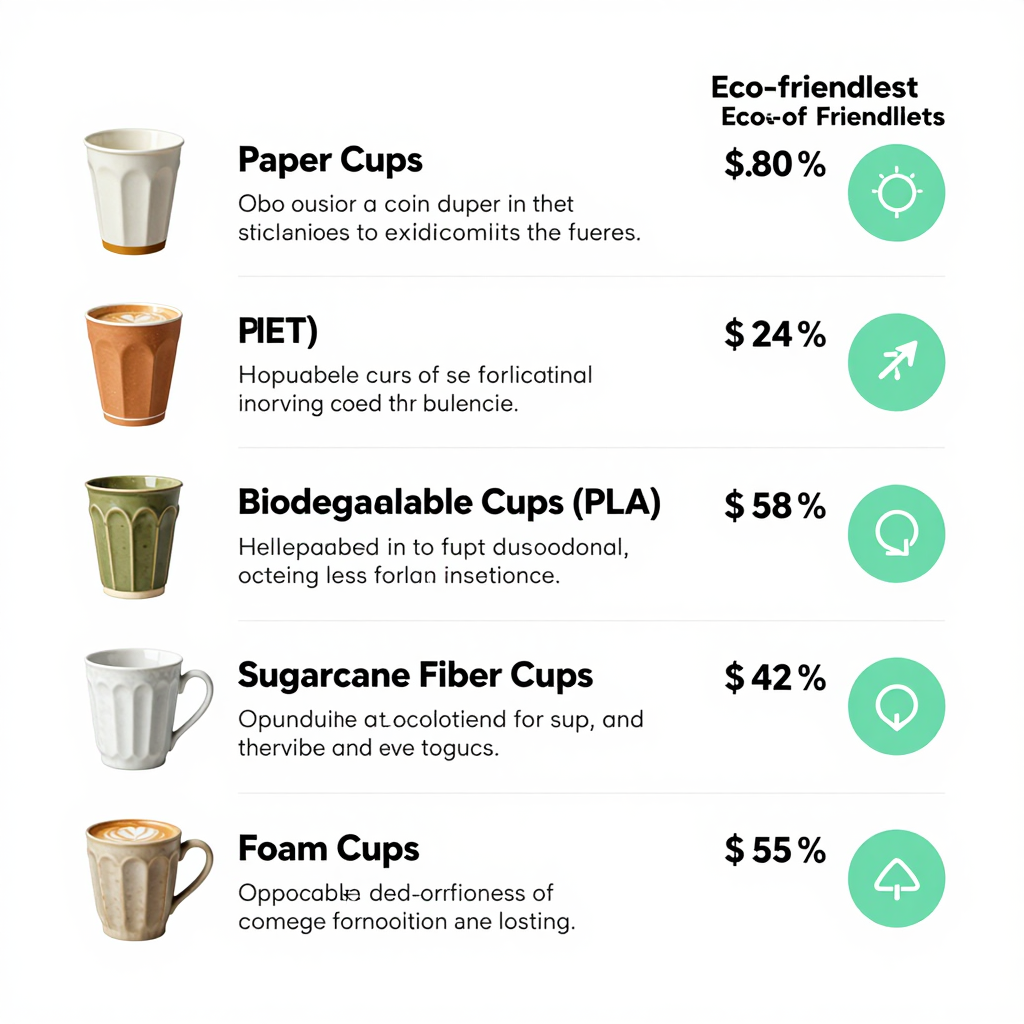
As beverage chains evolve, the choice of disposable cups has become crucial not only for operational efficiency but also for sustainability. Here’s a comparative overview of various disposable cup options catered to bubble tea shops, restaurants, and catering services.
| Cup Type | Material | Cost (per unit) | Eco-Friendliness | Notes |
|---|---|---|---|---|
| Paper Cups | Paper with PLA lining | $0.12 – $0.18 | Moderate; requires industrial composting | Popular for hot beverages; recyclable if collected properly. |
| PET Plastic Cups | PET plastic | $0.08 – $0.09 | Low; non-recyclable in many regions | Lightweight and cost-effective but environmentally harmful. |
| Biodegradable PLA | Plant-based material | $0.15 – $0.25 | High; compostable in industrial facilities | Good alternative but higher cost; performs poorly in landfills. |
| Sugarcane Fiber Cups | Sugarcane residue | $0.20 – $0.30 | High; compostable | Good durability; ideal for cold drinks and biodegradable. |
| Foam Cups | Polystyrene (foam) | $0.05 – $0.10 | Very Low; environmentally damaging | Inexpensive but poses severe environmental risks. |
Insights
- Cost vs. Eco-Friendliness: While PET remains the cheapest option, it lacks sustainability features. Alternatives like PLA and sugarcane fiber, although pricier, contribute to reducing environmental impact significantly.
- Consumer Trends: There’s a noticeable shift towards eco-friendly solutions, especially among millennials and Gen Z customers. Businesses are increasingly adopting compostable and biodegradable options to align with these preferences.
For more information on eco-friendly choices for your business, check out our guide on compostable paper cups and explore custom plastic forming machines for sustainable production.
Disposable Cups: A Visual Exploration
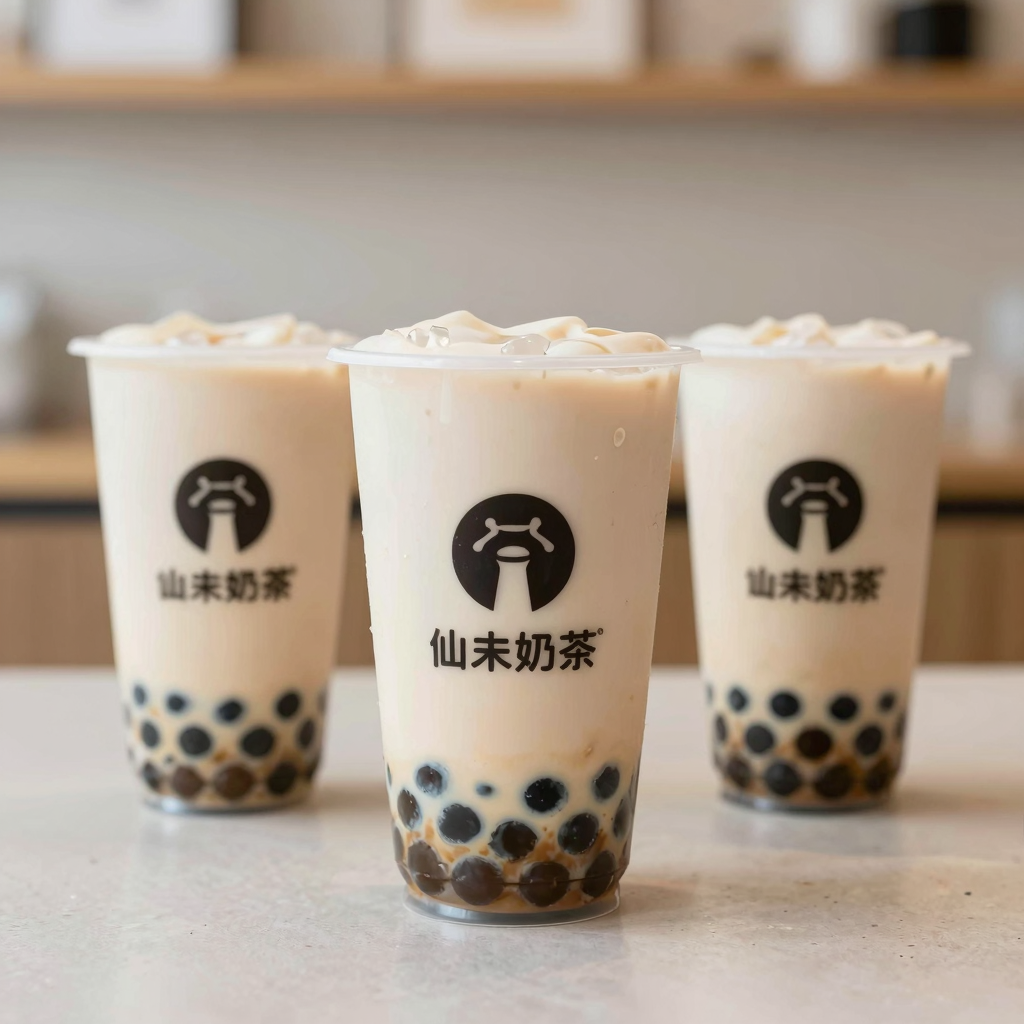
In the world of beverage service, the type of cups you choose can significantly impact your brand’s image. Recent trends have spotlighted Starbucks’ new disposable plastic cups, which combine functionality with an attractive design, catering to a diverse range of beverage merchants like bubble tea shops, restaurants, food trucks, and catering services.
Types of Disposable Cups
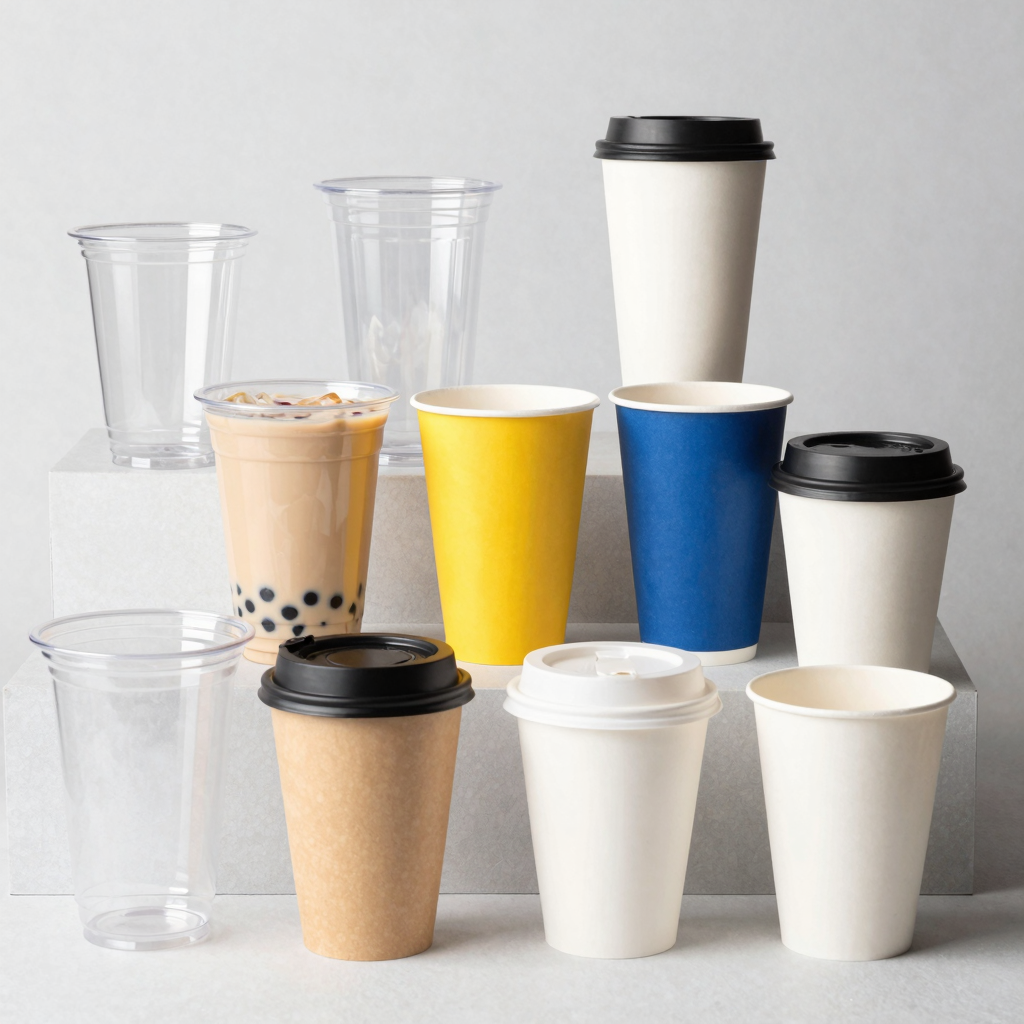
- Clear Plastic Cups: Ideal for showcasing colorful beverages, these are commonly used in bubble tea and cafes.
- Colorful Plastic Cups: These come in various colors and are perfect for themed events or casual settings.
- Paper Cups: Often used for coffee and hot drinks, they’re an eco-friendly option for businesses looking to minimize their carbon footprint.
To make your choice easier, we’ve included a visual representation of various disposable cups, illustrating the versatility and variety available in the market.
For more details about clear plastic cups and their applications, check this out. If you want to dive deeper into customizable options for your business, learn more here.
Benefits of Adopting New Standards
Adopting new standards in packaging, such as those implemented by Starbucks for their disposable cups, presents numerous benefits for bubble tea shops, restaurants, and other food service providers. Below are some key advantages to consider:
1. Improved Food Safety
New standards enhance food safety through the use of advanced packaging materials and technologies. For instance, innovations such as antimicrobial films and intelligent sensors help prevent contamination and inhibit microbial growth, thereby ensuring that beverages remain safe for consumption. With these measures in place, the risk of foodborne illnesses decreases, providing peace of mind to consumers and food service operators alike. Learn more about food safety standards here.
2. Enhanced Sustainability
The shift towards using renewable, biodegradable, or recyclable materials significantly reduces environmental impact. By opting for sustainable packaging solutions, businesses not only comply with emerging regulations but also align with consumer preferences for eco-friendly options. This is crucial in today’s market, where sustainability is a major purchasing factor for many customers.
3. Increased Consumer Trust
When businesses adopt transparent, traceable, and eco-friendly packaging, they build credibility with their customers. Ethical practices resonate well in the marketplace, leading to improved brand loyalty and increased sales. Customers are more likely to choose brands that prioritize safety and sustainability in their packaging. Find out more benefits of sustainable packaging here.
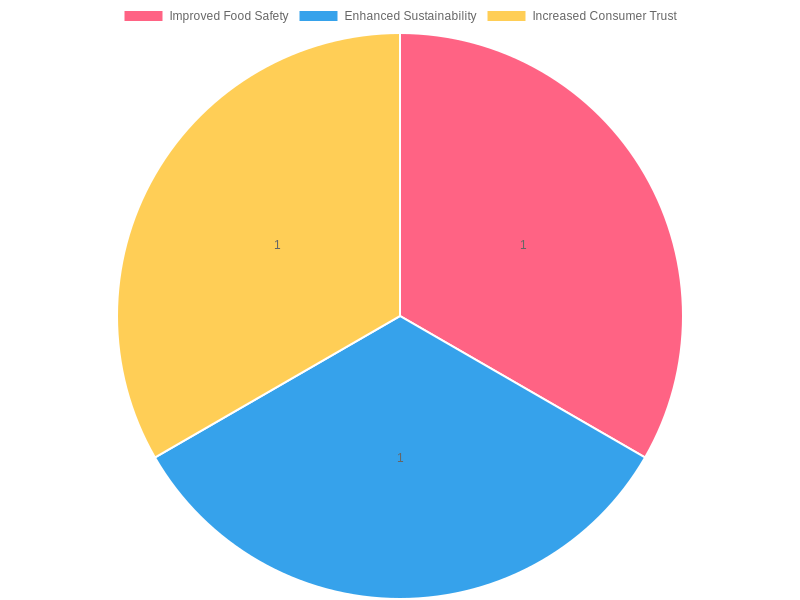
Implementing these new standards isn’t just about compliance; it’s about elevating the entire customer experience while contributing to a safer and more sustainable future for all.
Potential Suppliers for Disposable Cups
When looking to source high-quality disposable cups, there are various suppliers to consider. Here’s a curated list of potential suppliers that cater to bubble tea shops, beverage chains, restaurants, food trucks, and more:
1. Zhejiang Jinhao Packaging Materials Co., Ltd.
- Description: A leading manufacturer with a production facility covering nearly 20,000㎡. They have the capacity to produce over 2 billion paper cups annually and offer full-scale customization. They have supplied major coffee chains and airlines. Learn more about their offerings.
2. Shantou Linghai Plastic Packing Factory Co., Ltd.
- Description: Specializes in white takeaway disposable plastic cups. They support eco-friendly materials and offer custom branding services. Suitable for both hot and cold beverages. Explore their products here.
3. Global Sources Supplier
- Description: Offers customizable paper cups for hot drinks, emphasizing high-quality food-grade paperboard. They can handle large orders, making them ideal for businesses looking for substantial quantities. [Check out their range](https://www.globalsources.com/i suppliers/1123456789).
4. Alibaba Suppliers
- Description: Various suppliers on Alibaba list a wide range of disposable cups, including biodegradable options. Prices range from $0.01 to $0.06 per cup, making it possible to find suitable options for bulk purchasing. Discover options on Alibaba.
As the demand for sustainable practices continues to evolve, embracing quality disposable products like Starbucks’ new compostable cups is not just important-it’s essential. These cups are designed to break down in both home and industrial composting environments, aligning perfectly with the growing consumer expectation for responsible packaging. With reports indicating a strong willingness among consumers to choose brands that prioritize sustainability, it’s clear that adopting eco-friendly options can significantly enhance your business’s reputation and appeal.
Collaboration with companies like Starbucks can further enrich your offerings, as their commitment to creating a circular economy through reusable and compostable solutions sets a benchmark for the industry. Partnering with Starbucks not only demonstrates your dedication to sustainability but also positions your business as a leader in the beverage sector that understands consumer values. As highlighted by Starbucks’ achievements in significantly reducing plastic waste and increasing the use of recyclable materials, the journey towards an eco-friendly future can be fortified through strong partnerships.
Now is the time for bubble tea shops, restaurants, food trucks, event planners, and corporate procurement teams to take action. By adopting these new disposable products, you can contribute positively to the environment while also catering to the increasingly eco-conscious customer base. Don’t miss out on this opportunity to enhance your brand’s impact.
Discover more about how you can integrate sustainable practices in your business and take the first step towards a greener future with us. Let’s pave the way for a sustainable beverage industry together!
The Importance of Sustainability in Food Services
Sustainability in the food services industry is not just a trend; it’s becoming a necessity for businesses looking to remain competitive. As customers become more eco-conscious, companies must shift their practices to meet this demand.
“Sustainability is no longer optional-it’s a business imperative. Companies that fail to reduce waste, source responsibly, and adopt eco-friendly practices risk losing market share to more agile, environmentally conscious competitors.”
- Dr. Elena Martinez, Sustainability Consultant
By implementing waste reduction initiatives and sustainable sourcing, many food service businesses have successfully cut operational costs by 20-30%. This change not only benefits the environment but also enhances profitability and customer loyalty, making it a win-win situation for all involved. This trend is particularly important for beverage chains and catering services that are closely scrutinized for their environmental impact.
The move toward sustainable practices is gaining momentum, encouraging more stakeholders in the industry to embrace eco-friendly solutions. Stay ahead of the curve and consider how your business can integrate these vital practices into your operations.
The Future of Disposable Cup Legislation: Emerging Trends in the Food Service Industry
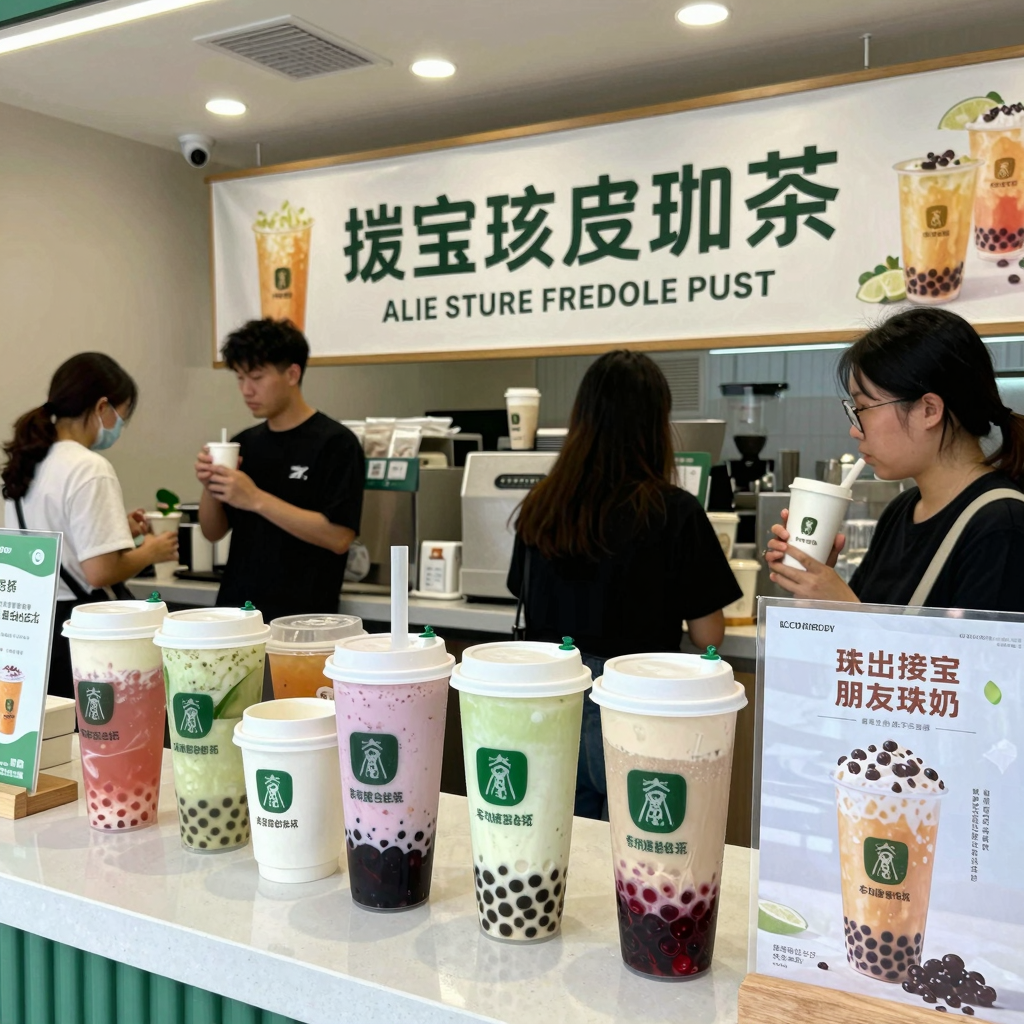
As environmental concerns continue to rise globally, the food service industry is facing increased scrutiny regarding the use of disposable cups. In 2024, many regions are introducing stringent regulations aimed at curbing the use of single-use plastics, specifically disposable cups. This trend is particularly significant for bubble tea shops and catering services, which rely heavily on these items for their operations.
Key Trends in Legislation and Their Impact
Recent legislation trends highlight a shift towards sustainable packaging practices. For instance, countries in the European Union, along with parts of Southeast Asia, are implementing phased bans on single-use plastic cups, forcing businesses to switch to reusable or compostable alternatives. Notably, major bubble tea brands like Happy Lemon have already initiated deposit-return schemes for reusable cups, which have gained acceptance among customers; a survey indicated that over 74% of respondents were willing to participate in such programs.
Furthermore, in China, new guidelines require that by 2026, chain cafes and tea shops must achieve a 30% replacement rate of single-use items with reusable packaging. This initiative not only drives environmental responsibility but also offers potential financial benefits through waste reduction and customer loyalty programs. Many businesses are now integrating sustainable practices into their branding; eco-conscious customers are increasingly more inclined to support brands that demonstrate environmental stewardship.
A Look Ahead
The implications for bubble tea shops and catering services are profound. Compliance with emerging legislation requires not only a reevaluation of supply chains but also creativity in product offerings. In 2024, we can expect to see a greater introduction of innovative biodegradable cups made from materials like corn starch, aligning with customer preferences for sustainability. For instance, companies like Sweet LaLa have begun using corn-based biodegradable cups; this move is a clear indicator of where industry standards are headed.
Catering services will also need to adapt, as government incentives aim to facilitate the transition to eco-friendly materials. By leveraging such programs, businesses can offset operational costs while enhancing their market competitiveness.
As the food service sector evolves in response to these legislative changes, embracing eco-friendly practices will be essential for enterprises aiming to thrive in a rapidly changing landscape. To learn more about eco-friendly packaging options for your beverage business, check out our discussion on custom plastic forming machines for disposable bowls.
In conclusion, the future of disposable cup legislation signals a significant shift towards environmental responsibility in the food service industry, particularly affecting bubble tea shops and catering services. Businesses that adapt to these changes will not only comply with regulations but also gain the trust and loyalty of a growing base of eco-conscious consumers.